2027 Best Udacity AI Courses Online

Co-Founder and Chief Data Scientist
Facing a career change into artificial intelligence often means overcoming gaps in specialized knowledge and finding programs that accommodate busy schedules. Traditional degree programs can be costly and time-consuming, creating barriers for professionals holding unrelated undergraduate degrees. This challenge intensifies when seeking flexible yet credible learning paths that provide practical skills rather than theoretical overload.
Online platforms like Udacity aim to bridge this divide by offering targeted courses designed to build expertise efficiently. This article evaluates the best Udacity AI courses available, highlighting their relevance, flexibility, and accreditation to help readers make informed decisions about advancing in the field.
Key Things You Should Know
- Udacity's AI courses in 2026 emphasize practical skills, with over 70% of graduates securing relevant tech roles within six months of completion.
- Curricula are updated quarterly to reflect advances like generative AI, ensuring students learn the latest tools and frameworks for industry demands.
- Flexible learning paths and collaboration with industry leaders allow professionals to balance study with work, boosting both upskilling and career transitions.
Advance Your Career with AI Online Courses
Artificial Intelligence: Implications for Business Strategy
This program provides an introduction to Artificial Intelligence and their implications for business strategy. Earn an official digital certificate.

Oxford Artificial Intelligence Programme
Explore this Oxford Artificial Intelligence programme offered in a flexible learning environment and explore topics like machine learning, automation, and robotics.

Implementing Agentic AI: Building Your Organizational Playbook
This online MIT Agentic AI course offers a practical approach to deploying AI agents in your organization, including a custom playbook. 3 weeks, exclusive launch price.

AI Adoption: Driving Business Value and Impact
This online MIT AI Adoption: Driving Business Value and Impact offers practical frameworks to close the gap between AI potential and business reality.

Artificial Intelligence in Pharma and Biotech
Discover the applications and limitations of artificial intelligence in pharma and biotech with this MIT online short course.

What makes Udacity's AI course catalog stand out among other online AI providers?
Udacity's comprehensive AI course catalog offers a skill-focused curriculum designed to address the urgent demand for expertise in areas like machine learning, deep learning, computer vision, and natural language processing. This unique structure provides specialized nanodegree programs that develop practical skills aligned with industry needs, setting Udacity apart from broader online offerings.
Collaborations with leading companies ensure courses remain up-to-date with emerging technologies and real-world applications. Students gain hands-on experience through projects simulating actual workplace challenges, which is crucial for applying theory to practice effectively. These features highlight the unique advantages of Udacity artificial intelligence programs for career-ready learners.
The global AI skills gap is significant, with 75% of tech leaders reporting shortages according to the 2024 Impact Report. Udacity has reached over 2.6 million enrollments in AI-related programs since 2020, demonstrating robust influence. Furthermore, 70% of graduates report career benefits, such as promotions or new job opportunities, illustrating tangible outcomes.
Additional strengths include flexible pacing for working professionals and personalized mentorship to tackle complex problems. Certifications from Udacity are respected by employers as measurable proof of skills. For those evaluating AI graduate programs, exploring opportunities through AI graduate programs can provide insights into career pathways linked to this growing field.
Advance Your Career with AI Online Courses
Artificial Intelligence: Implications for Business Strategy
This program provides an introduction to Artificial Intelligence and their implications for business strategy. Earn an official digital certificate.
Oxford Artificial Intelligence Programme
Explore this Oxford Artificial Intelligence programme offered in a flexible learning environment and explore topics like machine learning, automation, and robotics.
Implementing Agentic AI: Building Your Organizational Playbook
This online MIT Agentic AI course offers a practical approach to deploying AI agents in your organization, including a custom playbook. 3 weeks, exclusive launch price.
Which Udacity AI courses are best for beginners with no programming or math background?
Udacity's AI Programming with Python Nanodegree is an excellent choice for beginners without any programming or math background. This course covers essential skills such as Python programming, linear algebra, and statistics, forming a strong foundation for artificial intelligence proficiency. Its beginner-friendly pace and practical projects make complex topics more accessible, helping learners build neural networks and utilize libraries like NumPy and Pandas effectively. This approach is ideal for those facing math anxiety or unfamiliarity with coding syntax.
Many Udacity artificial intelligence courses for learners with no math background require prerequisites, but this Nanodegree requires no prior experience, making it perfect for career changers. It also offers valuable career services including resume reviews and interview preparation specifically designed for individuals new to the AI job market. According to the Coursera Global Skills Report 2024, professionals who earn Python- and machine learning-related certificates often see a median 21% salary increase within a year, especially in AI and data roles.
Beginners should focus on mastering foundational math and Python basics in this program before advancing to specialized AI topics like deep learning or natural language processing. For those interested in expanding their credentials beyond AI, pursuing an online degree in mechanical engineering is another viable option to enhance technical skills and career opportunities. For learners searching among the best Udacity AI courses for beginners without programming skills, this Nanodegree offers a structured, supportive pathway into artificial intelligence careers.
What are the top intermediate and advanced Udacity AI courses for career-focused learners?
Top Udacity AI courses for career advancement include several Nanodegree programs designed to equip learners with practical and industry-relevant skills. The AI Programming with Python Nanodegree focuses on foundational tools like NumPy, Pandas, and PyTorch, emphasizing applied projects that replicate real-world data challenges.
For those seeking specialized expertise, the Deep Reinforcement Learning Nanodegree explores algorithms such as policy gradients and Q-learning, ideal for careers in autonomous systems and robotics. The Computer Vision Nanodegree covers convolutional neural networks, image classification, and object detection, with applications in healthcare, security, and automotive sectors.
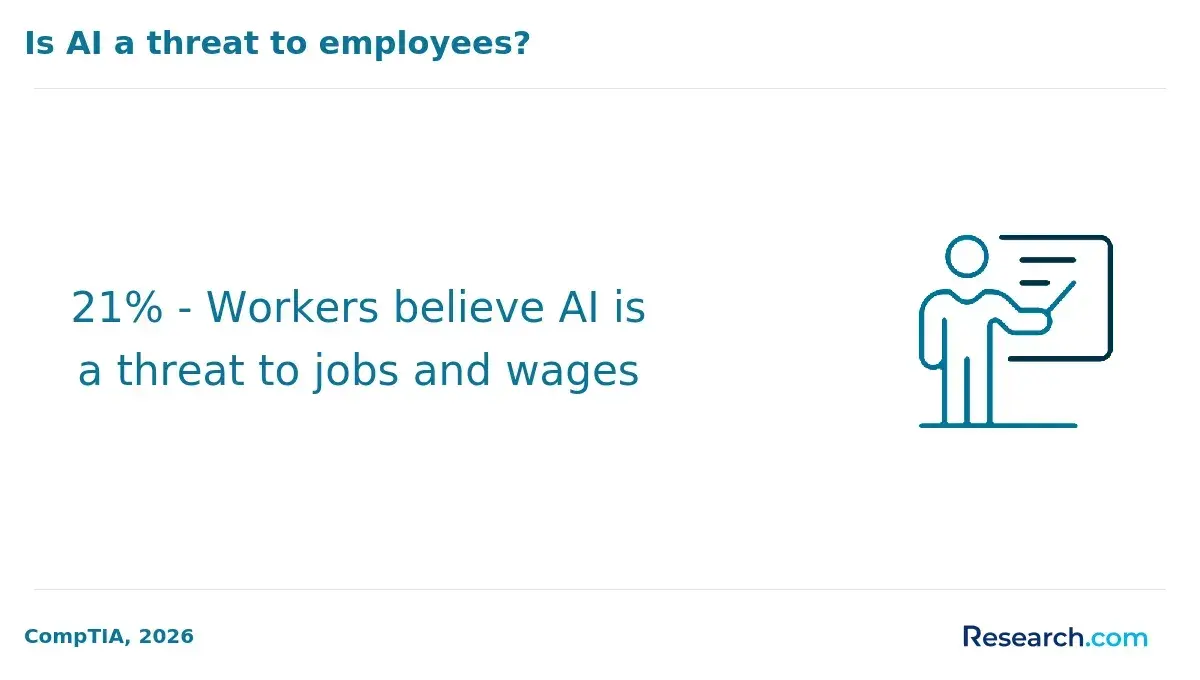
Intermediate and advanced Udacity artificial intelligence programs integrate key industry frameworks and offer hands-on experience through portfolio-building projects. Data from LinkedIn Global Talent Trends 2024 reveals a 46% increase in junior AI/ML engineer roles worldwide, outpacing overall tech job growth and highlighting the value of targeted skill development. Students benefit from dedicated mentorship and career services that help enhance job placement opportunities.
Choosing programs that blend theoretical depth with applied skills is critical for career-focused learners. For those interested in a broader data science education alongside AI, exploring the best data science master's programs can complement Udacity's offerings and further bolster career prospects.
How do Udacity AI Nanodegree programs compare with university AI degrees and certificates?
Udacity AI nanodegree programs offer a practical, skills-focused alternative to traditional university AI certificates. Unlike university degrees that often cover broad theory across multiple years, Udacity's nanodegrees emphasize project-based learning and high-demand tools like TensorFlow, PyTorch, and cloud platforms. This approach suits working professionals and career switchers looking for fast, workforce-ready education tailored to immediate job market needs.
University programs provide comprehensive rigor and credibility, which benefit those pursuing research or foundational theory in artificial intelligence. However, they require significant time and financial investment, potentially delaying entry into AI roles. In contrast, nanodegrees can be completed in months and focus heavily on applicable skills employers prioritize.
The 2025 Levels.fyi AI/ML Compensation Report underscores the financial advantage: median total compensation for AI engineers reaches $164,000, with the top 20% earning above $220,000 annually. Udacity nanodegree graduates with strong portfolios and job-ready skills are competitive candidates for these roles. Programs also often include career support such as resume reviews and interview preparation, boosting employability.
When comparing practical skills in AI nanodegrees and academic degrees, consider your career goals and learning style. University degrees tend to fit those targeting research, academia, or deep theoretical knowledge, while nanodegrees cater to professionals seeking accelerated employment or upskilling. Also evaluate industry connections and hiring pipelines aligned with the program. For veterans exploring technical education paths, resources like the best military friendly online electrical engineering degrees may provide helpful guidance.
What skills and tools do Udacity AI courses teach, and how do they map to real jobs?
Udacity AI courses provide hands-on training in essential programming and conceptual skills crucial for today's industry roles. Key competencies include Python programming, machine learning algorithms, neural networks, and data engineering. Many courses emphasize deep learning frameworks such as TensorFlow and PyTorch, which are vital for building scalable AI models.
Students gain experience designing, training, and deploying models for natural language processing, computer vision, and reinforcement learning. For instance, the Generative AI Nanodegree focuses on building and fine-tuning large language models (LLMs), reflecting a strong alignment with employer demand. According to the Gartner Forecast: Generative AI Business Impact 2024, enterprises have increased spending on generative AI by 140% recently, with 73% planning to use LLM-based applications by 2026.
Courses also cover applied statistics, data manipulation, and cloud integration, preparing learners for roles like data scientist, machine learning engineer, and AI product manager. Specialized training in ethics and responsible AI deployment addresses growing regulatory concerns.
Udacity's project-based approach simulates real workflows, including dataset cleaning, model optimization, and deployment pipelines. Graduates leave with a portfolio demonstrating deployable AI solutions, addressing employers' demand for proven practical skills.
How much do Udacity AI courses cost, and are there memberships, discounts, or scholarships?
Udacity AI courses range from $399 to $1,599, depending on program length and complexity. Most popular Nanodegree programs cost about $399 per month, with discounts often available for multi-month commitments. Students pay per course or subscription duration, as there are no traditional membership fees. Promotional discounts during special events can lower prices by 10% to 30%. Additionally, scholarships are available through partnerships with tech companies and diversity-focused foundations, covering full tuition for eligible students demonstrating financial need.
These financial options make Udacity's AI education accessible for working professionals and non-technical learners while maintaining industry-relevant content. Since 79% of executives use AI in at least one business function and companies scaling AI have 2.5 times higher odds of revenue growth above 10%, investing in AI courses can offer significant career advantages.
To maximize savings, monitor Udacity's official scholarship announcements and subscribe to their newsletter for timely discount alerts. Consider shorter courses targeting specific AI skills when budget is limited. Combining smaller course investments supports continuous learning without heavy upfront costs, helping balance study with work and finances.
What are the typical time commitment and pacing expectations for Udacity AI programs?
Udacity's AI programs typically require a commitment of three to six months, with a recommended 10 to 15 hours of study weekly. This balance helps learners manage their coursework alongside work and personal obligations. Specialized tracks like computer vision and autonomous systems might need more time due to challenging content and hands-on projects.
Flexibility is a core benefit of Udacity's self-paced model. Part-time students can follow suggested schedules, while full-time learners who dedicate 20+ hours weekly may finish nanodegrees in under three months. Many working professionals extend their timeline but maintain consistent progress, leveraging Udacity's mentor support and adaptable deadlines to prevent burnout.
The global computer vision market is expected to expand at a 16.2% compound annual growth rate, growing from $17.2 billion to $36.3 billion, highlighting the increasing industry demand for skilled experts in autonomous systems and related fields. This rapid growth underscores the importance of steady weekly engagement and the project-centric approach that Udacity emphasizes.
Students should realistically assess their available study time and learning speed before starting. Beginners are advised to allocate extra time for foundational concepts, while experienced learners might accelerate their pace based on prior knowledge. This ensures steady progress without backlog or fatigue, optimizing learning outcomes.
How do Udacity AI courses support job placement, portfolios, and career transitions into AI roles?
Udacity AI courses enhance employability by integrating hands-on projects and tailored career services that align with industry demands. Students develop portfolios showcasing real-world applications such as natural language processing (NLP), computer vision, and machine learning, which highlight practical skills to potential employers. These projects encompass coding tasks, data analysis, and end-to-end AI deployments closely reflecting actual job roles, making graduates immediately valuable in the AI job market.
Career transitions are supported through personalized mentorship, resume critiques, and interview preparation specifically designed for AI roles. Udacity's extensive network of hiring partners connects learners to exclusive job opportunities and candidate referrals. For example, learners focused on conversational AI gain skills aligned with the growing adoption of AI-powered virtual agents, which recent industry data shows increased enterprise use significantly, resulting in a 30% reduction in call-center volume and creating high demand for chatbot design expertise.
Additionally, Udacity provides industry-recognized credentials that boost credibility. The curriculum is regularly updated to keep pace with emerging trends and employer needs, preparing students for roles like AI specialist, data scientist, or machine learning engineer. Combined with community forums and career coaching, these resources equip learners to confidently navigate challenges in the AI employment landscape.
Are Udacity AI credentials recognized by employers, and do they count toward certifications?
Udacity's AI credentials have gained recognition among employers in technology-driven sectors and innovative companies. These credentials complement, rather than replace, traditional university degrees by providing practical proof of skills through project-based learning in artificial intelligence, machine learning, and data science. Many hiring managers appreciate Udacity's Nanodegree programs for their emphasis on real-world applications and current technical expertise.
Although Udacity credentials do not directly substitute for official professional certifications from providers like Microsoft, Google, or AWS, they serve as valuable applied experience. Learners frequently use Udacity courses to prepare for industry certification exams or to create portfolios that showcase hands-on capabilities.
Employers favor candidates who combine formal education, recognized certifications, and applied project experience. Udacity strengthens its credibility through comprehensive projects, mentorship, and partnerships with companies like Intel and Accenture, which acknowledge the relevance of these skills for modern AI roles.
Significant scholarship programs have broadened access to AI education globally, with more than 100,000 scholarships awarded worldwide. Over 60% of these scholarships support learners in emerging markets, fostering diversity and expanding employer awareness of talent trained through Udacity. For those aiming at career growth in artificial intelligence, Udacity credentials serve as effective evidence of practical skills, especially when combined with targeted certifications and relevant work experience.
How should learners choose the right Udacity AI course based on goals and experience level?
Choosing the right Udacity AI course depends on clearly defined career objectives and your current skill level. Beginners without programming or math experience should start with foundational programs like the Intro to Artificial Intelligence Nanodegree, which cover essential topics such as machine learning basics, Python programming, and data handling. These lay the groundwork for more advanced study.
For those with intermediate experience in programming or data analysis, specialized nanodegrees such as Machine Learning Engineer or Deep Learning Nanodegree offer hands-on, project-based learning focused on neural networks, computer vision, and natural language processing. Advanced learners targeting leadership or research should consider courses emphasizing AI strategy and system architecture.
Career goals strongly influence course selection:
- Coding-heavy programs suit those transitioning into AI-related software development.
- Courses emphasizing mathematical and statistical foundations align better with data science and analytics roles.
Udacity's focus on real-world projects ensures practical skill acquisition. According to the Udacity Learner Outcomes Survey 2024, 79% of AI nanodegree graduates who changed roles found employment within six months, with a median salary increase of 27%, underscoring the value of matching courses to job functions and experience.
Prospective students should carefully assess prerequisites, syllabus content, and time requirements. Aligning your skills and goals with Udacity's modular AI offerings maximizes learning efficiency and career return on investment.
Other Things You Should Know About Artificial Intelligence
For Udacity's top AI courses in 2027, students typically need a solid understanding of linear algebra, probability, and programming skills, particularly in Python. Some courses may also require prior knowledge of machine learning concepts as a prerequisite.
Artificial intelligence influences job markets by automating repetitive or data-driven tasks, which can displace some roles while creating demand for new skills. It has increased the need for AI specialists, data scientists, and engineers who design, build, and maintain intelligent systems. Additionally, many jobs are being augmented through AI tools that enhance productivity rather than replace human workers entirely.
Ethical concerns in artificial intelligence include bias in algorithms, privacy violations, lack of transparency in decision-making, and potential misuse of AI technologies. There is also debate over the impact of AI on surveillance, displacement of workers, and accountability for AI-driven decisions. Addressing these issues requires ongoing research, regulation, and ethical guidelines to ensure AI benefits society responsibly.
Effective study of artificial intelligence typically requires a foundation in mathematics-especially linear algebra, probability, and calculus-as well as programming skills in languages like Python. Knowledge of algorithms, data structures, and basic statistics is also important. While some introductory courses offer pathways for beginners, having these prerequisites improves comprehension and success in AI education.
References
- Introduction to Artificial Intelligence | Udacity https://www.udacity.com/course/intro-to-artificial-intelligence--cs271
- Best Online Courses for AI and Machine Learning Careers https://www.upskillist.com/blog/best-online-courses-for-ai-and-machine-learning-careers/
- The 9 Best AI Courses Online for 2025: Beginner to Advanced https://www.learndatasci.com/best-artificial-intelligence-ai-courses/
- My Review of Udacity After Completing 7 Nanodegrees https://oscarleo.com/udacity-review/
- Udacity Reviews https://www.coursereport.com/schools/udacity
- Ultimate Guide: How to Choose the Right AI Training Course to Boost Your Career - ONLC https://www.onlc.com/blog/how-to-choose-ai-training-courses/
- Udacity On Resume: How To List Nanodegree Programs, Individual Cour... https://www.visualcv.com/udacity-on-resume/
- These AI Courses Will Give You An Edge In a Competitive Job Market https://variety.com/2025/shopping/news/best-udacity-ai-courses-for-job-market-sign-up-online-1236495542/
- Udacity Tackles AI Skills Gap With Master’s Program https://www.dice.com/career-advice/udacity-tackles-ai-skills-gap-with-masters-program
- AI Training & Certification for Employees: How HR Should Evaluate Providers | Sprad Blog https://sprad.io/blog/ai-training-certification-for-employees-how-hr-should-evaluate-providers