2027 Best AI Courses for Small Business Owners With Certificates

Co-Founder and Chief Data Scientist
Small business owners often struggle to leverage artificial intelligence effectively due to a lack of accessible, practical education tailored to their needs. Without foundational knowledge and certification, integrating AI solutions can seem daunting, costly, or irrelevant to daily operations. Many fear investing time and resources in courses that do not translate into real-world benefits or credible credentials.
This article identifies the best AI courses designed with small business owners in mind, emphasizing flexible, accredited programs that provide certificates. It aims to guide readers toward actionable learning paths that enable confident adoption of AI technologies to grow their businesses.
Key Things You Should Know
- Small business owners benefit from AI courses with certificates by gaining practical skills to optimize operations, with 68% reporting increased efficiency post-training in 2025 surveys.
- Most top-rated AI courses in 2026 focus on accessible, no-code tools and ethical AI use, promoting responsible adoption among entrepreneurs without technical backgrounds.
- Certified AI training enhances credibility, aiding in securing investments; 45% of small businesses noted improved funding opportunities after obtaining recognized AI certifications.
Advance Your Career with AI Online Courses
Artificial Intelligence: Implications for Business Strategy
This program provides an introduction to Artificial Intelligence and their implications for business strategy. Earn an official digital certificate.

Oxford Artificial Intelligence Programme
Explore this Oxford Artificial Intelligence programme offered in a flexible learning environment and explore topics like machine learning, automation, and robotics.

Implementing Agentic AI: Building Your Organizational Playbook
This online MIT Agentic AI course offers a practical approach to deploying AI agents in your organization, including a custom playbook. 3 weeks, exclusive launch price.

AI Adoption: Driving Business Value and Impact
This online MIT AI Adoption: Driving Business Value and Impact offers practical frameworks to close the gap between AI potential and business reality.

Artificial Intelligence in Pharma and Biotech
Discover the applications and limitations of artificial intelligence in pharma and biotech with this MIT online short course.

What are the best AI courses with certificates specifically for small business owners?
For small business owners seeking the best AI courses with certificates for small businesses, practical skills and strategic integration are key. Noteworthy options include Coursera's "AI for Business," providing foundational knowledge tailored for entrepreneurs, and edX's "Artificial Intelligence for Business" program, which focuses on AI-driven decision making and automation.
Google's "AI for Everyone" certification is accessible for business users, explaining AI concepts with minimal technical jargon and real-world applications.
Choosing top online artificial intelligence training for small business owners that includes hands-on projects is vital. Udacity's "AI Product Manager Nanodegree" helps learners design AI products suited for small-scale businesses, enabling optimization of customer service chatbots and inventory forecasting despite limited resources.
Certification validates skills that demonstrate ROI-focused AI competency. A 2025 IBM Institute for Business Value survey found 61% of small and midsize business leaders expect AI to deliver positive ROI within 12 months. Programs should also address data privacy and ethical AI use to protect client interests.
Many prospective students consider an accelerated CS degree to deepen technical understanding alongside certificate courses.
Advance Your Career with AI Online Courses
Artificial Intelligence: Implications for Business Strategy
This program provides an introduction to Artificial Intelligence and their implications for business strategy. Earn an official digital certificate.
Oxford Artificial Intelligence Programme
Explore this Oxford Artificial Intelligence programme offered in a flexible learning environment and explore topics like machine learning, automation, and robotics.
Implementing Agentic AI: Building Your Organizational Playbook
This online MIT Agentic AI course offers a practical approach to deploying AI agents in your organization, including a custom playbook. 3 weeks, exclusive launch price.
How do AI certificate programs for small businesses differ from full AI degrees?
AI certificate programs designed for small business AI applications emphasize practical skills and targeted knowledge rather than extensive theory. These programs focus on applying AI tools directly to business needs, offering modules on automation, data analysis, and marketing optimization. They typically last weeks or months, providing busy entrepreneurs with rapid, essential skill-building.
In contrast, full AI degrees cover broader theoretical foundations including machine learning algorithms, programming, and advanced mathematics, often requiring two to four years of study. degrees prepare students for specialized roles in data science or engineering with deeper programming and research skills.
Cost is a significant factor: certificate programs often have free or low-cost options tailored to small business owners with limited budgets. As reported by Free & Low-Cost AI Courses for Small Businesses Grow with Google, over 12 million participants worldwide completed free digital and AI skills training, with 81% of small and medium business participants citing improved business performance.
Certificate programs prioritize practicality with case studies, hands-on projects, and AI-powered analytics platforms relevant to marketing or inventory management. For those seeking extensive expertise, an online AI degree offers comprehensive training but demands longer commitment.
What admission requirements do AI courses with certificates typically have for working adults?
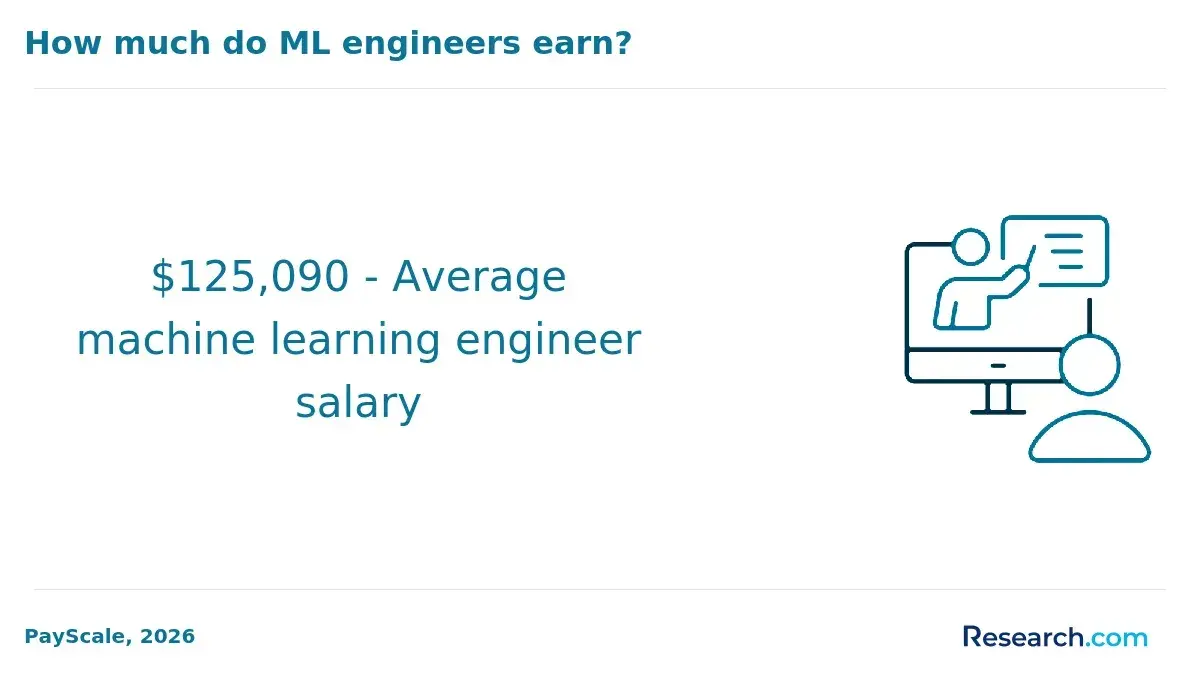
Admission requirements for AI courses designed for working adults typically emphasize accessibility and practical skills over formal degrees. Most programs require at least a high school diploma or associate degree, enabling participation without advanced academic credentials.
Typical prerequisites for AI certificate programs for small business owners include basic computer knowledge and an understanding of data concepts.
Some courses expect familiarity with programming languages like Python or R, while others offer introductory modules suitable for beginners. Flexibility in scheduling and part-time enrollment options accommodate busy professionals balancing work and personal responsibilities.
Applicants may also need to demonstrate motivation and clear goals through short essays, ensuring readiness to apply AI concepts in their roles.
Technical prerequisites vary by program; comprehensive business-oriented AI certificates often request experience in business functions such as data analysis or project management. Advanced courses might require prior study in statistics, mathematics, or computer science. However, many courses focus on learning pathways tailored for professionals transitioning into AI-related roles.
According to Wharton Online's 2024 report, 76% of learners completing its AI for Business specialization applied AI concepts at work within six months, with 41% receiving promotions or expanded responsibilities. This highlights the practical, career-relevant nature of these certificate programs.
Those exploring pathways in technology may also consider related fields like masters in game design to expand their expertise and job opportunities.
How can small business owners choose reputable, accredited AI certificate programs?
Small business owners seeking to identify accredited AI certificate programs should focus on accreditation and reputation to ensure recognized credentials with practical value.
Prioritize programs linked to established educational institutions or industry-recognized bodies such as the Accrediting Commission of Career Schools and Colleges (ACCSC) or regional accreditors, which verify adherence to quality standards.
Top criteria for choosing reputable AI certification courses for entrepreneurs include curriculum relevance emphasizing automation and productivity, essential for small business efficiency.
The 2024 Microsoft-LinkedIn Work Trend Index found small businesses with targeted AI productivity training reported 1.9 times greater weekly time savings of 5+ hours per employee versus those without training. Look for courses delivering practical, actionable AI skills rather than purely theoretical knowledge.
Check that programs offer clear outcomes like legitimate certificates and industry recognition, with practical projects or case studies tailored to small business applications such as marketing automation or inventory management. Instructor credentials and student reviews provide valuable insight into course quality and real-world use.
Consider flexible delivery formats that fit your schedule; online, self-paced options offer convenience, while cohort-based classes provide networking benefits. Evaluate tuition costs against content depth and certification value, avoiding programs promising credentials without rigorous assessments or hands-on components.
For further education options, exploring a masters in data analytics can deepen skills relevant to AI application in business contexts.
Ultimately, accredited, practical courses that boost productivity through automation are key for small business growth and meaningful certification.
What core skills and topics do AI courses for small business owners usually cover?
AI courses tailored for small business owners focus on practical skills such as data analysis, automation, and customer engagement to enhance decision-making. Students learn to interpret data sets for identifying trends and customer preferences, which supports more strategic marketing and sales efforts.
Core subjects often include machine learning basics, natural language processing for chatbots, and AI-driven automation tools designed to streamline routine tasks.
Application-specific skills are emphasized, like integrating AI with CRM systems and optimizing supply chains. For example, retail owners might study AI-powered inventory forecasting, while service providers focus on personalized client interactions via predictive analytics. Courses also address AI ethics and data privacy to ensure regulatory compliance and maintain customer trust.
Hands-on training typically involves popular AI platforms such as Google Cloud AI and Microsoft Azure, allowing learners to deploy AI solutions without extensive coding knowledge. Small business owners also gain insight into evaluating AI tools' return on investment and aligning AI adoption with business objectives.
Research shows small businesses leveraging industry-specific AI in sales and service are 2.5 times more likely to see high revenue growth, highlighting the impact of relevant AI skills.
Practical problem-solving topics include automating repetitive tasks, improving financial forecasting, managing AI-powered marketing campaigns, and enhancing social media analytics for better brand engagement.
How do online AI certificate programs compare to in-person options for flexibility and support?
Online AI certificate programs provide unmatched flexibility, ideal for small business owners managing diverse responsibilities. Unlike traditional in-person classes, these programs often feature asynchronous content accessible anytime, letting learners review challenging material at their own pace. This approach enhances understanding and real-world application.
Support varies across online programs but commonly includes discussion forums, live Q&A sessions, mentorship, and instructor feedback. Many also create community groups or cohorts to foster peer networking, simulating in-person interaction.
Conversely, in-person programs offer immediate, face-to-face support and hands-on workshops, benefiting those who thrive with direct engagement and real-time guidance.
Small business owners should consider their learning styles and schedules. Scheduled workshops may suit individuals needing structured, interactive learning, while online certificates grant access to a wider range of courses and instructors globally. Online offerings tend to update content quickly to reflect industry trends.
HubSpot's 2024 State of Marketing report reveals that 64% of marketers in small firms using AI tools and training increased content output by at least 25% without added staff. This highlights the advantages of accessible AI education. With their scalability and affordability, online programs efficiently deliver transformative AI skills.
How long do AI certificate courses take, and what do they cost small business owners?
AI certificate courses for small business owners vary in length, typically lasting from 4 weeks up to 6 months. Shorter courses, designed for busy professionals, usually require 20 to 40 hours of study and focus on foundational skills such as machine learning, data analysis, and AI tools.
More extensive programs offer advanced techniques and project-based learning, often demanding 100 to 200 hours spread over several months.
Costs differ considerably based on course depth and institution. Entry-level certificates commonly cost between $200 and $800, fitting most small business budgets.
Mid-tier options generally range from $1,000 to $3,000 and may include personalized instruction or feedback. Premium, specialized courses from well-known organizations can exceed $5,000 but provide deeper expertise and stronger credential recognition.
Choosing the right program depends on each business owner's goals and available time. For quick skill development, a 4-week course with about 25 hours of content works well. Those aiming to apply AI extensively in their operations might prefer a 3- to 6-month course to gain advanced competence.
The Google Cloud Data & AI Trends report highlights small and midsize organizations that invest in basic data and AI training are 3.5 times more likely to utilize data intensely in decision-making. This reinforces how investing in learning AI can offer a competitive advantage for small businesses.
Which industry-recognized AI or analytics certificates benefit small business owners most?
Certificates focusing on AI and analytics that benefit small business owners typically emphasize practical strategy and data-driven decision-making. Programs such as the MIT Sloan Executive Education AI Strategy certificate combine technical knowledge with leadership skills for effective AI adoption.
Notably, 72% of MIT Sloan's executive alumni launched new AI initiatives within a year of completing the course, reflecting the strong business impact of these programs.
Other reputable options include certificates from MIT Sloan, Wharton's Business Analytics program, and Stanford's Data Science courses. These programs integrate AI concepts with business strategy, helping small business owners balance technology use with operational needs.
Key features to consider when selecting a certificate program are:
- Focus on AI Business Integration: Learning how to embed AI into marketing, supply chain, and customer service.
- Hands-on Data Analytics Training: Practical skills in data analysis and visualization for informed decisions.
- Leadership and Change Management: Guidance on leading teams and driving cultural shifts toward AI adoption.
Small business owners should prioritize executive-level certificates aimed at decision-makers to ensure relevant skills lead to business growth. Combining a solid AI technical foundation with strategic application delivers measurable results in real-world business settings.
What AI-related roles and responsibilities can small business owners take on after these courses?
Small business owners who complete AI-related courses gain versatile skills that improve company efficiency, innovation, and market adaptability. They become adept at data analysis, interpreting customer behavior patterns, and optimizing marketing strategies. For example, machine learning tools for predictive analytics help forecast demand shifts, reducing inventory costs.
These owners can also manage AI-driven customer service systems like chatbots and automated support, enhancing client interactions without increasing staffing expenses. This involves configuring AI tools, monitoring their performance, and driving continuous improvements.
AI-powered automation is another key area, streamlining operational tasks such as scheduling, supply chain management, and invoice processing. Entrepreneurs learn to design workflows that eliminate repetitive work, freeing time for strategic planning. Additionally, AI courses help evaluate technology choices, balancing budgets with expected returns.
Ethical ai use and data privacy management are critical responsibilities, ensuring compliance with regulations and fostering customer trust through proper governance policies.
A 2024 Deloitte survey highlights tangible benefits: small and midsize enterprises investing 20+ hours annually per employee in AI skills report an average 4.2% rise in productivity and 5.1% revenue growth within a year.
How does completing an AI certificate impact revenue, efficiency, and competitiveness for small businesses?
Completing an artificial intelligence certificate offers small business owners practical skills that directly boost revenue, efficiency, and competitiveness. By leveraging AI-driven automation and data insights, owners can cut operational costs through automating routine tasks like customer inquiries, inventory management, and personalized marketing.
For instance, AI-powered chatbots can reduce customer service expenses by up to 30%, and machine learning-driven email campaigns can increase conversion rates by 15-20%.
Efficiency gains come from applying predictive analytics to optimize inventory and supply chains, reducing waste and downtime. This often results in a 10-25% improvement in operational throughput. In addition, real-time analysis of consumer behavior and competitor activity sharpens market responsiveness.
Competitiveness grows by innovating with AI-powered product recommendations, dynamic pricing, and enhanced customer experiences that may surpass larger rivals.
The World Economic Forum's 2024 Future of Jobs Report projects a 40% increase in demand for AI and machine learning specialists by 2027, with small and medium businesses generating roughly one-third of these new roles, making AI skills essential for ongoing success.
Small business owners should focus on certificate programs emphasizing practical AI applications tailored to their industries to quickly translate knowledge into measurable outcomes, whether in retail, manufacturing, or services.
Other Things You Should Know About Artificial Intelligence
In 2027, top AI courses for small business owners with certificates include "AI for Everyone" by Coursera, "Artificial Intelligence: Business Strategies and Applications" by Berkeley, and "AI in Business Certification" by edX. These courses focus on practical AI applications and strategic insights tailored for small businesses.
Yes, artificial intelligence is highly adaptable and can be customized for various industries such as retail, healthcare, finance, and marketing. AI applications can be tailored to meet specific business needs, from customer service chatbots to predictive analytics, making it a versatile tool for small business owners.
Artificial intelligence enhances decision-making by providing data-driven insights and automating routine analysis. This allows small business owners to identify trends faster, optimize operations, and make informed strategic choices, ultimately improving efficiency and competitiveness in their market.
Small business owners should consider data privacy, transparency, and fairness when implementing AI systems. Ensuring that AI-driven decisions do not perpetuate bias and that customer data is securely handled is essential to maintaining trust and complying with regulations.
References
- AI training and tools for small businesses | Grow with Google https://grow.google/ai-for-small-businesses/
- AI for Small Businesses: How to Stay Competitive https://www.uschamber.com/co/run/technology/demand-for-ai-skills
- Ultimate Guide: How to Choose the Right AI Training Course to Boost Your Career - ONLC https://www.onlc.com/blog/how-to-choose-ai-training-courses/
- How AI is Transforming Small Businesses: Future Impact https://www.technoserve.org/blog/ai-small-businesses-tools-benefits-future-impact/
- Best AI Certifications to Boost Your Career in 2026 – Dataquest https://www.dataquest.io/blog/best-ai-certifications/
- AI Certificate vs. Degree: Which One Is Right for You - IABAC https://iabac.org/blog/ai-certificate-vs-degree-which-one-is-right-for-you
- 16 Artificial Intelligence Career Paths https://www.calmu.edu/news/artificial-intelligence-career-paths
- AI for Small Business Course | Online Training | My Learning Online https://www.mylearningonline.com.au/our-course/ai-for-small-business/
- Top 7 artificial intelligence courses 2025: Comparison of the best online programs https://xd-i.com/en/data-en/ai-courses/
- How AI Boosts Small Business Competitiveness https://www.techclass.com/resources/learning-and-development-articles/ai-and-future-of-small-business-competitiveness