2027 Best LSE AI Courses for Business Transformation

Co-Founder and Chief Data Scientist
Business leaders often struggle to integrate artificial intelligence solutions effectively due to a lack of formal training and understanding of AI's practical applications. This gap slows digital transformation and limits competitive advantage in fast-evolving markets. Professionals with unrelated backgrounds face additional challenges in acquiring relevant skills without disrupting their careers. Identifying reputable courses that combine flexibility, accreditation, and business relevance is crucial for those seeking to pivot successfully.
This article reviews top LSE AI courses designed to equip professionals with the knowledge and tools needed to drive business transformation through artificial intelligence, helping readers navigate options that fit their goals and schedules.
Key Things You Should Know
- London School of Economics (LSE) offers cutting-edge AI courses focused on business transformation, integrating data-driven decision-making with strategic management frameworks.
- Recent curriculum updates in 2025 emphasize ethical AI deployment and practical applications in finance, marketing, and operations, reflecting industry demands for AI literacy.
- Over 60% of LSE AI course graduates report accelerated career growth within one year, highlighting strong employer recognition of these specialized skills.
Advance Your Career with AI Online Courses
Artificial Intelligence: Implications for Business Strategy
This program provides an introduction to Artificial Intelligence and their implications for business strategy. Earn an official digital certificate.

Oxford Artificial Intelligence Programme
Explore this Oxford Artificial Intelligence programme offered in a flexible learning environment and explore topics like machine learning, automation, and robotics.

Implementing Agentic AI: Building Your Organizational Playbook
This online MIT Agentic AI course offers a practical approach to deploying AI agents in your organization, including a custom playbook. 3 weeks, exclusive launch price.

AI Adoption: Driving Business Value and Impact
This online MIT AI Adoption: Driving Business Value and Impact offers practical frameworks to close the gap between AI potential and business reality.

Artificial Intelligence in Pharma and Biotech
Discover the applications and limitations of artificial intelligence in pharma and biotech with this MIT online short course.

What makes LSE's AI courses valuable for business leaders and career switchers?
LSE's advanced AI courses for business leaders in London focus on practical applications and strategic insights that drive real business transformation. These programs develop technical skills alongside a deep understanding of AI's impact on business models and decision-making. With projections indicating that 80% of large enterprises will adopt generative AI technologies by 2027, the demand for leaders skilled in AI-driven transformation continues to grow.
The curriculum incorporates case studies and hands-on projects targeting specific challenges such as automating workflows, enhancing customer experience, and optimizing supply chains. This prepares graduates to implement AI solutions that immediately create measurable value. For career switchers, LSE's business-oriented artificial intelligence training offers foundational AI concepts combined with industry viewpoints, enabling professionals from diverse backgrounds like finance or marketing to transition smoothly without prior coding experience.
Instructors often include AI experts and business strategists, providing mentorship and valuable networking opportunities. LSE's interdisciplinary approach-merging technology, economics, and management-equips students to address ethical, regulatory, and economic AI considerations. Students also gain skills to manage AI adoption challenges, including integration with existing IT infrastructure and workforce adaptation.
The actionable skills gained align with accelerating AI adoption trends shaping global markets. For those seeking a comprehensive technology education, exploring options such as an accelerated computer science degree can complement their AI expertise and expand career prospects.
Advance Your Career with AI Online Courses
Artificial Intelligence: Implications for Business Strategy
This program provides an introduction to Artificial Intelligence and their implications for business strategy. Earn an official digital certificate.
Oxford Artificial Intelligence Programme
Explore this Oxford Artificial Intelligence programme offered in a flexible learning environment and explore topics like machine learning, automation, and robotics.
Implementing Agentic AI: Building Your Organizational Playbook
This online MIT Agentic AI course offers a practical approach to deploying AI agents in your organization, including a custom playbook. 3 weeks, exclusive launch price.
Which LSE AI courses are best for business transformation and strategic decision-making?
The London School of Economics (LSE) provides several AI courses designed for business transformation and strategic decision-making, making them ideal for professionals aiming to lead innovation. Among these, the LSE AI Leadership Accelerator focuses on how executives can harness AI to optimize operations and develop innovative business models. This course addresses common challenges such as data silos and organizational inertia using practical frameworks.
LSE ai courses for business strategy and transformation in London also include the Executive Programme in Artificial Intelligence, which blends training in AI tools with insights into governance and ethical considerations. This program equips decision-makers to integrate AI responsibly while gaining competitive advantages through predictive analytics, automation, and AI-driven customer insights.
The Artificial Intelligence and Business Strategy module combines technical fundamentals with case studies, showing how AI modifies supply chains, marketing, and risk management. This helps participants align AI initiatives with firm-specific strategic goals.
Best London School of Economics ai programs for strategic decision-making highlight that organizations led by AI experts can see up to a tenfold return on investment for every £1 spent on AI initiatives, according to IDC data cited by the FourthRev/LSE AI Leadership Accelerator.
Prospective students and professionals should consider programs combining AI theory, strategy, and leadership skills to drive measurable business outcomes. Meanwhile, those interested in related fields might explore supplementary options such as a mechanical engineer degree online.
How do LSE AI programs compare with U.S. university AI offerings for business?
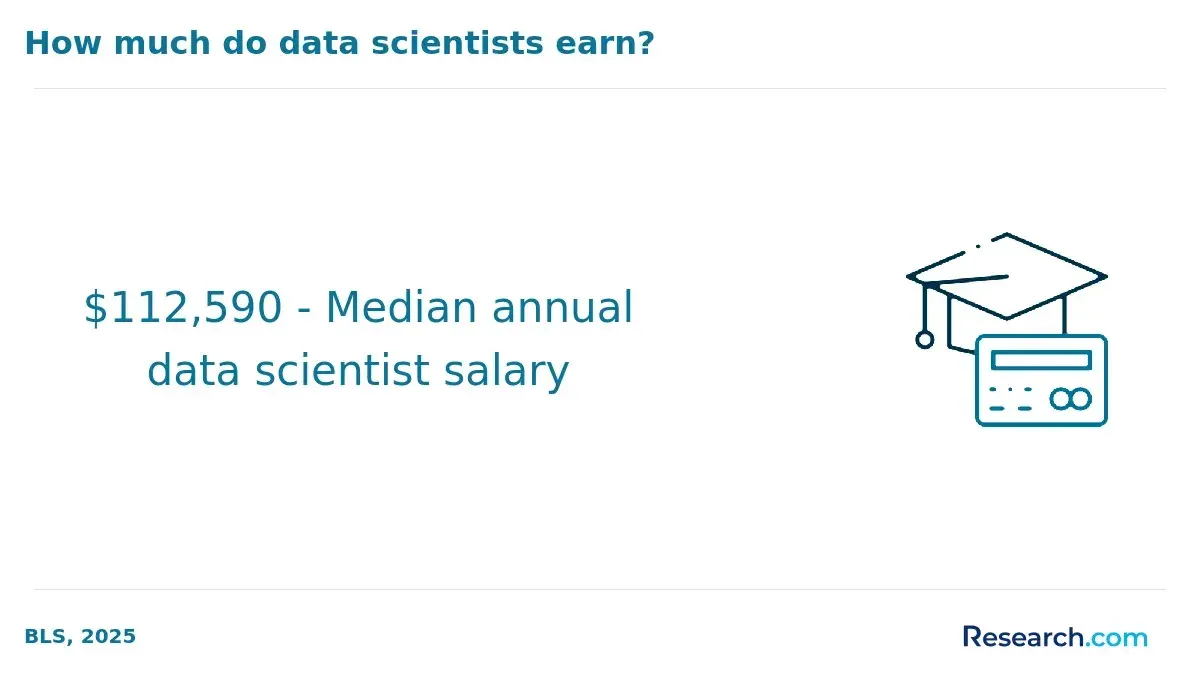
LSE artificial intelligence programs offer a unique multidisciplinary approach by integrating AI with economics, social sciences, and business strategy. This contrasts with typical U.S. university courses where the focus often centers on technical and engineering aspects like machine learning algorithms and data infrastructure. LSE's curriculum emphasizes policy impact, economic modeling, and ethical considerations, making it well-suited for students interested in leveraging AI for business transformation at strategic and leadership levels. This distinction is important for those exploring how LSE artificial intelligence programs compare with U.S. university courses for business.
LSE excels in preparing graduates to tackle real-world business challenges, including navigating regulatory environments and global markets. Their AI courses frequently use case studies on AI-driven financial technology, digital marketing optimization, and governance-areas crucial to business innovation. Given the projected rise in global digital transformation spending from $1.8 trillion in 2023 to $3.9 trillion in 2027, selecting a program aligned with business transformation is vital.
Prospective students researching differences between LSE and U.S. AI offerings in business transformation should consider that LSE also prioritizes leadership skills for managing AI projects in corporate and policy frameworks. In contrast, many U.S. programs focus more heavily on technical specialization. For those pursuing roles in AI-driven strategy, business development, or consultancy, LSE fosters capabilities to transform businesses by integrating AI with economic and social insights.
Students interested in advancing their careers may also explore online masters data science programs as complementary options, particularly those seeking flexible learning pathways.
What are the typical admission requirements for LSE AI courses focused on business?
Admission to LSE AI courses focused on business transformation in the UK typically requires a strong academic background and relevant professional experience. Candidates usually hold a bachelor's degree in fields like business, economics, engineering, or computer science, often with a minimum upper second-class honors (2:1) or equivalent. A solid grasp of quantitative methods and data analysis is essential, reflecting the emphasis on applying artificial intelligence to complex business challenges.
Entry criteria for AI programs at LSE aimed at business applications in London often include professional experience ranging from three to five years. This is especially important for executive or part-time courses, where roles in technology, strategy, data analytics, or management are highly valued. Professionals involved in digital transformation or technology leadership fit these profiles well. Occasionally, applicants with exceptional academic records or notable AI-related achievements may receive exceptions.
With 67% of CEOs planning to ramp up technology and AI investments, 2024-2025 admissions committees at LSE increasingly favor candidates who demonstrate a clear vision for leveraging AI in business strategy and innovation. For U.S. students considering advanced studies, exploring options like a masters in data analytics can complement this path effectively.
How do online, hybrid, and campus-based LSE AI formats differ for working professionals?
Online, hybrid, and campus-based LSE ai course formats offer distinct benefits for working professionals aiming to advance their business careers. Online courses provide maximum flexibility, ideal for those balancing work and study or unable to relocate. For instance, the Ethics of AI and Responsible Innovation (LSE Online) combines asynchronous learning with live discussions, enhancing interaction while demanding strong self-discipline and time management.
Hybrid formats blend online lectures with occasional in-person sessions, often on weekends or as short intensive modules. This approach offers a structured yet adaptable experience, enabling networking and direct engagement with faculty and peers-essential for professionals who seek flexibility without sacrificing the benefits of face-to-face collaboration.
Campus-based courses immerse learners fully, offering immediate access to resources, faculty, and peer collaboration. These are suited for those who can commit to local study or extended leave, with rich opportunities for hands-on projects and real-time application of ai concepts to business challenges.
Ethics and trust in AI are central across all formats. According to the Salesforce State of the Connected Customer (5th edition, 2024), 76% of consumers stop supporting companies that misuse data, underscoring the importance of responsible AI strategies. LSE integrates these ethical considerations throughout its curriculum, helping professionals align with evolving consumer expectations.
What core topics and skills do LSE business-focused AI courses usually cover?
LSE's business-focused AI courses develop practical skills that directly impact transformation in organizations. Core areas include data analytics, machine learning fundamentals, and natural language processing, enabling leaders to confidently interpret AI outputs. Programs also introduce strategic frameworks for integrating AI into business models, supported by case studies on automation, customer personalization, and operational efficiency.
Ethical, legal, and societal considerations are integral, ensuring responsible AI deployment. Students gain competencies in managing AI projects and fostering collaboration between technical and business teams, reflecting industry realities. Advanced topics often cover predictive analytics, reinforcement learning, and AI-driven decision-making for risk and innovation management.
Practical applications focus on enhancing supply chain logistics, customer experience, and financial forecasting. For instance, students learn to use AI tools to optimize marketing campaigns and automate routine tasks, improving ROI and lowering costs.
Addressing AI skills gaps remains critical: the IBM Global AI Adoption Index 2024 reports that 70% of organizations face severe AI-specific talent shortages, with companies addressing these gaps 3.5 times more likely to meet their AI transformation goals. This highlights why LSE combines technical training with leadership development, cultivating practical proficiency, strategic insight, and ethical awareness for future business leaders.
How long do LSE AI programs for business transformation take, and what do they cost?
LSE AI programs designed for business transformation vary widely in duration and depth. Short courses and executive education certificates typically last four to eight weeks, making them suitable for professionals seeking focused skill development without a lengthy time commitment. More intensive offerings with hands-on projects and interactive sessions can extend up to six months, allowing for a deeper understanding of AI strategy and its application in business.
Costs differ based on program length and format. Online non-degree courses start at about £2,000, while advanced executive modules can reach £5,000. Longer in-person or hybrid programs typically range between £5,000 and £12,000. For example, the LSE Executive AI Strategy course, a six-week program, costs around £4,500, striking a balance between affordability and comprehensive learning. Flexible payment plans and employer sponsorships can make enrollment more accessible.
Many learners see strong returns on investment, with executive participants in non-degree AI programs reporting an average 20% salary increase within two years, according to EMBAC & CarringtonCrisp's "Corporate Learning Pulse" 2024. This highlights the financial and career advantages such education can deliver.
What business roles and career paths can LSE AI training help students pursue?
LSE AI training equips students for diverse business roles shaped by artificial intelligence integration. Career paths include AI product managers who guide AI-driven solutions in line with business goals, while data analysts and scientists use AI to enhance decision-making in marketing, finance, and operations. Management consultants with AI expertise support organizations in redesigning processes for greater innovation and efficiency.
Marketing professionals apply machine learning for customer segmentation, personalized campaigns, and real-time analytics, boosting revenue opportunities. Financial analysts and risk managers rely on predictive AI models to evaluate market trends and reduce exposure. Supply chain managers improve logistics and demand forecasting through AI, driving cost efficiency.
Leadership positions like Chief AI Officers or AI strategy leads focus on integrating AI across business functions, addressing ethical standards and regulations. Business analysts and digital transformation specialists leverage AI frameworks to automate workflows and upgrade legacy systems.
- Job postings requiring AI skills in the UK rose 122% from 2022 to 2024
- AI-related roles offer salaries about 14% higher than comparable non-AI positions (LinkedIn Economic Graph, UK AI Skills Report 2024)
Practical AI skills apply across many industries, including finance, consulting, retail, and manufacturing, enhancing career prospects. For those in the U.S. seeking to integrate AI knowledge into business roles, these findings underscore strong market demand and the value of focused AI education and training.
What salary ranges and job outlook can graduates expect in AI-driven business roles?
Graduates stepping into AI-driven business roles can expect competitive salaries that reflect both technical expertise and business acumen. Entry-level roles like AI business analysts or data strategists typically earn between $80,000 and $110,000 annually. Mid-level positions, such as AI product managers, AI consultants, or machine learning engineers with a focus on business integration, often command salaries ranging from $130,000 to $180,000, depending on experience and industry. Senior leadership roles overseeing AI transformation projects can earn $200,000 or more, highlighting the strategic value of AI in business growth.
The job outlook remains strong as AI adoption grows across sectors including finance, healthcare, retail, and manufacturing. The McKinsey Global Survey on AI highlights a significant challenge: 55% of AI projects stall before production due to lacking leadership alignment and insufficient integration of business skills. This gap drives demand for professionals who can bridge AI technology and business strategy effectively.
Success in these roles requires more than technical expertise; developing leadership, project management, and communication skills is essential. Graduates with combined AI and business transformation skills are well suited to roles such as AI transformation managers focusing on operational improvements in healthcare or risk analytics in finance.
How should students evaluate accreditation, reputation, and ROI of LSE AI programs?
Students considering AI programs at LSE should ensure the courses are accredited by recognized bodies like the UK's Quality Assurance Agency for Higher Education (QAA) or international accreditation organizations. Accreditation confirms the program meets high academic standards, enhancing employer trust in your credentials. Programs affiliated with leading research centers or industry partners within LSE add significant credibility.
Reputation is vital in innovation-driven fields such as AI. Prospective students should evaluate faculty expertise, alumni success, and published research linked to the program. For instance, programs boasting professors with active publications in top journals or partnerships with tech leaders like Google or Microsoft often deliver up-to-date, industry-relevant curriculum. External rankings and feedback from recruiters who hire LSE graduates also provide important insight.
Return on investment (ROI) is key for professionals funding education. Compare program costs to post-completion salary gains and career advancement opportunities. The World Economic Forum Future of Jobs Report 2025 highlights that 42% of core job skills will change by 2027 due to AI advances, underscoring the importance of strong AI credentials from institutions like LSE.
Additionally, examine program flexibility, networking opportunities, and access to practical labs or internships. Real-world experience typically differentiates high-ROI AI courses from those mainly theoretical. Reviewing these factors alongside tuition and time commitments helps clarify value based on your career goals.
Other Things You Should Know About Artificial Intelligence
Ethical considerations in artificial intelligence for business include transparency, fairness, privacy, and accountability. Businesses must ensure AI systems do not perpetuate bias and that decisions made by AI are explainable. Protecting user data and complying with regulations is essential to maintain trust and avoid legal issues.
Artificial intelligence enhances decision-making by analyzing large datasets quickly and identifying patterns humans might miss. It supports predictive analytics, risk assessment, and automating routine decisions, enabling leaders to focus on strategic priorities. However, human oversight remains important to validate AI-generated insights.
The 2027 LSE AI courses equip businesses with insights into AI applications tailored for business transformation. The curriculum covers AI-driven analytics, strategic implementations, and emerging technologies in various sectors, allowing companies to leverage AI efficiently for competitive advantages and innovation.
Professionals should develop skills in data analysis, machine learning basics, programming languages like Python, and understanding AI ethics. Critical thinking and the ability to interpret AI outputs are crucial for making informed business decisions. Communication skills are also important to bridge technical and non-technical teams.
References
- Accreditation and AI: Ensuring Quality in an Era of Smart Learning https://www.qahe.org/article/accreditation-and-ai-ensuring-quality-in-an-era-of-smart-learning/
- edX | Online Courses, Certificates & Degrees from Leading Institutions https://www.edx.org/
- Navigating LSE Admission Requirements - Blen https://helloblen.com/blog/3597-navigating-lse-admission-requirements
- LSE The AI-Ready Organisation: From Strategy to Execution Online Certificate Course https://www.getsmarter.com/products/lse-the-ai-ready-organisation-online-certificate-course
- Best AI Leadership Courses UK: Oxford vs. LSE for 2026 Executives https://agileleadershipdayindia.org/blogs/best-ai-leadership-training-programs-courses-certification/best-ai-leadership-courses-uk.html
- AI for Business Transformation: Generative AI, Agentic AI and Beyond https://www.imperial.ac.uk/lifelong-learning/courses/ai-for-business-transformation/
- Hybrid Learning: what it is, benefits & how to implement it | isEazy https://www.iseazy.com/blog/hybrid-learning-corporate-training/
- Lead business change with an AI MSc https://lsi.ac.uk/programme/28-ai-for-business-transformation
- Advancing Your Career with AI Courses: Opportunities in the Evolving Landscape of Machine Learning https://lset.uk/blog/advancing-your-career-with-ai-courses-opportunities-in-the-evolving-landscape-of-machine-learning/