2027 Best AI Courses for Functional Leaders Managing AI Adoption

Co-Founder and Chief Data Scientist
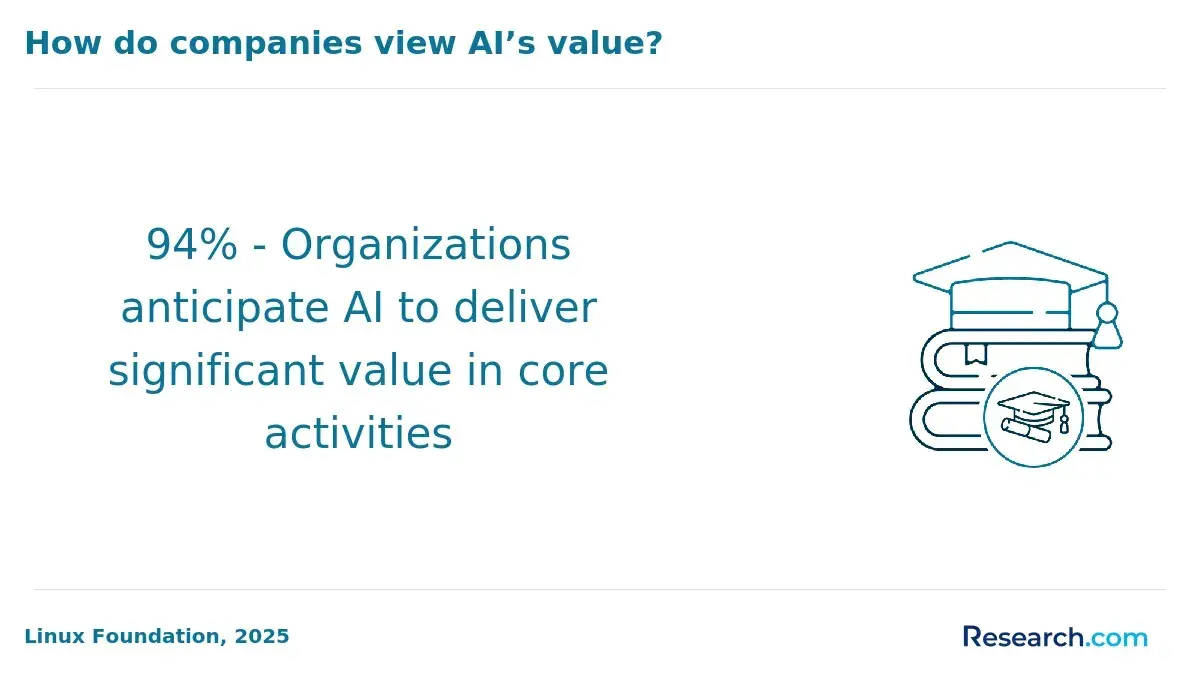
Functional leaders often face significant challenges when integrating artificial intelligence into their operations without a technical background. These leaders must quickly grasp AI concepts, evaluate relevant courses, and manage adoption strategies effectively amid rapid technological changes. Missteps can lead to costly delays, poor team alignment, and missed opportunities. Selecting flexible, accredited programs that balance theory with real-world application is essential to bridge this gap. This article reviews top AI courses designed for non-technical professionals, highlighting how they equip leaders to confidently steer AI initiatives and enhance organizational value.
Key Things You Should Know
- In 2026, mastering ai adoption is critical for functional leaders, with 68% of companies increasing investment in ai upskilling programs, especially in AI ethics and deployment strategies.
- Top courses emphasize practical skills in ai project management, data-driven decision making, and cross-functional collaboration to bridge technical and business teams effectively.
- Certification in ai frameworks significantly boosts leadership credibility, with certified professionals reporting a 25% faster integration of ai solutions in organizational processes.
Advance Your Career with AI Online Courses
Artificial Intelligence: Implications for Business Strategy
This program provides an introduction to Artificial Intelligence and their implications for business strategy. Earn an official digital certificate.

Oxford Artificial Intelligence Programme
Explore this Oxford Artificial Intelligence programme offered in a flexible learning environment and explore topics like machine learning, automation, and robotics.

Implementing Agentic AI: Building Your Organizational Playbook
This online MIT Agentic AI course offers a practical approach to deploying AI agents in your organization, including a custom playbook. 3 weeks, exclusive launch price.

AI Adoption: Driving Business Value and Impact
This online MIT AI Adoption: Driving Business Value and Impact offers practical frameworks to close the gap between AI potential and business reality.

Artificial Intelligence in Pharma and Biotech
Discover the applications and limitations of artificial intelligence in pharma and biotech with this MIT online short course.

What are the best AI courses for functional leaders managing adoption?
Functional leaders managing AI adoption benefit from courses that blend strategic insight with practical application, focusing on AI capabilities, ethical considerations, and change management within business units. Top artificial intelligence training programs for leadership in adoption, such as MIT Sloan's "Artificial Intelligence: Implications for Business Strategy" and Harvard Business School's "Driving Digital Strategy," emphasize AI's strategic impact and decision-making frameworks without heavy technical coding.
Essential skills include:
- Grasping AI technology fundamentals without complex jargon
- Identifying use cases to prioritize AI investments effectively
- Applying change management techniques to lead cross-functional teams
- Understanding ethical and regulatory implications of AI
- Leveraging analytics and data-driven decision making tailored for leaders
Online platforms like Coursera and edX offer specialized tracks such as "AI For Everyone" by deeplearning.ai and "AI for Leaders" from the University of Washington, designed for busy executives. McKinsey's Global Survey reveals that 72% of high-performing companies empower non-technical leaders to drive AI initiatives, highlighting the need for courses that build business acumen rather than technical depth.
Choosing the best ai courses for functional leaders managing adoption helps reduce risks and capture value through strategic implementation. Practical case studies and networking opportunities support application across diverse sectors, including finance and healthcare. For those exploring career pathways, roles related to applied artificial intelligence jobs illustrate the broad opportunities AI education can unlock.
Advance Your Career with AI Online Courses
Artificial Intelligence: Implications for Business Strategy
This program provides an introduction to Artificial Intelligence and their implications for business strategy. Earn an official digital certificate.
Oxford Artificial Intelligence Programme
Explore this Oxford Artificial Intelligence programme offered in a flexible learning environment and explore topics like machine learning, automation, and robotics.
Implementing Agentic AI: Building Your Organizational Playbook
This online MIT Agentic AI course offers a practical approach to deploying AI agents in your organization, including a custom playbook. 3 weeks, exclusive launch price.
Which AI course format is better: online, hybrid, or on-campus?
Hybrid AI course formats offer a balanced approach for functional leaders managing AI adoption, combining online flexibility with the engagement of on-campus learning. Such formats provide practical skills and strategic insight through interactive sessions, case studies, and peer collaboration, essential for navigating change. For professionals seeking the best online AI courses for functional leaders, hybrid learning enables a mix of self-paced modules and live workshops that support timely knowledge application.
Online courses excel in accessibility and suit busy leaders needing schedule flexibility, though limited real-time interaction can hinder complex problem-solving critical to AI strategy. On-campus courses deliver intensive immersion and mentorship but demand more time and expense, potentially restricting participant diversity. Leaders weighing hybrid vs on-campus AI training for managers must consider factors like schedule flexibility, material quality, networking, and institutional support.
- Work schedule flexibility and availability for face-to-face interaction
- Quality of course materials and opportunities for real-world AI implementation
- Networking with peers from similar industries
- Institutional support and access to AI project resources
Research shows firms adopting AI at scale see a 4.8 percentage point higher labor productivity growth than non-adopters, with early adopters reaching up to 27% greater profitability, according to PwC's 2024 AI Jobs Barometer. Functional leaders aiming to enhance outcomes should consider hybrid formats that blend practical application with updated insights. For those seeking affordability and quality in engineering-related fields, the cheapest online master's mechanical engineering programs offer a model of accessible advanced education applicable to broader AI career development.
What accreditation should AI courses and certificates have?
Accreditation of AI courses and certificates plays a vital role for functional leaders managing ai adoption by ensuring program quality and industry relevance. Recognized certifications for Artificial Intelligence adoption training often come from respected institutions such as IEEE, the Association for the Advancement of Artificial Intelligence (AAAI), and leading business schools with AI-focused executive programs. These credentials confirm the rigor and practical applicability of the curriculum.
Functional leaders should prioritize programs aligned with industry standards that emphasize ethical AI practices, data governance, and AI project management methodologies. Accreditation vetted by prominent technology firms, consulting organizations, or policy institutes adds further credibility. This is critical given that only 18% of business unit leaders feel "very confident" in their AI investment decisions despite 76% being accountable for outcomes.
Consider courses offering tiered certifications or micro-credentials targeting specific competencies such as strategic AI planning and risk assessment. Accreditation that requires continuous learning or periodic renewal ensures the curriculum stays current amid rapid technological change. It is also important to verify whether accreditation is recognized broadly across industries or tailored for specific sectors, enabling functional leaders to apply AI knowledge effectively.
For those exploring comprehensive options, a PhD in AI online can offer extensive training and research opportunities aligned with these standards.
What do AI leadership courses teach functional managers?
AI leadership courses equip functional managers with essential skills to integrate artificial intelligence within their teams, focusing on strategic adoption and operational impact. These programs highlight how to critically evaluate AI technologies, balancing vendor promises with organizational needs and technical feasibility. Emphasizing cross-functional collaboration, managers learn to work closely with technical experts while interpreting data insights to drive informed decisions.
Training also covers ethical AI governance, helping managers recognize algorithmic biases and ensure legal compliance. Effective risk management is a core part of the curriculum, including addressing data privacy, algorithmic errors, and unforeseen consequences, while establishing mitigation plans. Many programs also incorporate change management strategies to help managers lead their teams through AI adoption and cultural transformation.
With growing demand for ai leadership skills for functional managers, nearly half of global L&D budgets now focus on AI and data upskilling. Practical examples often span industries like healthcare, finance, and manufacturing, enabling managers to align AI performance metrics with strategic goals and ROI. This focus supports managing AI adoption strategies in business more confidently and effectively.
Those seeking formal education can explore an online computer science degree to deepen technical knowledge and leadership capabilities in AI-driven environments.
What are the admission requirements for AI courses?
Admission requirements for ai courses tailored to functional leaders managing ai adoption vary significantly depending on course complexity and audience. Many non-technical overview programs designed for business leaders require no background in programming, data science, or ai. Basic digital literacy and business familiarity are typically sufficient, enabling direct enrollment on popular platforms like Coursera without formal prerequisites.
More advanced or specialized programs often expect foundational knowledge in statistics, math, or computer science. Some executive education tracks may require prior completion of introductory ai or data analytics courses. Others request professional experience relevant to technology management or digital transformation leadership.
Credit-bearing ai courses from universities usually demand formal admission criteria such as a bachelor's degree, recommendation letters, or statements of purpose. Such requirements help ensure participants can handle complex ai concepts and methods. However, many leading short courses for functional leaders focus more on verifying professional backgrounds than enforcing strict academic qualifications.
According to Coursera's transparency report, enrollment in introductory "ai for business/non-technical leaders" courses grew 79% year-over-year, reflecting the increasing demand for accessible and practical ai education. Prospective students should review course details carefully to confirm prerequisites or recommended preparation and choose programs that align with their skills and learning objectives.
How long do AI courses for leaders usually take?
AI courses for functional leaders vary widely in length and depth, from short introductory sessions to extensive multi-week programs. Introductory courses typically run 3 to 10 hours, providing a broad overview of AI concepts and business uses, suitable for busy professionals seeking a quick foundation.
More detailed training covering AI strategy, governance, and risk management often requires 20 to 40 hours over several days or weeks. Research from Deloitte's 2024 State of Responsible AI report shows that organizations with leaders formally trained in AI risk and governance are 2.6 times more likely to realize strong returns on AI initiatives. This highlights how crucial in-depth knowledge is for effective decision-making.
Some executive education options combine self-paced online learning with live workshops, lasting 4 to 12 weeks. These flexible programs allow leaders to balance work with immersive, hands-on experiences.
Leaders aiming for sustainable AI integration should focus on courses emphasizing governance, ethics, and compliance rather than just technical training. For example, 30-hour programs centered on AI risk management prepare executives to meet regulatory demands and provide strategic guidance.
When choosing a course, consider your role's complexity, schedule, and goals. Expect to invest at least 20 hours to gain meaningful insights into AI adoption and governance frameworks.
How much do AI leadership courses cost?
AI leadership courses vary widely in cost, typically ranging from $1,000 to $5,000 depending on factors like program length, delivery format, and provider reputation. Self-paced online options usually start around $1,000 for 4 to 8 weeks, appealing to working professionals seeking flexibility. More intensive executive programs and bootcamps, often lasting several days to weeks, can cost $3,000 to $5,000 and include live sessions, personalized coaching, and networking.
For example, a focused 6-week AI leadership course for functional leaders might be priced near $2,500. Broader certificate programs from top business schools often exceed $4,000 because they add credential value and comprehensive curriculum coverage. Corporations may negotiate group rates or custom training to lower per-person costs.
- Additional expenses may include course materials, software, or travel for in-person sessions.
- Free introductory courses are available but usually lack depth in leadership-specific AI challenges.
Training in AI concepts and data literacy is a strategic advantage. According to the 2024 BCG Data & AI Leadership Survey, companies with at least 30% of managers trained this way are 3.5 times likelier to scale AI projects successfully. This highlights the value of comprehensive learning despite higher upfront fees.
Prospective students should prioritize curriculum relevance, instructor expertise, and peer networking over price alone. Structured programs that blend technical knowledge with strategic insight deliver the best return on investment in AI adoption leadership.
What jobs can functional leaders pursue after AI training?
Functional leaders who complete AI training can take on roles that combine domain expertise with AI skills to drive meaningful organizational change. Positions such as AI project manager involve overseeing AI initiatives tightly aligned with business objectives, while AI integration specialists focus on embedding AI solutions within existing workflows.
Sector-specific AI knowledge opens doors to specialized roles like marketing analytics manager, financial AI strategist, operations AI coordinator, and HR AI consultant. These roles require more than basic AI awareness; leaders must apply AI tools to solve real-world domain challenges, such as designing predictive customer segmentation or optimizing supply chain forecasting.
According to Accenture's 2024 AI in the Enterprise report, leaders who complete domain-focused AI training achieve a 2.1-times higher success rate in deploying AI use cases compared to those with generic AI awareness courses. Emerging career pathways also include AI product managers and AI business analysts who translate complex AI capabilities into actionable strategies.
Additional responsibilities for trained leaders can include leading AI competency centers, setting governance standards, and promoting ethical AI use. Practical skills often emphasize managing AI biases, handling data privacy concerns, and overcoming resistance to AI adoption.
What salary can AI-trained functional leaders expect?
AI-trained functional leaders in the United States can expect salaries ranging from $95,000 to over $160,000 annually, influenced by industry, experience, and their role in AI adoption projects. Early-career professionals with foundational AI skills earn between $95,000 and $120,000. Those with advanced expertise and leadership responsibilities often command salaries above $140,000, while chief AI officers and senior managers integrating AI at scale frequently exceed $160,000.
Structured AI upskilling shows clear financial benefits. According to IBM's Global AI Adoption Index, 63% of organizations with dedicated AI training programs for functional leaders recover their investment within 12 months, mainly through cost savings and revenue growth. This underlines how companies reward leaders skilled at managing AI initiatives.
Salary differences are also affected by sector and skill specialization. AI-functional leaders in finance or technology sectors typically earn more than those in manufacturing or healthcare, reflecting varying AI adoption maturity. Expertise in AI project management, data analytics, and change management can enhance compensation.
When choosing AI courses, focus on programs emphasizing practical application and measurable business impact, as these correlate with higher pay. Functional leaders who translate AI strategies into operational improvements tend to be paid more.
Which AI certifications support adoption leadership roles?
AI certifications that support leadership roles emphasize strategic integration, ethical governance, and data-driven decision-making. Programs like the Certified Artificial Intelligence Leader (CAIL) and the MIT Sloan Artificial Intelligence: Implications for Business Strategy equip professionals with skills essential for managing AI initiatives. These certifications focus on aligning technology with business goals, overseeing cross-functional teams, and managing AI projects, which are vital for leaders driving adoption within organizations.
Many certifications also address risk assessment related to AI implementation, ethical considerations, and regulatory compliance. For instance, the AI Transformation Playbook offers frameworks tailored to leaders responsible for scaling AI capabilities effectively and responsibly.
Functional leaders benefit from competencies in change management, data literacy, and fostering AI-driven innovation. Institutions such as Stanford and IBM provide modules covering these aspects along with vendor evaluation and AI readiness assessment to help mitigate potential adoption risks.
The World Economic Forum's Future of Jobs Report 2025 projects that by 2030, 44% of workers' core skills will shift, prioritizing AI and analytical capabilities. Certification programs often include a 12-month AI learning roadmap to help leaders maintain expertise while overseeing transformation efforts.
Practical experience gained during certification prepares leaders to tackle operational challenges such as aligning AI solutions with business needs and measuring their impact on outcomes.
Other Things You Should Know About Artificial Intelligence
Functional leaders should enhance skills in data literacy, strategic thinking, and change management to manage AI adoption effectively. Understanding AI's ethical implications and developing cross-functional communication skills are also critical to navigating the complexities of AI technologies in 2027.
Functional leaders often encounter challenges such as data quality issues, lack of AI expertise within their teams, and resistance to change from employees. Additionally, integrating AI systems with existing business processes and ensuring ethical use of AI can complicate adoption efforts.
Success can be measured through key performance indicators (KPIs) relevant to the AI project objectives, such as increased revenue, cost savings, process automation rates, or improved customer satisfaction scores. Functional leaders should also assess qualitative outcomes like decision-making improvements and employee adoption rates.
References
- AI Adoption: Driving Change With a People-First Approach https://www.prosci.com/ai-change-management
- Best 7 AI Certifications to Secure AI Leadership Roles in 2026 | by Lucia Adams | May, 2026 | Stackademic https://blog.stackademic.com/best-7-ai-certifications-to-secure-ai-leadership-roles-in-2026-3da70e717a5c
- AI for Agile Leaders and Change Agents Certification https://agileseekers.com/artificial-intelligence/ai-for-agile-leaders-change-agents-certification
- AI for Executives: Top AI Training Programs (2025) https://www.corpoladder.com/blog/top-ai-leadership-training-programs-for-executives
- The Business of AI: Strategies for Leaders- Online | London Business School https://www.london.edu/lbs-online/the-business-of-ai-strategies-for-leaders
- Best Hybrid AI Executive Programs in 2026 - Emeritus Online Courses https://emeritus.org/blog/best-hybrid-ai-executive-programs/
- Lead with AI | AI Leader Advanced https://www.leadwithai.co/course/ai-leader-advanced
- AI Governance Salaries 2026: $65K to $400K+ (20 Roles) https://techjacksolutions.com/ai-governance-salary-data/
- Application and admission - Master Artificial Intelligence https://www.uva.nl/shared-content/programmas/en/masters/artificial-intelligence/application-and-admission/international-prior-education/international-prior-education-foldout-menu.html
- Ultimate Guide: How to Choose the Right AI Training Course to Boost Your Career - ONLC https://www.onlc.com/blog/how-to-choose-ai-training-courses/