2027 Best AI Ethics Courses for Finance Professionals

Co-Founder and Chief Data Scientist
Finance professionals increasingly face ethical dilemmas arising from the adoption of artificial intelligence in decision-making processes. Unchecked bias in algorithms, data privacy concerns, and accountability gaps can lead to costly compliance failures and reputational damage. Many lack formal training to recognize and manage these risks effectively. This threatens both individual careers and organizational integrity in a rapidly evolving regulatory environment.
This article examines the leading AI ethics courses tailored for finance professionals, highlighting flexible, accredited options that equip learners with the knowledge to navigate ethical challenges and implement responsible AI practices within financial institutions.
Key Things You Should Know
- AI ethics courses in 2026 emphasize finance-specific risks such as algorithmic bias and regulatory compliance, reflecting a 23% increase in specialized programs since 2024.
- Top courses integrate real-world case studies and emerging frameworks like the EU AI Act, preparing professionals for evolving legal and ethical standards.
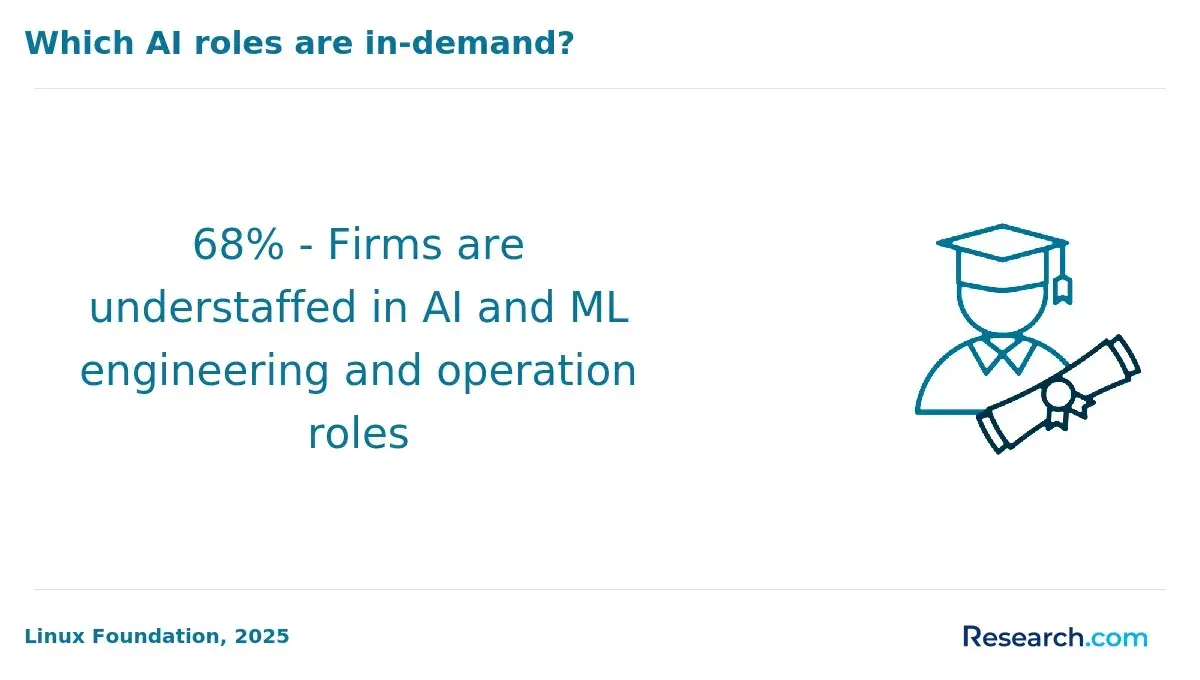
- Financial institutions prioritize AI ethics training, with 68% of surveyed firms investing in employee education by 2025 to mitigate ethical AI deployment risks.
Advance Your Career with AI Online Courses
Artificial Intelligence: Implications for Business Strategy
This program provides an introduction to Artificial Intelligence and their implications for business strategy. Earn an official digital certificate.

Oxford Artificial Intelligence Programme
Explore this Oxford Artificial Intelligence programme offered in a flexible learning environment and explore topics like machine learning, automation, and robotics.

Implementing Agentic AI: Building Your Organizational Playbook
This online MIT Agentic AI course offers a practical approach to deploying AI agents in your organization, including a custom playbook. 3 weeks, exclusive launch price.

AI Adoption: Driving Business Value and Impact
This online MIT AI Adoption: Driving Business Value and Impact offers practical frameworks to close the gap between AI potential and business reality.

Artificial Intelligence in Pharma and Biotech
Discover the applications and limitations of artificial intelligence in pharma and biotech with this MIT online short course.

What are the best AI ethics courses for finance professionals and who should take them?
The best AI ethics courses for finance professionals focus on ethical frameworks, regulatory compliance, and risk management in real-world financial contexts. These programs address challenges such as algorithmic bias, transparency, and accountability. Leading offerings come from institutions like the CFA Institute, MIT Sloan, and professional organizations such as the Global Association of Risk Professionals (GARP). They cover ethical considerations throughout the AI model lifecycle, including development, deployment, and monitoring in financial environments.
Finance professionals in roles like risk management, compliance, data science, and auditing gain the most from these courses. For example, Chief Risk Officers (CROs) and quantitative analysts should understand how AI introduces model risk and ethical issues.
In fact, 61% of CROs identified AI model risk as a top emerging threat in Deloitte's global risk survey. Those exploring who should take AI ethics courses in finance will find this knowledge essential for building better governance and risk mitigation strategies.
Recommended course topics typically include:
- Bias detection and mitigation in AI financial models
- Ethical implications of automated decision-making
- Compliance with regulatory standards like the EU AI Act
- Transparency and explainability of AI outputs
- Risk assessment methods for AI-driven financial instruments
Many courses feature practical case studies and scenario analyses, preparing professionals to manage ethical dilemmas and regulatory scrutiny effectively. Those seeking to lead AI ethics initiatives or establish internal policies within banks, hedge funds, or fintech can benefit greatly. To explore related roles, consider learning more about what is applied AI engineering.
Advance Your Career with AI Online Courses
Artificial Intelligence: Implications for Business Strategy
This program provides an introduction to Artificial Intelligence and their implications for business strategy. Earn an official digital certificate.
Oxford Artificial Intelligence Programme
Explore this Oxford Artificial Intelligence programme offered in a flexible learning environment and explore topics like machine learning, automation, and robotics.
Implementing Agentic AI: Building Your Organizational Playbook
This online MIT Agentic AI course offers a practical approach to deploying AI agents in your organization, including a custom playbook. 3 weeks, exclusive launch price.
Why does AI ethics matter in finance and what key risks do these courses address?
AI ethics risks in the finance sector are increasingly significant as institutions rely on AI models for credit scoring, fraud detection, and investment decisions. These systems influence millions, making transparency and fairness critical. According to PwC's 2024 Responsible AI in Financial Services report, 72% of surveyed banks and insurers expect heightened regulatory scrutiny on AI ethics and governance within two years, yet only 30% feel "very prepared" for these new rules. This highlights the importance of specialized education focusing on ethical AI deployment in financial services.
The key risks covered in leading AI ethics courses include:
- Bias and discrimination in credit and loan approvals, which can unfairly exclude certain demographics.
- Lack of transparency in AI decision-making, complicating audits and explanations for regulators and clients.
- Data privacy violations due to extensive data use and potential misuse.
- Regulatory non-compliance risks as laws evolve, such as the EU's AI Act and U.S. federal guidelines.
- Operational risks from AI errors or adversarial attacks potentially causing major financial losses.
These courses emphasize governance frameworks, responsible model design, and continuous monitoring to mitigate risks. Graduates gain skills to uphold ethical standards that align with regulatory demands and sustain public trust. Without them, professionals face legal penalties and reputational harm when AI systems fail ethical benchmarks.
For those exploring related fields, pursuing an online engineering degree can provide a strong technical foundation that supports understanding of responsible AI.
The importance of ethical AI in financial services cannot be overstated, as it ensures fair treatment, accountability, and compliance in a highly regulated industry increasingly shaped by AI technologies.
How do AI ethics courses for finance differ from general AI ethics programs?
AI ethics courses for finance professionals address specific regulatory compliance and risk management strategies that differ from general AI ethics programs. These courses tailor ethical considerations in AI for financial services by focusing on challenges like bias in credit scoring models, transparency in algorithmic trading, and safeguarding sensitive data under regulations such as the Gramm-Leach-Bliley Act.
Topics covered typically include:
- Mitigating algorithmic bias to prevent discriminatory lending practices
- Ensuring explainability of AI models for regulatory audits and stakeholder trust
- Protecting sensitive financial data against unauthorized use
- Integrating ethical frameworks with existing financial compliance requirements
- Evaluating the impact of AI-driven financial advice on consumer outcomes
These compliance-focused AI ethics trainings provide finance professionals with practical case studies and tools aimed at real-world enforcement and risk mitigation. For instance, analyzing automated loan approval failures helps learners identify ethical pitfalls and corrective measures specific to financial contexts.
According to LinkedIn's 2024 Workplace Learning Report, finance professionals citing "AI ethics" or "responsible AI" skills received a 33% higher recruiter outreach rate. This highlights growing demand for domain-specific AI ethics expertise. Professionals trained in these programs are better equipped to navigate complex compliance and enhance trust in AI-driven financial services.
For those interested in deepening their expertise, exploring AI PhD programs can provide advanced knowledge and research opportunities in this evolving field.
What types of AI ethics training paths exist for finance professionals, from certificates to degrees?
Finance professionals interested in AI ethics certification programs for finance professionals can select from a range of educational offerings. Certificates are the most accessible, usually lasting weeks to months, focusing on practical principles such as bias mitigation, transparency, and regulatory compliance in financial AI applications. Many institutions emphasize governance frameworks and risk management tied to AI in asset management.
For those seeking advanced knowledge, postgraduate diplomas or master's degrees in AI ethics, data ethics, or technology law provide deeper specialization. These programs cover ethical theory, algorithmic fairness, data privacy, and policy impacts, often requiring a research project related to finance. Such degrees prepare professionals to lead AI ethics strategy and compliance efforts within financial firms.
Undergraduate degrees incorporating AI ethics are less common but increasing. These tend to be integrated into finance, computer science, or interdisciplinary technology programs, providing foundational understanding. Prospective students may consider degrees like a computer science bachelor degree online to build relevant skills alongside ethics knowledge.
A recent CFA Institute survey shows 76% of asset-management firms plan to expand training on AI ethics and governance, highlighting rising demand for structured AI ethics education across all career stages. Employers usually prefer combined qualifications or certificates paired with finance expertise rather than standalone AI ethics degrees.
Choosing the right path depends on career goals: certificates enable immediate practical application, while degree options in AI ethics tailored to financial services equip professionals for policy development and leadership roles in ethical AI.
How do online AI ethics courses for finance compare to campus and executive education options?
Online AI ethics courses for finance professionals offer significant flexibility, enabling learners to manage work and study amid a rapidly changing risk environment. According to Accenture's 2024 Financial Services Responsible AI study, unaddressed AI ethics failures may cause major banks to lose 5-7% of annual income over five years. This financial risk underscores the need for up-to-date, practical training often lacking in traditional programs.
Campus courses provide strong theoretical foundations and networking opportunities but tend to be time-intensive and less customized for specific finance contexts. Executive education targets leadership strategy and governance but often misses the detailed technical and everyday ethical challenges faced by finance specialists.
Online courses typically deliver modular content focused on regulatory compliance, algorithmic bias mitigation, and governance aligned with finance industry needs. They often include case studies on real-world ethical issues such as automated loan approvals and fraud detection algorithms, increasing their practical relevance.
Finance professionals should choose programs based on career stage and goals: novices benefit from structured campus programs, mid-career professionals gain from efficient online courses addressing evolving regulations, and senior roles remain best served by executive education focused on policy implementation.
For continuous and updated training, online AI ethics education stands out as particularly effective, helping finance professionals mitigate growing ethical risks.
What core topics and case studies are covered in AI ethics courses focused on financial services?
AI ethics courses in financial services focus on critical areas like bias detection to prevent unfair lending and investment outcomes, transparency to ensure AI models are explainable to regulators and stakeholders, and data privacy compliant with regulations such as GDPR and CCPA. Accountability is stressed, clarifying who is responsible for AI-driven decisions that cause harm or financial loss. Risk management is another key subject, teaching professionals how to handle operational and reputational risks tied to AI deployment.
Real-world case studies enhance learning by illustrating the impact of these issues. Examples include AI-based credit scoring models that unintentionally exclude minority groups and algorithmic trading systems with opaque decision rules causing market disruptions. The courses also cover regulatory frameworks and compliance aligned with standards like the OECD AI Principles and the EU AI Act.
Students gain frameworks for establishing AI governance policies. For instance, McKinsey's 2024 report reveals institutions with advanced AI ethics and governance frameworks achieved 20-30% higher measurable AI value while minimizing incidents and delays. These insights highlight how ethics directly influence financial performance and operational stability.
By mastering these topics, finance professionals build trustworthy AI systems that balance innovation with ethical and regulatory demands, equipping them to navigate the evolving AI landscape responsibly.
What admission requirements, prerequisites, and technical skills are needed for AI ethics programs in finance?
Admission to AI ethics programs in finance typically requires a bachelor's degree in fields such as finance, computer science, data analytics, or related areas. Candidates often need relevant experience in banking, fintech, or compliance. Many programs demand a minimum GPA around 3.0, along with letters of recommendation or a statement of purpose explaining the applicant's commitment to ethical issues in AI within finance.
Prerequisites usually include foundational knowledge of machine learning, data privacy laws, and ethical frameworks. Some programs require completion of introductory AI or ethics courses to ensure students have a common baseline—such as understanding algorithmic bias or data governance—before addressing advanced topics in financial ethics.
Technical skills expected involve proficiency in AI tools like Python, R, or SQL, plus experience in AI model evaluation and compliance software. Familiarity with risk assessment and regulatory standards—such as GDPR or SEC guidance on AI—is highly valued.
The urgency of embedding ethics into AI use in finance is clear. According to KPMG's 2024 Global CEO Outlook for Banking, 83% of bank CEOs are piloting or scaling generative AI, yet only 39% confirm their organization has a defined ethical framework for GenAI in customer decisions. This gap highlights a critical need for professionals who combine technical expertise with ethical training.
How much do AI ethics courses for finance cost, and what funding or employer support is available?
AI ethics courses for finance professionals vary widely in cost, typically ranging from $300 to $2,000 based on program length, provider, and depth. Introductory online courses commonly cost between $300 and $600, while university-supported certifications or specialized programs often exceed $1,500. Executive education and immersive boot camps can approach $2,000 or more.
There is growing recognition in the financial sector of the importance of AI ethics training. According to EY's 2024 Global Board Risk Survey, 68% of financial-sector board members expect dedicated AI ethics training for key finance and risk staff within 12 months. However, only 27% report that such training is currently offered, prompting many organizations to support employee education by funding courses either fully or partially.
Funding options include:
- Tuition reimbursement programs covering up to 100% of course fees after completion
- Internal corporate training initiatives offering free or discounted access to selected AI ethics courses
- Professional development budgets dedicated to ethics and compliance education, often requiring manager approval
- Scholarships or early registration discounts available from course providers
It is advisable for prospective students to consult their HR or Learning & Development departments about available support. Self-funded learners might consider starting with modular or shorter courses, then progressing to premium certifications as budgets permit.
What career outcomes, job roles, and salary benefits can AI ethics training unlock in finance?
Training in AI ethics significantly enhances career opportunities in finance, especially in roles related to responsible technology governance, risk management, compliance, and strategy. Professionals with this expertise can qualify for positions such as AI compliance officer, ethics advisor, risk analyst, and policy strategist. These roles focus on ensuring firms maintain transparent, fair, and accountable AI systems, which increases trust and client retention.
Investor preferences highlight this trend—74% of retail investors favor financial institutions that openly disclose AI ethics policies, compared to just 29% who do not. This demand underlines the growing importance of ethics-trained professionals in the financial sector.
Salary gains are a key benefit; ethics and compliance officers with AI skills earn 10% to 20% more than peers without this training. For example, AI ethics compliance managers in major financial hubs often earn more than $130,000 annually, while entry-level roles start around $75,000. These skills are increasingly valued as regulations tighten and consumer scrutiny intensifies.
AI ethics training also opens doors to consultancy, advisory roles, regulatory bodies, and think tanks focused on fintech governance. It equips professionals to tackle challenges like bias in credit scoring algorithms, transparent AI-driven investment advice, and compliance with evolving legal frameworks.
How can finance professionals evaluate and choose reputable, accredited AI ethics programs or certificates?
When selecting accredited AI ethics programs or certificates, finance professionals should carefully assess several key aspects. Confirming institutional accreditation ensures the program adheres to recognized educational standards, often demonstrated by affiliations with established universities or accrediting bodies.
Reviewing the curriculum is crucial; it should include specialized ethics and governance content tailored to finance, ideally aligned with standards from organizations like the CFA Institute or the Global Association of Risk Professionals (GARP).
Transparency about instructor qualifications, course length, assessments, and learning outcomes allows candidates to gauge program value. Prioritizing programs featuring real-world financial case studies on AI ethics enhances practical understanding. Industry endorsements or partnerships with financial firms indicate the program's relevance and market demand.
Flexible delivery formats such as online, self-paced courses accommodate professionals' schedules, while live sessions enable interactive learning. Evaluating cost against benefits is important; reputable programs justify higher fees with comprehensive curricula and recognized certification.
Notably, GARP's certifications in AI and machine learning in finance, encompassing ethics and governance, have experienced a 41% increase in enrollments, reflecting growing demand. Prospective students should also review alumni feedback and career outcomes to understand certification recognition and impact within the finance sector.
Other Things You Should Know About Artificial Intelligence
Staying current requires regularly reviewing updates from regulatory bodies like the SEC and FINRA, engaging with professional associations, and participating in continuing education focused on AI ethics. Finance professionals should also monitor industry white papers and attend relevant conferences dedicated to ethical AI deployment.
Explainability ensures that AI model decisions can be understood and justified, which is crucial in finance for regulatory compliance and maintaining trust. Finance professionals must implement AI systems that provide transparent reasoning behind decisions, helping to identify and correct biased or erroneous outputs.
Yes, certifications such as Certified Ethical Emerging Technologist (CEET) or specialized AI ethics certificates with finance-focused modules enhance professionals' understanding of ethical AI applications. These credentials demonstrate commitment to responsible AI use and can improve employability within financial institutions.
References
- Artificial Intelligence in Finance: 9 AI Courses to Build Your Skills https://xledger.com/blog/artificial-intelligence-in-finance-9-ai-courses-to-build-your-skills/
- AI in Financial Services: Strategy, Ethics & Regulation Training Course https://www.nobleprog-kw.com/cc/aifinser
- No Code AI for Finance Certificate Program https://www.financialprofessionals.org/training-resources/afp-learn/ai-for-finance-certificate
- Corporate Strategy Courses - Beyond AI Finance & Business School https://beyond-ai.education/en/corporate-strategy-courses/
- Understanding the Ethical Risks of AI in Financial Services https://www.hso.com/blog/understanding-the-ethical-risks-of-ai-in-financial-services/
- Artificial intelligence https://www.icaew.com/technical/technology/artificial-intelligence
- AI in Finance Jobs: How Generative AI Is Reshaping Roles & Skills | Aswini Bajaj Classes https://aswinibajajclasses.com/beyond-academics/blogs/career-related/ai-in-finance-jobs
- Survey of EU Ethical Guidelines for Commercial AI: Case Studies in Financial Services | Montreal AI Ethics Institute https://montrealethics.ai/survey-of-eu-ethical-guidelines-for-commercial-ai-case-studies-in-financial-services/
- 16 Artificial Intelligence Career Paths https://www.calmu.edu/news/artificial-intelligence-career-paths
- AI Ethics at Work: Key Issues & What Firms Must Know https://www.techclass.com/resources/learning-and-development-articles/ethics-of-ai-at-work-what-every-company-should-consider