2027 Best AI Courses for Social Impact Organizations

Co-Founder and Chief Data Scientist
Social impact organizations often struggle to integrate artificial intelligence tools effectively due to limited technical expertise and resources. This gap restricts their ability to leverage AI for data-driven decision-making, program optimization, and enhanced community outreach.
Professionals seeking to transition into the AI field face challenges finding flexible, accredited courses tailored to this niche. Employers increasingly demand relevant skills that align with ethical considerations and social good applications. This article examines top AI courses designed for social impact, focusing on accessibility, curriculum relevance, and accreditation to help prospective students acquire the skills needed to drive meaningful change through technology.
Key Things You Should Know
- Best AI courses for social impact focus on ethical data use, community engagement, and practical skills, addressing 67% of nonprofit leaders seeking tech solutions in 2025.
- Top programs integrate real-world projects, preparing 75% of graduates for roles in education, healthcare, and environmental organizations tackling social challenges.
- Courses increasingly emphasize interdisciplinary approaches, combining AI with policy and social sciences to enhance decision-making and effective resource allocation.
Advance Your Career with AI Online Courses
Artificial Intelligence: Implications for Business Strategy
This program provides an introduction to Artificial Intelligence and their implications for business strategy. Earn an official digital certificate.

Oxford Artificial Intelligence Programme
Explore this Oxford Artificial Intelligence programme offered in a flexible learning environment and explore topics like machine learning, automation, and robotics.

Implementing Agentic AI: Building Your Organizational Playbook
This online MIT Agentic AI course offers a practical approach to deploying AI agents in your organization, including a custom playbook. 3 weeks, exclusive launch price.

AI Adoption: Driving Business Value and Impact
This online MIT AI Adoption: Driving Business Value and Impact offers practical frameworks to close the gap between AI potential and business reality.

Artificial Intelligence in Pharma and Biotech
Discover the applications and limitations of artificial intelligence in pharma and biotech with this MIT online short course.

What are the best AI courses for social impact organizations and who are they right for?
Top AI courses for social impact organizations emphasize practical skills such as data analysis, ethical AI use, and machine learning tailored to nonprofit contexts. Leading programs include "AI for Social Good" from Stanford Online and "AI and Society" by the University of Edinburgh. These are well suited for nonprofit managers, data scientists applying AI to social sectors, and program officers aiming to implement responsible AI strategies.
Exploring the best ai courses for social impact organizations can significantly enhance mission-driven work.
Despite recognizing AI's importance, many nonprofits struggle to build effective AI strategies. The Salesforce Nonprofit Trends Report finds 67% of nonprofit professionals anticipate AI's major impact within five years, yet only 15% have established AI strategies. This gap underscores the need for ai training programs for nonprofit professionals that combine technical skills with organizational readiness.
Courses incorporating project-based learning enable the design of AI tools for fundraising optimization, impact measurement, and community engagement. Health and education nonprofits benefit from AI ethics training focused on equity and bias mitigation, while environmental organizations gain from data science courses with an emphasis on geospatial analysis and predictive modeling.
Less technical professionals can choose introductory courses that provide frameworks to lead AI discussions effectively, while advanced learners may pursue programs covering machine learning algorithms and natural language processing applied to social data.
When selecting courses, consider curriculum relevance, instructor expertise in social impact, and real-world case examples. Aligning outcomes with organizational goals helps social impact organizations move from awareness to actionable AI strategies. For candidates seeking broader educational options, reviewing the top US colleges for data science can offer additional pathways into this field.
Advance Your Career with AI Online Courses
Artificial Intelligence: Implications for Business Strategy
This program provides an introduction to Artificial Intelligence and their implications for business strategy. Earn an official digital certificate.
Oxford Artificial Intelligence Programme
Explore this Oxford Artificial Intelligence programme offered in a flexible learning environment and explore topics like machine learning, automation, and robotics.
Implementing Agentic AI: Building Your Organizational Playbook
This online MIT Agentic AI course offers a practical approach to deploying AI agents in your organization, including a custom playbook. 3 weeks, exclusive launch price.
How can AI training help nonprofits and social impact organizations advance their missions?
AI training equips nonprofits and social impact organizations with the skills needed to analyze complex data, optimize operations, and improve decision-making aligned with their missions. These organizations benefit from mastering machine learning models and data analytics, which help identify patterns and trends in social challenges, enabling more targeted interventions.
For instance, training in natural language processing allows nonprofits to analyze public sentiment or monitor crises via social media, enhancing responsiveness. This focus on AI training for nonprofit mission advancement helps organizations become more evidence-based and efficient.
Capacity building in AI automates routine tasks like donor management and resource allocation, freeing up staff to focus on strategic priorities. Predictive analytics can forecast fundraising outcomes and assess program impact, contributing to long-term sustainability.
AI-powered tools also improve accessibility by personalizing communication according to language and community needs, deepening engagement in social organizations. This highlights the growing impact of artificial intelligence on social organizations.
The rising demand for AI skills in civil society is demonstrated by a $3.2 billion investment in AI for social good initiatives, marking a significant increase since 2022. Training programs emphasize ethical awareness to ensure AI systems respect privacy and minimize bias for vulnerable populations. Typical training covers:
- Data literacy for effectively interpreting large datasets
- Collaboration on AI projects addressing specific social issues
- Integration of AI solutions with existing workflows
- Understanding AI ethics and governance frameworks
Individuals interested in enhancing their expertise may explore options like the online AI degree, aligning education with this expanding social impact field.
What types of AI programs are available for social impact work (certificates, degrees, bootcamps)?
For social impact professionals, AI certificate programs for social impact professionals come in three primary formats: certificates, degrees, and bootcamps. Certificates focus on specific skills or tools, typically completed in a few months. They suit professionals aiming to quickly expand their AI knowledge without committing to a full degree. Examples include certificates in machine learning for social good or data ethics in AI.
Degrees, such as bachelor's or master's programs, provide comprehensive training combining theoretical and practical elements. These social impact degrees and bootcamps in artificial intelligence are ideal for those seeking deep expertise or leadership roles in AI-driven social initiatives, such as nonprofits or government agencies. Degree programs cover foundational concepts, programming, algorithm design, and social applications.
Bootcamps offer intensive, short-term courses lasting weeks to a few months, focusing on rapid, applied AI skill acquisition through real-world problem solving. They often involve project-based learning targeting social challenges like poverty reduction or environmental monitoring and provide hands-on experience along with networking opportunities.
Short-term AI programs, including certificates, bootcamps, and microcredentials, have proven benefits. According to the Coursera Global Skills Report 2024, professionals completing these programs within six months reported a 21% average salary increase and 64% job-role expansion within a year. For those interested in expanding their credentials, exploring an online game design degree can illustrate affordable, flexible degree options in technology fields.
How do online AI courses for social impact compare with campus and hybrid options?
Online AI courses provide greater flexibility and accessibility compared to campus and hybrid options, making them ideal for working professionals and executives in nonprofits and government. These courses enable learners to balance studies with demanding schedules, unlike campus programs that require fixed attendance and commuting. Hybrid AI learning options for social impact organizations blend flexibility with in-person interaction but can still involve geographic and timing constraints.
University-backed executive programs designed for social sector leaders remain critical due to their specialized content and networking opportunities. In fact, 74% of public and social sector executives cited a lack of senior leadership understanding as a core barrier to AI adoption, up from 60% two years prior (McKinsey Global Survey on AI 2024). Such data highlights why campus-based executive programs are essential for leadership engagement and tailored, hands-on learning.
Online AI courses excel in delivering practical technical skills like machine learning applications, data ethics, and AI strategy through modular, frequently updated content. However, they may lack customized case studies or sector-specific mentorship more common in campus settings. Hybrid formats offer live discussions and asynchronous learning, appealing to those seeking credentialing and peer interaction, though they require a greater time commitment than fully online options.
For those exploring educational paths that prioritize flexibility and cost-efficiency while maintaining quality, online courses are a strong choice. For deeper expertise and leadership development, hybrid and campus programs remain vital. Professionals might also consider earning a fastest cyber security degree to complement their AI knowledge in social impact contexts.
What should you look for in accreditation and institutional quality for AI programs?
Accreditation plays a vital role in assessing ai programs designed for social impact organizations, ensuring they meet rigorous academic and professional standards. Look for programs accredited by recognized regional bodies or specialized agencies in technology and data science education, which guarantees curriculum relevance and alignment with industry and ethical norms.
Institutional quality extends beyond accreditation. Faculty expertise, especially involving real-world ai applications in nonprofit or humanitarian sectors, is essential. Programs led by experienced professors with direct involvement in social impact projects provide valuable insights tailored to nonprofit missions. Partnerships with nonprofit organizations often enhance program relevance by addressing specific sector challenges.
Given that 58% of nonprofits earning under $500K annually face budget constraints as a main barrier to expanding ai use, prioritize affordable or free programs to widen access. These options reduce financial obstacles and promote the adoption of ai tools geared toward social good.
Key criteria to consider include:
- Accreditation by reputable agencies ensuring program credibility
- Faculty expertise in applied ai within social impact contexts
- Curriculum covering ethical, legal, and societal considerations
- Cost and schedule flexibility accommodating nonprofit budgets
- Opportunities for hands-on projects addressing nonprofit challenges
Also, verify if programs offer certificates or continuing education credits recognized by professional bodies to support career advancement. Avoid programs lacking transparency in accreditation or those that do not explicitly integrate social impact themes.
What core skills and coursework do AI for social impact programs typically include?
AI for social impact programs blend core technical skills with specialized sector knowledge to train students in developing socially responsible solutions. Foundational courses focus on machine learning algorithms, data analytics, and ethical AI development, providing the tools to build models addressing real-world social challenges effectively.
Hands-on training using large datasets and programming languages like Python is common, emphasizing frameworks relevant to AI applications. Ethics, fairness, bias mitigation, transparency, and accountability are integral, ensuring responsible deployment in social contexts.
Specialization is essential, with health, education, and climate-focused AI courses forming a significant part of most curricula. These areas represent over 70% of AI-for-social-good projects globally (Stanford AI Index Report 2024). Programs include modules on healthcare analytics, environmental modeling, and educational technology, teaching students to design solutions tailored to sector-specific data and outcomes.
Additional interdisciplinary skills such as project management, stakeholder engagement, and understanding policy frameworks help graduates navigate complex social environments where AI has impact.
Students and professionals should seek programs offering practical projects in collaboration with nonprofits or government agencies, gaining experience in overcoming infrastructure challenges and data scarcity prevalent in social impact work.
What are typical admission requirements and prerequisites for AI programs focused on social impact?
Admission to AI programs focused on social impact often requires a bachelor's degree in areas such as computer science, data science, social sciences, or public policy. Foundational knowledge in programming languages like Python, statistics, or linear algebra is typically expected to ensure candidates can handle technical content. Some programs may ask for prior experience with AI frameworks or a portfolio showcasing applied AI projects addressing social or ethical challenges.
Interdisciplinary understanding is also important. Applicants might need familiarity with social justice, ethics, or public welfare to effectively engage with societal implications of AI. Many programs request a statement of purpose emphasizing a commitment to using AI for positive social change. Experience in nonprofit or community service roles is often valued as practical evidence of dedication.
With concerns over AI risks, ethics, risk management, and governance have become core components. A significant portion of organizations report negative AI outcomes such as bias or privacy breaches, while fewer have formal governance training. This reality highlights why coursework in AI ethics, law, and policy is frequently required or recommended to prepare responsible practitioners.
Prospective students should be ready for skills assessments like coding tests or case studies. Some schools offer bridge courses to improve expertise in social science methods or advanced computing when prerequisites are incomplete. Admissions balance technical skills with demonstrated interest in ethical, equitable AI aligned with social impact goals.
How long do AI programs for social impact usually take and what do they cost?
AI programs aimed at social impact usually last from a few weeks up to six months, based on their depth and format. Shorter options like bootcamps, running 4 to 8 weeks, cover foundational AI concepts, practical tools, and relevant case studies for nonprofits or government organizations.
More extensive certificate or professional development courses span 3 to 6 months, providing in-depth learning on machine learning models, ethical issues, and deployment strategies tailored to social enterprises.
Costs vary broadly across these options. Entry-level online courses can be free or cost up to $500, ideal for individuals or small organizations with budget constraints. More intensive certificate programs or cohort-based academies range from $1,500 to $5,000 and often include mentorship, hands-on projects, and networking to help build internal AI expertise.
Investing in longer, practice-focused programs can create internal AI champions who drive organizational success. For example, the Deloitte State of Gen AI in the Enterprise 2024 report states that trained AI champions are 2.6 times more likely to achieve meaningful cost savings and 2.1 times more likely to increase revenue or funding through AI initiatives.
When selecting a program, check for tailored modules on social impact topics such as algorithmic fairness and resource allocation. Smaller cohort sizes improve peer interaction and shared learning. Consider your weekly time availability, as some courses require 10 or more hours per week, which may be challenging alongside full-time jobs.
What careers, job roles, and employers can AI for social impact training prepare you for?
Training in AI for social impact equips individuals for roles in nonprofit, public sector, and socially focused private organizations. Careers include AI project manager, data scientist focused on social good, AI ethics specialist, impact analyst, and technologist in international development.
Employers range from NGOs and government agencies to philanthropic foundations and tech companies creating AI solutions for social issues such as poverty, climate change, public health, and education equity.
These roles demand not only technical AI skills but also deep understanding of ethical considerations and social outcome measurement. Positions like AI policy advisor, digital transformation officer for nonprofits, and social innovation consultant integrate AI expertise with domain knowledge. For instance, impact analysts may leverage predictive analytics to evaluate program success, while AI ethics specialists ensure algorithmic fairness for vulnerable groups.
According to the McKinsey Global Survey on AI 2024, organizations scaling AI report a median 3.5× return on investment across cost savings, productivity, and funding impact. This highlights the competitive advantage for professionals proficient in rigorous AI knowledge. Graduates and professionals should focus on interdisciplinary skills combining AI proficiency with social data analysis and ethical implementation.
- Work in diverse sectors such as government, large nonprofits, and social enterprises
- Develop competencies in machine learning applied to social datasets
- Lead AI initiatives that foster measurable social change
What are the salary expectations and job outlook for AI professionals in social impact sectors?
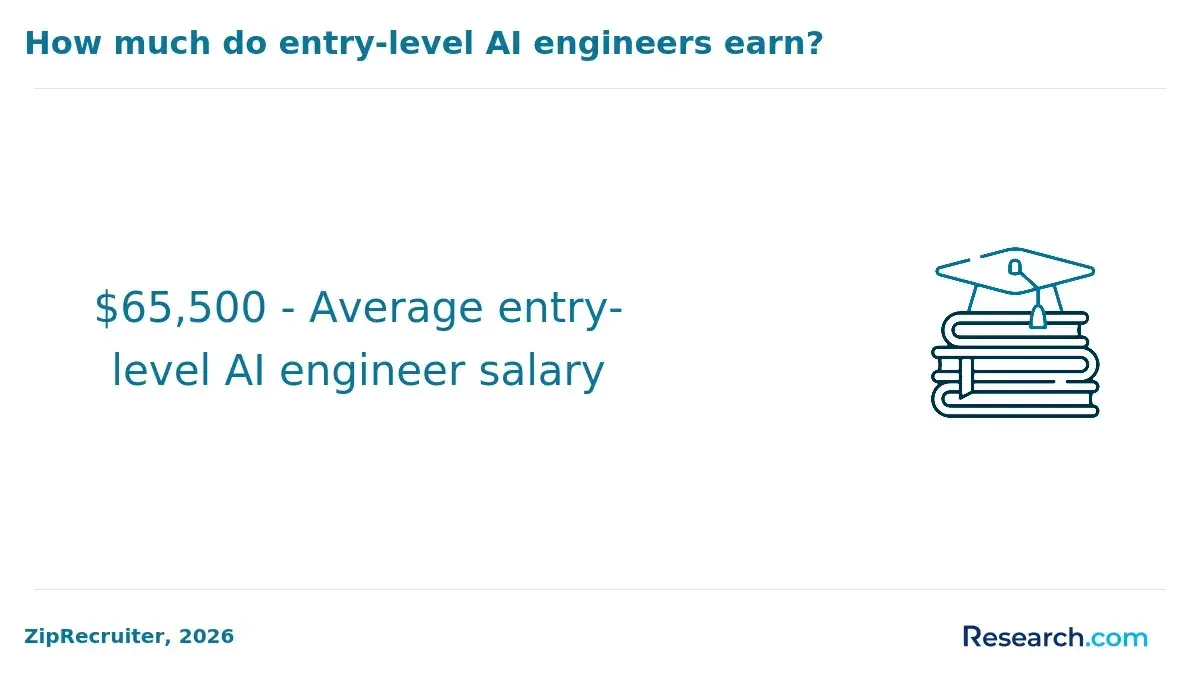
AI professionals working in social impact fields often receive competitive salaries that reflect the growing need for advanced technology expertise. Entry-level positions typically start around $70,000 annually, while seasoned specialists can earn between $110,000 and $150,000 or more, depending on role complexity and organizational resources.
Jobs focused on data science, machine learning implementation, or AI ethics within nonprofits and government agencies tend to offer higher pay due to the specialized skills required.
The demand for AI experts in social sectors is expected to rise substantially. By 2030, the World Economic Forum projects a 45% increase in demand for workers with advanced technology skills, including AI and data capabilities, in public and social organizations. Meanwhile, demand for basic cognitive skills will decline, highlighting a crucial shift in workforce requirements.
Social impact organizations prioritize AI professionals skilled in developing ethical algorithms, enhancing data-driven decision-making, and tackling challenges in public health, education, and the environment. Expertise in AI ethics, explainable AI, and social data analytics offers a strong advantage. Public sector roles emphasize transparency and accountability, while nonprofit roles focus on resource optimization and measuring impact.
Career growth in this field involves continuous skill development, such as mastering new AI frameworks and project management relevant to social initiatives. Early-career professionals should build collaborations with domain experts to improve results, while mid-career transitions may lead to leadership positions directing AI strategies in social programs.
- Entry-level salaries start at approximately $70,000 annually
- Experienced specialists earn $110,000 to $150,000+
- Projected 45% increase in AI-related roles by 2030
- Competitive advantage with AI ethics and social data analytics expertise
Other Things You Should Know About Artificial Intelligence
In 2027, top AI courses for social impact organizations include Stanford's AI for Social Good, MIT's AI in Social Impact Innovations, and Coursera’s AI for Social Impact by leading universities. These courses focus on practical skills and ethical AI application in real-world social impact scenarios.
Artificial intelligence applications in social impact projects handle data privacy by following strict data protection standards and regulations like GDPR or HIPAA. Techniques such as data anonymization, encryption, and secure access controls help preserve individuals' privacy while enabling meaningful analysis. Ensuring ethical data use is essential to maintain trust and comply with legal requirements.
Yes, artificial intelligence can enhance decision-making in nonprofit organizations by providing advanced data analysis and predictive insights. AI-powered tools can identify trends, optimize resource allocation, and measure program outcomes more accurately. This enables nonprofits to make evidence-based decisions that increase their effectiveness and social impact.
Social impact organizations often face challenges such as limited funding, lack of technical expertise, and data quality issues when implementing artificial intelligence. Additionally, integrating AI responsibly requires careful planning to address ethical concerns and ensure alignment with the organization's mission. Overcoming these obstacles is key to successful AI adoption in the sector.
References
- Future-proof your career: 5 skills you need to stay relevant in the age of AI | Multiverse https://www.multiverse.io/blog/future-proof-your-career-ai
- AI Policies Every Online Institution Should Adopt Before 2027 https://iacde.org/uncategorized/ai-policies-every-online-institution-should-adopt-before-2027/
- Applied AI certificate for social good — PoliSync https://www.polisync.org/ai-certificate
- AI In Social Impact Projects https://www.meegle.com/en_us/topics/ai-powered-insights/ai-in-social-impact-projects
- AI Development Cost Estimation: Pricing Structure, Implementation ROI https://www.coherentsolutions.com/insights/ai-development-cost-estimation-pricing-structure-roi
- AI pricing: how much does AI cost in 2025? | Future Processing https://www.future-processing.com/blog/ai-pricing-is-ai-expensive/
- Impact Bachelor of Science Tomorrow University https://www.tomorrow.university/impact-bachelor-of-science
- The Impact of AI on Job Roles, Workforce, and Employment: What You Need to Know | Innopharma Education https://www.innopharmaeducation.com/blog/the-impact-of-ai-on-job-roles-workforce-and-employment-what-you-need-to-know
- The Coming AI Job Apocalypse in the Impact Sector or Not... https://pcdn.global/the-coming-ai-job-apocalypse-in-the-impact-secgtor-or-not/
- Top 7 artificial intelligence courses 2025: Comparison of the best online programs https://xd-i.com/en/data-en/ai-courses/