2027 Best AI Courses for Customer Experience Teams in Hospitality

Co-Founder and Chief Data Scientist
Customer experience teams in hospitality often struggle to quickly personalize guest interactions and efficiently manage high volumes of requests. Traditional training methods may not equip staff with the necessary skills to leverage evolving artificial intelligence tools that enhance service quality and streamline operations. This gap can lead to missed opportunities for improved guest satisfaction and brand loyalty.
This article explores the best AI courses designed specifically for customer experience professionals in hospitality, highlighting flexible, accredited programs that enable career pivots into AI-powered roles while supporting practical skill development.
Key Things You Should Know
- Leading AI courses for hospitality customer experience focus on practical skills in natural language processing and sentiment analysis, crucial for improving guest interactions and personalization.
- Recent 2025 data shows 68% of hospitality firms increased AI training investments, reflecting growing demand for staff proficient in AI-driven customer engagement tools.
- Top programs combine hospitality-specific case studies with AI ethics and data privacy training, addressing consumer trust and regulatory compliance challenges in the industry.
Advance Your Career with AI Online Courses
Artificial Intelligence: Implications for Business Strategy
This program provides an introduction to Artificial Intelligence and their implications for business strategy. Earn an official digital certificate.

Oxford Artificial Intelligence Programme
Explore this Oxford Artificial Intelligence programme offered in a flexible learning environment and explore topics like machine learning, automation, and robotics.

Implementing Agentic AI: Building Your Organizational Playbook
This online MIT Agentic AI course offers a practical approach to deploying AI agents in your organization, including a custom playbook. 3 weeks, exclusive launch price.

AI Adoption: Driving Business Value and Impact
This online MIT AI Adoption: Driving Business Value and Impact offers practical frameworks to close the gap between AI potential and business reality.

Artificial Intelligence in Pharma and Biotech
Discover the applications and limitations of artificial intelligence in pharma and biotech with this MIT online short course.

What are the best AI courses for hospitality customer experience teams and who are they for?
Top artificial intelligence training for hospitality professionals focuses on practical applications that enhance guest interactions and operational efficiency. Courses such as "AI for Customer Experience" by Cornell University and "Artificial Intelligence in Hospitality" by eCornell are tailored for CX managers, front-desk supervisors, and digital marketing specialists aiming to adopt AI-driven tools like chatbots, personalization engines, and predictive analytics.
These programs emphasize real-world scenarios like automating inquiry responses, customizing guest recommendations, and optimizing pre-booking communications. They suit professionals wanting to leverage AI to improve service quality and speed without needing deep technical skills. For those with technical expertise, Stanford's "Machine Learning and AI for Business" course offers broader insights on AI algorithms for customer data analysis in hospitality.
According to a 2024 Canary Technologies survey of 327 hospitality professionals, over 73% believe AI will have a significant impact on the sector, with more than 80% expecting AI to transform pre-booking interactions and guest communications. This urgency points to the need for skills development among customer experience teams.
Courses also address ethical AI use, data privacy, and how to keep the human touch in automated communications. Those aiming to improve personalized guest services and demand forecasting benefit from training that merges AI strategy with hands-on use of platforms like IBM Watson and Google Cloud AI.
For prospective students interested in deepening their AI knowledge alongside hospitality expertise, pursuing an online computer science degree can provide a solid technical foundation.
Advance Your Career with AI Online Courses
Artificial Intelligence: Implications for Business Strategy
This program provides an introduction to Artificial Intelligence and their implications for business strategy. Earn an official digital certificate.
Oxford Artificial Intelligence Programme
Explore this Oxford Artificial Intelligence programme offered in a flexible learning environment and explore topics like machine learning, automation, and robotics.
Implementing Agentic AI: Building Your Organizational Playbook
This online MIT Agentic AI course offers a practical approach to deploying AI agents in your organization, including a custom playbook. 3 weeks, exclusive launch price.
How can AI skills transform customer experience roles in hotels, resorts, and travel services?
AI skills enhancing hotel customer service efficiency transforms roles in hotels, resorts, and travel services by optimizing daily operations and elevating guest interactions. Employees skilled in AI deploy chatbots and virtual assistants to manage routine inquiries, allowing staff to focus on personalized service and complex problem-solving. This reduces response times and boosts customer satisfaction, essential for retaining loyal guests in competitive markets.
Artificial intelligence applications in travel and hospitality roles extend to data analysis, helping teams anticipate guest preferences and tailor offers. Predictive analytics identify upselling opportunities like room upgrades and dining experiences, increasing ancillary revenue by 10-20%, according to the Boston Consulting Group's 2026 "AI-First Hotels" analysis. AI also automates tasks such as check-in, billing, and housekeeping requests, cutting labor costs by 15-35%.
Mastery of AI tools enables staff to generate real-time insights from large datasets, quickly identifying service bottlenecks and guest pain points. This supports informed decision-making with accurate, current information. In travel services, AI further enhances itinerary planning using personalized recommendations and dynamic pricing models responsive to demand fluctuations.
Proficiency with AI platforms for natural language processing, sentiment analysis, and process automation is critical. Understanding how to integrate AI outputs smoothly into human workflows ensures collaboration rather than replacement. Knowledge of AI ethics and data privacy is also vital for maintaining guest trust.
For those entering the field, pursuing a mechanical engineering degree or related technical education can support acquiring these skills, combining technical know-how with practical hospitality applications.
What types of AI training programs exist for hospitality professionals, from short courses to degrees?
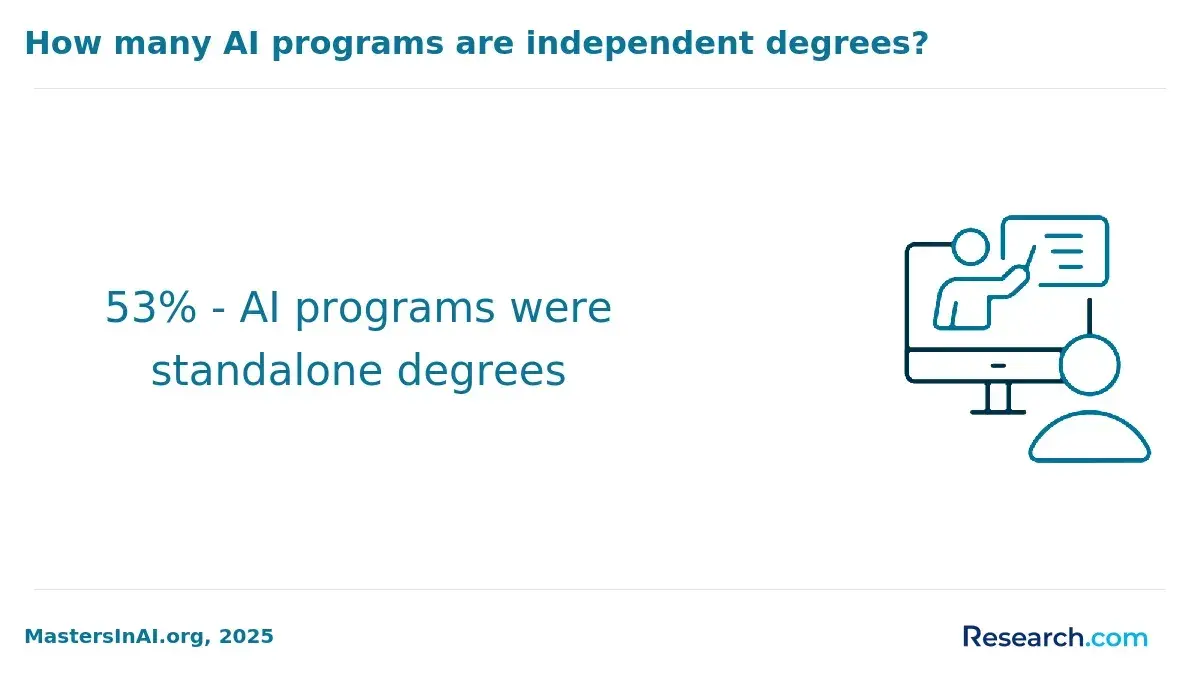
AI training programs for hospitality professionals offer options from quick certificate courses to advanced degrees, catering to a range of career goals and learning preferences. Short courses emphasize practical AI applications such as chatbots, customer data analytics, and personalized marketing strategies. These programs typically span a few hours to weeks, ideal for frontline staff and managers who want rapid upskilling without committing to lengthy studies.
For more specialized knowledge, postgraduate certificates and diplomas cover AI-driven customer experience management, smart automation, and predictive analytics. These are often available online or part-time, which suits working hospitality professionals aiming to deepen their expertise.
Degree programs, including bachelor's and master's degrees with a concentration in AI or data analytics, blend hospitality management skills with advanced machine learning, data science, and AI ethics. Graduates are prepared to develop and oversee AI systems that enhance guest services and operational efficiency.
Some specialized MBA programs integrate AI for hospitality modules, focusing on strategic leadership and implementation. For instance, AI-powered personalization can improve direct booking conversion rates by 20-40% and raise average daily rates by 5-10%, helping managers demonstrate measurable ROI.
Hospitality teams exploring short courses and degree options in ai for hospitality teams should align their choices with career advancement or technology leadership goals. A balanced approach combining foundational training with advanced degrees supports a strong grasp of AI's role in guest experience and revenue growth. Additionally, professionals may find value in a game design online degree to develop relevant technical skills applicable across industries.
What should hospitality-focused AI courses cover in their curriculum for customer experience teams?
Hospitality customer experience teams require specialized AI courses that focus on practical skills and strategic insights for real-world applications. Key topics include natural language processing to power chatbots and virtual assistants, enabling front desk staff to efficiently manage guest inquiries and booking changes.
Training in predictive analytics is vital for anticipating guest preferences and enhancing personalized services, reflecting essential AI skills for hospitality customer service teams.
Courses also cover AI-driven customer sentiment analysis to track online reviews and social media feedback, boosting responsiveness and reputation management. Integration of AI with property management systems helps streamline operations from front desk to inventory control and maintenance scheduling. Emphasizing security and privacy ensures teams understand data protection laws and ethical AI use.
Hands-on projects using real hospitality data prepare learners to work with both AI vendor tools and custom AI models. Given that two-thirds of hotels with more than 150 rooms allocate at least 10% of IT budgets to AI-and 26% of those with over 500 rooms dedicate more than 50%-training must mirror these investment trends (EHL / Canary Technologies 2024 study).
Additional curriculum elements include:
- Automation of routine guest services to increase efficiency and reduce wait times
- AI-supported revenue management and dynamic pricing to maximize profitability
- Integration of multi-channel communication platforms powered by AI
- Change management techniques for AI adoption within teams
Prospective students interested in advancing their expertise in this area may consider pursuing a data analytics master's degree to build the analytical foundation necessary for leveraging these technologies effectively.
How do online AI courses for hospitality compare with campus or on-site corporate training?
Online ai courses for hospitality provide notable advantages, including flexibility, cost savings, and accessibility. These programs enable hospitality customer experience teams to learn at their own pace, crucial for an industry known for irregular hours and demanding schedules. This flexible learning approach allows continuous skill-building without interrupting work shifts or operational duties.
Cost benefits are significant as well. Online courses reduce expenses tied to travel, lodging, and facility fees, benefiting both employers and employees. Many platforms offer specialized modules on ai applications tailored to hospitality, such as automated guest services and personalized marketing-content often missing from broader campus programs.
In contrast, campus and on-site corporate training provide direct interaction with instructors and peers, encouraging immediate feedback and collaboration. These formats are valuable for hands-on use of ai tools and aligning training with specific corporate goals, though they usually carry less accessibility and higher costs.
With surveys like the World Economic Forum's Future of Jobs Survey 2025 indicating that 86% of employers expect ai technologies to reshape business by 2030, and 49% already shifting toward ai-driven opportunities, timely upskilling is essential. Combining online ai courses with occasional in-person sessions offers a scalable, efficient solution for hospitality teams adapting to these technological shifts.
How can I evaluate the quality and accreditation of AI programs for hospitality workers?
Accreditation by recognized educational authorities is essential when evaluating ai programs for hospitality workers. Look for regional accreditation or endorsements from hospitality-focused organizations to ensure curricula align with industry standards and educational quality.
Course content should emphasize practical ai applications relevant to hospitality, such as customer insights, automated service optimization, and personalized marketing. Current trends reveal the growing importance of these skills; for example, the UNWTO Tourism Online Academy reports that 34% of hospitality marketing and sales initiatives involve ai adoption.
Strong instructor credentials matter-seek programs led by professionals experienced in applying ai tools within the hospitality sector. Practical learning components, including case studies, simulations, or internships, provide valuable hands-on experience.
Review outcomes like student job placement rates and career advancement in ai-driven hospitality roles. External endorsements or partnerships with leading hospitality firms and ai technology providers further validate program quality.
Feedback from past students offers insights into skill development and job performance enhancements. Key questions include whether the program covers current ai tools used in hospitality CRM and sales, if certifications are industry-recognized, and how well the curriculum reflects data such as the 13.5% ai adoption rate in European enterprises with 10 or more employees, as cited by UNWTO and EHL.
What are the typical admission requirements and tech skills needed for AI courses in hospitality?
Admission to AI courses for hospitality professionals usually requires a bachelor's degree in hospitality management, business, computer science, or related fields. Candidates without a technical background may need to demonstrate proficiency in statistics or mathematics. Many programs prefer applicants with 1-3 years of experience in hospitality operations or customer service to better contextualize AI applications.
Technical skill requirements depend on the course level. Introductory courses often ask for familiarity with spreadsheets and basic data analysis, while advanced programs expect knowledge of programming languages like Python or R. Skills in databases, machine learning, and cloud platforms such as AWS or Azure are increasingly important. Specialized AI courses may require understanding natural language processing or sentiment analysis to improve guest experiences.
Analytical thinking and problem-solving abilities are essential. The hospitality AI market is growing rapidly, projected to expand more than tenfold from $10.3 billion in 2020 to $110.6 billion by 2031 according to a 2024 EHL research article.
Many courses offer flexible prerequisites, welcoming professionals from diverse backgrounds who want to develop AI skills tailored to hospitality. Experience with data-driven decision-making in hospitality roles is a valuable asset for leveraging AI effectively.
How long do AI courses for hospitality customer experience teams take and what do they cost?
AI courses tailored for hospitality customer experience teams vary widely in length and depth. Options include brief workshops lasting a few hours and more extensive programs spanning 4 to 12 weeks. Fast-track formats designed for busy professionals often provide essential skills in under 10 hours, ideal for quick adoption in hotel operations.
More comprehensive courses, including certification tracks, typically require 30 to 60 hours of study. These focus on advanced topics like demand forecasting, dynamic pricing, and personalized guest engagement powered by AI. Training programs can range from free foundational modules to structured courses costing between $300 and $1,200.
Entry-level or vendor-supported sessions usually offer basic knowledge at lower prices, while professional certifications command higher fees but deliver recognized credentials valued by industry leaders. Examples include:
- Short courses specializing in AI-driven revenue management or customer sentiment analysis, generally under 8 hours and costing $200-$400.
- Longer courses covering multiple AI applications in hospitality, spanning 40-50 hours with fees near $1,000.
Investment in AI education is supported by BCG's 2026 "AI-First Hotels" report, which highlights improvements of up to 20 percentage points in forecasting accuracy and a 5-15% increase in revenue per available room when AI is effectively adopted by trained staff. These gains emphasize the importance of choosing the right training path to build strategic capability and enhance operational results.
What customer experience jobs and career paths can AI training open up in hospitality?
Training in artificial intelligence for hospitality career paths focuses on customer experience (CX) roles that increasingly depend on data-driven insights and automation. Key positions include AI-powered CX analysts who analyze customer interaction data to improve service and create personalized guest experiences. AI integration specialists play a critical role in deploying and maintaining AI tools to ensure smooth collaboration between staff and automated systems.
New roles like AI ethics officers and trust managers address transparency and fairness in AI-driven customer interactions. These experts promote AI literacy and responsible usage within hospitality teams. Additionally, AI-enhanced guest relations managers use predictive analytics to anticipate and resolve guest issues proactively, raising satisfaction levels.
The hospitality industry faces challenges such as concerns over workforce downsizing due to automation. According to the 2024 Canary Technologies hospitality survey, over 94% of HR, IT, and general managers expect AI to drive major change, but 41% foresee downsizing related to automation. This highlights the need for specialists skilled in change management, AI tool adaptation, and staff upskilling.
Careers also evolve toward hybrid roles combining customer service expertise with AI system oversight. Professionals trained in artificial intelligence support smoother transitions by reducing resistance and building trust in AI technologies. Graduates with AI skills find opportunities across data interpretation, system supervision, and strategic AI application within hospitality domains.
Are there industry-recognized AI certifications that benefit hospitality customer experience professionals?
AI certifications offer hospitality customer experience professionals essential skills that enhance employability and validate expertise in key technologies like personalization, chatbots, and data analytics. Well-known certifications such as Microsoft Certified: Azure AI Fundamentals and IBM AI Engineering Professional Certificate deliver foundational and applied AI knowledge relevant to hospitality roles.
Specialized credentials, including the Certified Artificial Intelligence Practitioner (CAIP), emphasize ethical AI use and AI deployment in service industries, improving decision-making in guest management and personalized marketing. For professionals focused on data-driven insights, certifications like Google's TensorFlow Developer Certificate provide relevant skills in machine learning and natural language processing.
According to EHL's 2024 analysis, the AI market is expected to grow significantly, from $93.23 billion in 2020 to over $1,005 billion by 2031. This expansion increases demand for AI-literate professionals in customer-facing sectors, giving certified individuals advantages in salary and career advancement.
To navigate this landscape, professionals should select certifications aligned with their career objectives-whether operational roles using AI-powered CRM tools or strategic roles leveraging predictive analytics. Combining AI credentials with hospitality training helps apply AI solutions that address guest experience challenges. Employers often prioritize candidates with formal AI certification when investing in advanced customer experience technologies.
Other Things You Should Know About Artificial Intelligence
In 2027, some of the top AI courses for customer experience teams in hospitality include "AI for Hospitality Management" by Cornell University, "Introduction to AI in Customer Experience" offered by Coursera, and "AI and Hospitality Trends" by edX. These courses cover the integration of AI in enhancing guest interactions and service personalization.
Artificial intelligence can automate routine tasks such as data analysis and personalized recommendations, but it does not fully replace human roles in hospitality customer experience. AI enhances staff capabilities by handling repetitive activities, allowing employees to focus on complex problem-solving and empathetic guest service. Human judgment and emotional intelligence remain essential in creating meaningful customer interactions.
AI improves customer personalization by analyzing large volumes of data to understand guest preferences and behavior patterns. It enables hotels to tailor marketing messages, offers, and services to individual guests in real time. This leads to a more customized customer experience, improving satisfaction and loyalty.
Key challenges include data quality management, employee training, and the initial cost of AI technology implementation. Integrating AI systems with existing hotel operations can be complex, requiring careful planning and continuous monitoring. Ensuring that AI tools align with brand values and guest expectations is also critical for successful adoption.
References
- AI Governance in the Hospitality Industry https://aign.global/ai-governance-insights/patrick-upmann/ai-governance-in-the-hospitality-industry/
- AI for Leadership (C-Level) in Hospitality and Tourism - NOVA FCT Executive Education https://execed.fct.unl.pt/en/intensive_skills_lab/ai-for-leadership-c-level-in-hospitality-and-tourism/
- Transforming the Hospitality Industry: AI's Evolving Impact on Customer Experience and Hotel Operations | Alvarez & Marsal | Management Consulting | Professional Services https://www.alvarezandmarsal.com/insights/transforming-hospitality-industry-ais-evolving-impact-customer-experience-and-hotel
- 15 Best AI Customer Service for Hotels to Improve Guest Experience https://www.bland.ai/blog/best-ai-customer-service-for-hotels
- Mastering the Art of Customer Experience in Hospitality Jobs - HRC International https://hrc-international.com/blog/mastering-the-art-of-customer-experience-in-hospitality-jobs/
- AI and Innovation in Hospitality Leadership https://www.glion.edu/programs/ai-and-innovation-in-hospitality-leadership/
- The Multifaceted Impact Of Artificial Intelligence (Ai) In The Hospitality Sector: A Critical Assessment https://journal.ontourism.academy/index.php/jots/article/view/205
- AI Training: How to Upskill Your Customer Experience Teams for AI https://www.salesforce.com/blog/ai-education-reskill-customer-experience/
- Robots, AI and the skills requirements of tourism and hospitality employees - PANTOUR https://nexttourismgeneration.eu/robots-ai-and-the-skills-requirements-of-tourism-and-hospitality-employees/
- AI in hospitality: How to prepare your hospitality business for the future https://coaxsoft.com/blog/ai-in-hospitality-full-guide