2027 Best AI Courses for Digital Transformation Leaders Managing AI Adoption

Co-Founder and Chief Data Scientist
Leaders managing AI adoption often struggle with selecting relevant, flexible courses that bridge technical knowledge gaps and strategic execution. Many face delays and costly missteps due to insufficient understanding of AI's impact on business processes and workforce alignment. These challenges hinder digital transformation efforts and slow competitive progress.
This article reviews top AI courses designed for digital transformation leaders, focusing on accredited programs tailored to professionals transitioning from unrelated fields. It aims to provide clear guidance on programs that combine theoretical foundations with practical skills to enable effective AI integration and leadership in evolving organizations.
Key Things You Should Know
- AI courses for digital transformation leaders emphasize practical skills in managing AI adoption, with 72% of programs integrating real-world case studies from 2024-2025 industry trends.
- Leadership-focused AI education highlights ethical AI use and change management, crucial as 65% of U.S. businesses report AI-driven transformation challenges in 2025.
- The growing demand for hybrid learning options reflects a 40% rise in enrollment among working professionals seeking flexible AI training for career advancement in 2026.
Advance Your Career with AI Online Courses
Artificial Intelligence: Implications for Business Strategy
This program provides an introduction to Artificial Intelligence and their implications for business strategy. Earn an official digital certificate.

Oxford Artificial Intelligence Programme
Explore this Oxford Artificial Intelligence programme offered in a flexible learning environment and explore topics like machine learning, automation, and robotics.

Implementing Agentic AI: Building Your Organizational Playbook
This online MIT Agentic AI course offers a practical approach to deploying AI agents in your organization, including a custom playbook. 3 weeks, exclusive launch price.

AI Adoption: Driving Business Value and Impact
This online MIT AI Adoption: Driving Business Value and Impact offers practical frameworks to close the gap between AI potential and business reality.

Artificial Intelligence in Pharma and Biotech
Discover the applications and limitations of artificial intelligence in pharma and biotech with this MIT online short course.

What are the best AI courses for digital transformation leaders managing enterprise AI adoption?
Top AI courses for digital transformation leaders managing enterprise adoption emphasize practical skills in AI strategy, governance, and operational integration. Executive-level programs from universities such as MIT Sloan's Artificial Intelligence: Implications for Business Strategy and Stanford's AI for Business Leaders focus on aligning AI initiatives with business objectives, managing risks related to data and models, and fostering cross-functional collaboration.
These top AI training programs for leaders overseeing enterprise AI implementation highlight frameworks for scaling adoption while addressing challenges like stakeholder resistance, ethical concerns, and technology selection. Leaders gain skills to assess AI readiness, define measurable KPIs, and implement responsible governance models critical in regulated industries. Training covers the AI project life cycle, equipping leaders to manage development from pilot stages to full production effectively.
Specialized courses from platforms such as Coursera and edX-like Andrew Ng's "AI For Everyone"-offer accessible introductions to AI concepts tailored for professionals without technical backgrounds. More advanced certifications combine machine learning fundamentals with leadership development to help managers bridge communication gaps between technical teams and executives.
With Gartner forecasting that by 2027, 75% of business leaders will be measured on their use of AI to drive outcomes, mastering AI literacy is essential for decision-making and budgeting. Leaders should explore diverse course formats including case studies, simulations, and real-world project analyses.
For those seeking foundational education, an accelerated bachelor's degree computer science can also strengthen AI capabilities.
Advance Your Career with AI Online Courses
Artificial Intelligence: Implications for Business Strategy
This program provides an introduction to Artificial Intelligence and their implications for business strategy. Earn an official digital certificate.
Oxford Artificial Intelligence Programme
Explore this Oxford Artificial Intelligence programme offered in a flexible learning environment and explore topics like machine learning, automation, and robotics.
Implementing Agentic AI: Building Your Organizational Playbook
This online MIT Agentic AI course offers a practical approach to deploying AI agents in your organization, including a custom playbook. 3 weeks, exclusive launch price.
How do AI leadership programs differ from general AI or data science degrees?
AI leadership programs focus on strategic integration of AI within business environments, emphasizing leadership, change management, and application of AI to drive digital transformation leadership with AI adoption strategies. Unlike technical AI or data science degrees that emphasize coding, algorithms, and machine learning, AI leadership curricula highlight ethics, organizational impact, and cross-functional collaboration.
Distinct features include:
- Aligning AI strategy with overall business goals to leverage AI for competitive advantage.
- Developing skills in managing AI adoption, stakeholder engagement, risk mitigation, and workforce reskilling.
- Using case studies and frameworks for transforming legacy systems with AI technologies.
- Training leaders to interpret AI outcomes for decision-making rather than deep technical AI model development.
The demand for professionals who merge digital transformation leadership with AI adoption strategies is growing. Deloitte's "State of AI in the Enterprise" reports that 79% of global executives plan to increase investment in leaders capable of blending AI strategy with business leadership. This contrasts with traditional AI degrees, which cater more to hands-on AI engineering or research roles.
For those tailoring their education choices, AI leadership programs suit aspiring managers overseeing AI initiatives, while prospective students looking for technical expertise may explore AI degrees online in data science or AI engineering.
What skills should AI courses teach to help executives lead responsible AI transformation?
AI leadership and ethical decision making require understanding a blend of technical, ethical, and strategic skills. Executives must grasp machine learning fundamentals, data governance, and algorithmic bias mitigation while interpreting AI outputs critically to ensure transparency in AI-driven decisions.
Ethical frameworks help prevent discriminatory outcomes, respect privacy, and ensure compliance with emerging AI regulations. This builds trust internally and externally, which is vital for sustainable AI adoption.
Executive skills for managing AI transformation include change management tailored to AI integration. Leaders need to align AI initiatives with business goals and workforce capabilities, guiding teams through challenges such as resistance to automation or skill gaps.
Risk assessment, including cybersecurity threats related to AI systems, is critical. Courses should train executives to identify vulnerabilities and implement controls for secure AI deployment. For those interested in security aspects, exploring cyber security online degree cost offers insight into affordable educational paths.
Communication skills that translate AI concepts to non-technical stakeholders foster informed decision-making across organizations. Practical case studies in sectors like healthcare and finance contextualize challenges and solutions, preparing leaders for sector-specific AI adoption nuances.
Evidence indicates professionals with AI-related skills earn on average 21% higher salaries in strategy and transformation roles compared to peers without those skills. This highlights the career benefits of mastering these competencies and the importance of robust AI education.
Which degree and certificate pathways prepare leaders to oversee AI adoption strategies?
Degree and certificate pathways that best prepare leaders to manage AI adoption strategies combine technical understanding with business and change management skills. Executive master's degrees in fields like Artificial Intelligence, Digital Transformation, or Technology Management offer comprehensive frameworks to guide AI integration effectively.
These programs emphasize strategy formulation, AI ethics, data governance, and organizational impact, enabling leaders to bridge gaps between technical teams and business units. Such degrees and certificates for overseeing AI strategy implementation are vital for executives aiming to lead technological change.
Certificate programs designed for executives often focus on tactical AI deployment, ROI analysis, and leadership in digital innovation. Many top business schools provide short-term executive education certificates in AI strategy or digital transformation leadership. These options emphasize immediate organizational impact and align with evolving business models.
Leaders should prioritize pathways that include:Courses on AI fundamentals paired with strategic business decision-makingTraining in cross-functional collaboration and change management to address resistance during AI adoptionInsight into data privacy, security, and regulatory compliance relevant to AI technologies
MIT Sloan's findings reveal that 81% of executives who completed AI and digital transformation executive education saw positive ROI within one year, with 34% linking revenue growth directly to program-driven initiatives. This highlights the value of targeted education not only for acquiring knowledge but also for achieving measurable business outcomes.
Finally, prospective students should also consider the affordability of programs. For a detailed comparison, see this resource on computer science cost.
How can leaders compare online, hybrid, and on-campus AI programs for flexibility and rigor?
Leaders evaluating AI programs for flexibility and rigor should consider how each format fits their professional needs and learning objectives. Online programs offer high schedule flexibility, allowing participants to balance coursework with ongoing responsibilities. The quality varies, with top programs featuring synchronous classes, peer collaboration, and real-world projects to maintain engagement and challenge.
Hybrid programs combine online convenience with on-campus sessions, promoting interaction through face-to-face discussions and networking. These models typically require occasional campus visits, enhancing rigor via direct mentorship and hands-on experience, though they need more time commitment and possible travel.
On-campus programs provide immersive, structured learning environments, featuring fixed schedules and in-person resources that foster deep understanding of complex AI concepts and leadership skills. This option suits those seeking intensive development and robust networking but may limit flexibility for working professionals.
Decision factors include time availability, learning preferences, and career goals. Leaders managing cross-functional teams might prefer online or hybrid options offering industry-recognized certifications. The Microsoft Certified: AI Transformation Leader credential highlights this trend, with more than 50,000 global registrants in its first year-60% of whom come from non-technical roles-demonstrating broad access to rigorous leadership training.
Regardless of format, verify course depth, instructor expertise, and practical application opportunities to ensure alignment between program demands and personal constraints for successful AI adoption leadership.
What accreditation and institutional quality signals matter for advanced AI management programs?
Accreditation from recognized bodies such as ABET, AACSB, or regional accreditors like WASC and NEASC plays a critical role in advanced AI management programs. These accreditations ensure curricula meet rigorous academic standards and are regularly updated for relevance, signaling institutional stability and enhancing degree value in the job market. Programs accredited by specialized technology or business education organizations add further credibility, especially when focusing on AI combined with digital transformation leadership.
Institutional quality also depends on partnerships with industry leaders like IBM, Microsoft, and Google, which provide access to current AI tools and real-world case studies. Faculty with active research, patents, or leadership in AI projects strengthen a program's alignment with enterprise challenges. Measurable outcomes such as graduation rates, employment statistics, and alumni success stories offer evidence of program effectiveness.
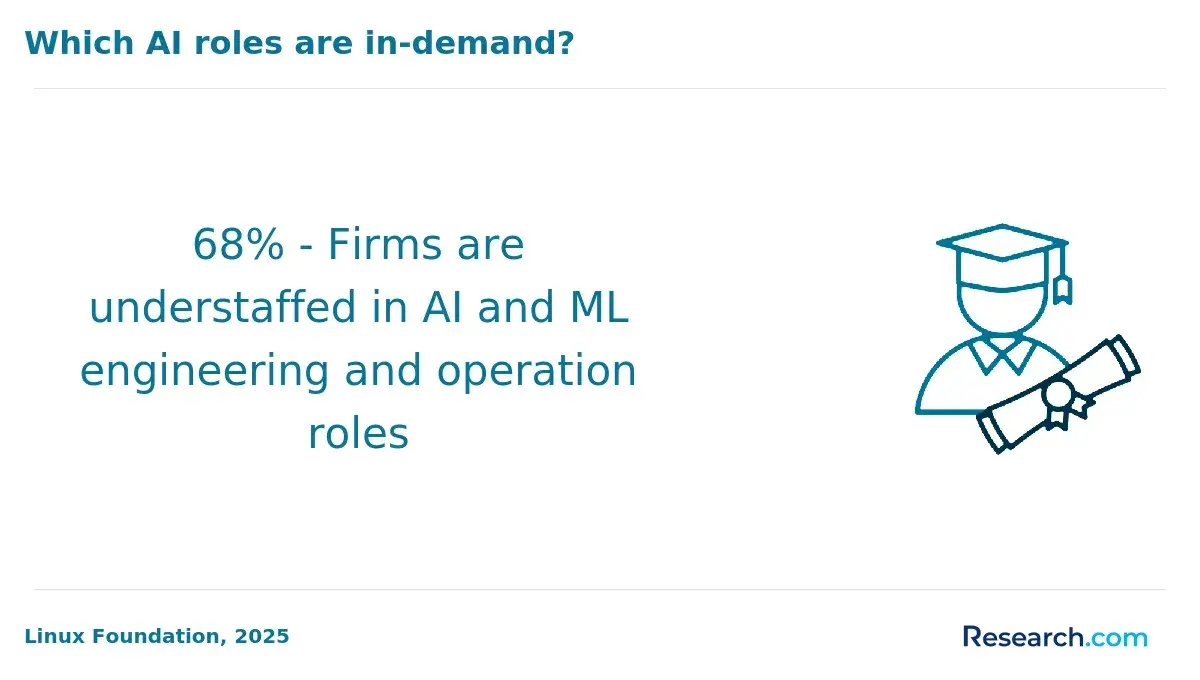
Transparent data on graduate placement in AI-related roles within six months is particularly valuable. As noted by the IBM Institute for Business Value, 61% of CEOs identify a lack of AI-skilled employees as the main obstacle to scaling AI in enterprises.
Prospective students should seek curricula balancing AI technical skills with leadership topics like change management, risk assessment, and AI ethics. Integration of hands-on labs, capstone projects, and real corporate datasets enhances practical learning and workforce readiness. Evaluating these combined quality indicators helps in selecting programs that meet the complex demands of managing AI adoption at scale.
What core curriculum, electives, and capstone projects should AI leadership programs include?
AI leadership programs must deliver a strong foundation in machine learning, data strategy, and AI ethics to equip leaders for responsible adoption. Core courses typically include AI technology fundamentals, data management and quality assurance, regulatory compliance, and frameworks for AI-driven decision-making and governance.
Electives tailor learning to industry needs and leadership levels. Common options cover AI applications in healthcare, finance, supply chain, and customer experience. Emerging topics like generative AI, natural language processing, and AI automation are also essential. Leadership-focused electives emphasize change management, talent acquisition, and risk mitigation strategies to tackle organizational challenges effectively.
Capstone projects enable practical experience through activities such as creating AI adoption roadmaps aligned with business goals, evaluating AI tools for scalability, or designing ethical frameworks. Collaborations with real companies and case studies enrich learning by simulating real-world leadership challenges during AI transitions.
- Core curriculum: Machine learning, governance, data quality, compliance
- Electives: Industry-specific AI applications, emerging AI trends
- Capstone projects: Practical roadmaps, tool evaluations, ethical frameworks
- Leadership growth: Change management, talent strategy, risk mitigation
Research shows that organizations with AI-fluent leadership are significantly more likely to realize financial gains from digital transformations. This demonstrates the importance of comprehensive curricula balancing technical skills, strategic insight, and ethics.
What are typical admission requirements and application materials for AI-focused leadership programs?
Candidates for AI-focused leadership programs generally need at least a bachelor's degree, preferably in business, technology, engineering, or related fields. These programs typically target mid- to senior-level professionals with 3 to 5 years of management experience, especially those involved in digital transformation or technology adoption. Some executive programs may consider equivalent professional experience instead of formal education.
Common application materials include:
- A detailed resume highlighting leadership and AI or digital project involvement
- A statement of purpose outlining career goals in AI adoption and program fit
- Letters of recommendation from supervisors or colleagues attesting to strategic and technical skills
- Transcripts or proof of educational credentials
- Occasionally standardized test scores like GRE or GMAT for analytical-focused programs
- Interviews assessing readiness to lead AI-driven change and strategic understanding of AI's impact
Programs seek applicants able to bridge technical and business disciplines, reflecting the leadership crucial to successful AI integration. According to Accenture, firms embedding generative AI under senior leadership achieve a median 30-40% productivity increase in targeted workflows within 18 months, underscoring leadership's role in AI value realization.
Applicants should highlight experience with AI initiatives, change management skills, and strategic vision. Evidence of continuous learning, such as certifications or prior AI training, also strengthens candidacy by demonstrating commitment to mastering evolving technologies.
How much do AI leadership degrees and executive certificates cost, and what funding exists?
AI leadership programs vary widely in cost, typically ranging from $7,000 to over $50,000 based on factors like prestige, length, and program format. Executive certificates from leading business schools are often priced between $7,000 and $15,000 for intensive courses lasting weeks to a few months. In contrast, full AI leadership master's degrees, including MBAs with AI specialization, usually cost between $30,000 and $55,000, reflecting the depth of curriculum and networking opportunities offered.
Funding plays a key role in making these programs affordable. Many employers sponsor tuition through professional development initiatives, especially for leaders managing AI integration. Federal financial aid, scholarships, and fellowships are also available for eligible students enrolled in accredited programs, although certificate programs may have more limited access to these resources.
Specialized grants and scholarships targeting ethical AI leadership have grown in importance due to heightened governance concerns. PwC's "AI Business Outlook and Board Survey" reports that 82% of board members view poor AI oversight as a significant risk, increasing support for funding responsible AI leaders.
Prospective students should consider programs offering flexible payment plans, employer partnerships, or stackable credentials that allow certificates to count toward degrees. Combining funding with such options can create cost-effective pathways to advancing AI leadership skills.
What career outcomes, salaries, and job outlook can AI transformation leaders realistically expect?
AI transformation leaders are among the fastest-growing professionals worldwide, with demand expected to rise by 39% through 2028, according to the World Economic Forum. These roles require guiding organizations through AI adoption and digital innovation at scale, making their expertise highly sought after across industries.
In the United States, salaries typically start between $120,000 and $150,000 annually, with senior positions in tech, finance, and consulting often exceeding $200,000 including bonuses and equity. This compensation reflects the premium placed on combining AI proficiency with leadership and change management skills.
Strong candidates excel at:
- Aligning AI strategies with business goals.
- Managing organizational change and ethical AI deployment.
- Translating complex AI concepts into actionable plans.
Graduates in data science, computer science, or business analytics who add leadership training are especially well-positioned. Employers value professionals experienced in cross-functional collaboration and stakeholder management.
Challenges in AI adoption include workforce upskilling, responsible integration, and measuring impact. Leaders who master these gain competitive advantages and become indispensable. The growth trajectory highlighted by the World Economic Forum signals a sustainable, lucrative career path in AI transformation leadership.
Other Things You Should Know About Artificial Intelligence
Artificial intelligence accelerates digital transformation by automating complex processes, improving decision-making through predictive analytics, and enhancing customer experiences via personalized services. It enables businesses to leverage data-driven insights that optimize operations and innovate service delivery. AI adoption often leads to greater agility and competitive advantage in rapidly changing markets.
Leaders frequently encounter challenges including data quality issues, lack of AI talent, and resistance to change within organizations. Integrating AI into existing systems can be complex and costly. Additionally, ethical concerns and regulatory compliance require careful management to ensure responsible AI deployment.
Explainability is critical for building trust and accountability in AI systems, especially when decisions impact stakeholders directly. Leaders must ensure AI models are transparent and interpretable to validate outcomes and comply with regulatory standards. This fosters ethical AI use and mitigates risks associated with opaque algorithms.
In 2027, top AI courses for digital transformation leaders include MIT's "AI: Implications for Business Strategy," Stanford's "AI for Executives," and Coursera's "AI for Everyone by Andrew Ng." These programs cover AI strategies, implementations, and emerging technologies relevant to managing AI adoption effectively.
References
- Best Online AI MBA Courses https://www.upskillist.com/blog/best-online-ai-mba-courses/
- Top 20 Predictions from Experts on AI Job Loss https://aimultiple.com/ai-job-loss
- AI-Driven Innovation & Management Strategies Certification https://www.baypath.edu/academics/graduate-programs/graduate-certificates/ai-driven-innovation-management-strategies-certification/
- Microsoft - Ai Transformation Leader https://www.microsoft.com/en-us/learn/certifications/ai-transformation-leader
- The Business of AI: Strategies for Leaders- Online | London Business School https://www.london.edu/lbs-online/the-business-of-ai-strategies-for-leaders
- Strategic Quality Assurance in Higher Education - OAED Website https://oxfordacademy.org.uk/strategic-quality-assurance-in-higher-education/
- Artificial intelligence executive education programs | edX https://www.edx.org/executive-education/artificial-intelligence
- AI Leadership Career Pathway - AISL Academy https://home.aisl-academy.com/ai-leadership-pathway/
- AI Programs at Villanova https://www.villanova.edu/university/graduate-education/ai-programs-villanova.html
- The Impact of AI on Job Roles, Workforce, and Employment: What You Need to Know | Innopharma Education https://www.innopharmaeducation.com/blog/the-impact-of-ai-on-job-roles-workforce-and-employment-what-you-need-to-know