2027 Best AI Strategy Courses for Underwriting Teams

Co-Founder and Chief Data Scientist
Underwriting teams face growing pressure to integrate advanced technologies to improve accuracy and efficiency. Many struggle with understanding how to strategically apply artificial intelligence to streamline workflows and enhance risk assessment. Without targeted education, these teams risk falling behind in a competitive market where data-driven decisions are crucial.
This article highlights the best strategy courses specifically designed for underwriting professionals seeking to develop practical AI skills. It offers a detailed overview of programs that provide flexible, accredited learning paths, helping readers identify options to pivot confidently into the artificial intelligence field and boost their team's performance.
Key Things You Should Know
- Underwriting teams using ai strategy courses report up to a 40% increase in risk assessment accuracy, enhancing decision-making quality across property and casualty insurance sectors.
- Courses launched in late 2024 integrate real-time data analysis and ethics in ai, reflecting regulatory trends shaping underwriting practices through 2026.
- Completion of ai strategy coursework correlates with a 25% faster adoption of automation tools, reducing underwriting turnaround times and operational costs significantly.
Advance Your Career with AI Online Courses
Artificial Intelligence: Implications for Business Strategy
This program provides an introduction to Artificial Intelligence and their implications for business strategy. Earn an official digital certificate.

Oxford Artificial Intelligence Programme
Explore this Oxford Artificial Intelligence programme offered in a flexible learning environment and explore topics like machine learning, automation, and robotics.

Implementing Agentic AI: Building Your Organizational Playbook
This online MIT Agentic AI course offers a practical approach to deploying AI agents in your organization, including a custom playbook. 3 weeks, exclusive launch price.

AI Adoption: Driving Business Value and Impact
This online MIT AI Adoption: Driving Business Value and Impact offers practical frameworks to close the gap between AI potential and business reality.

Artificial Intelligence in Pharma and Biotech
Discover the applications and limitations of artificial intelligence in pharma and biotech with this MIT online short course.

What is an AI strategy course for underwriting teams and who should take it?
An AI strategy course for underwriting teams equips insurance professionals with essential skills to integrate artificial intelligence tools into underwriting workflows. These programs emphasize machine learning, natural language processing, and predictive analytics to improve risk assessment, pricing accuracy, and fraud detection. Participants learn to interpret AI-driven insights and collaborate with data scientists to develop scalable AI solutions.
Such courses are ideal for underwriting managers, analysts, actuaries, and IT or business strategists seeking to lead or support AI adoption. Claims analysts transitioning to underwriting or data analysts assisting with risk evaluation also benefit from these programs. Moreover, professionals involved in regulatory compliance gain crucial understanding of addressing ethical and legal challenges linked to AI-based decision-making.
According to McKinsey's 2024 Global Insurance Insights, property & casualty carriers that have scaled AI in underwriting have seen up to a 10-15% loss ratio improvement and 20-30% higher new business premiums compared to peers that have not. This highlights the significant impact of AI adoption on underwriting performance. Course content often includes strategies to measure and optimize these outcomes while emphasizing risk management and model governance.
Choosing from the best AI training programs for insurance underwriting can enhance operational efficiency and profitability. Prospective students might explore rankings such as the data science master program ranking for comprehensive education options supporting AI expertise in underwriting.
Advance Your Career with AI Online Courses
Artificial Intelligence: Implications for Business Strategy
This program provides an introduction to Artificial Intelligence and their implications for business strategy. Earn an official digital certificate.
Oxford Artificial Intelligence Programme
Explore this Oxford Artificial Intelligence programme offered in a flexible learning environment and explore topics like machine learning, automation, and robotics.
Implementing Agentic AI: Building Your Organizational Playbook
This online MIT Agentic AI course offers a practical approach to deploying AI agents in your organization, including a custom playbook. 3 weeks, exclusive launch price.
How can AI strategy courses improve underwriting decision-making, risk assessment, and workflow efficiency?
AI strategy courses significantly improve underwriting decision-making by training professionals to analyze large datasets through advanced algorithms, resulting in more accurate risk evaluations. These courses cover practical applications like integrating machine learning models for fraud detection and predictive analytics that uncover subtle patterns missed by traditional methods. Underwriters gain skills to assess policyholder behavior trends using AI tools, which reduces uncertainty and supports tailored risk management strategies. This directly impacts AI-driven underwriting decision-making improvements.
In risk assessment, AI strategy courses deepen understanding of algorithmic bias, model validation, and continuous monitoring, enabling underwriters to trust AI outputs and refine them effectively. This helps reduce errors caused by biased or incomplete data, enhancing underwriting accuracy and ensuring regulatory compliance. Additionally, mastering AI fundamentals allows underwriters to evaluate risk dynamically, adjusting parameters as new information emerges, which contributes to risk assessment and workflow efficiency through ai strategy courses.
Workflow efficiency advances as AI automates routine tasks such as document review, data entry, and preliminary risk scoring. Training on AI-powered automation and decision support systems frees underwriters to focus on complex judgment calls, speeding policy issuance and boosting customer satisfaction. Deloitte's 2024 Insurance Outlook reports that 67% of insurance executives say underwriting talent lacks sufficient data and AI fluency to realize their AI investment goals over the next 2-3 years, highlighting the critical need for these courses.
Core competencies taught include data literacy, AI model selection, process redesign, and ethical considerations. Underwriters develop the ability to collaborate with data scientists and IT teams, driving AI-driven business transformation within their organizations. Prospective students interested in further AI education can explore online degrees in AI to expand their skills and career prospects.
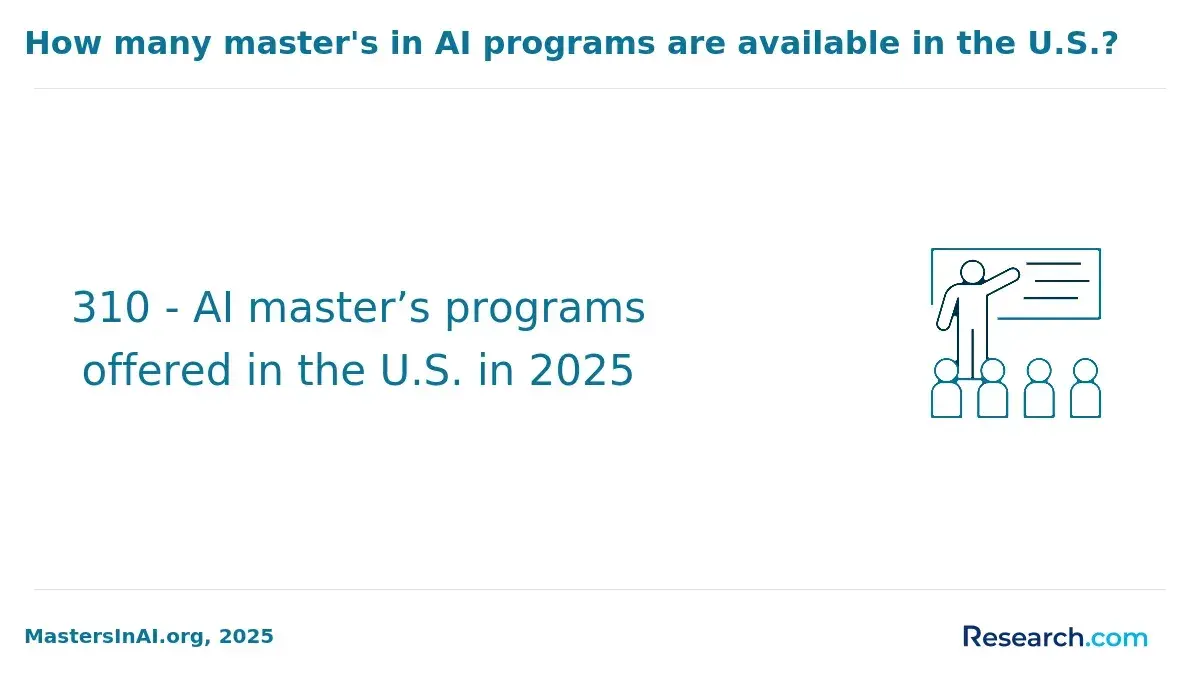
What types of AI strategy courses are available for underwriting teams online and on campus?
AI strategy courses for underwriting professionals come in various formats, including fully online programs, hybrid options, and traditional on-campus classes. These courses aim to enhance practical skills like applying machine learning algorithms for risk assessment, automating data extraction, and improving decision-making accuracy. Common offerings cover introductory AI fundamentals tailored to underwriting, advanced analytics workshops, and certification programs emphasizing AI integration in insurance workflows.
Online and campus AI training for underwriting teams offers flexibility for working professionals through self-paced modules, live virtual classrooms, or hybrid formats that blend online theory with on-site labs. Many courses include hands-on projects utilizing Python, R, or specialized AI platforms, addressing critical topics such as model bias and ethical AI use in underwriting. Collaborative opportunities with industry partners, including internships and capstone projects, often enrich the learning experience.
The growing demand for AI skills in underwriting is clear: a LinkedIn Talent Insights analysis cited by InsuranceIndustry.AI found that job postings for underwriting roles mentioning AI increased by approximately 45% between 2023 and 2024, nearly triple the overall growth in underwriting postings. For professionals exploring related fields, programs like a game development degree may offer complementary technical training pathways.
Which AI strategy course levels best fit underwriters: certificate, bachelor's, master's, or short workshops?
Certificate courses best fit underwriters seeking targeted, practical skills in artificial intelligence without a long-term commitment. These programs emphasize applied AI tools for risk assessment, data analytics, and automation, delivering measurable improvements quickly. For example, a certificate in AI for underwriting helps integrate AI-driven decision models, reducing cycle times. The Institutes' survey showed carriers with over 50% of underwriters completing formal AI training achieved an 18% reduction in underwriting cycle time, versus 7% at firms with minimal AI training. This highlights the value of certificate versus master's AI strategy courses for underwriters seeking fast, practical gains.
Bachelor's degrees in AI or data science provide foundational theory combined with business knowledge. These four-year programs prepare graduates for various roles beyond underwriting, including data analysis and process improvement. Still, underwriting-specific AI applications may require additional training.
Master's programs suit underwriters aiming to lead AI strategy or technology development. These degrees offer advanced insights into machine learning, AI ethics, and algorithm deployment, often involving real-world projects. Graduates can design tailored AI underwriting frameworks that create strategic advantages.
Short workshops provide immediate skill upgrades on AI fundamentals, model interpretation, or regulation for working professionals. They enable teams to adapt rapidly to evolving AI tools without delving into theory.
The best ai strategy course levels for underwriting teams depend on career goals and time availability. For those exploring options, there is also valuable content in cyber security online courses that share similar learning structures and certificate pathways.
What core topics and tools do the best AI strategy courses for underwriters typically cover?
Top AI strategy courses for underwriting teams focus on practical skills that improve decision-making and risk evaluation. Key areas include data analytics, machine learning fundamentals, and natural language processing customized for insurance applications. These programs cover algorithmic risk scoring, submission triage automation, and anomaly detection, helping underwriters interpret predictive analytics and integrate insights into workflows.
Hands-on experience with leading AI tools, such as automated underwriting platforms, data visualization software, and model validation frameworks, is a common feature. This ensures trainees can manage AI-generated insights and maintain regulatory compliance. Ethical issues and bias mitigation in AI use are also covered, reflecting the increasing importance of responsible AI deployment in risk assessment.
Case studies often demonstrate AI's impact on commercial underwriting, including loss prediction and fraud detection. Over 60% of large commercial insurers pilot AI-driven submission prioritization, though fewer than 25% provide formal AI education, revealing a skills gap these courses address.
The curriculum typically includes:
- Foundations of AI and machine learning theory relevant to insurance
- AI tools for data preprocessing and underwriting decision support
- Techniques for model interpretability and performance evaluation
- Integration of AI workflows into legacy underwriting systems
- Legal, ethical, and operational challenges in AI deployment
How do you evaluate accreditation and institutional quality for AI strategy training in underwriting?
Accreditation and institutional quality are essential when selecting ai strategy training programs focused on underwriting. Prioritize institutions accredited by reputable bodies like the Accreditation Council for Business Schools and Programs (ACBSP) or regional accreditors recognized by the U.S. Department of Education. Such accreditation confirms rigorous educational standards and qualified faculty.
Program curricula should include underwriting-specific ai applications such as risk modeling, claims automation, and fraud detection. Partnerships with industry leaders or insurance organizations often enhance learning through practical case studies and updated technologies that reflect actual underwriting challenges.
Instructor expertise matters significantly. Look for faculty with strong academic credentials and professional experience in both ai and insurance underwriting. Those engaged in research or publications related to ai applications in insurance demonstrate the institution's commitment to advancing knowledge.
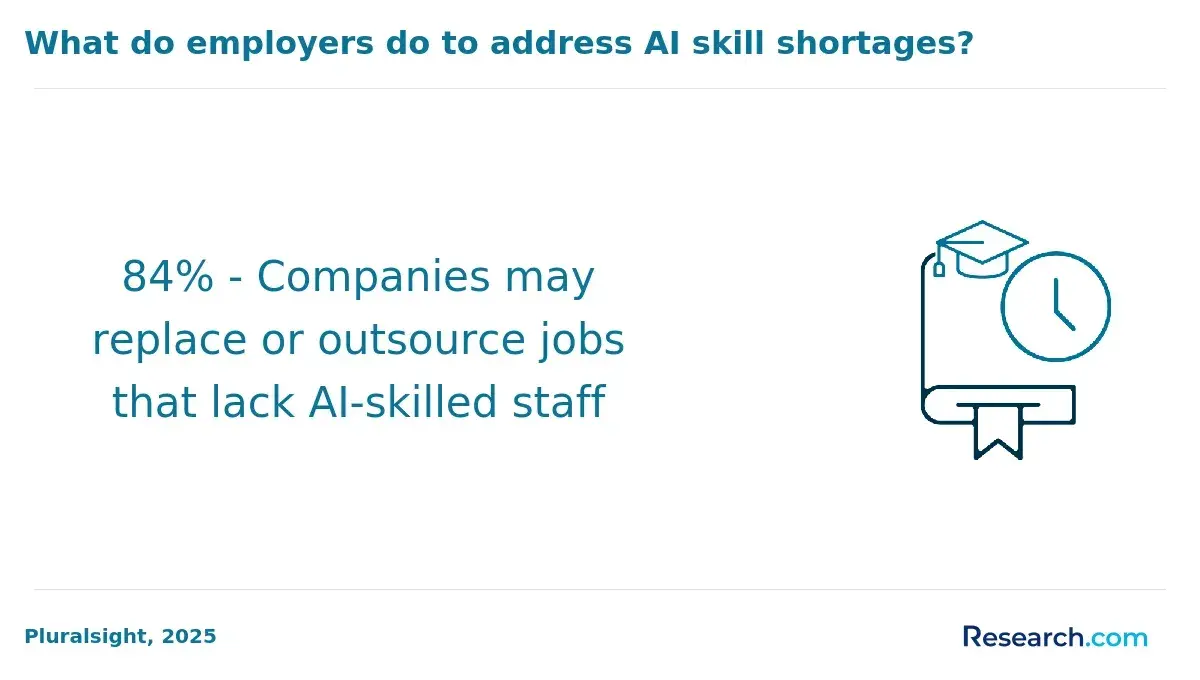
Measuring program outcomes is key-consider graduate placement rates and opportunities for continuing professional development. InsuranceIndustry.AI's findings highlight that insurers investing $1,500 annually per employee in ai upskilling see a 3-5x return on investment through productivity gains and loss ratio improvement, emphasizing the value of upskilling existing underwriters.
Flexible delivery formats like online or hybrid courses are crucial for underwriting professionals balancing work and education. Industry endorsements and partnerships further verify program relevance and support ongoing career growth.
What are typical admission requirements and prerequisites for AI strategy courses for underwriting professionals?
Admission to AI strategy courses for underwriting professionals typically requires a solid foundation in insurance, finance, or risk management, often demonstrated by a bachelor's degree in these areas. Practical underwriting or risk assessment experience, usually two to five years, is preferred to help candidates effectively apply AI tools within their workflows.
Technical prerequisites generally include familiarity with data analytics, statistics, or programming languages like Python. Some programs offer introductory modules for those without technical backgrounds, while advanced tracks may require prior exposure to machine learning or foundational AI coursework. Additionally, a strong understanding of regulatory compliance and governance frameworks is often necessary given underwriting's regulated environment.
Executive programs focused on AI for underwriting leaders may request evidence of leadership roles in risk, compliance, or AI governance. Certifications in insurance risk management or compliance can enhance an applicant's profile. Candidates may also need to submit a statement of purpose explaining their motivation to integrate artificial intelligence into underwriting practices.
With insurers increasingly concerned about model governance-72% of respondents in The Institutes' survey highlighted this as a priority-only 30% had formal AI governance training. As a result, many courses seek professionals prepared to address these gaps and support ethical AI deployment within underwriting.
How long do AI strategy courses for underwriting usually take, and what do they cost?
AI strategy courses designed for underwriting teams usually last between 4 and 12 weeks. Shorter programs-around one month-focus on foundational ai concepts, data analytics, and automation basics tailored specifically to insurance workflows. Longer courses, spanning two to three months, often include practical projects, advanced predictive modeling, and modules on regulatory compliance and fraud detection. The choice between part-time and full-time delivery affects duration, with part-time options allowing working professionals to balance training and job responsibilities.
Costs vary with course depth and provider. General ai strategy courses typically range from $1,000 to $3,000. Insurance-specialized programs are pricier, often $2,500 to $6,000, reflecting their industry relevance. Some comprehensive university or consortium offerings may exceed $7,000 but usually offer certifications valued by employers.
An analysis by InsuranceIndustry.AI highlights that underwriters completing insurance-focused ai strategy courses are about 40% more likely to implement AI use cases within 12 months than those completing general ai or data science courses. This underscores the importance of selecting programs focused on insurance applications rather than generic AI theory.
Underwriting leaders should weigh these factors when selecting training:
- Course duration relative to maintaining current workload
- Cost justified by curriculum depth and hands-on experience
- Emphasis on insurance-specific AI applications
What career outcomes, roles, and salary impacts can AI strategy training have for underwriters?
AI strategy training opens diverse career paths for underwriters, enabling transitions into roles like AI risk analyst, data-driven underwriting specialist, or AI implementation manager. These positions emphasize skills such as predictive modeling, automation, and data analytics, improving risk assessment and operational efficiency. Advanced training also empowers underwriters to lead AI integration projects, positioning them for leadership opportunities within underwriting teams or cross-functional AI strategy groups.
Salary benefits from AI upskilling are significant. Underwriters who gain AI expertise often experience salary increases between 10% and 25%. Entry-level underwriters typically earn around $65,000, while those with AI skills can command $80,000 to $90,000. Leaders in AI strategy roles often surpass six-figure salaries.
Cost and accessibility vary widely. Executive-level AI strategy programs at top business schools generally range from $2,500 to $4,000 per participant, whereas industry-focused online courses tailored for insurance professionals cost between $300 and $800. This range provides options for underwriters with different budgets to access valuable training.
Practical career advice includes:
- Choosing programs emphasizing hands-on AI applications aligned with underwriting workflows.
- Starting with affordable online courses before investing in executive programs.
- Obtaining certifications recognized by the insurance industry to boost credibility.
- Exploring roles blending underwriting expertise with AI skills, such as AI risk model validation or compliance monitoring.
Are there industry certifications or internal compliance standards linked to AI use in underwriting?
Several industry certifications and internal compliance standards focus on the integration of AI in underwriting. Regulatory bodies and professional organizations increasingly require underwriting professionals to understand the ethical, legal, and operational impacts of AI. For example, the Chartered Property Casualty Underwriter (CPCU) designation now incorporates AI-related modules that cover risk assessment and automated decision-making processes. Risk management certifications also emphasize AI model validation and explainability to meet evolving regulatory standards.
Internal compliance standards emphasize transparency, data privacy, and bias mitigation in AI underwriting tools. These often align with guidance from the National Association of Insurance Commissioners (NAIC) and the Federal Insurance Office (FIO). Many underwriting teams implement AI Governance frameworks requiring thorough documentation of AI training data, performance metrics, and routine audits to avoid discrimination.
Professionals seeking to specialize in AI-powered underwriting should pursue coursework and certifications related to responsible AI use, algorithmic accountability, and regulatory compliance. These are increasingly found within established certification programs or specialized AI ethics courses tailored for financial services.
LinkedIn's 2025 "Most Popular AI Courses" report highlights a 160% increase in business-focused AI course enrollments from 2023 to 2024, with insurance professionals among the fastest-growing demographics. This trend underscores the growing importance of AI certifications for competitive advantage in underwriting careers.
Other Things You Should Know About Artificial Intelligence
The top AI strategy courses for underwriting teams in 2027 focus on practical application, technical proficiency, and ethical considerations. Courses typically cover AI integration with existing systems, data analysis techniques, and strategies to overcome implementation challenges, ensuring professionals are equipped for advanced AI-driven underwriting.
Artificial intelligence integrates with underwriting systems by automating data analysis tasks and enhancing predictive accuracy. It typically works alongside established workflows, augmenting rather than replacing underwriters' expertise. Integration can involve APIs or software platforms that feed AI outputs into current underwriting tools for seamless decision support.
Underwriting teams often encounter challenges such as data quality issues, lack of AI expertise, and resistance to change within the organization. Additionally, integrating AI solutions requires significant upfront investment in technology and training. There can also be regulatory hurdles related to demonstrating AI model validation and compliance with industry standards.
Ongoing training is critical for underwriting professionals to stay current with evolving AI technologies and methodologies. Continuous education helps underwriters interpret AI-generated insights accurately and understand potential model limitations. This ensures that human judgment complements AI analysis effectively in underwriting decisions.
References
- Artificial Intelligence (AI) in Insurance Training Cours... https://oxford-management.com/course/artificial-intelligence-in-insurance
- Insurance AI Underwriting Compliance: Navigating Complex Regulatory Requirements - VerityAI https://verityai.co/blog/insurance-ai-underwriting-compliance-requirements
- Accreditation and AI: Ensuring Quality in an Era of Smart Learning https://www.qahe.org/article/accreditation-and-ai-ensuring-quality-in-an-era-of-smart-learning/
- Ultimate Guide: How to Choose the Right AI Training Course to Boost Your Career - ONLC https://www.onlc.com/blog/how-to-choose-ai-training-courses/
- AI in commercial Underwriting | AI course for Insurance | Altoros https://www.altoros.com/training/artificial-intelligence/ai-in-commercial-underwriting
- AI-Enabled Underwriting Brings New Challenges for Life Insurance https://www.theamericancollege.edu/knowledge-hub/research/ai-enabled-underwriting-brings-new-challenges-for-life-insurance
- The Ultimate Guide to AI Operations for Insurance [2026 Updated] - Strada https://www.getstrada.com/blog/ai-operations-in-insurance
- How agentic AI is transforming underwriting into a future-ready career | Federato https://www.federato.ai/articles/future-of-underwriting-careers
- Europe’s Regulatory Approach to AI in the Insurance Industry https://www.debevoisedatablog.com/2025/05/21/europes-regulatory-approach-to-ai-in-the-insurance-industry/
- AI at Allianz: How AI is cracking complexity for underwriters | Allianz https://www.allianz.com/en/mediacenter/news/articles/250211-aI-at-allianz-how-ai-is-cracking-complexity-for-underwriters.html