2027 Best Agentic AI Courses for Chief Innovation Officers

Co-Founder and Chief Data Scientist
Chief Innovation Officers face a growing challenge: staying ahead in a rapidly evolving tech landscape dominated by agentic AI. Without specialized skills in agentic AI, adapting strategies and leading transformative projects can be daunting. These leaders require up-to-date knowledge and practical expertise to harness AI's potential effectively.
This article examines the best agentic AI courses designed for Chief Innovation Officers seeking flexible, accredited programs to bridge their knowledge gaps. It highlights options that empower professionals to pivot decisively into AI-driven innovation roles while balancing current career demands and future growth opportunities.
Key Things You Should Know
- Agentic AI courses for Chief Innovation Officers emphasize strategic decision-making powered by autonomous systems, with 65% of programs updated in 2025 to address emerging AI governance challenges.
- These courses integrate practical leadership training on ethical AI deployment, preparing 78% of COIs for responsible innovation amidst rising regulatory demands in the U.S. market.
- Emphasis on cross-disciplinary skills is increasing, with 54% of top-tier courses in 2025 fostering collaboration between AI, business strategy, and technology management domains.
Advance Your Career with AI Online Courses
Artificial Intelligence: Implications for Business Strategy
This program provides an introduction to Artificial Intelligence and their implications for business strategy. Earn an official digital certificate.

Oxford Artificial Intelligence Programme
Explore this Oxford Artificial Intelligence programme offered in a flexible learning environment and explore topics like machine learning, automation, and robotics.

Implementing Agentic AI: Building Your Organizational Playbook
This online MIT Agentic AI course offers a practical approach to deploying AI agents in your organization, including a custom playbook. 3 weeks, exclusive launch price.

AI Adoption: Driving Business Value and Impact
This online MIT AI Adoption: Driving Business Value and Impact offers practical frameworks to close the gap between AI potential and business reality.

Artificial Intelligence in Pharma and Biotech
Discover the applications and limitations of artificial intelligence in pharma and biotech with this MIT online short course.

What is agentic AI and why does it matter for chief innovation officers?
Agentic AI enables systems to make autonomous decisions and pursue goals without constant human oversight. Unlike traditional AI, which operates on fixed rules or data, agentic AI dynamically assesses environments, prioritizes objectives, and adjusts strategies in real time. This shift profoundly affects how chief innovation officers lead innovation management, allowing more agile and automated approaches to strategic execution.
With agentic AI impact on chief innovation officers, tasks such as complex problem-solving, product development acceleration, and optimizing resource allocation across departments become largely automated. For instance, an agentic AI system might independently design and implement marketing campaigns driven by consumer behavior analytics, liberating CIOs to concentrate on broader strategic leadership.
Companies that have fully scaled AI in at least one business function-and are thus likely integrating agentic AI-are 3.5 times more likely to report EBIT margins at least 5 percentage points higher than peers, according to McKinsey's global AI survey. This data highlights how agentic AI transforms innovation management by boosting operational efficiency and innovation velocity.
CIOs addressing agentic AI adoption must consider governance for responsible autonomy, interoperability with existing enterprise systems, and the development of skills enabling teams to collaborate with autonomous agents effectively. Planning around these factors ensures smoother implementation and maximizes outcomes.
Those exploring careers in AI should note that mastering technologies like agentic AI aligns with high-demand skills and competitive salaries, as reflected in metrics such as the applied artificial intelligence salary. Embracing agentic AI prepares CIOs to lead digital transformations that independently advance innovation goals and improve financial results.
Advance Your Career with AI Online Courses
Artificial Intelligence: Implications for Business Strategy
This program provides an introduction to Artificial Intelligence and their implications for business strategy. Earn an official digital certificate.
Oxford Artificial Intelligence Programme
Explore this Oxford Artificial Intelligence programme offered in a flexible learning environment and explore topics like machine learning, automation, and robotics.
Implementing Agentic AI: Building Your Organizational Playbook
This online MIT Agentic AI course offers a practical approach to deploying AI agents in your organization, including a custom playbook. 3 weeks, exclusive launch price.
What makes an agentic AI course especially valuable for chief innovation officers?
An agentic AI course offers chief innovation officers strategic insights and practical skills essential for leveraging autonomous AI systems that proactively drive decision-making and innovation. Such training enhances innovation leadership by focusing on integrating AI agents capable of complex, independent tasks rather than mere automation. Gartner predicts that by 2026, agentic AI will automate up to 20% of all "knowledge worker" tasks in large enterprises, underscoring its growing impact on productivity and competitive advantage.
These courses teach how to identify high-impact processes suitable for agentic AI integration, such as product development and market analysis, and how to create governance frameworks that ensure ethical and accountable AI behavior. They also emphasize collaboration between technical and strategic teams to align AI capabilities with business goals and the measurement of AI-driven innovation through relevant KPIs.
- Identify processes ideal for agentic AI deployment including innovation cycles
- Build ethical governance structures for AI agent operations
- Facilitate collaboration between AI and business strategy teams
- Use performance metrics to validate AI investment returns
Hands-on projects simulate real-world AI agent deployment scenarios, allowing chief innovation officers to manage challenges like workforce reskilling and fostering trust in AI. By mastering these areas, they unlock agentic AI's potential to accelerate digital transformation and optimize innovation pipelines, maintaining agility and a competitive edge grounded in forward-thinking leadership.
For those exploring educational paths in technology, a mechanical engineer degree can complement such training by strengthening technical fundamentals relevant to AI implementation.
How can chief innovation officers identify the best agentic AI courses and programs?
Chief innovation officers seeking top-rated agentic AI programs for innovation leaders should evaluate courses by their relevance to real-world applications in strategy, automation, and decision-making. A focus on emerging agentic AI technologies and integration challenges is essential rather than just foundational AI theories. Course curricula must be closely aligned with innovation management goals to deliver maximum impact.
Instructor expertise is critical; programs led by industry veterans or academics with proven AI innovation experience offer better value. Practical exercises, case studies, and project-based learning enhance understanding of agentic AI deployment. Certification or continuous education credits recognized by professional organizations add further credibility, helping CIOs demonstrate new skills effectively.
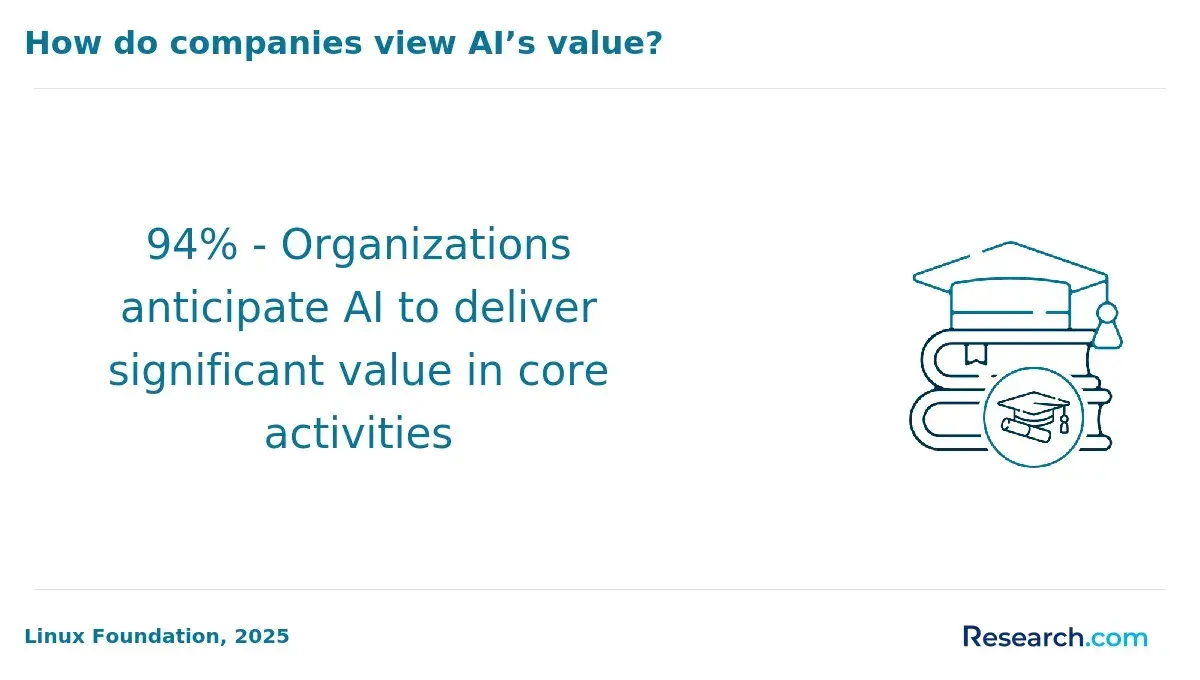
Data from Deloitte's 2024 State of Generative AI in the Enterprise study reveals that 74% of C-suite executives state their organizations lack sufficient in-house AI skills to scale generative and agentic AI use cases. This underscores the urgent need for leadership development focused on AI competency. Consequently, researching measurable outcomes such as alumni career growth and successful project implementations is advisable.
Consider these evaluation criteria before enrolling:
- Does the course curriculum include agentic AI applications relevant to innovation management?
- Are experienced practitioners or academic experts leading the training?
- Are there opportunities for practical exercises and project work?
- Is certification or institutional recognition part of the offering?
- Do alumni demonstrate tangible career or organizational impact?
CIOs aiming to strengthen leadership skills in agentic AI may also explore options like an online MS data science degree, which often includes advanced AI coursework, aligning with career growth in innovation management.
What types of degrees, certificates, and executive programs focus on agentic AI leadership?
Degrees, certificates, and executive programs in agentic AI leadership equip innovation executives with strategic decision-making, AI ethics, governance, and innovation management skills. Chief Innovation Officers often pursue advanced degrees such as a Master's in AI Strategy, AI Leadership, or Technology Management, combining technical AI knowledge with leadership abilities essential for driving AI-enabled transformation.
Agentic AI leadership certificates for innovation executives typically offer focused curricula on AI adoption, risk management, and regulatory compliance. These shorter programs, designed for working professionals, include offerings from business schools and AI institutes emphasizing the agentic roles, such as aligning AI projects with corporate objectives and overseeing human-AI collaboration.
Executive programs in agentic AI and innovation management provide immersive, cohort-based learning experiences using case studies and expert seminars to prepare leaders to implement AI responsibly. Prestigious institutions like MIT Sloan and Stanford emphasize ethical AI deployment and scaling AI solutions within complex organizations.
An MIT Sloan Management Review and BCG study found organizations with senior leaders trained in such AI education are 1.7 times more likely to report significant financial benefits from AI initiatives. This highlights the impact of formal AI leadership education on business outcomes.
For prospective students, also consider related options such as electrical engineering degree online for veterans to expand technical expertise alongside AI leadership development.
How do online, hybrid, and campus-based agentic AI programs compare for working executives?
Agentic AI education options for working chief innovation officers (CIOs) vary widely in format, each with unique benefits. Online programs offer the greatest flexibility with asynchronous coursework and live virtual sessions, accommodating executives who manage busy schedules or travel frequently. However, such programs may limit spontaneous networking and hands-on learning.
Hybrid programs balance online learning with scheduled campus residencies, promoting stronger faculty and peer interactions. This format supports practical labs essential for mastering agentic AI tools and workflows, aligning with IDC's 2024 Worldwide AI Spending Guide that identifies automation and agentic workflows as rapidly expanding sectors.
Campus-based programs provide immersive face-to-face instruction, immediate feedback, and direct mentorship, which benefit CIOs preferring hands-on and real-time problem-solving experiences. The downside includes the need for significant time commitment and possible work schedule adjustments.
Choosing the right program depends on factors like time availability, interaction preference, and how well the curriculum integrates practical agentic AI applications. IDC forecasts global AI software and service spending will surge to $297 billion by 2027 at a 29% annual growth rate, underscoring the strategic importance of informed program selection.
What core curriculum should agentic AI courses include for enterprise innovation leaders?
Agentic AI courses tailored for enterprise innovation leaders focus on equipping professionals to leverage autonomous systems in complex business environments. Essential curriculum areas include:
- Fundamentals of agentic AI: Exploring autonomous agents, multi-agent systems, and decision-making frameworks relevant to enterprises.
- Integration with innovation strategies: Embedding agentic AI in product development, operations, and strategic initiatives, emphasizing scalability and impact.
- Governance and ethics: Addressing transparency, accountability, bias mitigation, and compliance tailored for leadership roles.
- Data strategy: Managing large datasets, ensuring quality, and applying analytics for effective agent training.
- Human-AI collaboration: Designing workflows that optimize human creativity alongside AI automation.
- Technical fluency: Familiarity with programming environments, automation tools, and agent frameworks to guide decisions without deep coding expertise.
- Performance measurement: Using metrics and KPIs to assess ROI and innovation acceleration from agentic AI deployments.
These areas align with the demands on innovation leaders to adopt AI strategies, manage interdisciplinary teams, and lead change. According to LinkedIn's Future of Work report, leaders with AI-related skills, including automation and LLMs, see a 21% higher median promotion rate over peers. Case studies from sectors like manufacturing automation and customer service enrich understanding, while project-based learning prepares students to become proactive innovators.
What admission requirements and professional experience do agentic AI executive programs expect?
Agentic AI executive programs typically require applicants to have five to ten years of professional experience, especially in leadership roles related to technology, innovation, or strategic management. Candidates with expertise in AI implementation, digital transformation, or AI governance are preferred due to the complexity and oversight demands of agentic AI applications. A graduate degree is often expected, with common qualifications including an MBA or MS in computer science, highlighting both analytical and managerial capabilities.
Admission panels look for proven experience in managing AI projects or leading organizational changes involving AI adoption. Relevant experience includes building AI risk management frameworks or supervising AI ethics policies. Many programs use assessments or interviews to test candidates' familiarity with AI governance, regulatory environments, and strategic decision-making in AI contexts.
According to PwC's AI Jobs Barometer, 69% of large organizations deploying generative or agentic AI have established new governance or risk management frameworks recently, emphasizing the importance of such expertise. Candidates who understand these governance models gain a notable advantage.
Strong leadership and cross-functional collaboration skills are essential, as effective agentic AI leaders work closely with technical teams, executives, and regulatory bodies. Knowledge in AI ethics, privacy, and compliance further enhances a candidate's profile. Senior professionals from related fields like data science, cybersecurity, or IT strategy may also qualify if they demonstrate relevant leadership and strategic AI understanding.
How much do agentic AI programs cost, and what funding options exist for senior leaders?
Agentic AI programs tailored for chief innovation officers typically cost between $3,000 and $15,000. Pricing depends on factors such as course length, reputation of the provider, and included materials. Executive certificates or short bootcamps generally range from $3,000 to $7,000, emphasizing practical applications of autonomous workflows.
More extensive leadership programs, especially those linked with university credits, may reach $12,000 to $15,000. These offerings focus on advanced orchestration of AI-driven multi-step processes, aligning with findings from Accenture's 2024 Technology Vision that 87% of global executives plan to adopt agentic AI systems within three years.
Funding sources for senior leaders vary but commonly include employer sponsorship, workforce development grants, tax incentives for corporate upskilling, tuition reimbursement plans from large firms, and private scholarships or fellowships emphasizing AI and leadership advancement.
- Employer sponsorship as part of professional development or innovation initiatives.
- Federal and state workforce development grants targeting digital transformation skills.
- Tax incentives or education credits for AI-related training investments.
- Executive tuition reimbursement plans offered by large corporations.
- Private scholarships or fellowships focused on AI and leadership.
Companies often cover costs when training executives responsible for AI integration, reducing financial barriers. Payment options may include installment plans or corporate partnerships with education providers. Prospective students should explore cohort-based pricing and modular enrollment to fit budgets. General AI courses may be less costly but might not provide the specialized depth required for innovation leadership roles focused on complex agentic systems.
What career outcomes, roles, and salary ranges can agentic AI training unlock for CIOs?
Agentic AI training significantly enhances the career prospects of Chief Innovation Officers (CIOs) by preparing them for advanced leadership roles such as AI innovation leader, chief digital officer, or strategic transformation head. These positions require expertise in AI-driven decision-making, experiment design, and multi-agent coordination to accelerate innovation and maintain competitive advantage.
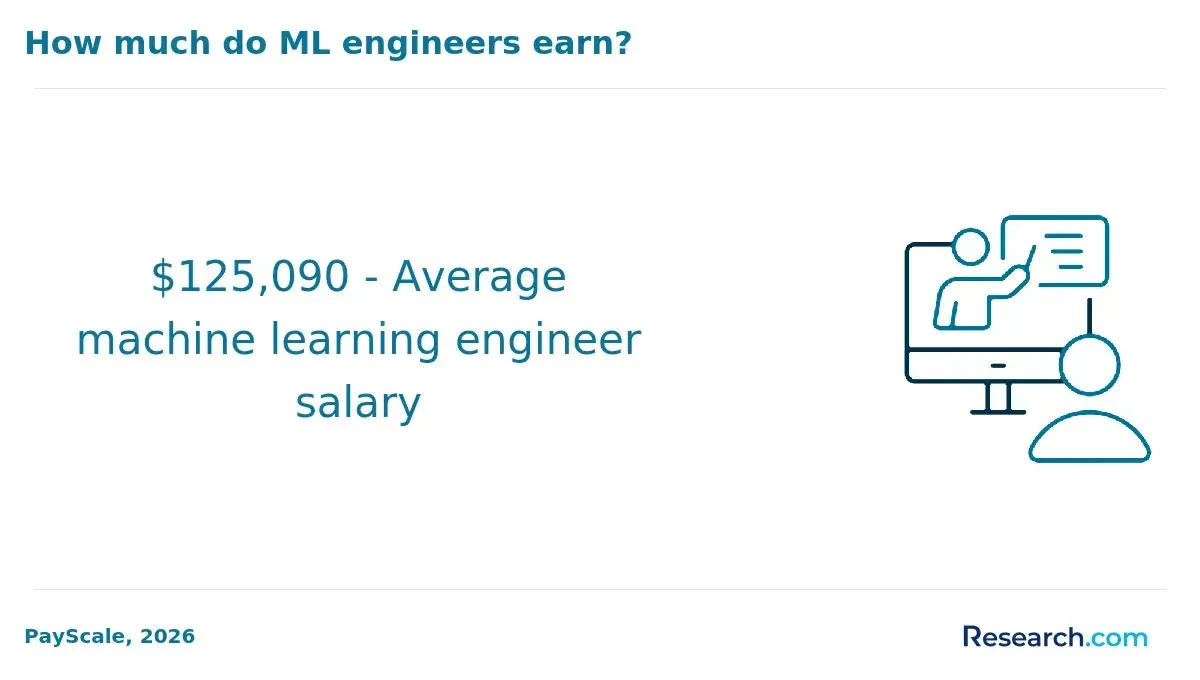
Salary ranges for CIOs with agentic AI skills typically fall between $180,000 and $300,000 annually, with senior roles in tech-focused firms surpassing $350,000. This reflects the high demand for professionals who can lead AI-driven transformation.
Agentic AI empowers CIOs to shorten innovation cycles and increase the volume of new ideas. For example, BCG's generative AI survey highlights that AI leaders produce 2.5 times more new product or service ideas than companies trailing in AI adoption. Mastery of multi-agent and generative AI is essential for rapid experimentation and scaling innovation.
These capabilities also open doors to venture leadership and intrapreneurship roles, where CIOs can direct internal startups or innovation labs. Success in these roles depends on managing autonomous AI systems and interpreting AI-generated insights to guide strategic decisions.
Investing in agentic AI training addresses challenges like accelerating innovation and improving initiative success rates, positioning CIOs as indispensable drivers of digital transformation in AI-integrated enterprises.
Which industry certifications or credentials complement agentic AI courses for innovation executives?
Chief innovation officers (CIOs) enhancing their expertise in agentic AI benefit significantly from industry certifications that blend technical knowledge with strategic leadership. The Certified Information Systems Security Professional (CISSP) credential is crucial, deepening understanding of cybersecurity risks tied to AI deployment amid growing concerns about data privacy and model vulnerabilities.
Project Management Professional (PMP) certification sharpens skills needed to lead complex AI projects, ensuring effective risk management and timely execution essential for scaling innovations.
The Certified Analytics Professional (CAP) credential supports CIOs in leveraging AI-generated insights within strategic decision-making, integrating advanced data analytics capabilities.
Cloud platform certifications like AWS Certified Solutions Architect and Microsoft Certified: Azure AI Engineer Associate validate the ability to deploy AI models on scalable infrastructure-an increasingly common need in agentic AI applications.
AI Ethics and Governance certifications offered by reputable professional bodies prepare leaders to address ethical risks and compliance challenges surrounding responsible AI adoption.
- Certified Information Systems Security Professional (CISSP)
- Project Management Professional (PMP)
- Certified Analytics Professional (CAP)
- AWS Certified Solutions Architect
- Microsoft Certified: Azure AI Engineer Associate
- AI Ethics and Governance certifications
According to the 2024 Capgemini Research Institute, 52% of executives fear losing market share within three years without scaling generative and agentic AI, highlighting the importance for CIOs to complement their knowledge with these certifications to sustain competitive advantage.
Other Things You Should Know About Artificial Intelligence
Ethical considerations in artificial intelligence involve ensuring transparency, fairness, and accountability in AI systems. Businesses must avoid biases in data and algorithms that can lead to discriminatory outcomes. Chief innovation officers should prioritize ethical frameworks and compliance with regulations to build trustworthy AI solutions.
In 2027, Chief Innovation Officers utilize AI to analyze complex data sets, predict market trends, and personalize customer experiences. AI tools facilitate faster, data-driven decision-making processes, offering real-time insights to improve strategic planning and innovation.
Leading artificial intelligence projects requires a blend of technical knowledge and strategic vision. Key skills include understanding machine learning fundamentals, data management, and the ability to integrate AI with business goals. Leadership, communication, and change management are also important to drive adoption and cross-functional collaboration.
Common challenges include data quality issues, lack of skilled talent, and resistance to change within organizations. Integrating AI systems with existing infrastructure can be complex and costly. Additionally, maintaining security and addressing ethical concerns are ongoing hurdles for successful AI adoption.
References
- Cost of Agentic AI:Expenses & ROI - Quantiphi https://quantiphi.com/blog/agentic-ai-cost
- Cost Guide: Agentic AI Deployment – Pricing and Planning https://www.gravitee.io/blog/cost-guide-agentic-ai-deployment-pricing-and-planning
- Agentic AI Careers India 2026: Skills, Salaries & Jobs - Edzor https://www.edzor.com/blogs/agentic-ai-careers-india-2026-skills-salaries-jobs
- The New Agentic AI Job Roles IT Leaders Need https://nexthink.com/blog/the-new-agentic-ai-job-roles-it-leaders-need
- 7 free agentic AI training courses - PEX Network https://www.processexcellencenetwork.com/ai/articles/7-free-agentic-ai-training-courses-for-business-leaders
- How Australian CIOs can unlock the agentic AI advantage https://www.cio.com/article/4177107/how-australian-cios-can-unlock-the-agentic-ai-advantage.html
- Executive Certificate in Agentic AI Leadership https://ntu.emeritus.org/executive-certificate-in-agentic-ai-leadership
- Cost of Agentic AI Implementation Explained in Detail https://www.acceldata.io/blog/enterprise-agentic-ai-implementation-price-cost-analysis
- Agentic AI Market Funding Trends (2026) https://newmarketpitch.com/blogs/news/agentic-ai-funding-trends
- AI for Business Transformation: Generative AI, Agentic AI and Beyond https://www.imperial.ac.uk/lifelong-learning/courses/ai-for-business-transformation/