2027 Best Stanford Online Executive AI Courses

Co-Founder and Chief Data Scientist
Many professionals face challenges transitioning into the artificial intelligence field due to the fast pace of technological change and the lack of accessible, rigorous education tailored for working adults. Traditional degree programs often require extensive time and commitment, which can be impractical for those balancing careers and personal responsibilities. This gap creates obstacles for those seeking to pivot their careers using credible, flexible course options. This article explores top Stanford online executive artificial intelligence courses, highlighting their structure, accreditation, and relevance to industry demands to help prospective learners find suitable pathways for career advancement.
Key Things You Should Know
- Stanford's online executive AI courses in 2026 emphasize practical leadership skills with 40% of curriculum updated recently to reflect breakthroughs in generative AI and ethical considerations.
- These courses target mid-career professionals, combining advanced AI theory with business strategy, and report a 35% average salary increase for graduates within one year.
- Stanford Online provides diverse formats, including self-paced and live sessions, with over 5,000 enrolled executives in 2025, highlighting growing demand for AI expertise in corporate leadership.
Advance Your Career with AI Online Courses
Artificial Intelligence: Implications for Business Strategy
This program provides an introduction to Artificial Intelligence and their implications for business strategy. Earn an official digital certificate.

Oxford Artificial Intelligence Programme
Explore this Oxford Artificial Intelligence programme offered in a flexible learning environment and explore topics like machine learning, automation, and robotics.

Implementing Agentic AI: Building Your Organizational Playbook
This online MIT Agentic AI course offers a practical approach to deploying AI agents in your organization, including a custom playbook. 3 weeks, exclusive launch price.

AI Adoption: Driving Business Value and Impact
This online MIT AI Adoption: Driving Business Value and Impact offers practical frameworks to close the gap between AI potential and business reality.

Artificial Intelligence in Pharma and Biotech
Discover the applications and limitations of artificial intelligence in pharma and biotech with this MIT online short course.

What are Stanford's online executive AI courses and who are they designed for?
Stanford's online executive AI courses overview highlights intensive programs tailored for senior executives, managers, entrepreneurs, and technical leaders who need to integrate artificial intelligence into strategic decision-making and drive innovation. These courses focus on practical applications of AI, covering machine learning fundamentals, ethical implications, and AI-driven business models.
Designed audience for Stanford online executive AI programs includes professionals aiming to lead AI adoption across organizations. The curriculum blends executive coaching, real-world case studies, and access to AI experts, enhancing skills to manage AI projects responsibly and assess AI's impact on competition.
Courses like Harnessing AI for Breakthrough Innovation and Strategic Impact emphasize aligning AI initiatives with corporate strategy and exploring emerging technologies. The programs stress actionable insights, enabling leaders to apply knowledge immediately and foster innovation within their industries.
Prospective students often face challenges balancing technical depth with strategic vision and ethical concerns when scaling AI solutions. Stanford addresses these by strengthening decision-making frameworks and promoting responsible AI adoption.
The 2026 program fee is US$17,500, marking a 16.7% increase from 2024's US$15,000, reflecting high demand and investment in advanced AI leadership education. For professionals seeking top-tier AI competence, Stanford remains a leading choice.
For those exploring educational options in related fields, resources on data science degrees offer valuable guidance on affordability and program quality.
Advance Your Career with AI Online Courses
Artificial Intelligence: Implications for Business Strategy
This program provides an introduction to Artificial Intelligence and their implications for business strategy. Earn an official digital certificate.
Oxford Artificial Intelligence Programme
Explore this Oxford Artificial Intelligence programme offered in a flexible learning environment and explore topics like machine learning, automation, and robotics.
Implementing Agentic AI: Building Your Organizational Playbook
This online MIT Agentic AI course offers a practical approach to deploying AI agents in your organization, including a custom playbook. 3 weeks, exclusive launch price.
How do Stanford's online executive AI programs compare with other university offerings?
Stanford online executive artificial intelligence courses comparison reveals a unique approach focused on senior professionals and executives. Their Sierra Camp program is priced at US$13,500 for an individual and US$15,500 for an individual plus spouse/partner and one child, offering a premium, family-inclusive pricing model uncommon at other institutions. This structure aims to reduce barriers for dual-career households, supporting both professional and personal transformation.
Top California university executive ai programs, including Stanford's, blend advanced AI theory with leadership development tailored for C-suite roles. Unlike many programs that focus solely on technical skills or business applications, Stanford's curriculum integrates ethics, policy, and societal impact alongside technical rigor. This holistic approach equips executives to lead AI initiatives responsibly across industries.
Compared with other US offerings, Stanford's programs emphasize high ROI through instruction from renowned faculty and proprietary research at Stanford HAI. The extensive networking opportunities further justify the premium cost, contrasting with lower-priced courses that often lack an executive focus or family benefits.
Professionals balancing career growth and family commitments benefit from this design, which promotes sustained engagement and measures long-term leadership impact. For those exploring affordable options, institutions offering an engineering degree online provide alternatives but may not match this executive scope.
What topics and skills do Stanford's executive AI courses teach for leaders and managers?
Stanford's executive AI courses provide leaders and managers with targeted skills to strategically integrate AI within their organizations. These programs focus on building practical expertise needed to craft board-ready business cases that justify AI investments, addressing the critical demand for measurable ROI in AI adoption. Topics include machine learning fundamentals, data governance, and ethical AI deployment, enabling executives to grasp relevant technical capabilities and limitations in their business environments.
The curriculum also emphasizes AI-driven digital transformation strategies. Leaders learn to identify high-impact AI applications in areas such as marketing automation, supply chain optimization, and customer experience personalization. This broad knowledge allows decision-makers to prioritize AI initiatives based on value and feasibility, optimizing resource allocation. This approach aligns with the Stanford executive courses on artificial intelligence applications for business managers.
Key components include risk management and change leadership to tackle challenges like data privacy, workforce reskilling, and cultural adoption barriers. Modules guide the development of governance frameworks and cross-functional teams tailored to AI projects. Participants also explore designing AI performance metrics aligned with business goals, including precision, recall, and bias metrics to ensure model accuracy and fairness.
Stanford Graduate School of Business Executive Education highlights the Digital Transformation and AI Playbook program as a standout offering. Leaders emerge capable of steering sustainable AI-driven growth within their organizations. Prospective students seeking comprehensive education may also explore online masters in data science programs that complement executive AI strategy and leadership skills at Stanford Online.
What are the admission requirements and application process for Stanford executive AI learners?
Admission criteria for Stanford executive artificial intelligence courses focus on a candidate's academic background and extensive professional experience. Applicants must hold a bachelor's degree or higher from an accredited institution and typically have at least five years in managerial, technical, or strategic roles. Relevant experience in areas like technology, data analysis, business strategy, or leadership strengthens the application.
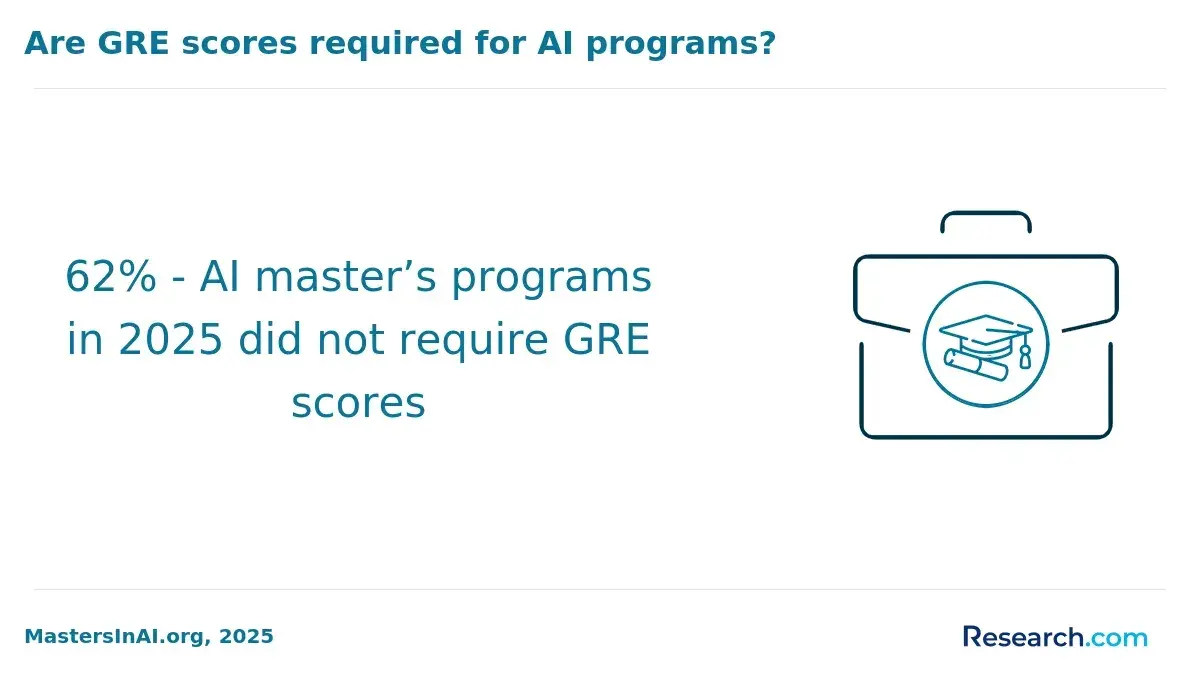
The application process for Stanford online executive AI programs involves submitting an online form with personal, educational, and work history details. Candidates must provide a current resume or CV highlighting career achievements. Some courses may ask for a statement of purpose explaining the applicant's goals and alignment with the program.
Letters of recommendation are usually optional but encouraged to enhance the application, especially from supervisors familiar with the applicant's skills. Depending on the program, standardized test scores or prior coursework in related fields may be required. Preparing for possible interviews that assess quantitative and problem-solving skills is also advised.
Early application is important due to limited class sizes and high demand. According to AI for Business Professionals Stanford Online, 77% of companies are using or exploring AI, highlighting the need for business-savvy AI literacy among managers. For those interested in military friendly online cybersecurity degree programs, this link offers helpful guidance in related fields: military friendly online cybersecurity degree programs.
How are Stanford's executive AI courses delivered online and what is the time commitment?
Stanford's executive AI courses online are designed for busy professionals, offering a flexible, cohort-based format. These programs combine asynchronous video lectures with live virtual sessions, promoting engagement while accommodating work schedules. Emphasizing practical case studies and interactive projects, the curriculum fosters real-world AI application. For instance, the AI-Driven Leadership program balances weekly live discussions with on-demand modules, enhancing convenience and collaboration.
Course durations typically range from 6 to 10 weeks, requiring about 6 to 8 hours per week. This includes video content, assignments, and participation in forums or live sessions, allowing steady progress without overwhelming responsibilities. Options for accelerated or extended pacing may be available based on individual needs.
With AI technologies rapidly evolving, Stanford focuses on helping leaders respond to workforce transformations. According to AI-Driven Leadership Stanford Online, 40% of employers plan to reduce workforce sizes in roles where AI automates tasks. This highlights the growing need for executives to reskill, which these courses support through targeted strategies and practical frameworks.
Participants benefit from expert faculty and a well-structured curriculum that blends theory with actionable insights. The program prepares executives for time-sensitive commitments and immediate application, critical for managing AI-driven organizational changes and maintaining competitive advantage.
What do Stanford executive AI programs cost and what funding options are available?
Stanford's executive ai programs typically cost between $7,000 and $15,000 per course, depending on program length and depth. Shorter courses or certificates focused on specific ai applications may start around $7,000, while comprehensive offerings like the Executive Program in Artificial Intelligence can reach $15,000 or more. These fees include access to faculty experts, course materials, and networking opportunities.
Funding options often include employer sponsorship, scholarships, and payment plans. Many executives receive full or partial employer reimbursement, especially when their roles involve AI-driven business transformation. Stanford also provides limited scholarships based on merit or financial need. Flexible payment plans allow candidates to manage tuition in monthly installments alongside work commitments.
The strategic value of AI expertise is underpinned by estimates from the McKinsey Global Institute, suggesting generative AI could add US$2.6 to US$4.4 trillion annually to the global economy. To improve affordability, prospective students can:
- Request employer sponsorship by linking AI skills with business strategy
- Apply early for Stanford-specific executive education scholarships
- Take advantage of flexible payment plans to spread costs
Transparent budgeting and proactive funding strategies support access to Stanford's executive AI education, positioning professionals to leverage significant value-generation opportunities in AI-driven sectors.
How do Stanford's online executive AI courses support career advancement and leadership roles?
Stanford's online executive ai courses empower professionals by providing practical skills that enhance leadership and strategic decision-making. These programs offer hands-on exposure to machine learning models, data analysis, and ai-driven business solutions, preparing executives to steer data-informed transformations within their organizations. Participants learn to identify ai opportunities, assess ethical implications, and apply ai across various industries including healthcare, finance, and technology.
The courses are designed with working professionals in mind, balancing flexible schedules and in-depth content. This flexibility supports roles from product managers to C-suite executives, enabling participants to maintain career momentum while gaining critical expertise. The training also fosters an understanding of ai's impact on business innovation and equips leaders to navigate digital disruption confidently.
LinkedIn Economic Graph's 2025 data highlights that professionals skilled in ai secure jobs 30% faster than those without these capabilities. Stanford's rigorous certificate programs align with this demand by enhancing promotion potential and salary prospects. Learning outcomes include:
- Developing ai literacy to improve communication with technical teams and stakeholders
- Applying ai frameworks to tackle business challenges and improve operations
- Navigating ai ethics and governance to promote responsible use
- Using case studies to convert theory into actionable strategies
These skills bridge the gap between technology and executive leadership, driving organizational growth and effective ai adoption. The online format also supports professional networking with peers and faculty, boosting visibility and career advancement opportunities.
What are typical salaries and job outlook for executives and professionals upskilling in AI?
Executives and professionals with AI skills often see substantial salary growth and enhanced job stability. In the U.S., AI-savvy executives earn between $150,000 and over $300,000 annually, depending on their role and experience. Positions like AI product managers and chief AI officers typically exceed this premium, reflecting a strong demand for strategic AI leadership. Meanwhile, mid-level professionals with AI expertise generally make $100,000 to $140,000, frequently in fields like data science, machine learning engineering, and AI project management.
The job market outlook for AI-trained executives remains robust. The World Economic Forum's 2025 Future of Jobs report predicts that 39% of workers' core skills will shift by 2030, emphasizing the importance of AI competency. This transformation affects sectors such as finance, healthcare, and technology, making AI proficiency vital for staying competitive.
Adapting to this evolving skill landscape helps address challenges like automation risks and changing organizational demands. Leaders with AI knowledge can drive innovation, improve decision-making, and build a competitive edge.
Professionals aiming to upskill in AI should consider:
- Evaluating courses offering practical AI frameworks tailored to their industry
- Focusing on AI ethics and governance to oversee implementation responsibly
- Choosing programs that blend AI technical training with leadership development
These approaches enhance both earning potential and job security in a fast-changing job environment.
How can professionals choose the right Stanford executive AI course for their goals and background?
Choosing the right Stanford executive AI course depends on aligning the program with your career goals and current expertise. Define whether your focus is on enhancing leadership in AI-driven innovation or gaining technical skills. For example, executives aiming to improve strategic decision-making benefit from courses centered on AI's business impact, while those with a technical background might prefer programs deepening their knowledge in data science and machine learning.
Assess your previous experience with AI and related fields. Stanford's offerings range from beginner-level introductions to advanced modules suitable for professionals with backgrounds in computer science or analytics. Self-assessment and guidance from academic advisors can help identify gaps and select the best fit.
Consider how the curriculum applies to your industry-whether healthcare, finance, or manufacturing. Programs including relevant case studies or projects provide greater practical value.
Flexibility is key for working professionals; some courses offer asynchronous learning, while others require live participation or intensive residencies.
According to PwC, AI could add up to US$15.7 trillion to the global economy by 2030 through productivity gains and increased consumer demand. Selecting a course that equips you to leverage AI effectively is essential for driving business growth and maintaining competitive advantage.
How do Stanford's credentials, certificates, and brand recognition benefit executive AI graduates?
Stanford's certificates and brand recognition significantly enhance the professional value of executives pursuing Artificial Intelligence education. Employers widely regard Stanford's name as a signal of rigorous academic training from a top global institution, often leading to faster hiring decisions and the potential for higher salary offers. Graduates gain access to exclusive job opportunities through Stanford's extensive network, which is especially valuable in competitive tech and management fields where proven skills are essential.
These certificates provide concrete proof of specialized AI knowledge, a vital asset as AI and machine learning expertise continue to top business demand according to Coursera's 2025 Global Skills Report. Executives with Stanford credentials often find smoother transitions into AI leadership roles or driving digital transformation projects.
Key advantages include:
- Standing out in a competitive applicant pool due to Stanford's global prestige.
- Connecting with industry leaders and peers via Stanford's alumni network focused on AI innovation.
- Boosting employer confidence in the graduate's ability to solve complex AI-related challenges.
- Qualifying for senior roles that require verified AI skills without committing to a full degree.
Stanford's executive AI certificates address critical business challenges by verifying technical proficiency and building industry trust. This combination fosters sustained career growth in AI-focused markets, supported by a respected brand and evidence-based certification.
Other Things You Should Know About Artificial Intelligence
Participants can expect to learn about cutting-edge AI methodologies, innovation strategies for business integration, ethical considerations in AI deployment, and hands-on skills to implement data-driven decision-making. Stanford's courses focus on applying AI to solve real-world business challenges effectively.
Artificial intelligence raises important ethical issues, particularly around data privacy, bias, and accountability. Businesses must ensure AI systems are transparent and fair, avoiding discrimination or reinforcing societal biases. Moreover, companies need to clarify who is responsible when AI-driven decisions cause harm or errors.
Organizations often face challenges such as data quality and integration, lack of skilled personnel, and unclear strategic goals when adopting artificial intelligence. Additionally, managing organizational change and securing buy-in from stakeholders can be significant hurdles. These factors can slow down or limit the benefits realized from AI initiatives.
Over the next decade, artificial intelligence is expected to become more sophisticated, with advances in natural language processing, autonomous systems, and decision-making capabilities. AI will increasingly be integrated into everyday business processes and products, fostering innovation across industries. Continued progress will also bring greater focus on ethical AI development and regulation.
References
- Leading with AI: Strategy and Product Transformation | Stanford Online https://programs.stanfordonline.global-alumni.com/leading-with-AI-strategy-product-transformation
- The 10 highest-paying tech jobs in the AI and digital economy https://www.obsbusiness.school/en/blog/10-highest-paying-tech-jobs-ai-and-digital-economy-cp
- Stanford University AI Policy for Admissions https://gradpilot.com/ai-policies/stanford-university
- How To Get Into Stanford GSB I The Ultimate Guide https://ellinlolis.com/blog/how-to-get-into-stanford-gsb/
- 50 Exec Ed Courses To Get Smart About AI - USA & Canada - Bluesky Thinking https://bluesky-thinking.com/50-exec-ed-courses-to-get-smart-about-ai-usa-canada/
- The AI Strategy Job Market in 2026: Analysis of 1,859 Postings https://axialsearch.com/insights/ai-strategy-jobs/
- The Stanford MSx Program - info and admission tips | ARINGO https://aringo.com/stanford-msx-program-2/
- 10 AI & Machine Learning Exec Ed Courses For 2024 https://poetsandquantsforexecs.com/news/10-ai-machine-learning-exec-ed-courses-for-2024/
- How to Maximize ROI—Build Board-Ready Business Cases With Stanford AI & Digital Transformation Training - Emeritus Online Courses https://emeritus.org/blog/maximize-roi-stanford-ai-digital-transformation-training/
- What to Look for in an AI Training Course | Build Real-World AI Skills https://www.pryor.com/blog-categories/professional-development/what-to-look-for-in-an-ai-training-course.html