2027 Best AI Adoption Courses for Customer Loyalty Teams

Co-Founder and Chief Data Scientist
Customer loyalty teams often struggle to harness the full potential of artificial intelligence due to knowledge gaps and unclear implementation strategies. This challenge can lead to missed opportunities in enhancing customer retention and personalized engagement. As AI technologies evolve, staying current with effective tools and methods becomes critical for competitive advantage. Finding courses that combine practical applications with flexibility is essential for professionals aiming to pivot into AI roles without abandoning their current jobs.
This article explores the best AI adoption courses tailored for customer loyalty teams, highlighting programs that equip learners with actionable skills to integrate AI effectively and boost customer loyalty outcomes.
Key Things You Should Know
- AI adoption courses focused on customer loyalty increasingly emphasize personalization techniques, with studies showing a 38% boost in retention through targeted AI strategies (2025 data).
- Top programs integrate hands-on training with leading AI platforms like TensorFlow and IBM Watson, preparing teams for real-world implementation in customer experience analytics.
- Recent curricula highlight ethical AI use and data privacy, addressing growing consumer concerns that impact brand trust and loyalty outcomes.
Advance Your Career with AI Online Courses
Artificial Intelligence: Implications for Business Strategy
This program provides an introduction to Artificial Intelligence and their implications for business strategy. Earn an official digital certificate.

Oxford Artificial Intelligence Programme
Explore this Oxford Artificial Intelligence programme offered in a flexible learning environment and explore topics like machine learning, automation, and robotics.

Implementing Agentic AI: Building Your Organizational Playbook
This online MIT Agentic AI course offers a practical approach to deploying AI agents in your organization, including a custom playbook. 3 weeks, exclusive launch price.

AI Adoption: Driving Business Value and Impact
This online MIT AI Adoption: Driving Business Value and Impact offers practical frameworks to close the gap between AI potential and business reality.

Artificial Intelligence in Pharma and Biotech
Discover the applications and limitations of artificial intelligence in pharma and biotech with this MIT online short course.

What are AI adoption courses for customer loyalty teams and who are they best for?
AI adoption training for customer loyalty professionals equips marketing managers, loyalty coordinators, and customer experience specialists with skills to integrate artificial intelligence into customer retention and engagement strategies. These courses highlight data-driven personalization, predictive analytics, customer segmentation, and automated communication tools to enhance loyalty outcomes and operational efficiency.
Participants gain practical experience through hands-on training with AI platforms and case studies focused on loyalty-driven AI applications. Typical lessons include using machine learning models to predict churn, natural language processing for customer feedback analysis, and deploying chatbots for real-time interaction, making loyalty initiatives more proactive and tailored.
Courses on implementing artificial intelligence in loyalty programs are vital as embedding AI reduces operational costs by 26-31% on average, according to a 2025 Capgemini survey reported by Snipp. This cost-saving enables teams to reinvest in loyalty and customer experience improvements without sacrificing personalization quality.
These programs benefit professionals responsible for strategy and execution within retail, telecommunications, and financial services loyalty programs. Early-career graduates seeking roles in loyalty analytics or digital marketing also gain from understanding AI's transformative role in customer engagement. Advanced courses support IT specialists collaborating with marketing teams for seamless AI integration.
For those considering broader technical skills, pursuing an accelerated computer science degree online can further strengthen expertise relevant to AI applications in loyalty environments.
Advance Your Career with AI Online Courses
Artificial Intelligence: Implications for Business Strategy
This program provides an introduction to Artificial Intelligence and their implications for business strategy. Earn an official digital certificate.
Oxford Artificial Intelligence Programme
Explore this Oxford Artificial Intelligence programme offered in a flexible learning environment and explore topics like machine learning, automation, and robotics.
Implementing Agentic AI: Building Your Organizational Playbook
This online MIT Agentic AI course offers a practical approach to deploying AI agents in your organization, including a custom playbook. 3 weeks, exclusive launch price.
How do AI adoption courses improve customer loyalty, retention, and lifetime value outcomes?
AI adoption courses enhance customer loyalty strategies by equipping teams with skills to use data-driven personalization and predictive analytics effectively. Professionals trained in such courses can optimize communication timing, tailor offers to individual preferences, and proactively manage churn risks. For example, loyalty experts utilizing machine learning models can identify customers at risk of disengaging and implement targeted incentives that significantly boost retention.
The impact of AI training on customer retention and lifetime value is evident in the implementation of AI-powered chatbots and recommendation engines. These tools provide personalized, 24/7 customer support, reducing response times and improving satisfaction. Integration of AI insights into CRM systems also enables ongoing refinement of loyalty strategies based on real-time customer behavior.
With global expenditure on AI in marketing projected to surge from around $27 billion to $107 billion by 2028, demand for AI-literate loyalty professionals is growing rapidly. This trend illustrates how vital AI-driven decision making has become for acquiring and sustaining customers.
AI adoption courses for enhancing customer loyalty strategies cover practical challenges such as segmenting high-value customers and optimizing rewards programs. They also teach the use of AI-based attribution models to measure the effectiveness of loyalty initiatives, ensuring higher lifetime value. Professionals gain expertise to design adaptive, scalable systems that respond dynamically to customer data and market changes.
Prospective learners aiming to advance in this field may explore online AI degree programs to gain comprehensive skills in leveraging AI for marketing and loyalty management.
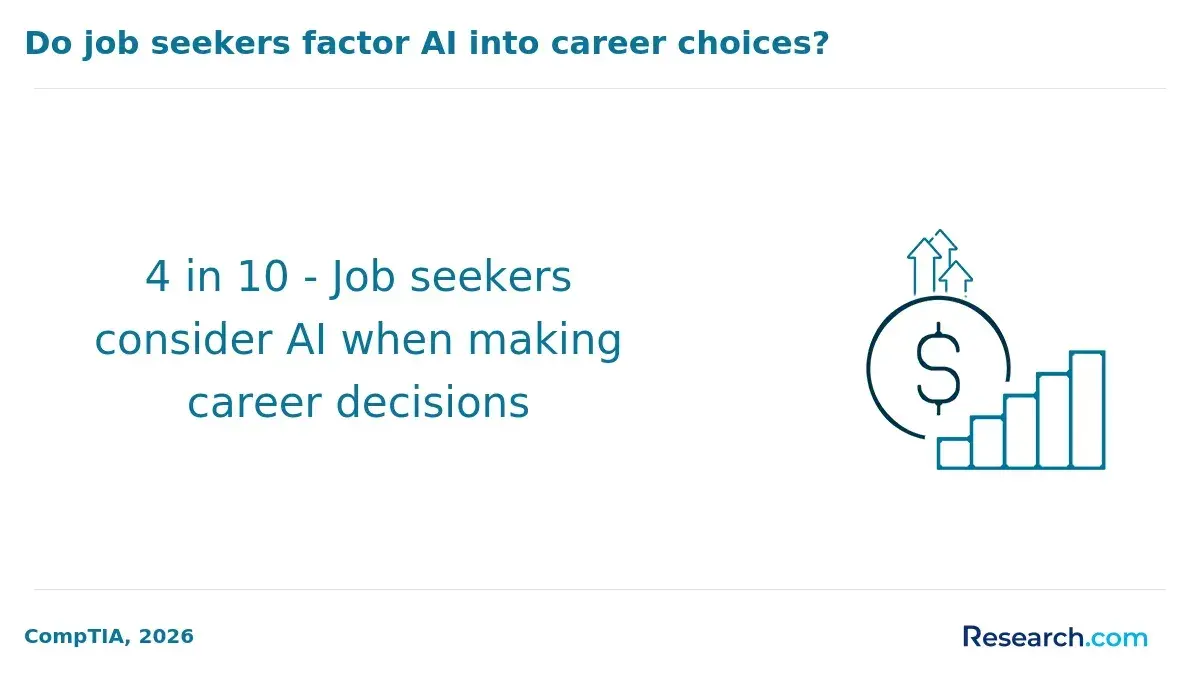
What types of AI adoption programs exist for customer loyalty teams (bootcamps, certificates, degrees)?
ai adoption courses for customer loyalty teams generally come in three formats: bootcamps, certificate programs, and degree courses. Bootcamps provide intensive, short-term training focused on practical skills like predictive analytics and personalization techniques. These are ideal for professionals who want quick upskilling without a long commitment. Customer loyalty programs with ai bootcamps and certifications offer more structured learning. Certificate programs often span several months and combine foundational theory with applied strategies for retention and engagement, preparing learners to develop AI-driven loyalty models. Degrees, at the bachelor's or master's level, integrate advanced ai coursework with business studies, equipping graduates with deep knowledge of machine learning and customer behavior analysis.
ItsaCheckmate's 2024 analysis highlights that ai-driven loyalty programs can reduce customer churn by up to 40% and increase customer lifetime value by 25% in restaurant settings, underscoring the impact of well-trained teams. Professionals should choose programs based on their timeline and career goals: bootcamps for immediate skills, certificates for specialized knowledge, and degrees for leadership roles.
For those interested in expanding their credentials with a related field, pursuing a video game development degree can offer valuable insights into AI applications in interactive environments.
What core skills and topics do the best AI adoption courses for loyalty teams typically cover?
The best AI integration strategies for customer loyalty programs focus on core skills such as data analytics, machine learning applications in loyalty team training, and AI-driven personalization. Mastering customer data segmentation allows teams to tailor offers effectively, improving key loyalty metrics. Practical knowledge of AI tools that automate reward targeting and optimize promotional timing is emphasized.
Courses cover interpreting predictive models to anticipate customer behaviors and using natural language processing (NLP) for enhanced communication. Ethical AI use and understanding algorithmic bias help maintain fairness while maximizing engagement.
Hands-on training for integrating AI systems with CRM platforms is essential to enable real-time adjustments of loyalty programs based on customer responses. Case studies often highlight how AI personalization boosted reward redemption rates by 35% and promotional response by 45%, reflecting recent findings from ItsaCheckmate in restaurant loyalty programs.
Programs also address multi-channel AI implementation across emails and mobile apps, ensuring consistent user experiences. Learners gain skills to measure AI effectiveness through KPIs such as customer lifetime value and retention rates. Prospective students should look for courses that balance technical expertise with change management to align teams with AI-powered workflows, including resolving customer trust issues through transparent AI decision-making.
For those interested in advancing expertise, pursuing a PhD data science online offers deeper insights into machine learning applications and AI integration strategies for customer loyalty programs.
How do online AI adoption courses compare with campus and hybrid options for working professionals?
Online ai adoption courses provide unmatched flexibility for working professionals, especially those on customer loyalty teams. They eliminate the need for travel and strict schedules, allowing learners to balance full-time jobs while keeping skills current. These courses quickly update to reflect the latest ai trends, including chatbot deployments, crucial as AI-driven chatbots and virtual assistants now manage up to 70% of customer service interactions in many companies, significantly enhancing response times and customer loyalty.
Campus programs, while immersive and traditional, require physical attendance and adhere to fixed academic calendars, often making it harder for professionals to participate without disrupting work commitments. Hybrid courses combine online and in-person elements but may still involve scheduling conflicts and commuting challenges.
Professionals seeking practical, real-time knowledge benefit most from online offerings that include case studies and live simulations relevant to ai use in customer loyalty. Employers tend to value targeted certifications proving proficiency with tools like virtual assistants, supporting retention strategies. In contrast, campus or hybrid options may explore deeper theoretical ai concepts but lack the agility to keep pace with quickly evolving applications in customer experience.
Key factors when choosing include:
- Flexibility versus academic depth
- Access to up-to-date ai customer service content
- Interactive exercises with live AI tools
- Recognition and credibility of certification by employers
Ultimately, online courses offer an efficient path to adapting rapidly to AI-driven customer loyalty innovations backed by research on ai customer service adoption.
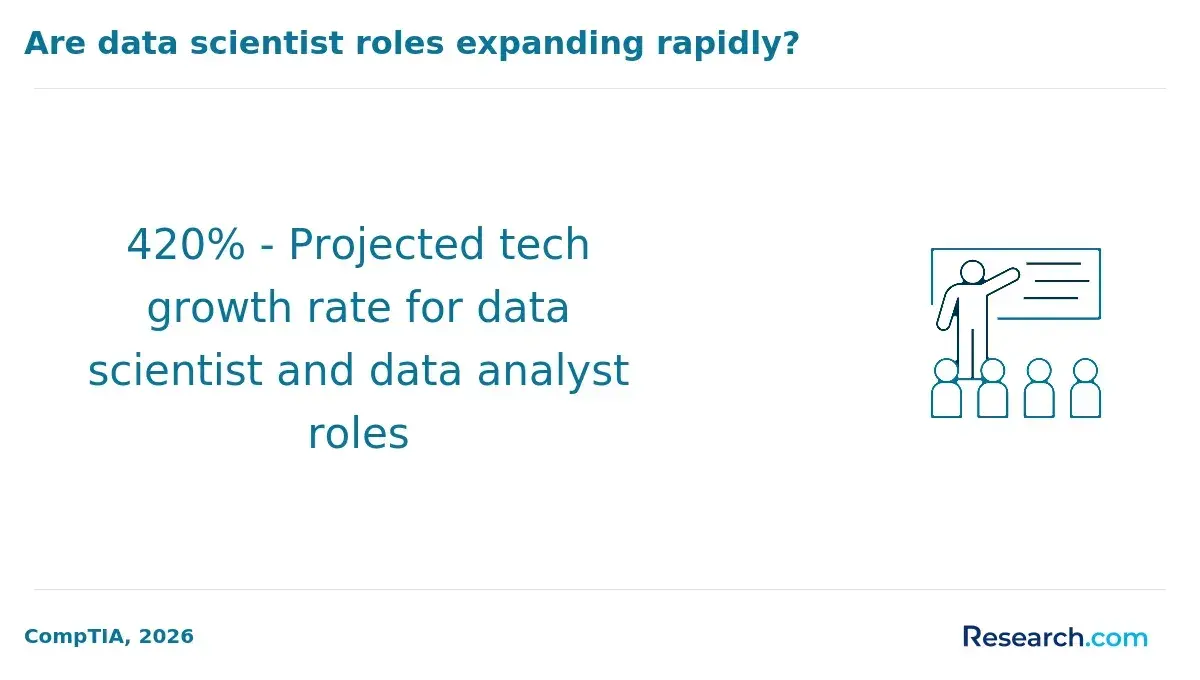
What admission requirements and prior experience do AI adoption programs usually expect from applicants?
Admission to ai adoption programs designed for customer loyalty teams generally requires a bachelor's degree in business, marketing, data science, computer science, or related disciplines. Advanced programs may ask for prior knowledge in statistics, machine learning fundamentals, or programming languages like Python or R.
Practical experience is essential, with a preference for candidates who have 1-3 years working in customer loyalty, marketing analytics, or CRM platforms. This background supports understanding how to apply ai for data-driven loyalty initiatives and campaign optimization.
Many programs assess applicants' familiarity with ai concepts through tests or interviews, often requiring foundational coursework before progressing to specialized modules. This ensures participants can handle complex analytics and personalization techniques vital for successful customer loyalty strategies.
- Business problem-solving skills, especially related to ROI metrics, are commonly required since ai marketing efforts aim to increase incremental revenue by 12-18% through improved targeting, according to ItsaCheckmate's 2024 benchmarks.
- Strong communication and project management abilities are also important for effective cross-functional implementation within loyalty teams.
This blend of quantitative skills, marketing experience, and strategic business insight forms the core criteria to enter ai adoption programs focused on customer loyalty. Prospective students should prepare by strengthening technical knowledge alongside practical business applications.
How can you evaluate accreditation, curriculum quality, and employer recognition of AI adoption programs?
Evaluating accreditation involves confirming that the ai adoption program is recognized by reputable educational organizations such as ABET, regional accrediting commissions, or industry-specific bodies. Accreditation guarantees the program adheres to strict standards concerning curriculum content, faculty expertise, and institutional support. Programs linked to established universities or technical institutes with respected reputations in technology or business education tend to offer greater credibility.
Assessing curriculum quality means reviewing syllabi and learning outcomes to ensure coverage of foundational ai concepts, machine learning methods, and data analytics, along with specialized modules focused on customer loyalty and personalization strategies. Effective programs feature practical case studies, real-world projects, and integration of the latest ai-powered customer journey orchestration platforms. This relevance aligns with forecasts that over 80% of marketing organizations will adopt such technologies by 2025, according to leading marketing technology analysts.
Employer recognition significantly influences career opportunities. Check for partnerships or endorsements from major companies in marketing and customer experience sectors, especially those known for ai-driven loyalty initiatives. Alumni success stories and job placement rates provide measurable evidence. Accreditation from ai and marketing technology associations often indicates alignment with employer expectations and real-world requirements.
In addition, direct input from current students or alumni about course rigor and applicability is invaluable. Industry webinars and forums discussing ai adoption in customer loyalty offer further insights into program quality and standing.
How long do AI adoption courses for customer loyalty teams take and what do they cost?
AI adoption courses for customer loyalty teams typically span 4 to 12 weeks, depending on the depth and focus of the program. Shorter courses lasting 4 to 6 weeks usually concentrate on fundamental AI concepts and practical applications for optimizing loyalty programs. Longer courses, around 8 to 12 weeks, delve into advanced topics such as data governance, omnichannel data integration, and AI model tuning tailored specifically to loyalty strategies.
Costs vary widely by provider, course length, and credential. Basic introductory courses often range from $300 to $700, ideal for professionals seeking foundational knowledge quickly. More comprehensive certification programs or university-affiliated courses may cost between $1,200 and $3,000. Subscription-based online platforms typically charge $50 to $150 per month, offering continuous skill development. Customized corporate training often exceeds these amounts but provides tailored solutions for a company's unique AI challenges.
Quality data management is vital, as studies cited by Forrester and Customer Experience Dive reveal that poor data quality can reduce AI model accuracy by more than 20 percentage points in loyalty initiatives. Courses emphasizing data governance, privacy compliance, and omnichannel integration provide essential skills for driving actionable AI insights.
Prospective learners should seek programs offering hands-on projects using real-world loyalty data. Instructor expertise in AI and loyalty operations also improves course relevance and practical value, helping professionals successfully implement AI in customer loyalty programs.
What customer-facing roles and career paths can AI adoption training support or advance?
AI adoption training enhances skills for numerous customer-facing roles by improving capabilities in data analysis, personalization, and automated engagement. Customer loyalty managers use AI tools to create targeted retention campaigns, while sales representatives leverage AI-driven insights to predict customer needs and boost conversions. Customer service agents become proficient with AI-powered chatbots and virtual assistants, which enhances response times and overall satisfaction.
Marketing professionals working on loyalty programs benefit from integrating predictive analytics for better segmentation and messaging. Data analysts supporting loyalty teams apply AI to identify behavioral trends that inform strategic decisions. Product managers overseeing loyalty features use AI to customize offerings based on customer preferences and feedback.
Across retail, hospitality, and finance sectors, AI adoption training helps professionals implement data-driven strategies. Retail loyalty programs optimize promotions based on purchasing patterns, hospitality staff personalize guest experiences to encourage repeat visits, and financial services employees utilize AI to detect fraud and tailor rewards.
Industry-specific AI applications in loyalty programs demonstrate tangible results, such as a 30% increase in repeat visits and 20% higher average order value in restaurants, according to an ItsaCheckmate report. These advancements underline how training equips professionals to enhance customer retention and drive revenue growth effectively.
Are there industry certifications or vendor badges that complement AI adoption coursework for loyalty teams?
Industry certifications and vendor badges play a crucial role in enhancing ai adoption coursework for customer loyalty teams. These credentials validate practical skills and showcase expertise in integrating ai tools within loyalty programs. For example, the Certified Artificial Intelligence Professional (CAIP) and vendor-specific credentials like Salesforce's Einstein AI badge or Microsoft Azure AI Fundamentals emphasize hands-on knowledge in deploying ai-driven personalization and data analytics, essential for loyalty management.
Vendor badges provide focused expertise on specific platforms used in customer engagement, enabling teams to utilize proprietary ai features effectively. This complements coursework that covers theoretical foundations and broad applications, offering a well-rounded skill set.
Companies adopting advanced ai for next-best-experience strategies report revenue increases of 10-20% and customer satisfaction improvements of 20-30%, according to McKinsey's research. Combining formal training with recognized certifications empowers loyalty professionals to achieve these measurable results.
Additional benefits of certifications include enhanced data literacy, understanding of ethical AI practices, and compliance with industry standards-areas often underrepresented in standard ai courses.
Prospective learners should consider pursuing both vendor badges and industry certifications to address real-world challenges in personalization, automation, and predictive analytics, thereby increasing competitiveness in the evolving job market.
Other Things You Should Know About Artificial Intelligence
One of the main challenges is integrating AI systems with existing customer relationship management platforms without disrupting current workflows. Data privacy concerns and ensuring compliance with regulations like GDPR also pose significant obstacles. Additionally, companies often struggle with a lack of skilled personnel who understand both AI technology and customer loyalty strategies.
Data quality is critical because AI models rely on accurate, clean, and comprehensive data to make correct predictions and recommendations. Poor data quality can lead to ineffective personalization and misguided customer insights, which undermine the goal of improving loyalty and retention. Continuous monitoring and cleansing of data are essential for maintaining AI performance.
AI can automate many loyalty-related tasks such as personalized offers and predictive analytics, but it does not fully replace human interaction. Human judgment is still crucial for managing complex customer relationships, handling exceptions, and providing empathy in sensitive situations. AI is best used as a tool to enhance, not substitute, human engagement.
When selecting AI adoption courses for customer loyalty teams in 2027, consider course content relevance to strategic goals, instructors' expertise in AI and customer loyalty, practical application opportunities, and peer reviews. These criteria ensure the course effectively equips teams with necessary skills to enhance customer engagement and satisfaction.
References
- Enhancing Customer Loyalty Programs with AI: An Overview (Virtual) | School of Marketing | ANA https://www.ana.net/training/course/id/CD-ACL-V-LG
- How AI may reshape career pathways to better jobs | Brookings https://www.brookings.edu/articles/how-ai-may-reshape-career-pathways-to-better-jobs/
- Building Internal AI Badging Programs: Beyond… https://www.pertamapartners.com/insights/building-internal-ai-badging-programs
- Applications of artificial intelligence in loyalty programs > Tomasz Makaruk https://marketingbusinessblog.pl/en/applications-of-artificial-intelligence-in-loyalty-programs/
- AI Certifications: Accredited Programs, Vendor Credentials, and Emerging Standards - Total Seminars https://totalsem.com/ai-certifications-accredited-programs-vendor-credentials-and-emerging-standards/
- AI Customer Retention: How Artificial Intelligence Transforms Loyalty Strategy https://hightouch.com/blog/ai-customer-retention
- 16 Artificial Intelligence Career Paths https://www.calmu.edu/news/artificial-intelligence-career-paths
- The Growing Demand for AI Skills and Certifications - PECB https://pecb.com/en/article/the-growing-demand-for-ai-skills-and-certifications
- When Should You Implement AI Solutions in Customer Service? | Siena AI https://www.siena.cx/blog/ai-solutions-customer-service-timing
- The application of AI in university admissions needs oversight, not just optimism https://www.uni-quest.co.uk/blog/the-application-of-ai-in-university-admissions-needs-oversight-not-just-optimism