2027 Best AI Courses for Nonprofit AI Adoption Teams

Co-Founder and Chief Data Scientist
Nonprofit organizations often face challenges integrating artificial intelligence into their work due to limited technical expertise and budget constraints. Teams may struggle to identify relevant skills or find accessible educational resources tailored to nonprofit needs. This gap can delay the adoption of AI solutions that enhance efficiency, decision-making, and impact measurement.
Navigating available courses can be overwhelming without guidance on quality, flexibility, and accreditation. This article examines the best AI courses designed for nonprofit teams, focusing on accessible, accredited programs that enable professionals from diverse backgrounds to effectively implement and manage artificial intelligence initiatives.
Key Things You Should Know
- Nonprofit AI adoption teams benefit from courses emphasizing ethical AI use and social impact, with 68% of programs updated in 2025 to reflect nonprofit sector needs.
- Top-rated courses in 2026 prioritize practical data skills and AI integration strategies, essential for nonprofits facing resource constraints and diverse stakeholder demands.
- Training often includes case studies on AI-driven fundraising and program evaluation, reporting a 40% average efficiency improvement for organizations post-course completion.
Advance Your Career with AI Online Courses
Artificial Intelligence: Implications for Business Strategy
This program provides an introduction to Artificial Intelligence and their implications for business strategy. Earn an official digital certificate.

Oxford Artificial Intelligence Programme
Explore this Oxford Artificial Intelligence programme offered in a flexible learning environment and explore topics like machine learning, automation, and robotics.

Implementing Agentic AI: Building Your Organizational Playbook
This online MIT Agentic AI course offers a practical approach to deploying AI agents in your organization, including a custom playbook. 3 weeks, exclusive launch price.

AI Adoption: Driving Business Value and Impact
This online MIT AI Adoption: Driving Business Value and Impact offers practical frameworks to close the gap between AI potential and business reality.

Artificial Intelligence in Pharma and Biotech
Discover the applications and limitations of artificial intelligence in pharma and biotech with this MIT online short course.

What are the best AI courses for nonprofit teams adopting artificial intelligence, and who are they for?
Nonprofit teams adopting artificial intelligence benefit most from courses that emphasize practical AI integration, ethical concerns, and data management tailored to the nonprofit sector. Platforms like the Nonprofit Technology Network (NTEN) and Coursera's AI For Everyone by Andrew Ng offer accessible training for nonprofit leaders, program managers, and IT professionals responsible for AI strategy and implementation.
In-depth programs such as the MIT Professional Certificate in AI and Business Strategy provide senior nonprofit executives with critical insights into AI's organizational impact and strategic planning. Workshops focused on AI ethics and transparency are essential for nonprofits that manage sensitive data, with resources from the Partnership on AI supporting fairness and accountability.
According to the Salesforce Nonprofit Trends Report, 75% of nonprofit leaders expect AI to transform their organizations soon, yet only 19% have formal AI strategies. Effective AI training programs for nonprofit adoption teams must combine technical skills with strategic planning. Initiatives like Google's AI for Social Good help nonprofits explore AI use cases from donor management to program evaluation and impact measurement.
Teams should prioritize courses covering:
- Understanding AI capabilities and limitations
- Data governance and privacy protocols
- Ethical AI application in socially responsible contexts
- Building actionable AI strategies aligned with organizational goals
Choosing appropriate education options might also include reviewing available data science degrees that support nonprofit-focused AI efforts.
Advance Your Career with AI Online Courses
Artificial Intelligence: Implications for Business Strategy
This program provides an introduction to Artificial Intelligence and their implications for business strategy. Earn an official digital certificate.
Oxford Artificial Intelligence Programme
Explore this Oxford Artificial Intelligence programme offered in a flexible learning environment and explore topics like machine learning, automation, and robotics.
Implementing Agentic AI: Building Your Organizational Playbook
This online MIT Agentic AI course offers a practical approach to deploying AI agents in your organization, including a custom playbook. 3 weeks, exclusive launch price.
How can nonprofit professionals choose the right AI training program for their organization's goals?
Nonprofit professionals evaluating AI training programs should begin by aligning course offerings with their organization's strategic goals. Selecting the best AI courses for nonprofit goals means identifying specific skills, such as data analysis, donor engagement, or automating routine tasks, that directly support practical needs. Programs with tailored modules or project-based learning often provide better value for diverse nonprofit challenges.
Course content must be relevant to nonprofit contexts. Training focused on applications like generative AI in fundraising optimization or knowledge management delivers more immediate benefits than generalized AI theory. Look for courses featuring real-world case studies or simulations in sectors such as healthcare, education, or environmental advocacy.
Experience level matters: entry-level options suit those new to AI, while intermediate or advanced tracks benefit staff with foundational knowledge. Mentorship or ongoing support for applying skills in organizational workflows enhances both retention and impact. Additionally, cost and time commitment should match organizational capacity.
Measurable outcomes are key. The 2024 Microsoft Work Trend Index reveals organizations with staff trained in generative AI see a 66% boost in productivity on critical knowledge-worker tasks, emphasizing the ROI of effective upskilling. Finally, verify instructors' credibility and institution accreditation to ensure quality content and insights tailored to nonprofit environments.
For those exploring broader options, a mechanical engineer degree online might be more suitable depending on career goals and interests.
What types of AI learning pathways exist for nonprofit staff, from short courses to degrees?
AI learning pathways for nonprofit professionals vary from brief introductory courses to advanced degrees. Short online programs, lasting a few hours to several weeks, are ideal for staff needing quick foundational AI literacy. These often cover AI concepts, ethics, and practical applications such as data analysis or automation tailored to nonprofit contexts.
Providers like Coursera and edX emphasize applied skills without requiring deep technical backgrounds, making them accessible options within comprehensive AI training options for nonprofit teams.
Certificate programs lasting three to six months offer deeper expertise in areas like natural language processing, machine learning, or data visualization. These are well suited for program managers and fundraising teams aiming to harness AI for strategic decisions and donor engagement.
Advanced degrees, such as master's in data science or AI, suit leaders responsible for AI adoption at an organizational scale, providing rigorous training in ethical frameworks and interdisciplinary integration.
The World Economic Forum's 2024 Future of Jobs report projects that 44% of workers' core skills will be disrupted in the next five years, with AI and big data among the top three rising skills. This underscores the urgent need for baseline AI literacy among nonprofit staff.
Budget-constrained nonprofits can also explore free or subsidized options like Massive Open Online Courses (MOOCs) or specialized nonprofit tech coalitions offering tailored training.
Successful AI adoption requires matching learning pathways to role-specific needs, from brief upskilling to immersive programs for tech leads. Nonprofit professionals interested in related creative fields might also consider roles like video game designer to expand their tech-skill portfolios.
How do online AI courses for nonprofit teams compare with campus and hybrid program options?
Online AI courses versus campus programs for nonprofit teams offer distinct advantages. Online options provide flexibility and accessibility, allowing staff to learn at their own pace and manage responsibilities without the fixed schedules and travel costs required by campus or hybrid training. These courses often include self-paced videos, live webinars, and interactive projects tailored to nonprofit needs.
Hybrid AI training benefits for nonprofit adoption teams include deeper networking and hands-on experience, which can be essential for those seeking comprehensive AI expertise and academic credentials. However, these benefits come with higher tuition and logistical costs, which may limit access for smaller organizations.
Specialized online courses frequently emphasize practical applications such as fundraising optimization, donor analytics, and CRM integration. Nonprofits using AI-driven predictive analytics have experienced 10-20% increases in annual donation revenue and up to three times higher response rates compared with traditional methods. Such targeted training enables immediate application of critical skills.
Key factors in choosing between options include budget, team availability, depth of instruction, and certification needs. For cost-effective rapid adaptation, specialized online courses are usually preferred. Teams focused on intensive training might consider campus or hybrid programs. Veterans interested in related fields might explore opportunities like the online cyber security degree for veterans.
What core AI skills and topics should nonprofit-focused courses cover in their curriculum?
Nonprofit-focused artificial intelligence courses should emphasize critical skills for effective program design, service delivery, and impact measurement. Essential topics include data literacy and management, enabling teams to clean, organize, and preprocess diverse datasets typical in nonprofit work. Training in machine learning fundamentals, covering supervised and unsupervised methods, helps nonprofits identify patterns and predict outcomes that matter to vulnerable populations.
Ethical AI use is a core component, addressing bias mitigation, data privacy, and inclusive algorithm design to promote equity. Instruction in natural language processing (NLP) equips nonprofits to analyze textual data from surveys, social media, or reports, enhancing real-time program feedback. Skills in AI deployment and integration enable smooth incorporation of AI tools within existing nonprofit systems without disrupting services.
Impact evaluation using artificial intelligence accelerates monitoring and evaluation (M&E), allowing faster adjustment of interventions. A survey by NetHope showed NGOs piloting AI for program targeting and evaluation reduced data-cleaning and analysis time by 40-60%, speeding decision cycles.
Additional topics beneficial for nonprofit AI teams include AI project management basics, interpreting AI outputs for stakeholders, and collaborating with technical experts. These ensure teams can design, implement, and assess AI initiatives that address complex social challenges effectively and ethically.
Which accreditation and quality standards matter when evaluating AI programs for nonprofits?
Accreditation by bodies like the Accreditation Board for Engineering and Technology (ABET) or regional accreditors such as the Middle States Commission on Higher Education (MSCHE) is essential for nonprofit AI adoption teams seeking quality programs. Such accreditation ensures rigorous curriculum and institutional accountability, building a solid foundation for ethical AI education.
Programs must emphasize ethics and fairness to address documented concerns: a Stanford Institute for Human-Centered Artificial Intelligence (HAI) review found nearly 51% of AI deployments in social sectors faced bias or fairness issues. Look for courses aligned with frameworks like Fairness, Accountability, and Transparency (FAT) in AI or guidelines from organizations such as the Partnership on AI and IEEE's Ethically Aligned Design.
Quality programs frequently include social impact case studies, bias mitigation strategies, and governance models relevant to public-interest AI applications. Practical experience is critical, so prioritize programs offering hands-on projects using real-world datasets or partnerships with nonprofit organizations to deepen understanding of AI's ethical limitations in social services.
Evaluate whether courses teach unbiased data collection, transparency in model design, and continuous post-deployment monitoring. Transparency about outcomes is also key—check if the program publishes graduate impact metrics in nonprofit sectors or provides references from social organizations successfully implementing AI solutions responsibly.
What are typical admission requirements and time commitments for AI courses geared to working nonprofit staff?
Admission criteria for AI courses tailored to nonprofit staff generally prioritize accessibility and flexibility. Most programs require a high school diploma or equivalent, with some favoring candidates who bring experience in nonprofit management, project coordination, or basic data literacy.
Advanced technical skills such as coding are rarely necessary, as the focus is on practical AI applications rather than deep technical proficiency. Occasionally, a brief statement of purpose or an endorsement from the organization may be requested to align learning outcomes with nonprofit goals.
Course durations vary widely: many are part-time, lasting 6 to 12 weeks with 3 to 6 hours of weekly instruction, allowing professionals to balance work and study. Self-paced formats enable completion within 3 to 6 months, offering schedule flexibility. Intensive bootcamps require daily participation over about two weeks, ideal for staff on sabbatical or temporary leave.
The Deloitte Global Human Capital Trends report emphasizes that organizations combining structured learning with change management are 1.6× more likely to see strong employee adoption of AI tools. Effective courses often include hands-on projects, relevant case studies from the social sector, and strategies for internal advocacy. Many offer live virtual sessions or peer forums to tackle challenges like resistance to change and limited technical confidence.
How much do nonprofit-oriented AI courses cost, and what funding or tuition assistance is available?
Nonprofit organizations benefit from numerous low-cost or free ai courses tailored to their budget constraints. Platforms like Coursera and edX offer free audit options with access to course materials, while verified certificates and specialization tracks typically cost between $50 and $300.
Many institutions and tech companies extend tuition assistance and scholarships aimed specifically at nonprofit professionals. Funding may also come from internal training budgets or external grants dedicated to education. Organizations such as the AI for Good Foundation provide fellowships and stipends to help cover course expenses, reducing financial barriers to learning.
Employer-sponsored education is another key resource. Nonprofits with professional development funds often reimburse staff who complete approved AI courses, enabling teams to gain new skills without bearing out-of-pocket costs.
According to Microsoft's AI Skills Initiative report, over 6 million learners worldwide completed free generative AI courses, with nonprofit and public sector professionals among the fastest-growing groups. This widespread availability underscores that cost should not prevent nonprofit teams from pursuing AI education.
What nonprofit job roles, career paths, and responsibilities can AI training prepare learners for?
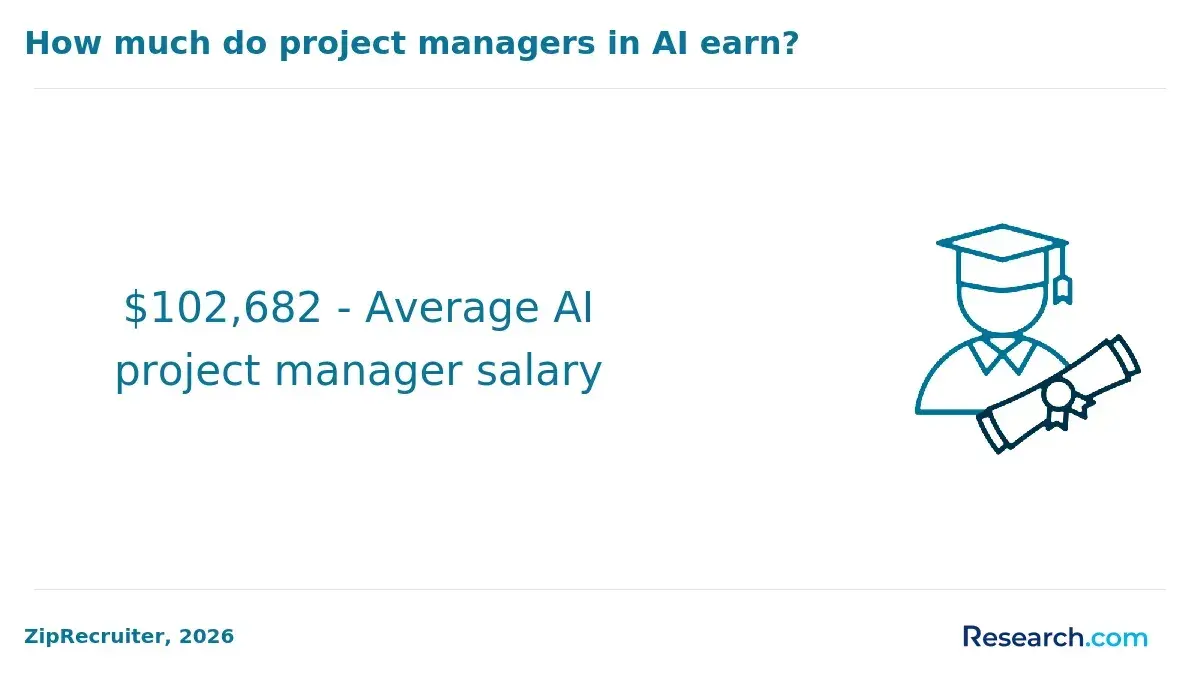
AI training equips nonprofit adoption teams to fill diverse roles across technical, operational, and strategic areas. Core positions include AI project managers who coordinate cross-department initiatives aligned with organizational goals. Data analysts and data scientists use AI to extract insights from complex datasets, improving program evaluation and donor targeting. IT specialists acquire skills to integrate, maintain, and secure AI systems within existing infrastructures.
Operational roles like program officers and grant managers enhance evidence-based decision-making through AI-driven analytics. Communications and outreach professionals leverage AI for audience segmentation and personalized messaging, boosting engagement. Executive leaders, including nonprofit directors and strategy officers, benefit from AI literacy to guide digital transformation and manage organizational change effectively.
AI education promotes interdisciplinary collaboration in nonprofit career paths, enabling fundraising volunteers trained in AI-assisted donor analytics to optimize resource allocation. Compliance officers using AI monitoring tools better uphold legal and ethical standards.
According to the 2024 IBM Global AI Adoption Index, 65% of organizations with successful AI deployments have cross-functional teams combining IT, data, operations, and business leaders, compared to only 28% in stalled AI projects.
Training also addresses challenges nonprofits face, such as resource constraints, data privacy, and scalability. Learners gain practical experience automating workflows, predicting donor behavior, and optimizing program delivery, fostering sustainable, mission-driven impact supported by AI solutions.
What certifications or microcredentials in AI are most valuable for nonprofit adoption teams?
Certifications that blend technical skills with ethical and strategic knowledge are highly beneficial for nonprofit AI adoption teams. Foundational courses like AI For Everyone by Andrew Ng provide essential AI literacy, helping teams grasp capabilities and limits without deep coding expertise.
More advanced credentials such as the IBM AI Engineering Professional Certificate and the Google Cloud Professional Machine Learning Engineer certification offer practical skills for deploying AI solutions, which is crucial in nonprofits with limited resources.
Microcredentials focusing on AI ethics, including those from the University of Helsinki and Microsoft's AI Business School, equip teams to handle challenges around data privacy, fairness, and transparency. These programs foster trust and ensure AI aligns with core organizational values.
Project management and data literacy courses, like Data Science for All and AI Product Management, enable nonprofit leaders to integrate AI into workflows and measure impact effectively. A PwC study highlights that deliberate AI upskilling can boost productivity by 14% and raise operating margins by 6% within three years.
Nonprofits benefit most from combined programs emphasizing hands-on learning, ethical frameworks, and impact measurement. Such balanced certifications support mission-driven teams in realizing sustainable AI advantages while addressing operational realities.
Other Things You Should Know About Artificial Intelligence
Nonprofit teams must be aware of ethical issues such as bias, transparency, and accountability in artificial intelligence applications. AI systems can unintentionally perpetuate existing biases if not carefully designed and monitored. Ensuring ethical AI use involves evaluating data sources, implementing fairness measures, and maintaining transparency about how AI decisions are made within nonprofit operations.
Measuring AI impact in nonprofits typically involves setting clear performance indicators aligned with organizational goals. These may include efficiency gains, cost savings, or improved service delivery outcomes. Regular evaluation through data analysis and user feedback helps nonprofits understand whether AI tools are achieving their intended effects and how to optimize their use.
Common challenges include limited budgets, lack of technical expertise, and data privacy concerns. Nonprofits often struggle to secure funding for AI projects and may find it difficult to hire or train staff with the necessary AI skills. Additionally, handling sensitive data responsibly while complying with relevant regulations is a critical hurdle in AI adoption.
References
- AI Skills for Nonprofits - data.org https://data.org/resources/ai-skills-for-nonprofits/
- 5 Cost And Time-Efficient Strategies For Nonprofits To Embrace AI https://orrgroup.com/5-strategies-for-nonprofits-to-embrace-ai/
- Digital Learning: All courses https://learning.infoxchange.org/course/index.php
- Unlocking AI for Nonprofits: Enroll in Our AI Skills Course for Nonprofits | NetHope https://nethope.org/programs/unlocking-ai-for-nonprofits-enroll-in-our-new-ai-skills-course-for-nonprofits/
- Top Ten AI Usage Policy Considerations for Nonprofits < The Nonprofit Alliance https://tnpa.org/top-ten-ai-usage-policy-considerations-for-nonprofits/
- AI for Career Readiness https://hundred.org/en/collections/ai-for-career-readiness
- AI and Nonprofits: Frequently Asked Questions (FAQ) https://www.nonprofitmaine.org/blog/nonprofits-and-ai
- Should Your Nonprofit Use AI?: Pros and Cons and Best Practices https://collab-withkat.com/should-your-nonprofit-use-ai/