2027 Best AI Courses for Data Engineers With Certificates

Co-Founder and Chief Data Scientist
Many data engineers face the challenge of acquiring cutting-edge skills in artificial intelligence while managing full-time jobs or unrelated educational backgrounds. Bridging the gap between data engineering and AI requires targeted learning that fits diverse schedules and delivers recognized certification. Without such options, career pivots can stall or lack credibility in competitive job markets.
This article reviews the best courses designed for data engineers seeking flexible, accredited paths into AI, highlighting programs that combine practical training with certification to support successful industry transitions and skill advancement.
Key Things You Should Know
- Top AI courses for data engineers in 2026 emphasize hands-on projects and certifications from accredited institutions, boosting job prospects in a market projected to grow 35% by 2030.
- Many programs now integrate real-world data engineering challenges with AI tools like TensorFlow and Apache Spark to align skills with industry demand.
- Certificates from recognized platforms like Coursera and edX are increasingly valued by employers, often reducing job search time by up to 25%.
Advance Your Career with AI Online Courses
Artificial Intelligence: Implications for Business Strategy
This program provides an introduction to Artificial Intelligence and their implications for business strategy. Earn an official digital certificate.

Oxford Artificial Intelligence Programme
Explore this Oxford Artificial Intelligence programme offered in a flexible learning environment and explore topics like machine learning, automation, and robotics.

Implementing Agentic AI: Building Your Organizational Playbook
This online MIT Agentic AI course offers a practical approach to deploying AI agents in your organization, including a custom playbook. 3 weeks, exclusive launch price.

AI Adoption: Driving Business Value and Impact
This online MIT AI Adoption: Driving Business Value and Impact offers practical frameworks to close the gap between AI potential and business reality.

Artificial Intelligence in Pharma and Biotech
Discover the applications and limitations of artificial intelligence in pharma and biotech with this MIT online short course.

What are the best AI courses with certificates specifically designed for data engineers?
The best AI certification courses for data engineers in 2026 integrate advanced machine learning techniques with scalable data pipeline management. These programs focus on AI model deployment, feature engineering, and big data architecture, often combining practical skills in Python and frameworks like TensorFlow or PyTorch. Top data engineer AI training programs with certificates also emphasize hands-on labs using cloud platforms such as AWS and Azure to prepare learners for real-world AI workloads.
With 78% of ICT roles requiring AI technical skills as of 2025, proficiency in AI is essential for data engineers to stay competitive. Certificates verifying expertise in AI-driven data engineering techniques provide considerable career advantages, particularly in roles demanding software engineering alongside AI knowledge. Key skills include AI-enhanced ETL processes, real-time data ingestion, and monitoring of machine learning models.
Many programs cover integrating AI with data lakes and building scalable architectures to support model training and inference. Professionals should select courses offering comprehensive curricula that combine AI fundamentals, cloud integration, and data engineering challenges with certificates recognized by industry leaders.
For those considering further education, a one year computer science degree can provide an accelerated path to build relevant skills and credentials in this rapidly evolving field.
Advance Your Career with AI Online Courses
Artificial Intelligence: Implications for Business Strategy
This program provides an introduction to Artificial Intelligence and their implications for business strategy. Earn an official digital certificate.
Oxford Artificial Intelligence Programme
Explore this Oxford Artificial Intelligence programme offered in a flexible learning environment and explore topics like machine learning, automation, and robotics.
Implementing Agentic AI: Building Your Organizational Playbook
This online MIT Agentic AI course offers a practical approach to deploying AI agents in your organization, including a custom playbook. 3 weeks, exclusive launch price.
How do AI certificate programs for data engineers compare with full degrees or bootcamps?
AI certificate programs for data engineers provide a focused, efficient alternative to full degrees or bootcamps. Compared to multi-year degree paths, certificates often require only weeks to a few months, making them ideal for working professionals who want to build or update skills quickly without a lengthy commitment. When comparing AI bootcamps and certification courses in data engineering, certificates concentrate specifically on applied AI techniques relevant to data engineering workflows rather than covering a broad range of topics.
These certificate programs offer practical training in areas such as machine learning pipelines, data preprocessing for AI models, and deploying AI-driven ETL processes. This targeted expertise is often more immediately applicable in the workplace. By contrast, full degrees provide broader theoretical knowledge and access to research opportunities but come with higher costs and longer time commitments. In some cases, degree curricula may include less AI-specific content.
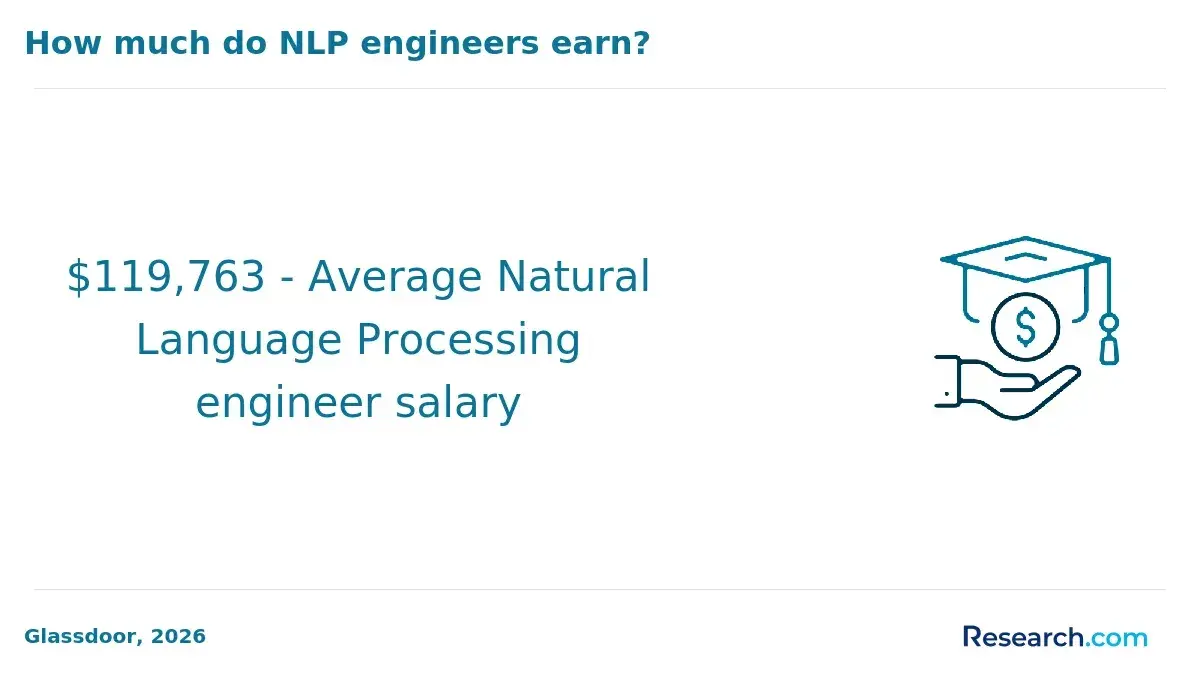
Bootcamps emphasize immersive, project-based learning with a focus on job placement, occasionally sacrificing depth for speed. Certificates strike a balance with focused depth, flexible pacing, and affordability. Data engineers with AI expertise earned an average annual salary of $123,051 in 2026, underscoring the potential career benefit. For those evaluating options, programs should be reviewed for relevant AI frameworks, model deployment, and integration within data architectures.
Prospective students considering AI certificate programs versus full degrees for data engineers may also explore affordable degree alternatives. One resource to consider is the AI degree listings that highlight cost-effective online options.
What admission prerequisites do AI courses for data engineers typically require?
AI courses for data engineers usually require a solid background in programming, mathematics, and data management before admission. Prerequisites to enroll in AI training for data engineers often include proficiency in Python or Java, along with a clear understanding of algorithms, data structures, and statistical methods. Candidates typically demonstrate these skills through prior coursework or relevant professional experience.
Mathematics plays a crucial role, with key topics such as linear algebra, calculus, and probability theory essential for mastering machine learning models and neural networks. Familiarity with databases, SQL, and data pipeline tools is also frequently required to reflect the realities of data engineering work.
Advanced AI certifications may require experience with cloud platforms like AWS or Azure, given the need for scalable AI systems in many organizations. Entry-level certificates usually have less stringent technical requirements but still favor candidates with coding basics. Applicants who lack formal education can sometimes offset this by presenting professional certifications or a portfolio of project work. Admissions often include entrance exams or prerequisite completion certificates to evaluate readiness.
Given that 63% of businesses cite AI proficiency as influencing promotion decisions, meeting admission requirements for AI courses for data engineers can greatly enhance career advancement. Prospective students should carefully consider their background and preparatory steps to succeed in mastering these in-demand skills.
Those exploring related fields might also find value in programs like a cybersecurity degree online, which shares some foundational technical competencies.
How can data engineers choose accredited and reputable AI certificate programs in the U.S.?
Data engineers in the U.S. seeking the best accredited AI certificate programs should focus on accreditation and institutional reputation. Programs recognized by agencies like ABET or regional accreditors such as WASC ensure curriculum rigor and quality instruction, making certificates more valuable to employers. Verifying accreditation through official Department of Education databases helps confirm program legitimacy.
Reputation also plays a key role when choosing top reputable AI courses with certificates available in the United States. Programs connected to established universities or tech companies often align closely with job market demands. Examining alumni employment outcomes and program affiliations with strong computer science or data science departments can highlight opportunities for hands-on learning and internships.
Course content matters significantly. Programs covering foundational data engineering tasks like ETL processes alongside advanced AI topics such as machine learning model deployment provide strong career leverage. It is important to choose courses that reflect the 170% growth in generative AI job postings between 2024 and 2025, signaling increased employer demand for specialized AI skills.
Practical checks before enrollment include:
- Confirming industry recognition of the certificate
- Assessing career support and networking opportunities
- Ensuring curriculum covers trending AI tools relevant to data engineering
- Checking for flexible program delivery to balance work and study
For veterans or those interested in related fields, resources like the electrical engineering degree online for veterans provide additional educational pathways. Choosing programs with these criteria empowers data engineers to invest wisely in certificates that enhance employability and keep pace with evolving market needs.
What core AI and machine learning skills should data engineers expect to learn?
Data engineers seeking to advance their AI and machine learning expertise should focus on mastering key technical skills that enhance data-driven decision-making. Proficiency in programming languages such as Python or Scala is crucial for building machine learning models and integrating them into data pipelines. Essential data preprocessing techniques include cleaning, transformation, and feature engineering to prepare high-quality datasets for training and improve model accuracy.
Core machine learning concepts to emphasize are supervised and unsupervised learning, model evaluation metrics, and hyperparameter tuning. Familiarity with frameworks like TensorFlow and PyTorch supports hands-on development of deep learning and neural network models. Additionally, experience with distributed computing tools like Apache Spark and Hadoop enables efficient processing of large-scale data needed in AI workflows.
Deploying and monitoring models in production requires knowledge of containerization with Docker and orchestration using Kubernetes to ensure reliability and scalability. Ethical considerations, AI fairness, and governance compliance are also critical to mitigate bias and maintain transparency in machine learning outcomes.
Employers demonstrate strong support for AI skill development, with 82% of organizations funding training and allocating work time for upskilling, as reported by TechRadar. These competencies are foundational for data engineers to transform raw data into actionable AI insights and stay competitive in evolving industries.
How do online AI certificate programs for data engineers differ from on-campus options?
Online AI certificate programs for data engineers offer flexibility with asynchronous courses, enabling students to learn at their own pace while balancing work or personal commitments. In contrast, on-campus programs require physical attendance and fixed schedules, which may be challenging for working professionals or those away from academic centers.
Curriculum differences are notable: online courses often focus on practical, project-based learning using current cloud tools accessible remotely. On-campus programs, however, emphasize theoretical foundations, laboratory access, and face-to-face collaboration, sometimes involving specialized hardware.
Cost and duration also vary. Online certificates are generally more affordable and allow faster completion, while on-campus options tend to have higher tuition and longer enrollment timelines due to additional fees and facility use. Both paths provide valuable credentials, with online certifications often aligned with evolving tech trends and on-campus certificates holding traditional academic prestige.
Employers value AI skills highly; according to PwC, workers with AI expertise earned a 56% wage premium in 2025, showing the growing importance of these competencies. Prospective students should consider their learning preferences, career goals, and budgets when choosing between online and on-campus AI certificate programs.
How long do AI certificate programs for data engineers take, and what do they cost?
AI certificate programs for data engineers vary between 3 and 12 months, depending on course depth and format. Shorter courses lasting 3 to 6 months cover foundational topics such as machine learning algorithms, data pipelines, and model deployment. In contrast, longer programs up to 12 months include advanced subjects like deep learning, big data integration, and natural language processing.
Costs differ widely based on the provider and delivery mode. Self-paced online certificates typically start at $300 to $700, which suits professionals upgrading specific skills. Instructor-led programs affiliated with universities or bootcamps range from $1,500 to $5,000, offering added mentorship and career support. Prestigious options connected to major universities or tech companies may exceed $10,000, often providing extensive hands-on projects and credentials valued by employers.
A recent report highlights that by 2026, 43% of CEOs expect to reduce junior hiring due to AI adoption, doubling the rate from 2025. This underscores the importance of specialized skills and practical experience, not just certificates, for early-career data engineers.
Choosing programs that emphasize project portfolios and industry connections is essential for standing out. Modular certificates that stack over time benefit working professionals seeking continuous skill development.
What career outcomes and job titles can AI-trained data engineers pursue?
AI-trained data engineers hold a variety of roles that blend data management with AI-driven technologies. Common careers include Data Engineer, Machine Learning Engineer, AI Engineer, and Data Scientist. While Data Engineers develop scalable data pipelines and infrastructure, Machine Learning and AI Engineers focus on designing and deploying AI models in production. Data Scientists analyze trends and build predictive models, requiring an increasing level of engineering expertise to optimize AI implementations.
Emerging titles like AI Data Architect, AI Infrastructure Engineer, and MLOps Engineer highlight specialization in managing the AI lifecycle and integrating AI systems with software development and operations. These roles demand a mix of data engineering, programming, and operational skills.
Job opportunities are available across sectors such as technology, finance, healthcare, and government. For example, federal government AI initiatives expanded from 700 to over 3,600 use cases within 41 agencies, creating demand for AI-capable data engineers skilled in handling complex datasets related to national security, public health, and administration.
Combining AI knowledge with data engineering allows professionals to tackle challenges in data quality, model deployment, and AI ethics compliance. Certifications focusing on AI-centered data engineering enhance prospects for advanced roles driving AI innovation and practical adoption in the workplace.
What salaries can data engineers with AI skills and certificates realistically expect?
Data engineers skilled in artificial intelligence with relevant certifications can expect competitive salaries in the United States. Median annual earnings range from $110,000 to $150,000, depending on factors such as experience, location, and industry. Entry-level professionals start at around $90,000, while senior engineers with advanced AI expertise may earn more than $170,000.
Key elements that influence salary include:
- Location: Tech-centric cities like San Francisco, Seattle, and New York offer salaries 15-25% above the national average.
- Industry: Sectors such as finance, healthcare, and e-commerce pay premiums for AI-capable data engineers who enhance data workflows and predictive modeling.
- Certifications: Credentials in AI tools like Apache Spark, TensorFlow, and cloud AI platforms significantly improve job prospects and salary potential.
Beyond financial compensation, AI-focused data engineering roles often provide valuable benefits. Research from arXiv.org highlights that AI professionals are nearly three times more likely to have remote work options and twice as likely to receive parental leave compared to other tech roles. These perks contribute to better work-life balance and job satisfaction.
Investing in recognized certification programs strengthens expertise in machine learning frameworks, data pipelines, and cloud platforms, promoting faster job placement and fostering career growth in a dynamic market.
Which industry certifications complement AI courses for data engineers and improve employability?
Industry certifications add significant value to AI courses for data engineers by validating essential skills sought by employers. Certifications like the Google Cloud Professional Data Engineer and the Microsoft Certified: Azure Data Engineer Associate highlight expertise in cloud-based data engineering, crucial as AI workloads shift increasingly to cloud platforms. These certifications complement AI course topics by emphasizing data pipeline architecture, storage, and scalable processing.
The Certified Data Management Professional (CDMP) covers data governance, quality, and integration, equipping data engineers to tackle enterprise AI challenges. Similarly, the TensorFlow Developer Certificate certifies skills in building and deploying machine learning models, vital for AI-driven data solutions.
Emerging roles in prompt engineering, currently under 0.5% of job postings according to arxiv.org, highlight the rising importance of specialized certifications in natural language processing and prompt design. These credentials enable data engineers to bridge AI model tuning with data infrastructure effectively.
Certifications in Python and SQL remain foundational, reflecting employer demand for strong programming skills combined with AI and data engineering expertise. Selecting certifications aligned with evolving AI trends and specific job functions enhances employability by demonstrating practical, hands-on capabilities across complex workflows.
Other Things You Should Know About Artificial Intelligence
In 2027, top AI courses offering certificates specifically for data engineers include Google's AI for Data Engineers, IBM's Data Engineering with AI, and the Data Engineering with AI course from Coursera. These programs focus on AI applications relevant to data engineering tasks, ensuring participants develop key skills for modern data-driven roles.
Ethical considerations in artificial intelligence include data privacy, bias prevention, transparency, and accountability. Developers must ensure AI systems do not perpetuate discrimination and that decisions made by algorithms can be explained. Responsible AI use also involves compliance with legal standards and maintaining human oversight where necessary.
Artificial intelligence is transforming data engineering by automating data cleaning, integration, and transformation processes. AI-powered tools improve the efficiency and accuracy of data pipelines, enabling data engineers to manage larger datasets and extract insights faster. This shift also supports real-time analytics and predictive modeling at scale.
Training artificial intelligence models requires large volumes of high-quality, diverse data, including structured data like databases and unstructured data such as images, text, and video. The relevance and cleanliness of data significantly affect model performance. For data engineers, ensuring proper data sourcing and preprocessing is critical to successful AI outcomes.
References
- 16 Artificial Intelligence Career Paths https://www.calmu.edu/news/artificial-intelligence-career-paths
- AI Certificate vs. Degree: Which One Is Right for You - IABAC https://iabac.org/blog/ai-certificate-vs-degree-which-one-is-right-for-you
- Top 5 Data Engineering Certifications in 2026 | Dagster https://dagster.io/learn/data-engineering-certification
- List https://www.datacamp.com/blog/best-ai-courses
- The Difference Between an AI Bootcamp, a Certificate, and a Degree https://www.nexford.edu/insights/the-difference-between-an-ai-bootcamp-a-certificate-and-a-degree
- The Future of Data Engineering Jobs: Careers That Don’t Exist Yet | Data Engineering Jobs https://dataengineeringjobs.co.uk/career-advice/the-future-of-data-engineering-jobs-careers-that-don-t-exist-yet
- Best AI Certifications to Boost Your Career in 2026 – Dataquest https://www.dataquest.io/blog/best-ai-certifications/
- What AI certifications are most valued by employers when mak... https://forums.h2kinfosys.com/community/main-category-artificial-intelligence/what-ai-certifications-are-most-valued-by-employers-when-making-a-career-change/
- 15 Free Data Engineering Courses + 5 Paid Courses: Complete Guide – DataTalks.Club https://datatalks.club/blog/free-data-engineering-courses.html
- The Data Engineer’s Role in AI: Skills, Infrastructure, and Career Path for 2026 https://www.sartechlabs.com/blog/the-data-engineers-role-in-ai-skills-infrastructure-and-career-path-for-2026