2027 Best AI Implementation Courses for Business Leaders

Co-Founder and Chief Data Scientist
Business leaders often face challenges in adopting artificial intelligence to improve decision-making and operational efficiency. Many struggle with understanding complex AI concepts without a technical background, which slows digital transformation efforts. This gap creates urgent demand for accessible, targeted learning solutions that translate AI theory into business applications.
Effective AI implementation courses tailored for non-technical executives can bridge this divide. This article explores top courses designed to equip leaders with the strategic knowledge and practical skills necessary to integrate AI technologies successfully. It aims to guide readers in selecting programs that accelerate their AI proficiency and drive innovation within their organizations.
Key Things You Should Know
- Top AI implementation courses for business leaders in 2026 emphasize practical skills in AI strategy, ethical usage, and data-driven decision-making, reflecting market demand for actionable expertise.
- According to recent studies, 68% of businesses reported improved operational efficiency after leaders completed specialized AI training between 2024 and 2025.
- Programs increasingly integrate real-world case studies and cross-industry perspectives, preparing leaders to leverage AI for competitive advantage and innovation in dynamic markets.
Advance Your Career with AI Online Courses
Artificial Intelligence: Implications for Business Strategy
This program provides an introduction to Artificial Intelligence and their implications for business strategy. Earn an official digital certificate.

Oxford Artificial Intelligence Programme
Explore this Oxford Artificial Intelligence programme offered in a flexible learning environment and explore topics like machine learning, automation, and robotics.

Implementing Agentic AI: Building Your Organizational Playbook
This online MIT Agentic AI course offers a practical approach to deploying AI agents in your organization, including a custom playbook. 3 weeks, exclusive launch price.

AI Adoption: Driving Business Value and Impact
This online MIT AI Adoption: Driving Business Value and Impact offers practical frameworks to close the gap between AI potential and business reality.

Artificial Intelligence in Pharma and Biotech
Discover the applications and limitations of artificial intelligence in pharma and biotech with this MIT online short course.

What are AI implementation courses for business leaders?
AI implementation training programs for business leaders focus on developing skills to embed AI technologies in organizational strategy and operations effectively. Professionals learn to identify AI applications, manage AI-driven projects, and align initiatives with business objectives while addressing ethical considerations, change management, and data strategy. These courses provide practical insights into deploying generative AI, natural language processing, and predictive analytics.
Business leader courses on ai strategy and adoption often use industry-specific case studies from finance, marketing, or supply chain sectors to illustrate AI's role in enhancing efficiency, customer experience, and innovation. Leaders gain expertise in evaluating AI tools, collaborating with technical teams, and tracking performance metrics after implementation.
Such programs also tackle challenges like resistance to change, data quality issues, and regulatory compliance. They emphasize fostering an AI-ready culture through workforce upskilling and responsible AI use. Additionally, leaders learn to leverage AI-driven insights for real-time competitive strategy adjustments.
According to IBM's 2025 Global AI Adoption Index, 42% of surveyed enterprises report having implemented generative AI in at least one business function, up from 25% in 2023. This surge underlines the need for business leaders to gain AI implementation expertise as AI drives innovation across industries. Individuals seeking cost-effective education options in AI and data science might consider the cheapest master in data science programs available nationwide.
Advance Your Career with AI Online Courses
Artificial Intelligence: Implications for Business Strategy
This program provides an introduction to Artificial Intelligence and their implications for business strategy. Earn an official digital certificate.
Oxford Artificial Intelligence Programme
Explore this Oxford Artificial Intelligence programme offered in a flexible learning environment and explore topics like machine learning, automation, and robotics.
Implementing Agentic AI: Building Your Organizational Playbook
This online MIT Agentic AI course offers a practical approach to deploying AI agents in your organization, including a custom playbook. 3 weeks, exclusive launch price.
Which AI implementation skills do business leaders need?
Business leaders developing AI implementation skills for business strategy development must master several key areas. These include fundamentals like machine learning, natural language processing, and data analytics-all crucial for driving automation and enhancing decision-making across business functions. Leadership competencies in artificial intelligence adoption involve strategic planning to identify AI initiatives that align with organizational goals and deliver strong ROI.
Data literacy plays a vital role, as executives need to interpret data quality, oversee governance, and work closely with data scientists to build AI models using accurate, unbiased datasets. This collaboration ensures reliable results and boosts stakeholder trust. Change management skills enable leaders to navigate cultural shifts, address employee concerns, and promote reskilling during AI integration.
While deep technical coding expertise isn't mandatory, familiarity with AI platforms, cloud technologies, and system integration challenges helps leaders evaluate vendors and manage technical teams effectively. According to LinkedIn's report, demand for AI skills in leadership is growing rapidly, making these competencies increasingly important.
Prospective students interested in expanding their expertise may consider pursuing an online mechanical engineer degree, which can provide a strong foundation in related technical knowledge applicable to AI innovation.
How do you choose a reputable AI implementation course?
When evaluating reputable ai implementation courses for business leaders, several factors stand out as essential. Verify the credentials of the institution or platform offering the program-established universities, recognized professional organizations, and industry leaders typically uphold rigorous standards and provide up-to-date content addressing current business needs.
Next, examine the curriculum with a focus on practical relevance. Top criteria for choosing ai implementation training programs include courses that cover foundational AI concepts and emphasize real-world applications such as data strategy, AI project management, and governance. Look for programs that integrate case studies and hands-on projects to prepare leaders to effectively apply AI in their organizations.
Instructor expertise is another critical element. Courses led by professionals with proven records in AI deployment or consulting combine technical proficiency with business acumen, delivering insights grounded in actual practice. Course format and duration should align with your schedule and learning preferences. Executive-friendly options offering flexible pacing help professionals balance education with work commitments.
Reviewing course outcomes and testimonials is also valuable. Successful alumni and tangible career benefits, such as enhanced leadership in AI initiatives or measurable economic impact, indicate quality. McKinsey's 2024 State of AI report estimates that generative AI could add the equivalent of $2.6-$4.4 trillion in annual economic value globally across use cases. For those exploring extended education options, the cheapest masters in data science can be a cost-effective path to building relevant skills.
Are online AI implementation courses better than campus options?
Online AI implementation courses offer greater flexibility and accessibility than campus options, making them ideal for busy business leaders seeking the best online ai implementation courses for business leaders. Participants can learn at their own pace while balancing demanding schedules. These programs often update their content quickly, staying aligned with industry trends, which is crucial given AI's fast evolution.
Campus courses provide direct face-to-face interaction and networking but are limited by fixed schedules and locations. Executives often prefer targeted, practical skill-building over broad theory, and online training frequently emphasizes real-world applications through case studies and live projects. For example, simulations of AI governance challenges prepare leaders for compliance and ethical decision-making, addressing pressing governance needs.
Deloitte's "State of Generative AI in the Enterprise" survey found that only 22% of executives feel highly prepared for AI governance and risk issues. This highlights the demand for courses effectively covering risk management strategies, often delivered via dynamic online modules accessible globally. Business leaders weighing campus vs online ai implementation training for executives should consider factors such as time constraints, curriculum relevance, access to expert instructors, peer discussions, and practical projects.
For those considering related fields or veterans, finding the right program is key; resources like electrical engineering degree online for veterans can offer additional guidance.
What should AI implementation courses teach business leaders?
Business leaders pursuing ai implementation courses must develop strategic, technical, and ethical skills essential for effective adoption. They need foundational knowledge like machine learning, data analytics, and natural language processing to understand ai's capabilities and make informed decisions on its application within organizations.
Hands-on training often covers how ai can optimize operations such as customer service automation, supply chain management, and predictive analytics. For instance, leaders learn to pinpoint where ai forecasting can reduce inventory waste or where chatbots enhance client interaction efficiency. Change management is another crucial topic, helping leaders manage workforce transitions and promote collaboration between technical teams and business units.
Ethics and data governance also play a vital role. Courses teach how to oversee data privacy, reduce algorithmic bias, and ensure regulatory compliance, minimizing legal and reputational risks. Leaders additionally gain skills in evaluating ai vendors, calculating project ROI, and scaling solutions from pilot stages to enterprise-wide deployment.
Emphasizing the return on investment and talent development is important, as studies from the Coursera-Burning Glass Institute reveal that professionals with ai and machine learning skills can earn 21% more than peers without such expertise. Fostering a data-driven culture that encourages continuous learning supports sustainable ai initiatives and innovation across organizations.
What are the admission requirements for AI implementation courses?
Admission criteria for AI implementation courses typically emphasize educational background, work experience, and technical proficiency. Most programs expect applicants to hold at least a bachelor's degree in business, computer science, engineering, or related fields. Advanced or executive courses often require graduate degrees or extensive managerial experience in tech-driven sectors.
Key skills include data analytics, programming (usually Python or R), and statistics, which many programs verify through prerequisites or standardized tests. Executive courses frequently demand proven experience with AI tools or project management in business contexts. Industry data shows sectors like financial services (59%), telecommunications (53%), and retail (49%) lead in AI adoption, making sector-specific knowledge valuable.
Applicants usually need professional references attesting to AI-related or project management achievements. Some schools ask for personal statements outlining career goals and AI integration plans. Online courses tend to have more flexible entry rules but still prefer candidates with solid technical or business foundations.
International students should confirm language proficiency requirements like TOEFL or IELTS. Many programs also value experience in cloud computing and AI ethics, reflecting technological trends and ethical considerations. Thoroughly reviewing each institution's detailed admission guidelines is essential for meeting educational and industry expectations in AI implementation.
How long do AI implementation courses usually take?
AI implementation courses for business leaders vary widely in duration, from brief workshops to several months-long programs. Short intensive bootcamps lasting 2 to 5 days focus on high-level AI applications and strategy, ideal for executives who need quick, practical insights without technical depth. More comprehensive certificate programs span 8 to 12 weeks, blending part-time study with hands-on projects. These cover AI fundamentals, deployment tactics, change management, and data governance, equipping leaders to manage AI integration effectively.
Executive education and specialized MBA tracks may last 3 to 6 months, providing deeper engagement with AI technologies alongside leadership frameworks. These longer formats address ethical and operational challenges and suit leaders overseeing complex AI-driven transformations within organizations.
According to Gartner's 2024 AI talent survey, 80% of large enterprises will have AI centers of excellence by 2026, a leap from 20% in 2023. This trend highlights the urgency for leaders to gain practical AI skills through timely, strategic training. Aligning training duration with professional responsibilities ensures leaders receive actionable insights without disrupting operational priorities.
How much do AI implementation courses cost?
Courses on AI implementation range widely in price and depth, offering options for beginners to seasoned executives. Entry-level classes on platforms like Coursera or edX often cost between $0 and $200, providing a solid foundation appropriate for business leaders new to ai. More advanced certificate programs tailored to executives typically fall between $1,000 and $3,500. These programs focus on practical applications, strategy integration, and risk management-key areas for effective leadership in ai deployment.
Top-tier university executive education programs can exceed $5,000. They emphasize advanced deployment strategies, governance, and ethical considerations. A 2024 Boston Consulting Group study highlights that only 10% of companies have fully adopted responsible AI frameworks, despite 71% of executives ranking AI-related risk among their top three organizational concerns. This data underscores the urgent need for programs that address ai risk control and compliance.
Self-paced courses offer flexibility and affordability but usually lack personalized support found in live or cohort-based programs. For professionals aiming to maximize ROI, combining AI implementation with governance training equips leaders to manage regulatory and ethical challenges effectively, justifying investment in higher-cost offerings.
What careers can AI implementation training support?
AI implementation training equips professionals with skills to integrate AI technologies into diverse business processes across many industries. Key roles include AI project managers who oversee deployment, data scientists and analysts who build algorithms and analyze insights, and IT specialists responsible for supporting AI infrastructure.
Business and marketing professionals use AI knowledge to improve strategic decisions, optimize customer segmentation, and automate campaigns. Operations managers benefit from AI-driven supply chain efficiencies and predictive maintenance, while HR experts apply AI for talent acquisition and workforce analytics.
Emerging careers such as AI ethicists ensure responsible AI use and legal compliance, and product managers focus on AI-powered development. Entrepreneurs and startup founders leverage AI skills to innovate and compete in evolving markets.
The Graduate Management Admission Council's 2024 Prospective Students Survey reveals that 51% of candidates favor specialized graduate programs with AI and analytics tracks over traditional generalist MBAs, up from 38% in 2019, underscoring AI's growing influence across careers.
Professionals targeting leadership roles should prioritize AI training to stay relevant. Skills in automation, real-time data analysis, and ethical AI deployment offer strategic advantages. This training delivers practical, technical, and strategic competencies essential to thrive in an AI-driven business landscape.
What salaries and job outlook apply to AI implementation roles?
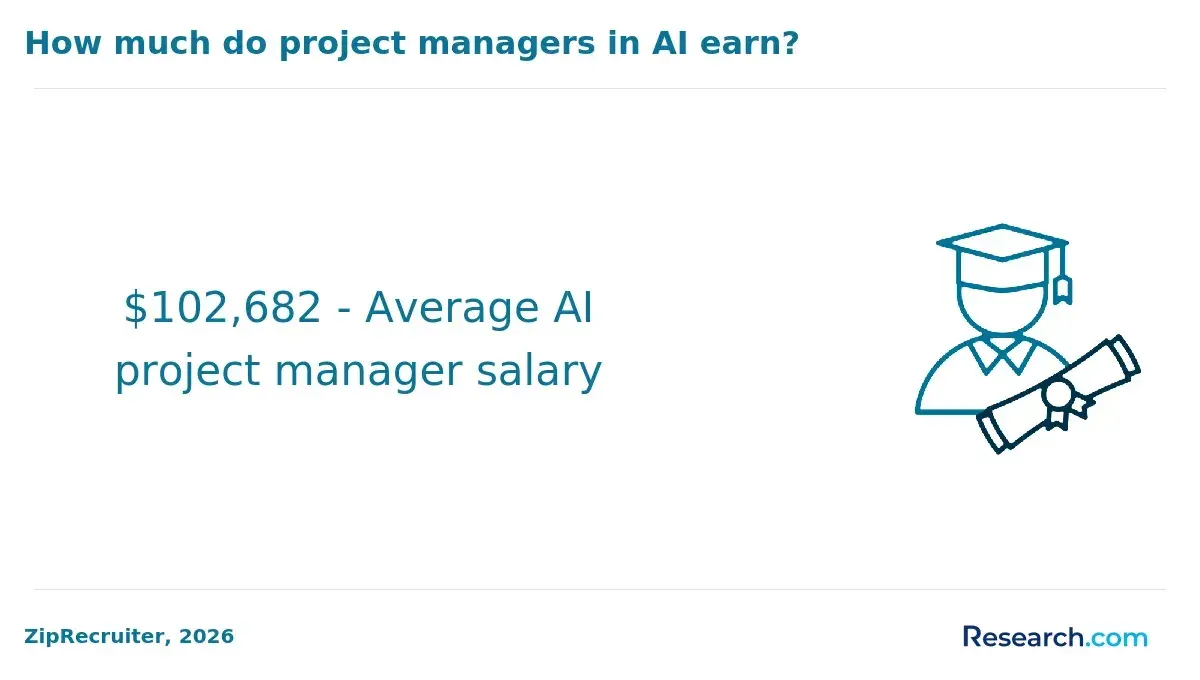
AI implementation roles offer competitive salaries reflecting their vital impact on business outcomes. Entry-level specialists and project managers in the U.S. typically earn between $85,000 and $110,000 annually. Mid-level professionals with cross-disciplinary skills can command $120,000 to $160,000, while senior AI product owners and managers often exceed $180,000. Leaders with combined technical expertise and strategic vision, such as AI transformation leads, may earn more than $200,000. Salary progression depends on proven success integrating AI systems and delivering measurable business value.
The demand for AI implementation experts is rapidly growing as AI adoption accelerates. PwC's Global AI Jobs Barometer projects AI-related roles could represent up to 27% of job growth in OECD countries by 2030. Leadership and professional AI roles show the fastest increases in skill intensity, with companies seeking professionals who blend AI technology knowledge and business strategy to scale initiatives effectively.
Prospective students and professionals improve their marketability by pursuing targeted AI implementation education. Relevant degrees or certifications combining AI fundamentals, project management, and business transformation prepare candidates for these roles. Staying current with AI frameworks and ethical standards further supports career growth and leadership opportunities.
Other Things You Should Know About Artificial Intelligence
Businesses often encounter data quality and integration issues when implementing artificial intelligence. Additionally, there can be a shortage of skilled personnel who understand both AI technologies and business needs. Organizational resistance and unclear strategic goals also frequently hinder successful AI adoption.
Artificial intelligence enhances decision-making by analyzing large data sets quickly and identifying patterns humans might miss. It supports predictive analytics, enabling more informed and timely business strategies. However, AI decisions should be combined with human judgment to avoid biases inherent in the data or algorithms.
In 2027, top AI implementation courses for business leaders include MIT Sloan's AI: Implications for Business Strategy, Stanford's AI for Business, and Coursera's AI for Everyone by DeepLearning.AI. These courses focus on strategic AI applications, ethical considerations, and real-world problem-solving skills necessary for effective AI integration.
Ethical considerations include data privacy, algorithmic bias, and transparency in AI decision-making. Businesses must ensure that AI systems comply with regulations and respect customer rights. Establishing clear accountability and ethical guidelines is essential to maintain trust and avoid potential legal issues.
References
- AI - Artificial Intelligence | London Business School https://www.london.edu/executive-education/ai
- How AI is challenging the credibility of some online courses https://theconversation.com/how-ai-is-challenging-the-credibility-of-some-online-courses-264851
- AI Development Cost [Based on Real Examples] https://masterofcode.com/blog/ai-cost
- AI for Business Leaders: Beginner’s AI Strategy Guide https://online.iitkgp.ac.in/blog/ai-for-business-leaders
- List https://www.datacamp.com/blog/ai-for-leaders
- From Automation to Career Advancement – Top Job Opportunities in AI | Learning People https://www.learningpeople.com/au/resources/blog/from-automation-to-advancement-exploring-the-exciting-job-opportunities-in-ai/
- Top 10 AI certifications and courses for 2025 https://www.techtarget.com/whatis/feature/10-top-artificial-intelligence-certifications-and-courses
- Best AI Certifications to Boost Your Career in 2026 – Dataquest https://www.dataquest.io/blog/best-ai-certifications/
- The AI Implementation Job Market: 3,159 Roles Analyzed https://axialsearch.com/insights/ai-implementation-jobs/
- How Much Does AI Training for Businesses Cost? - Bizzuka https://www.bizzuka.com/how-much-does-ai-training-for-businesses-cost/