2027 Best AI Courses for MBA Students

Co-Founder and Chief Data Scientist
Many MBA students with non-technical backgrounds struggle to find quality courses that build relevant artificial intelligence skills while accommodating their busy schedules. The rapid integration of AI across industries demands professionals who understand its applications without requiring deep coding expertise. This gap creates challenges for those aiming to pivot into technology-driven roles or lead AI projects within business contexts.
This article explores the best AI courses designed for MBA students, focusing on flexibility, accreditation, and practical relevance. It aims to help readers identify programs that enhance their AI understanding and career prospects effectively.
Key Things You Should Know
- Top AI courses for MBA students in 2026 emphasize practical applications of artificial intelligence in business strategy, boosting decision-making skills and leadership in tech-driven markets.
- Enrollment in AI-focused MBA electives grew by over 40% in 2025, reflecting rising demand for managers proficient in machine learning and data analytics.
- Leading programs integrate ethical AI use and regulatory frameworks, preparing graduates for responsible innovation amid evolving compliance standards.
Advance Your Career with AI Online Courses
Artificial Intelligence: Implications for Business Strategy
This program provides an introduction to Artificial Intelligence and their implications for business strategy. Earn an official digital certificate.

Oxford Artificial Intelligence Programme
Explore this Oxford Artificial Intelligence programme offered in a flexible learning environment and explore topics like machine learning, automation, and robotics.

Implementing Agentic AI: Building Your Organizational Playbook
This online MIT Agentic AI course offers a practical approach to deploying AI agents in your organization, including a custom playbook. 3 weeks, exclusive launch price.

AI Adoption: Driving Business Value and Impact
This online MIT AI Adoption: Driving Business Value and Impact offers practical frameworks to close the gap between AI potential and business reality.

Artificial Intelligence in Pharma and Biotech
Discover the applications and limitations of artificial intelligence in pharma and biotech with this MIT online short course.

What are the best AI-focused courses MBA students should prioritize in their programs?
MBA students aiming for the best AI courses for MBA students should focus on programs blending technical expertise with business strategy. Key coursework includes machine learning for business, emphasizing predictive analytics and data-driven decision-making. AI strategy courses cover real-world implementation challenges like ethics and organizational change for competitive advantage.
Courses in data visualization and analytics help translate AI insights into business intelligence, while automation and process optimization classes teach workflow redesign through AI tools to boost efficiency and cut costs. For finance-focused MBAs, AI applications in financial modeling and risk management involve skills such as algorithmic trading and fraud detection. Marketing students benefit from courses on customer segmentation, sentiment analysis, and personalized advertising using natural language processing.
A 2024 Goldman Sachs report projects AI adoption could increase global GDP by 7% over ten years and automate up to 25% of work tasks, especially in management, business, and financial operations. This underscores the value of top AI-focused MBA programs and coursework in preparing students for these shifts.
Practical, project-based training on AI platforms like Python, TensorFlow, or Azure AI is essential. This hands-on experience complements theory and equips graduates to lead AI-driven initiatives. Those interested in careers in this area can explore applied artificial intelligence jobs for real-world opportunities.
Advance Your Career with AI Online Courses
Artificial Intelligence: Implications for Business Strategy
This program provides an introduction to Artificial Intelligence and their implications for business strategy. Earn an official digital certificate.
Oxford Artificial Intelligence Programme
Explore this Oxford Artificial Intelligence programme offered in a flexible learning environment and explore topics like machine learning, automation, and robotics.
Implementing Agentic AI: Building Your Organizational Playbook
This online MIT Agentic AI course offers a practical approach to deploying AI agents in your organization, including a custom playbook. 3 weeks, exclusive launch price.
How do AI courses fit into an MBA curriculum and enhance business decision-making?
AI courses play a crucial role in modern MBA programs, enhancing strategic decision-making through data-driven insights and automation. By integrating artificial intelligence courses into business leadership curriculum, students gain skills to analyze complex datasets, optimize business operations, and forecast market trends, preparing them for leadership roles.
Many programs include topics like machine learning, natural language processing, and predictive analytics to connect AI concepts with practical business applications.
Business leaders increasingly rely on AI for customer segmentation, personalized marketing, and efficient supply chain management. For instance, marketing managers skilled in AI can identify high-value customer segments, boosting campaign ROI, while operations managers use AI forecasting to cut costs and manage inventory better. This real-world use of AI applications in MBA programs for strategic decision-making demonstrates the rising importance of AI competence in business.
The IBM Global AI Adoption Index reveals that 42% of companies see "lack of AI skills" as a barrier to scaling AI initiatives. Additionally, 59% of firms consider AI proficiency as a key factor in promotion decisions, highlighting AI as both a technical and leadership advantage. MBA students also develop critical problem-solving abilities by learning to interpret AI outputs within ethical and financial contexts, enabling them to drive innovation and lead digital transformation in organizations.
For those interested in advancing technical credentials alongside business skills, exploring online engineering degrees can complement AI knowledge and enhance career prospects.
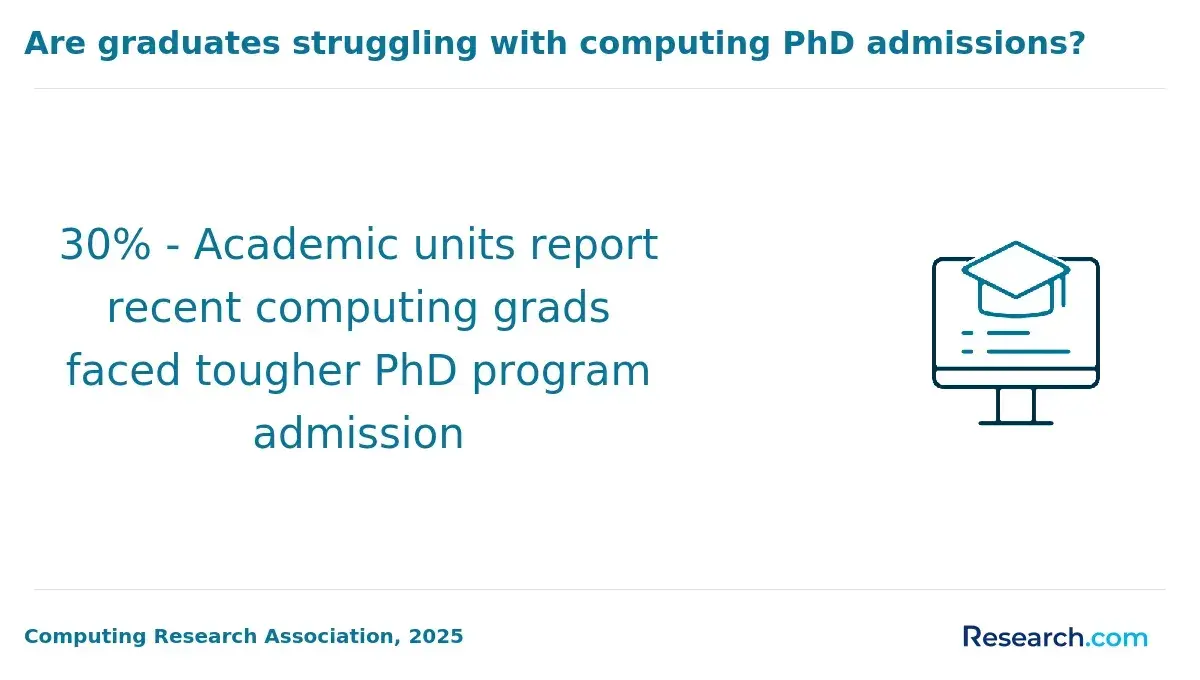
Which MBA concentrations and dual degrees offer the strongest focus on artificial intelligence?
MBA concentrations with strongest focus on artificial intelligence highlight the integration of AI knowledge with strategic business skills. Programs in business analytics and data science emphasize AI-driven decision-making, predictive modeling, and machine learning applications that enhance financial analysis, marketing strategies, and operations management.
Product management specializations also increasingly embed AI literacy, reflecting rapid growth in demand for AI expertise in non-technical roles.
Dual degree programs emphasizing Artificial Intelligence in MBA studies offer a blend of deeper technical AI knowledge and managerial expertise. Examples include MBA/MS in Artificial Intelligence or MBA/PhD in Data Science, appealing to professionals aiming to lead technology-driven initiatives while understanding organizational impacts. Specialized tracks in technology management and digital transformation frequently incorporate AI coursework to develop innovation leadership capabilities.
Finance concentrations integrate AI to enhance algorithmic trading and risk analysis. Prospective students benefit from choosing programs that provide practical AI applications through real-world projects or partnerships with AI firms. These programs are valuable for those pursuing roles in consulting, strategic planning, or innovation management, sectors where AI reshapes business models across healthcare, finance, and manufacturing.
For those interested in further cybersecurity education alongside business, exploring online cybersecurity degree programs can complement AI-focused MBA pathways and expand career opportunities in high-demand fields.
What should MBA students look for when comparing AI curricula across accredited business schools?
When comparing AI course curricula for MBA programs at top accredited business schools offering AI integration, focus on three key areas: curriculum depth, hands-on experience, and industry relevance. Strong programs balance foundational theories like machine learning algorithms with business-specific applications such as predictive analytics in finance and marketing automation.
Many also include courses on ethical AI use and regulatory compliance, which are essential for responsible leadership.
Practical application is equally important. Look for programs that offer internships, real-world projects, or partnerships with tech companies. Capstone projects and consulting experiences that utilize AI tools provide valuable skills in solving complex business challenges.
The curriculum's alignment with industry trends matters. Current programming languages like Python, cloud platform integration, and AI certification guidance help graduates stay competitive. Faculty expertise and flexible course formats-online, hybrid, or on-campus-can accommodate working professionals.
Data from Coursera's Global Skills Report highlight that learners completing at least one AI or machine learning course are 64% more likely to experience a salary increase within 12 months compared to those in non-AI business courses. For professionals interested in expanding their technical skills, exploring online cyber security courses can also complement AI knowledge and boost career prospects.
How do online, hybrid, and on-campus MBA programs differ in delivering AI coursework?
Online, hybrid, and on-campus MBA programs offer varied approaches to AI coursework, each catering to different student needs and learning styles. Online programs provide flexible access through digital platforms featuring recorded lectures, interactive simulations, and AI-driven analytics tools, ideal for working professionals seeking schedule adaptability.
However, they may lack collaborative project experience important for mastering real-world AI applications.
Hybrid programs blend asynchronous online learning with in-person sessions, allowing students to engage in group case studies and strategy simulations. This enhances understanding of AI's impact on marketing, sales, and strategy, core MBA areas. Hybrid formats frequently host guest lectures by industry experts, enhancing networking opportunities not typically available online.
On-campus MBA programs immerse students in continuous classroom settings, enabling live discussions, real-time feedback, and hands-on labs with AI tools commonly used in business environments. This setting facilitates teamwork on AI-driven strategy projects, aligning with findings from a 2024 McKinsey Global Survey that reports 65% of firms using generative AI expect at least a 5% profit increase, particularly in marketing, sales, and strategy.
When choosing a format, consider how it supports practical AI skills, peer collaboration, and real-time problem-solving, alongside your career stage and preference for flexibility versus immersive interaction.
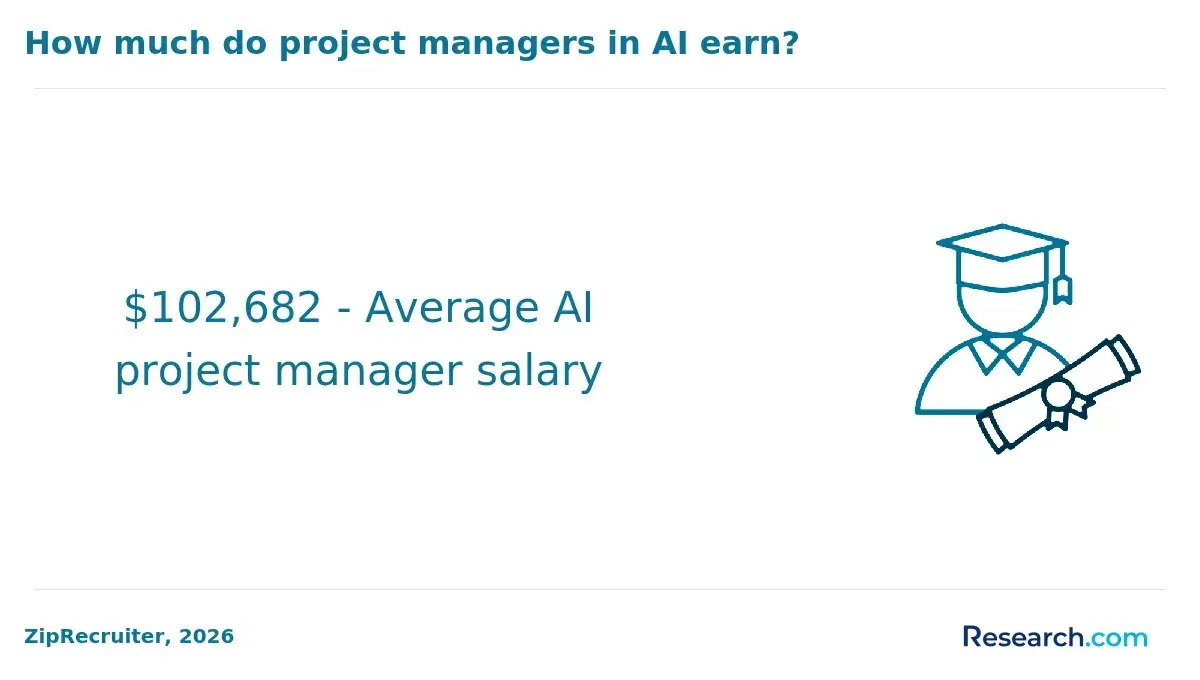
What foundational technical skills do AI courses expect from MBA students with non-STEM backgrounds?
MBA students from non-STEM backgrounds seeking proficiency in artificial intelligence courses must build foundational technical skills. These include programming-primarily Python due to its key role in AI model development-and statistical reasoning fundamental to interpreting AI-generated results. Knowledge of Python libraries like Pandas, NumPy, and scikit-learn helps students manipulate data and implement machine learning algorithms effectively.
Understanding descriptive and inferential statistics, probability, hypothesis testing, and regression analysis forms the analytical backbone necessary for evaluating AI outputs. Data literacy-spanning data collection, cleaning, feature engineering, and visualization-is critical for delivering high-quality inputs required by AI systems.
Ethical awareness regarding algorithmic bias and responsible AI use is vital in preparing future leaders to deploy AI tools thoughtfully in business contexts. Practical experience gained through projects or case studies focused on business analytics and AI-driven decision-making strengthens the connection between theory and real-world management challenges.
According to ProductBoard's 2024 State of Product Management report, 73% of product leaders currently use or test AI tools, yet a mere 27% have teams with formal AI training. This gap calls attention to the urgent need for MBA programs to integrate AI competencies comprehensively, equipping students to lead in data-driven environments.
How long do AI-rich MBA programs typically take, and what total costs should students expect?
AI-rich MBA programs vary in length from 12 to 24 months, influenced by the institution and format. Full-time options often span two academic years, while accelerated or part-time formats may last one year or extend beyond two years for working professionals. Executive MBA programs focusing on AI typically run 18 to 24 months and combine online with in-person learning to fit busy schedules.
Tuition costs depend heavily on program type and prestige, generally ranging from $40,000 to $120,000. Public universities usually offer more affordable rates, especially for in-state students, whereas private and highly ranked business schools tend to charge more. Students should also budget for additional expenses such as books, technology, case studies, and occasional travel for residencies or networking.
Career benefits from AI-integrated MBA programs are increasingly evident. According to Deloitte's 2024 State of AI in Financial Services survey, 86% of financial firms apply AI in core areas, with high AI maturity firms demonstrating 34% higher revenue per employee than those with limited adoption. These stats emphasize the rising demand for professionals combining AI skills with business expertise.
Prospective students should weigh factors like program length, cost, curriculum depth, hands-on AI projects, partnerships, and access to AI tools. Part-time and online formats suit working professionals seeking flexibility, while full-time programs offer immersive experiences and stronger networking opportunities.
Which AI-related MBA courses best prepare students for roles in product management and consulting?
AI-related MBA courses designed for product management and consulting roles integrate data-driven decision-making with strategic business frameworks. Courses like AI for Business Strategy and Data Analytics for Product Managers develop skills to assess AI's impact on customer experience, market trends, and operational efficiency. They emphasize identifying AI applications that fuel product innovation while managing risks and ethical challenges.
Consulting-focused AI curricula often include predictive analytics, automation strategies, and AI implementation roadmaps. These programs train students to evaluate client needs, craft AI-centered recommendations, and measure outcomes. Case studies on AI transformation in sectors such as supply chains and financial services provide practical problem-solving experience.
Hands-on projects with tools like Python, TensorFlow, or Tableau help learners convert AI concepts into actionable business insights. Leadership training in AI adoption prepares future managers to lead cross-functional teams through technological change, addressing resistance and skill gaps effectively.
A recent World Economic Forum-Coursera analysis reveals a 79% year-over-year increase in enrollments in business-focused AI micro-credentials, mainly from MBA and management students. This growth underscores the rising demand for AI competence in executive roles and the value of targeted AI education for career progression.
Students should prioritize programs that merge AI fundamentals with product lifecycle management or consulting frameworks and offer real-world case applications alongside collaboration with AI experts to build readiness for complex strategic roles.
How do AI courses in MBA programs align with industry-recognized certifications and microcredentials?
Many MBA programs now embed AI coursework that aligns closely with industry certifications and microcredentials. These courses are designed to prepare students for certification exams from leading providers like Microsoft Azure AI, IBM AI Engineering, and Google Cloud AI, validating practical skills in machine learning, AI tools, and data analytics. This approach helps MBA graduates showcase relevant expertise to potential employers.
Some programs offer hands-on projects mirroring certification scenarios or collaborate with certification bodies to provide co-branded content. This real-world focus aids the transition from academic study to valuable industry credentials.
Microcredentials provide focused training in specific AI domains such as natural language processing, predictive analytics, and AI-driven decision-making. These shorter credentials enable MBAs to swiftly gain specialized skills that increase their adaptability in a competitive job market.
The Graduate Management Admission Council's Corporate Recruiters Survey highlights that MBA graduates with proven AI or data skills can earn a median starting salary premium of about $15,000 in the U.S., emphasizing the financial benefits of pursuing aligned certifications and microcredentials.
Prospective students should consider whether programs offer integrated certification pathways and recognized microcredential options to ensure their AI education delivers measurable career advantages.
What career outcomes, salaries, and job outlook can MBA graduates with strong AI training expect?
MBA graduates equipped with strong artificial intelligence training enjoy significantly improved career prospects and higher salaries. According to PwC's 2024 Global CEO Survey, 70% of CEOs plan to increase investments in AI and related upskilling over the next three years. Additionally, 60% of these leaders prefer promoting managers with proven AI expertise, emphasizing AI as a vital leadership skill.
Such expertise opens doors to roles like AI product managers, analytics consultants, and strategy leads across technology-focused sectors. Salary data from the U.S. Bureau of Labor Statistics shows MBA holders with AI skills typically earn between $110,000 and $150,000 annually in mid-level positions-representing a 20% to 40% premium compared to peers without AI training.
Job growth for AI management roles is projected at 15% over the next decade, spanning industries such as finance, healthcare, manufacturing, and retail, which are rapidly integrating AI in decision-making and automation. Key valuable skills include machine learning fundamentals, data analytics, and AI strategy combined with strong leadership abilities.
Certifications and hands-on experience with AI tools also markedly boost employability. For working professionals, acquiring AI knowledge can prevent career stagnation by enabling transitions into emerging executive roles focused on AI initiatives, greatly enhancing competitiveness and promotion potential in today's data-driven business environment.
Other Things You Should Know About Artificial Intelligence
Ethical issues in artificial intelligence include bias in algorithms, data privacy, and transparency of AI decision-making. MBA students should understand the impact of AI on society and business practices, focusing on responsible AI development and deployment. Ethical frameworks help guide the design of AI systems that align with legal standards and social values.
The integration of artificial intelligence in MBA programs enhances leadership skills by emphasizing data-driven decision-making and strategic thinking. Leaders learn to manage AI-powered teams and projects, adapt to technological changes, and foster innovation. Developing a mindset attuned to AI enables effective oversight of AI initiatives within an organization.
Yes, artificial intelligence significantly improves financial modeling by automating data analysis and identifying patterns faster than traditional methods. AI tools enhance predictive accuracy and help students build more complex financial models. This integration provides MBA students with advanced skills to forecast market trends and optimize investment decisions.
MBA students can effectively apply AI concepts by engaging in case studies and internships that focus on practical AI applications. Leveraging AI tools, understanding AI-driven decision-making, and collaborating cross-functionally are crucial for bridging the gap between academic learning and real-world execution in business.
References
- AI in MBA education: Transforming Business Learning - MBA & Beyond https://www.mbaandbeyond.com/blog/ai-in-mba
- AI Skills That Matter Even for Non-Technical Professionals in 2026 https://ilacinternationalcollege.com/blog/ai-skills-that-matter-even-for-non-technical-students/
- How AI Is Transforming Online MBA Programs? https://www.onlinecu.in/blog/cu/ai-changing-online-mba-curriculum-across-specializations
- AI Education Partnerships for Universities https://www.becomeaicertified.com/learning-solutions-for-individuals/for-universities
- Best MBA Programs for Leading in an AI-Driven World https://vantagepointmba.com/application-advice/best-mba-programs-for-leading-in-an-ai-driven-world/
- Is an MBA Still Valuable in the Age of AI? | StudyNext Australia https://studynext.com/au/resources/mba-value-age-of-ai
- How an Online Master’s in AI Can Prepare You for the Future of Tech https://www.ucumberlands.edu/blog/how-online-masters-ai-can-prepare-you-future-tech
- How Long Does It Take to Get an MBA? Full Timeline https://www.scu.edu/business/blog/mba/how-long-does-it-take-to-get-an-mba/
- Is an MBA Worth It in the Age of AI? Facts & Insights 2025 - The Quantic Blog https://quantic.edu/blog/2025/04/10/is-an-mba-worth-it-in-the-age-of-ai-facts-insights-2025/
- MBA Programs With AI Curriculum: What You Should Know https://www.stacyblackman.com/blog/mba-programs-with-ai-curriculum/