2027 Best AI Courses for Mortgage Brokers

Co-Founder and Chief Data Scientist
Mortgage brokers face increasing pressure to leverage AI technologies for client analysis and loan processing while managing tight schedules and complex regulations. Many lack specialized training, limiting their ability to adopt AI tools that can enhance decision-making and operational efficiency.
Finding flexible, accredited courses tailored to mortgage professionals without technical backgrounds is challenging but essential for career growth. This article reviews the best AI courses designed to bridge that gap, focusing on accessible, practical education paths that empower mortgage brokers to integrate AI innovations effectively in their daily work.
Key Things You Should Know
- Top AI courses for mortgage brokers in 2026 focus on loan automation, risk assessment, and customer data analytics, reflecting industry needs for efficiency and accuracy.
- By 2025, 68% of mortgage firms planned increased AI training investments, highlighting growing demand for professionals skilled in relevant AI tools and platforms.
- Most leading programs blend technical AI fundamentals with mortgage-specific applications, enabling brokers to enhance decision-making and compliance in a data-driven environment.
Advance Your Career with AI Online Courses
Artificial Intelligence: Implications for Business Strategy
This program provides an introduction to Artificial Intelligence and their implications for business strategy. Earn an official digital certificate.

Oxford Artificial Intelligence Programme
Explore this Oxford Artificial Intelligence programme offered in a flexible learning environment and explore topics like machine learning, automation, and robotics.

Implementing Agentic AI: Building Your Organizational Playbook
This online MIT Agentic AI course offers a practical approach to deploying AI agents in your organization, including a custom playbook. 3 weeks, exclusive launch price.

AI Adoption: Driving Business Value and Impact
This online MIT AI Adoption: Driving Business Value and Impact offers practical frameworks to close the gap between AI potential and business reality.

Artificial Intelligence in Pharma and Biotech
Discover the applications and limitations of artificial intelligence in pharma and biotech with this MIT online short course.

What does an AI course for mortgage brokers cover and who should take it?
AI training for mortgage professionals in the US covers essential topics that help brokers integrate technology into loan origination and underwriting. Key skills covered in AI courses for mortgage brokers include machine learning basics, data analytics, risk assessment algorithms, and automation tools.
These programs teach how to apply AI-driven insights to assess borrower profiles, predict loan outcomes, and streamline documentation processes while ensuring compliance with regulatory standards and maintaining ethical data use.
Practical examples in these courses often feature automated credit scoring and chatbot use for enhanced client communication. Brokers gain knowledge on software that minimizes manual data entry, boosts decision accuracy, and expedites loan processing. Advanced subjects like natural language processing and blockchain for secure data management are increasingly included to reflect emerging technologies.
This training is valuable for brokers facing challenges such as slow underwriting or frequent errors and for those aiming to improve client relations through AI-powered analytics. Increasingly, mortgage executives have prioritized AI investments, signaling a competitive edge for trained professionals. For those looking to deepen their expertise, obtaining a data scientist degree can complement mortgage-focused AI education and open doors to broader career opportunities.
Mortgage brokers new to AI, mid-career professionals enhancing digital skills, and recent graduates can all benefit from this coursework to improve efficiency, risk management, and customer satisfaction in a rapidly evolving market.
Advance Your Career with AI Online Courses
Artificial Intelligence: Implications for Business Strategy
This program provides an introduction to Artificial Intelligence and their implications for business strategy. Earn an official digital certificate.
Oxford Artificial Intelligence Programme
Explore this Oxford Artificial Intelligence programme offered in a flexible learning environment and explore topics like machine learning, automation, and robotics.
Implementing Agentic AI: Building Your Organizational Playbook
This online MIT Agentic AI course offers a practical approach to deploying AI agents in your organization, including a custom playbook. 3 weeks, exclusive launch price.
How can AI skills specifically improve a mortgage broker's daily work and client results?
AI skills enhance a mortgage broker's efficiency by automating routine tasks and improving decision accuracy. Brokers using AI-driven mortgage process automation can analyze large pools of data quickly, enabling precise loan eligibility assessments. For example, AI-powered underwriting tools instantly evaluate borrower creditworthiness, reducing errors and accelerating approvals.
Client outcomes improve as brokers personalize loan options using AI tools tailored to individual financial profiles and market conditions. AI-powered chatbots provide 24/7 support by answering common questions and gathering preliminary information, which shortens wait times and allows brokers to focus on complex client needs.
Risk assessment is more effective with AI, as machine learning models detect patterns that traditional methods often miss. Early identification of potential defaults or fraud helps brokers advise clients responsibly and aids lenders in minimizing losses. Brokers proficient in AI analytics become trusted advisors by interpreting these insights effectively.
With 71% of mortgage lenders already integrating AI/ML into origination workflows and another 16% planning adoption within two years, mastering AI tools positions brokers to meet rising market demands and gain a competitive edge. Practical AI skills include familiarity with data analytics platforms and AI-based CRM systems to streamline processes, customize offers, and mitigate risk proactively.
Those interested in pursuing education aligned with AI-enhanced financial services might consider exploring affordable engineering schools that offer relevant programs.
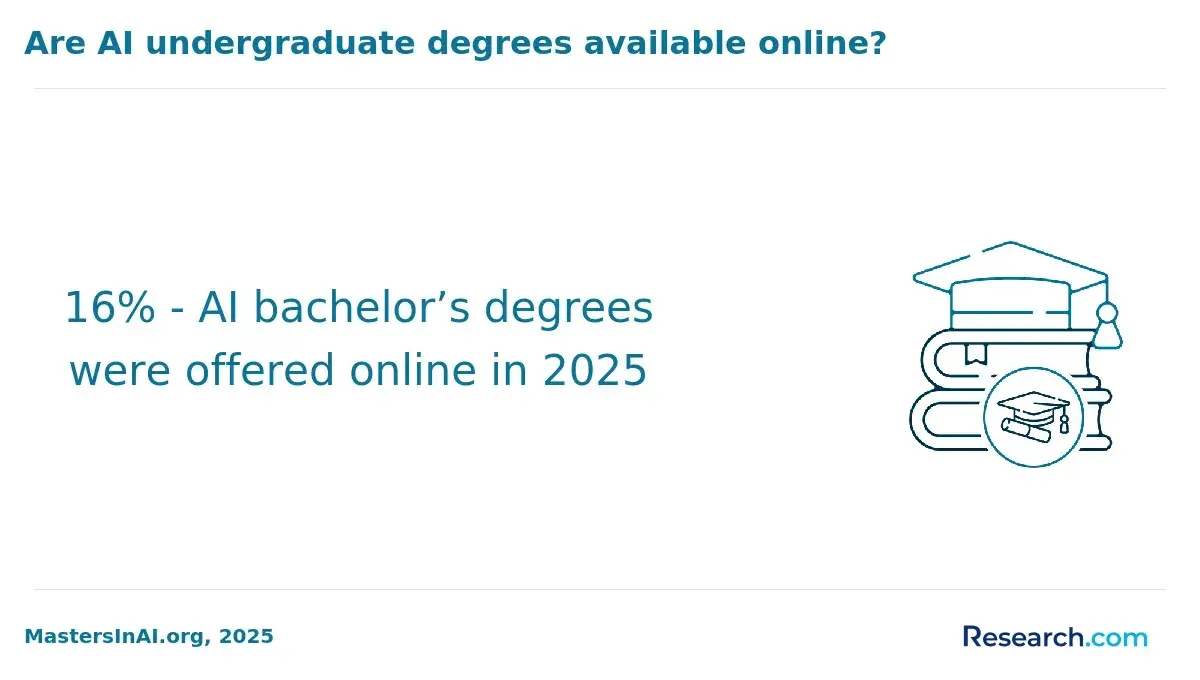
What types of AI programs are available for mortgage professionals (certificates, bootcamps, degrees)?
Mortgage professionals can enhance their skills through various AI certificate programs for mortgage brokers, bootcamps, and degree courses tailored to different career goals and schedules. Certificate programs emphasize foundational skills like AI-driven data analytics, predictive modeling, and automation tools specific to mortgage processing. Ideal for busy brokers, these programs typically last a few weeks to months, offering targeted upskilling without a large time commitment.
Immersive bootcamps provide hands-on experience in practical AI applications such as risk assessment algorithms and customer segmentation. These intensive sessions usually run for several weeks and focus on integrating AI software directly into mortgage workflows, helping brokers quickly adopt new technologies and shift their careers effectively. Such mortgage professional AI bootcamps and degree courses enable rapid skill acquisition and facilitate immediate practical use.
Degree programs, including bachelor's or master's degrees emphasizing data science or finance with AI specializations, offer an in-depth curriculum covering theoretical knowledge, machine learning techniques, and advanced analytics. Lasting one to two years full-time, these are suited for brokers seeking senior roles requiring complex technical expertise and strategic decision-making.
Studies show that brokers using advanced analytics and AI tools closed 23% more loans monthly than those without-highlighting the strong impact of AI education on performance. For professionals exploring broader options, exploring cybersecurity programs may also be beneficial given cross-disciplinary technology trends. Selecting the right program depends on aligning with personal career goals while prioritizing practical AI skills that enhance loan origination efficiency and targeted client services.
How do you evaluate the best AI courses for mortgage brokers and avoid low-quality options?
Evaluating AI courses for mortgage brokers involves focusing on practical outcomes and credible instruction. Courses should demonstrate how AI tools improve mortgage-specific tasks like lead generation, risk assessment, and loan automation. For example, lenders using AI-driven lead scoring have increased conversion rates from 12% to 19%, a 58% lift within 6-9 months, as reported by OnCourse Learning and HousingWire.
To avoid low-quality AI training programs for mortgage professionals, verify that instructors have proven experience in mortgage finance combined with AI expertise. Updated content reflecting current AI technologies is critical. Hands-on learning with case studies and real-world software demonstrations boosts course value, especially when using platforms familiar to mortgage lending like CRM automation or AI analytics.
Research the provider's reputation and seek reviews that emphasize career impact and outcomes over marketing hype. Accredited institutions or providers with industry partnerships usually offer higher quality education. Consider the flexibility of the course, including mentorship and networking opportunities, which are important for working professionals.
Key questions to ask include whether the course covers lead scoring, mortgage-specific AI workflows, and uses updated 2026 technologies. Does it involve credible experts and fit your professional schedule while providing community support?
Those seeking advanced credentials can explore options like a data science doctorate online to deepen their expertise in AI applications within finance and lending.
What AI topics and tools should a mortgage-focused curriculum include to be industry relevant?
An effective AI curriculum for mortgage brokers emphasizes the integration of AI-powered underwriting and document processing tools. According to Accenture's 2024 webinar recap, lenders using AI achieved a 30-50% reduction in mortgage cycle times, with some granting same-day conditional approvals for over 40% of retail applications.
Training should cover machine learning models that analyze borrower data, automate document verification, and enhance risk assessment accuracy. Mastery of natural language processing (NLP) is crucial for quickly extracting data from complex financial documents.
The program should also highlight AI-driven predictive analytics, enabling brokers to forecast market trends, borrower behaviors, and interest rate fluctuations. Practical tools like automated credit scoring and fraud detection algorithms help minimize default risk and ensure regulatory compliance. Hands-on experience with AI platforms such as automated underwriting systems (AUS) and robotic process automation (RPA) is essential for scaling workflows efficiently.
Equally important are lessons on AI ethics, data privacy, and regulatory frameworks due to the sensitive financial data involved. Including real-world case studies on AI adoption challenges and performance metrics equips brokers to navigate a rapidly evolving technology landscape.
Core topics and tools include:
- Machine learning for risk assessment and document analysis
- Natural language processing in financial document interpretation
- Predictive analytics for market and borrower behavior forecasting
- Automated underwriting systems and workflow automation
- AI ethics, data privacy, and regulatory compliance
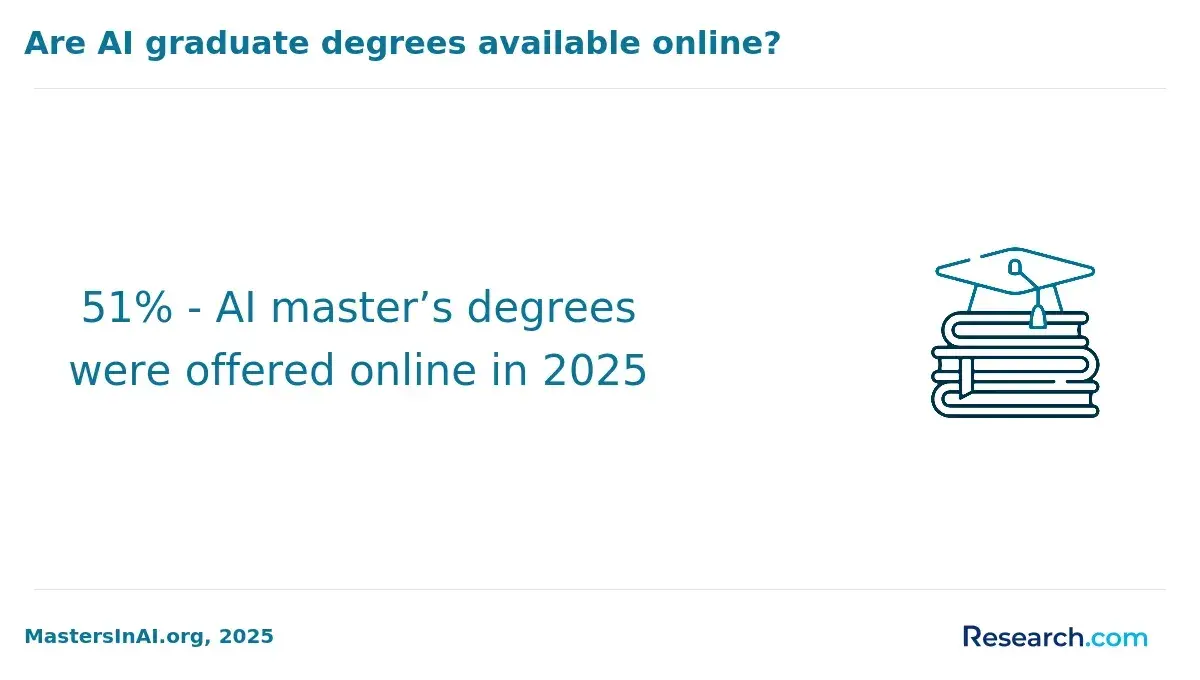
How do online AI courses for mortgage brokers compare with in-person or hybrid programs?
Online AI courses for mortgage brokers offer significant flexibility by allowing students to complete modules at their own pace. This suits professionals balancing full-time jobs or busy schedules who want to upgrade skills without pausing their careers. Although online learning limits direct hands-on interaction and immediate feedback, hybrid programs add physical workshops alongside virtual lectures to enhance engagement while retaining flexibility.
Both online and in-person courses cover essential topics like compliance, risk management, fraud detection, and automation. Notably, AI-driven fraud detection tools have identified 2-3 times more potentially fraudulent mortgage applications than traditional methods, while reducing manual review time by around 40%, according to findings from the Mortgage Bankers Association and MISMO fraud-analytics working group. Such insights highlight key competencies students gain regardless of the delivery format.
Online programs frequently provide up-to-date simulations and datasets crucial for mastering AI in mortgage lending. In contrast, in-person courses may offer richer networking opportunities that benefit career growth. When selecting a course, consider your learning preferences, schedule demands, and desire for peer interaction.
- Online courses excel in scalability and convenience
- Hybrid programs balance flexibility with collaboration
- In-person classes provide deeper experiential learning and networking
What qualifications, prerequisites, and technical skills are required to enroll in these AI programs?
Enrollment in AI courses designed for mortgage brokers typically requires foundational education and relevant technical skills to ensure successful engagement. Most programs expect at least a high school diploma or equivalent, while an associate or bachelor's degree in finance, business, or information technology increases preparedness. Candidates with significant industry experience but without formal degrees may also be eligible.
Essential prerequisites often include quantitative skills such as basic algebra and statistics. Familiarity with mortgage industry terminology and workflows is crucial, as effective AI applications in mortgage brokering depend on domain understanding. Many courses require learners to have introductory computer skills, including use of spreadsheets and basic data management.
Key technical capabilities commonly requested include:
- Understanding data analysis fundamentals
- Basic programming skills, particularly in Python or R, for advanced modules
- Experience with customer relationship management (CRM) and loan origination software
- Comfort using cloud computing and SaaS platforms relevant to financial services
- Some advanced certifications demand prior completion of foundational AI or machine learning courses, while self-paced introductory classes help bridge knowledge gaps for newcomers to coding and analytics.
Mortgage firms report a median 13% revenue boost per loan officer and a 9% reduction in cost-to-originate within one year of AI training, emphasizing the importance of meeting these prerequisites.
How long do AI courses for mortgage brokers take, and what do they typically cost?
AI courses designed for mortgage brokers typically last between 4 and 12 weeks, varying by course depth and format. Shorter options, lasting 4 to 6 weeks, cover foundational topics like machine learning basics, data analysis, and AI applications for credit risk and real estate finance. Longer courses of 8 to 12 weeks incorporate hands-on AI tool training, predictive lending models, and regulatory topics relevant to mortgage brokerage.
Costs vary significantly depending on the provider and the course detail. Basic online certificates range from $300 to $700, offering essential AI insights tailored to finance professionals. More advanced bootcamps or certification programs with project work and mentoring can cost $1,200 to $3,000. Universities and professional organizations may offer part-time courses lasting multiple months, priced between $2,000 and $5,000.
Mortgage brokers should consider balancing time, cost, and learning outcomes. Those seeking quick implementation of AI-driven credit scoring might choose shorter, budget-friendly options, while others aiming for in-depth mortgage analytics and automation understanding may prefer longer, more costly courses.
Interest in AI for finance education is growing rapidly, with enrollments increasing 47% year-over-year, especially in real estate finance and lending niches. This trend emphasizes the expanding importance of AI skills in mortgage brokerage and the value of investing in specialized education.
What career outcomes, roles, and advancement opportunities can AI training unlock for mortgage brokers?
Mortgage brokers trained in artificial intelligence gain valuable skills that open diverse career paths and advancement opportunities. By using machine learning models, brokers can improve risk assessment accuracy and automate creditworthiness analyses, preparing them for roles like AI-enhanced underwriting specialists and data-driven mortgage analysts with higher salaries and greater influence.
These professionals can also move into managerial positions focused on AI integration, leading digital transformation initiatives and optimizing workflows with predictive analytics and AI-powered client engagement tools. Common roles include AI project manager, mortgage technology consultant, and product development lead for fintech solutions.
AI expertise also strengthens compliance efforts by enabling brokers to use automated monitoring systems that detect regulatory risks faster, facilitating advancement into compliance officer or advisory roles.
Cost-effective AI data analytics certificates, averaging $1,200 globally, provide accessible upskilling alternatives to traditional finance master's programs that can cost around $22,000 annually (Wall Street Prep, 2026). These certifications enable brokers to pivot into emerging careers such as AI training specialists, business intelligence analysts, or fintech innovators.
- Transition from loan origination to AI-powered credit risk management
- Manage AI systems for personalized mortgage offers
- Advise firms on AI ethics and governance in lending processes
Are there industry certifications or lender guidelines related to AI use that mortgage brokers should know?
Mortgage brokers currently face no federally mandated certifications specifically for the use of artificial intelligence in mortgage lending. However, leading industry groups like the Mortgage Bankers Association provide guidelines emphasizing transparency, data privacy, and bias mitigation when incorporating AI into underwriting or customer service. Brokers are increasingly expected to demonstrate familiarity with AI-powered risk assessment models and automated compliance checks to maintain lender approval.
Many lenders use proprietary AI tools with unique protocols, so brokers must learn to interpret AI-generated insights and verify results carefully to prevent regulatory issues and client confusion. This expertise fosters trust and ensures smoother transactions.
A recent World Economic Forum survey found that 79% of financial-services employers anticipate AI will significantly reshape mortgage roles by 2028, with 86% predicting job stability or growth for brokers who develop AI skills. This highlights the importance of ongoing education focused on AI competencies instead of formal certification.
To build relevant expertise, brokers should pursue accredited courses on machine learning applications in finance, ethical AI use, and data analytics. Certifications from established institutions like the CFA Institute or fintech education platforms offer practical knowledge to work effectively with AI and comply with industry standards. Prioritizing AI literacy aligned with lender guidelines helps mortgage professionals stay competitive and compliant as technology evolves.
Other Things You Should Know About Artificial Intelligence
Coding experience is helpful but not always required to start learning artificial intelligence, especially in introductory courses designed for mortgage brokers or professionals in non-technical fields. Many programs focus on using AI tools and platforms with minimal programming, while advanced courses may expect familiarity with languages like Python. However, gaining some basic coding skills can enhance understanding and practical application of AI concepts.
In 2027, the "AI Ethics and Privacy for Financial Professionals" course is highly recommended for mortgage brokers. This course offers an in-depth look at managing data privacy concerns in AI applications, with a focus on the financial industry, including mortgage brokering.
Artificial intelligence improves decision-making by enabling faster and more accurate analysis of borrower data, credit risk, and market trends. AI algorithms can detect patterns that humans might miss, leading to better loan approvals and pricing strategies. However, it is essential to monitor AI decisions for potential biases to ensure fair treatment of all clients.
Yes, artificial intelligence can significantly reduce mortgage approval times by automating document verification and risk assessments. AI-driven processes streamline data extraction and validation, cutting down manual work and speeding up workflows. This acceleration benefits both brokers and clients by allowing quicker responses to loan applications.
References
- Comparing the AI Solutions Independent Mortgage Brokers Use to Get Found Across AI Search Platforms in 2026 | TFSF Ventures https://tfsfventures.com/blog/comparing-ai-solutions-independent-mortgage-brokers-use-get-found-across-ai-search-platforms-in-2026
- AI Mortgage Broker Tools for Productivity | BotCircuits https://botcircuits.ai/blog/ai-mortgage-broker-tools
- Mortgage Lenders Cite Operational Efficiency as Primary Motivation for AI Adoption | Fannie Mae https://www.fanniemae.com/research-and-insights/perspectives/lenders-motivation-ai-adoption
- AI Prompts for Mortgage Brokers | Mortgage Brain https://mortgagebrain.com/insights/ai-zone/ai-prompts-for-mortgage-brokers-how-to-generate-more-leads-with-smarter-marketing/
- Harnessing AI for Success and Sidestepping Costly Mistakes https://mortgage.archgroup.com/harnessing-ai-for-success-and-sidestepping-costly-mistakes/
- The best AI tools for mortgage brokers https://blog.accordmortgages.com/the-best-ai-tools-to-help-mortgage-brokers
- Artificial Intelligence Education | MBA https://www.mba.org/conferences-and-education/education-courses/single-family-residential-education/artificial-intelligence-education
- Harnessing AI Technology to Help Mortgage Brokers and Customers https://mortgagx.ai/blogs/harnessing-ai
- AI Certificate for Mortgage Loan Officers | OnCourse Learning https://www.oncourselearning.com/mlo-ai-certificate
- Benefits of AI https://www.knowledgecoop.com/resources/mortgage-ai-benefits