2027 Best AI Courses for Job Seekers

Co-Founder and Chief Data Scientist
Transitioning into the artificial intelligence field can be daunting for professionals without a technical background. Many face challenges finding flexible, accredited courses that fit busy schedules and provide relevant skills for job market demands. With rapid advancements in technology, it's essential to select educational paths that offer practical knowledge and recognized credentials.
This article outlines the best courses designed for job seekers aiming to pivot into artificial intelligence, focusing on accessible programs that balance quality, flexibility, and career outcomes to facilitate a successful industry entry.
Key Things You Should Know
- Top ai courses for 2026 emphasize practical skills in machine learning, natural language processing, and ethical AI deployment, aligning closely with job market demands.
- Over 65% of AI-related job postings in 2025 require proficiency in Python and TensorFlow, making coding expertise critical for course selection.
- Cost-effective online programs from leading universities offer certification pathways recognized by employers, enhancing job seekers' competitive advantage in AI careers.
Advance Your Career with AI Online Courses
Artificial Intelligence: Implications for Business Strategy
This program provides an introduction to Artificial Intelligence and their implications for business strategy. Earn an official digital certificate.

Oxford Artificial Intelligence Programme
Explore this Oxford Artificial Intelligence programme offered in a flexible learning environment and explore topics like machine learning, automation, and robotics.

Implementing Agentic AI: Building Your Organizational Playbook
This online MIT Agentic AI course offers a practical approach to deploying AI agents in your organization, including a custom playbook. 3 weeks, exclusive launch price.

AI Adoption: Driving Business Value and Impact
This online MIT AI Adoption: Driving Business Value and Impact offers practical frameworks to close the gap between AI potential and business reality.

Artificial Intelligence in Pharma and Biotech
Discover the applications and limitations of artificial intelligence in pharma and biotech with this MIT online short course.

What types of AI courses exist for job seekers, and who are they best for?
AI courses for job seekers span diverse categories tailored to different backgrounds and career ambitions. Technical courses cover foundational skills like machine learning, data science, and neural networks, suitable for those with programming or math experience targeting roles such as AI engineers or data scientists. For individuals transitioning from related fields like software development or statistics, ai training programs suitable for career changers emphasize hands-on projects using frameworks like TensorFlow or PyTorch.
Non-technical or introductory AI courses are designed for those without strong coding skills but interested in AI-adjacent roles, including product management or business analysis. These courses focus on AI concepts, ethics, and strategy rather than deep programming knowledge. Specialized courses in niche domains like natural language processing, computer vision, or robotics support professionals aiming to gain expertise in specific sectors.
Short-term certification programs and bootcamps provide accelerated pathways for career changers to quickly enter the AI job market, prioritizing project portfolios and job readiness. Graduate-level AI courses or master's programs target individuals pursuing research roles or advanced positions requiring strong theoretical foundations. Prospective students can consult ranking lists such as the data science master program ranking to identify reputable study options.
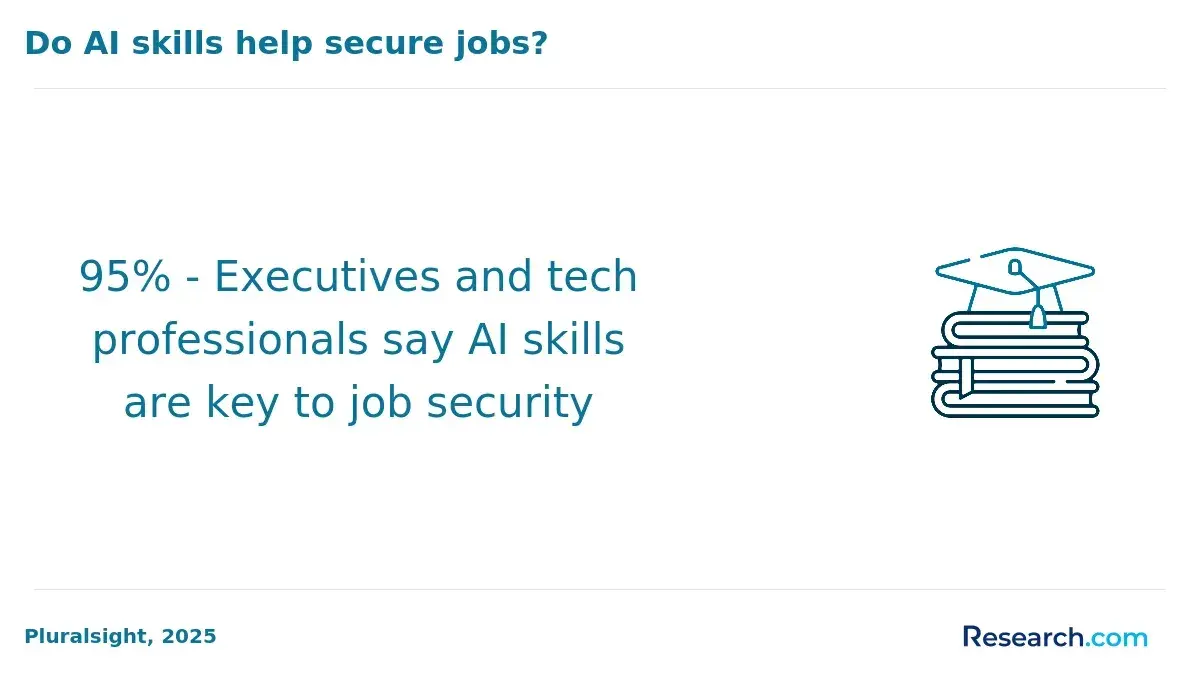
With 78% of ICT roles demanding technical AI skills and many of the fastest-growing ICT positions being AI-related, carefully choosing the best ai certification courses for job seekers is crucial. Aligning course selection with career goals and current skills ensures practical development that meets industry demands.
Advance Your Career with AI Online Courses
Artificial Intelligence: Implications for Business Strategy
This program provides an introduction to Artificial Intelligence and their implications for business strategy. Earn an official digital certificate.
Oxford Artificial Intelligence Programme
Explore this Oxford Artificial Intelligence programme offered in a flexible learning environment and explore topics like machine learning, automation, and robotics.
Implementing Agentic AI: Building Your Organizational Playbook
This online MIT Agentic AI course offers a practical approach to deploying AI agents in your organization, including a custom playbook. 3 weeks, exclusive launch price.
How do AI certificates, bootcamps, and degrees compare for career advancement?
AI certificates, bootcamps, and degrees each play unique roles in career advancement, catering to various professional needs and timelines. Certificates often cover specific AI tools or frameworks in a few months, ideal for professionals wanting to upskill quickly or transition into AI roles without long-term commitment.
Bootcamps provide intensive, project-based learning lasting weeks to months. They emphasize practical skills such as coding, machine learning models, and data handling, making them effective for entry-level job placement. Employers often look to bootcamp graduates for job-ready talent, highlighting the value of bootcamps compared to AI degrees in job placement.
Degrees, including bachelor's and master's programs, offer comprehensive theoretical foundations over several years. These prepare candidates for specialized roles, research, or leadership by combining algorithms, mathematics, ethics, and hands-on projects. While degrees can open broader career paths and higher salaries, they require significant time and financial investment. For those exploring affordable options, programs like the cheapest online mechanical engineering degree demonstrate how costs can vary widely across disciplines.
The rapid growth of AI adoption in federal agencies underlines the increasing demand for diverse AI expertise. When deciding among certificates, bootcamps, or degrees, individuals should consider their experience, time availability, and career objectives to maximize impact in this evolving field.
What should you look for in an AI course curriculum to build job-ready skills?
AI course curricula that prioritize comprehensive skill development prepare students for real-world job demands. Core areas often include machine learning algorithms, data preprocessing, and model evaluation, combined with hands-on projects, coding tasks, or internships to master applied skills. Emphasizing the key curriculum components for artificial intelligence career training, these programs also integrate emerging fields like natural language processing (NLP), computer vision, and reinforcement learning to enhance career versatility.
Growing industry needs underscore the importance of AI governance and ethics, with demand for governance skills rising by 150% and ethics skills by 125% in 2025, according to TechTarget. Courses embedding these topics alongside technical expertise help students understand responsible AI use and relevant policies. Programming proficiency in Python or R, familiarity with frameworks such as TensorFlow and PyTorch, and data science fundamentals including statistics and visualization, are vital for informed decision-making.
In addition, soft skills such as problem-solving, critical thinking, and communication are essential for effective teamwork in interdisciplinary settings. Job seekers should focus on offerings that provide industry-recognized certifications and partnerships facilitating networking and job placement.
A curriculum continually updated to reflect AI advancements keeps skills relevant. Those interested may also explore specialized fields by reviewing relevant cybersecurity programs.
Developing a robust understanding job-ready skills in artificial intelligence courses ensures graduates stand out in a fast-evolving job market.
How can you choose between online and campus-based AI programs for your situation?
Choosing between online and campus-based artificial intelligence programs depends largely on individual circumstances and educational goals. Online AI courses offer the flexibility needed by working professionals or those balancing other responsibilities, granting access to prestigious programs nationwide without relocation costs. However, succeeding online requires strong self-discipline and time management skills. For those aiming to explore online PhD data science options, this flexibility can be invaluable.
Campus-based programs provide immersive, face-to-face learning environments with direct interaction among instructors and peers. This setting promotes richer networking opportunities and immediate feedback, which suits students who thrive in structured, hands-on situations. Access to labs and on-site resources further enhances the learning experience, appealing especially to recent graduates or those seeking comprehensive academic support.
When comparing benefits of online versus campus AI courses for job seekers, consider:
- Schedule flexibility: Online suits part-time study, campus fits those with full-time availability.
- Learning preferences: Practical learners often benefit more from campus programs.
- Networking needs: In-person classes offer deeper professional connections.
- Location and cost: Online reduces expenses related to housing and commuting.
Organizations recognize the value of AI expertise regardless of education mode. In fact, 97% of employers were willing to pay up to 10% more for employees with AI skills in 2025. Emphasizing accreditation, curriculum quality, and alignment with industry requirements is as vital in online programs as it is on campus. How to decide between online and campus-based artificial intelligence programs ultimately depends on balancing these factors against personal preferences and long-term career aspirations.
Which AI roles can these courses lead to, and what skills do employers expect?
AI careers often lead to roles such as machine learning engineer, data scientist, AI researcher, computer vision specialist, and natural language processing engineer. Employers seek candidates proficient in programming languages like Python, strong in statistical analysis, and skilled in building and deploying machine learning models. Experience with frameworks such as TensorFlow or PyTorch is commonly required. Emerging roles in AI ethics and policy also demand knowledge of governance and regulatory standards.
Practical skills are vital, including data preprocessing, model tuning, and deployment automation. Cloud computing expertise, especially with AWS or Azure, is increasingly sought after. Familiarity with big data tools like Hadoop or Spark further distinguishes applicants. Essential soft skills include problem-solving, critical thinking, and teamwork, key for adapting AI solutions to real-world business challenges.
Relevant certifications and solid project portfolios significantly improve job prospects. Specialized skills targeting sectors like healthcare or finance enhance employability, reflecting the growing demand for domain-specific AI applications. Continuous learning habits are crucial given rapid technological advances in AI.
Research on the cost-benefit of AI education reveals that roles offering parental leave or health benefits pay 12% to 20% higher salaries than those without, confirming a strong return on investment. Job seekers should prioritize employers known for both competitive pay and comprehensive benefits.
Success in AI careers requires mastering core technical skills, gaining hands-on project experience, and understanding workplace expectations for collaboration and adaptability. This balanced approach aligns with employer standards and maximizes employment opportunities.
How do you evaluate accreditation, reputation, and quality of AI programs and providers?
Verify program accreditation by checking recognition from reputable educational authorities, such as regional accreditors in the U.S. or specialized bodies like ABET for computing fields. Accreditation confirms that the curriculum adheres to established standards and undergoes regular review. Assess the provider's reputation by examining their history, alumni outcomes, and industry partnerships. Programs linked with leading tech companies or universities often indicate alignment with employer needs and market trends.
Evaluate quality through course content, instructor expertise, and practical training. Top ai programs balance core theory with hands-on projects using tools like TensorFlow, PyTorch, or cloud AI platforms, updating curricula to reflect the latest advances in AI research and applications. Look for programs that provide recognized certifications valued by employers.
Student feedback and graduate outcomes provide valuable insight, such as job placement rates and career services support. For example, 63% of businesses linked AI proficiency to promotion decisions, underscoring the importance of AI certifications for career growth. Practical steps include:
- Checking accreditation on official education department websites
- Researching faculty qualifications and industry experience
- Reviewing detailed syllabi covering relevant AI topics and tools
- Seeking alumni testimonials and job placement data
- Confirming certification recognition with employers or industry groups
Focus on providers offering career-aligned skills and verifiable certification, which directly impact employability in AI-related fields. Avoid programs lacking transparency about outcomes or accreditation details to ensure a worthwhile investment.
What are the typical admission requirements and prerequisites for AI courses?
Admission requirements for artificial intelligence courses vary by program level and institution but generally include a strong foundation in mathematics and programming. Undergraduate programs often expect a high school diploma with proficiency in algebra, calculus, and statistics. Some may require prior experience with coding languages like Python or Java.
Graduate courses typically require a bachelor's degree in computer science, engineering, mathematics, or a related field. Applicants need to demonstrate skills in programming and quantitative areas, supported by prerequisite coursework in linear algebra, probability, and algorithms. Many graduate programs ask for GRE scores, recommendation letters, and a statement of purpose highlighting research interests.
Professional certificate and online AI courses designed for working adults are usually more flexible. While some demand basic programming knowledge, others start at an introductory level with no formal background needed. Job seekers pivoting careers are often advised to have prior coding and data analysis experience for better success.
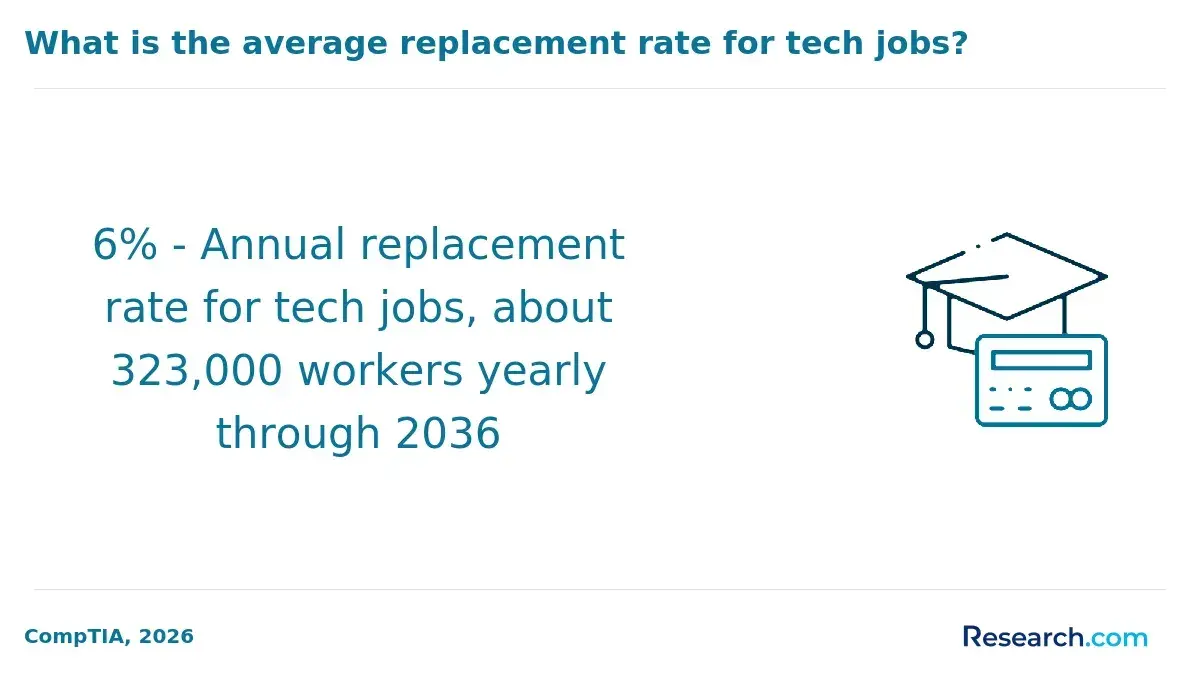
Prospective students should review specific program prerequisites carefully because requirements vary widely. With 74% of tech CEOs freezing or cutting headcount due to AI adoption by 2025, according to techradar.com, formal education in artificial intelligence is essential for career competitiveness. Building skills in math and programming improves admission chances and success across undergraduate, graduate, and professional programs alike.
How long do AI courses take, and what should you expect to pay?
AI courses differ significantly in duration and format, ranging from short intensive bootcamps to extended certificate programs. Bootcamps typically last 8 to 12 weeks and concentrate on practical skills in machine learning, data science, and neural networks, making them well-suited for professionals seeking rapid skill acquisition or career changes. More comprehensive certificate programs and university-affiliated courses often extend from 3 to 6 months, while part-time nanodegrees can last six months or longer, offering flexibility for working individuals.
Pricing varies widely with course length and content depth. Bootcamps usually cost between $7,000 and $15,000, with some programs exceeding $20,000. Online platforms offering shorter, specialized modules charge from $300 to $2,000. University extension courses range approximately from $2,000 to $8,000. Although free or low-cost options exist, they may lack essential job placement services or hands-on project work.
The rapid 170% increase in generative AI job postings reported by TechTarget underscores the value of accelerated, practical learning formats. Prospective students should prioritize courses that offer current AI frameworks, project experience, and mentorship, which are vital for career advancement. Consider your budget, timeline, and whether a program provides job placement support.
What is the salary potential and job outlook for AI-related careers in the U.S.?
AI-related careers in the U.S. show strong salary potential and robust job growth. The U.S. Bureau of Labor Statistics projects a 37% growth rate for AI and machine learning specialists from 2024 to 2034, significantly higher than the average for other occupations. Entry-level salaries start around $85,000 annually, while experienced machine learning engineers and data scientists can earn between $150,000 and $200,000 or more, depending on factors like location and specialization.
Roles such as natural language processing, computer vision, and AI research often offer premium salaries. Employers increasingly value AI skills, with 82% of U.S. companies supporting AI upskilling through funded programs and allocated time for employee training, according to TechRadar. This trend benefits job seekers without formal AI degrees by providing more access to employer-sponsored education.
AI roles extend beyond software engineering to include positions like AI product managers, AI ethics specialists, and AI hardware developers. Those combining AI expertise with business or domain knowledge typically secure higher-paying leadership roles. Additionally, continuous learning remains essential due to rapidly evolving frameworks, tools, and regulations.
- Strong salary growth potential
- Employer-supported AI training programs
- Varied roles beyond engineering
- Importance of interdisciplinary skills
- Need for ongoing education in AI
Which AI certifications and portfolios matter most for getting hired in AI roles?
Certifications that align with industry demand significantly boost prospects for AI roles. Recognized credentials like Google Cloud's Professional Machine Learning Engineer, Microsoft Certified: Azure AI Engineer Associate, and IBM AI Engineering Professional Certificate validate expertise in practical AI applications, cloud deployment, and machine learning workflows that employers prioritize.
A strong portfolio showcasing complete AI projects is equally important. Recruiters assess tangible experience via platforms like GitHub, looking for projects covering data preprocessing, model development, and deployment. Examples include computer vision applications, natural language processing models, and reinforcement learning experiments, which demonstrate domain versatility.
Hybrid skill sets blending AI with software engineering, data engineering, or domain-specific knowledge increase employability. The Future Trends in AI Education report forecasts steady growth in AI skills through 2025, highlighting hybrid human-AI competencies as essential. Candidates combining AI knowledge with cloud technologies and programming languages such as Python, TensorFlow, and PyTorch position themselves competitively.
Focus on certifications offering practical labs and real-world case studies rather than purely theoretical courses. Portfolios should reflect problem-solving in sectors like finance, healthcare, and autonomous systems. Open-source AI project contributions further strengthen profiles by showing collaboration and ongoing learning.
Other Things You Should Know About Artificial Intelligence
The best AI courses for job seekers in 2027 focus on practical skills such as machine learning, deep learning, and natural language processing. Programs from platforms like Coursera, edX, and Udacity offer comprehensive curricula and collaborations with top tech companies, enhancing employability.
Artificial intelligence is automating routine tasks across various industries, increasing efficiency and enabling employees to focus on higher-value work. In fields like healthcare, finance, and manufacturing, AI is improving data analysis, decision-making, and predictive capabilities. This transformation is creating new job roles while redefining existing ones.
Ethical considerations include ensuring AI systems are fair, transparent, and free from bias. Developers must also address privacy concerns and the potential impact on employment. Responsible AI development involves continuous monitoring to avoid unintended consequences and promote equitable outcomes for all users.
Many AI skills can be self-taught through online resources, tutorials, and open-source projects. However, structured courses often provide a more comprehensive and accelerated learning path, especially for complex concepts like deep learning. Combining self-study with formal instruction tends to yield the best results for mastering artificial intelligence competencies.
References
- How Much Does it Cost to Learn AI? https://blog.nobledesktop.com/learn/ai/ai-cost-to-learn
- Top AI Courses After 12th to Kickstart Your Tech Career https://www.msruas.ac.in/blog/lead-the-future-of-artificial-intelligence-with-top-ai-courses-after-12th
- Artificial Intelligence Course Eligibility: Requirements & Prerequisites https://www.mygreatlearning.com/artificial-intelligence/courses/eligibility
- Best AI Certifications for Your Resume in 2026 https://resume.io/blog/ai-certifications-for-resume
- University Degree vs AI Bootcamp: Which is Best Career Path? https://agilefever.com/university-degree-vs-ai-bootcamp-which-is-best/
- Future-proof your career: 5 skills you need to stay relevant in the age of AI | Multiverse https://www.multiverse.io/blog/future-proof-your-career-ai
- AI for Your Job Search | Make Job Searching Easier with Google AI https://grow.google/job-search-with-ai/
- Assuring higher education’s quality in the age of AI is no easy task https://www.eua.eu/our-work/expert-voices/assuring-higher-educations-quality-in-the-age-of-ai-is-no-easy-task.html
- 16 Artificial Intelligence Career Paths https://www.calmu.edu/news/artificial-intelligence-career-paths
- What are the requirements for completing the Introduction to AI and Building AI courses? https://www.elementsofai.com/ie/faq/what-are-the-requirements-for-completing-the-introduction-to-ai-and-building-ai-courses