2027 Best AI Governance Courses for Business Analysts

Co-Founder and Chief Data Scientist
Business analysts often face challenges managing the ethical and regulatory risks tied to ai deployments in complex organizational environments. Missteps in governance can lead to data misuse, bias, and compliance violations, undermining project success and stakeholder trust. As ai technologies advance rapidly, staying informed about governance frameworks becomes crucial for analysts bridging technical teams and business goals. This article examines the top courses designed to build expertise in ai governance, enabling business analysts to oversee responsible ai adoption effectively and support compliance while enhancing organizational value.
Key Things You Should Know
- Business analysts benefit from AI governance courses that focus on ethical frameworks, compliance standards, and risk management to ensure responsible AI deployment in enterprises.
- Recent studies show that 68% of companies prioritize AI governance skills when hiring analysts, underscoring the growing demand for specialized training in this area.
- Top courses in 2026 emphasize practical applications, regulatory knowledge, and data privacy, reflecting updates from 2024-2025 legal developments affecting AI use in business.
Advance Your Career with AI Online Courses
Artificial Intelligence: Implications for Business Strategy
This program provides an introduction to Artificial Intelligence and their implications for business strategy. Earn an official digital certificate.

Oxford Artificial Intelligence Programme
Explore this Oxford Artificial Intelligence programme offered in a flexible learning environment and explore topics like machine learning, automation, and robotics.

Implementing Agentic AI: Building Your Organizational Playbook
This online MIT Agentic AI course offers a practical approach to deploying AI agents in your organization, including a custom playbook. 3 weeks, exclusive launch price.

AI Adoption: Driving Business Value and Impact
This online MIT AI Adoption: Driving Business Value and Impact offers practical frameworks to close the gap between AI potential and business reality.

Artificial Intelligence in Pharma and Biotech
Discover the applications and limitations of artificial intelligence in pharma and biotech with this MIT online short course.

What is AI governance and why should business analysts study it now?
AI governance frameworks for business analysts are crucial as they shape responsible and ethical integration of ai into business decision making. Business analysts must grasp AI governance to ensure data privacy, reduce bias, and comply with legal standards while maintaining transparency. These elements are essential due to rising regulatory scrutiny and stakeholder concern.
The rapid advancement of AI technologies demands strategic risk management. Analysts applying AI in contexts such as customer service need to assess impacts on fairness and user experience carefully. Knowledge of governance supports this evaluation and fosters trust and compliance over time.
McKinsey estimates generative AI could add $2.6 trillion to $4.4 trillion annually to the global economy, highlighting AI governance's importance across varied industries. Different sectors like finance and healthcare have unique regulatory and ethical challenges, requiring tailored governance approaches.
Key governance areas business analysts should master include:
- Risk assessment of AI biases and unintended consequences
- Data privacy regulations and ethical standards
- AI model transparency and explainability
- Alignment of AI outputs with business strategy and values
The importance of ai governance in business decision making extends to mediating between technical AI teams and leadership, ensuring projects deliver value while upholding ethical and legal integrity. Prospective students interested in this evolving field can explore opportunities at the best universities for data science undergraduate to gain foundational knowledge.
Advance Your Career with AI Online Courses
Artificial Intelligence: Implications for Business Strategy
This program provides an introduction to Artificial Intelligence and their implications for business strategy. Earn an official digital certificate.
Oxford Artificial Intelligence Programme
Explore this Oxford Artificial Intelligence programme offered in a flexible learning environment and explore topics like machine learning, automation, and robotics.
Implementing Agentic AI: Building Your Organizational Playbook
This online MIT Agentic AI course offers a practical approach to deploying AI agents in your organization, including a custom playbook. 3 weeks, exclusive launch price.
What makes an AI governance course "best" for business analysts?
A best ai governance training for business analysts offers practical, actionable insights tailored to their strategic roles. It highlights essential governance frameworks, ethical standards, and regulatory compliance necessary for managing AI deployment in business settings. Key skills covered in ai governance courses for business analysts include risk assessment and mitigation, focusing on identifying biases, data privacy concerns, and algorithmic accountability issues within AI initiatives.
Programs balance technical knowledge with business strategy, explaining AI model interpretability, explainability, and performance metrics without demanding deep programming skills. They also emphasize cross-functional collaboration, enabling analysts to work efficiently with data scientists, legal teams, and executives to maintain oversight while fostering innovation.
Courses often integrate case studies from regulated sectors such as finance and healthcare to prepare analysts for industry-specific challenges. Students benefit from up-to-date information on evolving laws and standards affecting AI governance. Many flexible short courses are available from leading business schools like Harvard, Wharton, INSEAD, and London Business School, attracting working professionals looking to update their expertise.
Hands-on components include policy design, audit frameworks, and reporting tools to develop strong governance capabilities. Certification programs further validate competence, improving career prospects in the expanding AI regulatory environment. Prospective learners seeking comprehensive programs can explore options like online AI degree programs to advance their skills for managing AI risks strategically and ethically.
Which AI governance courses are most recommended for business analysts today?
Business analysts pursuing ai governance certification programs for business analysts will find several top courses that align with evolving compliance and ethical standards. The University of Toronto's AI Ethics and Governance Professional Certificate covers regulatory frameworks such as the EU AI Act, which can impose fines up to €35 million or 7% of global annual turnover for serious breaches, highlighting the importance of mastering compliance requirements.
The IBM AI Governance and Trust Praxis offers hands-on training through modules on audit processes and strategies to mitigate data bias, essential for analysts ensuring equitable AI integration. Its case-study format builds practical expertise in governance challenges.
Combining technical and policy knowledge, the MIT Sloan AI and Data Policy Program addresses international regulations and governance strategies relevant for large organizations, supporting complex decision-making environments. Meanwhile, the Data Ethics and AI Governance Course by the Ethics Institute emphasizes ethical frameworks for team-based AI risk assessment.
In selecting from the top ai governance training courses for business analysts, it is crucial to match course depth with career objectives, especially regarding current legal mandates like the EU AI Act. For those interested in expanding their expertise in related fields, exploring resources on cybersecurity masters online programs can complement AI governance skills effectively.
How do online AI governance programs compare to on-campus options for analysts?
Online AI governance programs offer significant flexibility and accessibility for business analysts compared to on-campus courses. These digital options let learners progress at their own pace, fitting around full-time jobs or other responsibilities. They also provide access to resources and experts from various institutions, which is often restricted in localized campus environments. Coursera's Generative AI for Business Analysts Specialization, popular among tens of millions globally, illustrates the strong demand and scalability of job-relevant AI governance education for analysts.
On the other hand, on-campus AI governance programs create structured settings with direct faculty-student interaction, promoting deeper discussions and valuable networking. These programs suit analysts who prefer immersive experiences and hands-on projects under close mentorship, essential for mastering complex ethical and regulatory AI concepts.
Cost differences between online and campus choices are noteworthy. Online courses tend to have lower tuition and no relocation fees. Campus options may offer career services, internships, and onsite events that enhance professional growth. Potential students should consider the trade-offs based on their priorities and learning preferences.
Learning styles and resource access also impact decisions. Online platforms typically include recorded lectures, quizzes, and peer forums for repeated review, which benefits self-driven learners. Campus programs prioritize real-time interaction and group collaboration for those who learn best in social environments. Analysts evaluating the flexibility and career impact of ai governance education for analysts will find distinct advantages in each format.
For insights on typical costs associated with technology-related degrees, reviewing the computer science degree cost can provide useful benchmarks relevant to AI governance programs.
What core topics and skills are covered in AI governance courses for business analysts?
AI governance courses for business analysts cover essential topics enabling professionals to responsibly oversee and evaluate AI implementations. These programs emphasize ethical frameworks, risk assessment methods, and compliance with emerging regulations like the EU AI Act. Central to the curriculum are data privacy principles and bias mitigation techniques, crucial for ensuring fair and transparent AI outcomes. Courses also focus on model interpretability and explainability, helping analysts clearly communicate AI-driven decisions to stakeholders.
Practical training includes designing governance policies, monitoring AI system performance, and fostering collaboration between technical teams and leadership. Business analysts develop skills to translate complex AI concepts into actionable governance controls, supporting organizational accountability. Real-world scenario analyses prepare learners to manage issues such as algorithmic bias, security risks, and unintended consequences.
With the World Economic Forum forecasting that 44% of workers' skills will be disrupted by 2027, acquiring AI governance expertise is critical to stay competitive. Effective courses often integrate hands-on exercises in regulatory compliance documentation, stakeholder communication, and auditing AI systems to meet ethical and legal standards.
Additional topics frequently addressed include:
- AI lifecycle management and governance frameworks
- Stakeholder roles and responsibilities in AI oversight
- Data governance and quality assurance
- Impact assessment techniques for social and economic factors
- Emerging global trends in AI policy and regulation
What education, experience, and technical background do you need to enroll?
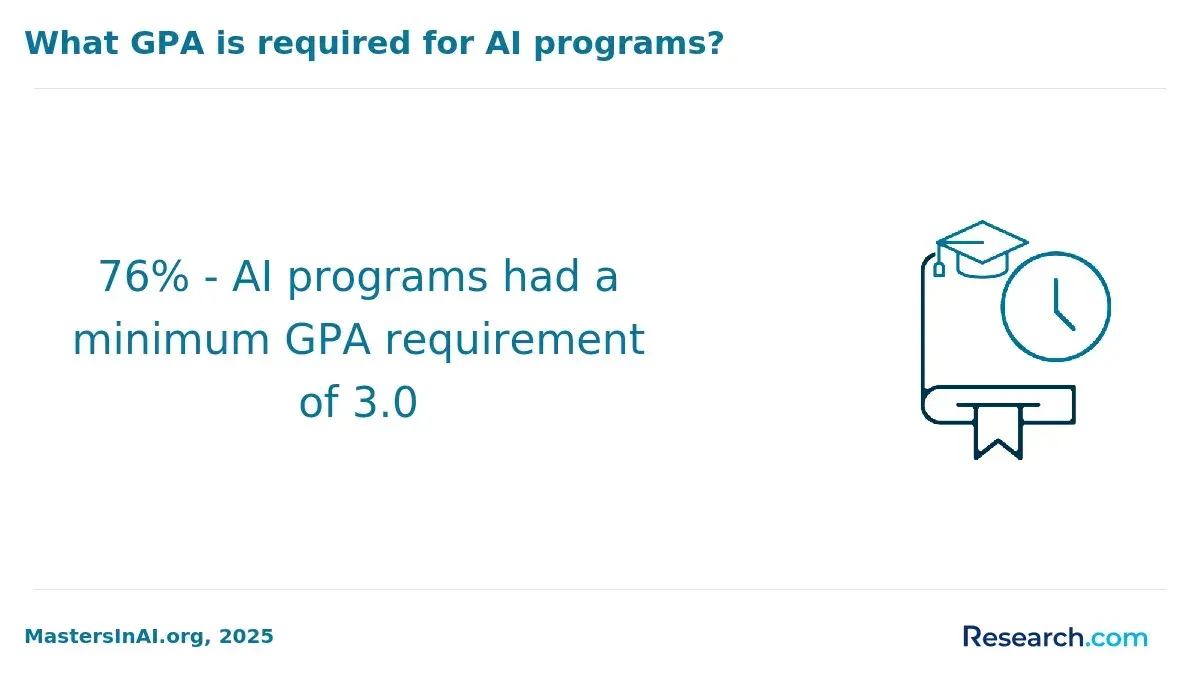
Enrollment in AI governance programs for business analysts generally requires relevant education, experience, and technical skills aligned with the program's rigor. Most programs expect candidates to hold at least a bachelor's degree in business, information technology, data science, or related fields. Advanced courses may require a master's degree or significant professional experience in analytics, compliance, or risk management.
Practical experience is highly valued. Candidates often work in data analysis, technology strategy, ethics committees, or regulatory roles. Those with 3-5 years in IT governance or business intelligence tend to grasp AI ethical challenges more effectively and apply governance frameworks to real business settings.
Technical knowledge usually includes basics of data analytics, machine learning, and coding languages like Python or R. Familiarity with AI concepts and business implications is often assumed, although some courses offer preparatory workshops for those lacking this background.
Financially, executive education in AI ethics and governance can cost several thousand to tens of thousands of dollars. Prospective students should carefully assess the investment relative to career benefits such as advancement opportunities and salary increases.
For authoritative insights on emerging trends in AI governance education, consult Research.com.
How long do AI governance courses take and what do they typically cost?
AI governance courses vary widely in length and depth, ranging from brief online classes completed in under 10 hours to intensive certificate programs exceeding 40 hours. These programs typically cover essential topics such as ethics, compliance, risk management, and regulatory frameworks in module formats, appealing to business analysts and other professionals seeking to build or expand their knowledge.
Costs also differ significantly. Many platforms provide free audit options that allow learners to access content without charge, which is ideal for those exploring the field or assessing their skills. Verified certificates that enhance professional credentials commonly cost between $100 and $500, making them a financially accessible option compared to other professional development areas.
More advanced or university-backed courses, including live instruction bootcamps, may extend several weeks and exceed $1,000 in tuition. These are intended for professionals aiming at leadership or specialization roles within AI governance.
Key considerations for prospective learners include:
- Program length relative to current expertise and career goals
- Balance between affordability and formal credentialing
- Preference for self-paced versus live instruction formats
Many AI ethics courses offer free audit access while verified certificates cost a few hundred dollars, making governance upskilling accessible, according to research.com.
What AI governance career paths can business analysts pursue after these courses?
Business analysts completing AI governance courses can access specialized career opportunities by applying their skills in managing AI systems responsibly. Common roles include AI compliance analyst, focused on ensuring AI applications meet ethical and regulatory standards, and AI risk manager, who evaluates and mitigates risks during AI deployment. AI product managers also benefit by aligning AI product development with organizational policies and safety requirements.
Additional career options include AI ethics consultant, advising organizations on ethical AI design, and AI policy advisor positions within government or corporations, where professionals help shape governance frameworks. Other roles such as data privacy analyst and AI audit specialist emphasize managing data integrity and auditing AI models for fairness and transparency.
Skills taught in AI governance programs, like those highlighted by Techcanvass-covering user stories, acceptance criteria, process analysis, and automation opportunities-are highly relevant to business analysts. These capabilities help identify AI risks and opportunities within workflows, facilitating seamless adaptation to roles in AI governance and making candidates valuable in cross-functional teams addressing AI challenges.
These career paths demand expertise in assessing AI impacts, promoting transparency, and ensuring accountable AI adoption across industries, positioning business analysts as vital players in ethical and strategic AI oversight.
How much do AI governance-focused business analysts earn and what is the job outlook?
Business analysts specializing in AI governance in the U.S. generally earn between $85,000 and $130,000 annually. Entry-level roles typically start near $75,000, while senior positions managing compliance and ethical frameworks can exceed $140,000. Credentials like IEEE CertifAIEd, CAEGP, and CertNexus CEET boost earning potential by proving expertise in responsible AI practices.
The demand for these professionals is growing alongside increasing corporate and regulatory focus on ethical AI deployment. Organizations seek analysts skilled in AI risk management, privacy, and governance policies, who can provide guidance on model transparency, bias mitigation, and regulatory compliance.
Strong demand exists particularly in finance, healthcare, and technology sectors where AI decisions have major compliance and public trust implications. These analysts often work on interdisciplinary teams and are positioned for advancement to roles such as AI ethics officer or compliance leader.
Certifications like IEEE CertifAIEd and CAEGP offer a competitive edge, and familiarity with federal guidelines and global AI ethics standards supports career growth and stability. Staying current with evolving legislation and AI risk frameworks remains crucial for long-term relevance in this field.
How can you evaluate accreditation, certificates, and program quality in AI governance?
Accreditation plays a critical role in evaluating certificates and programs in AI governance. Verify institutional accreditation through recognized bodies such as the Accreditation Council for Business Schools and Programs (ACBSP) or the Higher Learning Commission (HLC) to ensure educational standards and certificate credibility.
Certificate programs should align with industry frameworks like the IEEE Global Initiative on Ethics of Autonomous and Intelligent Systems or the AI Governance Commission. This alignment ensures coverage of key governance principles, risk management, compliance, and ethical AI considerations relevant to business analysts.
Faculty expertise is equally important. Instructors with real-world experience in AI governance enhance learning by providing practical insights and case studies on regulatory impacts and industry practices. Look for courses incorporating rigorous assessments such as project work or simulations rather than simple quizzes.
Program flexibility is vital for professionals balancing work and study. Quality certificates offer comprehensive content with online or hybrid delivery methods. IBM's Global AI Adoption Index reports 42% of enterprise-scale organizations have deployed AI, increasing demand for governance training focused on responsible AI integration and ethical management.
When selecting a program, consider these factors to ensure the certificate not only reflects theoretical knowledge but also equips learners with applied governance skills essential for the evolving AI landscape.
Other Things You Should Know About Artificial Intelligence
In 2027, the top AI governance courses for business analysts include "AI Governance for Business" by Massachusetts Institute of Technology (MIT), Stanford University's "AI Governance in the Modern Enterprise," and the "AI Policy and Governance" course offered online by Coursera in collaboration with Google.
AI governance frameworks prioritize data ethics and privacy by enforcing standards for data collection, usage, and sharing within business processes. For business analysts, this means adhering to guidelines that protect sensitive information and prevent bias in data-driven decisions. Strong governance promotes responsible ai deployment, ensuring compliance with laws like GDPR and avoiding ethical pitfalls.
Business analysts act as intermediaries between technical teams and decision-makers, ensuring ai systems comply with governance policies while meeting business objectives. They monitor system outputs for fairness, accuracy, and compliance, identify potential risks, and recommend adjustments. Their role is critical in continuous improvement and transparent reporting of ai performance.
Yes, several industry standards and certifications guide ai governance practices, such as ISO/IEC JTC 1/SC 42 for artificial intelligence and the IEEE P7000 series on ethical considerations. Business analysts should also consider certifications in data privacy, risk management, and compliance, which complement ai governance knowledge. Familiarity with these standards helps ensure best practices and enhances professional credibility.
References
- Best AI course for Business Analyst? https://elisto.org/blogs/best-ai-course-for-business-analyst/best-ai-course-for-business-analyst
- Business Analytics with Generative AI - Online | London Business School https://www.london.edu/lbs-online/business-analytics-with-generative-ai
- What is your educational background? https://community.spiceworks.com/t/what-is-your-educational-background/821745
- What is AI Governance? The Ultimate Guide https://thetalake.com/blog/what-is-ai-governance/
- AI Governance Professional Certification | CertiProf https://certiprof.com/products/ai-governance-certification-iso-42001
- AI in Risk Management and Governance: Why Certification Matters - PECB https://pecb.com/en/article/ai-in-risk-management-and-governance-why-certification-matters
- What Does AI Governance Cost? Budgets by Org Size https://governance.aicareer.pro/blog/the-costs-of-ai-governance
- Are You an AI-Ready Business Analyst? | Analyst Catalyst Blog https://www.iiba.org/business-analysis-blogs/are-you-an-ai-ready-business-analyst/
- AI Business Analyst Course | Get Future Ready with AI skills https://techcanvass.com/Courses/AI-Certification-for-Business-Analysts
- Business Analyst Salary Guide 2026 - KORE1 https://www.kore1.com/business-analyst-salary-guide/