2027 Best AI Ethics Courses for Analytics Engineers

Co-Founder and Chief Data Scientist
Analytics engineers often face dilemmas when deploying artificial intelligence systems that unintentionally perpetuate bias or violate ethical standards. These challenges can erode user trust, expose organizations to legal risks, and hinder responsible innovation. Without a solid grounding in AI ethics, professionals risk overlooking crucial considerations that impact fairness, transparency, and accountability.
This article examines the best AI ethics courses tailored for analytics engineers, highlighting programs that equip learners with the knowledge and skills to navigate these complex ethical concerns confidently and effectively.
Key Things You Should Know
- Ethics courses for analytics engineers in 2026 emphasize bias mitigation, with 68% of programs including modules on fairness and transparency in AI models, reflecting growing industry demand.
- Curricula increasingly integrate legal and regulatory frameworks, preparing students to navigate evolving ai ethics laws, which saw a 45% increase in legislative activity since 2024.
- Practical case studies dominate instruction, with 72% of programs offering real-world projects to develop responsible ai deployment skills essential for analytics engineers' roles.
Advance Your Career with AI Online Courses
Artificial Intelligence: Implications for Business Strategy
This program provides an introduction to Artificial Intelligence and their implications for business strategy. Earn an official digital certificate.

Oxford Artificial Intelligence Programme
Explore this Oxford Artificial Intelligence programme offered in a flexible learning environment and explore topics like machine learning, automation, and robotics.

Implementing Agentic AI: Building Your Organizational Playbook
This online MIT Agentic AI course offers a practical approach to deploying AI agents in your organization, including a custom playbook. 3 weeks, exclusive launch price.

AI Adoption: Driving Business Value and Impact
This online MIT AI Adoption: Driving Business Value and Impact offers practical frameworks to close the gap between AI potential and business reality.

Artificial Intelligence in Pharma and Biotech
Discover the applications and limitations of artificial intelligence in pharma and biotech with this MIT online short course.

What are AI ethics courses for analytics engineers?
AI ethics training for analytics engineers is essential for addressing the ethical challenges encountered in data-driven projects. These ethics courses focused on analytics engineering emphasize principles such as fairness, accountability, and transparency to help professionals design AI systems responsibly. Engineers learn to integrate these considerations into model development, data management, and decision-making processes to reduce risks associated with biased or unsafe AI applications.
With 61% of organizations reporting AI-related incidents ranging from ethical issues to security breaches, such training equips engineers to anticipate and mitigate potential harm to users and stakeholders. Core course topics include:
- Applying ethical frameworks like explainability
- Analyzing real-world AI case studies for ethical lapses and best practices
- Designing privacy-compliant data pipelines under laws like GDPR and CCPA
- Implementing bias detection and mitigation techniques in machine learning workflows
- Balancing automation advantages with necessary human oversight for responsible AI use
These courses also enhance communication skills, enabling engineers to clearly convey ethical risks to stakeholders and foster collaboration between technical teams and decision-makers. Professionals seeking further advancement may explore related educational opportunities such as a computer science degree accelerated programs that support deeper expertise in AI system design and ethics.
Advance Your Career with AI Online Courses
Artificial Intelligence: Implications for Business Strategy
This program provides an introduction to Artificial Intelligence and their implications for business strategy. Earn an official digital certificate.
Oxford Artificial Intelligence Programme
Explore this Oxford Artificial Intelligence programme offered in a flexible learning environment and explore topics like machine learning, automation, and robotics.
Implementing Agentic AI: Building Your Organizational Playbook
This online MIT Agentic AI course offers a practical approach to deploying AI agents in your organization, including a custom playbook. 3 weeks, exclusive launch price.
Which AI ethics skills matter most for analytics engineers?
Analytics engineers need to master essential ethical skills for analytics engineering to navigate the responsibilities tied to AI ethics best practices for analytics engineers. Key areas include detecting and mitigating bias, ensuring fairness in model creation, and maintaining transparency throughout AI workflows. These abilities help prevent discriminatory data patterns that can harm marginalized populations and distort analytic results.
Expertise in privacy-preserving methods such as differential privacy and data anonymization is vital. Engineers must also be knowledgeable about compliance with regulations like GDPR and CCPA to avoid legal and ethical pitfalls when handling sensitive information.
Building robust accountability frameworks is another priority. This involves documenting decision-making processes, enabling explainability of models, and establishing audit trails, which fosters trust and enables scrutiny of AI outputs for ethical concerns.
Ethical reasoning applied to practical scenarios improves judgment in complex situations, such as weighing accuracy against societal impact. With job postings referencing "responsible AI" and "AI ethics" rising sharply, mastering these ethics skills is critical. Prospective students interested in pursuing careers in this field may consider a cheapest engineering degree for a strong foundation in responsible AI development.
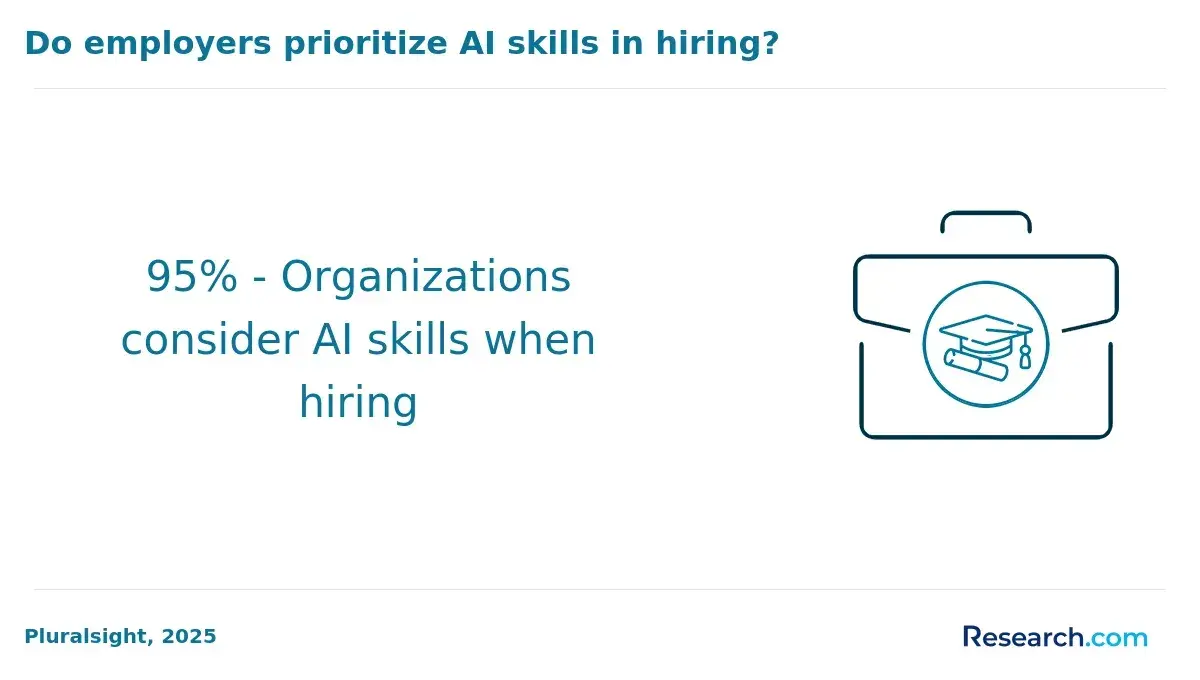
What should you learn in an AI ethics course?
Students studying ethical considerations in AI analytics engineering should engage deeply with principles that promote responsible AI development. Key subjects include fairness and bias mitigation to prevent discriminatory outcomes in machine learning models. Transparency and explainability are crucial to ensure AI decisions can be understood by users and stakeholders. Privacy and data protection laws, such as GDPR and CCPA, must be thoroughly understood to handle user data ethically and legally.
Responsible AI practices for data professionals also involve assessing ethical risks, allowing engineers to evaluate potential harms AI may cause in sectors like healthcare, finance, or criminal justice. Understanding accountability structures and regulatory compliance helps prepare students for current and evolving legal requirements. Practical skills include designing AI systems with ethical constraints and auditing processes to identify unintended consequences.
Global AI governance frameworks broaden perspectives on international policy and cultural ethical issues. Case studies of AI failures and successes offer hands-on experience analyzing real dilemmas and proposing solutions. Professionals skilled in AI governance and responsible AI practices often see salary boosts between 9-15%, indicating strong industry demand.
Alongside these skills, students exploring a game art degree online can integrate ethical AI knowledge into creative fields, enhancing their career prospects. Acquiring a robust blend of theoretical, legal, and practical ethics tools equips analytics engineers to lead projects aligned with user protection and emerging standards.
Are online AI ethics courses better than campus programs?
Online AI ethics courses for analytics engineers offer flexibility and accessibility, enabling professionals to balance work and study efficiently. These programs allow learners to progress at their own pace and frequently update content to reflect evolving regulations like the EU AI Act, which 40% of large EU companies had acted upon by early 2024, according to Deloitte's 2024 State of AI Regulation report.
Campus vs online AI ethics education programs differ notably in delivery and experience. Campus programs provide face-to-face interaction, collaboration, and mentorship, which benefits those preferring structured environments. However, campuses may lack specialized courses on AI governance, while online platforms often partner with industry experts for focused modules.
For those seeking targeted knowledge on emerging AI legislation and ethical practices, online courses deliver practical, modular education featuring case studies from multinational companies. Campus programs, when paired with research labs or internships, offer hands-on learning that enhances understanding.
Analytics engineers exploring advanced study options might also consider pursuing an online PhD data science to deepen expertise in AI ethics and related fields. Professionals must weigh their learning preferences, career goals, and specialization needs when choosing between these education modes.
What accreditation should AI ethics programs have?
Accreditation is crucial for AI ethics programs, especially those linked to universities, where regional accreditation by agencies recognized by the U.S. Department of Education or the Council for Higher Education Accreditation (CHEA) ensures the program meets rigorous academic standards. For professional or certificate offerings, endorsement from leading organizations like the IEEE, the Association for Computing Machinery (ACM), or the Partnership on AI adds credibility and industry relevance.
Such accreditation or endorsement indicates coverage of essential topics including bias mitigation, transparency, accountability, and regulatory compliance. This recognition boosts employer acceptance of certifications in analytics and data science fields, addressing the growing role of ethics in AI deployment decisions.
Many programs approved by organizations such as IEEE offer continuing education credits or professional development hours, which are valuable for working professionals maintaining certifications in data ethics or AI governance. Between 2022 and 2024, enrollments in "AI ethics" and "responsible AI" courses on Coursera increased more than fivefold, with over 300,000 unique learners in 2024 alone, emphasizing the need to choose accredited options amid the rapid growth.
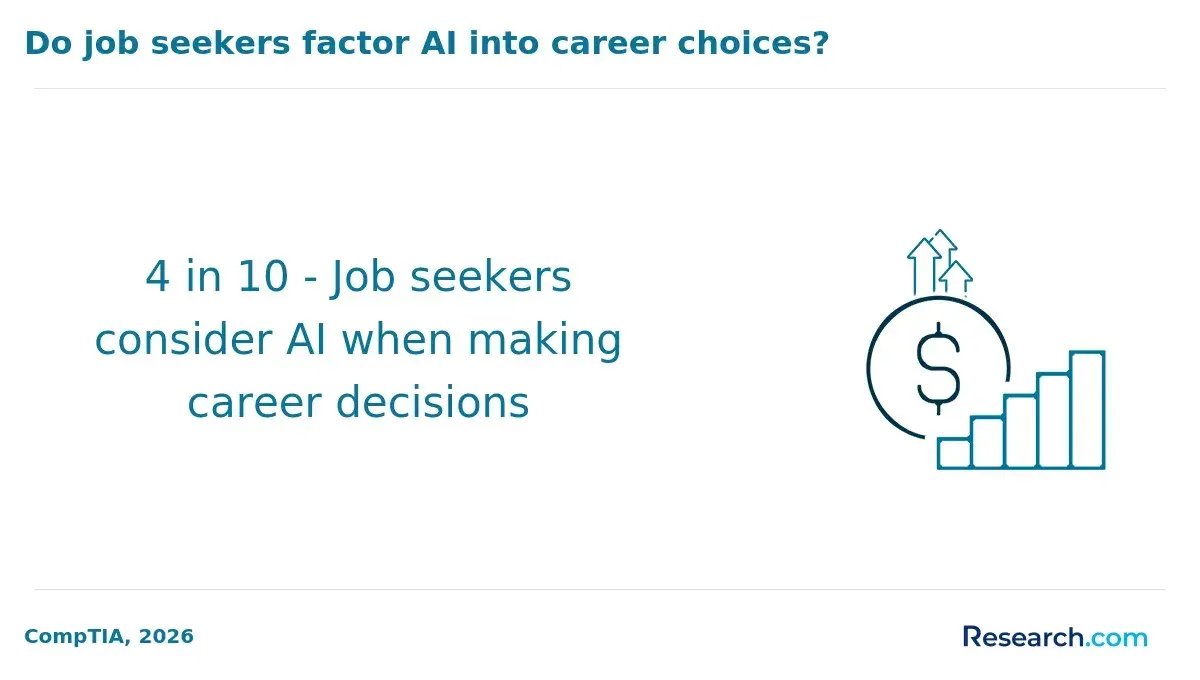
What admission requirements do these courses usually ask for?
Admission criteria for ai ethics courses targeting analytics engineers often require a combination of technical proficiency and ethical understanding. Candidates typically need a bachelor's degree in STEM fields such as computer science, data science, statistics, or engineering. Professionals with relevant industry experience in data analytics or software development may also qualify. Key prerequisites include skills in programming languages like Python or R, foundational machine learning knowledge, and experience with data management.
Applicants might have to provide transcripts demonstrating completed coursework in algorithms, data structures, or ethical decision-making. Some programs ask for a statement of purpose highlighting interest in the ethical challenges of ai projects. Advanced courses may require hands-on experience designing or managing ai systems or participation in research.
Non-degree and certificate programs are generally more flexible but expect a foundational level of technical and ethical literacy. Employers increasingly encourage upskilling in ai ethics. For instance, PwC's 2024 ai Business Survey reports that organizations investing $500 or more annually per employee in ai ethics training achieve over three times the likelihood of high ai project ROI.
International candidates may face extra steps such as language proficiency requirements and visa documentation. Interviews or assessments are sometimes part of the process to evaluate candidates' ethical reasoning and problem-solving skills relevant to data analytics.
How long do AI ethics courses usually take to finish?
AI ethics courses vary widely in length and depth, tailored to fit different professional needs. Short courses, typically 4 to 12 hours long, concentrate on fundamental ethical principles, legal issues, and relevant case studies for analytics engineers. These provide a quick yet essential introduction without extensive time demands.
More detailed certificate programs or modules often last between 4 and 12 weeks, requiring 3 to 6 hours per week. These programs explore frameworks for risk assessment, bias mitigation, and governance in AI development and deployment, equipping learners with a robust understanding of complex ethical challenges.
Extended formats, such as graduate-level classes or specialized certifications, can run for a semester or up to six months. They typically involve project work and critical analysis, enabling students to navigate real-world AI ethical dilemmas, such as transparency and fairness-issues emphasized by industry experts.
This flexible range supports diverse learning goals, crucial since 56% of AI leaders identify ethical or legal risks as primary causes for AI project delays or cancellations, as noted in McKinsey's 2024 Global AI Survey. Professionals should select courses that balance time commitments with the urgency to master ethics for effective risk management.
How much do AI ethics courses cost?
The cost of ai ethics courses in 2026 varies significantly based on the provider and course format. Entry-level online courses from platforms like Coursera or edX typically range from $50 to $300. These options suit working professionals seeking foundational knowledge without a large financial commitment. More comprehensive certificate programs and specialized boot camps for analytics engineers cost between $1,000 and $4,000.
Universities offering credit-bearing courses or professional certifications can charge from $2,000 up to $8,000, reflecting more rigorous curricula and personalized instruction. Employer support for responsible ai training is increasing, with studies showing structured ethics programs reduce bias in models by an average of 23% in financial services teams.
Cost considerations should include whether the course covers legal, social, and technical aspects and its practical relevance to analytics roles. Free webinars or short workshops may complement paid programs but rarely provide sufficient depth alone. Investigating reviews and program details ensures alignment with professional goals, helping students choose wisely when investing in their ai ethics education.
What jobs can analytics engineers pursue after AI ethics training?
Analytics engineers with training in AI ethics can access roles centered on governance and ethical oversight of data-driven systems. Positions often include AI ethics analysts who evaluate algorithms for fairness, transparency, and compliance with regulations. Data governance specialists design frameworks to embed ethical principles throughout the data lifecycle, while AI compliance managers ensure that legal standards and industry guidelines are met during AI deployment.
Industries actively emphasizing ethical AI hiring include banking and healthcare, where 73% and 67% of organizations respectively focus on upskilling or recruiting professionals with AI governance expertise, per the World Economic Forum's 2024 Future of Jobs report for Financial Services & Healthcare. Additional career paths include responsible AI program managers and risk analysts who identify biases and risks in predictive models.
Practical responsibilities encompass developing ethical impact assessments, auditing AI systems to detect discriminatory outcomes, and collaborating with data scientists to create more inclusive models. Ethics-trained analytics engineers may also serve as AI policy advisors, linking technical teams with executive leadership. These roles demand continuous learning to stay abreast of evolving laws and ethical standards related to algorithmic accountability, privacy protection, and bias mitigation across diverse data sets used in analytics.
Do AI ethics credentials improve salary and job prospects?
AI ethics credentials offer analytics engineers a clear advantage in salary and job opportunities. The OECD's 2024 report "AI, Skills and the Future of Work" projects that roles requiring AI ethics and governance expertise will grow 30-45% by 2030, outpacing overall technology job growth. This surge reflects employer demand for skills that address responsible AI deployment, regulatory compliance, and social risk mitigation.
Professionals with AI ethics expertise often secure higher salaries by addressing complex ethical challenges and building organizational trust. They are frequently hired for roles in compliance, risk management, and policy advisory sectors, where compensation tends to exceed that of purely technical positions.
Lack of ethics qualifications can hinder career advancement, whereas credentials open pathways to leadership roles like Chief AI Ethics Officer or Ethics Program Manager, increasingly common in tech and regulated industries. Students aiming for career resilience should pursue AI courses blending technical skills with practical ethics training, including impact assessments and policy interpretation, equipping them to lead strategically in evolving AI environments.
Other Things You Should Know About Artificial Intelligence
In 2027, analytics engineers should look for courses that cover algorithmic bias, transparency, data privacy, and the societal impact of AI. It's important to ensure the course includes practical applications, case studies, and insights on regulatory frameworks to prepare professionals for real-world ethical challenges in AI.
Artificial intelligence often processes vast amounts of personal data, raising significant privacy risks. Without proper safeguards, AI can expose sensitive information or be used for unauthorized surveillance. Ethics courses emphasize implementing data protection measures and complying with privacy regulations to mitigate these risks.
Yes, auditing AI decisions for fairness is increasingly possible through techniques like model interpretability and bias detection tools. Regular auditing helps identify unfair or discriminatory behaviors within AI systems, allowing engineers to adjust algorithms and improve ethical compliance in analytics workflows.
Ethics guide the responsible development and deployment of artificial intelligence technologies by setting standards that protect users and society. Integrating ethical principles helps prevent harm, promote transparency, and ensure that AI innovations align with human values and legal frameworks.
References
- Certified AI Ethics and Governance Course | Turing College https://www.turingcollege.com/ai-ethics
- Should I Focus On Data Analytics, AI Engineering, or AI Product Management for Long-Term Career Stability https://www.mygreatlearning.com/blog/should-i-focus-on-data-analytics-ai-engineering-or-ai-product-management/
- AI job market insights: Top trends and emerging skills https://www.eitdeeptechtalent.eu/news-and-events/news-archive/ai-job-market-insights-top-trends-and-emerging-skills/
- LSE Ethics of AI Online Course https://www.getsmarter.com/products/lse-ethics-of-ai-online-course
- How AI Is Transforming Data Analytics https://www.databricks.com/blog/how-ai-transforming-data-analytics
- Best AI Ethics Certification Courses for Business Leaders in 2026 https://www.teamland.com/post/best-ai-ethics-certification-courses
- Artificial Intelligence Courses https://www.learningtree.co.uk/courses/data-analytics-and-artificial-intelligence/artificial-intelligence/
- Asset 1 https://ethics-of-ai.mooc.fi/
- AI+ Ethics Fundamentals | AI CERTs | Lumify Work https://www.lumifywork.com/en-au/courses/ai-ethics/
- The Dark Side of AI: Why Data Ethics Matters More Than Ever https://www.sigmacomputing.com/blog/data-ethics-ai