2027 Best Agentic AI Courses for Employee Experience Teams

Co-Founder and Chief Data Scientist
Employee experience teams often struggle to integrate agentic ai effectively, limiting their ability to automate personalized interactions and optimize workplace engagement. Without targeted knowledge, professionals may face challenges in selecting relevant training that bridges their background to specialized ai skills. This gap reduces operational efficiency and hinders innovation in employee support systems.
The article explores top agentic ai courses designed specifically for these teams, focusing on accessible, flexible, and accredited options. It aims to guide prospective learners in identifying programs that empower them to apply agentic ai tools confidently and transform employee experience within their organizations.
Key Things You Should Know
- Agentic AI courses for employee experience teams focus on empowering workers through autonomous decision-making and adaptive workflows, enhancing productivity by up to 25% according to 2025 industry reports.
- These courses commonly integrate ethics, user-centric design, and real-time data analysis, addressing evolving workplace demands and compliance regulations shaping AI deployment in HR.
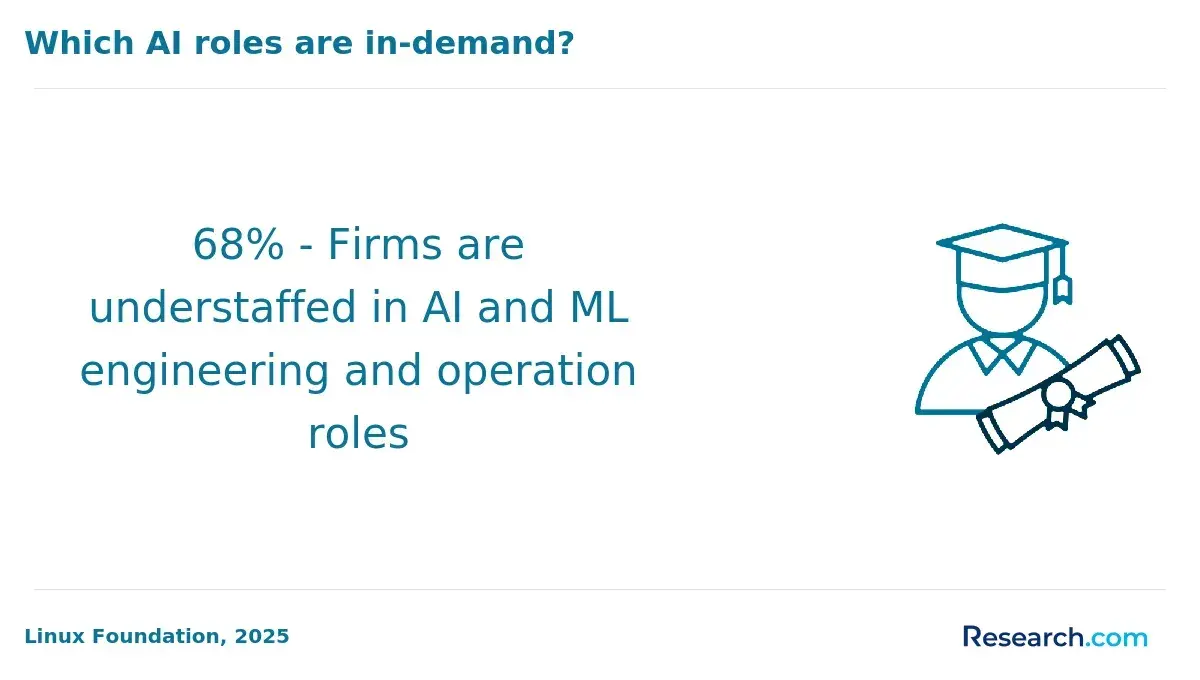
- Projected job growth in AI roles related to employee experience is 18% through 2028, highlighting increasing demand for professionals skilled in agentic AI applications within organizational strategies.
Advance Your Career with AI Online Courses
Artificial Intelligence: Implications for Business Strategy
This program provides an introduction to Artificial Intelligence and their implications for business strategy. Earn an official digital certificate.

Oxford Artificial Intelligence Programme
Explore this Oxford Artificial Intelligence programme offered in a flexible learning environment and explore topics like machine learning, automation, and robotics.

Implementing Agentic AI: Building Your Organizational Playbook
This online MIT Agentic AI course offers a practical approach to deploying AI agents in your organization, including a custom playbook. 3 weeks, exclusive launch price.

AI Adoption: Driving Business Value and Impact
This online MIT AI Adoption: Driving Business Value and Impact offers practical frameworks to close the gap between AI potential and business reality.

Artificial Intelligence in Pharma and Biotech
Discover the applications and limitations of artificial intelligence in pharma and biotech with this MIT online short course.

What is agentic AI and why does it matter for modern employee experience teams?
Agentic AI systems autonomously make decisions and perform goal-directed actions, allowing them to handle complex tasks without constant human oversight. This capability is transforming HR operations by automating routine activities like scheduling, data entry, and employee inquiries. For modern employee experience (EX) teams, agentic AI applications in employee experience help free staff to concentrate on strategic and personalized engagement efforts. For instance, an agentic AI chatbot can independently manage onboarding questions, escalate issues contextually, and update employee records, which boosts efficiency and responsiveness.
The impact of agentic AI on modern workforce management extends beyond task automation. It supports predictive analytics by analyzing trends and generating actionable insights for workforce planning and talent retention. EX professionals skilled in agentic AI can design and optimize these tools, enhancing their influence in hybrid and remote work environments.
To stay competitive, EX teams must develop competencies in AI workflow integration, natural language processing, and decision automation. These skills are essential not only to improve processes but also to address ethical considerations, bias mitigation, and employee trust in AI-driven systems. Without such training, teams risk obsolescence as automation reshapes traditional roles.
Those interested in advancing their careers through AI-related skills should consider accredited data science programs that provide comprehensive training in these areas.
Advance Your Career with AI Online Courses
Artificial Intelligence: Implications for Business Strategy
This program provides an introduction to Artificial Intelligence and their implications for business strategy. Earn an official digital certificate.
Oxford Artificial Intelligence Programme
Explore this Oxford Artificial Intelligence programme offered in a flexible learning environment and explore topics like machine learning, automation, and robotics.
Implementing Agentic AI: Building Your Organizational Playbook
This online MIT Agentic AI course offers a practical approach to deploying AI agents in your organization, including a custom playbook. 3 weeks, exclusive launch price.
How can agentic AI courses specifically improve employee experience, engagement, and HR workflows?
Agentic AI courses for enhancing employee engagement and productivity equip HR professionals with the skills to deploy autonomous AI systems that streamline workflows and improve interactions. These courses focus on AI that anticipates employee needs, automates routine tasks, and personalizes communication, reducing administrative burdens and allowing HR to prioritize strategic initiatives.
By implementing agentic AI training for optimizing HR workflows and employee experience, organizations can automate processes like onboarding, benefits management, and performance tracking. For instance, AI-driven tools can autonomously schedule interviews and respond to common inquiries, freeing HR teams from repetitive tasks. This automation improves response times and reduces errors, resulting in smoother employee journeys.
Employee engagement is enhanced through AI-powered support systems that offer real-time assistance and tailored resources. Such systems deliver timely information and relevant learning opportunities, fostering employee growth and satisfaction. Adoption of AI at scale can lead to a median 20-30% improvement in employee satisfaction with digital tools and processes, supported by data from McKinsey State of AI in the Enterprise.
Ethical AI implementation and data privacy are emphasized in these courses, balancing automation with human oversight to maintain trust, especially in sensitive areas like conflict resolution and performance feedback. Prospective students seeking to advance in HR technology may explore online AI degree programs to deepen their knowledge and impact workplace experiences.
What types of agentic AI courses are best for employee experience, HR, and people ops professionals?
Agentic artificial intelligence courses for HR professionals focus on practical skills that enhance employee experience (EX) and streamline people operations. These courses cover automating routine tasks, interpreting AI-driven analytics for talent acquisition, and applying machine learning to personalize employee engagement. Training often includes AI-powered HR platforms, natural language processing (NLP) for sentiment analysis, and ethical use of AI within HR practices.
The best agentic AI training for employee experience teams emphasizes hands-on projects simulating real-world HR scenarios, ensuring professionals gain experience with onboarding automation, performance reviews, and internal communication management. Topics such as change management, human-centered AI design, data privacy compliance, and bias mitigation are essential to promote fair and ethical AI deployment.
Growth in job postings requiring AI skills for HR and people ops-up over 60% year-over-year-highlights the increasing importance of expertise in this area. Professionals should pursue courses offering recognized certification to demonstrate proficiency. Programs fostering cross-functional collaboration between HR, IT, and data science teams enable smoother AI adoption and integration within organizations.
For those considering broader options for technology-related education, exploring game design courses online can offer insight into AI applications in interactive media and development.
What should you look for in the curriculum of an agentic AI course for employee experience?
Look for an agentic ai course curriculum essentials for employee experience teams that balances technical foundations with practical applications tailored for HR functions. The curriculum should cover natural language processing, machine learning models, and decision-making algorithms focusing on HR processes and workplace automation. Hands-on projects using real-world EX data or simulations help build actionable skills. Ethical topics such as privacy and bias mitigation are crucial for responsible AI deployment in employee management.
Key learning outcomes in agentic ai for employee experience professionals include training on integrating AI with existing EX platforms like feedback tools, performance management, and recruitment software. This prepares learners to harness agentic AI for reducing administrative workload and enhancing personalization, such as automating routine HR inquiries and tailoring engagement initiatives with AI insights.
Change management and user adoption strategies are vital components, addressing communication plans, user training, and measuring AI's impact on employee satisfaction and productivity. Companies providing AI skills training for non-technical staff like HR and EX teams were 2.1× more likely to report cost reductions and 2.7× more likely to report revenue increases, highlighting the tangible benefits of well-designed curricula.
For those curious about the role, here is a useful resource on what does an AI trainer do, offering insights relevant to AI education and career paths in this field.
How do online, hybrid, and on-campus agentic AI programs compare for working professionals?
Agentic AI programs in online, hybrid, and on-campus formats each serve different professional needs in employee experience management. Online programs offer unparalleled flexibility and allow learners to study asynchronously, ideal for those balancing full-time roles and seeking quick, practical skills in AI-driven HR technology. Data from Moveworks highlights agentic AI's impact, reducing HR tickets by 30-40% and cutting resolution time by half.
Hybrid programs blend virtual instruction with occasional in-person sessions, providing hands-on learning and networking. This format supports professionals desiring deeper technical knowledge and face-to-face mentorship while maintaining work commitments. Workshops and lab exercises in hybrid programs enhance the ability to deploy agentic AI tools effectively within employee experience teams.
On-campus programs emphasize immersive learning with direct faculty interaction, suited for those pursuing foundational knowledge, research, or leadership roles in AI-driven HR transformation. These programs cover both theoretical frameworks and practical implementation of agentic AI in workplace ecosystems.
Choosing between these modes depends on factors such as time availability, learning style, and career ambitions. Online solutions maximize flexibility, hybrid balances engagement and convenience, and on-campus fosters deep collaboration. Each pathway aids adoption of agentic AI, which enhances team productivity and significantly improves employee experiences.
Which accreditation, certificates, or industry standards are most important for agentic AI training?
Accreditation, certificates, and adherence to established standards are crucial for rigorous training in agentic AI. Key credentials like the Certified Artificial Intelligence Practitioner (CAIP) and the Professional Certificate in Machine Learning and Artificial Intelligence validate essential skills in autonomous AI systems. For employee experience teams, alignment with IEEE's Ethically Aligned Design and the ISO/IEC JTC 1/SC 42 series on AI governance ensures responsible AI deployment focused on transparency and accountability.
These standards help mitigate risks linked to bias and errors in AI functionalities that impact onboarding and training. Certifications that include practical experience with AI-driven onboarding tools are especially valuable. Research shows companies deploying these tools reduce new-hire time-to-productivity by 30-50%, particularly in knowledge-worker roles (Deloitte Human Capital Trends).
When selecting training programs, prospective students should verify inclusion of:
- Hands-on projects using agentic AI to enhance employee experience
- Ethical AI design principles grounded in industry standards
- Instruction on natural language processing, decision logic, and human-machine collaboration
Acquiring such credentials prepares professionals to effectively apply and manage agentic AI technologies that improve onboarding, learning, and productivity in modern organizations.
What are the typical admission requirements and prerequisites for agentic AI courses in the U.S.?
Admission to agentic AI courses in the U.S. typically requires a bachelor's degree in computer science, engineering, data science, or related STEM fields. Candidates must demonstrate solid programming skills, often in Python or Java, alongside foundational knowledge in machine learning and statistics. Advanced courses may also expect experience with AI frameworks, cloud computing, or data engineering.
Standardized tests like the GRE are less commonly required, especially for certificate or professional development programs aimed at working professionals. Instead, many programs value relevant work experience or portfolio evidence, such as contributions to open-source AI projects on platforms like GitHub.
Prerequisites frequently include completed coursework in linear algebra, probability theory, and algorithms. Practical skills in deploying AI models and teamwork abilities are also emphasized, reflecting industry demands for collaboration and real-world application. Certifications in cloud platforms such as AWS or Azure further strengthen applicants' profiles.
Industry trends show a rapid increase in adopting agentic AI. According to the Gartner Hype Cycle for Artificial Intelligence, by 2026 over 80% of enterprises will use generative or agentic AI APIs or models in production, up from less than 5% in 2023. This underlines growing demand for education that blends technical expertise with deployment knowledge.
- Minimum bachelor's degree in STEM or related disciplines
- Proficiency in programming and machine learning fundamentals
- Completion of math and algorithm prerequisites
- Standardized tests less frequently required
- Relevant work experience can substitute formal education
- Importance of practical AI deployment knowledge
- Preferred skills: cloud certifications and portfolio projects
How long do agentic AI programs for employee experience teams take and what do they cost?
Agentic AI programs for employee experience (EX) teams generally last between 4 and 12 weeks, depending on their focus and depth. Shorter courses, typically 4 to 6 weeks, cover foundational skills like AI capabilities and ethical considerations. More extensive programs, running 10 to 12 weeks, include hands-on modules for creating AI-driven tools and managing governance frameworks.
Costs vary widely based on provider and content. Entry-level courses start at $800 to $1,500, suitable for HR professionals seeking foundational knowledge. Advanced certification courses range from $2,000 to $5,000, often featuring practical projects, expert interaction, and compliance training.
Since 73% of HR leaders express concern about AI-related risks but only 35% of organizations offer formal AI governance training, programs emphasizing governance, ethics, privacy, and bias prevention are vital. Case studies on failed governance help professionals anticipate and manage compliance risks effectively.
Flexibility is a key consideration-weekend or evening classes help accommodate working professionals. Certification recognized by industry bodies can boost career prospects. Additionally, organizations should explore group pricing or corporate bundles, which can reduce costs by 15% to 25%.
What careers, roles, and internal pathways can agentic AI skills open within employee experience?
Agentic AI skills unlock a variety of career opportunities within employee experience (EX) teams, enabling professionals to create and refine AI-driven workplace solutions. Key roles include AI integration specialists who customize tools to automate routine HR tasks like onboarding and performance tracking. Learning and development managers apply these skills to develop tailored, AI-powered training modules that adjust to individual employee needs. Workforce analysts use agentic AI to analyze employee feedback and forecast turnover risks, improving retention efforts.
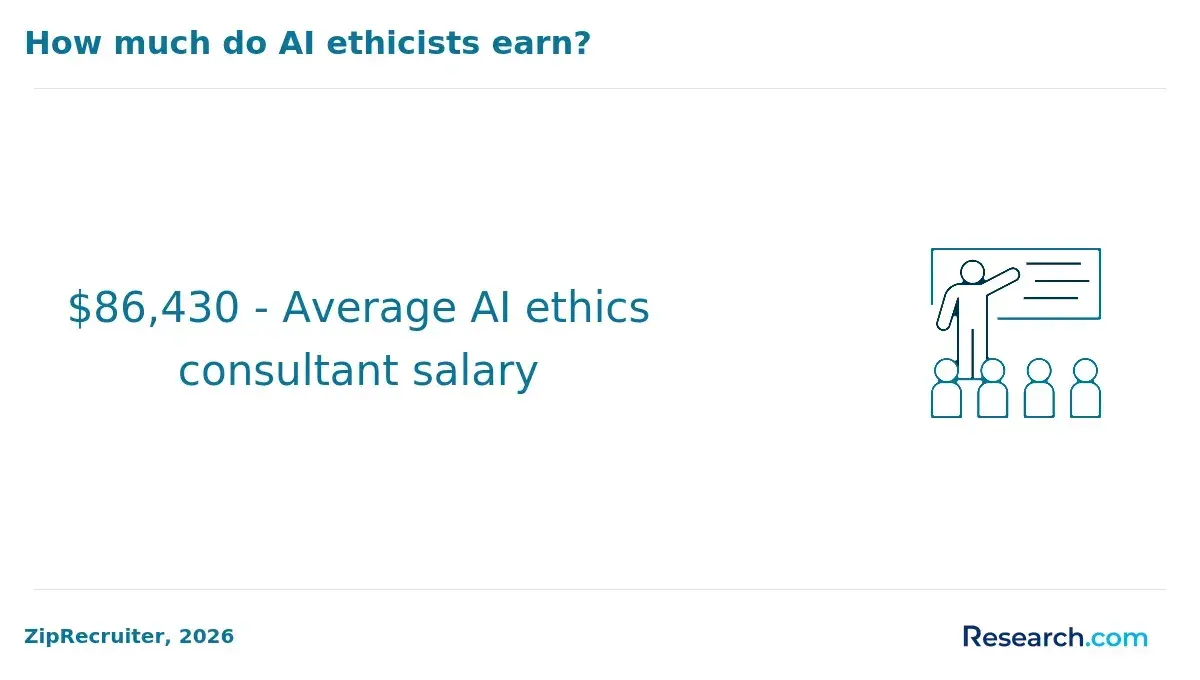
Emerging positions such as AI ethics officers ensure the responsible application of agentic AI in HR, while automation coordinators manage the collaboration between human teams and AI systems. Operations managers boost efficiency by automating scheduling and resource allocation. Employee experience designers enhance support services through conversational AI, reducing time staff spend handling routine inquiries.
Microsoft's Work Trend Index reveals that 75% of employees expect AI to assist with the most tedious aspects of their jobs, yet only 27% report receiving AI skills training. This gap stresses the value of agentic AI competencies for EX professionals aiming to lead digital transformation and foster culture change.
Developing expertise in agentic AI equips professionals to drive innovation and meet evolving workforce demands across the HR and employee experience landscape.
What salary potential and job outlook can EX and HR professionals expect after agentic AI upskilling?
HR and employee experience (EX) professionals who develop skills in agentic AI can unlock higher salaries and better job prospects. Data from the Burning Glass Institute reveals that HR roles requiring AI or automation expertise pay on average 22% more than comparable positions without these skills. This salary premium highlights the growing demand for AI proficiency within EX teams.
As organizations increasingly implement AI-driven tools for talent management and workforce planning, professionals with agentic AI expertise are in demand for roles like AI-enabled HR analyst, workforce automation specialist, and digital employee experience strategist. Mid-career salaries in these roles typically start near $85,000 and can exceed $110,000 with experience, outperforming traditional HR positions.
The specific advantages of AI skills include:
- Eligibility for specialized roles focused on predictive analytics and automated decision-making
- Opportunities to lead AI integration projects that improve employee workflows
- Greater competitiveness for leadership roles within HR technology teams
For those currently in HR or EX lacking AI skills, acquiring agentic AI expertise offers a way to overcome stagnant wages and limited advancement. Combining technical and analytical capabilities with HR knowledge positions candidates for career growth. Continuing education in areas such as machine learning applications, ethical AI use, and intelligent automation will further enhance earning potential and job security.
Other Things You Should Know About Artificial Intelligence
Artificial intelligence can automate repetitive tasks within employee experience roles, which may change job responsibilities but does not necessarily lead to job loss. Instead, AI often shifts the focus toward more strategic, analytical, and interpersonal tasks that require human oversight. Upskilling in AI helps professionals stay relevant by complementing their expertise with technical knowledge.
In 2027, top recommended AI courses for employee experience teams include those focusing on machine learning applications in HR, such as "AI in HR: Integrating Intelligent Systems" offered by Coursera, and workshops on AI-driven employee engagement analytics available through LinkedIn Learning.
Yes, artificial intelligence can enhance employee wellbeing by analyzing data patterns to identify burnout risks and recommend personalized interventions. AI-driven platforms can provide real-time feedback, facilitate better workload distribution, and support mental health through virtual coaching. These tools enable HR teams to respond proactively to employee needs.
Beyond technological skills, professionals need strong data literacy, ethical reasoning, and change management abilities to work effectively with AI. Communication skills are essential to translate AI insights into actionable strategies and to foster employee trust in AI initiatives. Critical thinking helps in assessing AI outputs and ensuring they align with organizational goals.
References
- Best Certification for Learning Agentic AI in 2026 Guide https://www.knowledgehut.com/blog/artificial-intelligence/best-certification-for-learning-agentic-ai
- Agentic AI BootCamp: Capstone and 10+ Hands-On Live Projects https://agilefever.com/bootcamps/agentic-ai-bootcamp/
- 5 Ways Agentic AI Transforms Employee Experiences https://www.processmaker.com/blog/5-ways-agentic-ai-transforms-employee-experiences/
- What is agentic AI in the workplace: A practical guide for modern teams | Plane Blog https://plane.so/blog/what-is-agentic-ai-in-the-workplace-a-practical-guide-for-modern-teams
- MIT Professional Education Launches New Course on Applied Agentic AI for Organizational Transformation - Mass Tech Leadership Council https://www.mtlc.co/mit-professional-education-launches-new-course-on-applied-agentic-ai-for-organizational-transformation/
- AI Agents for HR: A Practical Guide to Agentic AI Across the Talent Lifecycle https://www.phenom.com/blog/ai-agents-for-hr-talent-lifecycle-guide
- Agentic AI in HR: The Future of Autonomous Workforce Orchestration | Plugscale https://www.plugscale.com/agentic-ai-hr-framework
- How to Pass NVIDIA Agentic AI (NCP-AAI) Certification in 2026: Full Guide + Video + Practice Tests https://flashgenius.net/blog-article/your-comprehensive-guide-to-the-nvidia-agentic-ai-llm-professional-certification-ncp-aai
- Career pathing with trajectory intelligence | Agentic HR Academy https://gloat.com/academy/career-pathing-trajectory-intelligence/
- From Smart to Agentic Environments: AI and Innovative Technologies Transforming Learning, Work and Urban Living https://www.e-mentor.edu.pl/eng/article/index/number/111/id/1720