2027 Best Agentic AI Courses for Email and Calendar Automation

Co-Founder and Chief Data Scientist
Professionals often struggle to keep up with increasing email volumes and complex calendar demands, leading to missed opportunities and reduced productivity. Manual management consumes time that could be better spent on strategic tasks, especially for those transitioning into tech roles. Agentic AI tools promise to automate these routine workflows, but understanding which courses provide practical skills remains challenging.
This article evaluates top agentic AI courses designed to enhance email and calendar automation expertise. It aims to guide readers toward effective, flexible learning paths that align with career pivots into the AI industry while maximizing productivity through automation.
Key Things You Should Know
- Agentic AI courses in 2026 emphasize hands-on automation skills for email and calendar, reflecting a 40% increase in demand for AI-powered productivity tools since 2024.
- Programs integrate practical training with leading platforms, focusing on adaptive algorithms that reduce manual scheduling errors by up to 70%, enhancing workflow efficiency.
- Most courses target professionals aiming to upskill quickly, offering certificates recognized by over 60% of U.S. tech employers in AI and automation roles.
Advance Your Career with AI Online Courses
Artificial Intelligence: Implications for Business Strategy
This program provides an introduction to Artificial Intelligence and their implications for business strategy. Earn an official digital certificate.

Oxford Artificial Intelligence Programme
Explore this Oxford Artificial Intelligence programme offered in a flexible learning environment and explore topics like machine learning, automation, and robotics.

Implementing Agentic AI: Building Your Organizational Playbook
This online MIT Agentic AI course offers a practical approach to deploying AI agents in your organization, including a custom playbook. 3 weeks, exclusive launch price.

AI Adoption: Driving Business Value and Impact
This online MIT AI Adoption: Driving Business Value and Impact offers practical frameworks to close the gap between AI potential and business reality.

Artificial Intelligence in Pharma and Biotech
Discover the applications and limitations of artificial intelligence in pharma and biotech with this MIT online short course.

What is agentic AI for email and calendar automation, and how is it used professionally?
Agentic AI for professional email automation represents a class of intelligent systems that work autonomously to manage scheduling, email sorting, and task prioritization without requiring constant user input. These advanced tools streamline workflows by handling routine communications, organizing meetings, and sending follow-ups based on contextual understanding and learned preferences.
The capabilities of agentic AI calendar scheduling tools for business extend beyond basic filtering. They interpret user intent, predict optimal meeting times, and adjust appointments dynamically when priorities change.
For example, these systems can automatically reschedule conflicting meetings by analyzing urgency and participant availability or draft personalized email replies using natural language processing.
Professionals adopt agentic AI solutions to reduce the administrative burden, allowing them to focus on higher-value work. Commonly automated tasks include:
- Sorting and prioritizing emails by urgency and topic.
- Automatically scheduling meetings based on calendar availability across teams.
- Sending timely reminders and follow-up emails without human intervention.
- Analyzing communication patterns to improve time management.
By 2026, 62% of office workers report spending at least two hours daily managing email and calendars, highlighting a significant productivity bottleneck. Additionally, according to Microsoft's 2025 Work Trend Index, 44% of professionals would consider changing jobs for better automation tools, underscoring the demand for expertise in this area.
Gaining proficiency with these AI-driven productivity solutions prepares individuals to meet emerging workplace automation standards and increases their value in industries reliant on efficient communication.
Those interested in enhancing their competencies in this field may explore ranking resources such as the data science master degree ranking to find programs that emphasize skills relevant to agentic AI applications.
Advance Your Career with AI Online Courses
Artificial Intelligence: Implications for Business Strategy
This program provides an introduction to Artificial Intelligence and their implications for business strategy. Earn an official digital certificate.
Oxford Artificial Intelligence Programme
Explore this Oxford Artificial Intelligence programme offered in a flexible learning environment and explore topics like machine learning, automation, and robotics.
Implementing Agentic AI: Building Your Organizational Playbook
This online MIT Agentic AI course offers a practical approach to deploying AI agents in your organization, including a custom playbook. 3 weeks, exclusive launch price.
What types of agentic AI courses best teach email and calendar automation skills?
Agentic AI courses for mastering email automation focus on blending practical programming, workflow design, and integration skills. Ideal programs teach how to create autonomous agents that work with APIs from popular email clients like Gmail and Outlook, along with calendar platforms such as Google Calendar and Microsoft Exchange.
Emphasizing hands-on projects, these courses enable students to build bots that manage schedules, send context-aware email replies, and synchronize events across multiple devices.
The best agentic AI training for calendar automation skills typically covers several key areas:
- Programming-centric instruction using Python or JavaScript libraries for automation, including frameworks like Microsoft Power Automate, Zapier, or custom agent development.
- Workflow orchestration techniques to design multi-step automations for email triage, appointment scheduling, and reminders with minimal human intervention.
- Natural language processing (NLP) and conversational AI to enhance contextual understanding in automated responses and calendar event handling.
- Security and compliance modules addressing privacy and secure data practices in automated email and calendar systems.
These courses target real-world challenges such as reducing time spent sorting emails, avoiding scheduling conflicts, and boosting communication efficiency.
With the global AI agents and autonomous workflows market expected to reach $67.9 billion by 2030 at a 37.5% CAGR, demand is rising for skills that combine programming, workflow design, and NLP expertise. Prospective students from diverse fields might also explore related fields like mechanical engineering online degrees as part of their broader STEM education options.
How do online agentic AI courses compare with campus-based programs for automation training?
Online agentic AI courses versus campus programs for automation reveal key differences in flexibility and speed. Online courses provide rapid access to the latest tools and practical skills in automation like email triage and calendar management.
These self-paced, modular formats align with workplace demands, as a 2025 McKinsey analysis reports a 29% reduction in coordination time and a 32% increase in focus time for knowledge workers using AI-driven automation.
In contrast, campus-based programs emphasize broader theoretical foundations and structured environments that develop teamwork through collaborative projects. However, such programs may lag in updating curricula for fast-evolving AI tools, potentially delaying acquisition of job-ready automation expertise. Some universities supplement with online modules, but availability varies significantly.
Agentic AI automation training online compared to campus classes is ideal for professionals seeking fast, career-relevant skills in automation. Campus programs suit those pursuing comprehensive education with credentials recognized in AI research roles. Prospective students should evaluate:
- Course content focused on real-world automation applications like email and calendar management.
- Hands-on practice with current AI platforms.
- Flexibility to fit work schedules.
- Credential value aligned with career objectives.
For tailored AI education paths, exploring options such as an online PhD in artificial intelligence USA can complement applied automation training and foundational studies.
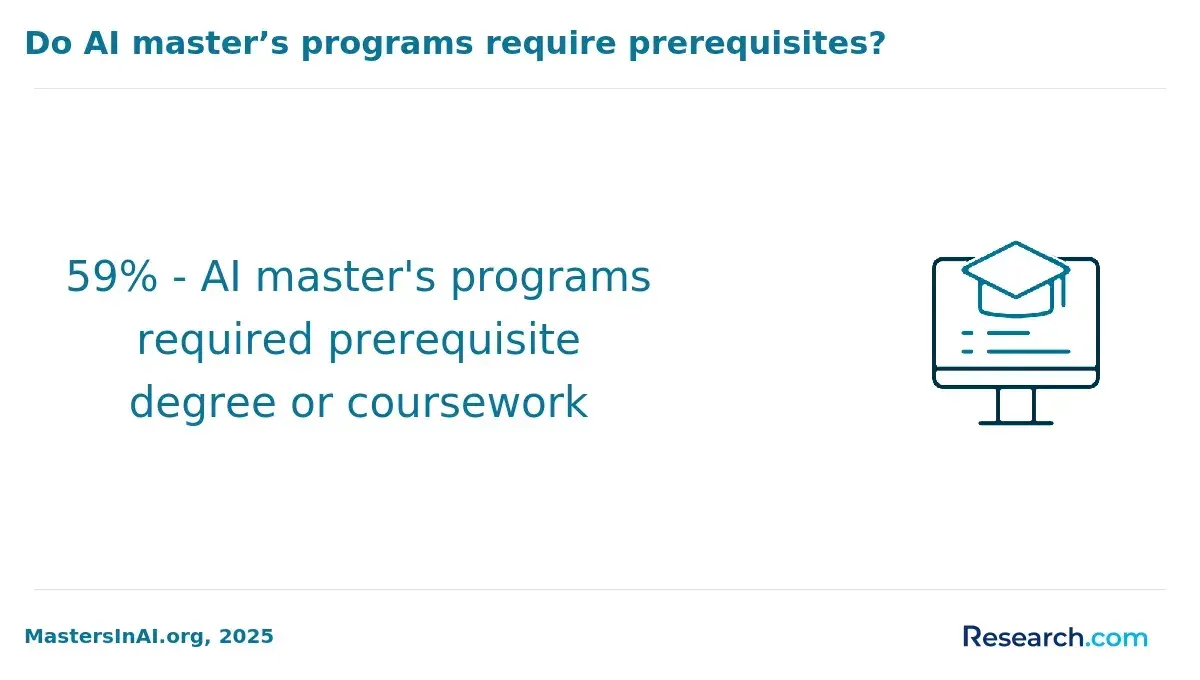
What prerequisites and technical skills are required to start an agentic AI automation course?
Starting an agentic AI automation course for email and calendar management demands foundational technical skills. Key prerequisites include basic coding knowledge in Python or JavaScript, essential for scripting AI workflows and API integration. Familiarity with RESTful APIs supports connecting various automation tools and data services effectively.
Experience with cloud platforms like Microsoft 365 or Google Workspace is critical. These ecosystems host many AI assistant tools, so navigating their interfaces speeds learning.
Additionally, understanding JSON and XML formats helps customize workflows and troubleshoot data exchanges. These skills are part of the essential skills for agentic AI email and calendar automation.
A conceptual grasp of machine learning basics, especially natural language processing (NLP), enhances the ability to work with AI agents beyond simple templates. While deep expertise in training models isn't required, awareness of these concepts improves practical application in prioritizing emails and scheduling calendars.
With over 80% of Fortune 500 companies adopting AI assistants by 2025, professionals lacking technical fluency risk falling behind in workflow modernization. Supplementary skills in project management, data privacy compliance, version control with Git, and command-line tools bolster successful automation deployment.
Comfort with debugging scripts and interpreting logs is necessary to resolve errors efficiently. For those wanting to deepen their expertise, pursuing a data analytics masters can provide a strong foundation for this specialized field of study and career advancement.
What core topics and tools are covered in agentic AI email and calendar automation curricula?
Agentic AI email and calendar automation courses teach how to develop AI models that understand and generate context-aware email content and autonomously manage calendar events. Key topics include natural language processing (NLP) techniques, workflow integration, and customization of AI agents to improve communication efficiency.
Students work with tools such as Microsoft 365 Copilot, Google Workspace AI, and open-source frameworks like LangChain and Rasa. Training often involves API integration for platforms including Outlook and Google Calendar, enabling seamless scheduling adjustments and email responses without manual input.
Core skills focus on building intent recognition systems that detect meeting requests, prioritize emails, and propose actionable replies. Intelligent conflict resolution algorithms help automatically suggest alternate meeting times based on participants' availability.
Practical applications cover automating multi-step workflows like confirming attendance, sending follow-ups, and managing rescheduling requests using AI-driven bots. Security and privacy considerations, including GDPR and HIPAA compliance, are an integral part of the curriculum for professional environments.
Advanced modules incorporate performance metrics analysis. For instance, Microsoft's 2024 economic impact model shows that organizations employing AI-based meeting scheduling and email automation save approximately $9.6 million annually per 10,000 employees in productivity gains, highlighting tangible ROI benefits.
Learning these skills prepares individuals to streamline administrative tasks, reduce manual errors, and optimize communication flows across diverse industries and business sizes.
How long do agentic AI automation programs take, and what do they typically cost?
Agentic AI automation courses for email and calendar management typically last 6 to 12 weeks when offered as certificates or bootcamps. More advanced professional programs or university micro-credentials may span 4 to 6 months, combining practical skills with theory and real-world projects.
Costs vary widely depending on program length, depth, and provider reputation. Introductory courses often range from $500 to $2,000, while comprehensive certifications with hands-on labs and career support can cost between $3,000 and $8,000. Bootcamps usually fall around $3,000 to $5,000, whereas university programs covering AI ethics and advanced workflow design may exceed $7,000.
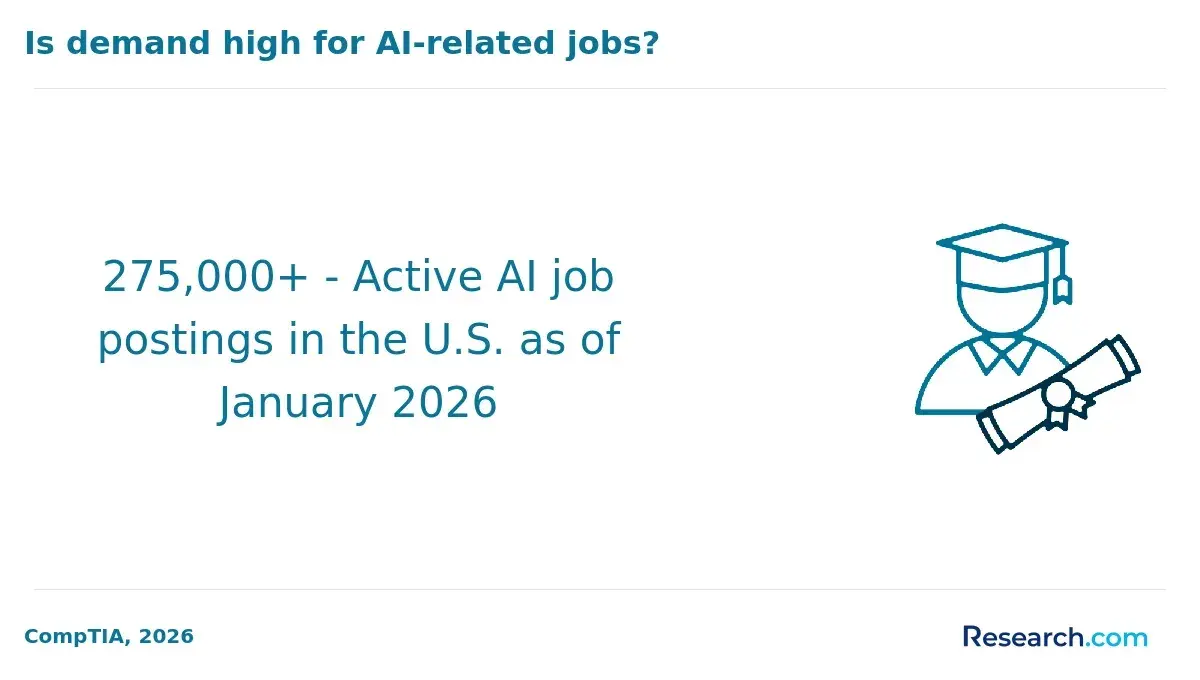
Employer demand is rising sharply, with 69% of CIOs noting significant shortages in AI workflow and agent orchestration skills. Upskilling investments are growing over 30% annually to close these gaps.
Flexible, online, self-paced formats dominate, appealing to working professionals managing busy schedules. When selecting a program, consider:
- Alignment with workforce needs in AI-driven email and calendar automation.
- Access duration and live instructor support.
- Certification validity and career services.
Evaluating these factors helps ensure the time and financial investment matches your learning and professional goals.
How can students verify accreditation and program quality for agentic AI training providers?
To verify accreditation and ensure program quality for agentic AI training, check if the institution is accredited by agencies recognized by the U.S. Department of Education or the Council for Higher Education Accreditation (CHEA). Accreditation confirms the program meets established educational standards.
Additionally, affiliations with professional organizations like the Association for the Advancement of Artificial Intelligence (AAAI) add credibility.
It is important to review course syllabi and instructor qualifications carefully. Quality programs feature instructors with advanced degrees or significant industry experience in AI, machine learning, or automation.
Prospective students should request curriculum details focusing on practical agentic AI applications, such as email and calendar automation, to ensure training covers relevant tools and workflows rather than theoretical concepts alone.
Student outcomes provide measurable indicators of program effectiveness. Forums, third-party reviews, and alumni testimonials can shed light on how well programs prepare learners for the workforce.
Upwork's 2025 AI Skills Index highlights a 450% increase in AI automation job postings and a 39% rise in median hourly rates for freelancers since 2023, emphasizing the value of programs that showcase employment or freelance success rates.
Additional factors to consider include whether the program offers industry-recognized certifications or partnerships with technology vendors, indicating market alignment. Comparing tuition costs and course duration against these quality factors helps ensure investment in a program that enhances employability and earning potential in this rapidly evolving field.
What careers use agentic AI for email and calendar automation, and what roles are emerging?
Agentic AI is transforming roles in administrative support, sales operations, marketing, and project management by automating email and calendar tasks. Executive assistants use these AI tools to schedule meetings, send follow-ups, and prepare agendas, cutting manual work by up to 50%.
Sales teams prioritize leads, personalize outreach, and sync calendars faster, boosting response rates and conversions. Marketing professionals automate campaign timelines and stakeholder communications efficiently.
New career paths have emerged, such as AI automation specialists who design workflows in Gmail and Google Calendar, and productivity consultants who guide organizations on adopting AI automation to improve efficiency. Data analysts with AI expertise help measure and optimize automation performance.
According to Zapier, AI-powered workflows grew 565% year-over-year, with Gmail and Google Calendar among the top five apps used in these automations. Gaining skills in AI workflow automation, API integrations, and understanding specific communication needs is essential for career growth. Combining technical fluency with organizational abilities benefits professionals managing AI systems.
Students and professionals keen on this field should focus on mastering tools like Zapier, Microsoft Power Automate, and Google Workspace automation. This expertise strengthens competitiveness in a rapidly evolving job market driven by AI-enhanced solutions.
What salary ranges and job outlook can learners expect with agentic AI automation skills?
Agentic AI automation skills centered on email and calendar management offer promising career opportunities with salaries ranging from $70,000 for entry-level automation specialists to over $130,000 for experienced AI automation engineers and workflow architects.
Job titles commonly include AI Automation Specialist, Process Automation Engineer, or Workflow Automation Developer, roles that involve designing, implementing, and maintaining AI-driven enterprise communication systems.
Corporate investment in AI and automation training has grown significantly, with learning and development budgets increasing by 38% between 2023 and 2025. More than half of enterprises are funding programs focused on building AI agents and workflow automations, boosting demand for professionals skilled in optimizing communication workflows to enhance productivity.
Strong demand exists in finance, healthcare, and technology sectors, where complex scheduling and communication require scalable automation solutions. Employers prioritize candidates familiar with automation tools and programming languages like Python or JavaScript to tailor AI agents effectively.
Combining AI automation expertise with project management or business analysis can lead to higher earnings, helping bridge technical and organizational goals. Additionally, freelance and consulting roles enable specialists to provide customized email and calendar automation solutions for diverse clients, often at competitive rates.
Are there industry-recognized certifications for agentic AI email and calendar automation specialists?
There are no widely recognized certifications exclusively for agentic AI email and calendar automation specialists. Instead, professionals often pursue broader credentials in AI, automation, and productivity tools integration from established vendors like Microsoft, Google, and Coursera.
Certifications in Robotic Process Automation (RPA) from providers such as UiPath or Automation Anywhere also help validate skills in automating routine tasks like email sorting and scheduling.
Employers tend to prioritize demonstrable results over formal certificates. For example, a Forrester total economic impact study found that after just three months of using AI assistants for email and calendar management, 70% of users felt significantly less digital overload, and 64% ended their workdays on time more often. This highlights the importance of practical competence with workflows and tools.
To strengthen their profile, certification holders should supplement credentials with portfolio projects or case studies showcasing measurable improvements in productivity. Experience with AI-driven suites such as Microsoft Loop or Google's AI Workspace tools is particularly valuable.
While future specialized certifications may appear, currently the best validation for agentic AI specialists combines broad AI and automation credentials with proven workplace impact.
Other Things You Should Know About Artificial Intelligence
In 2027, leading courses for mastering AI in email and calendar automation include "AI Email Management Mastery" by Coursera, "Calendar Efficiency with AI" on Udemy, and "Practical AI for Personal Productivity" on LinkedIn Learning. These courses offer detailed modules on leveraging AI tools for enhanced productivity.
Artificial intelligence significantly enhances user productivity by automating routine email sorting, prioritization, and scheduling tasks. It can suggest optimal meeting times and send reminders, reducing manual effort and minimizing scheduling conflicts. This automation allows users to focus on higher-value activities.
Yes, many AI systems use machine learning to continuously improve their performance. They adapt to individual user behaviors and preferences by analyzing past interactions, making automation more personalized and efficient. This adaptability helps maintain relevance as workflows evolve.
Despite advances, artificial intelligence can struggle with understanding nuanced language and context in emails and meetings. It may misinterpret ambiguous requests or miss subtle cues, leading to errors in scheduling or email responses. Human oversight remains crucial to ensure accuracy in complex scenarios.
References
- Prerequisites to Learn Agentic AI: Skills & Requirements 2026 https://www.knowledgehut.com/blog/artificial-intelligence/prerequisites-needed-to-learn-agentic-ai
- How to Use Agentic AI for Employee Training and Education https://www.druidai.com/blog/how-to-use-agentic-ai-for-employee-training
- AI Agent Development Cost in 2026 [+Team Calculator] https://softteco.com/blog/ai-agent-development-cost
- Agentic AI in Education: Use Cases, 2026 Trends, Playbook https://8allocate.com/blog/agentic-ai-in-education-use-cases-trends-and-implementation-playbook/
- Agentic AI | Supercharge your workflow with smart automation https://www.edx.org/resources/agentic-ai
- Agentic AI Careers India 2026: Skills, Salaries & Jobs - Edzor https://www.edzor.com/blogs/agentic-ai-careers-india-2026-skills-salaries-jobs
- Agentic AI Course with Advanced Training and Certification https://www.edureka.co/agentic-ai-training-course
- How Entry-Level Jobs Are Being Reimagined in the Agentic AI Era https://www.salesforce.com/news/stories/agentic-ai-reshaping-entry-level-jobs/
- Agentic AI Use Cases That Prove the Power of Agentic AI https://www.moveworks.com/us/en/resources/blog/agentic-ai-examples-use-cases
- Agentic AI Platforms: 2026 Buyer's Guide & Vendor Comparison | Automation Anywhere https://www.automationanywhere.com/rpa/agentic-ai-platforms