2027 Best AI Governance Courses for Life Sciences Executives

Co-Founder and Chief Data Scientist
Life sciences executives often face challenges integrating ai technologies while ensuring compliance with ethical standards and regulatory demands. Failure to govern ai effectively can lead to costly errors, data misuse, or legal setbacks. This is especially critical as the industry rapidly adopts advanced tools that influence patient outcomes and research integrity. Understanding governing frameworks and ethical considerations is crucial for leaders seeking to steer innovation safely.
The article highlights the best ai governance courses designed to equip life sciences professionals with practical skills and knowledge. It aims to assist readers in selecting flexible, accredited programs that enable effective oversight and strategic leadership in ai applications.
Key Things You Should Know
- AI governance courses for life sciences executives emphasize ethical frameworks, regulatory compliance, and risk management, reflecting a 35% growth in program offerings since 2024.
- Programs increasingly integrate case studies on FDA and EMA AI guidelines, crucial for navigating biotechnology and pharmaceutical innovation.
- By 2025, 60% of these courses offer hybrid learning, supporting professionals' schedules while combining expert lectures with practical AI policy workshops.
Advance Your Career with AI Online Courses
Artificial Intelligence: Implications for Business Strategy
This program provides an introduction to Artificial Intelligence and their implications for business strategy. Earn an official digital certificate.

Oxford Artificial Intelligence Programme
Explore this Oxford Artificial Intelligence programme offered in a flexible learning environment and explore topics like machine learning, automation, and robotics.

Implementing Agentic AI: Building Your Organizational Playbook
This online MIT Agentic AI course offers a practical approach to deploying AI agents in your organization, including a custom playbook. 3 weeks, exclusive launch price.

AI Adoption: Driving Business Value and Impact
This online MIT AI Adoption: Driving Business Value and Impact offers practical frameworks to close the gap between AI potential and business reality.

Artificial Intelligence in Pharma and Biotech
Discover the applications and limitations of artificial intelligence in pharma and biotech with this MIT online short course.

What is AI governance in life sciences, and why should executives learn it now?
AI governance frameworks for life sciences executives encompass policies and controls ensuring ethical, compliant, and effective use of artificial intelligence technologies in research, development, and clinical settings. This governance addresses data management, model validation, bias mitigation, transparency, and regulatory adherence. Given its importance, mastering the importance of ai governance in life sciences management enables organizations to minimize risks such as flawed data interpretation, legal liabilities, and patient safety concerns.
By 2028, 75% of life sciences R&D organizations will adopt AI- or machine learning-based decision-support tools, up from 15% recently. This rapid growth demands robust governance frameworks aligned with FDA and EMA guidelines. Executives benefit by:
- Establishing clear accountability and compliance oversight.
- Ensuring data privacy and integrity in sensitive research.
- Mitigating algorithm bias affecting clinical outcomes.
- Applying risk management to protect patients and reputations.
Key challenges remain, including navigating complex regulations, integrating AI within legacy systems, and balancing innovation speed with ethical considerations. Effective AI governance prepares leaders to:
- Develop policies attuned to organizational goals and regulations.
- Engage cross-functional teams in rigorous AI validation and monitoring.
- Communicate transparently about AI's capabilities and limitations.
For professionals aiming to advance their careers in this field, pursuing education opportunities such as the fastest computer science degree can provide essential technical and governance skills to navigate AI's expanding role in life sciences responsibly.
Advance Your Career with AI Online Courses
Artificial Intelligence: Implications for Business Strategy
This program provides an introduction to Artificial Intelligence and their implications for business strategy. Earn an official digital certificate.
Oxford Artificial Intelligence Programme
Explore this Oxford Artificial Intelligence programme offered in a flexible learning environment and explore topics like machine learning, automation, and robotics.
Implementing Agentic AI: Building Your Organizational Playbook
This online MIT Agentic AI course offers a practical approach to deploying AI agents in your organization, including a custom playbook. 3 weeks, exclusive launch price.
What makes an AI governance course specifically valuable for life sciences executives?
AI governance frameworks tailored for life sciences executives address the complex regulatory, ethical, and operational challenges unique to this sector. Stringent rules such as the EU AI Act and FDA guidelines classify over 80% of AI systems in clinical trials and medical research as "high-risk," increasing compliance demands substantially. Courses designed for healthcare leadership emphasize these frameworks, preparing executives to navigate compliance while fostering innovation.
Compliance and ethical standards in AI for healthcare leadership focus on ensuring data integrity, transparency, and patient privacy. Executives learn to implement controls that prevent bias and maintain ethical AI decision-making, protecting patient safety. Mastering documentation and audit trails aids collaboration with regulatory bodies and internal teams.
Training typically involves managing cross-functional teams including legal, clinical, and IT experts. Life sciences leaders benefit from case studies on AI failures and successes, alongside strategies for embedding AI governance in corporate risk management. These programs also explore aligning governance with global health authority expectations to facilitate market access and product approval.
Participants gain skills for continuous monitoring and post-market surveillance, crucial for adapting to evolving regulations and meeting industry demands. For professionals exploring pathways into technical fields, pursuing a mechanical engineer degree can complement expertise in AI deployment and governance within life sciences.
How can life sciences leaders identify the best AI governance courses available today?
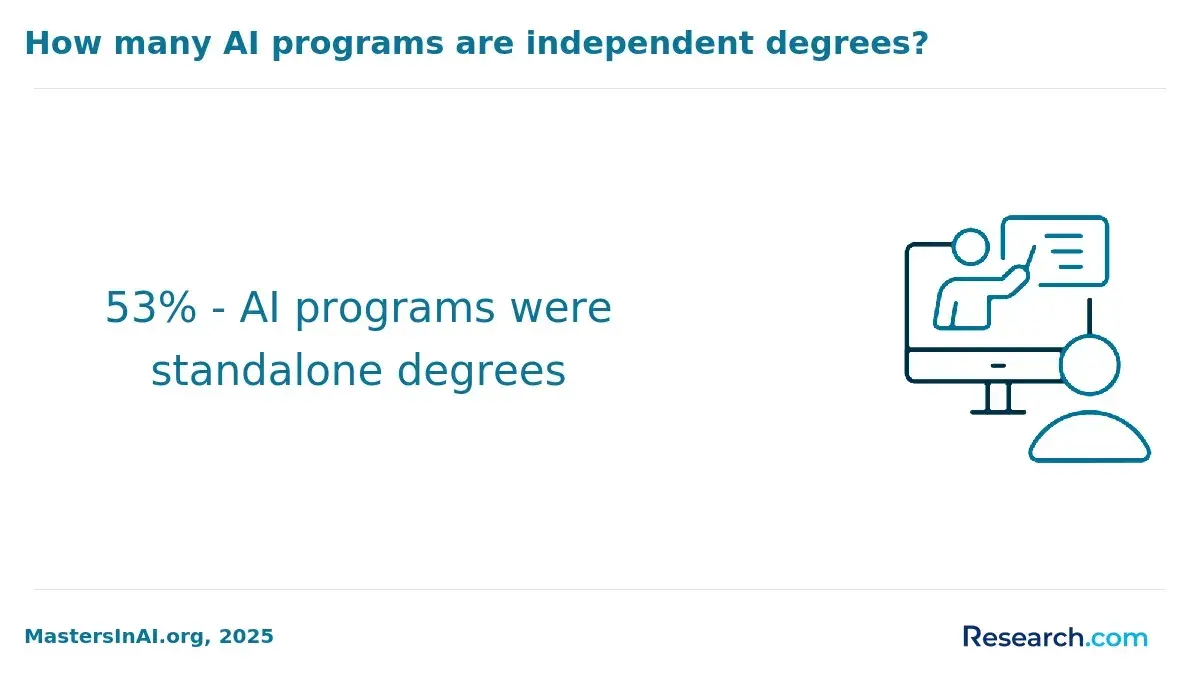
Life sciences leaders seeking top AI governance training programs for life sciences executives should evaluate courses based on curriculum relevance to industry challenges, regulatory understanding, and bias mitigation. Studies show over 60% of clinical AI models exhibit significant bias, underscoring the necessity for robust governance frameworks to protect patient safety and trial integrity. Effective programs often emphasize ethical AI use, data transparency, and compliance with FDA and international standards.
- Inclusion of real-world case studies on regulatory compliance and risk management.
- Interactive learning incorporating scenario analysis and decision-making frameworks.
- A focus on executive roles that balance technical knowledge with strategic oversight.
Prospective students should also prioritize leading AI governance certification courses in life sciences management taught by instructors with direct clinical AI governance or health policy experience. Certifications from recognized institutions validate governance expertise and commitment. Because AI regulations and challenges evolve rapidly, courses regularly updated to reflect new findings stand out. Integrating the latest clinical AI research ensures governance strategies are evidence-based and current.
For professionals interested in expanding their credentials, exploring a masters in data science online can complement governance training by enhancing data analytics skills critical for AI oversight.
What types of AI governance programs exist for life sciences (certificate, executive education, degrees)?
AI governance certificate programs for life sciences professionals are available primarily in three formats: certificate programs, executive education courses, and degree options. Certificate programs usually span a few weeks to several months, focusing on critical skills like regulatory compliance, ethical AI practices, and risk management. These programs are well-suited for mid-level managers or specialists seeking targeted expertise without a full-time commitment.
Executive education courses on AI governance in life sciences offer short-term, intensive learning experiences aimed at senior leaders and board members. They emphasize strategic understanding through case studies, policy development, and leadership strategies in AI risk management. These programs are particularly valuable since over 70% of life sciences companies report lacking formal board-level AI oversight.
Degree programs-master's or doctoral-embed AI governance within broader fields such as health informatics or technology management. These programs, taking one to three years, equip graduates for interdisciplinary roles requiring deep technical knowledge alongside governance expertise. They cover AI ethics, law, and data stewardship in detail, offering comprehensive training.
Choosing between these formats depends on career goals and time availability: certificates for specific skills, executive education for leadership roles, and degrees for a more extensive knowledge base. Those interested may also explore a fastest cyber security degree to complement governance skills in AI-driven environments.
How do online AI governance courses compare with campus and hybrid options for executives?
Online ai governance courses provide significant flexibility for life sciences executives facing demanding schedules. These programs often use asynchronous formats, allowing learners to progress at their own pace without needing to travel or attend fixed sessions. This flexibility minimizes time away from work and family while supporting continuous professional development and leadership duties.
Campus programs, by contrast, offer enhanced networking and mentorship through in-person interactions. Hybrid models blend the benefits of online learning with face-to-face workshops but still require some travel, which may be difficult for executives spanning multiple locations.
Notably, online offerings tend to update rapidly to keep pace with the evolving regulatory and technological environment of ai governance. Many include interactive case studies and real-time simulations reflecting actual challenges executives encounter when reviewing ai proposals. This responsiveness addresses a substantial skills gap identified in industry polling by Paul Hastings, revealing under 30% of senior life sciences leaders feel confident approving or challenging ai-related projects.
Executives interested in targeted, practical training benefit from specialized curricula and scenario-based learning online. Those valuing peer collaboration and immersive experience may opt for hybrid or campus formats but should consider scheduling constraints. Online courses stand out as scalable and accessible solutions to close leadership knowledge gaps swiftly and effectively in this complex field.
What core topics and skills do AI governance courses for life sciences executives typically cover?
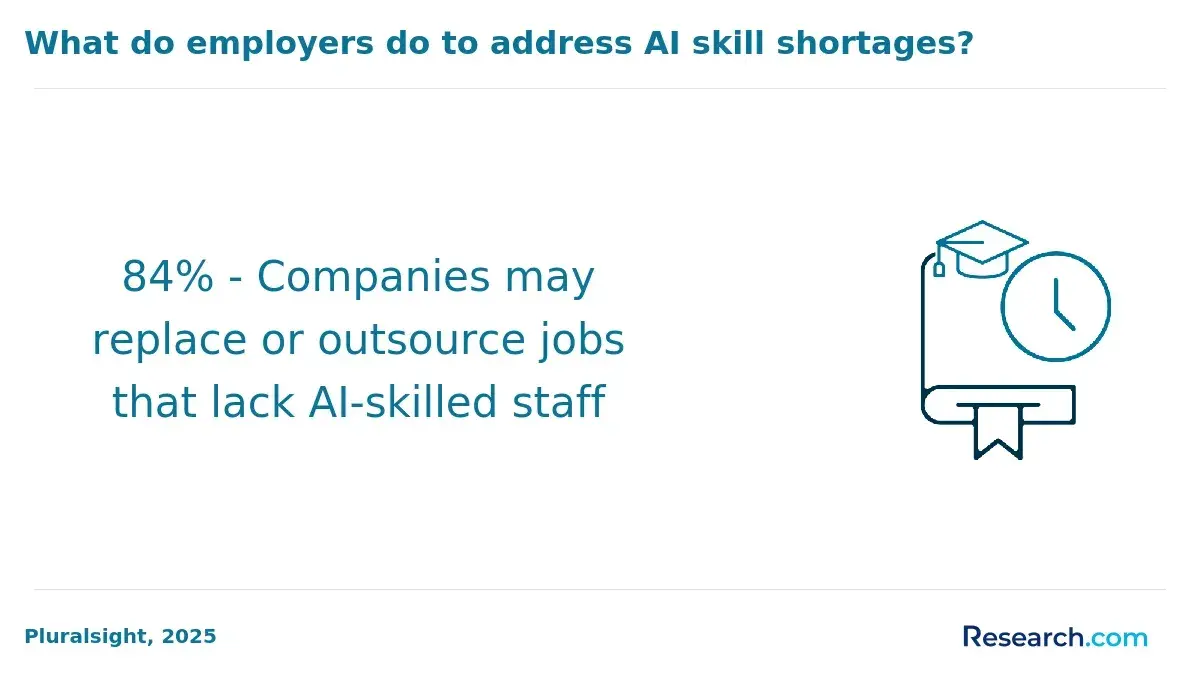
AI governance courses for life sciences executives cover essential topics for managing safe, ethical, and compliant AI applications in healthcare and pharmaceuticals. These courses train leaders in regulatory compliance, focusing on navigating FDA guidelines and HIPAA rules to ensure AI tools operate within legal and ethical frameworks. Executives also learn risk management strategies to address data privacy concerns, algorithmic bias, and clinical safety.
Emphasis is placed on explainability and transparency, enabling executives to demand clear audit trails and thorough validation processes. Such skills are vital for regulatory approvals and maintaining public trust. Ethical concerns, including fairness and accountability, are examined extensively to prevent unintended discrimination and support equitable patient outcomes.
Technical literacy is developed through instruction on AI lifecycle management, model validation, and seamless integration into healthcare systems. The curriculum also highlights data governance, stressing secure handling of sensitive patient information and interoperability standards. Leadership abilities tailored to cross-functional collaboration and AI-driven decisions prepare executives for practical challenges in their organizations.
Gartner reports that organizations with formal AI governance and risk management frameworks are 3.5 times more likely to achieve measurable financial benefits from AI initiatives than those lacking structured oversight. This data underscores the strategic value of mastering AI governance to unlock innovation and success in life sciences.
What admission requirements, prerequisites, and professional background do these programs expect?
Admission to ai governance programs designed for life sciences executives typically requires extensive leadership experience in healthcare, pharmaceuticals, biotechnology, or related sectors. Candidates usually need at least 5 to 10 years of managerial or executive-level responsibility to demonstrate familiarity with complex organizational and regulatory environments. Many programs prefer applicants with advanced degrees such as an MBA, MPH, or a master's in scientific fields, but substantial industry experience may sometimes compensate for formal education.
Common prerequisites include foundational knowledge of ai concepts, data analytics, or digital transformation to ensure technical literacy for tackling governance challenges. Some courses mandate prior completion of introductory ai or data science modules, especially when focusing on ethical algorithms, patient data privacy, or regulatory compliance. Leading programs might require familiarity with ai ethics or healthcare data laws to prepare participants for executive decision-making.
Application materials often consist of a resume highlighting relevant leadership roles, a statement of purpose addressing ai governance career goals, and letters of recommendation from industry or academic professionals. Cohorts typically bring together cross-functional executives, promoting peer learning across R&D, compliance, and IT security.
Executive ai programs at top business schools range widely in cost, with ai-focused executive courses typically priced between about $2,000 and $13,000 per program. This reflects strong demand and the necessity of selecting programs with clear governance relevance.
How long do AI governance programs for life sciences executives take, and what do they cost?
AI governance programs for life sciences executives typically last from a few weeks up to several months, depending on course depth and format. Many targeted executive programs for pharma, biotech, and MedTech sectors run between four and eight weeks, providing a balance between comprehensive technical, ethical, and regulatory coverage and busy executive schedules.
Costs vary widely by provider, content specialization, and program intensity. Programs tailored to life sciences leadership generally start around $2,000 and can exceed $5,000. For example, MIT Sloan's "Artificial Intelligence in Pharma and Biotech" offers a six-week online curriculum priced at $2,950. This course reflects current demand for specialized AI governance knowledge, combining practical insights with drug discovery and clinical development nuances (Poets&Quants profile of AI executive programs).[3]
Shorter boot camps or certificate courses lasting less than four weeks tend to cost less but may lack in-depth coverage of compliance and risk management. Longer programs often include case studies and interactive learning but require a greater time commitment.
Executives hesitant to commit long-term might consider modular options for incremental learning. Financial aid or employer sponsorships are common for higher-priced courses, easing personal costs. Balancing duration, cost, and practical learning objectives is key to effective investment in AI governance expertise.
What career outcomes, leadership roles, and salary impacts can AI governance training support?
AI governance training opens pathways to leadership roles such as chief AI officer, compliance director, risk management executive, and ethics advisor within life sciences companies. These roles increasingly demand expertise in ethical AI deployment, regulatory compliance, and internal policy alignment. Skilled professionals often lead cross-functional teams to implement governance frameworks that reduce AI-related risks.
Executives trained in AI governance are better equipped to guide AI strategy and operational decisions. They design accountability standards that promote transparency and fairness across drug development, clinical trials, and patient data management.
Salary outcomes reflect the premium placed on AI governance skills, with governance-trained leaders earning 15-25% more than peers without this expertise. Advanced training enables negotiation for higher pay by demonstrating measurable compliance improvements and risk reduction.
More than half of large enterprises prioritize custom, in-house AI training over open-enrollment programs to better align with specific corporate policies and risk frameworks (Paul Hastings). This trend underscores the increasing value of tailored governance education to navigate the complex regulatory landscape in life sciences.
- Leadership roles supported include chief AI officer, compliance director, risk manager, and ethics advisor.
- Career outcomes include promotion to executive-level positions and expanded responsibilities in AI risk mitigation.
- Salary increases typically range from 15% to 25% for governance-trained professionals.
How should executives evaluate accreditation, certificates, and industry recognition for AI governance programs?
Executives seeking credible AI governance programs should prioritize accreditation from recognized bodies, ensuring the curriculum meets high educational standards. Accreditation from organizations such as the Association to Advance Collegiate Schools of Business (AACSB) or relevant ethics and technology boards signals a program's rigor and industry relevance.
Certificates must specifically address AI governance in life sciences, covering critical areas like data ethics, algorithmic risk management, and regulatory compliance. Such certificates provide tangible evidence of skill acquisition, increasingly important as forecasts predict that by 2030, at least 40% of senior roles in major life sciences organizations will explicitly include responsibility for AI oversight, data ethics, or algorithmic risk management.
Industry recognition further validates a program through peer and employer endorsements. Affiliations with professional groups like the Regulatory Affairs Professionals Society (RAPS) and partnerships with academic institutions known for AI and ethics research enhance certificate value. Key considerations include:
- Alignment with current and emerging regulations
- Emphasis on real-world case studies and practical projects
- Transparent faculty expertise and ongoing curriculum updates
Other Things You Should Know About Artificial Intelligence
In 2027, AI governance courses for life sciences executives focus on data integrity, privacy management, algorithmic accountability, and the integration of AI ethics into biomedical research practices. They also cover the latest regulatory updates and best practices in AI application in life sciences to ensure compliance and ethical standards.
AI governance courses emphasize understanding regulatory requirements from agencies like the FDA and EMA that govern AI applications in healthcare. Courses teach executives how to align AI development with existing laws on data security, patient safety, and clinical validation. This knowledge helps ensure AI solutions meet legal standards before deployment.
Risk management is central to AI governance, as it helps identify potential harms from AI errors or misuse in clinical settings. Courses train executives to develop risk assessment frameworks that evaluate AI system reliability and mitigate operational, legal, and reputational risks. This process supports safer integration of AI in life sciences workflows.
Yes, AI governance knowledge enables executives to bridge gaps between scientific and technical experts. Understanding AI principles and regulatory constraints facilitates clearer communication and aligned project goals. This collaboration leads to more effective and compliant AI solutions within life sciences organizations.
References
- Best Corporate AI Training Programs for Business Leaders in 2026 https://www.teamland.com/post/best-corporate-ai-training-programs-for-business-leaders
- AI Governance for Life Sciences: Enterprise Framework https://www.usdm.com/resources/white-papers/ai-governance-for-life-sciences-enterprise-framework
- Why responsible AI governance is important https://star.global/posts/why-responsible-ai-governance-is-important/
- Building a Comprehensive AI Governance Framework in Life Sciences | Paul Hastings LLP https://www.paulhastings.com/insights/client-alerts/building-a-comprehensive-ai-governance-framework-in-life-sciences
- Market Analysis of 146 AI Governance Job Postings https://axialsearch.com/insights/ai-governance-jobs/
- An AI governance certification will boost your career | The Corporate Governance Institute https://www.thecorporategovernanceinstitute.com/insights/guides/an-ai-governance-certification-will-boost-your-career/
- The Importance of AI Governance: Turning Innovation into Sustainable Value https://www.eliassen.com/blog/the-importance-of-ai-governance-turning-innovation-into-sustainable-value
- What Does AI Governance Cost? Budgets by Org Size https://governance.aicareer.pro/blog/the-costs-of-ai-governance
- Enterprise AI Governance in Pharma: GxP & Compliance | IntuitionLabs https://intuitionlabs.ai/articles/pharma-ai-governance-gxp-compliance
- AI Governance Jobs: Your Ultimate Career Guide https://www.peopleinai.com/blog/ai-governance-jobs-guide