2027 Best edX AI Courses for AI Strategy

Co-Founder and Chief Data Scientist
Many professionals face challenges when trying to shift careers into AI strategy without a technical background. Traditional degree programs can be time-consuming and rigid, limiting opportunities for those seeking flexibility alongside work commitments. Additionally, understanding how to apply AI concepts strategically across industries often requires targeted learning beyond standard computer science curricula.
This article highlights top edX AI courses designed specifically to bridge this gap, offering accessible, accredited pathways for career pivoters. By examining course content, flexibility, and practical outcomes, the article aims to guide readers toward informed decisions for a successful transition into AI strategy roles.
Key Things You Should Know
- edX offers top AI strategy courses from leading universities, integrating practical case studies with emerging trends to prepare students for evolving industry demands through 2026.
- Recent courses emphasize ethical AI deployment and business transformation, reflecting a 35% annual growth in AI strategy roles since 2024 across U.S. tech sectors.
- Many edX AI strategy programs provide flexible scheduling and affordable pricing, attracting diverse learners, including working professionals aiming to leverage AI for competitive advantage.
Advance Your Career with AI Online Courses
Artificial Intelligence: Implications for Business Strategy
This program provides an introduction to Artificial Intelligence and their implications for business strategy. Earn an official digital certificate.

Oxford Artificial Intelligence Programme
Explore this Oxford Artificial Intelligence programme offered in a flexible learning environment and explore topics like machine learning, automation, and robotics.

Implementing Agentic AI: Building Your Organizational Playbook
This online MIT Agentic AI course offers a practical approach to deploying AI agents in your organization, including a custom playbook. 3 weeks, exclusive launch price.

AI Adoption: Driving Business Value and Impact
This online MIT AI Adoption: Driving Business Value and Impact offers practical frameworks to close the gap between AI potential and business reality.

Artificial Intelligence in Pharma and Biotech
Discover the applications and limitations of artificial intelligence in pharma and biotech with this MIT online short course.

How do edX AI strategy courses differ from general AI and machine learning programs?
EdX AI strategy courses focus on applying artificial intelligence within business environments, distinct from general AI and machine learning programs that center on algorithms and technical skills. These strategy courses emphasize aligning AI with organizational goals, leadership decision-making, and gaining competitive advantage. They prepare professionals to lead AI adoption, manage interdisciplinary teams, and develop policies that reflect corporate priorities.
Unique benefits of edX AI strategy curriculum include:
- AI governance frameworks and ethical considerations tailored to industry needs
- Business case development for AI investments and ROI analysis
- Change management and workforce impact planning
- Case studies showcasing AI-driven transformation in sectors like healthcare, finance, and manufacturing
By contrast, general AI programs focus on programming languages like Python, data preprocessing, neural networks, and statistical modeling techniques. While these technical skills are fundamental, edX AI strategy courses serve as a bridge between technical teams and leadership, helping align AI initiatives with broader enterprise strategies. This distinction is critical for those comparing edX AI strategy courses vs. general AI programs.
For working professionals aiming to influence AI deployment at managerial or executive levels, this strategic focus adds practical value. EdX's survey found that individuals who completed at least one program saw a median salary increase of 22% within 12 months. Those interested in expanding their credentials might also consider a 2-year computer science degree online for a broader technical foundation.
Advance Your Career with AI Online Courses
Artificial Intelligence: Implications for Business Strategy
This program provides an introduction to Artificial Intelligence and their implications for business strategy. Earn an official digital certificate.
Oxford Artificial Intelligence Programme
Explore this Oxford Artificial Intelligence programme offered in a flexible learning environment and explore topics like machine learning, automation, and robotics.
Implementing Agentic AI: Building Your Organizational Playbook
This online MIT Agentic AI course offers a practical approach to deploying AI agents in your organization, including a custom playbook. 3 weeks, exclusive launch price.
Which edX AI courses are best for learning AI strategy and decision-making?
Top edX courses focus on blending technical foundations with business applications to build AI strategy development skills. For example, "Artificial Intelligence: Implications for Business Strategy" by MIT offers insights into AI-driven competitive advantage, strategic leadership, deployment challenges, and governance, aligning AI initiatives with corporate goals.
The "AI For Everyone" course by Harvard University emphasizes decision-making frameworks and ethical considerations essential for managing AI projects. It equips non-technical leaders with accessible tools to assess AI risks and opportunities effectively, making it one of the best edX courses for AI strategy development.
The University of California's professional certificate, "Artificial Intelligence: Business Strategy and Applications," takes a comprehensive approach to integrating AI with organizational strategy, risk management, and innovation. Its modular content includes real-world case studies from healthcare, retail, and finance, helping learners develop practical decision-making skills applicable across sectors.
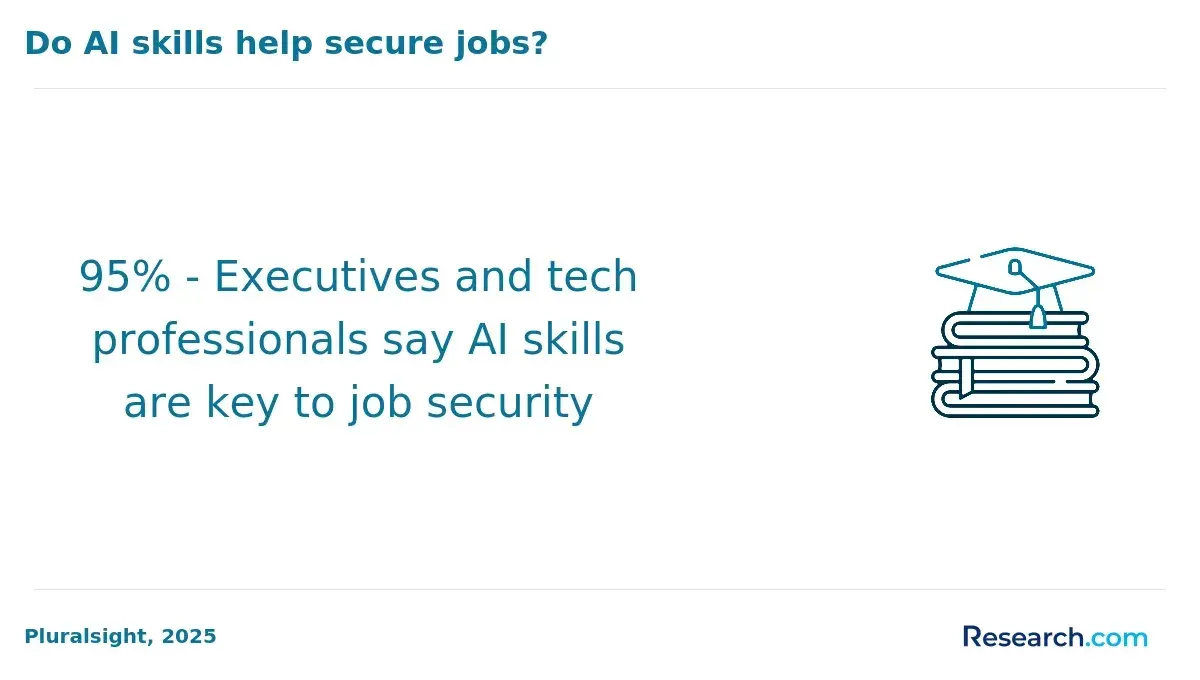
According to the Burning Glass Institute's 2024 report, job postings mentioning "AI strategy" grew 385% globally from 2020 to 2024, far surpassing general tech role growth. This trend highlights demand for professionals trained in AI decision-making skills, making these top edX programs highly relevant.
For those exploring options, consider programs that offer clear business relevance, practical frameworks, and exposure to AI ethics. You can also explore affordable pathways through online AI degree programs that broaden career opportunities in this field.
How can edX AI strategy programs support different career stages and professional backgrounds?
edX AI strategy programs support career advancement across diverse professional stages by offering tailored learning paths. Early-career professionals gain foundational knowledge in core AI concepts, data literacy, and ethics, which is essential for roles connected to AI fields. For mid-career practitioners, courses focus on integrating AI into business strategy, project management, and team collaboration, helping align AI initiatives with organizational goals.
Senior leaders benefit from strategic AI programs that cover governance, risk management, and transformation leadership, enabling them to guide enterprise-wide adoption. Non-technical learners, including managers in sectors like finance, marketing, and operations, can engage with courses designed to demystify AI without coding, matching the growing industry demand for structured training for non-technical managers highlighted by the World Economic Forum's Future of Jobs 2025 report.
This professional development with edX AI strategy programs also includes practical elements such as sector-specific case studies and interactive simulations, addressing challenges like vendor selection and ethical AI use. Flexible schedules and modular formats accommodate working professionals managing ongoing commitments.
Such adaptability ensures learners gain actionable knowledge to progress their careers or lead AI transformation. For those interested in related fields, exploring video game programs offers additional pathways in tech-driven industries.
What topics and skills do AI strategy-focused courses on edX typically cover?
AI strategy-focused courses on edX cover an extensive range of topics designed to provide learners with both technical knowledge and strategic insight. Core subjects typically include machine learning fundamentals, data analytics, and model deployment, enabling strategists to influence AI system development effectively. These courses highlight how to translate AI capabilities into business value by teaching skills such as evaluating AI investments, assessing risk and ethical considerations, and aligning AI initiatives with organizational goals.
Critical technical foundations often involve algorithmic design, natural language processing, and computer vision, equipping strategists who code with the ability to prototype and validate AI models. Additionally, project management techniques for AI implementation are covered, focusing on stakeholder communication, resource allocation, and cross-functional collaboration.
Practical skills extend to AI governance, including data privacy regulations and algorithmic transparency. Learners also explore how to measure AI performance using metrics aligned with business objectives and how to integrate AI systems into existing technology infrastructures. Case studies address real-world issues like bias mitigation, scaling AI solutions, and navigating regulatory landscapes.
AI strategy course topics on edX often include developing practical skills in applying machine learning methods to business challenges and mastering strategic frameworks for artificial intelligence integration. According to LinkedIn's Global Skills Report, professionals with AI and machine learning skills have a significantly better chance of securing senior technical roles. The variety of edX offerings enables tailored learning paths aligned with diverse career goals, from technical roles to broader organizational strategies.
For those interested in related fields, an accelerated cyber security degree online can complement AI strategy expertise and expand career opportunities.
How do edX AI strategy certificates compare with university degrees and microcredentials?
EdX AI strategy certificates provide a practical alternative to traditional university degrees and microcredentials, especially for professionals aiming to advance careers in AI management and strategic decision-making. These certificates focus on delivering targeted knowledge within months, suited for working professionals who prefer rapid skill upgrades without leaving their jobs.
Data from Coursera-Gallup's 2024 "Global Outcomes Report" shows that 76% of learners completing professional-level certificates in AI or data experienced a positive career outcome—such as a promotion, new job, or pay raise—within one year. This highlights the strong market value of certificates compared to broader degree programs that often require longer commitments.
Compared with microcredentials, edX AI strategy certificates usually feature more comprehensive curricula developed in collaboration with universities and industry leaders. For instance, MicroMasters programs typically include multiple advanced courses plus a capstone project, offering strategic insights deeper than many short courses. Microcredentials may serve as useful skill supplements but often lack the depth for leading AI initiatives.
Prospective learners with time or budget constraints benefit from edX's modular, affordable certificates. These credentials are recognized in the industry and often allow credit transfer toward degree programs, creating flexible educational pathways. For those targeting leadership roles in AI strategy, these certificates demonstrate proven capability without the extended commitment of a traditional degree.
What are the admission requirements and recommended prerequisites for edX AI strategy courses?
EdX AI strategy courses often require applicants to have a solid foundation in computer science, data analytics, and basic machine learning concepts. Proficiency in programming languages such as Python or R and an understanding of statistics are common prerequisites. Advanced courses may ask for experience with AI frameworks or prior completion of introductory AI or machine learning modules to ensure students focus on strategic applications rather than fundamental technical details.
Recommended background knowledge typically includes AI technologies like natural language processing (NLP) and large language models (LLMs), which are essential for generative AI strategy. Some edX pathways require completing foundational courses on AI or data science essentials before advancing to specialized training in AI deployment, governance, and business integration. This approach benefits professionals from diverse fields, though technical familiarity improves learning velocity.
Those from business or management backgrounds with limited technical skills might consider preparatory courses in coding or data science to meet admission criteria. Gartner's 2024 CIO Agenda highlights that generative AI adoption could reduce content creation costs by 30% by 2026, emphasizing the need for strategic AI skills in the workforce.
Typical prerequisites for edX AI strategy courses include:
- Basic programming skills (Python or R)
- Understanding of machine learning principles
- Familiarity with AI concepts such as NLP and generative models
- Prior coursework in data science or AI fundamentals recommended
How do online edX AI strategy programs compare with campus-based options in flexibility and rigor?
Online edX AI strategy programs provide significant flexibility by allowing students to access coursework asynchronously. This format suits working professionals managing full-time jobs and personal commitments, unlike campus programs that require fixed schedules and physical attendance. Despite this flexibility, online courses maintain academic rigor through structured deadlines, project-based assessments, and live interactions.
Campus programs often offer immersive, hands-on experiences with direct networking in AI research environments, ideal for those seeking deep technical expertise and team collaboration.
In contrast, edX's broad catalog features courses from leading universities and industry experts, covering strategic AI applications and emerging trends with regularly updated content. This results in comparable or sometimes superior rigor to traditional programs.
Cost differences are notable—online edX programs generally have lower tuition fees and eliminate commuting or relocation costs. A HolonIQ analysis reports mid-career learners in AI and data fields experience a median 6-10x return on investment over five years, considering tuition and time.
Career-focused students benefit from digital certificates recognized by employers and direct AI role pathways via partnerships and capstone projects. Campus program credentials hold established brand value but may lack the agility and speed of online alternatives.
What are typical time commitments and costs for completing AI strategy courses on edX?
AI strategy courses on edX typically require 4 to 12 weeks, with most standalone courses demanding 3 to 6 hours of study weekly, totaling about 20 to 40 hours. More extensive programs, such as professional certificates or micro-masters focusing on AI strategy in business, can last up to 6 months, with weekly commitments of 5 to 8 hours. This range offers flexibility for both full-time professionals and recent graduates seeking a comprehensive learning experience.
Costs vary significantly depending on the format. Many individual courses offer free auditing, though verified certificates generally cost between $50 and $300. Professional certificates and micro-masters can range from $600 to $2000, reflecting their greater depth and credential value.
Financial aid is widely available for eligible learners, helping to offset expenses. EdX also offers subscription options like "edX Unlimited," granting access to multiple courses at about $40 per month.
edX's AI and data science courses consistently earn higher learner ratings compared to other MOOC platforms. The Class Central 2025 MOOC Trends report highlights an average course rating of 4.6 out of 5 for edX, versus 4.3 for all providers. This quality rating underscores edX as a trusted choice for those aiming to advance their AI strategy knowledge.
What AI-related roles, salaries, and advancement paths align with edX AI strategy training?
edX AI strategy training prepares learners for a range of AI-related roles that combine technical expertise with strategic decision-making. Graduates often pursue careers as AI product managers, AI business analysts, machine learning engineers, and AI consultants. These positions require understanding AI technologies while aligning solutions with business goals.
Salary ranges vary by experience and specialization, typically between $90,000 and $150,000 annually. Entry-level AI business analysts might start near $90,000, while senior product managers and consultants can earn over $140,000. These salaries reflect increasing demand for professionals who bridge AI technology and strategy.
Career advancement commonly begins with foundational AI knowledge, advancing toward roles that implement AI solutions across organizations. According to IBM's "State of Skills" report, completing both foundational and advanced AI courses on edX increases the likelihood of obtaining AI-adjacent roles by 2.5 times compared to only introductory training.
Specializing in AI strategy courses and earning certifications in AI ethics, project management, and data analytics can enhance prospects in organizational AI adoption. This comprehensive approach boosts both technical skills and strategic insight, essential for strong AI career growth.
How can learners evaluate the quality and industry relevance of an edX AI strategy course?
Successful AI strategy courses on edX balance practical business applications with theoretical foundations. Key elements include curricula featuring data-driven decision-making, AI ethics, deployment frameworks, and real-world case studies spanning multiple industries. This approach ensures relevance to today's business challenges.
Instructors are another vital factor. Courses led by recognized experts, practitioners from leading universities, or AI research institutions tend to deliver stronger value. Their credentials and active engagement in the AI field contribute to an up-to-date curriculum aligned with industry standards.
Recent content updates reflecting advances like generative AI, machine learning governance, and AI-driven automation also indicate course quality. Since AI evolves rapidly, choosing courses refreshed within the last year helps ensure learners gain current knowledge and skills.
Many courses provide certifications verified by employers or linked to professional organizations, which enhance credibility and career prospects. Checking for pathways to additional credentials is recommended for those pursuing specialized AI strategy roles.
Additionally, learner feedback and completion rates on edX offer insight into how well courses deliver practical and effective learning experiences. High satisfaction scores typically correlate with rigorous content and engaging instruction.
PwC's 2024 Global CEO Survey highlights a strong focus on AI skills investment amid challenges in sourcing appropriate training. Prospective students should seek AI strategy courses emphasizing actionable frameworks over purely technical instruction to meet employer demands.
Other Things You Should Know About Artificial Intelligence
Mastering AI strategy in 2027 requires a blend of skills, including understanding AI technologies, data analysis, strategic decision-making, and the implementation of AI frameworks. A focus on ethical considerations and continuous learning is critical to adapting to the evolving landscape.
Artificial intelligence influences business strategy by enabling data-driven decision-making, improving operational efficiency, and fostering innovation. Businesses use AI to analyze large datasets, predict market trends, and personalize customer experiences. Incorporating AI into strategic planning helps companies gain competitive advantages and adapt to rapidly changing markets.
Managing artificial intelligence projects requires a combination of technical knowledge and strategic insight. Important skills include understanding machine learning concepts, data analysis capabilities, and proficiency in AI tools and platforms. Additionally, project managers need strong communication and leadership skills to align AI initiatives with organizational goals and handle ethical or regulatory considerations.
Artificial intelligence can assist and enhance human decision-making but is not currently capable of fully replacing it. AI excels at processing large amounts of data and identifying patterns, but complex judgments often require human intuition, ethical reasoning, and contextual understanding. The most effective approaches combine AI insights with human expertise to achieve balanced outcomes.
References
- AI Certification Programs: Which Ones Matter for Your Career https://www.businessplusai.com/blog/ai-certification-programs-which-ones-matter-for-your-career
- Analysis of 450 MOOC-Based Microcredentials Reveals Many Options But Little Consistency — Class Central https://www.classcentral.com/report/moocs-microcredentials-analysis-2018/
- 16 Artificial Intelligence Career Paths https://www.calmu.edu/news/artificial-intelligence-career-paths
- AI for business courses online | edX https://www.edx.org/courses
- 7 Best Machine Learning Courses for 2025 (read this first) https://www.learndatasci.com/best-machine-learning-courses/
- Towards Generative AI for Course Content Production: Expert Reflections | European Journal of Open, Distance and E-Learning https://eurodljournal.com/articles/10.2478/eurodl-2024-0013
- How to navigate the future of AI in education and education in AI https://www.ey.com/en_bh/insights/education/how-to-navigate-the-future-of-ai-in-education-and-education-in-ai
- The Ultimate Guide on the AI Professional Certificates on edX 2021 | by Isabelle Flückiger | Towards AI https://pub.towardsai.net/the-ultimate-guide-on-the-ai-professional-certificates-on-edx-2021-deb538a9d93c
- AI Careers: Roles, Salaries, and Certifications to Get You Hired - ONLC https://www.onlc.com/blog/ai-careers-roles-salaries-certifications/
- Advancing Your Career with AI Courses: Opportunities in the Evolving Landscape of Machine Learning https://lset.uk/blog/advancing-your-career-with-ai-courses-opportunities-in-the-evolving-landscape-of-machine-learning/