2027 Best AI Governance Courses for Digital Transformation Leaders

Co-Founder and Chief Data Scientist
Digital transformation leaders face growing challenges integrating artificial intelligence responsibly amid fast-evolving technologies and regulations. Without robust governance knowledge, projects risk ethical lapses, legal issues, and loss of stakeholder trust. Leaders must bridge gaps between technical teams, policy frameworks, and business strategies to ensure sustainable AI adoption.
This article explores leading AI governance courses tailored for professionals transitioning into the field. It highlights flexible, accredited programs designed to equip learners with practical skills for navigating ethical, legal, and operational aspects of artificial intelligence. The goal is to guide decision-makers toward informed educational pathways that support effective AI governance implementation.
Key Things You Should Know
- AI governance courses in 2026 emphasize ethical frameworks, compliance, and risk management, addressing growing regulatory demands with 67% of US firms adopting policies in 2025.
- Digital transformation leaders benefit from training that integrates AI strategy with business objectives, enhancing operational efficiency by an average of 25% in early adopters.
- Top programs offer interdisciplinary curricula combining law, data science, and leadership, reflecting a 40% annual growth in AI governance-related job postings in the US market.
Advance Your Career with AI Online Courses
Artificial Intelligence: Implications for Business Strategy
This program provides an introduction to Artificial Intelligence and their implications for business strategy. Earn an official digital certificate.

Oxford Artificial Intelligence Programme
Explore this Oxford Artificial Intelligence programme offered in a flexible learning environment and explore topics like machine learning, automation, and robotics.

Implementing Agentic AI: Building Your Organizational Playbook
This online MIT Agentic AI course offers a practical approach to deploying AI agents in your organization, including a custom playbook. 3 weeks, exclusive launch price.

AI Adoption: Driving Business Value and Impact
This online MIT AI Adoption: Driving Business Value and Impact offers practical frameworks to close the gap between AI potential and business reality.

Artificial Intelligence in Pharma and Biotech
Discover the applications and limitations of artificial intelligence in pharma and biotech with this MIT online short course.

What is AI governance and why should digital transformation leaders study it?
AI governance frameworks for digital transformation leaders are essential in managing the risks associated with the rapid adoption of AI technologies. Without a formal governance structure, organizations risk data privacy breaches, biased outcomes, regulatory noncompliance, and potential damage to reputation. Digital business strategy increasingly requires leaders to balance innovation with accountability and transparency.
IBM's Global AI Adoption Index reveals that while 76% of enterprises accelerate ai adoption, only 24% have established formal governance frameworks. This gap highlights the importance of ai governance in digital business strategy to ensure ethical AI deployment and legal compliance.
Leaders with expertise in AI governance can implement practices such as model validation, fairness audits, and establishing clear accountability. These measures help foster stakeholder trust and align AI applications with organizational values through:
- Developing strategic policies that mitigate risks without stifling innovation
- Ensuring compliance with data protection laws and upcoming AI-specific regulations
- Driving ethical approaches that prevent bias and discrimination
- Enhancing transparency using explainable AI methods
Proficiency in AI governance supports continuous monitoring and adjustment of AI systems, especially in regulated industries like finance and healthcare. Those interested in advancing their careers in this field may explore opportunities linked to AI degrees that equip them with relevant skills and knowledge.
Advance Your Career with AI Online Courses
Artificial Intelligence: Implications for Business Strategy
This program provides an introduction to Artificial Intelligence and their implications for business strategy. Earn an official digital certificate.
Oxford Artificial Intelligence Programme
Explore this Oxford Artificial Intelligence programme offered in a flexible learning environment and explore topics like machine learning, automation, and robotics.
Implementing Agentic AI: Building Your Organizational Playbook
This online MIT Agentic AI course offers a practical approach to deploying AI agents in your organization, including a custom playbook. 3 weeks, exclusive launch price.
What types of AI governance courses are best for digital transformation leaders?
AI governance training programs for digital transformation leaders focus on three core areas: ethical frameworks, regulatory compliance, and risk management. These programs teach how to align AI deployment with corporate values and legal mandates, fostering transparency and accountability in AI models to build trust. Understanding regulations like GDPR, CCPA, and emerging AI-specific laws helps leaders avoid penalties and ensures sustainable use of AI technologies.
The best courses on ethical AI governance and compliance also emphasize risk management by identifying operational, reputational, and security risks. Case studies on failure points and continuous monitoring strategies develop practical skills essential for real-world challenges. Leaders benefit from programs that combine theory with applied methods such as scenario planning and impact assessments.
- Executive education programs preparing leaders for strategic digital transformation decisions.
- Certification courses covering technical AI frameworks with ethical and legal standards.
- Workshops focused on developing AI policies for organizational governance.
- Cross-disciplinary courses linking AI with data privacy and cybersecurity.
Demand for AI governance expertise is projected to grow significantly, making it vital for professionals to pursue updated curricula, preferably taught by experts from regulatory bodies or AI ethics boards. Practical components like case studies and projects sharpen leadership readiness in complex environments. For those seeking advanced learning, an online master's in AI can provide comprehensive knowledge and skills aligned with evolving industry standards.
How do you choose the best AI governance program for your career goals?
Choosing the best AI governance course for digital transformation leaders involves evaluating programs that align closely with your career goals. Focus on courses teaching regulatory compliance, risk management, ethical frameworks, and data privacy, as these are critical skills in AI governance roles.
Top criteria for selecting AI governance programs in digital transformation careers include courses with up-to-date curricula and a solid mix of theory and practical application, such as case studies or projects on AI policy and algorithmic accountability.
Experienced instructors with industry credentials from leading AI ethics boards or regulatory bodies enhance learning quality. The inclusion of evolving standards from organizations like NIST ensures the program remains relevant in a fast-changing field. Flexible part-time or online learning options support continuous professional development without interrupting your career.
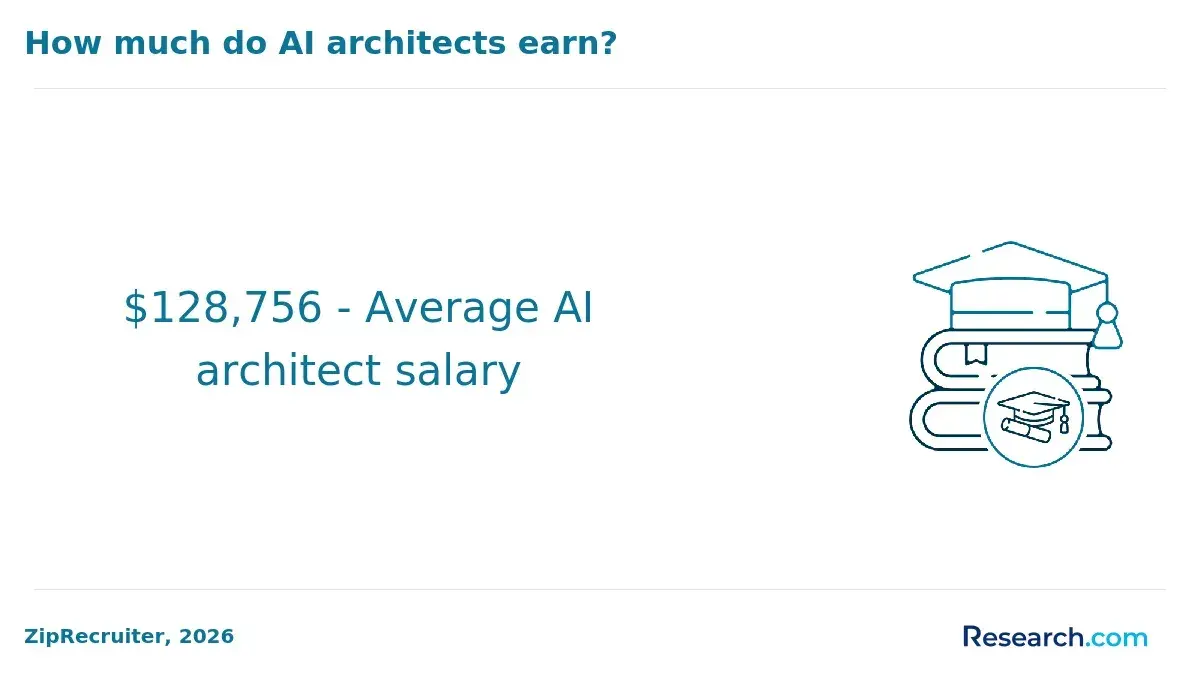
Compensation reflects the value of expertise in this area. For example, Glassdoor data shows AI Governance Manager roles in the US earn a median total pay near $185,000, well above traditional IT governance positions. Evaluating alumni success through job placement and promotions can also indicate program effectiveness.
- Does the curriculum focus on AI-specific governance challenges?
- Are practical skills and legal compliance integrated into course content?
- Is there access to experienced industry professionals or mentors?
- Can you accommodate course schedules with your existing commitments?
Prospective students may find it worthwhile to explore advanced education paths such as a PhD in artificial intelligence USA to deepen expertise and leadership potential in AI governance.
What core topics and skills do AI governance courses typically cover?
AI governance courses focus on core topics that prepare leaders to manage risks and ethical challenges associated with AI deployment. Key areas include ai governance frameworks and compliance standards, ethical decision-making skills for AI implementation, bias detection and mitigation, regulatory compliance, and data privacy. These subjects ensure organizations can develop transparent AI systems aligned with values and legal requirements.
Risk management techniques taught in these courses involve assessing AI model vulnerabilities and monitoring operational impacts. Students learn to create governance policies promoting accountability and design oversight mechanisms addressing fairness, security, and explainability-critical factors when AI influences decisions in finance, healthcare, and public services.
Technical skills cover auditing AI algorithms and understanding decision logic, while organizational strategies emphasize cross-functional collaboration and effective communication about AI risks with stakeholders. These elements bridge gaps between AI experts, legal teams, and business units.
Investment trends reflect this focus: Deloitte's State of AI in the Enterprise survey highlights that 61% of organizations increasing AI spending are also raising budgets for AI risk and governance training, showing a 32% year-over-year growth in governance-related learning.
Courses often address emerging regulatory landscapes such as the EU AI Act and U.S. federal initiatives. Advanced programs may include case studies on real-world failures and successes, supporting sustainable AI integration. Those interested in technical fields may also explore veteran-friendly online electrical engineering degree options to enhance their technical foundation alongside AI governance knowledge.
How do online AI governance programs compare to on-campus and hybrid options?
Online AI governance programs provide significant advantages for working professionals and digital transformation leaders needing flexible, current training. They offer immediate access to evolving regulations like the EU AI Act, ISO 42001, and NIST AI RMF, which helps learners stay aligned with industry standards promptly.
Hybrid programs blend in-person and online learning but often impose fixed schedules and commuting challenges, limiting accessibility for full-time employees or international students. In contrast, fully online formats enable self-paced study and support diverse, global cohorts allowing varied perspectives without geographic restrictions.
A 2024 PwC study on AI regulation readiness found that 78% of large EU companies plan to train or hire AI governance specialists in response to the EU AI Act, with 43% citing ISO 42001 and NIST AI RMF alignment as key training drivers. This highlights the urgent need for specialists who can integrate compliance into AI strategies-a gap well served by online programs with focused curricula.
Students should look for curricula that include:
- Coverage of current regulatory frameworks and standards
- Access to expert instructors with industry experience
- Interactive case studies and scenario-based assessments
While on-campus programs may offer stronger networking and hands-on labs, online courses provide the agility and scale critical to keeping pace in AI governance. For those advancing in digital transformation, updating skills through online programs often offers unmatched practicality.
What are the admission requirements for AI governance certificates, master's, and executive programs?
Admission requirements for AI governance programs differ by certificate, master's, or executive level but share key prerequisites in academic background and professional experience. Certificate programs generally require a bachelor's degree or equivalent work experience in technology, business, or policy, making them accessible to working professionals seeking foundational knowledge. Applicants without advanced degrees may qualify based on demonstrated industry involvement.
Master's programs demand a completed bachelor's degree, often in computer science, engineering, data science, or related fields. They typically require a minimum GPA around 3.0 and standardized tests like the GRE. Applicants submit letters of recommendation, a statement of purpose focusing on ethical AI use, and sometimes proof of programming or analytical skills. International students usually need to prove English proficiency through TOEFL or IELTS.
Executive programs focus on senior leaders with significant managerial experience-usually five or more years overseeing AI initiatives, risk, or compliance. While advanced degrees may be preferred, emphasis lies on professional achievements and leadership in AI governance strategy.
Research from McKinsey's global AI report highlights that companies with mature AI governance reduce significant AI-related incidents by up to 30% and protect 3-5% of annual EBIT at risk from AI failures. Meeting program prerequisites equips candidates to contribute effectively to such risk mitigation efforts.
How long do AI governance programs take and what do they cost in tuition and fees?
AI governance programs vary widely in length, spanning from a few days to several months depending on the certification's depth and complexity. Foundational certifications typically last two to five days, covering essential principles, risk management, and compliance frameworks. In contrast, advanced credentials for senior compliance professionals or auditors may extend over weeks or months, often combining self-paced learning with instructor-led sessions.
Tuition for AI governance certifications ranges from about $390 to $750 per exam, based on data from EXIN's AI Compliance Certification Guide. Entry-level exams tend to be near the lower end of this scale, while certifications like the ISO/IEC 42001 Lead Auditor exam often exceed $700, including official study materials. Additional expenses may include preparatory courses, study guides, or membership fees with certification organizations.
Professionals should balance time commitments and financial cost when selecting a program. Short courses offer quick entry into AI governance roles, while advanced certifications require more investment but yield greater industry recognition and career advancement opportunities. Many programs are modular, allowing learners to customize pacing according to individual schedules.
What AI governance careers can these programs lead to in business and government?
Careers in AI governance cover vital roles across business and government sectors. Graduates often step into positions such as AI risk managers, who focus on identifying and mitigating AI-related risks within organizations. Compliance specialists ensure companies meet evolving AI regulations and ethical standards, a demand growing with tightening legislation and public interest. In government, AI policy advisors are essential for setting and enforcing responsible AI use.
Other notable roles include AI ethics officers, responsible for creating frameworks that balance innovation with social responsibility, and data protection officers who apply AI governance to safeguard sensitive data while ensuring privacy law compliance. Chief AI officers incorporate governance into high-level strategic decisions.
Hands-on experience is valuable, particularly in audit roles where professionals evaluate AI systems for fairness and accountability. Consultants advising on risk management and regulatory compliance are also in demand. These careers require a strong grasp of AI risk, ethics, and legal frameworks, core subjects in contemporary training programs.
A LinkedIn Learning Workplace Learning report shows that 47% of large enterprises now fully or partially reimburse employees for AI governance, risk, and compliance certifications, up significantly from previous years. This change highlights employers' recognition of expert governance as key to avoiding legal and reputational issues.
Successful candidates blend technical prowess with policy insight, especially in finance, healthcare, and government sectors, where regulatory scrutiny is intense. Tailoring AI governance frameworks to specific organizational needs remains a cornerstone for career advancement.
What salary ranges and job outlook can AI governance professionals expect in the U.S.?
AI governance roles in the U.S. offer annual salaries typically ranging from $90,000 to $160,000, influenced by experience, location, and job responsibilities. Entry-level jobs like compliance analysts usually start between $90,000 and $110,000. Mid-level positions, such as governance managers, earn from $110,000 to $135,000. Senior executives, including chief AI governance officers, can command salaries upwards of $135,000, especially in competitive markets.
The demand for these professionals is growing rapidly due to heightened regulatory pressures and the need for ethical AI risk management. According to U.S. Bureau of Labor Statistics data, compliance and risk management jobs are expected to grow approximately 15% in the next decade, surpassing average occupational growth rates. Industries like finance, healthcare, and technology increasingly rely on AI governance experts to uphold ethical standards, data privacy, and regulatory compliance.
Structured learning programs significantly boost career readiness. Data from Coursera's 2024 learner outcomes shows professional certificate programs in governance, risk, and compliance have a 2.3× higher completion rate compared to standalone courses, demonstrating the advantage of cohort-based formats.
To align with market needs, candidates should pursue training that covers practical risk frameworks, legal regulations, and AI auditing tools. Hands-on experience with compliance platforms and ethical AI frameworks further enhances career prospects.
Are there certifications, standards, or accreditation considerations for AI governance education?
Certifications and accreditations play a vital role in advancing skills related to AI governance. Formal credentials validate expertise in ethical, legal, and risk management aspects of artificial intelligence systems. For instance, certifications in AI auditing, ethical AI, and risk management offer focused learning paths and industry recognition.
According to ISACA's 2025 insights on emerging tech assurance, 58% of IT audit leaders plan to expand AI auditing capabilities in their teams by 2027, highlighting the growing demand for certified professionals.
AI governance certifications generally emphasize:
- Identifying and mitigating AI model risks
- Ensuring adherence to evolving regulatory frameworks
- Embedding ethical standards throughout the AI lifecycle
Standards developed by organizations like ISO and IEEE provide crucial frameworks that shape AI governance education. Accreditation ensures courses meet these standards and industry needs. Certifications such as ISACA's Certified in Risk and Information Systems Control (CRISC) with AI-specific content or the Certified Artificial Intelligence Practitioner (CAIP) enhance professional credibility.
Graduate programs increasingly embed these certifications or preparatory modules within their curricula, aiding graduates in demonstrating both technical and governance expertise. With over 40% of IT audit leaders highlighting AI model risk and governance certifications as key for upskilling, acquiring these accredited credentials supports career advancement in a fast-evolving field.
Other Things You Should Know About Artificial Intelligence
In 2027, ethics is integral to AI governance courses for digital transformation leaders. These courses explore ethical decision-making frameworks, ensuring leaders are equipped to address challenges such as algorithmic bias, fairness, and accountability, all key to implementing responsible AI practices within organizations.
Key regulatory challenges include defining clear legal frameworks that balance innovation with safety, protecting privacy while enabling data use, and addressing liability for AI-driven decisions. The rapid evolution of AI technologies makes regulatory adaptability essential, as does international cooperation to manage cross-border effects. Policymakers must also grapple with ensuring transparency and preventing misuse without stifling beneficial development.
Explainability is crucial in AI governance because it allows stakeholders to understand how AI systems make decisions, which builds trust and facilitates compliance with ethical and legal standards. Transparent AI models help identify errors or biases and support accountability when AI impacts users or organizations. Many governance frameworks now prioritize explainability to enhance responsible AI deployment across industries.
Ethics education is foundational in AI training to ensure professionals understand the societal impacts of their work and make responsible decisions. It covers topics such as fairness, privacy, accountability, and the prevention of harm. Integrating ethics into AI curricula prepares learners to anticipate challenges and contribute to the development of trustworthy AI systems aligned with human values.
References
- AI Executive Certificate https://esmt.berlin/executive-education/analytics-ai/ai-executive-certificate
- AI Governance Certifications HUB - AI Governance Library, Articles, Ressources https://aigouvernance.com/certifications/
- An AI governance certification will boost your career | The Corporate Governance Institute https://www.thecorporategovernanceinstitute.com/insights/guides/an-ai-governance-certification-will-boost-your-career/
- AI Governance Professional Certification | CertiProf https://certiprof.com/products/ai-governance-certification-iso-42001
- AI-Driven Digital Transformation: Who Is Accountable? https://www.bsn.eu/ai-driven-digital-transformation-governance-accountability/
- Certification of AI systems https://verifywise.ai/lexicon/certification-of-ai-systems
- Best Online AI MBA Courses https://www.upskillist.com/blog/best-online-ai-mba-courses/
- AI Security & Governance Certification - Securiti Education https://education.securiti.ai/certifications/ai-governance/
- AI Governance Tools: A Practical Guide to Governing AI at Scale https://www.ovaledge.com/blog/ai-governance-tools
- Executive Master in AI Security Program https://swisscyberinstitute.com/executive-master-artificial-intelligence-security-program/