2027 Best AI Courses for K-12 Teachers With Certificates

Co-Founder and Chief Data Scientist
Many K-12 teachers face mounting pressure to integrate emerging technologies into their classrooms but lack accessible training tailored to their schedules and backgrounds. This gap hinders effective adoption of artificial intelligence tools that could enhance student engagement and learning outcomes.
To remain relevant and support diverse learners, educators need structured courses that provide both foundational knowledge and practical application. This article explores top AI courses designed specifically for K-12 teachers offering certificates upon completion. It aims to guide educators in selecting flexible programs that build confidence and competence in using AI technologies within educational environments.
Key Things You Should Know
- Top AI courses for K-12 teachers in 2026 emphasize practical classroom integration, with over 60% offering certification recognized by educational institutions.
- Programs increasingly focus on ethical AI use and data privacy, preparing educators for responsible technology adoption in schools.
- The demand for AI-literate teachers grows as 72% of U.S. schools plan to adopt AI tools by 2027, boosting career opportunities in education technology.
Advance Your Career with AI Online Courses
Artificial Intelligence: Implications for Business Strategy
This program provides an introduction to Artificial Intelligence and their implications for business strategy. Earn an official digital certificate.

Oxford Artificial Intelligence Programme
Explore this Oxford Artificial Intelligence programme offered in a flexible learning environment and explore topics like machine learning, automation, and robotics.

Implementing Agentic AI: Building Your Organizational Playbook
This online MIT Agentic AI course offers a practical approach to deploying AI agents in your organization, including a custom playbook. 3 weeks, exclusive launch price.

AI Adoption: Driving Business Value and Impact
This online MIT AI Adoption: Driving Business Value and Impact offers practical frameworks to close the gap between AI potential and business reality.

Artificial Intelligence in Pharma and Biotech
Discover the applications and limitations of artificial intelligence in pharma and biotech with this MIT online short course.

What makes an AI course for K-12 teachers credible and worth your time and money?
Credibility in credentialed AI courses for K-12 teachers in the US depends on clear evidence of quality content, practical application, and recognized certification.
A strong course offers an up-to-date curriculum aligned with educational standards and addresses real classroom challenges. Essential topics include AI ethics, data privacy, and tools designed to enhance student engagement in an age-appropriate manner.
Look for verified AI teacher training programs with certification that are endorsed by reputable education technology organizations or tied to major initiatives such as Google's Generative AI for Educators. This program alone will reach millions of U.S. teachers and students, underscoring its wide acceptance and relevance.
Certification should be formally recognized by school districts and educational institutions, providing proof of mastery through assessments or practical teaching projects rather than passive learning.
Courses that offer ongoing support or community access add long-term value by enabling collaboration and expert consultation, which help teachers keep pace with rapidly evolving AI technologies.
Varied teaching formats-such as video lessons, live workshops, and simulations-accommodate different learning preferences and schedules. Transparent pricing with no hidden fees ensures a trustworthy investment.
For educators interested in accelerating their career with related studies, exploring an accelerated computer science degree online can provide complementary skills and knowledge.
Advance Your Career with AI Online Courses
Artificial Intelligence: Implications for Business Strategy
This program provides an introduction to Artificial Intelligence and their implications for business strategy. Earn an official digital certificate.
Oxford Artificial Intelligence Programme
Explore this Oxford Artificial Intelligence programme offered in a flexible learning environment and explore topics like machine learning, automation, and robotics.
Implementing Agentic AI: Building Your Organizational Playbook
This online MIT Agentic AI course offers a practical approach to deploying AI agents in your organization, including a custom playbook. 3 weeks, exclusive launch price.
How do AI teacher courses with certificates differ from full degrees or endorsements?
AI teacher certification and full degree programs differ mainly in scope and duration. Certificate courses focus on specific skills and tools critical for immediate classroom use, typically lasting weeks or months, while full degrees involve several years of study on comprehensive educational theory, pedagogy, and curriculum development.
This distinction highlights the difference between AI teacher certification and full degree programs, showing how certificates provide targeted, practical training compared to the broader preparation a degree offers.
Certificate programs emphasize hands-on learning with AI applications, such as integrating machine learning into lesson plans or teaching AI literacy, which contrasts with endorsements that require more in-depth study but less than full degrees.
Many endorsements are state-specific and serve as a bridge between certificates and degrees, reflecting how AI courses for teachers with certificates compare to endorsements in flexibility and focus.
Time and cost are significant considerations. Certificates tend to be more affordable and flexible, ideal for educators seeking swift upskilling without full-time enrollment or high expenses.
Full degrees demand greater financial and time commitments. For those exploring educational paths, options like a cheapest online engineering degree may offer broader career mobility beyond teaching.
The World Economic Forum's Future of Jobs Report 2025 notes that 39% of core job skills will shift by 2030, emphasizing the urgency for teachers to gain AI literacy quickly. Certificate courses enable educators to adapt rapidly, meeting evolving classroom needs without the multi-year investment of a degree program.
What types of accredited AI and computer science programs are available for K-12 educators?
Accredited AI certification programs for K-12 teachers provide various pathways tailored to different experience levels and career goals. Universities and professional groups offer graduate certificates, master's degrees, and professional development courses aimed at integrating AI concepts in the classroom.
These computer science professional development courses for K-12 educators typically fall into distinct categories: graduate certificates and endorsement programs (12 to 18 credit hours for quick credentialing), master's degrees with AI/computer science specializations (30 to 36 credit hours focused on AI theory and pedagogy), and short courses or workshops offered by organizations like ISTE and CSTA that emphasize practical AI tool use and lesson design.
- Hands-on projects using AI tools such as Python, TensorFlow, and AI-driven educational platforms are common features.
- Many programs emphasize ethics, coding, and real-world applications suited to K-12 environments.
- Regional accreditation and state approval are key for ensuring credentials support professional advancement and licensure renewal.
Highly recognized programs from institutions such as Stanford and MIT often meet these standards. A recent survey by Common Sense Education found 88% of K-12 teachers have used AI tools, highlighting the importance of formal training to enhance effectiveness and student engagement.
For educators exploring tech-related credentials, it may be helpful to compare options like a cyber security degree alongside AI programs for expanded career opportunities.
How do online, hybrid, and on-campus AI courses compare for busy teachers?
Online, hybrid, and on-campus courses each offer unique benefits tailored to busy K-12 teachers balancing classroom duties and professional growth. Online programs provide unmatched flexibility through asynchronous study, ideal for educators juggling variable workloads or adapting to new AI policies.
In fact, over 20 states plus the District of Columbia have issued formal AI guidance, highlighting the need for relevant certification. Hybrid courses combine online lessons with scheduled in-person sessions, supporting teachers who thrive on hands-on practice and peer interaction while maintaining some schedule freedom.
On-campus courses require a fixed schedule but deliver immersive learning experiences with direct faculty access. These are suitable for teachers able to dedicate set times for deeper engagement with AI concepts, which may support career advancement requiring formal credentials.
Cost considerations vary, with online options reducing travel and material expenses, whereas on-campus programs may enhance networking opportunities.
Key factors when selecting among these formats include time availability, personal learning preference, and institutional backing. Teachers should assess asynchronous versus synchronous learning modes, technical resource access, and how course content aligns with current curricula.
For professionals seeking the best flexible artificial intelligence certification programs for busy educators, evaluating updated certification aligned with official policies is crucial.
Those interested in tailored online options might consider exploring military friendly online cybersecurity degree programs as examples of how flexibility can meet specialized needs.
What core AI topics and classroom applications should these courses cover for K-12?
Teacher courses on artificial intelligence for K-12 should build solid foundations in key areas like machine learning, natural language processing, robotics, and AI ethics. Educators benefit from understanding algorithms, data sets, model training, and bias to confidently integrate AI into various lesson plans.
Practical classroom uses include AI-driven personalized learning, automated grading, and adaptive content delivery platforms. Teachers must design age-appropriate activities, such as simple coding projects in middle school or ethical debates in high school.
- Use of AI-powered educational games for younger students.
- Analysis of AI's role in fields like data science and healthcare for older students.
Addressing challenges like algorithmic bias, data privacy, and equitable access is crucial. Professional development helps teachers correct AI misconceptions and fight misinformation effectively. The U.S. Bureau of Labor Statistics projects a 4% growth in elementary and middle school teacher jobs over the next decade, signaling ongoing demand for these skills.
Courses should also encourage interdisciplinary collaboration, enabling educators to partner with STEM specialists and AI experts. Training on AI tools for classroom management and student assessment supports instructional goals. The aim is to empower teachers in fostering digital literacy and preparing students for an AI-driven future.
What are typical admission requirements for AI courses and microcredentials for teachers?
Admission requirements for AI courses and microcredentials tailored to K-12 teachers vary by provider but typically include holding a valid K-12 teaching license or credential. This requirement confirms current teaching status and foundational pedagogical experience.
Many programs also expect candidates to have at least a bachelor's degree, often in education, computer science, or related STEM fields.
Additional prerequisites often involve basic digital literacy or prior experience with educational technology. Applicants may be asked to submit a statement of purpose explaining their goals for AI literacy in the classroom, along with a resume or CV showcasing their professional background.
Introductory AI courses usually have minimal prerequisites to encourage wider participation. In contrast, advanced microcredentials or certificate programs often require prior foundational AI coursework or proof of coding skills, such as proficiency in Python.
Given the fast-changing nature of AI, ethical considerations are increasingly emphasized. According to Pew Research Center's 2025 AI attitudes research, 52% of U.S. adults feel more concerned than excited about AI.
This highlights the importance of training teachers not only in AI's technical aspects but also responsible use and transparency to ensure safe classroom integration.
How long do AI teacher training programs take, and what do they usually cost?
AI teacher training programs typically require 10 to 40 hours to complete, varying by course depth and format. Introductory certificates can often be finished part-time within a few weeks, while more detailed offerings with multiple modules may extend to about three months. Programs for K-12 educators usually offer flexible pacing to fit busy work schedules.
Costs range significantly depending on the program type. Short online courses or micro-credentials may cost between $50 and $200, suitable for individual teachers or schools with limited budgets.
More comprehensive certificate programs from universities or specialized organizations range from $300 to $1,200. Some workshops and bootcamps provide group discounts or school district funding, reducing personal expenses.
Course content often covers AI fundamentals, ethical considerations, and classroom integration techniques. For example, a 15-hour self-paced online AI certificate might cost $150 and focus on practical classroom tools. In contrast, a 30- to 40-hour university program could exceed $1,000 and offer credit hours applicable to teaching credentials.
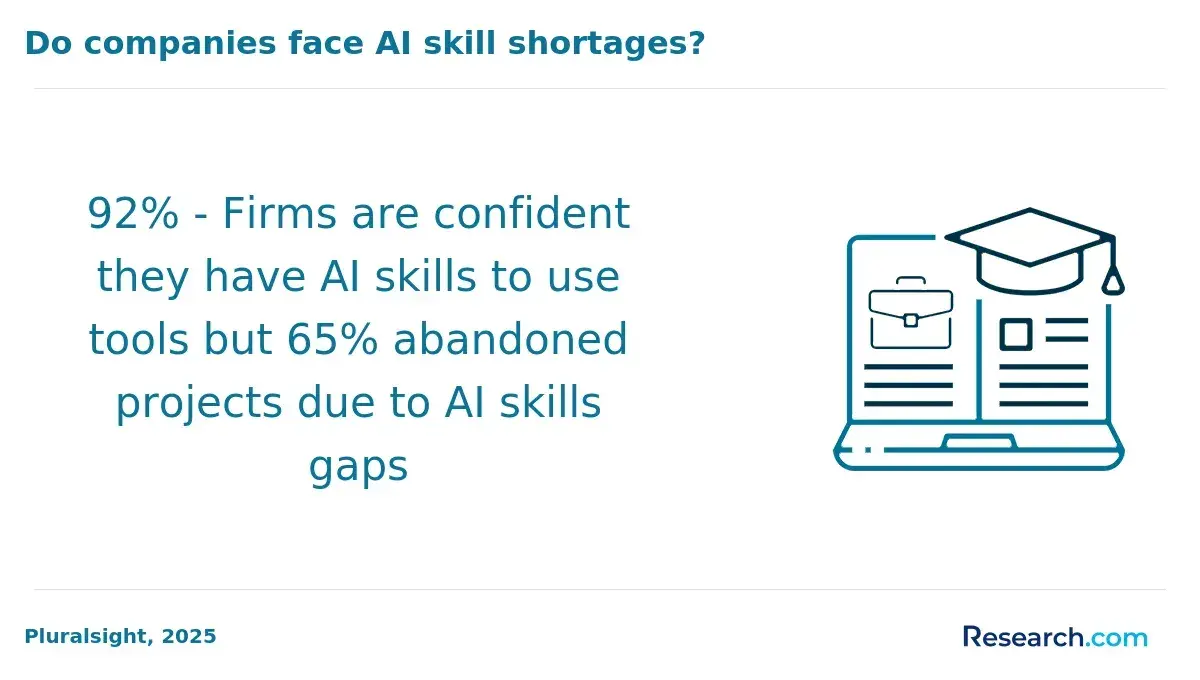
Nearly one in three K-12 teachers use AI in their work, although formal training remains uncommon. This highlights the urgent need for accessible, affordable AI teacher training programs.
Educators should prioritize duration, content relevance, certification credibility, and cost when choosing a program that fits their professional goals and schedules.
Which certificates or microcredentials in AI education are most recognized by schools?
Certificates and microcredentials in artificial intelligence education for K-12 teachers are primarily offered by respected education technology platforms and leading universities.
Providers such as Coursera, edX, and Udacity collaborate with institutions like Stanford University, MIT, and Harvard to deliver programs that cover foundational AI concepts, machine learning principles, and practical classroom applications aligned with current educational standards.
Accredited professional bodies, such as the International Society for Technology in Education (ISTE), also endorse microcredentials. ISTE certifications emphasize effective integration of AI-powered tools into teaching while addressing digital equity, ethics, and student data privacy-critical concerns for school administrators.
Practical application is a key focus for many schools, with programs like:
- Google's AI Education Micro-credential offering hands-on experience with AI tools tailored for classrooms
- Microsoft's AI Certification for Educators emphasizing personalized learning through AI
Reports from OECD's TALIS highlight that nearly a third of teachers use digital tools for over half their lesson time, demonstrating the growing importance of AI integration in education. Credentials that support these trends and align with district or state standards enhance employability.
Teachers should confirm that credentials meet local professional development credits or support career advancement through tiered licensing. Short-term, stackable microcredentials also provide ongoing flexibility for skill development.
How can AI training impact teacher roles, pay differentials, and leadership opportunities?
AI training transforms the role of educators by equipping them with skills to integrate adaptive learning technologies, automate administrative duties, and personalize instruction. This shift moves teachers from simple content delivery to facilitators of critical thinking and creativity, improving classroom engagement and efficiency.
For example, educators trained in AI can use AI-driven assessment tools that offer instant student feedback, enabling timely interventions.
Educators who complete certified AI courses often qualify for higher salary brackets or bonuses, as schools seek staff capable of leading technology integration. Workforce surveys indicate that K-12 teachers with AI training can earn 10-15% more annually due to growing demand for digital literacy combined with pedagogical expertise.
Leadership opportunities also expand with AI knowledge. Educators can oversee tech initiatives, mentor colleagues on new methods, and contribute to policy development regarding AI ethics.
UNESCO's 2024 report highlights fewer than half of countries having clear generative AI policies in education, emphasizing the need for governance-focused training. Teachers versed in AI governance often lead district committees on ethical AI use, ensuring compliance and responsible implementation.
AI training empowers teachers to innovate curriculum design, impact pay structures through specialized skills, and secure leadership roles within the evolving education landscape.
How should K-12 teachers evaluate shortlists of AI courses and choose the best fit?
K-12 teachers looking to enhance their skills with artificial intelligence courses should prioritize content that is relevant and tailored specifically for educators.
Ideal courses include modules on AI fundamentals and practical classroom applications, along with recognized certification that can boost professional credentials or satisfy school district mandates. Courses requiring 10 to 20 hours offer a balanced commitment between depth and accessibility.
Focus on courses that highlight lesson planning improvements and administrative automation, which can save significant time. According to the National Education Association's 2024 guidance, AI tools can reduce several hours of routine tasks weekly, making certification a valuable investment.
Teachers should also evaluate clarity of instruction, mentorship availability, community support, and whether up-to-date case studies and hands-on projects reflect real educational challenges.
Budget matters-some courses provide free basic training with optional paid certificates, while others demand full payment upfront. Weigh costs against potential benefits like faster planning and career growth.
Align course content with your technological proficiency and school infrastructure; courses covering specific AI platforms used in your school will deliver more immediate value.
- Does the course clearly demonstrate time-saving AI strategies in education?
- Is the certification recognized by educational institutions or professional bodies?
- Are there opportunities for practical application and skill validation?
- Does the delivery format fit the teacher's available time and learning style?
Other Things You Should Know About Artificial Intelligence
Ethical considerations in teaching artificial intelligence to K-12 students focus on promoting awareness of bias, privacy, and responsible use. Teachers should help students understand how AI systems can reflect existing societal inequalities and the importance of transparency in AI decision-making. Encouraging critical thinking about AI's impact on jobs and daily life is also essential.
Artificial intelligence concepts can be integrated across subjects like math, science, and social studies by highlighting real-world applications such as data analysis, pattern recognition, and decision-making processes. For example, AI-driven data visualization tools can enhance understanding in science experiments, while social studies can explore AI's impact on society and ethics.
One of the top AI courses for K-12 teachers in 2027 is "AI Foundations for Educators" by EdTechAcademy. This course provides an in-depth understanding of AI tools and strategies for classroom integration and awards a certificate upon completion, emphasizing hands-on learning and classroom applications.
Artificial intelligence tools support personalized learning by adapting instructional content to each student's needs, pace, and learning style. These tools can analyze student performance data to provide tailored feedback and recommend targeted practice exercises, helping teachers address diverse learning gaps while enhancing student engagement and outcomes.
References
- How to Create Micro Credentials Quickly with AI Tools https://aicoursecreator.eskilled.io/blog/how-to-create-micro-credentials-with-ai/
- AI in education: practical training and resources to support you - Chartered College of Teaching https://chartered.college/news-blogs/ai-in-education-practical-training-and-resources-to-support-you/
- Artificial Intelligence for Educators | York College of Pennsylvania https://www.ycp.edu/academics/programs/artificial-intelligence-educators
- How Does OpenAI Imagine K-12 Education? https://mail.cyberneticforests.com/how-does-openai-imagine-k-12-education/
- How Will AI Transform the Teaching Profession? Four Trends to Consider - Spencer Education https://spencereducation.com/4-trends-transform-teaching/
- Teaching K–12 Computer Science in the Age of AI: How I Reimagined and Restructured CS Instruction in My Classroom - Computer Science Teachers Association https://csteachers.org/teaching-k12-computer-science-in-the-age-of-ai-how-i-reimagined-and-restructured-cs-instruction-in-my-classroom/
- How to Choose the Right AI Tools for Your Classroom (Without the Overwhelm) https://brainfreeze.ai/how-to-choose-the-right-ai-tools-for-your-classroom/
- AI in Education > AI Course for Teachers (Erasmus+) https://www.teacheracademy.eu/course/artificial-intelligence/
- 3 Things to Know About AI Tools for K-12 Before Choosing One https://www.merlyn.org/blog/3-things-to-know-about-ai-tools-for-k-12-before-choosing-one
- AI Certificate vs Courses for Educators https://dominicancaonline.com/classroom-technology/ai-certificate-vs-courses/