2027 Best Generative AI Courses for SEO Professionals

Co-Founder and Chief Data Scientist
SEO professionals often struggle to integrate generative AI tools effectively, limiting their ability to optimize content and improve rankings. Traditional SEO knowledge alone no longer suffices in a market rapidly embracing automation and AI-driven strategies. Many face steep learning curves and scattered resources without clear guidance on applying generative AI within SEO workflows. This gap hinders their competitive edge and career growth in a data-driven digital landscape.
This article explores the best generative AI courses designed specifically for SEO professionals, highlighting options that provide practical skills, flexible learning, and industry relevance to bridge this critical knowledge gap.
Key Things You Should Know
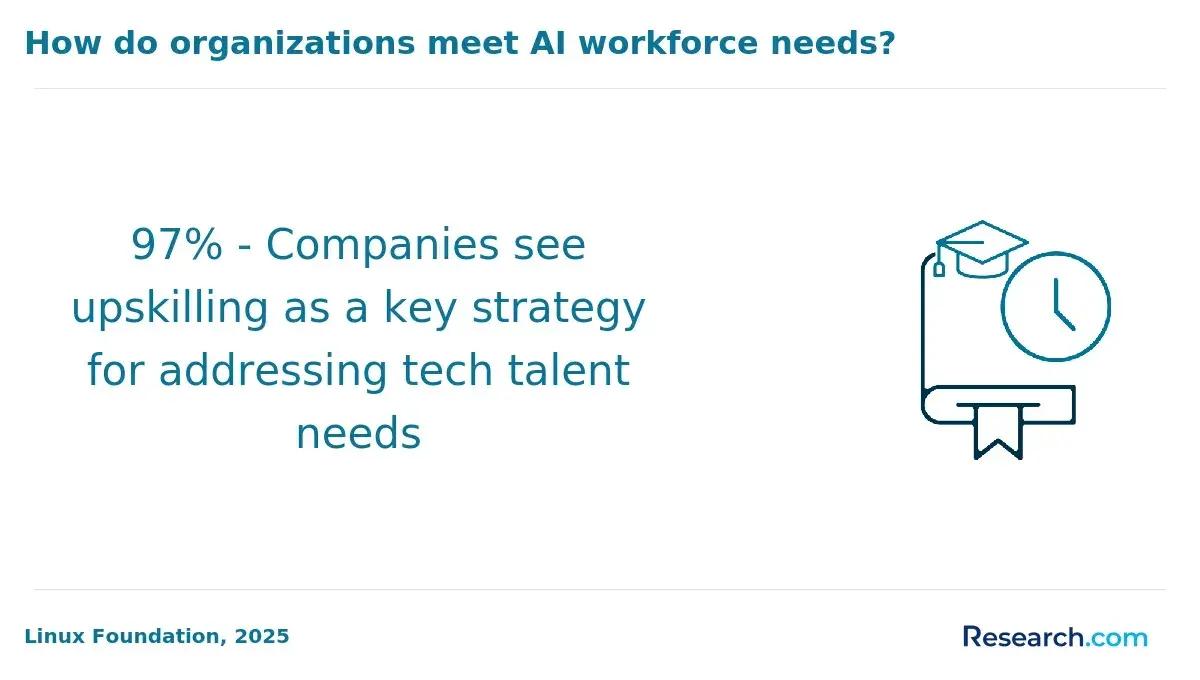
- Top generative AI courses for SEO professionals in 2026 emphasize practical skills in content generation, data analysis, and keyword optimization using AI tools, reflecting a 40% growth in demand since 2024.
- Programs increasingly incorporate updated case studies on AI-driven SEO strategies, enabling learners to leverage models like GPT-4 and beyond for competitive advantage and ROI improvement.
- Certification in generative AI for SEO now correlates with a 25% higher salary potential for digital marketers, underscoring its value in career advancement and industry relevance.
Advance Your Career with AI Online Courses
Artificial Intelligence: Implications for Business Strategy
This program provides an introduction to Artificial Intelligence and their implications for business strategy. Earn an official digital certificate.

Oxford Artificial Intelligence Programme
Explore this Oxford Artificial Intelligence programme offered in a flexible learning environment and explore topics like machine learning, automation, and robotics.

Implementing Agentic AI: Building Your Organizational Playbook
This online MIT Agentic AI course offers a practical approach to deploying AI agents in your organization, including a custom playbook. 3 weeks, exclusive launch price.

AI Adoption: Driving Business Value and Impact
This online MIT AI Adoption: Driving Business Value and Impact offers practical frameworks to close the gap between AI potential and business reality.

Artificial Intelligence in Pharma and Biotech
Discover the applications and limitations of artificial intelligence in pharma and biotech with this MIT online short course.

What are the best generative AI courses for SEO professionals?
Top generative AI courses for SEO professionals emphasize integrating AI-driven content creation with modern search engine optimization strategies that align with evolving algorithms. Coursera's advanced SEO specialization includes AI modules that highlight optimizing for AI visibility by ensuring content is cited within AI-generated answers, moving beyond traditional ranking methods. This shift toward generative engine optimization is vital as search engines increasingly depend on AI-generated responses.
Some of the best generative AI online courses for SEO professionals are:
- Coursera's "AI for SEO: Content & Strategy" teaches practical skills for crafting AI-optimized content and tracking citation metrics to improve search presence.
- Udacity's "Natural Language Processing for SEO" focuses on language models and prompt engineering to enhance content discoverability in AI-driven searches.
- LinkedIn Learning's "Generative AI in Digital Marketing" offers insights into integrating AI tools within SEO workflows, emphasizing automation and ethical considerations.
SEO specialists benefit most from programs combining technical SEO fundamentals with hands-on AI content generation techniques, like prompt design and AI indexing methods. Choosing courses with real-world projects helps learners apply knowledge practically, such as optimizing blog posts for AI summarization or structuring data for better AI citation.
Statistics from Coursera demonstrate the importance of generative engine optimization, where AI visibility depends heavily on how often content is cited within AI responses. This focus demands skills beyond traditional SEO tactics, underscoring the value of top generative AI training programs for SEO specialists.
For those seeking broader options, exploring a computer science accelerated program can also provide a strong foundation in AI technologies relevant to SEO.
Advance Your Career with AI Online Courses
Artificial Intelligence: Implications for Business Strategy
This program provides an introduction to Artificial Intelligence and their implications for business strategy. Earn an official digital certificate.
Oxford Artificial Intelligence Programme
Explore this Oxford Artificial Intelligence programme offered in a flexible learning environment and explore topics like machine learning, automation, and robotics.
Implementing Agentic AI: Building Your Organizational Playbook
This online MIT Agentic AI course offers a practical approach to deploying AI agents in your organization, including a custom playbook. 3 weeks, exclusive launch price.
How do generative AI courses help SEO careers?
Generative AI courses equip SEO professionals with advanced automation and data analysis skills, directly boosting their career growth. Integrating AI tools into keyword research, content creation, and competitive analysis enables more precise and effective SEO strategies. For instance, AI-driven keyword research automates identification of high-impact search terms, speeding productivity. Google Search Console remains a top source for keyword ideas, complemented by tools like Surfer's Keyword Surfer extension, which adds metrics such as search volume, cost per click (CPC), and related keywords directly within search results.
These courses tackle challenges like content gap analysis, personalization, and voice search optimization by teaching how AI can generate optimized content drafts and suggest topic clusters aligned with user intent. This results in measurable improvements in rankings and user engagement. Professionals develop proficiency in interpreting AI-generated insights, maintaining ethical content standards, and tailoring AI outputs for specific niches or languages, which highlights the benefits of generative AI training for SEO professionals.
By mastering generative AI skills for SEO career growth, specialists reduce reliance on manual tasks and increase scalability, enabling rapid hypothesis testing for better campaign results and higher ROI. Growing demand for AI-enhanced SEO expertise means organizations increasingly seek candidates familiar with these workflows. Professionals interested in expanding their knowledge may explore online AI degree programs to deepen their understanding and boost employability.
What should a generative AI SEO course cover?
A generative AI SEO course should focus on how to integrate generative AI tools in SEO workflows to optimize content effectively for search engines. Emphasizing search intent analysis is vital, as Google's top 10 results serve as a clear signal of user intent. This data-driven approach allows content creators to align their work with what users are genuinely seeking.
Keyword research must advance beyond mere volume metrics to include semantic relevance and user intent, supported by AI's capabilities. Training in prompt engineering for generative AI models equips students to generate precise, high-quality SEO content tailored to specific needs.
Practical components often include:
- Evaluating AI-generated content for E-A-T (Expertise, Authoritativeness, Trustworthiness) to maintain high standards.
- Using AI insights to optimize meta tags, headings, and structured data.
- Incorporating AI-driven content audits to find gaps and refresh existing materials.
- Automating routine SEO tasks such as content ideation, auditing, and reporting.
Technical SEO fundamentals remain essential, with AI assisting in site architecture analysis, crawl budget optimization, and schema implementation. Ethical considerations, including plagiarism and misinformation risks, are critical for responsible AI content use. For those exploring further education, programs like the cheapest online data science masters can enhance expertise in AI applications for SEO strategies.
Which course formats work best for working SEO professionals?
Effective online generative AI training for SEO experts often features flexible course formats tailored to busy professionals. Self-paced online courses enable learners to work around client demands while reviewing recorded lectures on complex topics like AI-assisted content gap analysis. Live virtual workshops foster interactive learning through real-time Q&A and exercises, such as analyzing top search results to identify competitor content gaps supported by industry data.
Flexible course formats for busy SEO professionals frequently include hybrid models that mix scheduled live sessions with asynchronous materials. Cohort-based courses add accountability and peer support, helping overcome motivation challenges common in independent study. Assignments focus on real-world SEO scenarios, linking theoretical insights directly to practical skills like competitor gap analysis.
Microlearning segments-brief lessons under 15 minutes-assist professionals in targeting specific knowledge efficiently, while mobile-friendly platforms facilitate learning during commutes or breaks. Incorporating popular SEO tools and AI-driven projects equips learners to automate workflows and implement advanced content strategies.
For SEO specialists seeking structured AI education, options such as a computer science degree online offer comprehensive curricula blending technical and applied expertise, further enhancing career development opportunities.
What accreditation should you look for in AI programs?
Accreditation is crucial for any AI program, ensuring it meets established educational standards and delivers high-quality instruction essential for SEO professionals. When choosing a generative AI course, prioritize those accredited by respected bodies like the Accreditation Board for Engineering and Technology (ABET) or regional agencies such as the Middle States Commission on Higher Education (MSCHE). These endorsements guarantee rigorous curricula and certification that employers value.
Seek out specialized credentials focused on AI's SEO applications, particularly certifications endorsed by industry groups like the Digital Marketing Institute or the Online Marketing Certified Professionals (OMCP). These credentials reflect alignment with current market demands and practical skill development.
Courses affiliated with institutions known for research in machine learning, natural language processing, or data science often incorporate the latest AI trends relevant to SEO. For instance, Surfer's AI-powered keyword research tool showcases how AI streamlines keyword clustering-transforming manual brainstorming into automated workflows-demonstrating real-world applications emphasized in top-tier programs.
Verify if the program offers hands-on labs or projects using cutting-edge AI tools, as practical experience is key to market readiness. Additionally, programs that issue verified digital badges or certificates enhance your professional visibility in applicant tracking systems.
Choose accredited AI programs with SEO-focused curricula, industry-recognized certifications, practical AI tool training, and strong academic affiliations to build career-ready skills and earn employer recognition.
What are the admission requirements for AI training programs?
Admission to AI training programs designed for SEO professionals typically requires foundational knowledge in digital marketing and basic programming skills. Most institutions expect at least a high school diploma, though many prefer a bachelor's degree in marketing, computer science, or related fields. Practical experience with SEO tools and content management systems is highly valued to help students apply AI techniques effectively.
Advanced courses often ask for prior familiarity with machine learning concepts or Python programming to enable customization of AI models and automation of SEO tasks. Applicants without these skills may need to complete preparatory modules on data analytics, coding basics, or search engine principles before full acceptance.
Professional certifications, such as Google Analytics or SEMrush, add strength to applications by demonstrating commitment and expertise. Part-time and online AI SEO programs tend to offer more flexible admission requirements, emphasizing relevant work experience over formal degrees and sometimes using placement tests to assess skill levels.
The core of AI training for SEO focuses heavily on creating content that is both authoritative and optimized. Successful content combines genuine expertise with data-driven refinement, ensuring improvements are measurable rather than based on guesswork, as noted by detailed research on content performance.
How long do generative AI SEO courses take?
Generative AI SEO courses vary in length based on curriculum depth and delivery method. Introductory classes typically last 4 to 6 weeks, with 2 to 4 hours of weekly content designed for professionals seeking foundational knowledge and quick skill gains. More extensive programs, offering hands-on projects and in-depth coverage of content optimization, keyword research, and AI-driven analytics, span 3 to 6 months. These include practical assignments that help learners apply generative AI tools effectively.
Advanced certifications and professional diplomas may extend to 12 months, focusing on integrating AI with traditional SEO techniques, ethical considerations, and research methods like expert interviews and scholarly consultations. This research-driven approach enhances the quality and credibility of AI-generated content.
Choosing the right course depends on individual goals and time availability. For example, marketing managers might prefer shorter courses for immediate application, while SEO specialists aiming to become AI content strategists may invest in longer, more rigorous training. Course delivery also influences duration: self-paced online formats offer flexibility but may take longer, whereas instructor-led bootcamps condense material into intensive sessions.
Reviewing course outlines for advanced AI content research strategies ensures alignment with industry best practices and helps future-proof one's SEO skills.
How much do generative AI SEO courses cost?
The cost of generative AI SEO courses varies significantly by depth, provider, and resources offered. Basic courses typically range from $100 to $400 and are ideal for professionals seeking foundational knowledge and practical skills. More comprehensive programs with certificates, often offered by universities or specialized institutes, cost between $1,000 and $3,500. These programs usually include hands-on projects, personalized feedback, and advanced topics like prompt engineering and AI-driven content optimization.
Some industry-leading platforms offer bundles that combine generative AI with broader digital marketing skills, priced between $500 and $2,000. Subscription models delivering ongoing updates and community access average $30 to $100 per month, catering to professionals who need to stay current with evolving SEO trends and AI algorithm changes.
When evaluating courses, consider the total investment, including time and supplementary tools such as AI content generators. Effective programs emphasize link building, a core SEO factor, teaching how to use AI for scalable, quality backlink acquisition. It is crucial to verify credentials, curriculum relevance, and practical applications to ensure a good return on investment.
Free tutorials can provide a helpful introduction but often lack the strategic depth needed for competitive roles. For advanced knowledge and credentialing in generative AI SEO, expect to invest at least $1,000 for reputable education.
Which certifications matter for AI and SEO roles?
Certifications that carry significant weight for AI and SEO roles emphasize integrating ai-driven search optimization techniques beyond traditional SEO. Professionals should focus on credentials demonstrating expertise in ai search algorithms, natural language processing, and geo-targeted optimization methods. Synscribe identifies AI search and GEO-focused courses as a distinct and expanding category, reflecting the industry's demand for specialized knowledge.
Key certifications include:
- AI in digital marketing programs emphasizing machine learning applications for SEO.
- Specialized courses in AI search optimization covering intent prediction, conversational AI, and semantic search techniques.
- Geo-SEO certifications targeting location-based data analysis, local AI ranking factors, and hyperlocal strategies.
Recognized certifications through providers such as Google's AI tools courses, Coursera's AI for Everyone with SEO applications, and university-led ai marketing programs are highly valued. Employers also prioritize hands-on experience verified by capstone projects or portfolios showcasing ai-based SEO campaign results.
To ensure practical readiness, certifications should address optimizing content for AI-powered search engines, managing AI-generated insights, and adapting to rapid ai algorithm changes. Programs missing these elements risk underpreparing professionals.
AI-specific SEO certifications aligned with Synscribe's findings highlight that targeted training in AI search and GEO-optimization is essential for career advancement and credible proof of expertise within this competitive field.
What jobs can you get after a generative AI SEO course?
Completing a generative AI SEO course prepares professionals for specialized roles in the digital marketing field. Graduates typically take positions as SEO analysts who utilize AI tools to analyze keyword volume, cost-per-click (CPC), and cluster mappings. These roles demand strong skills in data-driven decision-making and optimizing content strategies through integrated AI workflows. Another key career path is AI SEO strategist, where professionals design campaigns blending traditional SEO techniques with generative AI content to boost organic traffic effectively.
Other common roles include content optimization specialists who leverage generative AI for scalable, search-optimized content without sacrificing quality. Digital marketing managers seek experts capable of managing AI-enhanced SEO platforms that automate competitor analysis and keyword clustering. Additionally, technical SEO specialists focus on AI-driven site audits, semantic search improvements, and structured data to elevate search rankings.
Practical use of AI SEO tools is central. Research from Practical AI SEO tools for professionals highlights that education now centers on real-time metrics like keyword volume and CPC integrated into workflows. This hands-on, data-led training supports securing roles in freelance, agency, or in-house settings.
Key skills developed include advanced tool use, strategic content planning, and data analysis, qualifying graduates for diverse positions such as AI SEO analyst, strategist, content optimizer, and technical SEO specialist across various market environments.
Other Things You Should Know About Artificial Intelligence
Artificial intelligence is widely used in digital marketing to analyze consumer data, personalize content, and optimize advertising campaigns. It enables marketers to predict trends, automate tasks such as email marketing or chatbots, and improve targeting accuracy. These capabilities increase overall campaign effectiveness and return on investment.
SEO professionals in 2027 should focus on mastering skills like data analysis, natural language processing, and AI-driven content optimization. An understanding of machine learning concepts and the ability to integrate AI tools into SEO strategies are also crucial.
Artificial intelligence enhances marketing efforts but does not replace human marketers entirely. AI handles repetitive tasks, data processing, and pattern recognition efficiently, allowing marketers to focus on creativity, strategy, and relationship building. Human oversight remains crucial for ethical considerations and nuanced decision-making.
Ethical considerations in artificial intelligence include bias in algorithms, data privacy, transparency, and the potential for misuse. Ensuring fairness and accountability in AI applications is vital, especially when AI impacts decision-making or accesses sensitive personal information. Regulatory frameworks are evolving to address these concerns.
References
- Ultimate Guide: How to Choose the Right AI Training Course to Boost Your Career - ONLC https://www.onlc.com/blog/how-to-choose-ai-training-courses/
- Best Online AI Courses and Certifications in 2025 https://www.upskillist.com/blog/online-ai-courses-certifications/
- Use of Gen AI in Accreditation https://a3stepaccreditation.org/f/use-of-gen-ai-in-accreditation
- 7 Best SEO Courses in 2026 | Beginner to Pro Options https://digitalnomadshq.com.au/blog/seo-courses/
- 9 Courses That Actually Teach SEO and AI Search (Free + Paid) https://backlinko.com/seo-certification-guide
- 15 Best SEO Courses Worth Your Time & Money (Free & Paid) https://cxl.com/blog/best-seo-courses/
- From SEO to AEO & GEO: Optimizing for AI Search Engines | Jellyfish Training https://www.jellyfish.com/en-us/training/courses/from-seo-to-aeo-optimising-for-ai-led-search
- 5 Best Generative Engine Optimization (GEO) Courses for Marketers — Class Central https://www.classcentral.com/report/best-geo-courses-marketers/
- 5 Best SEO Certifications (Free & Paid) + AI Gaps https://www.tryanalyze.ai/blog/seo-certification
- Top AI Courses After 12th to Kickstart Your Tech Career https://www.msruas.ac.in/blog/lead-the-future-of-artificial-intelligence-with-top-ai-courses-after-12th