2027 Best AI Strategy Courses for Healthcare AI Governance Teams

Co-Founder and Chief Data Scientist
Healthcare AI governance teams often face challenges ensuring ethical practices, compliance with regulations, and effective integration of AI technologies in patient care. Mismanagement or inadequate knowledge can lead to costly errors, legal risks, and loss of public trust. Navigating these complexities requires a strategic understanding of both healthcare systems and AI frameworks.
This article explores the best AI strategy courses designed specifically for healthcare governance teams, offering insights into flexible, accredited programs that equip professionals to lead responsible AI implementation and oversight in medical settings.
Key Things You Should Know
- Healthcare AI governance courses in 2026 prioritize data privacy, regulatory compliance, and ethical frameworks to prepare professionals for complex AI deployments in clinical settings.
- By 2025, more than 60% of U.S. healthcare organizations require staff trained in AI governance to ensure safe integration of AI tools, reflecting rapid market growth.
- Top programs emphasize cross-disciplinary skills, combining AI technical knowledge with healthcare policy to address unique regulatory challenges and improve patient outcomes.
Advance Your Career with AI Online Courses
Artificial Intelligence: Implications for Business Strategy
This program provides an introduction to Artificial Intelligence and their implications for business strategy. Earn an official digital certificate.

Oxford Artificial Intelligence Programme
Explore this Oxford Artificial Intelligence programme offered in a flexible learning environment and explore topics like machine learning, automation, and robotics.

Implementing Agentic AI: Building Your Organizational Playbook
This online MIT Agentic AI course offers a practical approach to deploying AI agents in your organization, including a custom playbook. 3 weeks, exclusive launch price.

AI Adoption: Driving Business Value and Impact
This online MIT AI Adoption: Driving Business Value and Impact offers practical frameworks to close the gap between AI potential and business reality.

Artificial Intelligence in Pharma and Biotech
Discover the applications and limitations of artificial intelligence in pharma and biotech with this MIT online short course.

What is an AI strategy course for healthcare governance teams and who should take it?
An AI strategy course for healthcare governance teams is tailored to equip healthcare leaders with the expertise to responsibly implement and oversee artificial intelligence initiatives. These healthcare AI governance training programs emphasize regulatory compliance, ethical AI use, risk management, data privacy, and integrating AI tools across clinical and administrative workflows. Teams learn to create governance frameworks ensuring AI advances patient care without compromising safety or trust.
This training is crucial for executives, compliance officers, clinical informaticists, data governance professionals, and AI project managers. For instance, a chief medical information officer can gain insights into assessing AI risks and aligning implementations with federal policies. Compliance officers also benefit by understanding evolving regulations on patient data use and AI accountability.
According to a 2024 Bain & Company survey, 75% of U.S. health system executives plan to ramp up AI investments, but only 6% consider their organizations highly effective in AI governance. Addressing this gap requires focused education through AI strategy courses for healthcare governance teams.
Course participants typically learn how to:
- Identify AI-related ethical and legal challenges specific to healthcare
- Develop policies compliant with HIPAA, FDA guidelines, and other regulations
- Implement oversight for ongoing AI performance and bias monitoring
- Foster cross-disciplinary collaboration to align AI strategies with organizational goals
Healthcare organizations that invest in such programs ensure their governance teams are prepared for the complexities of modern AI applications. Professionals seeking rapid advancement in technology fields might also explore the fastest computer science degree options to complement their healthcare AI expertise.
Advance Your Career with AI Online Courses
Artificial Intelligence: Implications for Business Strategy
This program provides an introduction to Artificial Intelligence and their implications for business strategy. Earn an official digital certificate.
Oxford Artificial Intelligence Programme
Explore this Oxford Artificial Intelligence programme offered in a flexible learning environment and explore topics like machine learning, automation, and robotics.
Implementing Agentic AI: Building Your Organizational Playbook
This online MIT Agentic AI course offers a practical approach to deploying AI agents in your organization, including a custom playbook. 3 weeks, exclusive launch price.
How do AI strategy courses prepare healthcare leaders to oversee safe and ethical AI use?
AI strategy courses equip healthcare leaders with skills essential for ethical oversight and risk management in AI deployment. These programs emphasize core governance competencies such as conducting thorough risk assessments, implementing transparent model validation, and establishing continuous monitoring systems. Addressing the significant governance skill gaps is critical, as recent data shows that 61% of health organizations using AI faced at least one AI-related adverse event or near miss, with 70% linked to deficiencies in governance, including model oversight.
Preparing healthcare governance teams for safe AI implementation, these courses also focus on regulatory frameworks, ethical standards, and strategies to mitigate bias in AI models. Learners gain insights into aligning AI applications with patient safety and privacy laws while maintaining public trust through effective stakeholder communication. Case studies provide practical experience navigating complex governance challenges.
Collaboration across clinical, technical, and legal domains is another key element, helping leaders develop robust governance frameworks balancing innovation with patient protection. Hands-on modules often include AI audit procedures and compliance reporting training, addressing frequent oversight gaps.
Healthcare leaders completing such education are positioned to drive responsible AI adoption that enhances patient outcomes while safeguarding institutional integrity. For those interested in expanding their technical qualifications alongside leadership skills, exploring programs like a mechanical engineering degree can complement AI expertise and career growth.
What types of degrees and professional programs offer AI strategy training for healthcare?
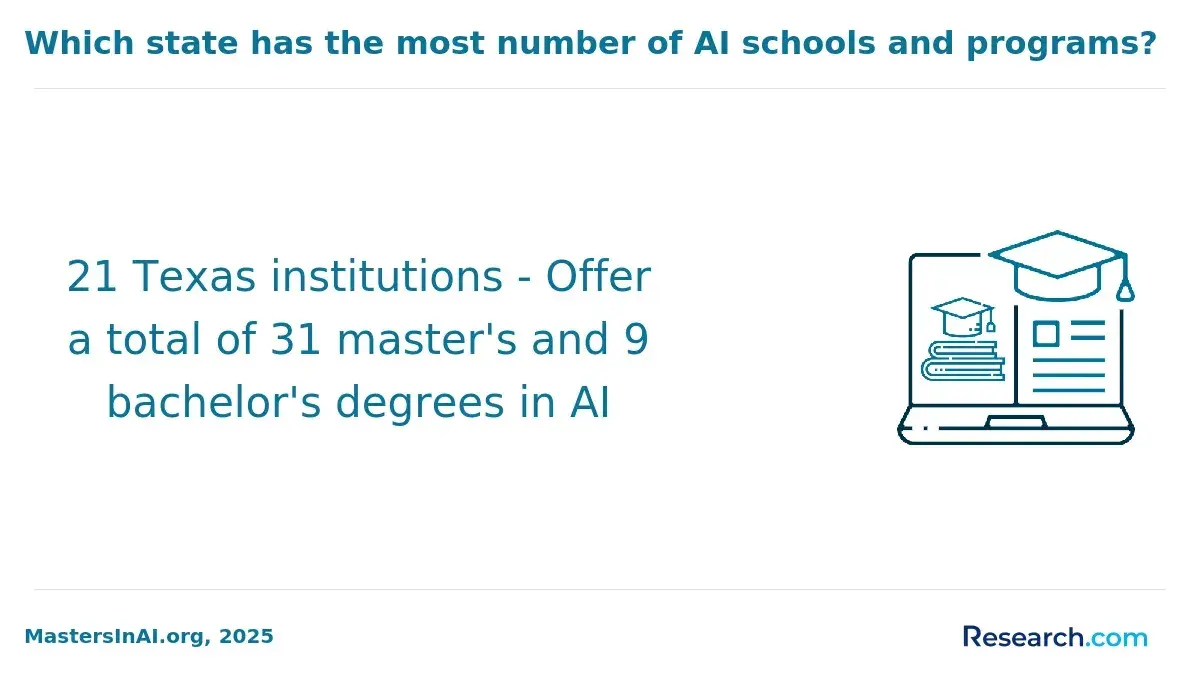
Degrees and professional programs offering AI strategy degree programs for healthcare professionals focus on integrating technical, managerial, and policy skills to prepare candidates for leadership roles within clinical environments. Common pathways include Master's degrees in health informatics, healthcare administration, and data science applied to healthcare. These degrees emphasize AI fundamentals, health data management, ethics, and strategic decision-making such as electronic health records analytics and AI-driven decision support systems.
Professional training courses in healthcare AI governance often come in the form of executive certificates lasting 6-12 months. They cover key areas like AI governance frameworks, regulatory compliance, risk management, and innovation management. Micro-credentials on AI policy, clinical AI deployment, and algorithm auditing provide focused expertise without requiring full degree commitments.
Some MBA programs with healthcare management tracks include AI strategy modules, designed to align AI initiatives with organizational goals, budgeting, and compliance, helping professionals bridge clinical knowledge with business strategy. Practical training with real-world healthcare datasets and regulatory challenges prepares candidates to effectively govern AI tools in clinical settings.
Growing demand for AI and machine learning specialists in healthcare is projected to increase by 37% between 2023 and 2028, reflecting AI strategy skills as a valuable career asset. Prospective students are encouraged to explore the best online data science masters programs to build strong foundations combining AI and healthcare expertise.
How do online AI strategy programs for healthcare compare to on-campus options?
Online ai strategy courses for healthcare professionals offer flexibility that suits working individuals balancing career and education. These programs often include interactive case studies, live discussions, and current regulatory content, providing comprehensive knowledge similar to campus-based curricula. For healthcare AI governance teams, this format allows skill development without disrupting ongoing job responsibilities.
Comparing on-campus and online ai governance programs in healthcare reveals distinct advantages. Campus programs foster richer networking through direct face-to-face interaction and collaboration, ideal for those who thrive in structured learning environments. They often provide hands-on labs and access to institutional research projects, resources sometimes limited in online formats.
- Work experience compatibility: Online courses accommodate professionals with flexible schedules.
- Learning style preference: Campus settings benefit those who favor in-person engagement.
- Networking needs: On-campus programs offer spontaneous professional connections.
- Access to resources: Campus programs often provide deeper support including research opportunities.
With 82% of health IT leaders reporting that AI initiatives without formal governance training face doubled risks of failure or delay, selecting a program emphasizing governance frameworks is vital. Rigorous curricula, accredited faculty, and case-driven methods distinguish quality programs regardless of delivery mode.
For veterans seeking flexible education options, related resources such as electrical engineering degree online for veterans may provide valuable guidance on balancing educational advancement with career demands.
What core topics and skills are covered in healthcare AI strategy and governance curricula?
Healthcare AI strategy and governance education develops expertise in data stewardship, ethical AI deployment, regulatory compliance, and organizational change management. Key topics include clinical data integration, bias mitigation, and AI model validation to ensure patient safety and equitable outcomes. Students learn to interpret AI performance metrics, apply federal regulations like HIPAA and FDA guidelines, and maintain transparent audit trails for AI-driven decisions.
Programs focus on aligning AI efforts with institutional priorities while balancing innovation with risk management. Learners engage with frameworks for AI project lifecycle management covering prioritization, budgeting, and stakeholder collaboration. Practical skills include fostering interdisciplinary teamwork and overcoming obstacles in clinician adoption and workflow integration.
Risk assessment methods help identify vulnerabilities in AI tools, enhancing resilience against cybersecurity threats and data breaches. Instruction in ethical standards and legal requirements prepares professionals to address informed consent, bias, and accountability. Decision-making frameworks clarify when governance issues should be escalated to leadership or ethics committees.
Harvard Medical School's executive AI program reports that over 70% of participants lead new or expanded AI initiatives within a year, demonstrating real-world impact. Graduates gain skills to translate technical AI concepts for non-technical stakeholders and create policies that support sustainable AI governance.
Healthcare AI governance teams benefit by mastering these competencies to confidently oversee AI adoption, measure outcomes, and ensure ethical stewardship in clinical settings.
Which accreditation, institutional approvals, or industry standards should these programs meet?
Healthcare AI governance programs must adhere to rigorous accreditation, institutional approvals, or industry standards to guarantee quality and relevance. Accreditation by organizations like the ABET (Accreditation Board for Engineering and Technology) or regional agencies such as the Middle States Commission on Higher Education confirms academic rigor and institutional reliability. Additionally, healthcare-specific endorsements from entities like the Commission on Accreditation of Healthcare Management Education (CAHME) ensure alignment with industry governance competencies.
Incorporating recognized industry standards is crucial for comprehensive learning. Programs often follow frameworks compliant with HIPAA (Health Insurance Portability and Accountability Act) to address patient data privacy. Other important standards include ISO/IEC 27001 for information security management and ethical guidelines from organizations like the IEEE, covering the complex responsibilities in healthcare AI governance.
Coursera's 2024 learner outcomes survey reports that 72% of professionals completing AI or data governance certificates experience positive career advancements within six months, including promotions, new roles, or salary increases. Prospective students should seek programs validated by accreditation and updated regularly to reflect AI ethics and evolving federal healthcare regulations.
Trusted endorsements often involve partnerships with major healthcare institutions or data governance councils, providing assurance of program relevance and practical value.
What are typical admission requirements and prior experience needed for these courses?
Admission requirements for AI strategy courses tailored to healthcare AI governance often combine formal education, relevant experience, and foundational knowledge. Candidates usually need at least a bachelor's degree in healthcare administration, computer science, data science, law, or public policy. Advanced degrees may be preferred for programs focusing on regulatory compliance or leadership roles.
Professional experience in healthcare or regulatory sectors is highly valued, particularly in compliance, risk management, clinical informatics, or technology oversight. Familiarity with healthcare data systems and privacy laws like HIPAA is often required or recommended. Exposure to regulations such as the EU AI Act or FDA AI guidelines is a strong asset for prospective students.
Many courses require understanding of AI fundamentals, including machine learning and ethical AI practices. Some programs provide preparatory modules for those needing to build this background. Documentation like detailed CVs, letters of recommendation, and portfolios of relevant projects can strengthen applications.
A 2024 survey by the European Hospital and Healthcare Federation (HOPE) found that 68% of European hospitals expect the EU AI Act to demand significant new AI governance skills, yet only 21% currently offer formal training on AI regulatory compliance. This gap underscores the need for structured education linking technical, legal, and ethical frameworks.
How long do healthcare AI strategy programs take and what do they usually cost?
Healthcare AI strategy programs vary widely in duration and cost, typically lasting from 6 weeks to 6 months depending on the curriculum's depth. Shorter courses, around 6 to 8 weeks, focus on foundational knowledge and governance frameworks, ideal for busy professionals seeking targeted learning. More comprehensive programs include modules on data ethics, regulatory compliance, and implementation strategies, often structured part-time over several months.
Costs range from $1,000 to over $20,000 based on program scope, provider, and credential type. Entry-level courses fall between $1,000 and $3,000, while extensive certificate and executive education programs cost $5,000 to $15,000 or more. University-affiliated offerings with credits or certificates can exceed $20,000. Employer sponsorship or tuition reimbursement is sometimes available to support leadership development.
Research highlights that health systems with structured AI governance and leadership training capture up to 40% more of AI's potential financial value than those without such programs. Prospective students should seek programs tailored to healthcare settings with case studies on clinical safety, privacy, and organizational change management.
Flexible online formats are common, accommodating working professionals balancing study with job responsibilities. Choosing a program designed for healthcare contexts addresses crucial governance and ethical issues effectively.
What careers, job titles, and advancement opportunities follow healthcare AI governance training?
Healthcare AI governance training equips professionals for critical roles in compliance, risk management, and strategic oversight within medical organizations. Common positions include AI Compliance Officer, Healthcare Data Governance Specialist, Clinical AI Program Manager, and AI Ethics Advisor. With experience, individuals often advance to leadership roles such as Director of AI Governance, Chief AI Compliance Officer, or Head of Healthcare AI Strategy, all of which demand a strong grasp of regulatory requirements, ethical considerations, and AI risk mitigation.
Career growth also encompasses cross-disciplinary positions that connect healthcare delivery with technology innovation, including clinical informatics and healthcare IT policy development. For example, an AI Governance Analyst might become a Senior Risk Manager responsible for validating AI models and auditing to ensure patient safety and data privacy compliance. Governance training also opens opportunities in consulting, guiding hospitals and healthcare networks on safe AI implementation strategies.
According to a 2024 LinkedIn Workplace Learning Report, organizations offering structured AI skills development are 39% more likely to experience strong AI adoption and twice as likely to see high employee confidence in AI tool use. This underscores the importance of ongoing learning and certification in accelerating career advancement.
Healthcare AI governance professionals collaborate with interdisciplinary teams, honing project management and communication skills essential for leadership. Mastery of evolving regulations like HIPAA adaptations and FDA oversight frameworks positions them uniquely for governance roles.
What salary ranges and job outlook can healthcare AI governance professionals expect?
Healthcare AI governance professionals in the U.S. earn between $90,000 and $160,000 annually, varying by experience, education, and role. Entry-level jobs start around $85,000 to $95,000, while senior positions such as managers and directors overseeing AI ethics and regulatory compliance often exceed $150,000. Expertise in AI policy, clinical data security, and healthcare regulations typically results in higher pay.
The job outlook remains strong. A 2024 OECD report predicts that by 2030, over 80% of hospitals in high-income countries will use at least one high-risk AI system. This surge will more than double the need for trained professionals skilled in AI risk management, algorithmic transparency, and healthcare governance compliance.
Challenges in this field include navigating complex legal frameworks, safeguarding patient privacy, and updating governance as AI technologies evolve. Employers prefer candidates with combined knowledge of healthcare delivery, data science, and policy enforcement. Certifications or coursework focused on AI ethics and healthcare regulations enhance job prospects.
Some organizations offer compensation packages with performance bonuses tied to successful AI integration, emphasizing the role's importance. Salary growth often depends on demonstrated impact on patient safety and regulatory adherence. Staying current with regulatory developments and innovations in AI systems is vital for career advancement.
Other Things You Should Know About Artificial Intelligence
Explainability is crucial in AI strategy courses for healthcare governance teams as it ensures transparency in AI systems. This allows healthcare professionals to understand, trust, and appropriately act upon AI-driven insights, thereby enhancing decision-making and fostering ethical compliance.
Explainability is essential for healthcare AI because it enables stakeholders to understand how AI models generate predictions or recommendations. This transparency helps build trust among clinicians and patients, facilitates error detection, and supports regulatory compliance. Without explainability, healthcare organizations risk deploying AI systems that may produce biased or incorrect outcomes without clear rationale.
Ethical concerns include patient consent, data security, potential biases in AI algorithms, and the risk of reducing human oversight. Ensuring that AI respects patient autonomy and confidentiality while promoting equitable care is fundamental. Healthcare AI governance teams must develop policies to mitigate these concerns through rigorous validation and ethical review processes.
Effectiveness can be measured by tracking compliance with relevant regulations, monitoring AI system performance metrics, and evaluating incident reports related to AI errors or adverse outcomes. Regular audits and stakeholder feedback also help ensure governance frameworks remain responsive and aligned with both clinical goals and ethical standards.
References
- AI Development Cost Estimation: Pricing Structure, Implementation ROI https://www.coherentsolutions.com/insights/ai-development-cost-estimation-pricing-structure-roi
- AI Governance in Healthcare: Policies, Controls & Compliance - Securiti https://securiti.ai/ai-governance-in-healthcare/
- Healthcare Leaders and the Ethical Use of Artificial Intelligence https://www.ache.org/about-ache/our-story/our-commitments/policy-statements/healthcare-leaders-and-the-ethical-use-of-artificial-intelligence
- Appendix I — Career Pathways in Public Health AI – The Public Health AI Handbook https://publichealthaihandbook.com/appendices/career-guide.html
- Cost of Implementing AI in Healthcare, A Complete Guide to ROI Calculations and Budget Planning - Emorphis Health https://emorphis.health/blogs/cost-of-implementing-ai-in-healthcare/
- Market Analysis of 146 AI Governance Job Postings https://axialsearch.com/insights/ai-governance-jobs/
- Top 10 AI certifications and courses for 2025 https://www.techtarget.com/whatis/feature/10-top-artificial-intelligence-certifications-and-courses
- Using AI in HEOR https://heorinstitute.com/course/using-ai-in-heor/
- Priorities for an AI in health care strategy | The Health Foundation https://www.health.org.uk/reports-and-analysis/briefings/priorities-for-an-ai-in-health-care-strategy
- Artificial Intelligence and its Governance in Healthcare https://learn.achs.org.au/pages/artificial-intelligence-and-its-governance-in-healthcare