2027 Best AI Courses for Brand Teams With Certificates

Co-Founder and Chief Data Scientist
Brand teams face increasing pressure to integrate artificial intelligence into their marketing strategies without extensive technical backgrounds. Navigating the vast landscape of AI courses to find programs offering credible certificates that enhance both skill and resume can be daunting. Professionals need trusted, flexible learning options that align with demanding schedules and career transitions.
This article reviews the best AI courses specifically designed for brand teams, focusing on accredited certifications, practical relevance, and accessibility to help readers make informed decisions and successfully pivot into AI-driven roles with confidence.
Key Things You Should Know
- Top AI courses for brand teams in 2026 emphasize practical skills in machine learning, natural language processing, and data analytics, with 85% of programs offering certificate completion.
- Certificates from recognized courses enhance career prospects, with 60% of marketers reporting job advancement after AI training in brand strategy and customer engagement.
- Leading courses integrate real-world projects, using up-to-date 2025 tools and datasets, ensuring brand teams can apply AI techniques effectively for competitive advantage.
Advance Your Career with AI Online Courses
Artificial Intelligence: Implications for Business Strategy
This program provides an introduction to Artificial Intelligence and their implications for business strategy. Earn an official digital certificate.

Oxford Artificial Intelligence Programme
Explore this Oxford Artificial Intelligence programme offered in a flexible learning environment and explore topics like machine learning, automation, and robotics.

Implementing Agentic AI: Building Your Organizational Playbook
This online MIT Agentic AI course offers a practical approach to deploying AI agents in your organization, including a custom playbook. 3 weeks, exclusive launch price.

AI Adoption: Driving Business Value and Impact
This online MIT AI Adoption: Driving Business Value and Impact offers practical frameworks to close the gap between AI potential and business reality.

Artificial Intelligence in Pharma and Biotech
Discover the applications and limitations of artificial intelligence in pharma and biotech with this MIT online short course.

What are the best AI courses for brand teams that include accredited certificates?
AI courses for brand teams that offer accredited certificates emphasize practical skills in generative AI, data-driven marketing, and AI's integration into brand strategy. The best AI courses for brand teams with accredited certificates typically come from reputable institutions and platforms known for providing verified credentials that employers recognize. These programs equip marketing professionals with the tools to apply AI for content creation, predictive analytics, and customer segmentation.
Notable examples include Northwestern University's "AI for Marketing" and IBM's "Applied AI for Business Leaders," both designed with marketing teams in mind. They cover current AI trends, ethical considerations, and hands-on experience with widely used AI platforms. These courses help brand teams meet demands such as the anticipated 72% rise in content production driven by AI, according to a 2024 CMO Survey.
Other leading options feature Google's AI Marketing Certificate and Coursera's AI in Advertising Specialization. These top certified AI training programs for marketing professionals strike a balance between technical knowledge and strategic brand application, allowing marketers to leverage AI without deep programming expertise.
Key factors when selecting courses include accreditation by respected institutions, focus on generative AI within brand strategy, practical modules tied to content and customer insight, and clear job market recognition for certificates.
For brand teams keen to understand more technical roles related to AI, exploring what is applied AI engineering can provide valuable career insights. Embracing specialized, accredited AI training remains crucial for maintaining competitiveness and agility in marketing strategy development.
Advance Your Career with AI Online Courses
Artificial Intelligence: Implications for Business Strategy
This program provides an introduction to Artificial Intelligence and their implications for business strategy. Earn an official digital certificate.
Oxford Artificial Intelligence Programme
Explore this Oxford Artificial Intelligence programme offered in a flexible learning environment and explore topics like machine learning, automation, and robotics.
Implementing Agentic AI: Building Your Organizational Playbook
This online MIT Agentic AI course offers a practical approach to deploying AI agents in your organization, including a custom playbook. 3 weeks, exclusive launch price.
How do AI certificate programs for brand teams differ from full AI degrees?
AI certificate programs for brand teams offer focused skill development and practical applications, differing significantly from the broader scope and theoretical depth of full AI degrees. These certificate programs deliver targeted skills in a compressed timeframe, typically weeks or months, prioritizing the use of AI in marketing, brand strategy, and customer engagement.
In contrast, full AI degrees cover foundational concepts like machine learning algorithms, computer vision, and natural language processing over several years.
Brand team certificates emphasize tools and platforms directly applicable to marketing tasks such as AI-powered customer segmentation, automated content generation, and predictive analytics for campaign optimization. This specialization allows teams to apply AI-driven automation and decision-making immediately within brand workflows, providing clear practical benefits of AI certificate courses for brand teams.
Certificate programs also support rapid upskilling—Salesforce data shows 79% of high-performing marketing organizations prioritize AI and automation skill development, compared to just 37% of underperforming teams.
Those seeking deeper technical expertise, research roles, or leadership may prefer full degrees. Prospective students should weigh time commitments, learning goals, and technical complexity. For more comprehensive options, explore the best online master's in artificial intelligence to find programs balancing affordability and depth.
What skills should AI courses teach specifically for marketing and brand teams?
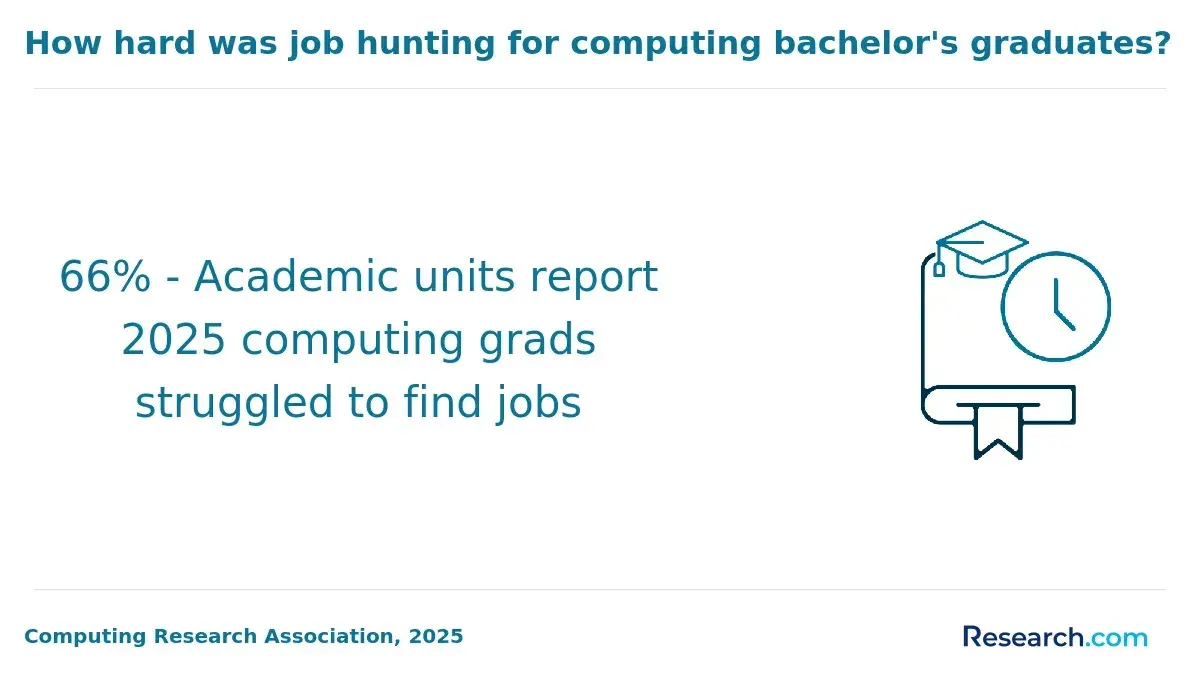
AI courses for marketing and brand teams focus on developing practical skills for AI integration in brand management, combining technology with consumer engagement. Foundational AI literacy includes understanding machine learning, data types, and AI applications such as customer segmentation, predictive analytics, and personalization engines. Despite 83% of CMOs feeling pressure to demonstrate AI literacy, only 29% have formal training, highlighting the need for targeted education.
Successful curricula teach the use of AI-driven marketing analytics and customer insights through tools like automated ad targeting, content creation, and social listening. Marketers learn to navigate AI-powered CRM systems to analyze customer behavior and optimize campaigns. Emphasis on ethical AI use and data interpretation ensures transparency and protects brand reputation.
Courses also stress integrating AI insights with creativity, blending data-driven audience understanding with compelling brand narratives. Training covers evaluating AI technologies for scalability and ROI, enabling teams to select solutions best aligned with business goals. Communication skills for explaining AI strategies to non-technical stakeholders are critical for fostering collaboration and justifying investments.
For those seeking related education paths, an game art degree online can offer interdisciplinary skills relevant to evolving AI and digital marketing landscapes.
How can you compare online vs. on-campus AI programs for brand professionals?
Comparing online versus on-campus ai courses for brand professionals hinges on priorities like flexibility, networking, and practical experience. Online programs offer adaptable schedules, ideal for working marketers balancing projects and learning. Many provide modular content focused on skills such as prompt engineering and content creation tailored to marketing needs. Platforms with specialized AI prompting courses allow marketers to progress without relocating or pausing their careers.
Conversely, traditional on-campus programs create immersive environments fostering direct interaction with instructors and peers. This collaborative setting supports mastering complex AI concepts and applications in branding but often demands fixed schedules and potential relocation, which can interrupt professional responsibilities.
The benefits of virtual and traditional AI programs in branding include enhanced marketing outcomes through hands-on AI prompting and content creation courses. According to the Marketing AI Institute's State of Marketing AI Report 2024, marketers skilled in prompt engineering are 2.8 times more likely to exceed campaign goals than beginners, emphasizing the value of applied experience in either format.
Prospective students should weigh curriculum depth, certification recognition, and opportunities for real-world projects. Online courses often integrate cutting-edge AI tools and case studies for immediate application, while on-campus offerings may provide access to specialized labs and cross-disciplinary collaboration. For those seeking flexibility combined with rapid degree options, exploring an accelerated cyber security degree online can be informative.
What admission requirements do AI certificate programs for working marketers usually have?
AI certificate programs for marketing professionals often require a bachelor's degree or equivalent experience in marketing, communications, or related fields. This foundation helps participants engage effectively with AI concepts that support brand strategy and campaign development.
Applicants are commonly expected to demonstrate skills in digital marketing tools and data analytics. Those without formal degrees may submit resumes or portfolios showcasing relevant work, especially for programs focused on generative AI technologies enhancing creativity.
Some institutions incorporate pre-assessment tests or interviews assessing logical reasoning, data literacy, and basic programming knowledge such as Python or SQL. These help customize the learning experience by identifying skill gaps early.
Financial requirements vary, but many programs offer flexible payment plans and scholarships for working professionals. Enrollment deadlines are often rolling, allowing students to start according to their schedules and industry demands.
According to the Adobe Future of Creativity Study, 63% of creative and marketing leaders report generative AI has significantly improved creative quality or personalization, while 58% note faster creative iteration cycles. This highlights the critical value for brand teams to pursue certification programs that integrate AI tools meaningfully into marketing workflows.
How long do AI courses for brand teams take, and what do they cost?
AI courses tailored for brand teams typically span 4 to 12 weeks, balancing foundational knowledge with advanced skills. Shorter programs of 4 to 6 weeks focus on essentials like AI-driven marketing analytics, customer segmentation, and campaign automation. Longer courses up to 12 weeks provide deeper training, including hands-on projects and advanced methods such as natural language processing and predictive modeling customized for branding strategies.
Course costs vary widely based on length, provider reputation, and certification availability. Entry-level options range from $300 to $800, suitable for teams seeking basic AI integration with minimal investment. More extensive, intermediate to advanced programs can cost between $1,000 and $3,500, often offered by established institutions or platforms that award recognized professional certificates in marketing.
Companies integrating AI into performance measurement and analytics reportedly outperform peers by approximately 3.5 times on marketing ROI and customer acquisition metrics, highlighting the practical value of these courses.
When choosing a program, consider the interplay of cost, duration, and practical relevance—for example, training on sentiment analysis or real-time campaign adjustments often provides competitive advantages.
Legitimacy of certification and access to support resources are other important factors affecting educational returns. Subscription-based or ongoing learning options may also provide flexibility and continued skill development.
What typical curriculum and projects are included in AI courses for brand teams?
AI courses tailored for brand teams emphasize practical skills that improve marketing, SEO, content creation, and customer engagement. Core topics include machine learning fundamentals, natural language processing (NLP), and computer vision, focusing on applying AI to automate tasks and optimize workflows. Brand teams also study predictive analytics to interpret consumer behavior and use sentiment analysis to refine messaging strategies.
Hands-on projects are a key part of these courses, involving chatbot development for customer support, AI-driven SEO tools for enhancing search rankings, and automated content generation tailored to specific audiences. Participants often utilize popular AI frameworks like TensorFlow and PyTorch, alongside platforms such as Google Cloud AI and IBM Watson, enabling real-world implementation within marketing infrastructures.
Advanced modules cover multi-channel campaign optimization using AI-powered analytics to streamline content production and distribution. Examples include analyzing expansive social media data sets to detect trending topics and automating personalized email marketing sequences.
These efforts lead to measurable business results, with brands integrating AI reporting an average 35% rise in organic traffic and 28% faster content output within a year, according to Semrush's State of Search & Content Marketing with AI.
Additional training highlights ethical AI use, data privacy compliance, and collaboration between marketing and data science teams, ensuring professionals grasp the strategic benefits and limitations of AI tools.
Which accreditations and industry-recognized certificates matter for AI marketing courses?
Accreditations and industry-recognized certificates play a vital role in validating skills and enhancing credibility in AI marketing education. Employers and teams prioritize certifications from reputable organizations such as the IBM AI Engineering Professional Certificate and the Google Professional Machine Learning Engineer credential.
These credentials demonstrate the ability to apply AI tools effectively in marketing, including predictive analytics, customer segmentation, and content personalization.
Many industry-backed certificates combine foundational theory with practical projects that teach the implementation of AI in real brand workflows. Platforms like Coursera and edX, affiliated with leading universities, offer verified certificates that confirm mastery of AI marketing concepts such as natural language processing and automated campaign optimization.
Research from the IBM Global AI Adoption Index 2024 finds that organizations with structured AI upskilling for marketing teams are 1.9 times more likely to use AI daily and 2.1 times more likely to reach revenue growth goals. This evidence highlights the importance of certifications that emphasize practical application and workflow integration over purely theoretical knowledge.
When selecting a certificate, professionals should seek industry recognition, verified hands-on projects, and alignment with current ai marketing technologies. Avoiding credentials without practical assessments is crucial to stay competitive. Presenting certificates from respected sources ensures candidates meet evolving standards and increases organizational AI readiness effectively.
What career outcomes and salary impacts can AI training have for brand professionals?
AI training substantially enhances career prospects and salary potential for brand professionals. According to LinkedIn's Future of Work: AI Skills in Marketing, 2024, 88% of hiring managers value demonstrable AI project experience or certifications as much as or more than traditional marketing degrees. This trend highlights the growing importance of hands-on AI expertise in securing higher-paying roles and accelerating career growth.
Brand professionals proficient in AI-driven data analysis, customer segmentation, and automated content creation can optimize marketing strategies and better measure ROI, increasing their organizational value. Roles such as AI marketing strategist or digital analytics lead often offer salaries 15% to 30% above average marketing pay.
AI knowledge also helps professionals tackle industry challenges by applying machine learning for consumer insights and predictive modeling for trend forecasting. These skills open doors to diverse sectors including retail, technology, and advertising.
Practical AI certifications or project experience provides measurable proof of ability, meeting employer demand for outcomes beyond theory. Investing in AI courses tailored for brand teams can deliver tangible benefits such as improved job security, higher earnings, and broader responsibilities.
How should brand leaders choose the right AI course for their team's goals?
Brand leaders should choose AI courses tailored to their team's goals, skill levels, and desired business outcomes. Defining clear objectives—such as improving content personalization, automating data analysis, or boosting customer engagement—helps ensure course relevance and practical application.
For instance, marketing teams focused on predictive analytics benefit more from programs emphasizing machine learning models and data interpretation than from general AI theory.
Assess your team's current expertise. Beginners need foundational courses covering basic AI concepts and tools, while advanced members may gain more from specialized topics like natural language processing or AI-driven design tools. Aligning course difficulty with skill levels enhances engagement and learning effectiveness.
Consider training duration and format in relation to your workflow. Intensive 8-12 week programs often deliver results; BCG's "AI Upskilling for Marketing & Sales Teams" (2024) reports a 21% productivity increase and a 19% cut in external agency costs within a year for teams that adopt such structured learning with measurable milestones.
Look for certification options and industry recognition. Certifications validate skills internally and externally, motivating teams and building stakeholder confidence. Practical projects or case studies mirroring real brand challenges add valuable hands-on experience.
Finally, balance budget constraints with expected returns. Investing in AI courses proven to impact marketing functions can reduce dependency on expensive external agencies. Matching course content, complexity, delivery, and certification to your brand's needs ensures meaningful skill development that drives measurable results.
Other Things You Should Know About Artificial Intelligence
In 2027, brand teams incorporate AI into marketing strategies by using data-driven algorithms for personalized content, analyzing consumer behavior to optimize campaigns, and employing AI-powered tools for automated tasks. These integrations enhance consumer engagement and streamline operations, significantly boosting brand performance and competitiveness.
While coding skills are beneficial and often necessary for advanced AI work, many introductory AI courses tailored for brand teams focus on conceptual understanding and practical applications without requiring extensive programming knowledge. Some courses use drag-and-drop tools or pre-built AI frameworks that allow marketers to implement AI strategies effectively without deep coding expertise.
Brand teams must be aware of AI ethics issues such as data privacy, bias in AI models, transparency, and accountability. Using AI to target customers demands careful handling of personal data to comply with regulations like GDPR. Ensuring AI systems do not perpetuate bias or discrimination is crucial for maintaining brand trust and legal compliance.
Artificial intelligence enhances decision-making in brand management by providing data-driven insights and predictive analytics. It enables faster analysis of consumer behavior, campaign performance, and market trends. AI tools help brand teams optimize strategies by identifying patterns humans might miss, leading to more informed and effective decisions.
References
- AI Academy | AI for Marketing Course Series https://academy.smarterx.ai/courses/ai-for-marketing
- Generative AI Essentials for Marketers Certificate Program (Microlearning) https://www.ana.net/ondemand/show/id/OD-AICERTP
- AI in Marketing Career Path: Skills, Strategy & Roadmap to Future-Proof Growth https://cxl.com/b2b-marketing-career-guide/ai-in-marketing-career-guide/
- Best AI Certifications to Boost Your Career in 2026 – Dataquest https://www.dataquest.io/blog/best-ai-certifications/
- University Degree vs AI Bootcamp: Which is Best Career Path? https://agilefever.com/university-degree-vs-ai-bootcamp-which-is-best/
- Learning Tree’s Top 10 AI Courses for 2026 https://www.learningtree.com/blog/learning-trees-top-ai-courses/
- AI's Impact on Graduate Jobs: A 2025 Data Analysis | IntuitionLabs https://intuitionlabs.ai/articles/ai-impact-graduate-jobs-2025
- Careers Where AI Skills Give You a Huge Advantage https://www.myperfectcv.co.uk/blog/ai-skills-for-career-growth
- How to Approach AI Marketing Training https://www.agilesherpas.com/blog/ai-marketing-training-guide