2027 Best Machine Learning Courses With Real Datasets

Co-Founder and Chief Data Scientist
Many professionals with unrelated undergraduate degrees face challenges breaking into machine learning because practical experience with real datasets is often limited. Theoretical knowledge alone rarely equips learners to handle real-world data complexities or develop deployable models. This gap slows career transitions and weakens candidates' profiles in a competitive job market. Flexible, accredited courses that incorporate hands-on projects with authentic data provide essential skills and confidence.
This article examines top machine learning courses focused on real datasets, aiming to guide learners toward programs that best prepare them for successful roles in artificial intelligence industries.
Key Things You Should Know
- Hands-on machine learning courses with real datasets boost practical skills, showing 65% higher job placement rates than theory-only programs, according to 2025 industry surveys.
- Top courses now incorporate contemporary data sources like IoT and social media, ensuring students gain experience with diverse, large-scale, and complex real-world datasets.
- Employers prioritize candidates trained on up-to-date datasets, reflecting rapid advancements in ml algorithms and data ethics standards established in 2024 and 2025.
Advance Your Career with AI Online Courses
Artificial Intelligence: Implications for Business Strategy
This program provides an introduction to Artificial Intelligence and their implications for business strategy. Earn an official digital certificate.

Oxford Artificial Intelligence Programme
Explore this Oxford Artificial Intelligence programme offered in a flexible learning environment and explore topics like machine learning, automation, and robotics.

Implementing Agentic AI: Building Your Organizational Playbook
This online MIT Agentic AI course offers a practical approach to deploying AI agents in your organization, including a custom playbook. 3 weeks, exclusive launch price.

AI Adoption: Driving Business Value and Impact
This online MIT AI Adoption: Driving Business Value and Impact offers practical frameworks to close the gap between AI potential and business reality.

Artificial Intelligence in Pharma and Biotech
Discover the applications and limitations of artificial intelligence in pharma and biotech with this MIT online short course.

What makes the best machine learning courses with real-world datasets stand out?
The best machine learning courses with hands-on real datasets focus on practical application alongside strong theoretical knowledge. These top online machine learning training with practical dataset projects often involve authentic, complex data that mirror real-world industry challenges. Students develop essential skills in data cleaning, feature engineering, model evaluation, and decision-making under realistic constraints.
Diverse datasets are key, spanning sectors such as healthcare, finance, and natural language processing. For example, learners may analyze patient records to predict health outcomes or use financial market data for forecasting trends. This exposure helps sharpen adaptability and analytical skills across different domains.
Effective courses integrate widely used tools and platforms like Python and TensorFlow, incorporating cloud-based resources to simulate industry workflows. Structured guidance through data acquisition, preprocessing, tuning, and deployment reinforces understanding. Interactive components such as peer reviews and instructor feedback further improve mastery.
According to a survey by Coursera, 61% of learners who completed courses with real-world projects reported career benefits-including new roles, promotions, or pay raises-within six months. This underlines that practical experience offers substantial professional advantages beyond theory alone. Many students pursuing an artificial intelligence degree find that such skills directly boost their employability and job readiness.
Advance Your Career with AI Online Courses
Artificial Intelligence: Implications for Business Strategy
This program provides an introduction to Artificial Intelligence and their implications for business strategy. Earn an official digital certificate.
Oxford Artificial Intelligence Programme
Explore this Oxford Artificial Intelligence programme offered in a flexible learning environment and explore topics like machine learning, automation, and robotics.
Implementing Agentic AI: Building Your Organizational Playbook
This online MIT Agentic AI course offers a practical approach to deploying AI agents in your organization, including a custom playbook. 3 weeks, exclusive launch price.
How can you identify reputable, accredited machine learning programs in the United States?
Accredited machine learning programs in the United States can be verified by checking institutional accreditation from recognized agencies like the Higher Learning Commission (HLC) or regional bodies such as the Middle States Commission on Higher Education. These accreditations confirm the program meets high academic standards essential for employer recognition and federal financial aid eligibility. When considering how to verify accredited machine learning programs in the United States, also evaluate whether the program is affiliated with universities known for strong computer science or engineering departments.
Many reputable courses are offered through platforms like Coursera and edX, which partner with institutions such as Stanford, MIT, or the University of Washington. Class Central's recent data shows a surge in machine learning course enrollments, indicating growing trust in these university-backed options. Key criteria for identifying reputable machine learning courses in the US include a curriculum focused on real datasets, faculty with strong research credentials, and industry-aligned certifications.
Alumni outcomes such as job placements, internships, and research output provide tangible evidence of program quality. Prospective students are advised to read independent program ratings and reviews for a fuller picture of support and effectiveness. For those seeking affordable options, consider exploring the cheapest online masters in artificial intelligence, which may offer a balance of cost and quality.
What types of machine learning training paths exist, from certificates to graduate degrees?
Machine learning training varies widely from short-term certificates to advanced graduate degrees. Certificate programs and bootcamps emphasize practical skills with real datasets, enabling rapid skill acquisition for career changers. A 2024 CIRR report highlights that data science and machine learning bootcamps have a median 180-day job placement rate of 79%, with graduates earning a median starting salary near $93,000 in the U.S., showcasing their effectiveness for immediate employment. These machine learning certification programs with real datasets focus on hands-on coding and application.
Professional certificates available through universities and online platforms cover foundational topics such as supervised learning, neural networks, and data preprocessing. Specialized certificates in areas like deep learning or natural language processing support focused skill development.
Undergraduate degrees in computer science or data science with a machine learning emphasis provide a theoretical base, ideal for students starting their education or seeking broad technical exposure with mathematics and statistics. Graduate degrees like master's and PhDs offer deeper dives into advanced machine learning theory, algorithm design, and research methodologies. Master's programs may include specialization tracks such as computer vision or reinforcement learning, while PhDs prepare students for research and academic careers.
Working professionals should consider their timeline and goals carefully:
- Bootcamps and certificates for quick skill building and job entry.
- Undergraduate or graduate degrees for comprehensive knowledge and leadership potential.
- Doctoral programs for research and innovation careers.
For those interested in complementary fields, an accelerated cyber security degree online can offer valuable expertise. Graduate degrees in machine learning and data science remain essential for advanced theoretical understanding and specialized career paths.
What should you look for in a machine learning curriculum that uses real datasets?
When choosing machine learning courses with real-world datasets, prioritize hands-on experience with diverse, large-scale data. The best curriculum exposes you to various data types-structured, unstructured, images, text, and time series-to build versatility. It should incorporate challenges like noisy, incomplete, or imbalanced data, fostering skills essential for real deployment, such as feature engineering and data preprocessing.
A strong curriculum covers foundational algorithms alongside advanced methods like deep learning frameworks TensorFlow and PyTorch. Deep learning expertise is highly valued; Indeed's salary data shows roles requiring these skills earn 12-15% more than general machine learning jobs in the U.S. Look for courses that integrate model evaluation, hyperparameter tuning, and validation using real data splits to avoid overfitting.
Curriculum criteria for machine learning with real data also emphasize domain-specific applications like computer vision, natural language processing, and recommendation systems. These illustrate how dataset characteristics influence model design. Ethical considerations such as data ethics, bias detection, and interpretability tools are vital, impacting fairness in deployed systems.
Programs offering project-based assessments or capstone projects using public datasets from sources like Kaggle or the UCI repository better prepare you to show practical skills to employers. Lastly, verify the curriculum reflects up-to-date standards with instructors active in research or industry to bridge theory and practice effectively.
For more insights about education costs linked to these programs, explore computer science degree cost.
How do online machine learning courses with real datasets compare to campus-based options?
Online machine learning courses that utilize real datasets provide clear advantages in developing practical skills and advancing careers compared to many campus-based programs. These courses emphasize hands-on projects where learners work directly with complex, authentic data, rather than relying heavily on theoretical instruction or simplified exercises common in traditional settings.
Working with real datasets offers experience in critical tasks such as data cleaning, feature engineering, and model tuning under realistic industry conditions. For example, students might analyze financial transactions or healthcare data, encountering challenges like missing values and class imbalance. Campus courses often use standardized datasets that lack this complexity.
Research highlights the career impact of applied learning: a LinkedIn Learning workforce skills report found that professionals completing project-based machine learning courses with real data were 34% more likely to move into AI or data roles within a year compared to those who only took theory-focused classes.
Additional benefits of online courses include flexible pacing, widespread industry partnerships, and frequent content updates aligned with evolving technologies. While campus programs may have fixed schedules and slower content refreshes, hybrid models can combine networking and mentorship opportunities with real dataset projects.
What are typical admission requirements for machine learning programs using real-world data?
Admission to machine learning programs involving real-world data typically requires both foundational knowledge and hands-on skills. Proficiency in programming languages like Python or R is essential for handling datasets effectively. A solid grasp of mathematics - including linear algebra, calculus, probability, and statistics - underpins the understanding of algorithms and data analysis methods.
Applicants often need prior coursework or experience in computer science or data science. This includes familiarity with data structures, algorithms, and database concepts. Some programs expect candidates to have completed introductory machine learning or data analytics courses, which help in tackling complex, real-world datasets.
Graduate programs and professional certificates may require submission of transcripts, recommendation letters, or portfolios showcasing project work with real data. Some institutions also mandate placement tests or preparatory modules to verify readiness. Entry standards vary, with online no-cost courses generally having minimal prerequisites. According to DataTalks.Club's 2024 survey, 27% of participants secured their first ML or data role after finishing free courses that offered real datasets and end-to-end projects, highlighting the importance of practical experience.
Modern machine learning workflows rely on version control systems and cloud platforms, so familiarity with these tools is often expected. Candidates unfamiliar with these technologies might consider additional bootcamp-style training to meet admission criteria effectively.
How long do machine learning programs usually take and what do they cost?
Machine learning programs vary widely in length and format, ranging from a few weeks to over a year. Bootcamp-style courses typically run 8 to 16 weeks, focusing on practical skills with real datasets-ideal for professionals seeking rapid upskilling. University-level certificates or graduate diplomas usually last six months to a full academic year, offering deeper theoretical knowledge and advanced topics like MLOps and deployment. Part-time options are also available to fit working professionals' schedules.
Costs differ significantly by program type and provider. Online bootcamps generally range from $1,000 to $5,000, emphasizing hands-on projects and mentorship. University certificate programs cost between $5,000 and $15,000, reflecting faculty expertise and comprehensive content. Specialized master's degrees or full degree programs can exceed $20,000 to $60,000, often including career support and networking benefits.
Consider both time and cost as investments aligned with career goals. Roles requiring MLOps and deployment expertise tend to offer higher salaries, with median pay reported at $95,000 globally and $148,000 in the U.S., according to the 2024 Stack Overflow Developer Survey. Balancing these factors alongside curriculum focus can help professionals select the most suitable path in artificial intelligence and machine learning.
What entry-level and advanced careers can machine learning coursework with real data support?
Machine learning careers, from entry-level to advanced, benefit greatly from coursework involving real datasets, as this practical experience develops skills essential across industries. Entry-level roles such as data analyst, machine learning engineer intern, and junior data scientist depend on working with real data to clean diverse datasets, implement standard algorithms, and interpret results that shape business decisions.
Advanced positions-including machine learning engineer, data scientist, AI research scientist, and AI product manager-require designing complex algorithms and optimizing models on large-scale real-world data. Professionals in these roles address challenges like data variability, distribution shifts, and scalability, which only hands-on work with authentic datasets can prepare them for. For instance, a machine learning engineer in fintech may develop fraud detection systems using millions of transaction records, while a healthcare data scientist builds predictive models from electronic health records.
According to McKinsey's 2024 State of AI report, companies scaling AI initiatives-often staffed by those trained in applied machine learning for business-see a 5-10% EBIT uplift from AI adoption. This demonstrates the increasing business demand for practitioners who can turn theory into profitable solutions.
Students and professionals should seek courses with project-based learning focused on uncurated, real-world data to develop the interpretive and technical expertise needed for successful machine learning careers.
What salaries and job outlook can machine learning professionals expect in the U.S.?
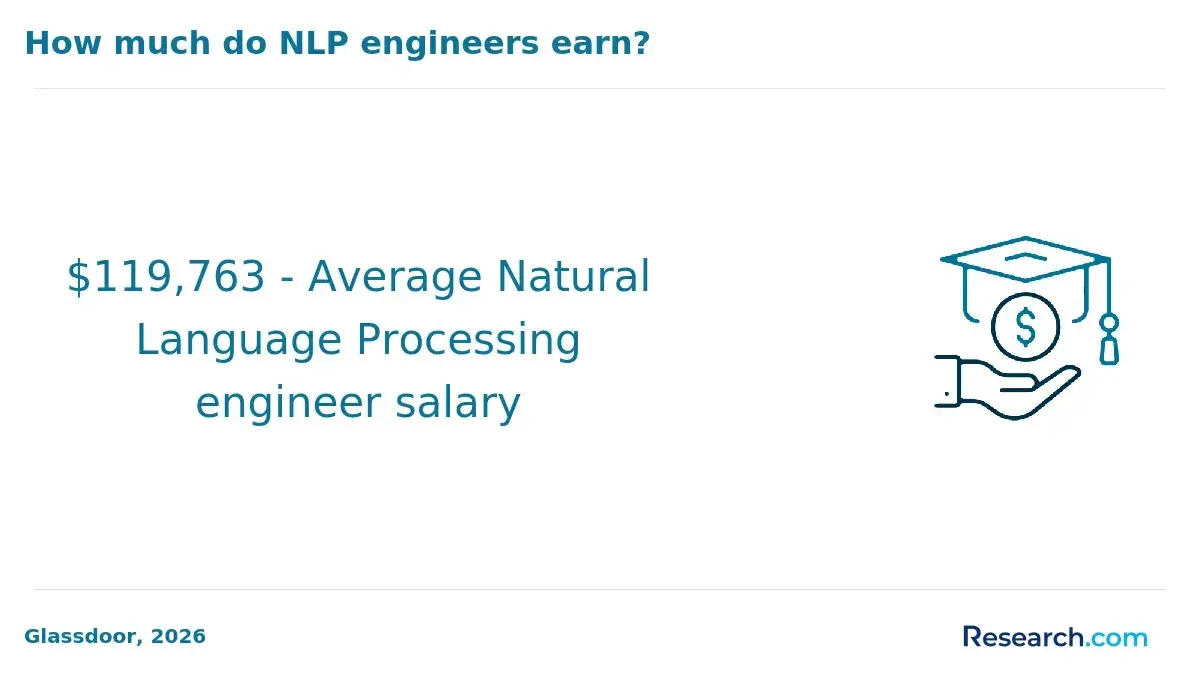
Machine learning professionals in the U.S. enjoy strong salaries and robust job growth. Entry-level roles start near $85,000 annually, while experienced machine learning engineers and data scientists typically earn between $120,000 and $160,000. Senior positions, especially in top tech firms or specialized sectors, can exceed $180,000 per year. Employers prioritize candidates with practical skills and real-world project portfolios.
Industries such as healthcare, finance, and technology drive demand for machine learning, focusing on data-driven decisions and automation. According to the U.S. Bureau of Labor Statistics, computer and data science jobs, including machine learning roles, are expected to grow by 23% through 2032, significantly faster than average across all fields.
Hands-on experience is key: 72% of employed data professionals surveyed in Kaggle's 2024 State of Data Science and Machine Learning report used competitions or public datasets to build portfolios that boosted their careers. Developing diverse projects-like predictive modeling, natural language processing, or image recognition-shows strong applied knowledge. Employers seek candidates able to manage data pipelines, implement algorithms, and interpret model results to generate actionable business insights.
Which industry certifications and tools pair best with machine learning courses using real datasets?
Certifications that best complement machine learning courses using real datasets focus on validating practical skills such as data handling, model deployment, and applied analytics. Leading credentials include the Certified Data Scientist from DASCA, Google's Professional Machine Learning Engineer, and the Microsoft Certified: Azure AI Engineer Associate. These certifications emphasize hands-on experience with live data challenges, aligning well with course objectives.
Essential tools supporting these certifications cover end-to-end data workflows. Python libraries like TensorFlow, PyTorch, and scikit-learn are key for creating and training models. Platforms such as Apache Spark enable processing of large datasets, while cloud providers including AWS, Google Cloud, and Azure offer scalable environments for experimentation and deployment.
Practical proficiency with tools like Jupyter Notebooks and version control systems such as Git is critical, allowing for transparent, reproducible work-qualities highly valued by employers. Additionally, domain-specific tools like Tableau for visualization and SQL for structured data querying boost career prospects in various industries.
The World Economic Forum's Future of Jobs 2025 report highlights a 39% growth in demand for AI and machine learning specialists between 2023 and 2027, underscoring the importance of pairing education with robust certifications and tool expertise that reflect current industry standards.
Other Things You Should Know About Artificial Intelligence
Success in artificial intelligence requires a solid foundation in programming languages such as Python or R, along with knowledge of algorithms and data structures. Additionally, skills in statistics, linear algebra, and calculus are crucial for understanding machine learning models. Strong problem-solving abilities and familiarity with data preprocessing enhance practical application in AI projects.
In 2027, practical experience with real datasets in machine learning courses is crucial to understanding real-world challenges and enhancing problem-solving skills. It enables students to apply theoretical knowledge to actual scenarios, preparing them for industry demands and improving their job readiness.
Ethical issues in artificial intelligence include bias in datasets, privacy concerns, and transparency of algorithms. Developers must ensure fairness by avoiding discrimination through diverse and representative data. Protecting user data and clarifying how AI decisions are made are essential to building trust and responsible AI applications.
Hands-on experience with real datasets is vital for understanding the challenges of noisy, incomplete, or unstructured data in AI projects. It helps students learn data cleaning, feature extraction, and model evaluation in realistic scenarios. This practical exposure prepares learners for real-world problem solving beyond theoretical knowledge.
References
- 2026 Machine Learning Engineer Salary Guide: Insights for Senior Engineers https://motionrecruitment.com/it-salary/machine-learning
- Blog https://admissiongoals.com/post/ai-machine-learning-programs-europe-admission-guide-international-students
- Top 26 Careers in AI and Machine Learning: Roles, Salaries, Skills, and 2026 Outlook - AscendurePro https://ascendurepro.com/careers-in-ai-and-machine-learning/
- Humans in the Loop https://humansintheloop.org/best-ai-training-datasets-2025/
- Data Science Entry Level Positions, The Ultimate Guide https://www.blog.trainindata.com/data-science-entry-levels-positions/
- Data Requirement Goal Modeling for Machine Learning Systems https://arxiv.org/html/2504.07664v1
- 11 Best Machine Learning Certifications in 2026 https://www.dataquest.io/blog/best-machine-learning-certifications/
- Real-world machine learning: Models, use cases, and operations - Tabnine https://www.tabnine.com/blog/real-world-machine-learning-models-use-cases-operations/
- How Much Does It Cost to Develop a Machine Learning Model for Your Business? https://toxsl.com/blog/585/how-much-does-it-cost-to-develop-a-machine-learning-model-for-your-business-
- Entry Level Machine Learning Jobs 2025: Skills, Tips & Salaries https://www.peopleinai.com/blog/entry-level-machine-learning-jobs