2027 Best AI Courses for Founders and CEOs Managing AI Adoption

Co-Founder and Chief Data Scientist
Many founders and CEOs face challenges when integrating artificial intelligence into their organizations. They often struggle with understanding technical concepts and selecting appropriate learning paths that fit their demanding schedules. Navigating the vast array of course options can delay critical decisions and hinder efficient adoption of AI technologies.
This knowledge gap may result in costly missteps or missed opportunities for competitive advantage. This article addresses these concerns by highlighting the best AI courses designed specifically for leaders who manage AI adoption, aiming to equip readers with flexible, accredited educational pathways that align with their professional needs.
Key Things You Should Know
- Top AI courses for founders and CEOs in 2026 emphasize practical AI strategy, ethical implications, and leadership in AI adoption, integrating real-world case studies and technology management skills.
- Recent studies show 67% of executives find specialized AI education critical for successful digital transformation and competitive advantage amid rapid AI integration across industries.
- Programs from leading universities and tech platforms increasingly focus on interpretable AI and risk mitigation, addressing growing concerns over AI bias and regulatory compliance.
Advance Your Career with AI Online Courses
Artificial Intelligence: Implications for Business Strategy
This program provides an introduction to Artificial Intelligence and their implications for business strategy. Earn an official digital certificate.

Oxford Artificial Intelligence Programme
Explore this Oxford Artificial Intelligence programme offered in a flexible learning environment and explore topics like machine learning, automation, and robotics.

Implementing Agentic AI: Building Your Organizational Playbook
This online MIT Agentic AI course offers a practical approach to deploying AI agents in your organization, including a custom playbook. 3 weeks, exclusive launch price.

AI Adoption: Driving Business Value and Impact
This online MIT AI Adoption: Driving Business Value and Impact offers practical frameworks to close the gap between AI potential and business reality.

Artificial Intelligence in Pharma and Biotech
Discover the applications and limitations of artificial intelligence in pharma and biotech with this MIT online short course.

What makes an AI course specifically valuable for founders and CEOs leading AI adoption?
AI courses designed for founders and CEOs leading AI adoption emphasize strategic insight over technical details. These programs help executive leadership evaluate AI's impact on business models, organizational structure, and competitive advantage.
Case studies often illustrate how AI boosts operational efficiency or generates new revenue streams, empowering leaders to apply AI knowledge in business decisions.
Such valuable AI training for executive leadership also includes frameworks for AI governance, ethical considerations, and talent management, ensuring initiatives align with corporate values and regulatory requirements.
CEOs benefit from learning how to manage AI risk and compliance, preparing them to oversee AI projects effectively. The curriculum covers practical challenges like change management, integrating AI with legacy systems, and defining measurable KPIs.
Founders need guidance on setting realistic expectations, strategically allocating resources, and cultivating an AI-literate culture within their organizations.
According to a MIT Sloan Management Review and BCG survey, companies with "highly knowledgeable" senior leaders about AI are 4.2 times more likely to achieve significant financial returns. This data highlights that effective education directly supports business success.
Key course features include:
- Strategic decision-making tools tailored to AI opportunities and risks.
- Leadership skills for driving AI-driven transformation.
- Insights into ethical and governance frameworks.
- Approaches to measure and scale AI initiatives effectively.
For those seeking to deepen their understanding, exploring what is applied AI engineering offers relevant career pathways linked to AI innovation and leadership.
Advance Your Career with AI Online Courses
Artificial Intelligence: Implications for Business Strategy
This program provides an introduction to Artificial Intelligence and their implications for business strategy. Earn an official digital certificate.
Oxford Artificial Intelligence Programme
Explore this Oxford Artificial Intelligence programme offered in a flexible learning environment and explore topics like machine learning, automation, and robotics.
Implementing Agentic AI: Building Your Organizational Playbook
This online MIT Agentic AI course offers a practical approach to deploying AI agents in your organization, including a custom playbook. 3 weeks, exclusive launch price.
Which AI courses best teach strategic AI decision-making for non-technical executives?
Top AI courses designed for strategic AI decision-making courses for executives focus on blending business leadership with a practical understanding of technology. These programs help leaders assess AI project feasibility, ethical considerations, and integration into corporate strategies without requiring technical coding skills.
Prestigious courses like Stanford's "AI for Business Strategy" and MIT Sloan's "Artificial Intelligence: Implications for Business Strategy" emphasize real-world applications that enhance competitive advantage and risk management.
Non-technical business leaders benefit from tailored AI training programs that accelerate learning with free primers and accessible formats. Coursera reports a significant rise in enrollments from business professionals seeking foundational AI skills, highlighting growing demand for such programs. Key executive-focused course content includes:
- Identifying AI opportunities aligned with business goals.
- Evaluating vendor solutions and third-party AI tools.
- Understanding AI ethics, bias, and governance.
- Translating AI capabilities into measurable ROI.
- Communicating AI strategy to stakeholders.
Courses featuring case studies, simulations, and peer collaboration foster active learning and prepare executives for real-world challenges. Many leaders also explore affordable education options, including a cheapest engineering degree for expanded tech understanding.
Choosing offerings from elite business schools with practical AI modules is ideal for bridging theory with operational decision-making effectively.
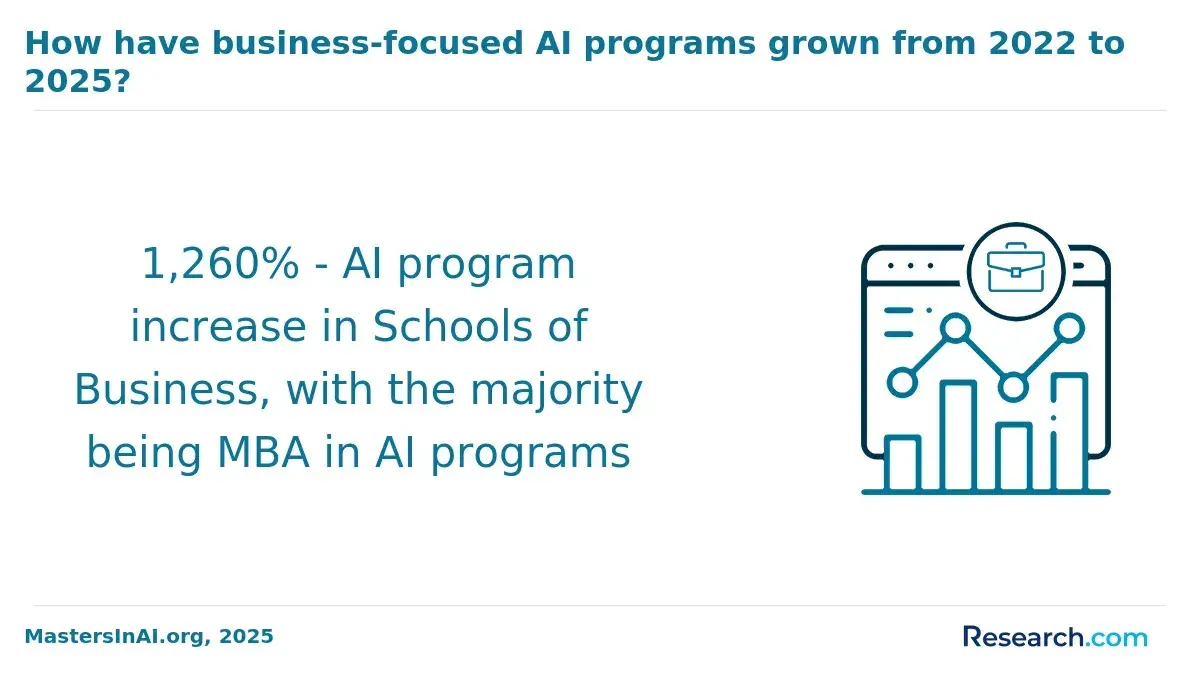
How should founders evaluate online vs campus AI programs for executive-level learning?
Founders evaluating online versus campus AI executive programs must weigh program outcomes, executive engagement, and practical application. Campus offerings from institutions like Harvard and INSEAD deliver immersive networking, peer collaboration, and direct faculty access-valuable for strategic discussions and complex problem-solving-but require substantial travel and time.
Online AI executive programs cater to busy leaders by offering essential flexibility, often featuring hybrid models that blend live sessions, peer interaction, and applied projects.
These preserve networking benefits while minimizing disruption, aligning with CEO strategies for selecting executive AI learning courses that fit demanding schedules.
Key considerations include:
- Rigor and relevance of program content, focusing on strategic AI adoption beyond technical skills.
- Diversity in participant profiles, enhancing peer learning and industry insight exchange.
- Post-program support and measurable outcomes, such as direct AI implementation impact.
MIT Sloan Executive Education reports 89% of participants in its AI and business strategy programs hold C-suite or VP roles, with 72% launching new AI projects within six months, underscoring the practical impact of targeted executive education. Founders should also consider credential recognition and the program's ability to foster immediate AI project execution.
Campus programs may better enable cross-industry partnerships, while online options suit rapid skill acquisition and ongoing learning cycles. Some executives explore further education such as online MS data science to deepen technical expertise, balancing hands-on strategic immersion with leadership time constraints.
What core AI topics should leaders master to manage organization-wide AI initiatives?
Leaders driving AI strategy and governance for executives must build expertise in several key areas to effectively oversee organization-wide AI initiatives.
A strong grasp of machine learning fundamentals-including supervised and unsupervised learning, model training, and evaluation metrics-is vital for evaluating project feasibility and guiding development teams.
Data management and governance also play a critical role. Leaders need to understand data sourcing, cleaning, privacy laws, and ethical implications to ensure compliance and maintain stakeholder trust.
Proficiency in AI deployment and scaling frameworks, such as cloud infrastructure and model monitoring, supports sustainable integration and continuous improvement.
Additionally, change management and organizational alignment are essential skills to communicate AI objectives, foster cross-functional collaboration, and manage resistance.
Domain-specific knowledge further enhances leadership effectiveness. For instance, marketing executives focusing on generative AI can drive content personalization and customer segmentation, with studies showing an 8-15% increase in revenue and a 10-20% reduction in marketing spend. This illustrates how targeted AI expertise boosts financial outcomes.
Leadership skills for managing AI transformation also benefit from educational paths that build technical and strategic competencies. Veterans seeking to develop such skills might explore online cybersecurity degree programs for veterans as complementary training to strengthen organizational security alongside AI initiatives.
Mastering these topics empowers leaders to optimize investments and successfully scale AI across businesses.
Which accredited universities and business schools offer executive AI programs for leaders?
Leading business schools offer executive AI programs tailored for founders and CEOs overseeing AI integration. MIT Sloan School of Management provides an executive certificate in Artificial Intelligence Strategy, balancing technical insights with strategic business applications.
Harvard Business School's AI and Business Strategy program helps senior leaders grasp AI's role in competitive advantage and organizational change.
Stanford Graduate School of Business delivers an Executive Program in Artificial Intelligence that combines foundational AI knowledge with leadership skills, ideal for executives driving AI transformation.
These programs address key leadership challenges such as ethical AI use, data governance, and embedding AI into workflows. Northwestern University's Kellogg School of Management emphasizes practical learning through case studies and hands-on projects focused on AI-driven decision-making.
According to Udemy's 2024 Workplace Learning Trends report, enrollment in AI coding and machine learning courses among executives and founders increased by 67% year-over-year. This reflects growing demand for technical skills among "geek-at-heart" CEOs seeking both strategic oversight and direct AI development involvement.
Participants typically face hurdles aligning AI initiatives with business goals and managing workforce impacts. Executive programs offer frameworks to navigate AI's rapid evolution effectively. Prospective students should consider curriculum relevance, faculty expertise, and program flexibility to fit demanding schedules.
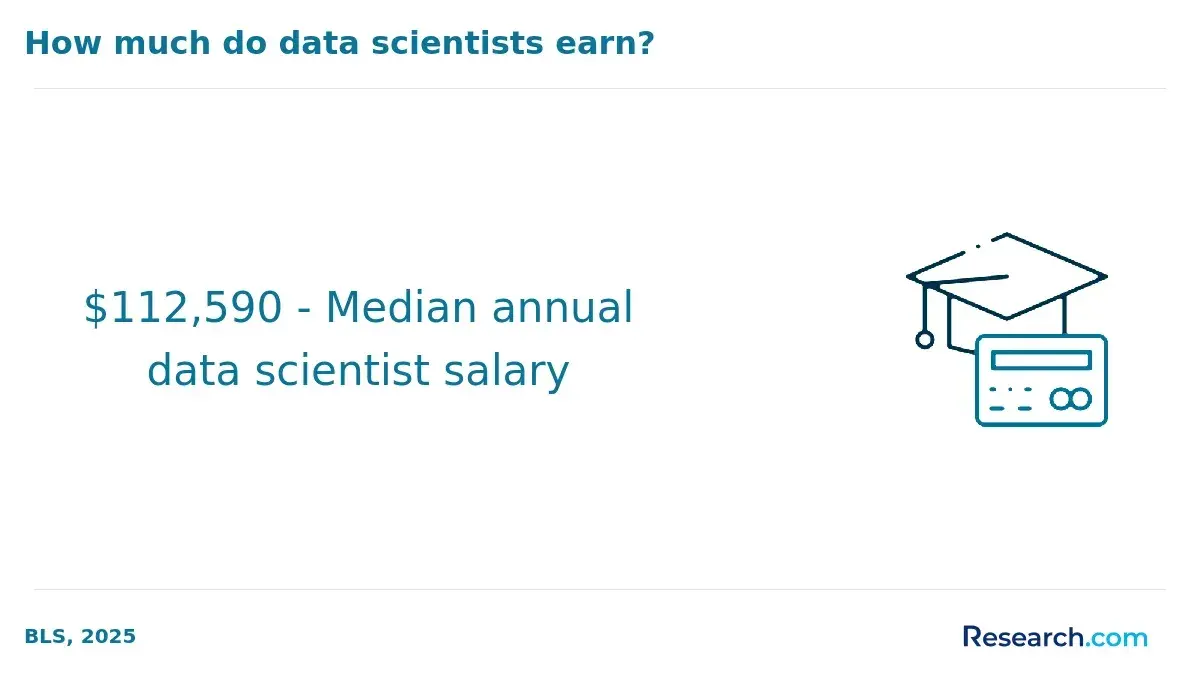
How do AI certificate programs differ from degrees for busy CEOs and founders?
AI certificate programs offer a practical, flexible alternative to traditional degrees, especially for busy CEOs and founders focused on AI adoption. Unlike degrees that require years of full-time study, certificates usually take weeks or a few months part-time, allowing executives to quickly gain skills without disrupting demanding schedules.
These programs emphasize applied learning with real-world AI tools and frameworks from providers like IBM or Google, designed to support strategic decision-making and immediate implementation. This contrasts with degrees, which often cover broad theoretical concepts less geared toward fast-paced leadership needs.
Flexibility is another advantage. Many certificate programs provide asynchronous online modules so learners can progress at their own pace, fitting study around meetings and travel. In comparison, degrees usually have fixed schedules and greater time commitments.
Supporting this practical benefit, Coursera's 2024 Global Skills Report shows that learners completing professional AI certificates are 34% more likely to see career improvements such as promotions, new roles, or pay raises within six months. This highlights the value of focused, applied credentialing for advancing careers.
CEOs and founders seeking strategic AI literacy and operational integration may find certificates a more effective route for rapid upskilling tailored to leadership demands.
What admission requirements and prior experience do top AI programs for executives expect?
Top AI programs for executives typically require candidates to combine professional experience with educational qualifications and a strong interest in AI or technology leadership. Most demand a minimum of five years in managerial or executive roles, preferably in technology-driven sectors or strategic decision-making positions.
For those without technical degrees, demonstrating prior AI exposure through certifications, project leadership, or professional development courses is often essential. Many programs prioritize leadership skills and strategic thinking over deep technical expertise, aligning with the needs of CEOs and founders.
Common admission requirements include:
- A bachelor's degree or equivalent executive experience accepted by some programs.
- Leadership experience related to technology adoption, digital transformation, or innovation.
- A statement of purpose focusing on AI integration goals and organizational impact.
- Recommendations highlighting strategic vision in technology contexts.
- Completion of pre-course AI fundamentals modules in certain cases.
Governance and ethics training in AI is becoming crucial. According to Deloitte's 2024 "State of AI in the Enterprise," organizations with formal AI governance education for leaders are over three times more likely to feel prepared for managing AI risks.
Top programs embed ethics and regulatory awareness, reflecting real-world challenges in AI adoption. Prospective students should evaluate how programs address these vital aspects to ensure alignment with evolving industry standards.
How much do executive-focused AI courses cost, and what funding options exist?
Executive-focused AI courses typically cost between $2,000 and $15,000, depending on factors like program length, depth, and the reputation of the institution. Short online or certificate programs usually range from $2,000 to $5,000, providing foundational knowledge and practical frameworks ideal for busy professionals.
More specialized or comprehensive programs, particularly those affiliated with leading business schools or tech companies, may exceed $10,000. Sector-specific courses for finance or healthcare executives tend to command higher fees due to tailored content and access to expert faculty.
Funding options offer various ways to help manage expenses, including university-sponsored financing plans, deferred payment schedules, and employer sponsorships. Executives should also ask about corporate discounts or group rates.
Scholarships and grants targeted at leadership development in emerging technologies can further reduce costs. Professional associations in sectors like finance, healthcare, and SaaS sometimes subsidize fees to encourage AI skill adoption.
According to PwC's 2024 Global AI Jobs Barometer, there has been a 214% increase in AI-skilled job demand in financial services and 182% in healthcare since 2019.
This growth has led to more sector-specific education programs that incorporate customized curriculum, industry case studies, and regulatory perspectives, justifying their premium pricing. Leaders seeking impact should weigh these tailored options.
For executives without employer support, exploring continuing education tax credits and flexible online formats can reduce extra costs such as travel. Applying early may unlock discounted tuition. Evaluating program ROI through networking and applied learning remains essential before committing significant resources.
What leadership and career outcomes can founders and CEOs expect after AI training?
Founders and CEOs who complete AI training see tangible leadership and career benefits tied to real business results. Equipped with effective AI education, they can drive innovation, make data-driven decisions, and develop scalable AI strategies.
A World Economic Forum-PwC analysis found that organizations investing less than 1% of their payroll in AI and data training experience productivity increases worth 6-11% of revenues over three years, demonstrating strong returns on such investments.
After training, leaders can identify AI use cases aligned with key business goals, allowing better risk assessment and resource allocation. CEOs may promote AI-powered automation to cut costs or enhance customer experiences with personalized services.
Founders gain skills to bridge technical and business teams, breaking down adoption barriers and improving collaboration.
This proficiency also boosts career prospects by positioning leaders as visionary strategists who anticipate AI-driven disruption and adapt their organizations accordingly. This opens doors to capital, partnerships, and talent attracted to AI-savvy leadership.
- Improved strategic decisions guided by AI insights.
- Enhanced ability to lead AI integration projects from start to finish.
- Increased operational efficiency through AI automation.
- Stronger competitive edge via innovation adoption.
- Development of data and AI literacy within their organizations.
These outcomes justify AI training investments and support confident AI adoption.
How can executives assess AI course quality, instructor expertise, and real-world relevance?
Executives evaluating AI courses should focus on several key factors to ensure the program delivers relevant, practical knowledge. A strong curriculum aligned with industry challenges is essential, featuring case studies, real-world applications, and the latest AI tools.
Detailed syllabi clarifying learning outcomes such as model deployment, AI ethics, and managing AI-powered teams help set clear expectations.
Instructor expertise significantly impacts course quality. Credentials can be verified through professional profiles, published research, and direct industry experience. Instructors who have led AI projects or startups or hold recognized certifications from reputable institutions tend to offer deeper insights. Reviews and testimonials help gauge how effectively instructors communicate complex topics.
Courses that emphasize real-world relevance through scenario-based learning, live projects, or company collaborations enhance knowledge transfer.
Mentorship and networking opportunities with seasoned AI practitioners further benefit learners. For example, modules covering AI adoption frameworks or risk management prepare leaders for practical implementation challenges.
According to LinkedIn's Workforce Learning Report, leaders investing at least five hours monthly in structured learning are 39% more likely to excel in innovation, including AI-driven product development. This underscores the value of sustained, high-quality AI education on strategic business outcomes.
By assessing curriculum rigor, instructor expertise, and practical application, executives can select AI programs that effectively support managing AI adoption in dynamic environments.
Other Things You Should Know About Artificial Intelligence
One major challenge is integrating artificial intelligence systems with existing business processes and IT infrastructure. Many organizations also struggle with data quality and accessibility, which are critical for effective AI models. Additionally, companies often face internal resistance due to skill gaps, cultural factors, and unclear AI governance frameworks.
In 2027, top AI courses for founders and CEOs include MIT's AI: Implications for Business Strategy, Stanford's Professional Program in Artificial Intelligence, and Coursera's AI for Everyone. These programs offer strategic insights into AI adoption tailored for executives.
Artificial intelligence can support leadership by providing data-driven insights and predictive analytics but cannot fully replace human judgment. Ethical considerations, emotional intelligence, and complex strategic thinking remain outside AI's capabilities. Effective leaders use AI as a tool to augment rather than substitute their decision-making processes.
CEOs should continually build their understanding of AI trends, applications, and ethical implications to lead effectively. Developing skills in data literacy, change management, and cross-functional collaboration is important. Staying updated with emerging AI technologies and fostering a learning culture within their organizations also helps maintain competitive advantage.
References
- Navigating the AI revolution: corporate change and the future of work https://blog.datwave.ai/blog/navigating-the-ai-revolution-corporate
- The AI Boom In Executive Education: What You Can Study Right Now At The World's Top B-Schools https://poetsandquantsforexecs.com/exec-ed/the-ai-boom-in-executive-education-what-you-can-study-right-now-at-the-worlds-top-b-schools/
- AI Leadership Compass: Succeeding as a Leader in the Age of Artificial Intelligence https://executiveacademy.at/en/knowledge/leadership/ai-leadership-compass
- Best AI Certifications to Boost Your Career in 2026 – Dataquest https://www.dataquest.io/blog/best-ai-certifications/
- AI Certification vs. Traditional Degree: What Actually Gets You Hired in 2026? https://www.nplus.global/blogs/ai-certification-vs-traditional-degree/
- AI - Artificial Intelligence | London Business School https://www.london.edu/executive-education/ai
- 10 Best AI Online Courses & Certifications in 2023 [UPDATED] - CFTE https://blog.cfte.education/best-ai-online-courses-2023/
- How to Lead Your Organization During AI Transformation https://www.gensconsulting.tr/how-to-lead-your-organization-during-ai-transformation/
- AI for Managers https://esmt.berlin/executive-education/analytics-ai-programs/ai-managers
- AI essentials for executives | AI training course https://www.dnv.com/training/ai-essentials-for-executives/