2027 Best AI Courses for Chief Legal Officers Managing AI Adoption

Co-Founder and Chief Data Scientist
Chief Legal Officers face mounting challenges in managing AI adoption within their organizations, from navigating regulatory risks to ensuring ethical compliance. Missteps can lead to costly legal disputes and reputational damage as AI technologies evolve rapidly. These leaders require a strong foundational knowledge of artificial intelligence concepts combined with practical legal strategies to oversee AI deployment responsibly.
This article explores the best AI courses tailored for Chief Legal Officers, emphasizing flexible, accredited options that enable legal professionals from diverse backgrounds to gain the expertise needed to lead AI initiatives effectively and mitigate associated risks.
Key Things You Should Know
- By 2026, over 65% of Chief Legal Officers will engage in specialized AI courses to navigate evolving regulatory and ethical challenges in technology adoption.
- AI programs for legal leaders emphasize compliance, risk management, and integrating technology with corporate governance frameworks to mitigate liabilities.
- Courses increasingly feature data-driven case studies and forecasting tools, with 72% of participants reporting improved strategic decision-making in AI-driven legal environments.
Advance Your Career with AI Online Courses
Artificial Intelligence: Implications for Business Strategy
This program provides an introduction to Artificial Intelligence and their implications for business strategy. Earn an official digital certificate.

Oxford Artificial Intelligence Programme
Explore this Oxford Artificial Intelligence programme offered in a flexible learning environment and explore topics like machine learning, automation, and robotics.

Implementing Agentic AI: Building Your Organizational Playbook
This online MIT Agentic AI course offers a practical approach to deploying AI agents in your organization, including a custom playbook. 3 weeks, exclusive launch price.

AI Adoption: Driving Business Value and Impact
This online MIT AI Adoption: Driving Business Value and Impact offers practical frameworks to close the gap between AI potential and business reality.

Artificial Intelligence in Pharma and Biotech
Discover the applications and limitations of artificial intelligence in pharma and biotech with this MIT online short course.

What does a chief legal officer need to learn to manage AI adoption effectively?
Chief legal officers (CLOs) involved in AI adoption training must acquire specialized expertise to manage the rapidly evolving landscape of artificial intelligence. This includes technical literacy on AI algorithms, data privacy laws, and ethical governance frameworks that ensure responsible AI use. According to a Deloitte Legal survey, 73% of global CLOs anticipate AI transforming their legal departments within three years, yet only 21% feel prepared for these changes.
Legal compliance knowledge for managing artificial intelligence is critical, with key focus areas including:
- Understanding AI technologies such as natural language processing and machine learning relevant to legal workflows.
- Mastering regulatory compliance involving data protection, algorithmic accountability, and transparency.
- Risk management to address issues like bias, errors, and cybersecurity threats in AI systems.
- Contract negotiation skills for agreements with AI vendors on data use, intellectual property, and liability.
- Establishing ethical policies aligned with corporate social responsibility and industry best practices.
Examples include using AI for e-discovery while ensuring GDPR compliance and performing AI audits to prevent discrimination claims. CLOs also need change management skills to lead teams adapting to AI-driven workflows. For professionals seeking to strengthen their credentials in this field, pursuing an artificial intelligence degree can offer valuable insights and career opportunities.
Advance Your Career with AI Online Courses
Artificial Intelligence: Implications for Business Strategy
This program provides an introduction to Artificial Intelligence and their implications for business strategy. Earn an official digital certificate.
Oxford Artificial Intelligence Programme
Explore this Oxford Artificial Intelligence programme offered in a flexible learning environment and explore topics like machine learning, automation, and robotics.
Implementing Agentic AI: Building Your Organizational Playbook
This online MIT Agentic AI course offers a practical approach to deploying AI agents in your organization, including a custom playbook. 3 weeks, exclusive launch price.
Which types of AI courses are best suited for in-house legal and compliance leaders?
AI training programs tailored for in-house legal teams must focus on governance, regulatory frameworks, and risk management to help leaders navigate evolving compliance challenges. Emphasizing AI ethics, data privacy laws, and auditing equips legal professionals to address legal risks associated with AI adoption.
- AI Governance and Compliance: Frameworks for accountability and transparency in AI deployment.
- Regulatory Landscape: Coverage of laws like GDPR, CCPA, and emerging AI-specific regulations.
- Risk Identification and Mitigation: Techniques to prevent legal and reputational issues caused by AI.
- Policy Development: Drafting internal AI policies aligning with ethics and compliance.
- AI Ethics and Bias Reduction: Managing fairness to avoid discrimination or harm.
Given Deloitte's report that 62% of organizations using generative AI encountered serious AI-related regulatory or reputational incidents, courses that include real-world case studies and scenario-based learning are essential. These programs help legal leaders anticipate compliance breaches and respond proactively. Supplemental technical literacy courses covering AI fundamentals also boost communication with technical teams, reducing dependence on external consultants and enhancing agile decision-making.
Many AI courses for legal compliance professionals are offered by law schools and executive education platforms. These programs equip leaders to manage AI adoption responsibly, minimizing costly regulatory exposure. Professionals seeking broader education can also explore options like mechanical engineering degrees online to deepen their technical understanding alongside legal expertise.
How do AI courses for legal executives differ from technical AI and data science programs?
AI courses tailored for legal executives focus on practical applications of artificial intelligence in compliance, risk management, and governance, differing significantly from the technical depth covered in data science and AI engineering programs. Unlike data science programs that emphasize coding, model building, and statistical analysis, legal executive AI courses prioritize how AI affects legal workflows, regulatory challenges, and ethical considerations.
Executive AI training for legal risk and compliance includes:
- AI governance frameworks addressing bias mitigation and regulatory adherence in legal departments.
- Using AI tools for contract review, due diligence, and litigation support rather than designing AI algorithms.
- Cost-benefit analysis aligned with corporate legal strategy and budgeting.
- Change management skills to lead teams through AI integration and digital transformation.
For example, legal leaders learn to critically evaluate vendor AI claims and implement responsible AI policies instead of developing natural language processing models themselves. According to McKinsey's analysis, adopting AI responsibly can reduce external counsel costs by 10-20% and internal workloads by up to 40%, driving efficiency and EBITDA improvements.
The differences between legal executive AI courses and data science programs also show in their focus on practical problem-solving, such as managing data privacy in AI workflows and assessing AI's impact on litigation risk. Prospective legal leaders should select programs offering case studies, regulatory insight, and strategic leadership training. For individuals interested in related technology fields, exploring an online game development degree can offer a complementary pathway into tech-driven roles.
What admission requirements and professional background do AI programs expect from chief legal officers?
AI programs targeting chief legal officers (CLOs) typically require applicants to have a strong legal background combined with leadership experience in corporate legal management. Candidates generally must hold a Juris Doctor (JD) degree or equivalent and demonstrate significant expertise in compliance, risk, and governance frameworks. Professional background expectations for chief legal officers in AI adoption courses also include familiarity with legal operations and technology intersections to maximize course benefits.
Admission requirements for AI programs targeting chief legal officers often include:
- A minimum of 5 to 10 years of legal practice, preferably in regulatory oversight, corporate governance, or legal risk management roles.
- Leadership or senior management experience within legal departments or compliance units.
- Evidence of interest or previous involvement in AI governance or technology management through training, projects, or organizational roles.
- A professional statement outlining challenges encountered with AI in legal contexts or specific governance needs.
Courses prioritize practical governance, risk, and controls, as opposed to deep technical AI model knowledge, reflecting CLOs' focus on policy development and regulatory compliance. Modules may cover AI ethics, regulatory frameworks, contract automation, and risk assessment tools. Experience collaborating with IT or data science teams is often preferred so CLOs can bridge legal and technical perspectives effectively.
Prospective students interested in advancing their legal careers with AI can also explore related educational paths, such as an online PhD in data science, which provides a broader technology foundation alongside legal expertise.
How do online, hybrid, and campus AI courses compare for busy legal executives?
AI courses designed for busy chief legal officers offer flexible learning options that fit complex schedules. Many programs feature asynchronous modules, accessible anytime, reducing conflicts with executive duties. While this flexibility is beneficial, it can limit live interactions and peer networking essential for legal leaders focused on strategy and compliance.
Hybrid formats combine online learning with in-person sessions, balancing flexibility and face-to-face engagement. These courses suit legal executives who can set aside time for immersive workshops addressing governance and AI risk management. Compared to fully online classes, hybrid programs often enhance retention through direct instructor access.
Campus-based programs provide intensive, structured learning with immediate mentorship, suited for C-level legal leaders seeking comprehensive training on AI ethics, technology integration, and risk frameworks. Nonetheless, these require more time and travel, which may challenge executives with demanding roles. Data from Berkeley Law Executive Education highlights that a majority of participants in their "Generative AI for the Legal Profession" program are general counsel or heads of legal at billion-dollar companies, reflecting strong executive interest in targeted AI education.
Legal leaders should assess their schedule, preferred learning style, and need for peer interaction when choosing between online, hybrid, or campus-based options. Executive-specific curricula with flexible delivery best support informed AI adoption amid evolving legal challenges.
What core topics and skills should AI courses for legal leaders cover in their curriculum?
AI courses designed for chief legal officers (CLOs) should emphasize the intersection of legal, ethical, and technical competencies tailored to AI adoption. Essential subjects include AI governance frameworks, compliance with evolving regulations, intellectual property issues surrounding AI-generated content, and data privacy laws. These equip legal leaders to manage AI integration while mitigating risks.
Training must address AI transparency, explainability, and accountability, enabling CLOs to audit AI outputs and enforce bias mitigation. Knowledge of contract negotiation and risk management in AI vendor agreements-especially liability and indemnification clauses-is crucial for protecting organizations legally during AI adoption.
While deep coding skills are unnecessary, CLOs should understand machine learning models, natural language processing, and automation workflows from a legal perspective to guide policy and decision-making effectively.
The 2024 Thomson Reuters Institute study highlights that CLOs completing law-focused AI programs are 2.3 times more likely to implement formal AI governance policies compared to those with general business AI education (54% vs. 23%). This underscores the value of targeted curricula in achieving stronger governance outcomes.
Additional crucial skills include ethical decision-making frameworks, incident response planning for AI failures, and cross-functional communication. Case studies and regulatory updates ensure CLOs stay current with AI's fast-changing legal landscape, enhancing their ability to lead AI adoption confidently and compliantly.
How can chief legal officers evaluate accreditation and program quality for AI training?
Chief legal officers (CLOs) seeking AI training should focus on programs accredited by reputable legal or technology education organizations like the American Bar Association (ABA) or recognized continuing legal education (CLE) providers. Accreditation guarantees the curriculum aligns with professional standards and delivers content relevant to legal practice, especially when CLE credits are awarded.
Quality program evaluation includes assessing instructors' expertise-ideally those with combined legal and AI experience, such as practicing attorneys or academics specializing in AI ethics, compliance, or legal technology. A well-designed syllabus covers AI fundamentals, regulatory frameworks, risk management, and ethical issues specific to legal contexts.
Practical learning elements, including case studies and simulations, connect theory with real-world application and enhance training value. Courses addressing evolving compliance standards and AI governance support CLOs in managing AI adoption risks effectively. Rapid growth in AI-focused legal education is notable; for example, Lawline reported a 214% increase in CLE hours completed in AI and legal-technology courses by U.S. attorneys. This trend highlights the importance of authoritative, current programs.
When selecting training, CLOs should also compare program reviews, alumnus outcomes, and alignment with internal compliance objectives. Interdisciplinary or vendor-sponsored offerings may further strengthen training impact by linking AI innovation with legal oversight and strategic risk mitigation.
What are typical program length, time commitment, and tuition costs for AI courses for CLOs?
AI courses tailored for chief legal officers (CLOs) vary significantly in length, time commitment, and cost to suit busy senior legal professionals managing AI adoption. Programs typically last from 4 to 12 weeks, balancing comprehensive content with executive schedules. Shorter executive courses generally offer 15 to 30 total hours of asynchronous instruction, allowing CLOs to fit learning into tight calendars. More extensive certificate programs often require 40 to 80 hours over two to three months, combining live and recorded sessions.
Weekly time commitments usually range from 3 to 8 hours, enabling sustained engagement without disrupting daily responsibilities. Courses focusing on AI's role in legal compliance, risk management, and ethics may require fewer hours but demand strategic attention.
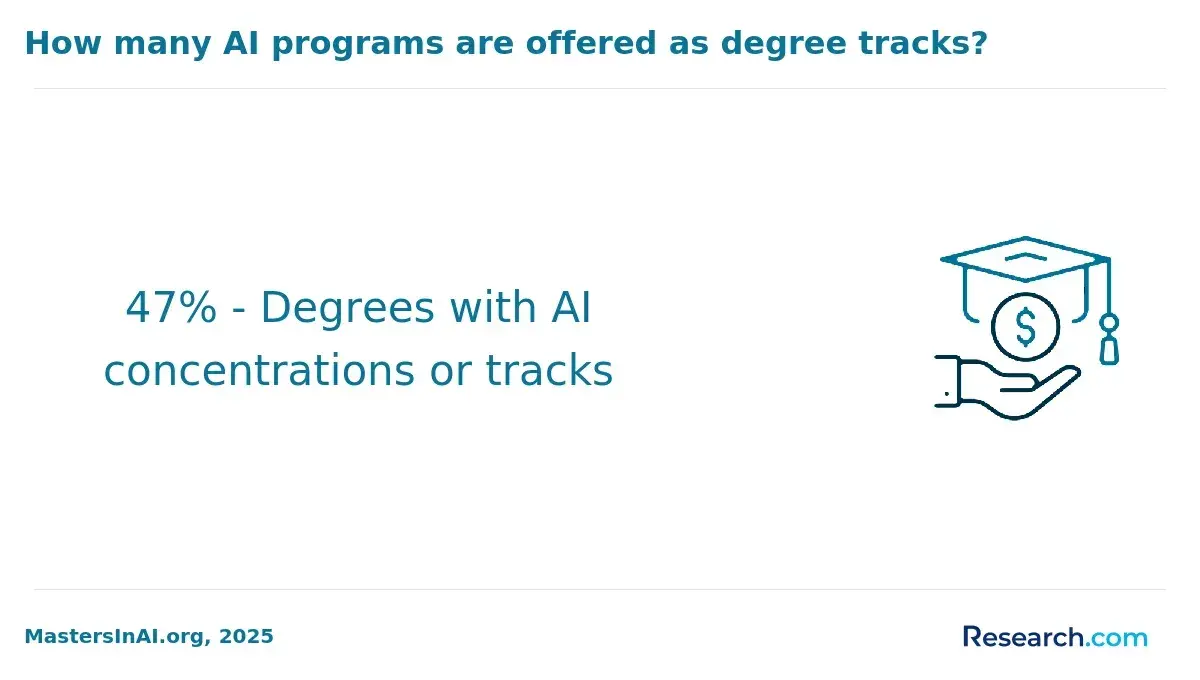
Tuition varies widely, from about $1,500 for brief executive-style courses to $6,000 or more for multi-module certificates from top business or law schools. Some courses bundle AI with digital transformation training to offer broader skills at higher price points. Regional trends emphasize the growing need for CLOs to acquire AI expertise: The 2025 EY Law Survey reports that 69% of European general counsels have completed structured AI training in the last 18 months, compared to 47% in North America and 35% in Asia-Pacific.
How do AI-focused courses impact career progression, compensation, and board visibility for chief legal officers?
Chief legal officers (CLOs) who pursue AI-focused courses gain strategic skills essential for guiding AI adoption and governance. Mastery of AI tools and regulatory frameworks enhances their ability to advise boards on risk mitigation, ethical considerations, and compliance-boosting their influence in corporate decision-making. Completing specialized ai training raises their visibility in boardrooms and positions them as leaders shaping AI policies and innovation strategies.
Compensation often mirrors these expanded roles. The 2024 Blickstein Group Law Department Operations Survey reports that 41% of large corporate law departments with revenues over $5 billion allocate at least $50,000 annually for AI training and change management, a significant increase from 18% in 2022. CLOs skilled in managing AI compliance and intellectual property matters frequently receive salary increases and performance bonuses linked to successful AI integrations.
Board visibility improves as CLOs navigate challenges like data privacy, algorithmic bias, and evolving regulations. They act as key advisors clarifying complex legal risks for non-legal board members. CLOs with expertise in AI ethics and governance often lead cross-functional AI committees, enhancing their leadership stature.
For those pursuing AI education, courses blending legal issues with technical acumen-covering contracts, intellectual property, and regulatory frameworks-offer the greatest career leverage. Certifications in AI risk management empower CLOs to lead change initiatives, aligning legal strategy with corporate AI goals.
Which certificates or professional credentials in AI governance are most valuable for legal executives?
Chief legal officers involved in AI adoption benefit greatly from certifications that emphasize both ethical and legal compliance in AI governance. Programs like the Certified Artificial Intelligence Governance Professional (CAIGP) and certifications from the International Association of Privacy Professionals (IAPP), such as the Certified Information Privacy Technologist (CIPT), specialize in regulatory compliance, data privacy, and risk management connected to AI technologies.
These credentials prepare legal executives to handle challenges like AI bias, transparency, and accountability. For instance, the CAIGP certification aligns AI practices with current legal standards and emerging policies, while CIPT focuses on privacy laws affecting AI data usage. Additionally, the Governance of Artificial Intelligence certificate, offered through accredited law schools, combines technical knowledge with governance principles to provide a comprehensive skill set.
Legal leaders equipped with these qualifications are better positioned to lead interdisciplinary teams and ensure AI systems meet federal guidelines and ethical mandates. According to a 2025 Gartner study, legal departments led by senior executives with formal AI training were 30% more likely to achieve matter-cycle-time reduction targets compared to those without such training (64% versus 49%).
Mastery of AI risk evaluations, AI-related contract negotiation, and AI-enhanced litigation support improves decision-making and operational efficiency. Combining governance-centered and privacy-focused certifications offers thorough preparation for navigating the complexities of AI legal oversight in corporate settings.
Other Things You Should Know About Artificial Intelligence
The best AI courses for chief legal officers in 2027 include those that focus on regulatory compliance, ethical AI implementation, and strategic decision-making. Courses from institutions like MIT and Stanford offer specialized AI programs tailored to the unique responsibilities of legal executives in navigating the complexities of AI adoption.
Legal executives should regularly review publications from regulatory bodies and industry groups focused on AI governance. Participating in specialized seminars and joining professional networks dedicated to AI compliance helps maintain current knowledge. Monitoring legislative developments at federal and state levels is essential for proactive risk management.
Explainability refers to understanding how AI models make decisions, which is vital for legal accountability. Chief legal officers must ensure that AI systems provide clear reasoning processes to facilitate audits, compliance checks, and dispute resolution. This transparency supports regulatory adherence and ethical deployment.
Yes, AI adoption raises intellectual property challenges, including ownership of AI-generated content and protecting proprietary algorithms. CLOs need to carefully navigate licensing agreements and patent issues related to AI technologies. Addressing these concerns minimizes potential legal disputes and safeguards organizational assets.
References
- Free AI Courses for Legal Professionals | CLE-Eligible | GC AI https://gc.ai/learn-ai
- Chief AI Officer Career Path: Is CAIO Right for You? – Tandem Coaching https://tandemcoach.co/chief-ai-officer-career-path/
- The AI Legal Specialist: A Juridically Autonomous Professional Profile for AI Governance https://arxiv.org/html/2606.12415v1
- ACC AI Center of Excellence for In-house Counsel https://www.acc.com/resource-library/ai
- AI Skills for In-House Counsel by Laura Jeffords Greenberg and Volodymyr Giginiak on Maven https://maven.com/wordsmith/ai-skills-for-in-house-counsel
- From classroom to courtroom: AI training is becoming mandatory — But lawyers still get burned https://www.iowabar.org/
- AI Course Fees in India 2026 â What You Should Pay (and Avoid) | ONROL https://onrol.in/ai-course-fees-india/
- Artificial Intelligence Masterclass Series | Legal Innovation Forum https://www.liforum.co/webinars/ai/artificial-intelligence-masterclass-series/
- Certified AI Governance, Policy & Regulatory Leadership for Government Professional (AIG-PRLP)® - AGILE-HRP® https://agilehrp.org/certified-ai-governance-policy-regulatory-leadership-for-government-professional-aig-prlp/
- AI Adoption in Law Firms https://www.lexitaslegal.com/resources/ai-adoption-in-law-firms