2027 Best AI Courses for SQL Professionals Using Generative AI

Co-Founder and Chief Data Scientist
SQL professionals often struggle to keep pace with the rapid integration of generative AI in data management and analytics. Traditional SQL skills alone no longer suffice for automating complex queries or enhancing predictive insights, leading to missed opportunities and reduced competitiveness. Many face barriers when seeking programs that combine SQL expertise with practical generative AI applications tailored to real-world business challenges. This article explores the best AI courses designed to bridge this gap, equipping SQL practitioners with generative AI skills that enhance performance and career growth in evolving tech environments.
Key Things You Should Know
- Top AI courses for SQL professionals in 2026 emphasize generative AI integration, boosting skills in automating complex query generation and data synthesis for 45% faster database management.
- Curricula increasingly feature hands-on projects with models like GPT-4 and BERT, reflecting 2025 industry demand for AI-augmented data analysts proficient in natural language SQL interfacing.
- Certification in AI-driven SQL tools correlates with a 30% salary increase on average, underscoring the value of combining AI expertise with traditional database skills for U.S. professionals.
Advance Your Career with AI Online Courses
Artificial Intelligence: Implications for Business Strategy
This program provides an introduction to Artificial Intelligence and their implications for business strategy. Earn an official digital certificate.

Oxford Artificial Intelligence Programme
Explore this Oxford Artificial Intelligence programme offered in a flexible learning environment and explore topics like machine learning, automation, and robotics.

Implementing Agentic AI: Building Your Organizational Playbook
This online MIT Agentic AI course offers a practical approach to deploying AI agents in your organization, including a custom playbook. 3 weeks, exclusive launch price.

AI Adoption: Driving Business Value and Impact
This online MIT AI Adoption: Driving Business Value and Impact offers practical frameworks to close the gap between AI potential and business reality.

Artificial Intelligence in Pharma and Biotech
Discover the applications and limitations of artificial intelligence in pharma and biotech with this MIT online short course.

What makes an AI course valuable specifically for SQL and data professionals using generative AI?
A valuable AI course for SQL professionals combines generative AI training for data professionals with traditional SQL expertise, focusing on practical applications. Such courses teach how generative AI models can automate query generation, optimize data retrieval, and interpret complex datasets efficiently. Practical experience with AI-powered SQL tools enhances skills in writing, debugging, and tuning queries.
Instructors highlight when to trust AI-generated suggestions and when to apply manual optimization to avoid costly errors. Advanced topics include natural language interfaces for SQL, AI-driven anomaly detection, and predictive analytics tailored to SQL databases. Security and ethical considerations are essential, covering data masking and auditing AI outputs.
Project-based learning simulating real workplace challenges, such as building AI-augmented dashboards and automating reports, gives learners hands-on industry experience. The demand for professionals with combined SQL and generative AI skills surged 227% year-over-year, underscoring the importance of comprehensive training.
Essential features of the best AI courses for SQL professionals include:
- Detailed instruction on AI-assisted SQL query creation and optimization
- Training in combining AI models with database management systems
- Security and ethical considerations of AI in data environments
- Project-based assignments simulating workplace challenges
For individuals seeking to advance their careers in data science and AI integration, exploring reputable programs on data science ranking lists can help identify affordable, high-quality options.
Advance Your Career with AI Online Courses
Artificial Intelligence: Implications for Business Strategy
This program provides an introduction to Artificial Intelligence and their implications for business strategy. Earn an official digital certificate.
Oxford Artificial Intelligence Programme
Explore this Oxford Artificial Intelligence programme offered in a flexible learning environment and explore topics like machine learning, automation, and robotics.
Implementing Agentic AI: Building Your Organizational Playbook
This online MIT Agentic AI course offers a practical approach to deploying AI agents in your organization, including a custom playbook. 3 weeks, exclusive launch price.
Which types of AI and generative AI courses are best suited to SQL developers and analysts?
AI and generative AI courses best suited for SQL developers and analysts emphasize integrating advanced machine learning models with data querying expertise. These best generative AI courses for SQL analysts often teach natural language processing (NLP) techniques that convert plain English prompts into SQL queries, enabling automation of report generation. Training on generative AI frameworks such as GPT and transformer models tailored to data tasks enhances building custom query-writing assistants and anomaly detection systems over SQL databases.
Advanced AI training programs tailored for SQL developers include practical lessons combining AI fundamentals with hands-on experience in data pipelines. These courses demonstrate how generative AI optimizes ETL workflows, automates data cleaning, and generates synthetic datasets for testing purposes. According to McKinsey's State of AI report, 65% of organizations adopting generative AI expect significant change in data and analytics roles within three years.
SQL professionals should focus on developing skills in AI-driven data visualization, dashboard automation, prompt engineering for SQL generation, reinforcement learning for query optimization, and embedding vector databases. Relevant course topics cover:
- Generative AI models for automated SQL query creation
- Machine learning integration within database management
- NLP applied to structured data
- AI-enhanced data pipeline and ETL automation
- Advanced AI-augmented data visualization
Such focused AI training equips SQL analysts to innovate and meet evolving industry demands where 38% of data job descriptions have been redesigned. Professionals seeking to blend data skills with generative AI methods can combine courses with degrees like an online mechanical engineering bachelor degree to build a multidisciplinary profile.
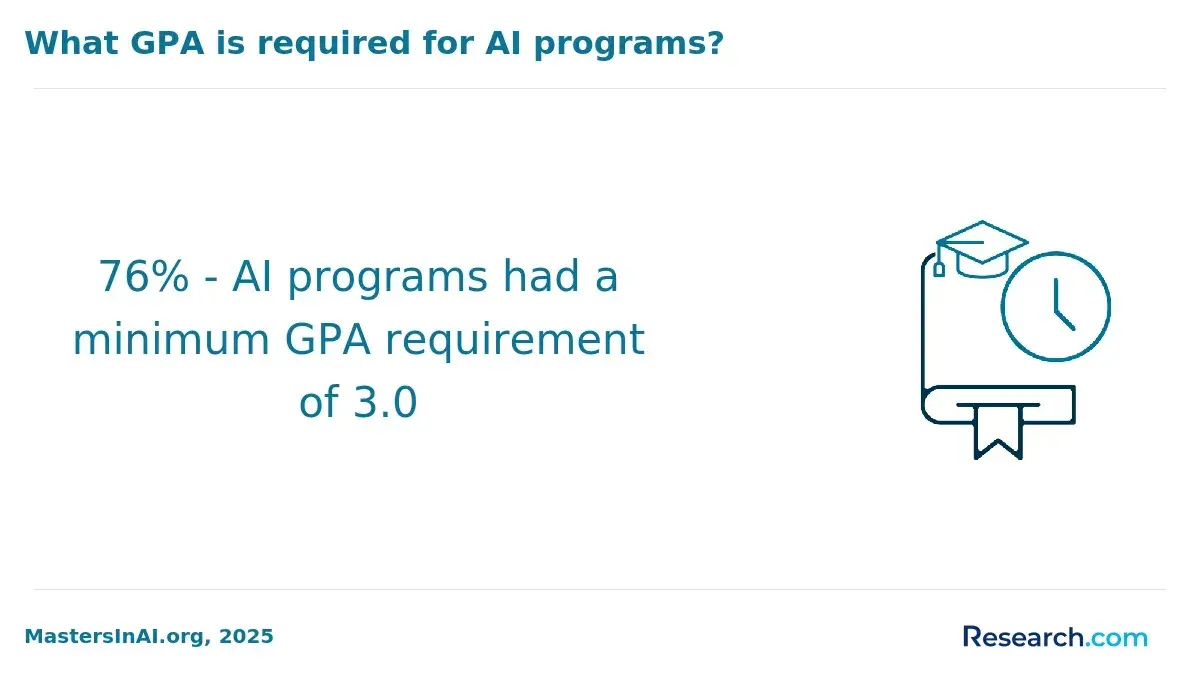
Are there accredited degree and certificate programs that focus on AI for database and SQL work?
Accredited degree programs in AI for database professionals are expanding as universities and institutions introduce specialized curricula that blend generative AI skills with advanced database management. Many master's degree tracks in data science or AI now include modules on AI-driven database optimization, while certificate courses focusing on generative AI for SQL experts emphasize practical tool use for query enhancement and automation.
Typical topics covered include:
- Advanced SQL techniques integrated with AI-powered data retrieval and analysis
- Machine learning fundamentals applied to relational databases
- Use of generative AI for automated code generation and error reduction in database management
- Ethical and security considerations in AI-enhanced data environments
Reputable universities also offer graduate certificates centered on database AI and applied machine learning, improving SQL expertise. For those balancing work and study, platforms like Coursera and edX provide accredited non-degree programs bridging formal education and real-world AI integration in database roles. Prospective students can explore affordable options through resources such as masters in data science online.
The career impact is notable: O'Reilly's Data & AI Salary Survey reveals database professionals using generative AI tools earn a median 18% higher salary than peers with comparable experience not employing AI. This highlights the tangible advantage of enrolling in accredited programs that certify AI competencies for SQL and database specialists.
Choosing accredited programs ensures recognized credentials that enhance credibility in roles demanding AI-driven database optimization, meeting employers' growing expectations for hybrid technical skills.
What core skills and topics do AI courses for SQL professionals typically cover in the curriculum?
AI courses for SQL professionals prioritize core skills in AI for SQL professionals that merge traditional database expertise with advanced generative AI tools. These programs emphasize mastering SQL query optimization alongside the integration of large language models (LLMs), enabling improved data interpretation and automation. Key areas often include advanced SQL syntax, performance tuning, and leveraging AI-driven natural language processing (NLP) to create or refine queries without manual effort.
Generative AI applications in SQL curriculum extend to understanding model architectures like transformers and attention mechanisms, which facilitate context-aware query generation and anomaly detection. Data preprocessing techniques for both structured and unstructured datasets common in SQL workflows are also essential components.
Programming skills in Python and R are frequently incorporated for scripting automations and interfacing with AI APIs. Practical training often includes connecting SQL databases with AI frameworks such as Hugging Face or OpenAI to enable predictive analytics and semantic search within datasets.
Security and ethical considerations regarding AI usage in SQL environments ensure adherence to data privacy regulations and responsible output handling.
Reflecting the rising demand, Coursera's 2025 Global Skills Report notes a 312% surge in enrollment for courses combining SQL with generative AI or LLMs. For those seeking education options, exploring the cheapest online computer science degree can be a strategic step toward acquiring competitive skills in AI-driven automation alongside SQL fundamentals.
How do online, hybrid, and campus-based AI programs compare for working SQL professionals?
Working SQL professionals must consider key trade-offs among online, hybrid, and campus-based artificial intelligence programs. Online options provide the greatest flexibility with asynchronous lectures and project-based assessments, ideal for those balancing full-time jobs but may limit immediate faculty interaction and hands-on collaboration. Hybrid programs blend remote learning with occasional on-campus sessions, offering direct engagement and networking while preserving some scheduling flexibility. Campus-based programs immerse students in learning with access to faculty, advanced labs, and peer networks but often demand significant time away from work.
The World Economic Forum's Future of Jobs Report 2025 forecasts a 39% increase in demand for AI and machine learning specialists in data roles by 2028, while traditional database-only roles decline by 12%. Programs frequently update curricula to reflect this shift, especially online and hybrid formats that integrate generative AI applications for SQL tasks. Campus programs usually emphasize deeper theoretical foundations and research opportunities suited for professionals transitioning into AI-driven data roles.
When choosing a program, consider your learning style, time constraints, and career goals. For example, short online courses may suit those seeking certification in generative AI tools for SQL automation, while multi-quarter campus programs may benefit those aiming for leadership roles in AI development.
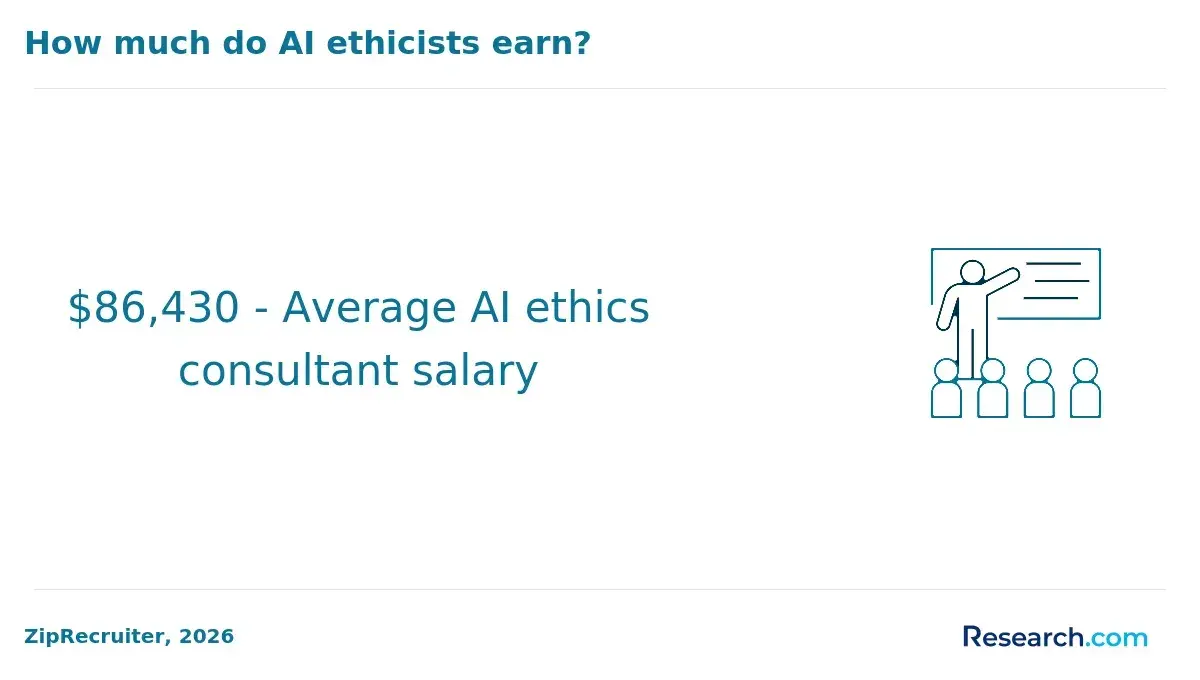
What are common admission requirements for AI certificates, bootcamps, and degrees for SQL experts?
Admission to AI certificates, bootcamps, and degree programs for SQL professionals usually requires proven SQL skills and basic data knowledge. Applicants should have practical experience with database querying, data manipulation, and programming logic to effectively work with artificial intelligence applications in data-driven contexts.
Many certificate and bootcamp programs expect candidates to have completed introductory SQL courses or have relevant work experience. Some also include technical assessments focusing on SQL queries and fundamental data concepts to ensure readiness for generative AI techniques integrated with SQL workflows.
Degree programs typically impose stricter standards, such as holding a bachelor's degree in computer science, information systems, or related STEM fields. Prior coursework in programming languages like Python, statistics, or linear algebra is often required. Graduate studies may additionally ask for GRE scores and letters of recommendation emphasizing analytic and technical abilities.
According to Udemy's 2024 Marketplace Insights, courses combining SQL and ChatGPT or Gen AI tags have grown by 540% in revenue, highlighting the rising importance of blending SQL expertise with AI knowledge. To improve admission prospects, students should emphasize experience bridging traditional SQL skills with emerging generative AI toolsets.
Prospective learners should review specific program prerequisites and consider supplementing their background with self-paced generative AI tutorials or foundational machine learning classes.
How long do AI programs for SQL professionals take, and what tuition and fees should you expect?
Programs for SQL professionals focusing on AI typically last from 4 to 12 weeks, with intensive bootcamps completing in about one month. These shorter courses emphasize generative AI tools and automated query optimization. More comprehensive certificate programs or part-time online courses often extend to three months or more, including practical projects and advanced AI integration skills.
Costs vary widely depending on the provider and format. Bootcamps generally range from $1,000 to $3,000, offering concentrated instruction on AI-assisted SQL workflows. Longer certificate programs or university-affiliated courses can cost between $3,000 and $8,000, reflecting a deeper curriculum and additional support like payment plans or corporate sponsorships.
Early adopters benefit significantly: Microsoft's 2024 Copilot for SQL Public Preview report shows a 40-50% reduction in time spent writing and debugging SQL queries using generative AI. This boosts productivity and lowers labor costs, making AI training a valuable investment.
When choosing a course, look for hands-on labs with AI code generation and debugging and confirm instructor expertise in AI-driven SQL development. Aligning course length and price with career goals ensures a strong return on investment.
Which AI and data certifications are most relevant for SQL professionals using generative AI tools?
SQL professionals enhancing their skill set with generative AI tools benefit greatly from certifications that combine advanced data management and AI integration. Notable credentials include IBM's AI Engineering Professional Certificate, focusing on machine learning models and AI pipelines, and Microsoft Certified: Azure Data Scientist Associate, which highlights cloud-based data solutions integrated with AI services. These certifications demonstrate proficiency in applying generative AI to SQL querying, transformation, and analytics workflows.
Additional valuable certifications come from online platforms like Coursera and edX, including the Data Science Professional Certificate by Harvard and the Machine Learning Specialization by Stanford. These programs build foundational understanding of generative AI models, enabling SQL users to incorporate predictive analytics effectively.
The blend of SQL expertise and AI knowledge tackles challenges such as query optimization automation, natural language SQL generation, and enhanced data-driven decisions. IBM's 2024 AI Skills Gap Study shows organizations investing in AI upskilling for data and SQL teams experience a 3.2x ROI over two years through productivity gains and quicker insights.
For competitive advantage, certifications like Databricks Certified Data Engineer Associate, which emphasizes big data pipelines with AI elements, and Google Cloud Professional Data Engineer, focusing on scalable AI-infused data solutions, are recommended. These credentials ensure professionals remain relevant in evolving AI-augmented data roles.
What career paths, job titles, and industries can AI-trained SQL professionals move into?
AI-trained SQL professionals have diverse career opportunities across data-centric roles and industries. Common positions include data engineer, database administrator, machine learning engineer, and AI data analyst. These roles emphasize managing and optimizing data pipelines that incorporate generative AI models, such as automating query generation and data transformation.
Industries utilizing these skills include finance, healthcare, retail, and technology. Finance leverages AI-enhanced SQL for fraud detection and algorithmic trading, healthcare focuses on patient data analytics and predictive diagnostics, while retail applies generative AI with SQL to personalize marketing and improve inventory management.
Security and accuracy are key challenges. A Stanford HAI audit found that 23% of AI-generated SQL code contained security or logic errors when not human-reviewed. This highlights the need for professionals skilled in AI oversight, making roles like AI audit specialists and compliance analysts increasingly important. Employers seek candidates who understand these risks and implement safeguards.
Advancement pathways also include AI product management and AI integration consulting, requiring expertise in both SQL databases and AI technology. Upskilled SQL professionals can bridge data engineering and AI governance to ensure responsible, efficient AI deployments.
What salary ranges and job outlook can SQL professionals expect after adding AI and genAI skills?
SQL professionals integrating ai and generative ai skills benefit from notable salary increases and improved career opportunities. LinkedIn's 2024 Workplace Learning Report highlights that 60% of learners completing ai or generative ai technical courses experienced role changes, promotions, or expanded responsibilities within a year, often accompanied by better compensation.
Salary ranges reflect experience and specific ai expertise:
- Entry-level SQL analysts with generative ai skills earn $75,000 to $95,000 annually, compared to $60,000 to $80,000 without ai expertise
- Mid-level professionals using ai-driven data automation and predictive analytics see salaries between $100,000 and $130,000
- Senior SQL developers or architects specializing in ai for complex query optimization and advanced data modeling earn $140,000 to $180,000 or more
Demand for SQL professionals with ai knowledge is growing rapidly, fueled by organizations aiming to automate data processes and accelerate insights. Promising roles include AI data engineer, machine learning data analyst, and automation specialist, with strong job growth anticipated over the next five years.
To stand out, focus on practical courses covering AI-powered query systems, generative AI model integration, and data pipeline automation. Highlighting how ai enhances SQL workflows during job negotiations boosts employer interest and salary potential more than generic ai skills alone.
Other Things You Should Know About Artificial Intelligence
For SQL professionals in 2027, AI tools like OpenAI's Codex, Google's Bard, and GitHub Copilot are recommended. These generative AI systems aid in writing efficient queries, automating code generation, and optimizing database interactions, enhancing productivity and reducing manual workload.
AI tools can automate many repetitive and data-intensive tasks traditionally done by database administrators and SQL developers, such as query optimization and anomaly detection. However, AI currently cannot fully replace the critical thinking, domain knowledge, and problem-solving skills that human professionals bring. Instead, AI serves as a powerful assistant that enhances productivity and accuracy in these roles.
Ethical concerns in AI deployment within data management include ensuring data privacy, preventing bias in AI models, and maintaining transparency in AI decision-making processes. Professionals must address these issues to avoid unintended consequences such as discrimination or misuse of sensitive information. Compliance with regulations like GDPR is also crucial when handling personal data.
Continuous learning is essential because AI technologies and methodologies evolve rapidly. SQL professionals need to regularly update their skills to stay current with new AI tools, data processing techniques, and security best practices. Keeping pace with these changes enables them to maximize AI's benefits and remain competitive in the job market.
References
- How Much Does it Cost to Develop Artificial Intelligence Applications? https://gigster.com/blog/how-much-does-it-cost-to-develop-artificial-intelligence-applications/
- Data Science & AI Certificate Online with Software https://www.graduateschool.edu/certificates/data-science
- 11 Best AI Certifications in 2025 to Deepen Your Technical Knowledge | DigitalOcean https://www.digitalocean.com/resources/articles/ai-certifications
- Advanced: Generative AI for Developers | Google Skills https://www.skills.google/paths/183
- Visible https://www.datacamp.com/courses/introduction-to-sql-querying-with-ai
- Learn How to Use AI for SQL | Codecademy https://www.codecademy.com/learn/learn-ai-for-sql
- AI pricing: how much does AI cost in 2025? | Future Processing https://www.future-processing.com/blog/ai-pricing-is-ai-expensive/
- AI Career Paths: What Jobs Are Available and How to Land One https://www.codingtemple.com/blog/ai-career-paths/
- Best AI Certifications to Boost Your Career in 2026 – Dataquest https://www.dataquest.io/blog/best-ai-certifications/
- 12 Best SQL Certifications in 2026 - Mimo https://mimo.org/blog/best-sql-certifications