2027 Best AI Governance Courses for Biotech Leaders

Co-Founder and Chief Data Scientist
Biotech leaders often face challenges balancing rapid innovation with ethical and regulatory compliance in artificial intelligence governance. Navigating complex standards while integrating AI into biotech operations demands a clear understanding of policy frameworks and risk management strategies. Without targeted education, leaders risk costly missteps that could hinder progress or lead to legal issues.
This article identifies the best courses designed to equip biotech professionals with critical knowledge and practical skills in AI governance. It aims to guide readers toward flexible, accredited learning paths that support career pivots and responsible leadership in this evolving field.
Key Things You Should Know
- Leading AI governance courses for biotech in 2026 emphasize ethical frameworks, regulatory compliance, and risk management amid a projected 35% industry AI adoption increase by 2027.
- Most programs integrate case studies of biotech AI failures and successes, enhancing practical understanding crucial for navigating complex regulatory landscapes.
- Enrollment in AI governance courses for biotech professionals rose 40% from 2024 to 2025, reflecting growing demand for specialized interdisciplinary expertise.
Advance Your Career with AI Online Courses
Artificial Intelligence: Implications for Business Strategy
This program provides an introduction to Artificial Intelligence and their implications for business strategy. Earn an official digital certificate.

Oxford Artificial Intelligence Programme
Explore this Oxford Artificial Intelligence programme offered in a flexible learning environment and explore topics like machine learning, automation, and robotics.

Implementing Agentic AI: Building Your Organizational Playbook
This online MIT Agentic AI course offers a practical approach to deploying AI agents in your organization, including a custom playbook. 3 weeks, exclusive launch price.

AI Adoption: Driving Business Value and Impact
This online MIT AI Adoption: Driving Business Value and Impact offers practical frameworks to close the gap between AI potential and business reality.

Artificial Intelligence in Pharma and Biotech
Discover the applications and limitations of artificial intelligence in pharma and biotech with this MIT online short course.

What is AI governance in biotech and why should industry leaders study it?
AI governance strategies for biotech industry leaders focus on frameworks and policies that ensure ethical, legal, and regulatory compliance in artificial intelligence use within biotechnology. These governance measures address risks related to data privacy, algorithmic bias, and patient safety. Biotech companies increasingly depend on AI for drug discovery, clinical trials, and personalized medicine.
Without proper governance, errors such as biased results or flawed data interpretation can compromise patient outcomes. The importance of AI governance in the biotechnology sector is underscored by a study showing that while 84% of biopharma executives expect AI to be critical by 2026, only 28% feel well-prepared to manage AI-related risks and governance challenges.
Key governance focus areas include data integrity, cross-functional accountability, transparent model validation, and ongoing monitoring. Robust governance enables organizations to align AI initiatives with strategic goals and regulatory standards, including FDA guidelines.
Biotech leaders interested in strengthening their understanding should consider courses that deliver practical governance tools and insights on ethical AI use in biotech. For those exploring educational pathways, researching the best data science undergraduate programs can provide foundational knowledge essential for effective AI governance and risk management in the biotech industry.
Advance Your Career with AI Online Courses
Artificial Intelligence: Implications for Business Strategy
This program provides an introduction to Artificial Intelligence and their implications for business strategy. Earn an official digital certificate.
Oxford Artificial Intelligence Programme
Explore this Oxford Artificial Intelligence programme offered in a flexible learning environment and explore topics like machine learning, automation, and robotics.
Implementing Agentic AI: Building Your Organizational Playbook
This online MIT Agentic AI course offers a practical approach to deploying AI agents in your organization, including a custom playbook. 3 weeks, exclusive launch price.
What types of AI governance courses are best for biotech executives and managers?
Biotech executives and managers gain the most from AI governance courses that focus on risk management, regulatory compliance, and ethical frameworks tailored for life sciences. Programs that include practical case studies relevant to biotech help participants navigate challenges like data privacy, algorithmic bias, and clinical trial validation.
The demand for AI governance, risk, and compliance expertise in life sciences surged by 122% globally in 2024, as reported by LinkedIn's Economic Graph, compared with a 46% increase for life sciences roles overall. This growth highlights the critical need for the best AI governance training for biotech executives.
Tailored AI governance programs for biotech management cover essential topics such as:
- Regulatory standards including FDA guidelines and GDPR for AI applications in drug development and diagnostics
- Risk assessment methods to prevent AI model failures impacting patient safety
- Ethical issues like consent management and equitable AI use specific to biotech
- Protocols ensuring data integrity and security for sensitive biological and clinical information
- Governance frameworks aligned with organizational structures to enable oversight and audits
Courses offering simulations and project-based learning enable executives to apply governance strategies in real-world settings. Leadership modules promoting collaboration among AI engineers, legal teams, and healthcare professionals further benefit managers. As biotech firms increasingly seek candidates skilled in AI governance, compliance documentation, and reporting expertise become valuable asset.
Professionals interested in advancing their knowledge may consider programs like the best online master's in artificial intelligence, which provide foundational skills to complement specialized training in this field.
How do online AI governance programs for biotech compare with campus-based options?
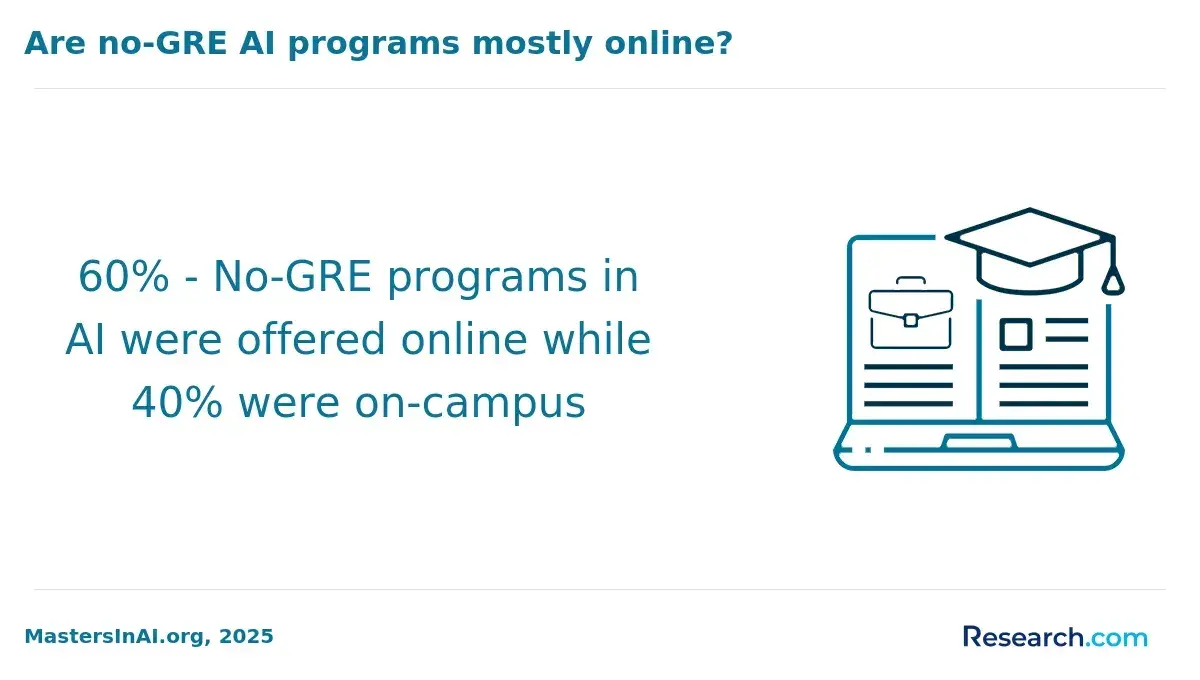
Online AI governance courses versus campus-based biotech programs present distinct benefits. Online options excel in flexibility and accessibility, letting biotech leaders balance demanding schedules and apply learning immediately. This ease often results in higher completion rates among working professionals. Campus-based biotech programs offer immersive experiences with direct networking and mentorship, crucial for mastering complex biotech AI governance issues.
However, they require commuting or relocating, which can be a barrier for many. Cost is a key consideration. Online programs typically charge lower tuition and save on housing and transportation, appealing especially to early-career scientists or management staff. Campus programs, while costlier, provide access to extensive institutional resources.
Content relevance also varies. Top online courses update modules swiftly to keep pace with regulations like the EU AI Act, projected to cover 30-40% of regulated healthcare AI systems soon. Campus programs may lag due to slower curriculum revisions. The advantages of virtual AI governance education for biotech leaders include this agility and affordability, making it a practical choice for continuous learning.
Combining online study with campus workshops or conferences can optimize educational outcomes. Prospective students seeking comprehensive governance education may explore options like an online cybersecurity degree to complement their biotech AI expertise.
What curriculum topics do top AI governance courses for biotech typically cover?
Top AI governance frameworks for biotech leaders include a curriculum focused on the intersection of technology, ethics, regulation, and business strategy. Courses cover ethical considerations in biotech AI governance, such as AI ethics principles, transparent and accountable systems, and addressing bias and fairness in algorithmic decision-making. Regulatory topics include compliance with data privacy laws like HIPAA and GDPR, which are essential for biotech AI applications.
Risk assessment and mitigation help leaders anticipate AI challenges in drug development, diagnostics, and patient monitoring. Data stewardship is heavily emphasized, with attention to securing sensitive health information and responsible data sharing among stakeholders.
Practical training often involves AI system validation and performance evaluation, equipping leaders to critically audit AI outputs. Leadership modules promote building cross-disciplinary teams and fostering ethical AI cultures in biotech organizations. Case studies highlight real-world successes and pitfalls, illustrating lessons from AI governance failures and accomplishments, such as handling bias in genomic data analysis and integrating AI in clinical trials.
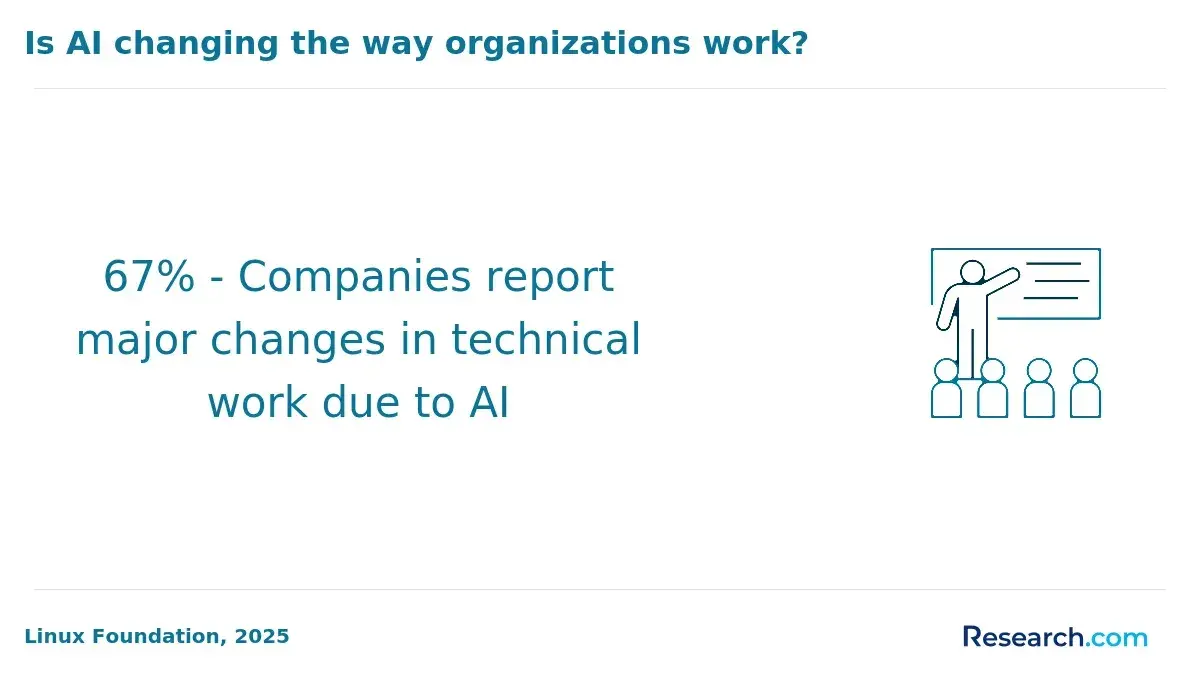
A notable 67% of executives completing AI or analytics-focused executive education programs reported promotions or significant pay raises within two years, with 44% crediting the program as a key factor. For those seeking accelerated education paths, the cybersecurity fast-track program offers a complementary intensive study option aligned with current tech career demands.
Which U.S. universities and providers offer leading AI governance training for biotech?
Top U.S. universities and specialized providers offer tailored training in AI governance for biotech professionals. Stanford University's Center for Biomedical Informatics Research delivers executive courses emphasizing AI ethics, risk, and regulatory compliance for life sciences leaders. Similarly, MIT's Schwarzman College of Computing provides targeted programs focusing on AI risk management frameworks applicable to biotech innovation and clinical settings.
Carnegie Mellon University offers professional certificates highlighting AI governance, data privacy, and ethical AI design, addressing key compliance challenges faced by biotech firms. The University of California, Berkeley's School of Information runs bootcamps covering algorithmic accountability and biotechnology-specific case studies, suited for mid-career professionals.
Emerging providers like the AI Governance Institute and LifeSci AI Academy specialize exclusively in biotech sector challenges. Their modular, online courses emphasize practical regulatory strategies and risk mitigation, designed for busy executives needing flexible, rapid governance training.
A 2024 EY survey of life sciences board members found 73% expect management to have formal training in AI risk and governance by 2027, yet only 19% believe current executives meet this standard. This gap underscores the urgency for biotech leaders to pursue recognized courses with up-to-date regulatory content and case-based learning.
Students should prioritize programs that balance regulatory expertise, flexibility, and practical application to keep pace with evolving AI risks in biotech.
What admission requirements and professional background do AI governance programs expect?
Applicants to AI governance programs usually need an advanced degree in biotechnology, life sciences, computer science, data science, or related areas. Most programs prefer candidates with graduate-level education, such as a master's or PhD, due to the field's technical and ethical complexities. Professional experience in biotech or pharma, especially in R&D, clinical operations, or regulatory affairs, is highly valued for its practical insight.
Experience in data management, compliance, or AI deployment projects further enhances an applicant's profile. Programs often expect foundational knowledge of AI technologies, machine learning, and data analytics to enable meaningful engagement with governance challenges like algorithmic bias, transparency, and accountability. Certifications or prior coursework in AI or data ethics can help bridge gaps in formal education.
Additionally, strong analytical and problem-solving skills, demonstrated through work or project portfolios, are frequently required. Leadership potential and strategic thinking are assessed through interviews or statements of purpose. Many programs emphasize interdisciplinary skills, merging technical expertise with policy and ethical considerations.
According to the 2024 PwC Global AI in Health & Life Sciences survey, only 31% of pharma and biotech organizations have enterprise-wide AI governance despite 79% piloting or scaling AI in R&D or clinical operations, underscoring the need for professionals who can integrate technical and managerial roles effectively.
In summary, admission to AI governance programs focuses on advanced education, industry experience, technical knowledge, and leadership ability to prepare future biotech leaders in responsible AI frameworks.
How long do AI governance courses for biotech leaders take and what do they cost?
AI governance courses designed for biotech leaders typically range from 4 weeks up to 6 months, reflecting variations in course depth and format. Shorter options often include 20 to 40 contact hours, ideal for executives seeking foundational knowledge. More comprehensive certifications or professional diplomas require 100 to 200 hours of study, usually part-time to fit the schedules of working professionals.
Costs vary significantly across programs. Executive education can range between $2,000 and $10,000. For instance, bootcamp-style intensive courses may cost around $3,000, while university-affiliated certificate programs with personalized mentorship can exceed $7,500. Some platforms adopt modular pricing, allowing participants to pay per course segment, typically $500 to $1,500.
Organizations must weigh internal training against external programs carefully. According to the World Economic Forum's Future of Jobs Report, 51% of life sciences companies intend to upskill over 25% of their workforce in AI and big data by 2028, with 38% relying heavily on external providers, highlighting a trend to outsource specialized AI governance education.
Choosing between short targeted sessions and in-depth certification depends on immediate needs and time availability. Companies may prefer shorter workshops for rapid team readiness while encouraging leaders to pursue advanced credentials. Candidates should consider course content quality, instructor expertise, scheduling flexibility, and pricing to select optimal programs.
How can biotech leaders evaluate accreditation, quality, and reputation of AI governance programs?
Biotech leaders evaluating AI governance programs should prioritize accreditation from recognized bodies such as ABET or healthcare-specific education regulators. Verified accreditation ensures that programs meet rigorous academic and industry standards, minimizing risks linked to inadequate training. It is crucial to confirm that curricula are regularly updated to keep pace with evolving regulations and ethical frameworks in AI governance.
Program quality can be gauged by examining faculty expertise, including credentials in AI ethics, regulatory compliance, and life sciences applications. Leading programs often incorporate case studies focused on biotech and provide hands-on scenario training to equip leaders for real-world governance challenges. Peer and alumni reviews offer valuable perspectives on how well theoretical knowledge is applied in practice.
Reputation also plays a key role, often demonstrated through partnerships with biotech firms, healthcare organizations, or regulatory agencies overseeing biotech innovations. Programs affiliated with respected research centers or professional associations indicate strong industry relevance, while citations in formal guidelines or adoption by top companies underscore trustworthiness.
Data from a McKinsey analysis highlights that organizations with structured AI governance training experience 30-40% fewer significant compliance incidents than those without such programs, emphasizing the importance of measurable outcomes. Biotech leaders should consider delivery formats-whether executive education, part-time courses, or immersive boot camps-to balance professional demands with learning depth.
What career benefits, roles, and promotion pathways can AI governance training unlock in biotech?
Expertise in AI governance opens significant career opportunities for biotech professionals, positioning them for vital roles such as AI compliance officers, data ethics managers, risk analysts, and strategic partnership coordinators. These roles require thorough knowledge of regulatory frameworks, ethical principles, and risk mitigation strategies essential to managing AI-driven biotech initiatives.
Professionals trained in AI governance are increasingly favored for executive leadership roles, including Chief AI Officer and Chief Data Officer. These positions focus on aligning technology with corporate ethics and regulatory compliance while facilitating better collaboration with legal teams, regulators, and external partners-key skills for advancement to senior management.
Biotech companies prioritize strong AI governance when selecting partners. A BCG survey reveals that 62% of biopharma executives consider a partner's AI governance a major factor in risk assessment, and 41% have declined deals over weak governance. This highlights how AI governance expertise enhances both individual and organizational credibility, influencing deal-making and growth.
Acquiring AI governance skills helps professionals:
- Ensure compliance with evolving AI regulations and ethical standards
- Mitigate risks related to biased or unsafe AI models
- Facilitate transparent communication with stakeholders and regulators
- Guide responsible AI integration in drug discovery and clinical trials
Overall, AI governance expertise qualifies biotech leaders for impactful roles that balance innovation, risk management, and regulatory complexity effectively.
Are there industry certifications or regulatory frameworks tied to AI governance in biotech?
Industry certifications and regulatory frameworks focused on AI governance in biotech have become essential for professionals leading in this innovative space. Credentials like the Certified AI Governance Professional (CAIGP) provide specialized training in ethical AI use, risk management, and compliance aligned with FDA guidelines and international standards like ISO/IEC 5338. These standards are crucial in ensuring trustworthy AI systems within biotech applications.
Regulatory requirements emphasize stringent controls over data privacy, algorithm transparency, and bias mitigation. The U.S. Food and Drug Administration enforces Good Machine Learning Practices (GMLP) for AI-driven medical devices, demanding precise documentation and traceability of AI systems. Similarly, the EU's AI Act categorizes certain AI systems as high-risk, introducing strict compliance measures that significantly affect biotech companies operating worldwide.
A global analysis by KPMG highlights that failures related to AI, including data breaches and regulatory lapses, have increased incident costs by 23%, with life sciences firms experiencing some of the steepest penalties. This highlights the critical need for robust governance to mitigate financial and reputational damage.
Key practical steps for compliance include:
- Conducting regular AI audits consistent with regulatory checklists
- Training teams on detecting and mitigating algorithmic bias
- Implementing strong data governance to protect patient information
- Collaborating with compliance and ethics committees throughout the AI lifecycle
Obtaining certifications tied to AI governance equips biotech leaders to manage these challenges effectively, safeguarding their organizations from penalties, protecting intellectual property, and maintaining public trust amid heightened oversight.
Other Things You Should Know About Artificial Intelligence
In 2027, top AI governance courses for biotech leaders include programs from Stanford, MIT, and Oxford. These courses focus on ethical AI implementation, regulatory compliance, and interdisciplinary approaches, equipping biotech professionals with the skills needed to navigate complex AI environments effectively.
AI governance ensures that decisions influenced by AI tools are transparent, auditable, and ethically sound, which improves trust among stakeholders. It also helps biotechs mitigate risks associated with biased algorithms and enhances compliance with regulatory standards, leading to more reliable R&D outcomes.
Interdisciplinary teams bring together expertise from biology, data science, ethics, and law to develop comprehensive AI governance strategies. This collaboration enables biotech firms to address complex challenges like algorithmic bias, data stewardship, and compliance with evolving regulations effectively.
Yes, effective AI governance frameworks are designed to be adaptable, incorporating continuous monitoring and updates as technologies evolve. This flexibility is crucial for biotech companies to remain compliant, manage emerging risks, and harness new AI innovations responsibly.
References
- Decoding the EU AI Act’s Impact on Biotech | Tenthpin https://tenthpin.com/insights/blog/the-eu-ai-act-and-its-impact-on-life-sciences-companies
- AI Governance in Higher Education: A course design exploring regulatory, ethical and practical considerations https://arxiv.org/html/2509.06176v2
- The Role of Technology in AI Governance | The Corporate Governance Institute https://www.thecorporategovernanceinstitute.com/webinar/the-role-of-technology-in-ai-governance/
- AI governance in business: The rules, risks, and responsibilities leaders can't ignore - Swiss Cyber Institute https://swisscyberinstitute.com/blog/ai-governance-in-business/
- Episode 2: AI Regulations in Healthcare, Pharma, and Biotech https://www.modelop.com/good-decisions-series/good-decisions-ep2
- How to Get Your First AI Governance Job: A Career Guide https://governance.aicareer.pro/blog/landing-your-first-job-in-ai-governance
- AIGP training: AI GOVERNANCE PROFESSIONAL https://www.heliossalinger.com.au/training/iapp-certifications/aigp/
- AI Governance Is Becoming an Accreditation Requirement https://www.managedhealthcareresources.com/blog/ai-governance-is-becoming-an-accreditation-requirement
- Enterprise AI Governance in Pharma: GxP & Compliance | IntuitionLabs https://intuitionlabs.ai/articles/pharma-ai-governance-gxp-compliance