2027 What You Learn in an Agentic AI Course

Co-Founder and Chief Data Scientist
Many professionals face challenges when trying to enter the field of agentic AI without a technical background. The complex concepts and rapid development in this area can hinder career shifts, especially for those with degrees unrelated to technology. Understanding how to design, control, and ethically apply autonomous systems is essential for effective contribution.
This article examines the core topics covered in an agentic AI course, detailing the critical skills and knowledge provided. It aims to guide prospective students and professionals in identifying the educational elements needed to confidently transition into this specialized sector of artificial intelligence.
Key Things You Should Know
- Agentic AI courses in 2026 emphasize autonomous decision-making models that improve real-world problem-solving, aligning with 43% job growth in AI-related fields forecasted through 2030.
- Students learn programming fundamentals, ethical frameworks, and system design to develop AI agents capable of adaptive learning and interaction across diverse applications.
- Curricula integrate hands-on projects using latest AI frameworks, enabling 67% of graduates to secure roles in AI-driven industries within one year post-completion.
Advance Your Career with AI Online Courses
Artificial Intelligence: Implications for Business Strategy
This program provides an introduction to Artificial Intelligence and their implications for business strategy. Earn an official digital certificate.

Oxford Artificial Intelligence Programme
Explore this Oxford Artificial Intelligence programme offered in a flexible learning environment and explore topics like machine learning, automation, and robotics.

Implementing Agentic AI: Building Your Organizational Playbook
This online MIT Agentic AI course offers a practical approach to deploying AI agents in your organization, including a custom playbook. 3 weeks, exclusive launch price.

AI Adoption: Driving Business Value and Impact
This online MIT AI Adoption: Driving Business Value and Impact offers practical frameworks to close the gap between AI potential and business reality.

Artificial Intelligence in Pharma and Biotech
Discover the applications and limitations of artificial intelligence in pharma and biotech with this MIT online short course.

What is an agentic AI course, and how does it differ from traditional AI programs?
An agentic AI course trains students to design autonomous AI systems capable of independently making decisions and achieving complex goals. Unlike traditional AI programs that focus on pattern recognition and supervised learning, agentic AI emphasizes planning, reasoning, and adapting within dynamic, real-world environments.
This includes teaching how to model environments, set goals, and interact with uncertain data streams. Such courses provide a distinct approach, incorporating ethical reasoning about AI agent behaviors and potential unintended consequences, fostering real-time, interactive problem-solving skills.
Key differences between agentic AI and traditional AI programs highlight the focus on autonomy over data-driven output. Agentic AI education covers advanced methods like reinforcement learning, multi-agent systems, and causal inference to develop AI agents exhibiting initiative and independence.
For example, students might build AI that autonomously navigates robotics or manages resources in sectors such as finance or logistics. This practical orientation sets agentic AI apart from the more static algorithms typical in conventional curricula.
- Emphasis on autonomous decision-making rather than just classification or prediction
- Incorporation of ethical considerations regarding AI behavior.
- Focus on dynamic, uncertain, and interactive problem-solving environments.
With AI careers rapidly expanding, graduates of agentic AI courses are well-positioned for emerging roles where AI acts independently. According to the World Economic Forum Future of Jobs 2025 report, AI and machine learning specialists are expected to see 40% employment growth by 2028, adding about one million jobs globally.
For those interested, exploring options such as an online computer science degree can be a valuable starting point for entering this evolving field.
Advance Your Career with AI Online Courses
Artificial Intelligence: Implications for Business Strategy
This program provides an introduction to Artificial Intelligence and their implications for business strategy. Earn an official digital certificate.
Oxford Artificial Intelligence Programme
Explore this Oxford Artificial Intelligence programme offered in a flexible learning environment and explore topics like machine learning, automation, and robotics.
Implementing Agentic AI: Building Your Organizational Playbook
This online MIT Agentic AI course offers a practical approach to deploying AI agents in your organization, including a custom playbook. 3 weeks, exclusive launch price.
What core concepts and technical skills do you typically learn in an agentic AI course?
An agentic AI course covers essential core concepts and technical skills such as autonomous decision-making, multi-agent collaboration, and goal-oriented behavior. Students learn how AI agents perceive environments through sensors, interpret data, and act independently.
Foundational knowledge includes programming with frameworks like Reinforcement Learning and Markov Decision Processes to build adaptive, self-improving agents. Algorithms for planning, reasoning, and executing complex tasks without explicit human intervention are emphasized.
Practical applications in agentic AI training involve developing agents capable of understanding natural language inputs, managing workflows, or performing software development tasks autonomously. For example, students might build AI agents that generate or debug code, reflecting industry demands.
Gartner predicts that by 2026, 20% of all new code will be produced by AI agents autonomously developing, testing, and maintaining software, up from less than 5% in 2023.
Other critical topics include ethical considerations, safety mechanisms, and human-agent interaction to ensure responsible AI deployment. Hands-on labs focus on integrating APIs and using simulation environments to test agent behavior under diverse conditions.
Students also explore communication protocols and strategies for coordinating tasks among multiple agents.
Developing problem-solving skills for designing scalable and resilient agent architectures prepares learners for applications in software engineering, robotics, and intelligent systems.
Mastery of debugging agent behaviors and tuning performance parameters is vital to meet professional standards. Prospective students seeking affordable options can explore the cheapest online masters in artificial intelligence.
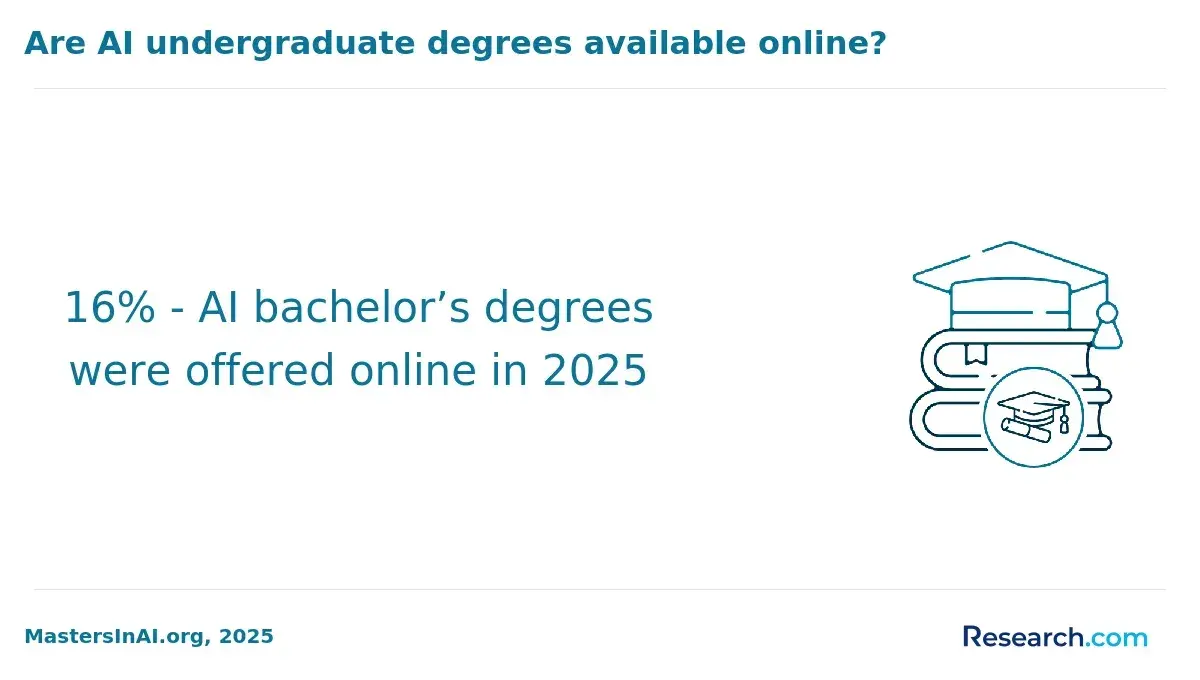
How do agentic AI courses teach building autonomous, goal-driven AI agents in practice?
Agentic AI courses focus on practical methods for building autonomous AI agents through a blend of theory and hands-on projects. Students acquire skills in designing agents with independent goal-setting, decision-making, and self-monitoring abilities.
Instruction begins by teaching how agents perceive environments and prioritize objectives, often leveraging reinforcement learning and planning algorithms.
A core component of these courses is learning how to integrate external tools such as large language models (LLMs) that dynamically utilize web search, calculators, and APIs to boost agent functionality. Research from MIT has shown that agents equipped with these tools can improve complex reasoning success rates by up to 50 percentage points compared to models lacking external capabilities.
Goal-driven AI agent development techniques are emphasized through architectures that mix symbolic reasoning with neural networks, empowering agents to decompose tasks, execute sequences of actions, and adapt to changing contexts.
Projects might involve automating research synthesis, managing workflows, or building conversational assistants that independently gather information.
Students practice evaluating agent autonomy using concrete benchmarks on efficiency, accuracy, and robustness, debugging algorithms to ensure stable behavior in uncertain environments. Key skills include hierarchical task decomposition, API integration, and adaptive agent behaviors for dynamic settings.
Those interested in expanding their skills further might consider related specialized programs such as game design courses online, which often incorporate AI components and interactive development techniques.
What prior education, math, and programming background do you need for an agentic AI course?
Students aiming to enroll in agentic AI courses typically need a strong foundation in relevant areas. A bachelor's degree in computer science, data science, software engineering, or related STEM fields is common, ensuring familiarity with essential computing concepts. For those exploring options, a computer science online degree can provide this groundwork effectively.
Mastering necessary math and programming skills for agentic AI learning is crucial. Proficiency in linear algebra, calculus, probability, and statistics supports the understanding of machine learning algorithms and decision-making processes that drive agentic systems.
These mathematical skills are fundamental when working with large language models (LLMs), especially concerning gradient optimization and matrix operations.
Programming fluency in Python is essential, as it dominates AI development. Experience with libraries like TensorFlow, PyTorch, or Hugging Face, plus familiarity with API integration and version control via Git, helps students build, test, and deploy autonomous AI agents.
Practical knowledge of LLMs and agent frameworks is increasingly expected given industry trends; a 2024 survey found that 53% of organizations already use or pilot LLM agents integrated with internal APIs or databases, with another 27% planning adoption within a year.
Strong problem-solving abilities are needed to design and troubleshoot agent workflows. Additionally, understanding ethical considerations and AI safety forms an integral part of the skills developed in agentic AI courses.
How do online agentic AI programs compare with campus-based options in cost and flexibility?
Online agentic AI programs offer greater flexibility and significantly lower tuition costs-typically $1,000 to $5,000 per course-compared to traditional campus-based programs, which can exceed $20,000 annually including fees. This affordability makes online courses attractive to working professionals and students with budget constraints.
Flexibility is a major benefit, as many online programs provide asynchronous lectures, allowing learners to study on their own schedules and balance other commitments. By contrast, campus-based programs generally require fixed attendance, limiting time and location options.
Campus programs can provide valuable hands-on experiences, such as access to physical robotics labs and direct collaboration with professors and peers, beneficial for complex experimental learning. Online offerings are closing this gap by incorporating interactive tools, virtual simulations, and group projects, though quality varies by provider.
Prospective students should weigh priorities such as cost, flexibility, and access to on-site resources. Notably, online programs often include current AI methodologies like explicit planning and execution loops in autonomous agents, which a Microsoft-OpenAI study found to reduce task failure rates by 35-70% in complex scenarios.
Many working professionals prefer online agentic AI courses for affordability and schedule adaptability, while others seeking immersive environments might choose campus programs despite higher costs and reduced flexibility.
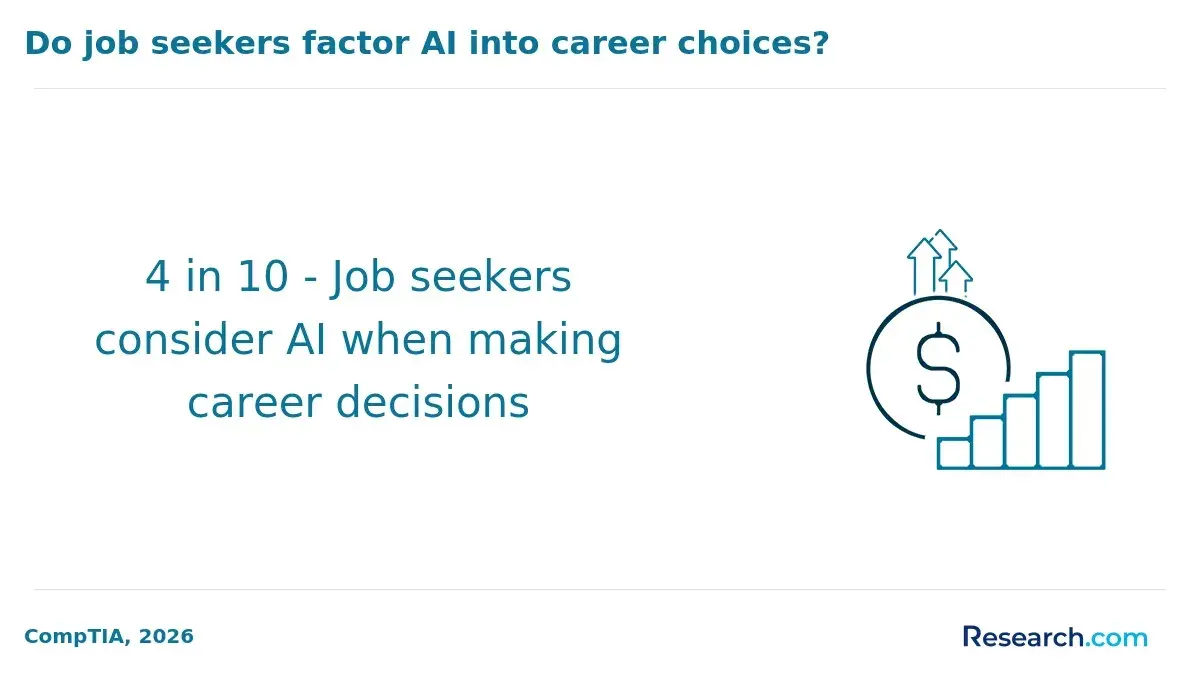
Which types of degrees, certificates, or bootcamps offer focused training in agentic AI?
Specialized training in agentic AI is mainly offered through graduate degrees, professional certificates, and intensive bootcamps designed for autonomous and decision-capable AI systems.
Many universities provide master's programs in artificial intelligence, computer science with AI concentrations, or robotics focused on agentic behaviors, decision making, and human-in-the-loop approaches. These programs often cover multi-agent systems, reinforcement learning, AI ethics, and system safety, all crucial for developing reliable agentic AI.
Professional certificates, often delivered by tech companies or online platforms, emphasize practical skills like building trustworthy agents, deploying autonomous systems, and implementing safeguards. Programs covering AI safety engineering or explainable AI enable working professionals to specialize efficiently without pursuing full degrees.
Bootcamps offer accelerated, project-based learning in agentic AI. They focus on hands-on modules with real-world agent environments, simulations, and evaluations, helping students master programming autonomous agents, control algorithms, and human oversight integration.
According to IBM's 2024 Cost of a Data Breach report, organizations using extensive AI and automation with human-in-the-loop controls reduced breach lifecycles by 108 days and saved $1.8 million in breach costs. This highlights the value of education blending agentic AI with trustworthy agent design and evaluation.
What topics, projects, and tools are usually included in an agentic AI course curriculum?
Agentic AI courses center on building autonomous systems that make decisions and complete tasks with little human input. Core topics include reinforcement learning algorithms, multi-agent systems, natural language processing, and ethical frameworks for autonomous behavior.
Students learn to design adaptable agent architectures suited for dynamic environments, emphasizing real-time learning and planning under uncertainty.
Hands-on projects often simulate scenarios such as autonomous vehicle navigation, robotic process automation, and virtual assistants. These practical experiences develop skills in enhancing agent collaboration and optimizing goal attainment within complex settings.
- Use of platforms like OpenAI Gym for reinforcement learning experiments.
- Model deployment through TensorFlow or PyTorch.
- Robotic agent development using ROS (Robot Operating System).
- Integration with cloud services and APIs to extend agent capabilities.
Courses also emphasize linking agentic AI design to tangible business outcomes. According to McKinsey's 2024 State of AI report, companies scaling AI across units saw a median ROI of 3.5x compared to 1.5x for isolated pilot projects. This highlights the strategic advantage of deploying agentic AI beyond prototypes.
Training includes challenges focused on creating agents that learn from feedback loops, manage resource constraints, and comply with safety standards. Ethical considerations, such as mitigating bias in autonomous decisions, prepare students for responsible AI development.
What careers can an agentic AI course prepare you for in the U.S. job market?
Agentic AI courses equip students for high-demand roles in the U.S. job market focused on autonomous systems and intelligent agents. Graduates often become AI engineers who develop and optimize autonomous systems such as robotics, virtual assistants, recommendation engines, and autonomous vehicles.
These roles require expertise in creating systems that operate independently and make decisions.
Additional career opportunities include machine learning engineers who design algorithms enabling agents to learn and improve from data, and data scientists who apply agentic AI models to analyze complex behaviors and simulate interactions for predictive analytics.
Research and development positions focus on innovating agentic AI architectures and enhancing human-agent collaboration, suitable for tech firms, AI startups, and academic research labs advancing next-generation AI technologies.
Product managers and technical consultants with knowledge in agentic AI support deploying autonomous solutions across finance, healthcare, and logistics, translating technical insights into practical business frameworks.
The median salary for AI engineer roles emphasizing agentic AI is $187,000, approximately 32% above that of more general AI positions, indicating strong market demand for autonomous agent expertise, according to Lightcast labor-market analytics.
Agentic AI education thus prepares candidates for well-paid roles in engineering, data science, R&D, and leadership within cutting-edge AI-driven industries.
What salary ranges and job outlook can graduates of agentic AI programs expect?
Agentic AI expertise is increasingly valued across many sectors, offering competitive salaries for professionals at various career stages. Entry-level salaries generally range from $90,000 to $120,000, while mid-career roles can pay between $130,000 and $180,000.
Senior positions such as lead AI agent architects or directors may earn over $200,000, particularly in tech hubs or companies specializing in autonomous systems and AI-driven automation.
The job market growth is backed by a notable rise in research activity. ArXiv data analyzed by Epoch AI shows that papers mentioning "AI agents" or "agentic AI" more than tripled recently, with over 6,000 papers published last year, indicating strong academic and industry interest.
Industry demand covers fields like robotics, conversational AI, gaming, finance, and healthcare. Key skills sought by employers include reinforcement learning, multi-agent systems, and autonomy frameworks.
Experience with deploying large-scale agentic AI models, internships, and open-source contributions enhance employability. Ethical AI implementation knowledge is also a growing priority.
How can you evaluate and choose a reputable, accredited agentic AI program in the U.S.?
Selecting a reputable agentic AI program in the U.S. hinges on accreditation from recognized bodies like ABET or regional agencies, ensuring robust academic standards.
Evaluate the curriculum for coverage of multi-step and multi-agent workflows-vital given that over 60% of production deployments use these complex setups, according to a 2024 LangChain report. Look for courses integrating autonomous agent systems with foundational AI knowledge.
Faculty expertise matters greatly. Prioritize programs led by instructors with proven research or industry background in agentic AI and ties to leading AI research centers or companies. Such connections enhance practical learning and networking opportunities.
Strong partnerships with tech firms or AI startups often translate into valuable internships and hands-on projects involving multi-agent frameworks or LangChain. Review graduate outcomes and job placement rates to measure the program's effectiveness in career preparation.
Consider access to cutting-edge AI labs, tools, and community resources that promote innovation and real-world problem-solving skills. Flexible learning options and certifications can benefit working professionals aiming to upskill quickly in this fast-evolving field.
Other Things You Should Know About Artificial Intelligence
Ethical concerns in artificial intelligence include bias in algorithms, privacy violations, and accountability for autonomous decisions. AI systems can inadvertently reinforce social inequalities if not carefully designed and monitored. Transparency and fairness are critical issues that developers and users must address throughout AI deployment.
Artificial intelligence relies heavily on data to train models, which raises risks to data privacy. Without proper safeguards, AI systems can unintentionally expose sensitive personal information or enable intrusive surveillance. Ensuring strong data protection protocols is essential for maintaining user trust and regulatory compliance.
Artificial intelligence can automate routine and repetitive tasks, which may lead to job displacement in certain sectors. However, AI also creates new roles that require human oversight, creativity, and complex problem-solving. Workforce adaptation and reskilling are necessary to balance AI's impact on employment.
Students in a 2027 Agentic AI Course explore AI's capabilities, like automation and decision-making, and its limitations, such as ethical challenges and biases in data. The course emphasizes understanding how these factors shape AI applications across industries.
References
- Agentic AI Jobs in 2026: Skills, Careers & Industry Demand https://online.iitkgp.ac.in/blog/agentic-ai-jobs
- Agentic AI https://www.deeplearning.ai/courses/agentic-ai
- Agentic AI BootCamp: Capstone and 10+ Hands-On Live Projects https://agilefever.com/bootcamps/agentic-ai-bootcamp/
- What is Agentic AI? A Practical Guide https://www.k2view.com/what-is-agentic-ai/
- Introduction to Agentic AI https://cognitiveclass.ai/courses/introduction-to-agentic-ai
- NVIDIA Agentic AI LLMs Certification https://www.nvidia.com/en-us/learn/certification/agentic-ai-professional/
- Understanding Agentic AI - FREE Online AI Agent Crash Course https://agentacademy.ai/courses/understanding-agentic-ai/
- Production AI Agents Course: Learn Agent Engineering https://academy.towardsai.net/courses/agent-engineering
- Understanding Agentic AI and the Growing Impact on Tech Jobs https://motionrecruitment.com/blog/understanding-agentic-ai-and-its-growing-impact-on-tech-jobs
- The Roadmap for Mastering Agentic AI in 2026 - MachineLearningMastery.com https://machinelearningmastery.com/the-roadmap-for-mastering-agentic-ai-in-2026/