2027 Best AI Transformation Courses for Executives

Co-Founder and Chief Data Scientist
Executives outside technology fields often face a steep learning curve when integrating artificial intelligence into their business strategies. This gap can slow digital transformation and hinder competitive advantage.
Without targeted education, leaders may struggle to grasp AI's practical applications and risks, limiting their ability to drive innovation effectively. The demand for flexible, accredited courses tailored to working professionals is growing rapidly.
This article examines the best AI transformation courses designed specifically for executives seeking to pivot their skills efficiently. It will guide readers toward programs that balance accessibility, relevance, and academic rigor to help overcome these challenges.
Key Things You Should Know
- Executive courses in AI transformation emphasize strategic implementation, with 72% of surveyed leaders prioritizing skills in AI integration and governance in 2025.
- Top programs blend technical understanding with business acumen, addressing ethical AI use, data privacy, and change management tailored for executives.
- Enrollment in AI executive training grew by 40% from 2024 to 2025, reflecting growing demand for leadership in digital transformation across industries.
Advance Your Career with AI Online Courses
Artificial Intelligence: Implications for Business Strategy
This program provides an introduction to Artificial Intelligence and their implications for business strategy. Earn an official digital certificate.

Oxford Artificial Intelligence Programme
Explore this Oxford Artificial Intelligence programme offered in a flexible learning environment and explore topics like machine learning, automation, and robotics.

Implementing Agentic AI: Building Your Organizational Playbook
This online MIT Agentic AI course offers a practical approach to deploying AI agents in your organization, including a custom playbook. 3 weeks, exclusive launch price.

AI Adoption: Driving Business Value and Impact
This online MIT AI Adoption: Driving Business Value and Impact offers practical frameworks to close the gap between AI potential and business reality.

Artificial Intelligence in Pharma and Biotech
Discover the applications and limitations of artificial intelligence in pharma and biotech with this MIT online short course.

What is an AI transformation course for executives and who should consider enrolling?
AI transformation training programs for executives in the US provide senior leaders with the expertise to integrate artificial intelligence into business strategies effectively. These programs cover AI technologies, ethical considerations, risk assessment, and managing AI-driven change to align initiatives with organizational goals. Executives learn to identify AI opportunities and lead cross-functional teams in digital transformation efforts.
Executive courses on ai strategy and leadership are crucial for C-suite leaders, directors, and senior managers who influence strategic decisions. For instance, a chief marketing officer may focus on AI-powered customer data analytics, while a chief operating officer might prioritize automating supply chain operations. Innovation officers and business unit heads seeking AI-driven insights will also benefit significantly.
With 72% of organizations deploying AI in at least one business function, these courses address challenges like AI ethics, workforce transformation, and data governance using practical frameworks and case studies. Industries such as finance, healthcare, manufacturing, and retail see diverse AI use cases-from fraud detection to personalized care and predictive maintenance-making such programs valuable across sectors.
Participants should look for courses that combine technical fundamentals with leadership strategies to foster an AI-ready culture and drive responsible innovation. Students exploring career options can learn more about career paths with an artificial intelligence major, connecting education with real-world applications.
Advance Your Career with AI Online Courses
Artificial Intelligence: Implications for Business Strategy
This program provides an introduction to Artificial Intelligence and their implications for business strategy. Earn an official digital certificate.
Oxford Artificial Intelligence Programme
Explore this Oxford Artificial Intelligence programme offered in a flexible learning environment and explore topics like machine learning, automation, and robotics.
Implementing Agentic AI: Building Your Organizational Playbook
This online MIT Agentic AI course offers a practical approach to deploying AI agents in your organization, including a custom playbook. 3 weeks, exclusive launch price.
How can AI transformation training help executives drive strategy, innovation, and competitiveness?
AI transformation training equips executives with essential skills to integrate AI initiatives strategically, driving innovation and enhancing competitiveness. This training enables leaders to pinpoint AI-driven opportunities for process improvements, new product development, and better customer experiences. Executives learn to navigate challenges like data governance and ethical considerations to ensure sustainable AI adoption.
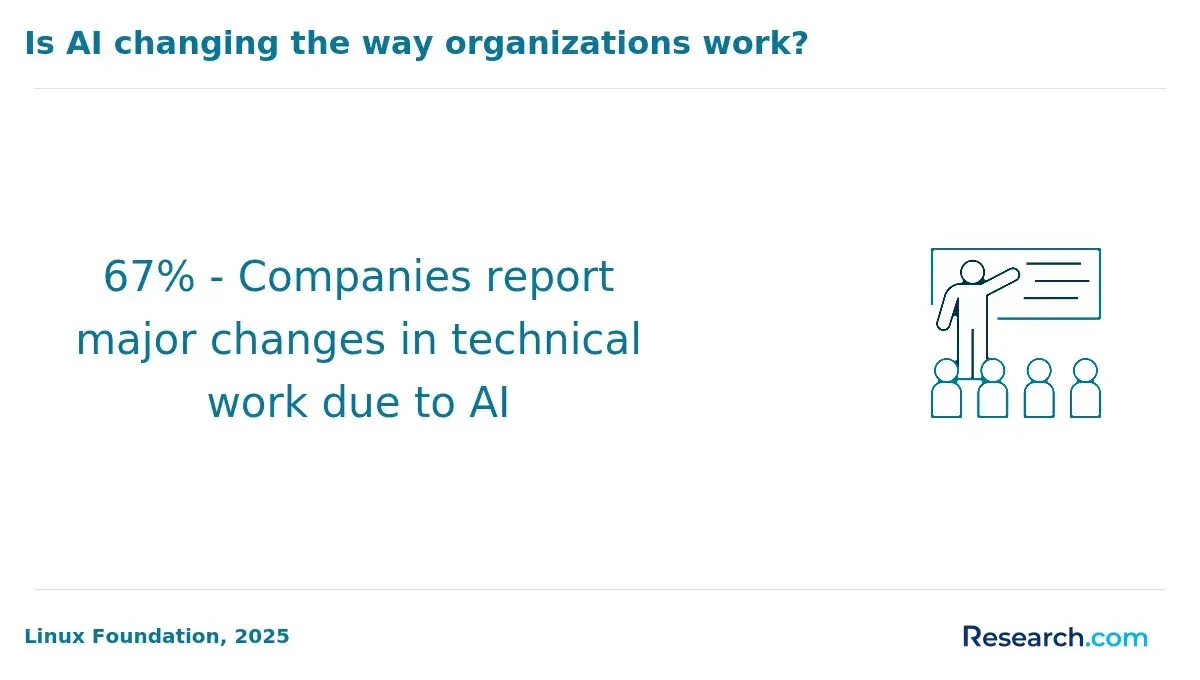
By embracing AI-driven strategic decision making for executives, leaders transition from intuition-based choices to data-informed actions. They develop the ability to interpret AI analytics, uncovering market trends and operational inefficiencies that support swift strategic adjustments. This is increasingly important as the World Economic Forum forecasts that 44% of workers' skills will be disrupted by 2027, emphasizing the urgency of leadership upskilling.
Executive innovation through AI transformation training also fosters collaboration by helping leaders build cross-functional teams that include AI experts and traditional business units. Understanding AI's technical foundation improves communication with data scientists and IT professionals, accelerating innovation cycles and securing stakeholder support.
Additionally, executives gain frameworks for continuous learning and adaptation, enhancing organizational agility in a fast-evolving AI landscape. Many professionals seeking advanced knowledge pursue an AI master's degree to deepen expertise and leadership capabilities.
What types of AI transformation programs exist for executives, and how do they differ?
AI transformation course options for executives generally fall into three categories: strategic, technical, and hybrid. Strategic programs equip leaders to integrate AI into business models, manage organizational change, and foster innovation without deep technical skills. These focus on decision-making frameworks, ethical AI use, and leadership across functions.
Technical programs emphasize hands-on learning in AI fundamentals like machine learning and data analytics, ideal for executives managing AI project teams or engaging directly with data professionals. Hybrid programs blend both strategic and technical insights, helping executives assess AI risks and guide AI initiatives effectively through case studies and real-world applications.
Differences between executive AI training programs depend on their depth, duration, and outcomes. Strategic courses tend to be shorter and less technical, while technical or hybrid options require more time and prior knowledge. Choosing the right program aligns with an executive's role, AI knowledge, and the organization's maturity in AI adoption.
McKinsey estimates generative AI could add between $2.6 trillion and $4.4 trillion annually across industries, underscoring the significant ROI for executives investing in AI education to harness transformation.
Executives seeking to deepen their expertise beyond training programs might consider pursuing an online MS data science, which offers a more comprehensive technical foundation for AI leadership in various sectors.
How do online and on-campus executive AI programs compare in format, flexibility, and outcomes?
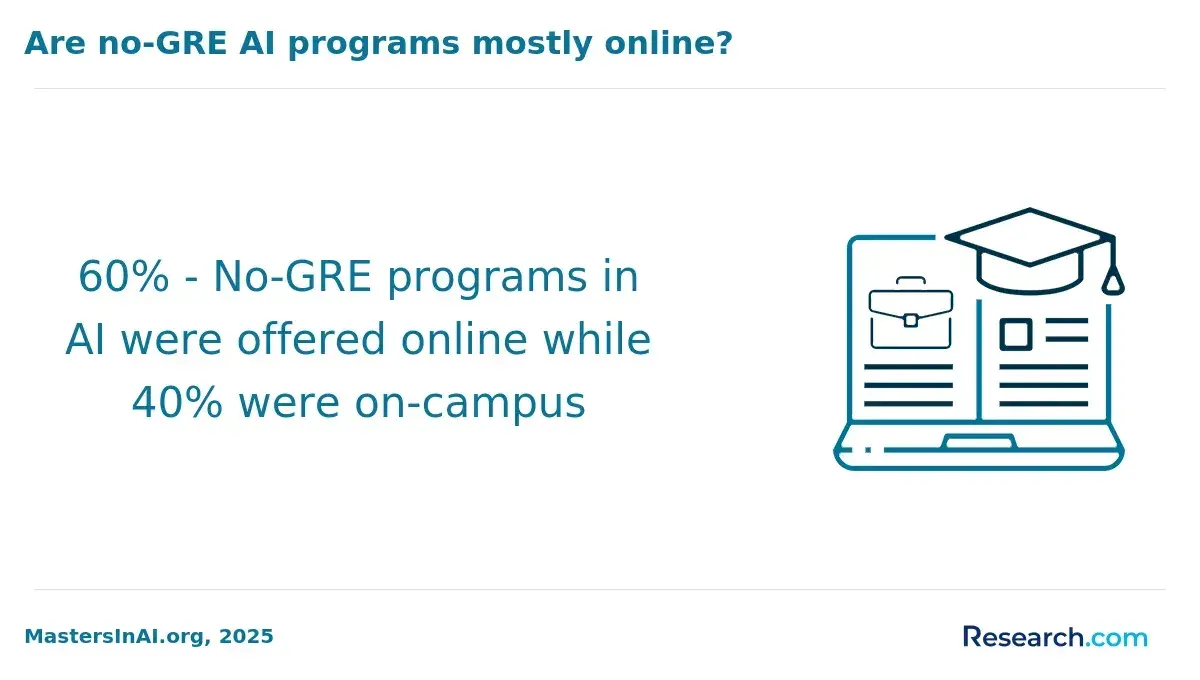
Online and on-campus executive AI programs are distinguished mainly by format, flexibility, and learning outcomes. Online formats provide maximal flexibility, accommodating busy executives who need to balance studies with work commitments. They often feature asynchronous lectures, live virtual sessions, and interactive forums, making learning accessible from any location.
For instance, UC Berkeley's AI for Executives offers a modular online curriculum specifically designed for professionals to integrate AI skills without interrupting their workflow, highlighting important differences in online and on-campus executive AI program differences.
On-campus programs emphasize immersive, in-person experiences that encourage direct networking and hands-on collaboration. These programs usually have fixed schedules requiring attendance on-site, limiting flexibility but enhancing peer interaction and engagement. Stanford HAI Executive Education exemplifies this model, where attendees have face-to-face access to faculty and live demonstrations.
Outcomes vary: on-campus cohorts often report richer peer connections and practical workshops, while online learners excel in independently applying AI knowledge due to a self-paced design. The flexibility and outcomes of executive AI courses depend strongly on professional priorities, weighing convenience against immersive, network-rich environments.
With private AI investment in the U.S. soaring to $91.9 billion, industry demand for skilled AI leadership intensifies. Executives looking to strengthen their strategic understanding may also explore related fields such as cybersecurity courses online, which complement AI expertise in today's digital landscape.
What credentials, certificates, or degrees do AI transformation programs for executives typically offer?
AI transformation programs for executives offer credentials such as certificates, professional diplomas, and sometimes executive master's or MBA degrees focused on AI leadership and innovation. Programs like INSEAD's "Transforming Your Business with AI" provide certificates that demonstrate proficiency in leveraging AI technologies to drive business change.
These programs typically last 6 to 12 weeks and combine live sessions with self-paced study, validating skills in AI strategy, ethics, and operational integration.
Diplomas and executive degrees build on this knowledge, adding business analytics, machine learning fundamentals, and change management over 12 to 18 months. Capstone projects help candidates apply AI concepts to real-world challenges, which is crucial for executives seeking in-depth expertise.
According to the Stanford AI Index, 78% of organizations used AI in 2024, up from 55% in 2023. This rise highlights why employers value these credentials as proof of an executive's ability to lead AI adoption effectively in dynamic environments.
When selecting a program, consider:
- Inclusion of hands-on projects or simulations
- Alignment with your industry's AI maturity
- Networking opportunities with AI experts and peers
- Accreditation and institutional reputation
Executives should pursue credentials that develop both knowledge and actionable skills to implement AI strategies and measure return on investment, ensuring alignment with organizational goals.
What core topics and skills are covered in leading executive AI transformation curricula?
Executive AI transformation courses equip leaders with essential skills to strategically leverage AI while managing risks. Key topics often include machine learning models, natural language processing, and data analytics, enabling executives to evaluate AI's impact on operations, customer engagement, and innovation pipelines. Risk management covers data privacy, model bias, and cybersecurity concerns tied to AI adoption.
Coursework also focuses on integrating AI into existing business frameworks through change management and AI governance. This encompasses aligning AI initiatives with ethical guidelines and regulatory standards, ensuring transparency and accountability. Financial aspects such as budgeting and return on investment analysis prepare executives to justify and oversee AI project expenditures.
Practical training addresses AI strategy development, including use case identification, vendor assessment, and scaling solutions effectively. For instance, finance professionals learn about AI applications in fraud detection and compliance automation, while healthcare leaders explore predictive diagnostics and patient data security-highlighting sector-specific approaches.
Recent data underscores the critical need for informed leadership. According to Imperial College London AI & Machine Learning in Financial Services, IBM's 2024 data breach report shows the average cost of breaches involving AI and automation reached $4.88 million. This highlights why executives must understand AI security and incident response to safeguard organizational assets and reputation.
How can executives evaluate program quality, accreditation, and institutional reputation in AI education?
Accreditation status is a critical factor when evaluating Artificial Intelligence education programs. Regional accreditation recognized by the U.S. Department of Education, such as from the Middle States Commission or WASC, validates that a program meets rigorous academic standards. Specialized accreditation from organizations like ABET or AACSB provides additional credibility, especially for technology- or business-focused AI courses.
Institutional reputation significantly influences the value of a credential. Executives can assess reputation by examining rankings from reputable sources, faculty expertise, and alumni success. Programs connected with prestigious institutions such as MIT, Stanford, or London Business School often provide access to top researchers and valuable industry networks.
According to London Business School's The Business of AI, PwC projects AI could add up to $15.7 trillion to the global economy by 2030, underscoring the importance of selecting credible education to leverage this opportunity.
Other indicators of program quality include:
- Curriculum that balances foundational AI concepts with real-world case studies
- Practical project components guided by active industry practitioners
- Transparent graduate employment rates and strong career support services
Alumni testimonials and peer recommendations offer valuable insights into whether a program delivers measurable skill improvements aligned with organizational AI goals. Prioritizing programs with proven outcomes helps executives drive effective AI transformation strategies.
What are the typical admission requirements, time commitments, and costs for executive AI programs?
Executive ai programs generally require 5 to 10 years of professional experience, emphasizing leadership or decision-making roles in areas like technology, strategy, or operations. A bachelor's degree is typically the minimum, with many programs preferring graduate-level education. Candidates may also need to submit essays, recommendation letters, and demonstrate managerial impact.
While some courses expect prior knowledge of machine learning or data analytics, many provide foundational modules to support executives from diverse backgrounds.
Program lengths vary from intensive 4 to 6-week courses to part-time formats spanning 3 to 12 months, often scheduled on weekends or evenings to accommodate working professionals. For example, Columbia Business School's Executive AI Program combines live virtual sessions and asynchronous work over several months, allowing students to balance professional duties with upskilling.
Costs typically range from $8,000 to $25,000, with prestigious programs like Columbia Business School positioned at the higher end due to expert faculty and strong alumni networks. Employers often subsidize tuition given ai's growing importance in competitive hiring. Total attendance costs may also include technology fees and travel expenses for any in-person residencies.
- 5-10 years professional experience usually needed
- Bachelor's degree minimum, graduate studies preferred
- Flexible formats: short intensive or extended part-time
- Tuition ranges from $8,000 to $25,000
What career outcomes, leadership roles, and salary impacts can follow executive AI training?
Executive AI training helps close the ongoing execution gap in AI initiatives, enabling leaders to successfully deploy projects that often stall. Research from IBM reveals only 24% of generative AI projects reached full-scale deployment, emphasizing the importance of responsible AI leadership for overcoming these challenges.
Executives with AI expertise frequently advance to roles such as Chief AI Officer, VP of Digital Transformation, or Head of AI Innovation, where they drive measurable business impact while embedding AI responsibly.
These leadership positions involve cross-functional collaboration, establishing policies for ethical AI use, and scaling AI solutions beyond pilot phases. Executives gain critical skills in AI risk management, compliance, and data governance-essential for aligning with evolving regulations and maintaining public trust. They evolve from technical understanding to managing AI deployment programs that boost operational efficiency and enhance customer experiences.
Salary gains for AI-competent executives are notable, with base salaries often exceeding $180,000, and earnings 15% to 30% higher than peers without AI credentials. Bonuses and stock options frequently reward innovation and ethical AI execution.
For professionals evaluating AI education, programs focused on applied leadership skills and ethical AI frameworks are key, leading to faster promotions, increased earning potential, and success in guiding AI projects from concept to deployment in complex environments.
How should executives choose the best AI transformation course for their industry and goals?
Executives selecting an AI transformation course should align content with industry-specific challenges and strategic objectives. Tailored modules for sectors like finance, healthcare, manufacturing, or retail enhance relevance. For example, healthcare leaders benefit from courses focused on regulatory, ethical, and operational impacts of AI on patient care rather than generic technical skills.
Practical implementation barriers must be addressed. Though 80% of companies use generative AI, only 5% have deeply integrated it into workflows, emphasizing the importance of training that covers change management, integration strategies, and team upskilling-not just theory or programming.
Course format and scheduling flexibility are crucial. Programs combining project-based learning and executive coaching accelerate skill acquisition and application. Certification credibility and faculty with real industry experience add significant value.
Evaluating outcomes involves measuring operational efficiency, innovation growth, and revenue impact after training. Networking and access to AI innovation labs or advisory boards further enhance course benefits.
Cost-benefit should match organizational scale and digital maturity. Early-stage companies may need foundational courses, while advanced firms require deep dives into AI-driven transformation tactics. Inquiring about customization, post-course support, and updates on emerging AI trends ensures long-term relevance.
Other Things You Should Know About Artificial Intelligence
In 2027, the top AI transformation programs for executives include MIT Sloan School’s Artificial Intelligence: Implications for Business Strategy, Stanford Innovation and Entrepreneurship Certificate, and Coursera’s AI For Everyone by Andrew Ng. These courses cover leadership, AI strategy integration, and real-world application, providing essential skills for executives navigating the AI landscape.
Artificial intelligence is transforming workforce dynamics by automating routine tasks and enabling new roles that require AI oversight and strategy. While some jobs may be displaced, many industries are seeing an increase in demand for AI-literate professionals who can integrate technology with human expertise. Executives should anticipate these shifts to manage talent and maintain competitive advantage effectively.
Organizations often struggle with data quality, integration complexity, and lack of skilled talent when adopting artificial intelligence. Additionally, aligning AI initiatives with business objectives and managing change within the company culture present significant hurdles. Executives must address these factors to ensure successful deployment and value generation from AI investments.
To stay current with artificial intelligence advancements, executives should engage in continuous education through workshops, seminars, and executive courses tailored to emerging technologies. Networking with AI professionals and following reputable research and industry publications also helps maintain up-to-date knowledge. Proactive learning enables leaders to make informed decisions and guide innovation.
References
- AI and Analytics Programs https://esmt.berlin/executive-education/analytics-ai-programs
- Best Online AI MBA Courses https://www.upskillist.com/blog/best-online-ai-mba-courses/
- Four AI Upskilling Strategies for Business Leaders https://www.jff.org/blog/four-ai-upskilling-strategies-business-leaders/
- Best Hybrid AI Executive Programs in 2026 - Emeritus Online Courses https://emeritus.org/blog/best-hybrid-ai-executive-programs/
- AI for Executives: Top AI Training Programs (2025) https://www.corpoladder.com/blog/ai-strategy-leadership-training-executives
- AI Upskilling for Leaders – Drive Responsible AI Innovation with New ExecEd Programs on edX - Business edX https://business.edx.org/article/ai-upskilling-leaders-edx-enterprise/
- How AI Is Transforming Strategic Leadership? https://anderson.ae/article/how-ai-is-transforming-strategic-leadership
- Change Management for AI: Strategies for Successful Transformation https://agility-at-scale.com/ai/people-change/change-management-for-ai-transformation/
- AI Transformation Strategy: Navigating Personalisation, Creativity, Governance, and Security for Business Growth https://helium42.com/blog/ai-transformation-strategy-business-growth