2027 Best AI Strategy Courses for Manufacturing AI Adoption Teams

Co-Founder and Chief Data Scientist
Manufacturing teams often struggle to integrate artificial intelligence solutions effectively due to gaps in strategy and technical knowledge. Without tailored courses, teams risk inefficient adoption, increased costs, and missed innovation opportunities. This challenge grows as industry demands evolve rapidly and technologies diversify. Organizations need reliable education paths to build expertise and ensure seamless AI deployment aligned with operational goals. This article reviews top strategy courses designed specifically for manufacturing AI adoption teams, highlighting programs that combine practical frameworks with technical insights. It aims to guide professionals toward effective learning choices that drive successful AI integration and value creation.
Key Things You Should Know
- AI strategy courses for manufacturing focus on integrating AI with Industry 4.0 technologies, enhancing automation and predictive maintenance to boost operational efficiency by up to 40%.
- Programs emphasize data-driven decision-making skills, critical for AI adoption teams to tailor solutions that reduce production costs and improve supply chain resilience.
- The latest curricula incorporate ethical AI use and workforce impacts, preparing professionals for responsible innovation amid a 35% projected growth in AI-related manufacturing jobs by 2027.
Advance Your Career with AI Online Courses
Artificial Intelligence: Implications for Business Strategy
This program provides an introduction to Artificial Intelligence and their implications for business strategy. Earn an official digital certificate.

Oxford Artificial Intelligence Programme
Explore this Oxford Artificial Intelligence programme offered in a flexible learning environment and explore topics like machine learning, automation, and robotics.

Implementing Agentic AI: Building Your Organizational Playbook
This online MIT Agentic AI course offers a practical approach to deploying AI agents in your organization, including a custom playbook. 3 weeks, exclusive launch price.

AI Adoption: Driving Business Value and Impact
This online MIT AI Adoption: Driving Business Value and Impact offers practical frameworks to close the gap between AI potential and business reality.

Artificial Intelligence in Pharma and Biotech
Discover the applications and limitations of artificial intelligence in pharma and biotech with this MIT online short course.

What is an AI strategy course for manufacturing adoption teams and who should take it?
An AI strategy course for manufacturing adoption teams equips professionals with the skills to implement and manage artificial intelligence technologies within manufacturing settings. These Manufacturing AI adoption training programs help align AI tools with business goals, identify relevant use cases, oversee integration, and measure ROI. Participants learn to address challenges related to data readiness, workforce adaptation, and technology scaling specific to manufacturing.
Such training is crucial for manufacturing managers, process engineers, IT leaders, and strategy teams driving digital transformation. It also benefits project leads overseeing AI implementation and workforce trainers. Executives aiming to understand AI's impact on production efficiency and supply chain optimization gain valuable insights. The need is underscored by a critical skills gap: 75% of manufacturers plan AI adoption by 2029, but only 42% feel their workforce is ready.
Course content often covers AI-driven predictive maintenance, quality control automation, and supply chain analytics tailored to manufacturing. Teams learn to develop AI adoption roadmaps, evaluate vendors, and navigate ethical and regulatory considerations. Those seeking foundational education may consider a computer science accelerated degree as a strong complement to specialized AI strategy courses for manufacturing teams.
Advance Your Career with AI Online Courses
Artificial Intelligence: Implications for Business Strategy
This program provides an introduction to Artificial Intelligence and their implications for business strategy. Earn an official digital certificate.
Oxford Artificial Intelligence Programme
Explore this Oxford Artificial Intelligence programme offered in a flexible learning environment and explore topics like machine learning, automation, and robotics.
Implementing Agentic AI: Building Your Organizational Playbook
This online MIT Agentic AI course offers a practical approach to deploying AI agents in your organization, including a custom playbook. 3 weeks, exclusive launch price.
What skills and outcomes can you expect from top AI strategy courses for manufacturing?
Top AI strategy courses equip manufacturing teams with implementation skills crucial for driving measurable business impact through AI adoption. Participants develop tailored AI roadmaps aligned with manufacturing goals like operational efficiency, predictive maintenance, and quality control. Mastery of data integration techniques helps them manage complex data from sensors, machines, and supply chains, ensuring seamless AI deployment. These programs emphasize practical knowledge in evaluating AI technologies such as machine learning models, computer vision, and natural language processing to select solutions with the highest return on investment.
Outcomes of advanced AI courses for manufacturing professionals include the ability to craft scalable AI solutions that facilitate factory digitization and real-time decision-making. Graduates also gain understanding of regulatory and ethical considerations, helping mitigate compliance risks and workforce impact. Leadership and collaboration skills foster cross-functional engagement among engineers, IT teams, and executives to cultivate an AI-friendly culture.
Case studies often highlight how manufacturers translate data insights into cost savings and increased revenue, backed by metrics. According to McKinsey & Company's global AI survey, AI could generate up to $3.8 trillion in annual value for manufacturing and supply chains, with companies scaling AI reporting EBIT growth of 5-15%. For those seeking foundational knowledge, programs such as the cheapest online industrial engineering degree offer accessible routes into this evolving field.
How do you choose the best AI strategy course for your manufacturing organization's needs?
Choosing the best ai strategy courses for manufacturing professionals involves aligning course content with specific business objectives and current team expertise. With 69% of manufacturers facing moderate to severe AI-related skill shortages and 59% reporting these gaps hinder large-scale adoption, selecting training that effectively closes these knowledge gaps is essential.
Start by assessing your manufacturing team's baseline skills, including data literacy, programming capabilities, and process knowledge. Courses that offer customizable modules or cover fundamentals such as machine learning algorithms alongside industry-focused applications can better address varying learner needs. For instance, programs integrating predictive maintenance with operational technology insights provide valuable, targeted training for engineers and plant managers.
When deciding how to select AI adoption training for manufacturing teams, prioritize those that combine theory with practical projects. Hands-on experience using real or simulated data, along with case studies on quality control or supply chain automation powered by AI, enhances understanding and implementation readiness.
Instructor expertise matters; courses led by industry veterans or researchers familiar with manufacturing AI environments add credibility. Opportunities for mentorship or forums support problem-solving beyond standard curricula.
Finally, consider course duration and delivery formats that fit your organization's scheduling needs, whether intensive boot camps or longer programs for deeper strategic insight. Certification value for internal or industry recognition should also be reviewed.
For those interested in broadening technical skills related to AI and beyond, exploring a video game development degree can offer complementary expertise in programming and interactive technology.
What curriculum topics are covered in leading manufacturing-focused AI strategy programs?
Leading manufacturing-focused AI strategy curriculum topics cover a comprehensive range designed to prepare teams for effective ai adoption training for manufacturing teams. Core areas include ai fundamentals tailored to manufacturing settings, such as predictive maintenance, quality control, and supply chain optimization. A strong focus is placed on integrating ai into existing operational workflows while addressing issues like data silos and compatibility with legacy systems.
Risk management and ethical considerations play a vital role, teaching students to assess biases, promote transparency, and adhere to regulatory standards. Programs also address change management strategies critical for workforce acceptance and smooth transitions when implementing ai tools.
Technical coursework emphasizes data analytics, machine learning modeling, and ai infrastructure suited for manufacturing complexity. Participants gain hands-on experience with digital twins, IoT data streams, and real-time decision-making frameworks that empower smarter operations.
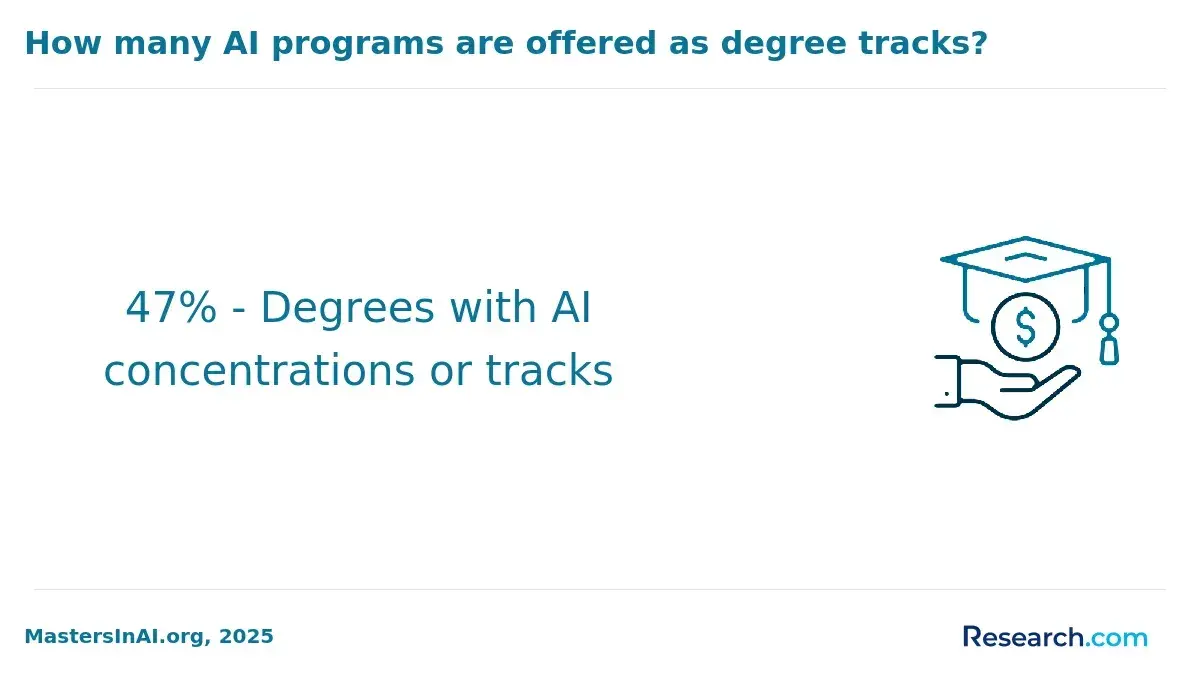
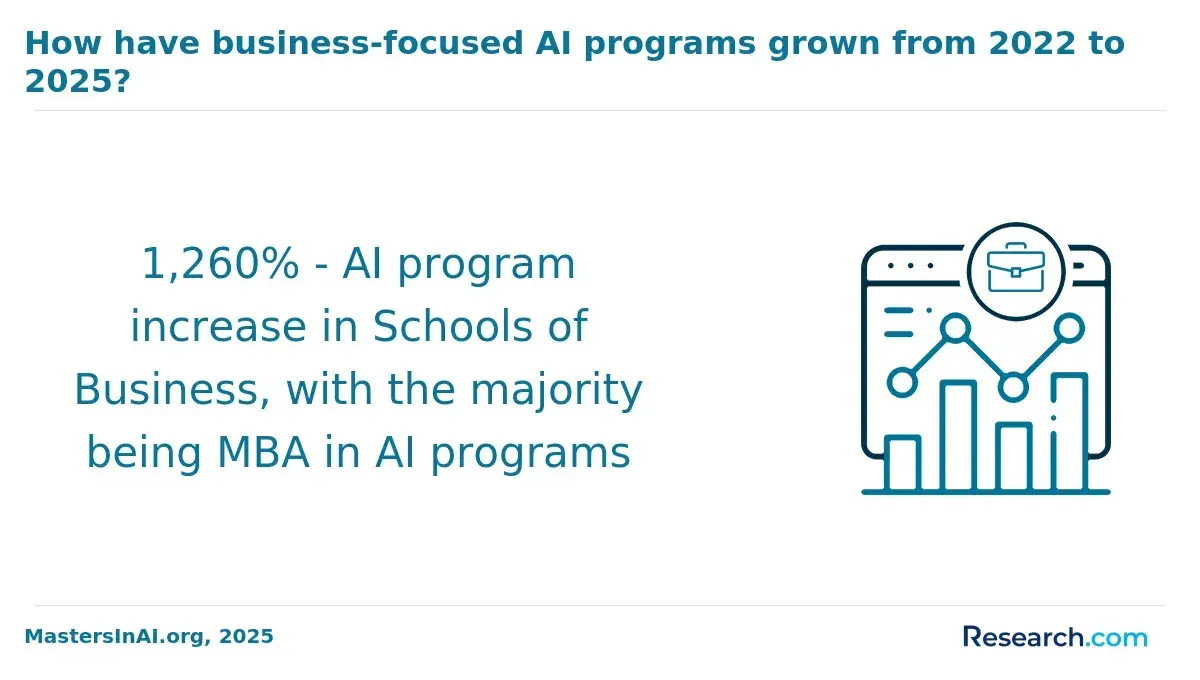
Leadership training prepares executives to develop ai roadmaps aligned with business goals, budgets, and competitive landscapes. This includes financial modeling of ai investments and establishing performance metrics for ongoing improvement. With 85% of surveyed business schools updating or launching AI programs responding to demand from manufacturing sectors, curricula combine theory, case studies, and cross-disciplinary skills enabling leaders to drive AI-enabled transformation effectively.
For professionals interested in complementary fields, exploring cybersecurity courses online can add critical expertise to support AI system security in manufacturing environments.
What are the differences between online and campus-based AI strategy programs for manufacturers?
Online ai strategy programs tailored for manufacturers offer significant flexibility, enabling professionals to learn at their own pace while managing work commitments. These programs typically include asynchronous lectures, digital simulations, and virtual collaboration tools designed for manufacturing scenarios.
Campus-based ai strategy programs, by contrast, provide immersive, hands-on experiences with access to advanced manufacturing labs and faculty experts. These in-person settings foster stronger networking with peers and industry professionals and often accelerate skill development, particularly for complex manufacturing challenges.
A 2024 TechTarget analysis shows industry-specific AI programs, including those focused on manufacturing, have learner satisfaction rates 12 percentage points higher than general AI courses. This is largely due to curricula that address real-world manufacturing issues like supply chain optimization and predictive maintenance.
Manufacturers working in regulated or safety-critical areas may prefer campus-based programs incorporating lab testing and scenario-driven learning. On the other hand, those seeking a broad strategic understanding while working full time might find online programs more suitable.
Cost is another factor: online courses usually have lower tuition and avoid expenses such as commuting or relocating. Campus programs, however, often offer better brand recognition and industry connections which can enhance career prospects in manufacturing AI roles.
Which types of institutions and providers offer accredited AI strategy education for manufacturing?
Accredited education in AI strategy for manufacturing adoption is provided by universities, professional organizations, and specialized corporate training providers. Leading institutions like MIT, Stanford, and Carnegie Mellon offer formal degrees and executive education combining AI fundamentals with manufacturing management.
Professional bodies such as the Institute of Electrical and Electronics Engineers (IEEE) and the Association for Manufacturing Technology (AMT) deliver accredited continuing education and certifications. Their programs focus on AI applications, risk management, and enterprise governance tailored to manufacturing environments.
Corporate training providers often partner with consultancies or technology vendors to offer modular courses on generative AI, machine learning, and digital transformation strategies. These are designed for diverse roles from technical specialists to leadership, enabling rapid internal competence building.
Capgemini Research Institute highlights a gap between piloting generative AI and having enterprise-wide strategies, making education on AI ethics, compliance, and scalable governance critical. When choosing programs, verify accreditation, curriculum relevance, and opportunities for practical application such as case studies or industry collaborations.
This multi-faceted approach ensures learners are well-prepared to lead AI adoption within complex manufacturing enterprises.
What are the typical prerequisites, application steps, and admission requirements for these programs?
Prerequisites for AI strategy courses aimed at manufacturing teams often include a bachelor's degree in engineering, computer science, industrial technology, or business analytics. Candidates should have foundational skills in data science, programming languages like Python or R, and systems engineering. Many programs prefer applicants with at least two years of experience in manufacturing operations, production management, or technology implementation. Advanced courses sometimes require prior knowledge in machine learning or statistics.
The application process typically involves submitting a detailed resume, academic transcripts, and a statement of purpose that outlines career goals related to AI adoption in manufacturing. Letters of recommendation from supervisors or faculty may be requested to demonstrate technical expertise and leadership abilities. Some programs also require online assessments or technical interviews to evaluate problem-solving skills and understanding of AI concepts in industrial contexts.
Admission standards often emphasize managing cross-functional teams and familiarity with industrial compliance. With 58% of manufacturers citing regulatory, safety, and ethical risks as barriers to AI adoption, awareness of responsible AI practices is increasingly important. Yet, only 27% of manufacturers provide formal responsible-AI training, creating an advantage for those with this expertise.
Some universities offer certificate programs or preparatory modules in responsible AI, which may be recommended or required before enrolling in full AI strategy courses. Prospective students should confirm whether these foundation courses are necessary to meet safety and ethical standards in industrial AI adoption.
- Bachelor's degree in relevant fields
- Experience in manufacturing or tech roles
- Strong programming and data science skills
- Familiarity with compliance and responsible AI
- Applications often include assessments and recommendations
How long do AI strategy courses for manufacturing usually take and what do they cost?
AI strategy courses for manufacturing adoption teams generally last between 4 and 12 weeks, varying by program depth and format. Shorter courses (4 to 6 weeks) focus on foundational topics such as AI concepts, data strategy, and integration challenges unique to manufacturing. Longer courses (8 to 12 weeks) include advanced modules on AI governance, change management, and scaling AI solutions across manufacturing operations.
Costs depend on duration, delivery style, and provider. Online self-paced options start near $800, while comprehensive instructor-led programs with hands-on projects can exceed $4,000. Executive bootcamps or certifications tailored for manufacturing leaders typically range from $3,000 to $6,000, reflecting specialized content and expert faculty.
Investing in structured upskilling offers measurable benefits. According to Boston Consulting Group's 2024 AI in operations report, organizations focusing on internal capability development were 2.4 times more likely to achieve full-scale AI deployment than those relying mainly on external consultants. This underscores the value of allocating budget and time to employee training rather than outsourcing AI strategy.
When choosing courses, prioritize those covering AI model evaluation, ethical considerations, and cross-functional collaboration. Programs with practical case studies or simulations help teams apply concepts directly to manufacturing scenarios, accelerating adoption and reducing costly trial-and-error at scale.
What career paths, roles, and advancement opportunities follow AI strategy training in manufacturing?
AI strategy training in manufacturing opens career paths mainly in leadership and technical management roles that focus on operational efficiency and innovation. Graduates often become AI project managers, manufacturing data analysts, or AI integration specialists, responsible for managing AI adoption on production lines, interpreting data-driven insights, and aligning AI systems with business objectives.
Promotions can lead to director-level positions such as Director of Manufacturing Innovation or Chief AI Officer, where overseeing AI investments and facilitating cross-department collaboration are essential. Expertise in AI strategy is increasingly valuable for roles in supply chain optimization, predictive maintenance, and digital transformation leadership.
According to LinkedIn's 2024 "Jobs on the Rise" analysis, operations and manufacturing leaders with AI skills receive 46% more recruiter InMails and earn salary premiums of 10% to 20% compared to those without AI expertise. This highlights the competitive advantage AI strategy skills provide in career growth and compensation.
Professionals may also consider lateral roles like AI change management consultant or industry AI policy advisor, combining technical knowledge with strategic vision to facilitate smooth AI transitions in manufacturing.
Key challenges include balancing AI innovation with existing workflows and measuring AI's ROI effectively. Training helps practitioners address these systematically, making them highly attractive candidates for roles requiring both technical and organizational expertise in AI deployment.
What salary ranges and job outlook can AI strategy professionals in manufacturing expect?
AI strategy professionals in manufacturing earn between $90,000 and $150,000 annually, influenced by experience, geographic location, and company size. Entry-level roles typically start from $85,000 to $100,000, while senior positions such as AI strategy managers or directors can command $120,000 to $160,000 or more, especially in major industrial centers or Fortune 500 firms.
The career outlook remains strong due to the growing use of AI technologies to optimize production, supply chains, and quality control. A follow-up study by MIT Sloan Executive Education reports that over 70% of manufacturing leaders trained in AI strategy launched at least one AI project within six months, demonstrating quick organizational impact. Additionally, 41% of these executives observed measurable improvements in cost efficiency or productivity.
Roles vary widely and include AI implementation leads specializing in robotics and automation, as well as strategic consultants advising C-suite executives on digital transformation. Professionals in this space face challenges like data governance and workforce reskilling, which elevate their scope beyond technical tasks and justify higher compensation.
Upskilling through specialized AI strategy courses is crucial for meeting industry demands. Employers increasingly value credentials from recognized programs, enhancing job security and salary negotiation leverage in this competitive field.
Other Things You Should Know About Artificial Intelligence
The most challenging aspect for manufacturing teams in adopting AI strategies effectively in 2027 is integrating AI into existing systems while ensuring data quality and security. This requires comprehensive training, which is why enrolling in the best AI strategy courses is crucial for smooth AI adoption.
Data quality is essential for effective AI implementation in manufacturing. Poor data can lead to inaccurate models and unreliable predictions, which may disrupt production processes. High-quality, clean, and well-structured data ensures that AI systems deliver consistent and actionable insights.
Yes, artificial intelligence significantly enhances supply chain management by enabling predictive analytics for demand forecasting and inventory optimization. AI can detect inefficiencies, forecast disruptions, and enable dynamic routing, improving overall supply chain responsiveness and reducing costs.
Human expertise remains crucial even with advanced AI systems, as human judgment guides AI interpretation and decision-making. Operators and managers provide contextual understanding that AI cannot fully replicate, ensuring that AI tools complement rather than replace human skills for optimal manufacturing outcomes.
References
- These 3 charts show how AI is affecting wages, job quality and hiring decisions https://www.weforum.org/stories/2026/02/ai-improving-wages-job-quality/
- Understanding the Prerequisite Requirements for 6 Popular Graduate Programs - Prereqcourses https://www.prereqcourses.com/prerequisite-requirements-for-6-programs/
- Artificial Intelligence in Education https://iste-ascd.org/ai
- Top AI Education Providers - Digital Resistance https://www.digitalresistance.org.uk/top-ai-education-providers/
- Top 7 artificial intelligence courses 2025: Comparison of the best online programs https://xd-i.com/en/data-en/ai-courses/
- College Requirements: Understanding What Colleges Expect https://cbrg.info/college-requirements-guide/
- AI - Artificial Intelligence | London Business School https://www.london.edu/executive-education/ai
- Artificial Intelligence for Manufacturing and Supply Chain https://lct.co.uk/training-course/artificial-intelligence-for-manufacturing-and-supply-chain/
- Artificial intelligence as a driver of innovative business models | AI Campus https://ki-campus.org/en/courses/ai-business
- Admission Requirements | Undergraduate Admissions + Programs https://www.ualberta.ca/en/admissions/how-to-apply/admission-requirements/index.html