2027 Best AI Adoption Courses for Medtech Teams

Co-Founder and Chief Data Scientist
MedTech teams increasingly face pressure to integrate advanced AI solutions for diagnostics, patient care, and device innovation. However, the lack of targeted education creates a gap in practical skills and understanding, slowing adoption and limiting the potential of AI technologies. Professionals from non-technical backgrounds often struggle to find flexible, accredited programs that align with their schedules and career goals.
This article highlights the best AI adoption courses designed for MedTech professionals seeking to bridge this gap efficiently. It aims to guide readers in selecting programs that deliver relevant knowledge and practical expertise for driving AI innovation in healthcare technology.
Key Things You Should Know
- AI adoption courses for MedTech teams emphasize practical skills integrating AI into medical devices, improving diagnostics accuracy by up to 40% according to 2025 clinical tech reports.
- Curricula increasingly focus on ethical AI use and regulatory compliance, reflecting FDA guidelines updated in late 2024 for patient safety and data privacy.
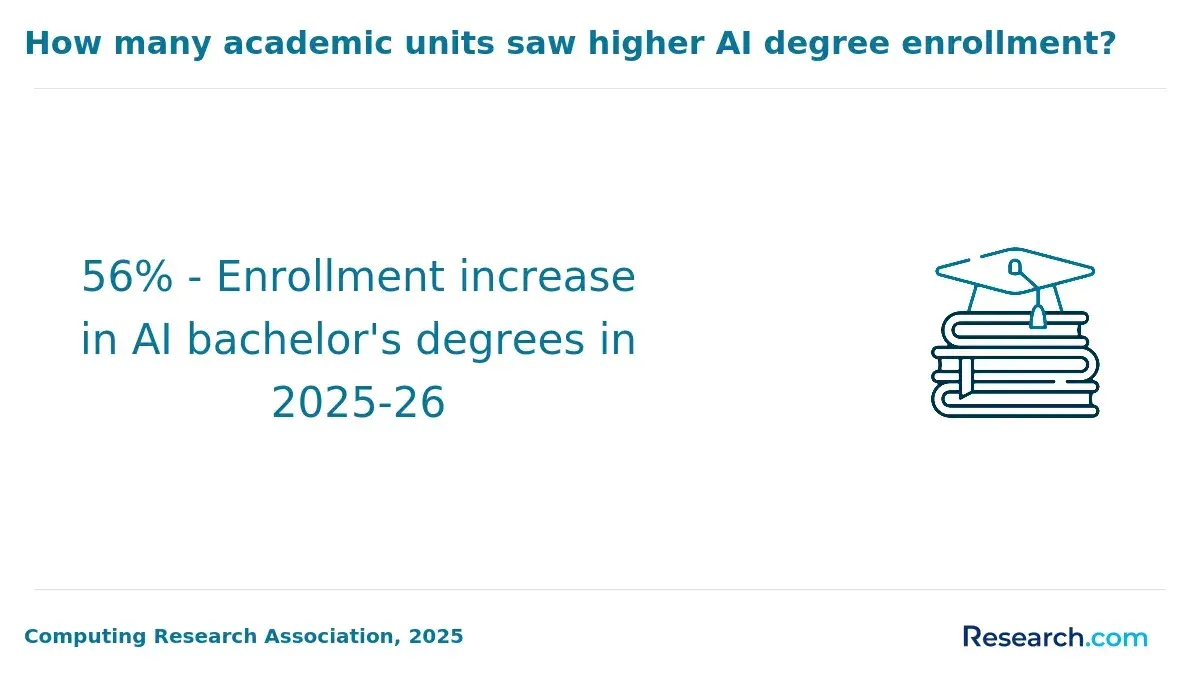
- Enrollment in AI MedTech programs grew by 35% in 2025, driven by rising employer demand for professionals skilled in AI-driven healthcare innovation and interdisciplinary collaboration.
Advance Your Career with AI Online Courses
Artificial Intelligence: Implications for Business Strategy
This program provides an introduction to Artificial Intelligence and their implications for business strategy. Earn an official digital certificate.

Oxford Artificial Intelligence Programme
Explore this Oxford Artificial Intelligence programme offered in a flexible learning environment and explore topics like machine learning, automation, and robotics.

Implementing Agentic AI: Building Your Organizational Playbook
This online MIT Agentic AI course offers a practical approach to deploying AI agents in your organization, including a custom playbook. 3 weeks, exclusive launch price.

AI Adoption: Driving Business Value and Impact
This online MIT AI Adoption: Driving Business Value and Impact offers practical frameworks to close the gap between AI potential and business reality.

Artificial Intelligence in Pharma and Biotech
Discover the applications and limitations of artificial intelligence in pharma and biotech with this MIT online short course.

What are the best AI adoption courses specifically designed for MedTech teams?
Top AI adoption courses for MedTech professionals emphasize integrating AI tools into clinical workflows, regulatory compliance, and ethical data handling. Leading programs like Stanford's "AI in Healthcare" specialization and MIT Professional Education's "AI and Machine Learning for Health Technologies" provide hands-on training with healthcare datasets, addressing AI model validation and risk management essential for MedTech innovation.
The best AI adoption courses for MedTech professionals typically include practical case studies and collaboration between clinicians, developers, and regulatory experts. This multidisciplinary approach addresses challenges such as AI algorithm bias and device integration while ensuring adherence to HIPAA and FDA guidelines.
With AI automating up to 26% of tasks in global healthcare and potentially generating $60-105 billion annually in MedTech by 2030, according to McKinsey & Company, mastering AI literacy and regulatory strategies is vital. Prospective students seeking top AI integration training programs for medical technology teams should prioritize curricula focused on:
- Specialized AI applications for MedTech devices and diagnostics
- Hands-on experience with real-world healthcare data
- Regulatory and ethical frameworks specific to AI in medical technology
- Collaborative learning environments spanning clinical, technical, and regulatory fields
Choosing programs with these elements equips MedTech professionals to innovate responsibly while meeting growing industry demands. For those wondering what jobs can you get with an AI degree, such tailored education builds a strong foundation for careers at the intersection of healthcare and artificial intelligence.
Advance Your Career with AI Online Courses
Artificial Intelligence: Implications for Business Strategy
This program provides an introduction to Artificial Intelligence and their implications for business strategy. Earn an official digital certificate.
Oxford Artificial Intelligence Programme
Explore this Oxford Artificial Intelligence programme offered in a flexible learning environment and explore topics like machine learning, automation, and robotics.
Implementing Agentic AI: Building Your Organizational Playbook
This online MIT Agentic AI course offers a practical approach to deploying AI agents in your organization, including a custom playbook. 3 weeks, exclusive launch price.
How do AI adoption courses help medtech companies integrate AI into products and workflows?
AI adoption training for MedTech product integration is crucial for companies aiming to embed AI tools effectively within medical devices and electronic health records (EHRs). These specialized courses emphasize practical skills like applying AI algorithms, managing data quality, and ensuring compliance with healthcare regulations. MedTech professionals gain expertise in predictive analytics, natural language processing, and image recognition technologies that enhance clinical workflows.
Such courses also target common challenges, including model validation, user interface integration, and minimizing diagnostic errors. Teams learn to tailor AI-driven solutions to hospital protocols, facilitating smoother adoption by healthcare staff. Cross-functional collaboration is a key focus, aligning product managers, data scientists, and clinicians toward improved patient outcomes. This approach directly supports workflows enhanced by artificial intelligence courses across MedTech development.
Incorporation of predictive AI is rapidly expanding; the U.S. Office of the National Coordinator for Health IT notes that 71% of U.S. non-federal acute-care hospitals have integrated predictive AI into their EHRs. Training ensures MedTech teams reduce costly development mistakes and keep pace with evolving FDA guidelines and privacy laws, accelerating time-to-market for innovative healthcare technologies.
Prospective students or professionals interested in expanding their expertise might also explore related fields such as mechanical engineering through affordable online options. A notable example is the mechanical engineering program online, which complements technical skills needed in AI-driven MedTech innovation.
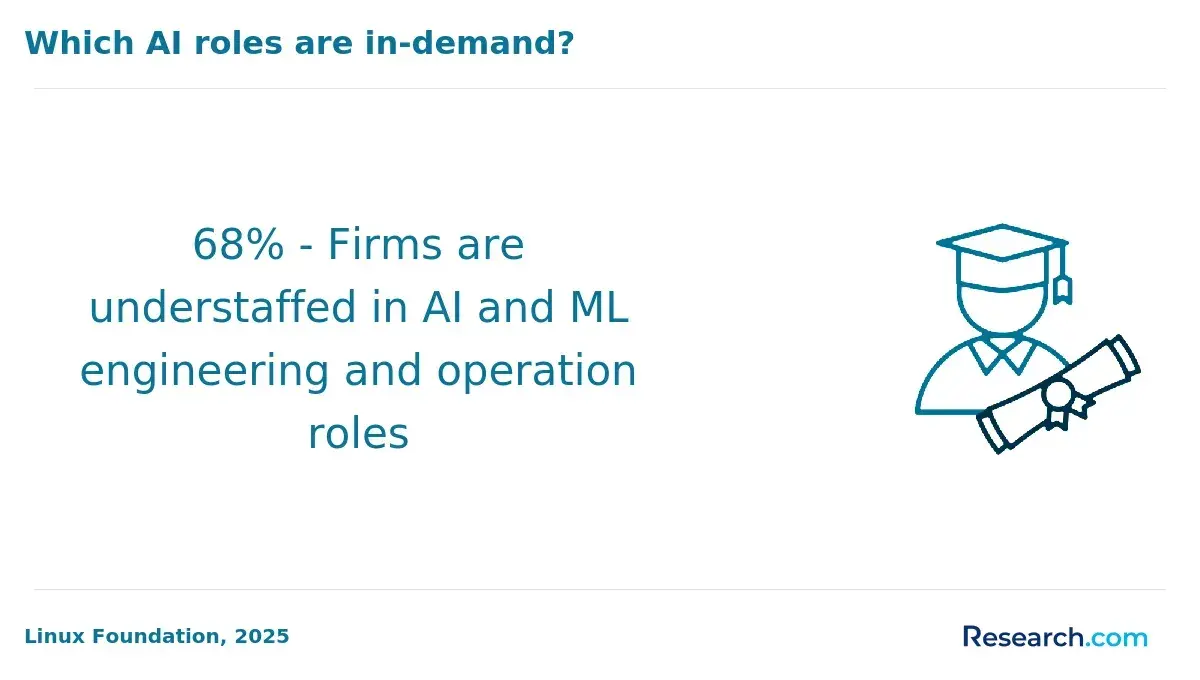
What should medtech leaders look for when choosing an AI adoption course or program?
MedTech leaders advancing AI integration strategies for MedTech leaders must prioritize training that delivers comprehensive understanding of regulatory and compliance fundamentals. A survey of 43 U.S. health systems found 40% cited regulatory or compliance uncertainty among the top barriers to AI development or deployment, according to research published in NPJ Digital Medicine. Mastery of FDA guidelines, data privacy laws, and ethical issues is vital to ensure safe and lawful AI adoption.
The best training programs for MedTech AI adoption also emphasize practical, hands-on learning with real-world applications. Effective courses feature modules on medical imaging analysis, clinical workflow automation, and predictive analytics for patient outcomes. A balanced curriculum integrates technical AI concepts with domain-specific challenges and solutions relevant to medical devices and health systems.
Instructor expertise significantly impacts course value. Leaders benefit from programs led by professionals with combined clinical, regulatory, and AI experience. Case studies showcasing successful AI projects or lessons from compliance failures deepen understanding. Certifications or endorsements from organizations like the FDA or IEEE add credibility.
Flexible delivery methods, including asynchronous learning and interactive workshops, help busy professionals engage better. Transparent details about course length, costs, and credentialing aid alignment with organizational needs. For those seeking affordability, exploring options like the cheapest online cyber security degree can provide useful insights into cost-effective online education alternatives.
Which accredited universities and providers offer AI adoption training tailored to healthcare and MedTech?
Several accredited universities and providers now offer AI adoption courses for healthcare professionals, focusing on clinical data governance and operational integration to meet sector standards. For instance, Stanford University's AI in Healthcare Certificate addresses data quality, privacy, and governance challenges in clinical settings. Similarly, the University of California, San Francisco (UCSF) offers a Health Data Science program with specialized modules on MedTech innovation and machine learning validation.
Universities offering MedTech AI training programs include MIT Professional Education, which delivers targeted courses like "AI: Implications for Healthcare." These incorporate real-world case studies highlighting AI implementation challenges, particularly concerns over AI/ML data accuracy reported in a recent industry study covered by Applied Clinical Trials. That study found data governance and quality are key obstacles for MedTech AI adoption.
Additional options include Johns Hopkins University's online AI for Healthcare certificate and the Mayo Clinic Platform Academy, both emphasizing practical AI deployment and compliance. Coursera also partners with top institutions such as the University of Michigan to provide scalable specializations in Health Informatics and AI with MedTech applications.
Prospective students should seek programs offering hands-on experience with clinical data management, ethical AI use, and regulatory frameworks. For those interested in complementary fields, an accelerated cyber security degree can enhance data protection skills essential for effective AI implementation.
How do online, hybrid, and on-campus AI adoption programs compare for medtech professionals?
Online AI adoption programs provide flexible learning options for MedTech professionals managing clinical responsibilities or remote work. These often feature asynchronous modules that learners can complete at their own pace, focusing on foundational knowledge and practical applications. However, they may not offer direct hands-on experience with specialized AI tools. For instance, a MedTech specialist might take an online course to grasp how ambient AI clinical documentation tools integrate before applying this knowledge in a real setting.
Hybrid formats blend online theory with scheduled in-person sessions, combining convenience with practical immersion. This setup is ideal for those seeking both conceptual understanding and hands-on experience using AI-enabled devices or software in simulated or clinical environments.
On-campus programs deliver comprehensive instruction through lab access and live demos, supporting collaborative learning and suited for professionals pursuing advanced specialization or leadership roles in AI implementation. These require significant time and location commitments.
A 2025 survey published in NPJ Digital Medicine found that 100% of U.S. health systems surveyed are actively adopting ambient AI clinical documentation tools, underscoring the urgent need for hands-on change management education. When choosing an AI education format, MedTech teams should weigh their roles, learning preferences, and targeted AI tools to enhance workflow integration effectively.
What core topics and skills are covered in AI adoption courses for medtech teams?
MedTech teams engaging in artificial intelligence courses gain critical expertise for integrating AI in healthcare technology settings. Core topics include machine learning algorithms, natural language processing, and data analytics, enabling professionals to interpret AI outputs, evaluate accuracy, and apply insights in clinical and operational workflows.
Training often emphasizes practical applications such as revenue-cycle management, workforce optimization, and boosting operational efficiency. For instance, AI tools that predict patient admission rates or optimize equipment use reflect trends noted by Bessemer Venture Partners' 2025 Healthcare AI Adoption Index, which reports over 60% of AI startups targeting healthcare providers focus on commercial, sales, and marketing solutions.
Regulatory and ethical aspects are integral, covering compliance with healthcare laws, data privacy, and managing algorithmic bias. Technical skills include working with AI software platforms, cloud systems, and interoperability standards to ensure smooth infrastructure integration.
Soft skills development includes project management, strategic alignment of AI initiatives with business goals, risk assessment, and continuous monitoring for safety and performance.
These courses holistically prepare MedTech professionals by merging technical knowledge, operational know-how, regulatory awareness, and strategic skills to meet healthcare quality and commercial demands effectively.
What are the typical admission requirements, prerequisites, and tech skills needed to enroll?
Admission to AI adoption courses in MedTech commonly requires a bachelor's degree in fields like medicine, biomedical engineering, computer science, or health informatics. Many programs value professional experience in clinical environments or healthcare technology. Foundational knowledge in biology, statistics, and programming is typically expected.
Technical skills often include proficiency in programming languages such as Python or R, widely used in healthcare AI and data analysis. Some courses expect familiarity with machine learning, data structures, and database management. Applicants lacking these skills may need to complete preparatory modules covering coding, statistics, or data science fundamentals before starting the main curriculum.
Admission processes frequently ask for a statement of purpose that connects AI skills with career goals in medicine or MedTech innovation. Letters of recommendation from academic or clinical supervisors enhance applications by demonstrating a commitment to integrating AI in healthcare practice.
Given that 66% of U.S. physicians use AI in practice-a 78% increase from the previous year according to the American Medical Association-there is urgent demand for upskilling. Programs emphasize safe AI use in clinical settings, covering data privacy, ethics, and regulatory compliance.
Candidates should review course syllabi carefully to ensure they match their expertise and career goals. Some programs offer specialized tracks for clinicians aiming to improve AI literacy, while others target technical specialists seeking healthcare knowledge.
- Bachelor's degree in a relevant field
- Proficiency in Python or R programming
- Statement of purpose and letters of recommendation
- Preparatory modules if needed for foundational skills
- Focus on ethical and regulatory aspects of AI use in healthcare
How long do AI adoption courses for MedTech teams take, and what do they cost?
AI adoption courses for MedTech teams vary widely in length and depth, ranging from brief workshops lasting 2 to 5 days to comprehensive programs that extend up to 12 weeks. Short, accelerated workshops focus on foundational AI concepts and practical applications, designed to quickly upskill professionals without disrupting ongoing projects. Longer courses commonly incorporate project-based learning, covering machine learning algorithms, data ethics, and regulatory compliance tailored to medical technology.
Costs reflect the program scope: short workshops generally range from $1,000 to $3,000 per participant, while extended courses may cost between $5,000 and $15,000. Higher fees often include personalized mentorship, certification, and industry case studies. Universities and specialized providers usually offer tiered pricing options based on course features and accessibility durations.
A survey from Applied Clinical Trials reported an average 18% reduction in clinical trial cycle times for companies using AI, underlining the impact of effective AI training on operational efficiency. Organizations should align course choices with their goals-rapid upskilling for immediate workflow improvements versus long-term expertise building for strategic innovation.
- Accelerated workshops suit teams needing quick ROI
- Extended courses support deep product development integration
- Consider mentorship and project components when budgeting
What MedTech job roles, career paths, and leadership opportunities can AI adoption training support?
AI adoption training empowers MedTech professionals across diverse roles by providing essential skills to implement AI solutions effectively. Clinical engineers and biomedical data scientists enhance their abilities to deploy AI-driven diagnostic tools and improve device functionality. Product managers and innovation leads gain expertise in aligning AI capabilities with market demands and regulatory standards, speeding up product development.
Career paths include AI application specialists who tailor algorithms to clinical environments and implementation consultants who facilitate AI integration in healthcare settings. Training addresses critical challenges like data interoperability, algorithm bias, and clinical validation. Health informatics analysts improve their capacity to handle large datasets securely while extracting actionable insights, maintaining patient privacy.
Leadership roles such as AI strategy directors and chief innovation officers require coordinating cross-functional teams across R&D, clinical, regulatory, and commercial areas. The 2025 Healthcare AI Adoption Index highlights that companies with dedicated AI go-to-market and implementation teams experience nearly twice the annual recurring revenue growth of peers without such teams.
Regulatory affairs specialists benefit by gaining clarity on AI-specific compliance and post-market surveillance. AI education bridges technical knowledge and healthcare regulations, enabling MedTech professionals to foster collaboration among clinicians, engineers, and business units, driving innovation and improving patient outcomes.
What is the salary outlook and industry demand for MedTech professionals skilled in AI adoption?
The salary outlook for MedTech professionals skilled in AI adoption is strong and growing, with roles such as AI specialists, data scientists, and AI implementation managers earning between $90,000 and $150,000+ annually depending on experience. Demand is fueled by healthcare's push to optimize diagnostic imaging, automate documentation, and enhance patient engagement through AI-powered tools. Mastery in machine learning frameworks, data analytics, and regulatory compliance is crucial for success in these roles.
Menlo Ventures' 2025 "State of AI in Healthcare" report estimates that generative AI alone could generate $150-270 billion in annual value within the U.S. healthcare sector. This reinforces the need for MedTech talent capable of bridging clinical expertise with AI technology, especially in diagnostic imaging and clinical workflow automation.
Aspiring professionals should pursue targeted courses featuring case studies on AI applications in medical imaging or patient data management. Holding certificates or advanced training in AI adoption significantly boosts chances for leadership and research roles, as employers value proven practical AI skills that improve patient outcomes and efficiency.
Other Things You Should Know About Artificial Intelligence
In 2027, top AI adoption courses for MedTech teams include MIT's "AI in Health and Life Sciences", Stanford's "AI for Healthcare: Fundamentals and Applications", and Coursera's "AI Applications in Healthcare". These programs focus on practical skills and strategic insights, equipping teams with the knowledge to effectively integrate AI into MedTech solutions.
MedTech teams must address issues like data privacy, algorithmic bias, and informed consent when adopting AI. Ensuring that AI systems make transparent, fair decisions is critical to maintaining patient trust. Ethical guidelines and regulatory standards are increasingly emphasized to govern AI's responsible use in medical technologies.
Yes, AI can lower healthcare costs by automating routine tasks, improving diagnostic accuracy, and minimizing errors. Efficient resource allocation and predictive maintenance of medical devices also contribute to cost savings. However, initial investment in AI technology and ongoing training are important factors to consider.
Integration challenges include data interoperability, system compatibility, and the need for specialized technical skills. AI solutions must align with existing clinical workflows without disrupting care delivery. Overcoming regulatory hurdles and managing change among healthcare staff are also common obstacles.
References
- Factors Influencing Healthcare Professional Adoption of Artificial Intelligence: A Mixed-Methods Systematic Review and Meta-Analysis https://www.isjtrend.com/article_239715.html
- AI, Regulatory Affairs & Transformation in Medical Technology (MBA) https://www.di-uni.de/master/ai-regulatory-affairs-transformation-medical-technology
- AI in Healthcare Free Courses | Launch Your Career in MedTech https://www.oxfordhomestudy.com/OHSC-Blog/ai-in-healthcare-free-courses
- Applied AI in Healthcare Program | MIT xPRO https://mit-xpro-education.emeritus.com/applied-ai-in-healthcare-innovation-strategy-and-leadership
- The Demand for AI Talent in Life Sciences | Panda https://www.panda-int.com/insights/the-demand-for-ai-talent-in-life-sciences/
- Hot topics – Rethinking healthcare education, training and skills to enable AI adoption - EITH Think Tank https://thinktank.eithealth.eu/training-room/hot-topics-rethinking-healthcare-education-training-and-skills-to-enable-ai-adoption/
- Best AI Training for Healthcare Teams (2026) — HIPAA Safe https://iternal.ai/ai-training-for-healthcare
- AI in MedTech https://www.ptc.com/en/blogs/medtech/ai-in-medtech-industry
- Exploring Med Tech Jobs with The Best Opportunities for Growth | Meet Recruitment https://www.meetlifesciences.com/media-hub/blog/exploring-medtech-jobs-with-the-best-opportunities-for-growth/
- AI Skills for Life and Work: Labour market and skills projections https://www.gov.uk/government/publications/ai-skills-for-life-and-work-labour-market-and-skills-projections/ai-skills-for-life-and-work-labour-market-and-skills-projections