2027 Best AI Strategy Courses for Cybersecurity Professionals

Co-Founder and Chief Data Scientist
Cybersecurity professionals face escalating threats powered by advanced technologies, requiring deeper expertise in artificial intelligence to predict and mitigate risks effectively. Many find gap-based challenges when switching to roles demanding AI strategy skills, especially without formal training. Navigating this transition while balancing work and study can be overwhelming, causing delays in career growth.
This article reviews top AI strategy courses designed for cybersecurity practitioners seeking flexible, accredited education paths. It aims to guide readers through selecting programs that bridge knowledge gaps and enhance competencies vital to defending against evolving cyberattacks using artificial intelligence techniques.
Key Things You Should Know
- By 2026, over 60% of cybersecurity roles require proficiency in AI strategy, reflecting its crucial role in threat detection and automated response systems.
- Top AI strategy courses emphasize practical skills in machine learning integration, adversarial AI defense, and real-time analytics tailored for cybersecurity challenges.
- Leading programs offer industry-aligned curricula with hands-on labs, boosting employment prospects by up to 40% compared to general cybersecurity certifications.
Advance Your Career with AI Online Courses
Artificial Intelligence: Implications for Business Strategy
This program provides an introduction to Artificial Intelligence and their implications for business strategy. Earn an official digital certificate.

Oxford Artificial Intelligence Programme
Explore this Oxford Artificial Intelligence programme offered in a flexible learning environment and explore topics like machine learning, automation, and robotics.

Implementing Agentic AI: Building Your Organizational Playbook
This online MIT Agentic AI course offers a practical approach to deploying AI agents in your organization, including a custom playbook. 3 weeks, exclusive launch price.

AI Adoption: Driving Business Value and Impact
This online MIT AI Adoption: Driving Business Value and Impact offers practical frameworks to close the gap between AI potential and business reality.

Artificial Intelligence in Pharma and Biotech
Discover the applications and limitations of artificial intelligence in pharma and biotech with this MIT online short course.

What is an AI strategy course for cybersecurity professionals, and who should consider taking one?
An AI strategy course for cybersecurity professionals offers targeted training on incorporating artificial intelligence techniques to counter increasingly complex cyber threats. These programs emphasize AI-driven tools for threat detection, automating incident response, risk assessment, and predictive analytics. Participants learn to design, implement, and oversee AI strategies that bolster traditional cybersecurity defenses and adapt to evolving attacker methods. These courses highlight the benefits of AI strategy training in cybersecurity by enabling faster, more accurate identification of zero-day exploits and automating threat hunting processes.
Ideal candidates include cybersecurity analysts, incident responders, security architects, risk managers, and personnel in security operations centers. For example, risk managers gain expertise in predictive analytics to forecast attack patterns and prioritize vulnerabilities more effectively. Organizations facing automated and large-scale cybercrime must equip staff with AI knowledge, especially given projections that global cybercrime costs may reach $10.5 trillion annually by 2025, up from $3 trillion in 2015.
Courses vary from strategic planning and governance, helping leaders align AI initiatives with corporate risk policies, to hands-on technical training in developing AI models and managing AI security platforms. Students, recent graduates, and working professionals with backgrounds in cybersecurity, computer science, or data science should evaluate course content against their career goals in AI-enhanced security environments. For prospective learners interested in data science aspects within AI, consulting the data science ranking can help identify affordable and quality programs.
Advance Your Career with AI Online Courses
Artificial Intelligence: Implications for Business Strategy
This program provides an introduction to Artificial Intelligence and their implications for business strategy. Earn an official digital certificate.
Oxford Artificial Intelligence Programme
Explore this Oxford Artificial Intelligence programme offered in a flexible learning environment and explore topics like machine learning, automation, and robotics.
Implementing Agentic AI: Building Your Organizational Playbook
This online MIT Agentic AI course offers a practical approach to deploying AI agents in your organization, including a custom playbook. 3 weeks, exclusive launch price.
How can AI strategy training help cybersecurity professionals advance their careers and job security?
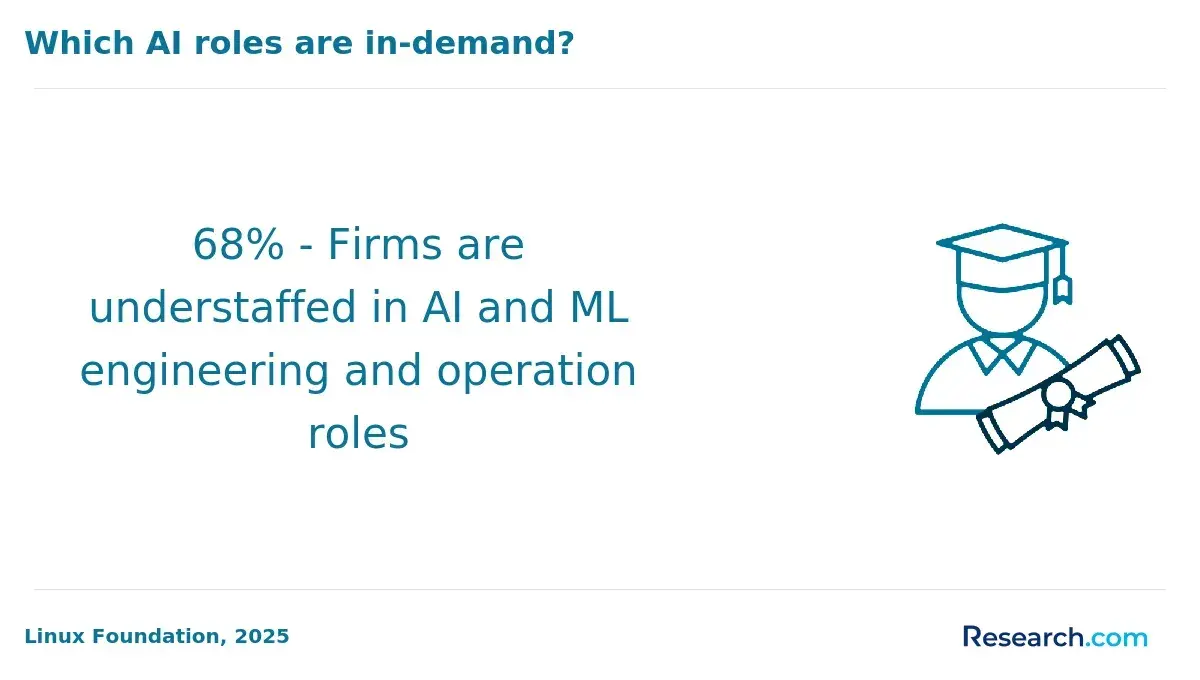
AI strategy training provides cybersecurity professionals with critical skills to bridge a significant talent gap and boost career growth. A global workforce study by ISC2 highlights a shortage of 4 million cybersecurity experts, creating high demand for those proficient in AI-driven security methods. Mastering AI strategy allows professionals to develop advanced security frameworks that use machine learning to detect and respond to threats more effectively, enhancing job security with AI cybersecurity skills.
Such training enables individuals to:
- Design and implement AI-based security protocols for sophisticated intrusion detection and response.
- Automate routine monitoring tasks through AI tools, allowing focus on complex threat analysis.
- Create risk management plans that emphasize AI ethics and compliance, which is vital for regulated sectors.
Roles requiring these AI and machine learning security capabilities often offer salary premiums exceeding 20% compared to traditional cybersecurity positions. This expertise supports career advancement into leadership roles, such as AI security architect or threat intelligence expert. Employers value candidates who balance AI innovation with strong security practices to ensure long-term organizational resilience.
Continuous education in AI strategy is essential in facing evolving cyber threats that exploit AI vulnerabilities. It prepares cybersecurity professionals for future challenges and improved job stability. Prospective students can explore related educational paths, such as mechanical engineering programs online, to complement their expertise and diversify career options.
What types of AI strategy courses for cybersecurity exist, from short courses to graduate degrees?
AI strategy courses for cybersecurity professionals vary from short, skill-focused certificate programs lasting days to months, to comprehensive graduate degrees. Short courses aim to provide practical skills for integrating AI tools in threat detection, automated incident response, and risk management, catering mostly to working professionals seeking rapid upskilling.
More extensive options include graduate degrees and short courses in AI strategy for cybersecurity, such as master's programs and graduate certificates. These combine theory with hands-on labs covering machine learning models, AI-driven security analytics, and policy formation. Graduate degrees often emphasize interdisciplinary topics, including AI ethics, regulatory compliance, and strategic cybersecurity decision-making.
For those pursuing leadership or research-intensive careers, doctoral programs focus on developing innovative AI algorithms and shaping cybersecurity policies at high organizational or national levels.
IBM's 2024 Cost of a Data Breach report highlights that organizations extensively using AI and automation in security reduced breach lifecycle times by 108 days and saved $2.2 million on average breach costs versus those that did not, underscoring the importance of AI proficiency in cybersecurity roles.
Key factors when choosing programs include curriculum focus-ranging from technical AI development to strategic and regulatory aspects-program duration, delivery method, and access to realistic cyberattack labs. Professionals must balance quick skill acquisition with deeper strategic expertise aligned to their career goals. Exploring a cybersecurity online degree can offer flexible, affordable pathways to enhance AI competencies in cybersecurity.
How do online AI strategy courses for cybersecurity compare with on-campus and hybrid options?
Online ai strategy courses versus on-campus cybersecurity training each offer distinct advantages for professionals. Online programs provide unmatched flexibility, allowing learners to balance job duties with education, while accessing specialized content and diverse instructors. They often feature interactive simulations and real-world projects that enhance immediate application of concepts like threat modeling and adaptive defense techniques.
In contrast, on-campus programs deliver immersive, face-to-face experiences essential for networking and mentorship. These courses offer direct access to labs and collaborative environments that support hands-on learning in AI security tools, but they may require relocation or commuting. Hybrid ai strategy programs for cybersecurity professionals combine flexibility with periodic in-person workshops, presenting a balanced option for those seeking both convenience and campus resources.
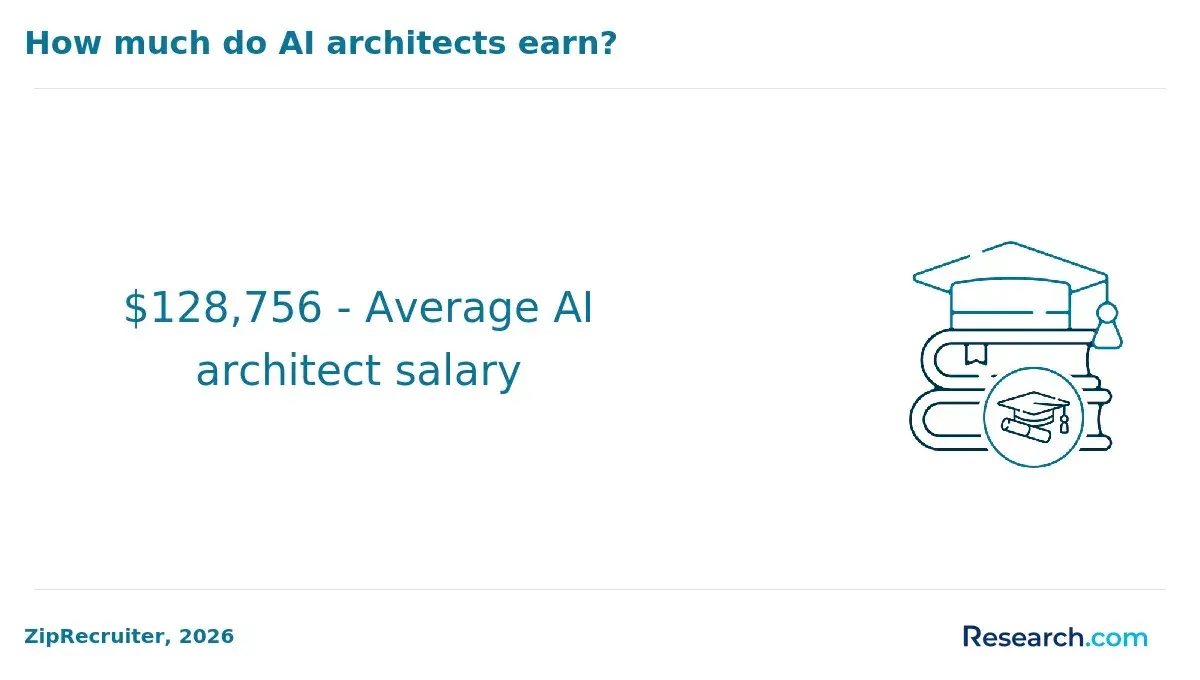
Certification recognition and cost are critical considerations. While some on-campus courses hold institutional prestige, top online programs increasingly gain employer recognition, especially when aligned with industry certifications. Roles like AI/ML Security Engineer and Lead AI Security Architect command salaries between $152,000 and $280,000, reflecting the value of credentials from any learning format. Those interested in quickly advancing their cybersecurity education might explore the fastest cyber security degree options available online for a streamlined path to career growth.
What should you look for in accreditation and institutional quality for AI cybersecurity programs?
Accreditation by recognized bodies like ABET or regional agencies is essential when choosing ai cybersecurity programs. These accreditations ensure the curriculum meets rigorous academic and industry standards. Programs affiliated with established universities or technical institutes often offer stronger coursework, experienced faculty, and valuable industry connections.
Look for programs that emphasize practical ai applications in cybersecurity, such as hands-on labs with tools for threat detection, risk assessment, and automation. Partnerships with industry leaders for internships or projects can significantly boost real-world experience and networking.
Funding and career advancement potential are key considerations. According to Practical DevSecOps, flagship ai security certifications priced from $999-$5,250 can lead to roles with salaries ranging from $150,000-$280,000+, representing a pay increase of $30,000-$80,000+ compared to mid-level non-ai cybersecurity positions.
Faculty with professional experience or research in ai security further enhance program quality. Updated course materials keep pace with rapid advancements and emerging cyber threats. Additionally, robust student support services-including career counseling, mentorship, and certification exam prep-are vital for successful career entry or progression in ai cybersecurity.
What core topics and skills are covered in leading AI strategy courses for cybersecurity roles?
AI strategy courses tailored for cybersecurity roles cover essential topics such as machine learning, neural networks, and natural language processing, all geared toward applications like threat detection and anomaly identification. These courses focus on how to strategically implement AI tools to improve security operations through automated incident response, predictive analytics, and risk assessment.
Governance, ethics, and regulatory compliance are vital components, addressing bias mitigation, data privacy, and accountability in AI-driven decision-making. Professionals enhance their ability to align AI strategy with broader business objectives, fostering collaboration across teams and effective stakeholder communication to support digital transformation.
Hands-on experience is often included, with labs and case studies demonstrating AI's role in defending against advanced persistent threats and zero-day vulnerabilities. Students gain practical skills in building AI-powered security architectures and integrating AI technologies within existing cybersecurity frameworks for real-time threat intelligence and behavioral analysis.
Leadership development is another key focus, preparing individuals for executive roles in digital and AI strategy. Graduates from executive technology and cybersecurity programs, such as those noted by eCornell, frequently advance to director or VP-level positions within 6 to 12 months, earning compensation ranging from $180,000 to $250,000 or more at large organizations.
What are typical admission requirements and prerequisites for AI strategy programs in cybersecurity?
Admission to AI strategy programs in cybersecurity typically requires a bachelor's degree in computer science, information technology, cybersecurity, or a related STEM discipline. Professional experience in cybersecurity roles such as security analysis, threat intelligence, or incident response is often preferred, especially candidates with 2 to 5 years of relevant industry experience. This practical background helps in understanding complex AI applications within security environments.
Prerequisites usually include foundational skills in Python programming, data analytics, and basic machine learning. Knowledge of networking protocols, cryptography, and security frameworks is commonly required or strongly recommended, as these areas support many AI-driven threat detection systems. Some programs also expect prior coursework in statistics or applied mathematics to aid in algorithmic modeling and effective data interpretation.
For example, SANS SEC595: Applied Data Science and AI/Machine Learning requires familiarity with cybersecurity concepts and data science techniques. Participants have reported up to 50% faster threat hunting and detection engineering cycles using these methods. Applicants might also need to provide professional recommendations or hold certifications such as CISSP or CEH to demonstrate ongoing engagement in cybersecurity.
Many programs offer bridge courses for those lacking foundational skills, allowing mid-career professionals from fields like software development or analytics to qualify. Clearly articulating career goals related to AI and cybersecurity strategy strengthens applications and aligns with program outcomes.
How long do AI strategy courses for cybersecurity take, and what do they usually cost?
AI strategy courses designed for cybersecurity professionals vary widely in length and depth. Short vendor-specific programs typically range from 2 to 6 weeks, focusing on practical skills for applying AI security tools. More comprehensive certification or academic courses may last 3 to 6 months, covering AI methods, risk evaluation, and strategy development in more detail. Occasionally, advanced part-time master's level certificates extend up to a year but are less common.
Costs depend heavily on course type and provider. Vendor-led bootcamps usually cost between $500 and $2,000, offering rapid upskilling for cybersecurity teams. University-affiliated certificates and professional institutes charge between $3,000 and $10,000, reflecting a broader curriculum. Self-paced online options tend to be more affordable, costing $300 to $1,500 but requiring strong learner discipline.
Industry research highlights a significant skills gap: 66% of security leaders plan to boost spending on AI security technologies, yet 75% report their teams lack the necessary AI skills. This underscores the value of targeted AI strategy courses that balance theory with hands-on experience.
Choosing the optimal program depends on your expertise, career ambitions, and available time. Quick technical training suits vendor-specific workshops, while leadership roles benefit from longer certificate or degree courses. Budget also influences whether organizations prioritize group training or individual online education.
What cybersecurity job roles, salaries, and advancement paths are linked to AI strategy skills?
Cybersecurity professionals increasingly need ai strategy skills as artificial intelligence becomes integral to threat detection, response automation, and predictive analytics. Roles benefiting from these capabilities include AI cybersecurity analyst, threat intelligence engineer, security automation architect, and AI compliance officer.
Salaries reflect market demand: entry-level AI cybersecurity analysts earn around $85,000 to $95,000 annually; mid-level security automation architects make between $115,000 and $140,000; senior AI threat intelligence directors or strategists command $160,000 or more, varying by industry and region.
Career advancement combines technical mastery and strategic oversight. Many start by mastering AI tools for anomaly detection and malware classification. Progression leads to designing AI-driven security frameworks or leading teams that align AI with corporate policies. Knowledge of AI ethics and cybersecurity law also helps open advisory or governance roles.
According to LinkedIn's 2024 Workplace Learning Report, AI-related security courses saw a 650% annual increase in consumption, underscoring the growing need for these skills.
Key advice for learners includes focusing on AI model explainability to justify automated decisions, understanding adversarial machine learning to defend against AI-targeted attacks, and integrating AI with traditional security systems. These skills underpin career growth and higher-impact roles in AI-driven cybersecurity environments.
Which industry certifications and professional standards align with AI strategy in cybersecurity?
Industry certifications crucial for aligning artificial intelligence strategy with cybersecurity emphasize both foundational AI knowledge and advanced security expertise. Key credentials include the Certified Information Systems Security Professional (CISSP), known for its extensive coverage of security management and growing emphasis on AI risk controls. The Certified Information Security Manager (CISM) also focuses on governance and risk management relevant to AI system deployment in security environments.
Specialized AI proficiency is highlighted through certifications like the Certified Artificial Intelligence Practitioner (CAIP), which integrates AI strategy with practical security applications. The Certified Ethical Hacker (CEH) is particularly valuable for security professionals using AI tools to detect system vulnerabilities. These certifications mirror industry priorities in managing AI risks while enhancing cybersecurity capabilities.
Leading professional standards from organizations such as the National Institute of Standards and Technology (NIST) provide frameworks like the NIST AI Risk Management Framework that promote accountability, transparency, and resilience in AI cybersecurity use. The ISACA AI Governance Framework offers best practices for embedding AI within enterprise security controls and policies.
ISACA's 2024 State of AI in Security report highlights that only 10-15% of security teams have structured AI skills development plans, despite over 70% of organizations preparing to operationalize AI in security programs soon. Security professionals aiming to lead in AI-driven cybersecurity should pursue these key certifications and engage with established governance standards to stay at the forefront of this evolving field.
Other Things You Should Know About Artificial Intelligence
One of the primary challenges is the complexity of managing AI models that require large volumes of high-quality data. Cybersecurity professionals must ensure these models are trained on accurate and up-to-date datasets to avoid biases or vulnerabilities. Additionally, interpreting AI decisions and maintaining transparency while defending against adversarial attacks are ongoing concerns in practice.
AI enhances threat detection by enabling faster identification of suspicious patterns across vast amounts of data. Machine learning algorithms can recognize novel or evolving threats that traditional rule-based systems might miss. This leads to quicker incident response times and more proactive defense strategies within cybersecurity operations.
Leading AI strategy courses for cybersecurity professionals in 2027 include Coursera’s “AI and Cybersecurity Specialization,” MIT’s “AI and Cybersecurity Executive Program,” and Udacity’s “AI for Security Nanodegree.” These programs provide advanced learning tailored to the needs of the industry.
Python is the most commonly recommended language due to its extensive libraries and frameworks for AI development, such as TensorFlow and PyTorch. Familiarity with data processing tools and platforms that support machine learning workflows also benefits cybersecurity professionals. Understanding these technologies helps in deploying effective AI-driven defenses.
References
- Build a Stronger Career with AI Cybersecurity Skills - IIFIS https://iifis.org/blog/build-a-stronger-career-with-ai-cybersecurity-skills
- Best AI Security Certification in 2026 - Practical DevSecOps https://www.practical-devsecops.com/best-ai-security-certifications-2026/
- Cybersecurity vs Artificial Intelligence: Choosing the Right Career Path https://destcert.com/resources/cybersecurity-vs-artificial-intelligence-career/
- Cyber Security Career Path with AI Skills: Opportunities, Certifications & the Future of Work https://alnafi.com/blog/cyber-security-career-path-with-ai-skills
- Cybersecurity Careers in Singapore: Roles, Salaries & In-Demand AI Skills (2025 Update) - ITEL https://itel.com.sg/cybersecurity-careers-in-singapore-roles-salaries-in-demand-ai-skills/
- How Cyber Security Training Can Boost Your Career in 2025 https://fibertrain.net/how-cyber-security-training-can-boost-your-career/
- List of Accreditation Bodies for ICT and Professional Excellence https://ifgict.org/list-of-accreditation-bodies/
- Top 10 AI Cyber Security Trainings - Malware News - Malware Analysis, News and Indicators https://malware.news/t/top-10-ai-cyber-security-trainings/99237
- Redefining Educational Accreditation in the Era of AI and Digital Disruption https://www.ieac.org.uk/44-Redefining-Educational-Accreditation-in-the-Era-of-AI-and-Digital-Disruption-blog.php
- Top 10 Cybersecurity Certification Courses For Professionals In 2025 https://sisa.ai/resource/blog/top-10-cybersecurity-certification-courses-for-professionals-in-2025