2027 Best AI Strategy Courses for Real Estate Brokers

Co-Founder and Chief Data Scientist
Real estate brokers often struggle to leverage artificial intelligence tools effectively amid rapidly evolving market demands and complex client expectations. Many face challenges integrating AI strategies to enhance property valuation, lead generation, and personalized customer experiences. Without targeted guidance, brokers risk falling behind competitors who harness AI for smarter decision-making. This situation underscores a pressing need for accessible education that bridges real estate expertise with AI competencies. The article explores the best AI strategy courses tailored for real estate brokers, focusing on flexible, accredited programs designed to equip professionals with practical skills to thrive in a technology-driven market.
Key Things You Should Know
- Top AI strategy courses for real estate brokers in 2026 emphasize practical machine learning applications that enhance property valuation and market analysis accuracy by up to 35%.
- Course providers increasingly integrate real-time data analytics with AI tools, enabling brokers to predict buyer behavior and optimize sales strategies effectively.
- Most programs offer flexible online formats and certifications recognized by major U.S. real estate associations, addressing the demand for upskilling amid a predicted 15% job growth in AI-savvy brokers.
Advance Your Career with AI Online Courses
Artificial Intelligence: Implications for Business Strategy
This program provides an introduction to Artificial Intelligence and their implications for business strategy. Earn an official digital certificate.

Oxford Artificial Intelligence Programme
Explore this Oxford Artificial Intelligence programme offered in a flexible learning environment and explore topics like machine learning, automation, and robotics.

Implementing Agentic AI: Building Your Organizational Playbook
This online MIT Agentic AI course offers a practical approach to deploying AI agents in your organization, including a custom playbook. 3 weeks, exclusive launch price.

AI Adoption: Driving Business Value and Impact
This online MIT AI Adoption: Driving Business Value and Impact offers practical frameworks to close the gap between AI potential and business reality.

Artificial Intelligence in Pharma and Biotech
Discover the applications and limitations of artificial intelligence in pharma and biotech with this MIT online short course.

What are the best AI strategy courses for real estate brokers and team leaders?
The best AI strategy courses for real estate brokers focus on practical applications tailored to the specific demands of the industry. These programs often cover AI-driven analytics for market trends, predictive client behavior, and automation of administrative tasks. Leading courses, including some offered by institutions like MIT's Professional Education, include modules on AI tools that optimize property valuations and streamline lead generation.
Top AI training programs for real estate team leaders emphasize integrating AI with customer relationship management systems (CRMs), enhancing engagement and personalizing marketing efforts. They also focus on AI workflow automation, enabling leaders to delegate routine work while concentrating on strategic growth and team management.
With 36% of residential real estate firms adopting AI tools, up from 15% in 2022 per the National Association of Realtors, brokers should prioritize courses combining strategic planning with hands-on technology use. Key topics include AI ethics, compliance, and data security to mitigate legal and operational risks.
Recommended programs use case studies showcasing AI's impact on client conversion rates and cost reduction. Skill-building in data interpretation and AI tool selection differentiates effective courses from basic tech training. Brokers and leaders benefit most from courses covering AI strategy formulation, technical AI literacy, regulatory issues, and AI project management.
For professionals interested in expanding their technical foundation beyond real estate applications, a one year computer science degree can complement knowledge of AI strategies in this evolving market.
Advance Your Career with AI Online Courses
Artificial Intelligence: Implications for Business Strategy
This program provides an introduction to Artificial Intelligence and their implications for business strategy. Earn an official digital certificate.
Oxford Artificial Intelligence Programme
Explore this Oxford Artificial Intelligence programme offered in a flexible learning environment and explore topics like machine learning, automation, and robotics.
Implementing Agentic AI: Building Your Organizational Playbook
This online MIT Agentic AI course offers a practical approach to deploying AI agents in your organization, including a custom playbook. 3 weeks, exclusive launch price.
How can AI strategy training help real estate brokers grow leads, listings, and commissions?
AI strategy training for real estate lead generation equips brokers with advanced tools to increase leads and expand listings through targeted, efficient methods. By leveraging AI-driven marketing automation, brokers can create personalized outreach at scale, significantly boosting lead conversion rates while minimizing manual tasks. AI analyzes buyer preferences across large datasets, enabling tailored content that attracts higher-quality leads and enhances engagement.
AI-driven techniques to increase real estate listings and commissions include predictive analytics that identify properties most likely to sell quickly or at premium prices. This allows brokers to prioritize listings strategically, reducing market time and maximizing commission potential. Additionally, AI-powered pricing optimization incorporates market trends and competitor data to set competitive yet profitable listing prices.
Training in AI strategy also teaches brokers to utilize virtual assistants and chatbots for around-the-clock client interaction, capturing inquiries beyond traditional hours. These tools nurture leads continuously and improve customer experience, fostering stronger client relationships and repeat business. Combining AI insights with traditional sales expertise offers a comprehensive growth strategy in real estate.
According to McKinsey's report, the global property and real estate sector could realize $110-$180 billion annually through improvements in marketing, sales productivity, and pricing enabled by generative AI. Interested professionals can explore educational opportunities, such as a mechanical engineering degree, that may provide foundational skills in applying AI across industries.
Ultimately, brokers proficient in AI strategy training gain measurable advantages in lead quality, faster listings turnover, and higher commissions by harnessing data-driven decision-making and automation tailored specifically for real estate markets.
What should real estate-focused AI strategy courses cover in their core curriculum?
AI strategy courses for real estate brokers emphasize practical applications with measurable results in integrating AI strategies in property management. Key topics include data analytics for property valuation, lead generation using AI-driven marketing, and automation workflows tailored for client management. Understanding machine learning algorithms to predict buyer behavior is fundamental. Instruction highlights the use of AI tools for real estate market analysis, including content creation and campaign automation, as evidenced by HubSpot's report showing 69% of real estate marketers using AI achieve higher-quality leads and 55% accelerate sales cycles.
Training also addresses legal and ethical considerations to ensure compliance with industry regulations. Hands-on experience with AI-enhanced customer relationship management (CRM) software, supplemented by case studies, demonstrates improved deal closure rates.
- Automated property listing optimization and virtual staging through AI-generated imagery
- Deployment of chatbots and virtual assistants for 24/7 client interaction and qualification
- Use of AI-powered market trend analysis tools to forecast pricing and investment opportunities
- Personalization of client communications based on AI insights to boost engagement
- Metrics to evaluate AI's impact on sales performance and return on investment
Courses like these provide real estate professionals with skills to leverage AI effectively, offering a competitive edge in lead quality and sales velocity. For those considering deeper technical expertise, pursuing a PhD in AI online can further advance career prospects in this evolving field.
Are there accredited or industry-recognized AI programs tailored to real estate professionals?
Several accredited AI certification programs for real estate brokers provide specialized training tailored to this industry. These programs focus on AI-driven pricing models, predictive analytics, and automation tools designed to enhance real estate practices. University-affiliated continuing education courses, often endorsed by real estate boards, emphasize practical applications such as optimizing property valuations and targeting clients using machine learning techniques.
Industry-recognized AI training tailored for real estate professionals is frequently offered through partnerships with organizations like the National Association of Realtors (NAR). These certifications integrate AI with real estate ethics and regulatory guidelines, aiming to cut inefficiencies in listing management and improve marketing strategies with data-driven insights. Online platforms also host accredited courses developed in collaboration with real estate bodies to maintain relevance and recognition.
Programs typically cover key areas such as:
- AI-based pricing and valuation tools training
- Predictive analytics for market trend forecasting
- Automated client relationship management with AI assistants
- Data security and privacy compliance in AI applications
According to a Deloitte report, brokerages using AI-powered pricing tools achieve a 5-7% reduction in average days on market compared to those relying strictly on traditional analyses. Ensuring brokers engage with accredited AI programs aligned with industry standards is critical. For professionals considering advanced education in data-driven decision-making, exploring a masters data analytics program can further enhance their expertise and competitive advantage.
How do online AI strategy courses for brokers compare with in-person or hybrid options?
Online AI strategy courses for real estate brokers offer unmatched flexibility, enabling learners to study anytime without geographic limits. This is ideal for busy brokers balancing active client workloads who need self-paced modules accessible 24/7. Given Salesforce's 2024 "State of the Connected Customer" survey reports that 73% of real estate clients expect AI-enhanced personalized experiences, yet only 37% perceive receiving them. These courses help brokers swiftly develop necessary AI-driven skills.
In-person courses provide hands-on sessions and direct peer interaction, beneficial for brokers who thrive on collaboration and real-time feedback. Hybrid programs merge live workshops with online content, offering both flexibility and structure but sometimes demand fixed schedules, which may challenge those with irregular hours.
- Technical support and platform reliability, typically stronger in established online courses.
- Practical AI application scenarios; in-person settings often let brokers practice tools like chatbots or predictive analytics in realistic environments.
- Networking opportunities, more accessible through hybrid and in-person formats, aiding career growth.
- Cost differences, with online courses generally 20-40% less expensive due to lower overhead.
Brokers focused on closing the personalized service gap found in Salesforce data benefit most from comprehensive online courses featuring real estate-specific AI use cases. Those seeking interactive engagement should consider hybrid options that balance flexibility and direct instructor support.
What are the typical admission requirements and tech skills needed for AI courses in real estate?
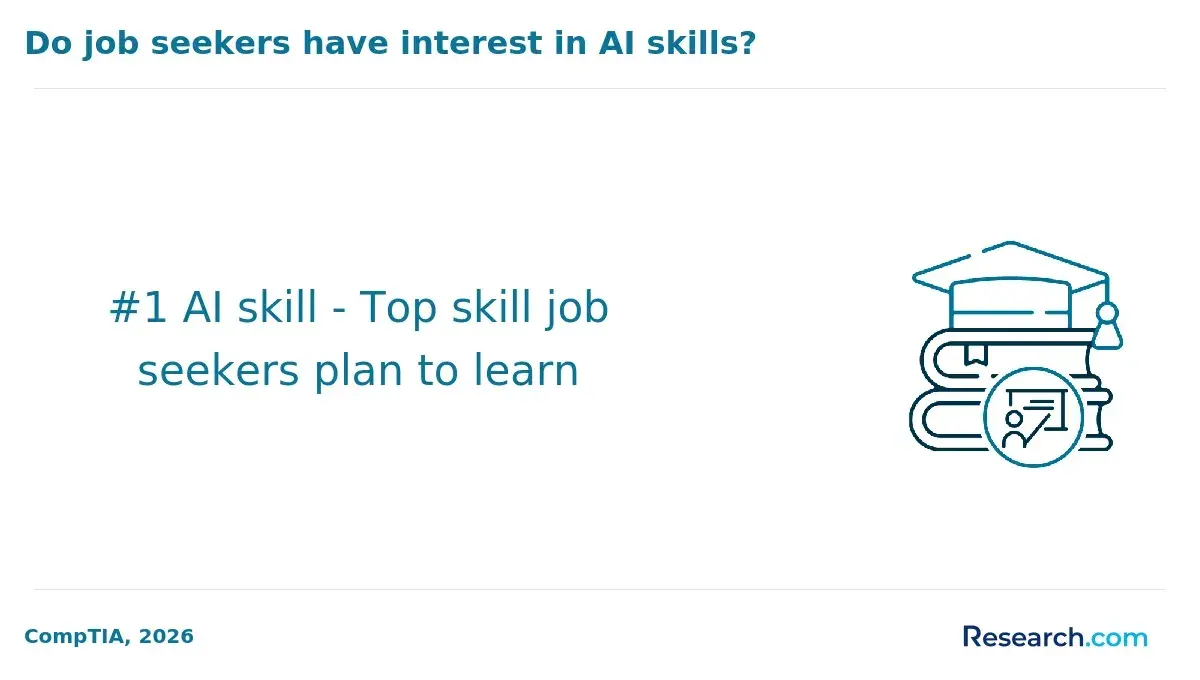
Admission to AI courses designed for real estate brokers generally requires a high school diploma or its equivalent, with many programs favoring applicants who have backgrounds in real estate, business, or technology. Advanced courses may ask for previous experience in brokerage or related undergraduate degrees. A solid grasp of mathematics, especially statistics and data analysis, is important since AI heavily depends on these disciplines.
Technical skills needed include familiarity with real estate software and common office tools like spreadsheets and word processors. Additional knowledge in database management, basic coding (often Python), and data visualization enhances engagement with AI content. Many programs teach how to integrate AI tools into CRM systems and transaction coordination software, reflecting typical brokerage operations.
According to a PwC global workforce survey, knowledge workers utilizing generative AI in real estate and construction report a 37% productivity boost and 27% time saved, mainly through automated document drafting and transaction coordination. This underlines the value of skills in AI-driven automation, natural language processing for contract generation, and workflow efficiency.
Prospective students should verify prerequisites such as programming or machine learning familiarity. Hands-on experience with AI-enabled property valuation, market trend analysis, and lead generation tools is vital for practical application.
How long do AI strategy programs for real estate brokers take, and what do they cost?
AI strategy programs for real estate brokers typically last from 4 to 12 weeks, varying by course depth and format. Shorter courses, about a month long, cover foundational topics such as AI applications in client targeting, automated property valuation, and regulatory compliance basics. Longer programs, which may stretch up to three months, include advanced subjects like bias auditing, governance frameworks, and integration with broker systems. Hybrid models, combining live and on-demand sessions, offer flexibility for busy professionals.
Costs generally range between $500 and $3,000. Entry-level offerings under $1,000 provide essential overviews and practical marketing or screening tools, while more comprehensive courses priced between $2,000 and $3,000 feature detailed case studies, hands-on projects, and direct expert access. Scholarships or employer sponsorships may be available for some programs.
Compliance training is a priority for many brokers, with a significant industry shift toward ethical AI use. According to the AI & Fair Housing brief from the Urban Institute, 58% of large U.S. real estate and mortgage firms using AI have adopted formal AI governance or bias auditing processes, up from 29% in previous years. Courses that balance technical skills and regulatory insights prepare brokers to effectively manage AI-driven challenges.
When choosing programs, brokers should consider those focusing on mitigating algorithmic bias and interpreting AI analytics, which are critical for navigating evolving AI landscapes.
What new career paths and advanced roles can AI skills open for real estate brokers?
Real estate brokers with AI skills can access advanced career opportunities that enhance both their expertise and earning potential. They can become AI-driven real estate consultants using data analytics and predictive modeling to offer clients precise market insights and investment advice. Specialists in AI-powered property valuation tools improve pricing accuracy and negotiation outcomes.
Brokers may also take on strategic roles, automating client relationship management through chatbots, personalized marketing powered by machine learning, and customer sentiment analysis. This creates efficient communication channels and boosts client retention. Project managers who oversee AI integration in real estate firms are increasingly sought after, responsible for technology choices that speed transactions and ensure compliance.
Expertise in AI ethics and risk management leads to advisory roles focused on data privacy and fair housing law compliance as AI use grows in real estate. Those skilled in AI-driven marketing analytics can become digital marketing strategists optimizing campaigns for property platforms, targeting specific demographics to increase sales.
According to a LinkedIn Learning analysis of workplace AI skills, sales professionals, including real estate brokers who completed AI courses, were 46% more likely to report income growth within 12 months than peers without such training, highlighting the clear return on investment for brokers pursuing AI education.
How does AI expertise impact earning potential and long-term job outlook in real estate brokerage?
AI expertise significantly boosts earning potential and enhances job security for real estate brokers. Those who adopt AI tools for lead routing, follow-up automation, and marketing content creation consistently achieve higher transaction volumes, leading to increased commissions and revenue. A Keller Williams Realty internal study revealed that teams with top quartile AI usage closed 24% more transactions year-over-year than lower AI adopters, even after accounting for market conditions.
Brokers without AI skills risk losing ground to competitors who leverage data-driven insights to target clients and personalize services. AI helps optimize time spent on high-value tasks by automating administrative duties, allowing brokers to focus on client engagement and strategy.
Key benefits of AI expertise for brokers include:
- Faster lead qualification and conversion using predictive analytics
- Improved client engagement through AI-powered marketing campaigns
- Automation of routine tasks like scheduling and document handling
- Smarter pricing strategies via market trend analysis
Moreover, proficiency in AI opens new career paths such as AI-powered brokerage management and real estate technology consulting. Brokers aiming to sustain competitive advantage and ensure resilient career growth should prioritize AI education and training to stay ahead in the evolving real estate industry.
How can brokers evaluate and choose a reputable AI strategy course for real estate practice?
Brokers selecting an AI strategy course for real estate should prioritize curriculum relevance, focusing on AI literacy tailored to the industry. Essential topics include data analysis, predictive modeling, and automated client interaction tools. The World Economic Forum projects a 54% rise in demand for AI literacy in sales roles by 2029, making this knowledge crucial for future readiness.
Instructor expertise greatly influences course value. Courses led by industry professionals with hands-on AI success in real estate or partnerships with technology firms provide practical and current insights. For example, instructors using AI-driven pricing models or lead generation demonstrate real-world applications.
A balanced approach between theory and practical projects enhances learning. Brokers gain the most from courses that include simulations, real-world datasets, or AI software training aligned with daily brokerage tasks. Avoid programs offering generic AI content lacking real estate focus.
Other factors to consider:
- Access to updated resources, mentorship, or community support
- Reviews and alumni outcomes highlighting measurable career impact
- Course length, flexibility, and cost matching schedule and budget without sacrificing depth
With AI expected to augment 42% of sales tasks by 2029, brokers need courses led by credible experts that provide applicable skills for sustained competitive advantage.
Other Things You Should Know About Artificial Intelligence
In 2027, leading AI strategy courses for real estate brokers include the AI in Real Estate Certification offered by MIT, featuring modules on predictive analytics and machine learning, and the AI Strategy and Application in Real Estate at Harvard, which focuses on case studies and practical applications in property sales and management.
Artificial intelligence enhances customer experience by providing personalized property recommendations, automating communication through chatbots, and enabling faster response times. AI tools analyze buyer preferences and market trends to tailor options, offering more relevant matches. This creates a smoother, more efficient process for both brokers and clients.
Artificial intelligence is designed to assist rather than replace real estate brokers by automating routine tasks and providing data-driven insights. Human brokers remain essential for negotiation, relationship building, and interpreting market nuances. AI functions as a complement, enhancing brokers' capabilities rather than substituting their roles.
Brokers often encounter challenges such as insufficient training on AI tools, integration difficulties with existing systems, and the high cost of advanced technology. There can also be resistance to change within teams and concerns about data security. Overcoming these obstacles requires proper education and strategic planning.
References
- Careers in Real Estate: A Comprehensive Guide for aspiring agents https://www.reiq.com/articles/training/careers-in-real-estate-a-comprehensive-guide-for-aspiring-agents
- Real Estate’s Big Gains From AI | Morgan Stanley https://www.morganstanley.com/insights/articles/ai-in-real-estate-2025
- AI Certificate Program & Online AI Courses | Coursiv https://coursiv.io/courses/chatgpt-for-real-estate
- AI for Real Estate Professionals Course | Graduate School USA https://www.graduateschool.edu/courses/ai-for-real-estate-professionals-course
- What’s the Best Hands-on AI Training for Non-Technical Leaders (No Coding) in Financial Services? https://neurons-lab.com/articles/whats-the-best-hands-on-ai-training-for-non-technical-leaders-no-coding-in-financial-services/
- Overwhelmed by AI? This New Certification Breaks It Down | McKissock Learning https://www.mckissock.com/blog/real-estate/ai-training-for-real-estate-agents/
- AI Training for Real Estate Agents: New Allied Real Estate Certification https://www.alliedschools.com/blog/ai-training-for-real-estate-agents/
- How can Real Estate Agents Optimise AI? https://reaa.com.au/how-can-real-estate-agents-optimise-ai/
- What are the Pros and Cons of Virtual vs In-Person AI Training? - Bizzuka https://www.bizzuka.com/pros-and-cons-of-virtual-vs-in-person-ai-training/
- AI Powered Real Estate Professional https://www.rebinstitute.com/REBInstitute/REBInstitute/Education/AI_Real_Estate_Professional.aspx