2027 Best AI Courses for Real Estate Content Marketing Teams

Co-Founder and Chief Data Scientist
Real estate content marketing teams often struggle to leverage artificial intelligence tools effectively due to a lack of specialized training and rapidly evolving technology. This gap results in inefficient campaigns and missed opportunities for targeted engagement. Professionals seeking to enhance their strategic skills and integrate AI-driven solutions face challenges in finding courses tailored to their unique needs and schedules.
This article identifies the best AI courses designed specifically for real estate content marketers, focusing on flexible and accredited programs that foster practical expertise and measurable results. Readers will gain insight into educational options that empower teams to adopt advanced AI marketing tactics confidently.
Key Things You Should Know
- AI courses for real estate content marketing increasingly focus on leveraging machine learning to optimize property listings and enhance client engagement, with 72% of marketers adopting AI tools by 2025.
- Top programs emphasize practical skills in natural language processing and data analytics to create personalized, high-impact marketing campaigns tailored to diverse real estate markets.
- Certified AI training boosts career prospects, with graduates reporting a 35% average salary increase when implementing AI-driven strategies in real estate marketing roles.
Advance Your Career with AI Online Courses
Artificial Intelligence: Implications for Business Strategy
This program provides an introduction to Artificial Intelligence and their implications for business strategy. Earn an official digital certificate.

Oxford Artificial Intelligence Programme
Explore this Oxford Artificial Intelligence programme offered in a flexible learning environment and explore topics like machine learning, automation, and robotics.

Implementing Agentic AI: Building Your Organizational Playbook
This online MIT Agentic AI course offers a practical approach to deploying AI agents in your organization, including a custom playbook. 3 weeks, exclusive launch price.

AI Adoption: Driving Business Value and Impact
This online MIT AI Adoption: Driving Business Value and Impact offers practical frameworks to close the gap between AI potential and business reality.

Artificial Intelligence in Pharma and Biotech
Discover the applications and limitations of artificial intelligence in pharma and biotech with this MIT online short course.

What are the best AI courses for real estate content marketing teams?
Real estate marketing teams benefit significantly from courses that emphasize practical ai-driven analytics, marketing automation, and content personalization. Providers like Coursera and Udacity offer tailored modules focusing on AI marketing strategies, predictive analytics, and customer segmentation, which enhance real estate marketing effectiveness. These top artificial intelligence training for real estate content creators often include foundational machine learning principles combined with real estate-specific case studies to understand buyer behaviors and market trends.
Training on AI-powered CRM systems is equally crucial, as it equips teams to automate lead nurturing and optimize client engagement funnels. Additionally, skills in generative ai enable the production of personalized listings, social media content, and email campaigns at scale without sacrificing quality. According to PwC/National Association of Realtors' 2025 report, 72% of U.S. real estate firms view ai-driven analytics and marketing automation as key competitive advantages within the next few years.
Such targeted education ensures improved lead conversion and marketing ROI while keeping pace with evolving technology standards. For those interested in expanding technical expertise efficiently, a fast track computer science degree can also complement real estate marketing skills.
These best ai courses for real estate marketing teams prepare professionals to harness AI tools strategically, maximizing business impact through advanced marketing automation and data-driven decision-making.
Advance Your Career with AI Online Courses
Artificial Intelligence: Implications for Business Strategy
This program provides an introduction to Artificial Intelligence and their implications for business strategy. Earn an official digital certificate.
Oxford Artificial Intelligence Programme
Explore this Oxford Artificial Intelligence programme offered in a flexible learning environment and explore topics like machine learning, automation, and robotics.
Implementing Agentic AI: Building Your Organizational Playbook
This online MIT Agentic AI course offers a practical approach to deploying AI agents in your organization, including a custom playbook. 3 weeks, exclusive launch price.
Which AI skills matter most for real estate marketers?
Real estate marketers seeking the most valuable artificial intelligence skills for real estate marketers should focus on generative AI, data analytics, and automation. Mastery of generative AI content platforms enables rapid creation of personalized property descriptions, social media posts, and email campaigns, helping teams meet high content demands without sacrificing quality. Analytical skills for interpreting AI-driven market data and consumer behavior allow marketers to optimize campaigns and predict trends, enhancing targeting and return on investment.
Automation capabilities are essential for managing repetitive tasks such as scheduling posts, lead management, and client follow-ups, freeing marketers to concentrate on strategy and creative initiatives. Familiarity with AI-based CRM tools is critical for handling large contact lists and delivering timely, personalized client communications. Additionally, understanding natural language processing enhances the ability to analyze customer feedback and tailor communications accurately across large audiences.
Key AI competencies for real estate content marketing teams are highlighted by LinkedIn's data showing a 32% annual increase in marketing roles emphasizing AI. Job postings mentioning AI attract significantly more applicants, emphasizing employer demand for these skills. Essential competencies include expertise in generative AI platforms, analytical proficiency, automation techniques, AI-based CRM familiarity, and natural language processing knowledge.
For professionals exploring education options that support careers leveraging AI, the cheapest online mechanical engineering degree programs can offer a cost-effective path into technology fields closely related to AI and automation, broadening career prospects in real estate marketing and beyond.
Are online AI courses better than campus programs?
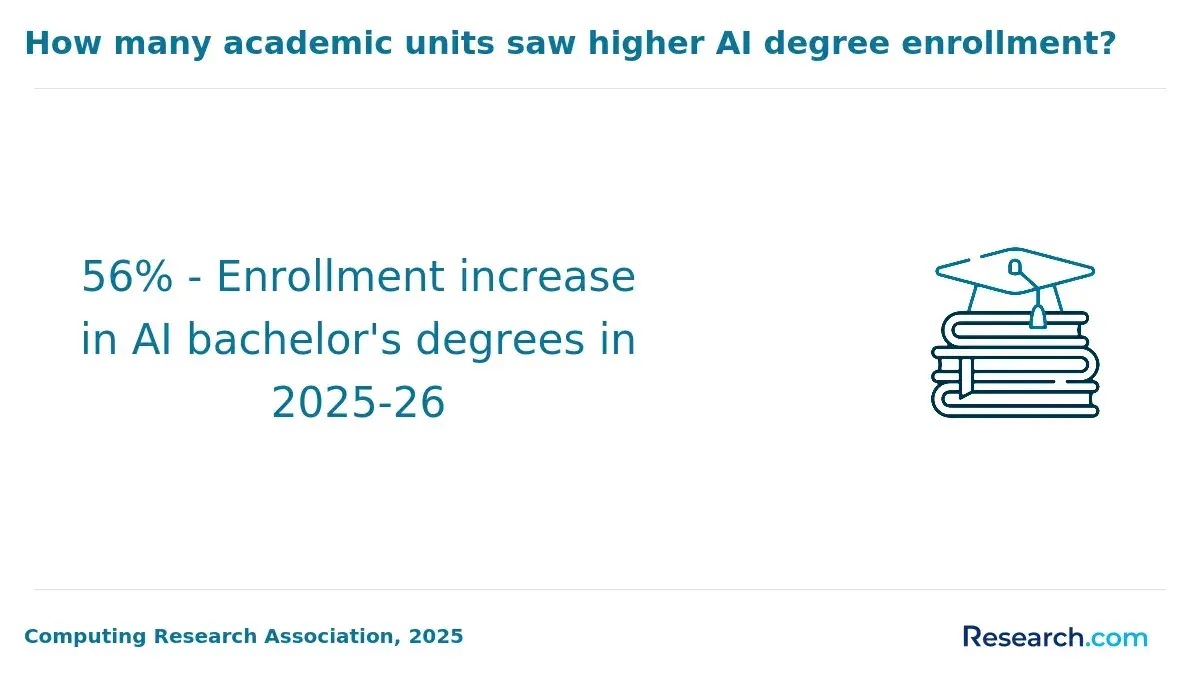
Online AI courses offer significant benefits over campus programs, especially for real estate content marketing teams seeking practical and timely skills. They provide flexibility, allowing professionals to learn at their own pace while balancing work and family commitments-something campus attendance often cannot accommodate. These courses usually update their content more quickly to keep pace with rapidly evolving AI technologies, unlike traditional campus programs that follow slower academic calendars.
Applied AI courses online focus on hands-on skills relevant to marketing tasks, such as automating content generation, analyzing market trends, and personalizing client outreach with AI tools. This targeted approach contrasts with broader theoretical studies found in campus curricula, making online education more suited for real estate marketing professionals looking for agile, job-ready skills.
According to Coursera's learner outcomes survey, 77% of professionals completing an applied AI course reported tangible career benefits within six months, such as new roles, promotions, or added responsibilities. These outcomes highlight the value of practical online training over traditional campus programs for career advancement.
Online courses also accommodate different learning styles through multimedia content and interactive projects, enhancing retention and application. Though campus programs may provide face-to-face mentorship and networking, online communities and forums increasingly offer similar support. Those assessing the best online AI courses for real estate marketing teams often weigh these factors against the depth of theory and accreditation offered on campus.
Many prospective students considering cybersecurity programs might find parallel value in applied AI courses online. Ideal candidates for these courses are motivated self-learners seeking practical and affordable options without the time constraints of traditional programs.
What should an AI course curriculum include for real estate marketing?
An AI course curriculum designed for real estate marketing strategies must blend foundational knowledge with practical applications tailored to industry needs. Key topics include data-driven marketing strategies, focusing on how to use AI tools for lead generation, customer segmentation, and scoring models. This approach aligns with HubSpot's State of Marketing 2024 report, which found marketers leveraging AI for lead generation and scoring are 63% more likely to exceed their revenue goals. Courses often cover machine learning basics, enabling students to interpret predictive analytics targeting specific buyer demographics, an essential aspect of ai applications in real estate marketing strategies.
Crucial modules should include natural language processing (NLP) for generating compelling property descriptions, automated content creation, and chatbot integration to enhance customer engagement. Practical examples, such as optimizing ad spend with AI based on performance metrics or analyzing market trends to forecast demand, are vital. Ethical concerns and data privacy around client information ensure compliance while effectively using AI. These topics align well with essential ai course topics for real estate content teams aiming to build relevant expertise.
Hands-on training with popular software platforms, including AI-powered CRM systems and content management tools, is critical. Incorporating case studies and project-based work enhances skill retention and demonstrates AI's impact on marketing ROI. For advanced learners, technical skills like scripting for AI model customization or API integration open pathways to deeper knowledge.
In addition, students must develop critical thinking about AI limitations, such as bias in algorithms and quality control for AI-generated content, preparing them to address real-world challenges. For professionals interested in expanding their expertise, exploring cyber security courses may complement AI skills in an increasingly digital marketing environment.
What admission requirements do AI courses usually require?
AI courses tailored for real estate content marketing professionals often require applicants to have a solid educational background, typically at least a high school diploma, though many programs prefer candidates holding a bachelor's degree in marketing, communications, computer science, or related areas. Demonstrating familiarity with digital marketing tools and data analytics is essential, as these skills help integrate ai into effective content strategies.
Technical requirements differ by course level. Entry-level programs may request basic software knowledge, while advanced studies often require experience with programming languages like Python or familiarity with ai platforms. Some institutions ask for portfolios that showcase previous work or projects involving AI-driven marketing solutions.
Standardized test scores are usually not mandatory; however, graduate-level degrees offering AI certifications might include GRE scores and academic transcripts as part of their application process. Professional references and letters of intent that clarify career aims can also strengthen applications. Many continuing education courses provide flexible admissions or open enrollment, accommodating professionals who are working while studying.
According to Hootsuite's 2024 Social Media Consumer Report, brands using AI-assisted content creation post 2.4 times more frequently and enjoy 35% higher engagement, highlighting the value of enrolling in courses that offer practical AI training to boost marketing outcomes.
How long do AI courses for marketers usually take?
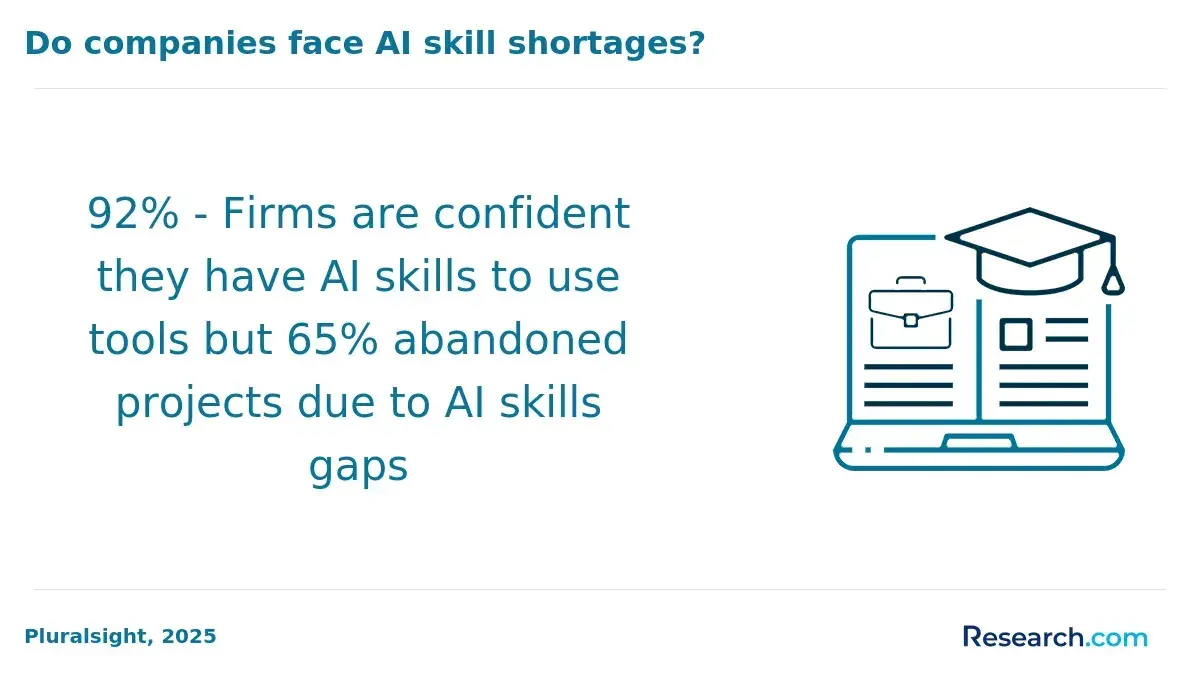
AI courses for marketers vary widely in length, from brief workshops to intensive multi-week programs. Most targeted courses for real estate content marketing teams involve 10 to 40 hours of study. Foundational classes often feature 12-15 hours of video lectures paired with practical assignments, enabling quick application of AI tools to personalize campaigns. More advanced training, such as integrating AI with CRM and email marketing platforms, can extend to 30 or 40 hours, focusing on data-driven segmentation and automation.
Formats include self-paced online courses, offering flexibility to learn on one's own schedule, instructor-led bootcamps compressing material into 3-5 full days, and hybrid models blending live sessions with on-demand content that usually require around 20-25 hours.
When selecting a course, marketers should evaluate their team's current AI skills and specific goals. Short programs under 15 hours are ideal for content-focused marketers, while longer courses of 30+ hours support hands-on experience with AI-powered personalization strategies. According to Salesforce's 2024 State of Marketing report, such strategies can increase email open rates by 27% and are 3.1 times more common among top-performing teams.
Investing in comprehensive AI training is recommended for teams integrating personalization into CRM journeys, helping them stay competitive in evolving digital marketing landscapes.
How much do AI courses for real estate teams cost?
AI courses tailored for real estate content marketing teams vary significantly in cost and depth. Entry-level options, often found on platforms like Coursera or Udemy, typically range between $50 and $150. These courses cover foundational AI tools and concepts, making them ideal for teams beginning to incorporate AI into marketing workflows.
More specialized programs focusing on real estate-specific AI applications, such as AI-driven SEO content creation or lead generation techniques, generally cost from $200 to $500. They provide targeted training to optimize content strategies in competitive real estate markets.
For larger organizations, enterprise-level training or subscription services can exceed $1,000 per user annually. These packages usually offer ongoing updates, advanced analytics training, and personalized coaching, ensuring teams stay current with evolving AI methodologies that drive strong marketing outcomes.
Research from Semrush's 2024 State of Content Marketing report indicates companies using AI for SEO content optimization are 54% more likely to see strong organic traffic growth compared to those not leveraging AI. This highlights the potential return on investment when allocating budget for quality AI education.
When planning for team training, consider indirect costs such as employee time and system integration. Courses featuring practical exercises and real-world case studies enhance learning effectiveness and speed up application of new strategies.
Which certifications help real estate content marketers use AI?
Certifications for real estate content marketers focusing on artificial intelligence emphasize skills in AI-driven content creation, video marketing, and data analytics. The Digital Marketing Institute (DMI) offers a Professional Diploma in Artificial Intelligence for Marketing, covering AI tools that optimize content strategy, automate personalization, and enhance engagement through data insights. HubSpot's Content Marketing Certification now includes modules on AI-powered content generation and distribution, tailored for real estate professionals aiming to boost lead generation and client retention.
Video marketing certifications that incorporate AI applications are also valuable, with options available from the Video Marketing Institute and Coursera's video production courses featuring AI editing tools. Wyzowl's Video Marketing Statistics 2024 reports that 89% of marketers see good ROI from video, and 78% say AI accelerates video production while lowering costs.
Data analytics certificates such as Google Data Analytics and IBM's Data Science Professional Certificate help marketers apply AI-driven insights to customize campaigns and assess performance. Additionally, programs like Microsoft's AI Business School address AI ethics and compliance, ensuring responsible use in client communication and data management.
Combining expertise in AI marketing strategy, video production, and analytics equips real estate marketers to leverage AI for streamlined content, faster workflows, and measurable ROI.
What jobs can AI training lead to in real estate marketing?
Training in artificial intelligence equips real estate marketing professionals for specialized roles that enhance content creation, data analysis, and client engagement. Key job opportunities include AI content strategists who design targeted marketing campaigns by leveraging machine learning to analyze buyer behavior. Content automation specialists use AI tools to efficiently generate personalized property descriptions, social media posts, and email marketing materials.
Data analysts with AI expertise apply predictive modeling to forecast market trends, enabling agencies to market properties more effectively. Compliance-focused roles are also critical; professionals with skills in AI governance ensure marketing practices comply with ethical and regulatory standards. Deloitte's 2024 State of Generative AI in the Enterprise survey highlights that organizations offering formal governance and responsible-use training report 2.2 times greater productivity gains, signaling rising demand for experts who manage AI workflows responsibly.
Other roles include AI-driven customer relationship managers who optimize lead generation through intelligent automation and visual content specialists creating virtual staging and interactive property tours. Graduates may also become AI product specialists supporting the integration of innovative real estate marketing tools.
These roles blend technical knowledge and marketing expertise, underscoring the need for comprehensive AI education tailored to the real estate industry's evolving digital challenges and transformation objectives.
What salary and job outlook apply to AI marketing roles?
AI marketing roles in real estate offer salaries ranging from $70,000 to over $120,000 annually, depending on experience, location, and job duties. Entry-level analysts can expect around $70,000, while senior specialists and managers integrating AI-driven content strategies often earn $110,000 or more. Roles combining AI expertise with real estate knowledge, such as marketing data scientists or AI content strategists, tend to command the highest salaries.
The demand for AI marketing professionals in real estate is growing rapidly as firms increasingly adopt AI tools to enhance marketing ROI and engagement. According to McKinsey's 2024 Global AI Survey, companies investing in AI upskilling for marketing and sales see a 10-20% median increase in marketing ROI within one year. This highlights the value of skills in deploying AI for targeted content creation, automating lead generation, and analyzing consumer behavior data.
Candidates should seek hybrid expertise in machine learning, natural language processing, and data analytics, along with a solid understanding of real estate market trends. Pursuing certifications in AI marketing platforms and gaining hands-on experience are valuable steps. Professionals demonstrating measurable impact through AI-driven initiatives position themselves for faster salary growth and career advancement in this expanding field.
Other Things You Should Know About Artificial Intelligence
AI courses in 2027 teach real estate content marketers how to leverage advanced data analytics and automation to target audiences more accurately. These courses cover personalized content creation, predictive analytics, and digital ad optimization techniques, improving the efficacy of marketing campaigns and driving engagement.
Ethical use of artificial intelligence in marketing involves transparency, data privacy, and avoiding biases in AI algorithms. Real estate teams must ensure that AI models do not discriminate against clients based on race, gender, or other protected characteristics. Maintaining clear consent for data use and providing customers with opt-out options are critical for compliance and trust.
Yes, artificial intelligence enhances customer relationship management by automating lead scoring, follow-ups, and personalized communication. AI-powered chatbots can provide instant responses to inquiries, improving customer experience. These tools help real estate marketers maintain consistent and timely engagement throughout the buyer's journey.
Challenges include the high initial investment in AI technologies and the need for specialized skills to manage AI tools effectively. Integrating AI with existing marketing platforms can be complex, and data quality issues may reduce AI accuracy. Real estate marketers also face ongoing concerns about staying up to date with rapidly evolving AI capabilities.
References
- How Real Estate Teams Are Closing More Deals With AI Training https://deelan.ai/resources/how-real-estate-teams-are-closing-more-deals-with-ai-training
- AI in Real Estate Training – CPD Course | Aspire Performance Training https://www.aspirept.com.au/courses/real-estate-cpd-elective/ai
- How Much Does AI Training for Businesses Cost? - Bizzuka https://www.bizzuka.com/how-much-does-ai-training-for-businesses-cost/
- What are the requirements for completing the Introduction to AI and Building AI courses? https://www.elementsofai.com/ie/faq/what-are-the-requirements-for-completing-the-introduction-to-ai-and-building-ai-courses
- Advanced AI for Content Marketing: Build Your Agentic Marketing Team by Lisa Peyton on Maven https://maven.com/lisa-peyton/advanced-ai-for-content-marketing
- Top AI Courses After 12th to Kickstart Your Tech Career https://www.msruas.ac.in/blog/lead-the-future-of-artificial-intelligence-with-top-ai-courses-after-12th
- 21 AI tools for real estate marketing to close deals faster https://birdeye.com/blog/ai-tools-for-real-estate-marketing/
- Eligibility Criteria for AI Courses in Germany https://www.yesgermany.com/eligibility-criteria-for-ai-courses-in-germany/
- Artificial Intelligence in Real Estate https://www.nar.realtor/artificial-intelligence-real-estate
- (25) Top AI Marketing Jobs | Murray Resources https://murrayresources.com/25-top-ai-marketing-jobs/