2027 Best AI Strategy Courses for Security Leaders

Co-Founder and Chief Data Scientist
Security leaders face growing challenges as threats evolve rapidly, often outpacing traditional defenses. Many lack tailored AI strategy knowledge needed to anticipate, identify, and mitigate advanced risks effectively. This knowledge gap can result in costly vulnerabilities and missed opportunities to leverage AI tools for proactive security posture improvements.
Balancing operational demands with emerging AI capabilities requires specialized training that fits diverse professional backgrounds and schedules. This article highlights the best AI strategy courses designed specifically for security leaders seeking flexible, accredited paths to strengthen their expertise and confidently integrate AI solutions into their security frameworks.
Key Things You Should Know
- Courses in 2026 emphasize practical AI applications in cybersecurity, focusing on threat detection, risk management, and automated defense, reflecting a 40% growth in demand for AI-skilled security leaders since 2024.
- Most top programs integrate ethical AI use and compliance training, responding to increasing regulatory requirements impacting data privacy and AI governance in security sectors.
- Blended online and in-person formats dominate, with 75% of learners favoring flexible schedules to balance ongoing professional duties and rapid upskilling in emerging AI technologies.
Advance Your Career with AI Online Courses
Artificial Intelligence: Implications for Business Strategy
This program provides an introduction to Artificial Intelligence and their implications for business strategy. Earn an official digital certificate.

Oxford Artificial Intelligence Programme
Explore this Oxford Artificial Intelligence programme offered in a flexible learning environment and explore topics like machine learning, automation, and robotics.

Implementing Agentic AI: Building Your Organizational Playbook
This online MIT Agentic AI course offers a practical approach to deploying AI agents in your organization, including a custom playbook. 3 weeks, exclusive launch price.

AI Adoption: Driving Business Value and Impact
This online MIT AI Adoption: Driving Business Value and Impact offers practical frameworks to close the gap between AI potential and business reality.

Artificial Intelligence in Pharma and Biotech
Discover the applications and limitations of artificial intelligence in pharma and biotech with this MIT online short course.

What are the best AI strategy courses for security leaders?
Top artificial intelligence training programs for cybersecurity professionals emphasize practical skills that integrate AI into threat detection, risk management, and cybersecurity frameworks. Leading courses such as MIT Sloan's Artificial Intelligence: Implications for Business Strategy provide advanced modules designed for security leaders to harness AI-driven analytics and automation. Stanford's AI Security Executive Program prepares leaders to tackle AI vulnerabilities, adversarial threats, and privacy concerns present in today's digital environments.
Security professionals should focus on programs featuring real-world case studies that illustrate AI's role in incident response and proactive threat hunting. Carnegie Mellon University offers specialized training on machine learning applications in security operations centers (SOCs), enabling teams to enhance threat intelligence effectiveness.
The World Economic Forum's Future of Jobs Report 2025 highlights the surging demand for AI expertise, identifying AI specialists as among the fastest-growing roles through 2030. For those looking to upskill, choosing programs with recognized cybersecurity certifications and strong industry connections is crucial. Many professionals find pathways such as a 2-year computer science degree online helpful to accelerate their transition into AI-driven security leadership roles.
Advance Your Career with AI Online Courses
Artificial Intelligence: Implications for Business Strategy
This program provides an introduction to Artificial Intelligence and their implications for business strategy. Earn an official digital certificate.
Oxford Artificial Intelligence Programme
Explore this Oxford Artificial Intelligence programme offered in a flexible learning environment and explore topics like machine learning, automation, and robotics.
Implementing Agentic AI: Building Your Organizational Playbook
This online MIT Agentic AI course offers a practical approach to deploying AI agents in your organization, including a custom playbook. 3 weeks, exclusive launch price.
What skills do security leaders need for AI strategy?
Security leaders' expertise in artificial intelligence implementation requires a distinct blend of cybersecurity and advanced AI skills. These abilities are essential to design, implement, and maintain secure AI systems resilient to evolving threats. Core competencies include:
- AI threat modeling and risk assessment: Identifying vulnerabilities like adversarial attacks, data poisoning, and model manipulation.
- Data governance and privacy: Overseeing sensitive data in AI training, ensuring compliance with regulations such as GDPR and CCPA.
- Secure AI development lifecycle: Embedding security practices from AI design through deployment to reduce exposure.
- Technical proficiency in AI frameworks: Utilizing machine learning platforms and security tools to audit and fortify AI models.
- Incident response for AI systems: Creating response plans for breaches involving AI, including anomaly detection and forensic methods.
Practical DevSecOps reports that AI security roles offer salaries ranging from $180K to $280K in 2026, highlighting a robust market premium for professionals with these skills. Prospective security leaders should also develop communication abilities to bridge AI technical teams and executives for effective risk management. Furthermore, understanding AI ethics and bias mitigation is critical to avoiding reputational and compliance issues. For those seeking to enhance their expertise, considering a cheapest online engineering degree can be a practical step.
How do online and campus AI courses compare for security leaders?
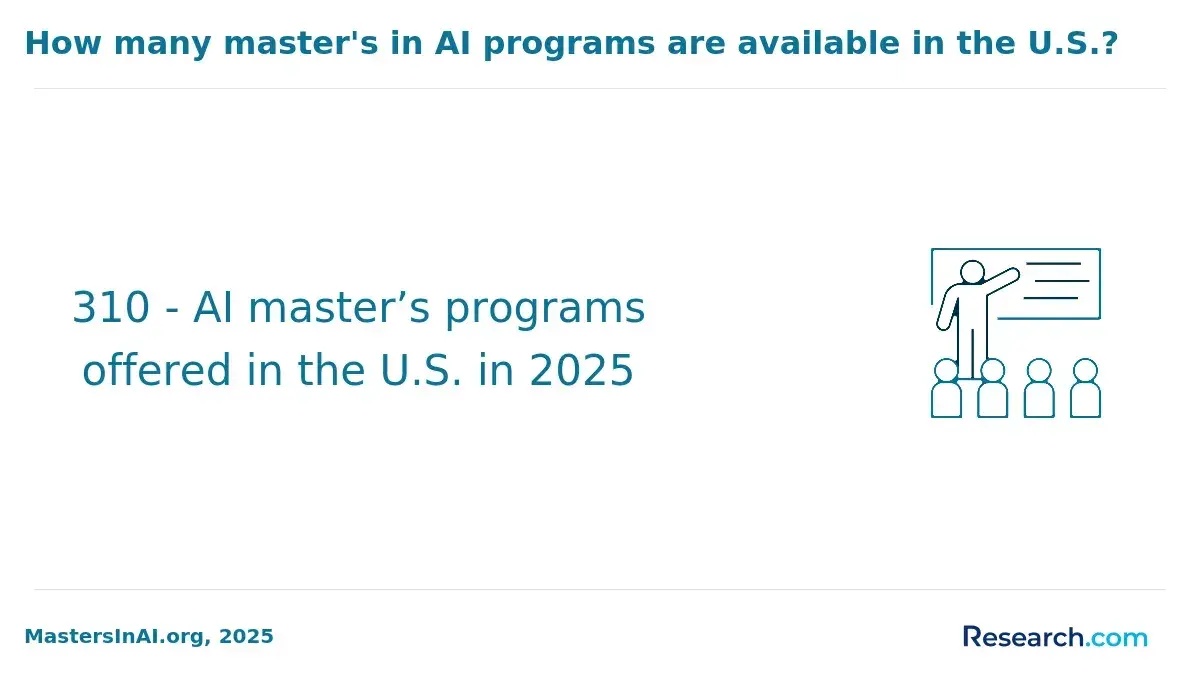
Online ai strategy courses offer unparalleled flexibility and quickly updated curricula, suited for security leaders seeking rapid upskilling and exposure to evolving threats. Given that 49% of firms use tools like ChatGPT across departments, according to Lakera's AI Security Trends 2025, staying current on emerging attack vectors targeting conversational AI is crucial. These programs frequently include real-time simulations and threat modeling, directly addressing dynamic challenges in AI security.
In contrast, campus-based courses provide immersive collaboration, mentorship, and extensive peer networking. This setting benefits security professionals needing in-depth engagement with regulatory compliance and institutional risk management frameworks, often integrating lab work with policy case studies. Such environments enhance strategic decision-making skills vital for complex AI security scenarios.
Security leaders should assess goals to determine the best fit. Those seeking flexibility and broad exposure might explore accredited online options, while those prioritizing deep mentorship and classroom resources may lean toward campus offerings. For a well-rounded approach, incorporating both delivery modes is ideal. Prospective students can start by exploring the best online cyber security degrees as part of their AI security education journey.
What topics are covered in AI strategy courses for security leaders?
Courses focused on ai risk management frameworks for security leaders cover essential topics such as AI threat modeling, which helps identify vulnerabilities introduced by AI systems in security infrastructures. They also include risk assessment techniques for quantifying and prioritizing AI-related threats, enabling leaders to allocate resources efficiently. Emphasis is placed on AI governance, addressing policies, ethical frameworks, and regulatory compliance to ensure responsible AI deployment. Leaders are trained to implement oversight mechanisms that align AI decisions with organizational values and legal standards.
Data security remains a critical focus due to AI's complex data dependencies. Instructors highlight securing sensitive data from AI-specific exploits like adversarial attacks and model inversion. Best practices include secure AI development through coding standards and continuous monitoring. As noted in Immuta's State of Data Security Report, 80% of data professionals believe AI increases data security challenges, underscoring the need to integrate ai strategies with cybersecurity practices.
Additional subjects cover AI lifecycle management, including updating models safely and decommissioning obsolete systems. Incident response training tailored for AI-related breaches prepares leaders for quick, effective reaction. Ethical issues, such as bias mitigation and transparency, are integrated to promote responsible AI leadership. Many programs use case studies to provide practical insights into real-world AI security successes and failures.
Prospective students seeking an affordable online computer science degree with AI-focused security training can find options that prepare them to meet these complex challenges.
What admission requirements do AI strategy programs usually have?
Admission to AI strategy programs tailored for security leaders generally requires a blend of academic credentials, professional experience, and technical proficiency. Candidates typically need a bachelor's degree in fields like computer science, cybersecurity, IT, business administration, or engineering. Those with non-technical degrees may be asked to demonstrate relevant professional experience or complete prerequisite coursework.
Professional experience, especially 3 to 5 years in security-related or leadership roles involving strategic technology or risk management decisions, is vital. This background helps ensure applicants can apply AI concepts effectively within organizational contexts.
Programs often expect foundational knowledge of AI, cybersecurity, programming languages, data analytics, or machine learning basics. When lacking, candidates might need to finish preparatory modules to build these skills. Additionally, letters of recommendation and a statement of purpose outlining career goals and interest in AI strategy are common application components. Some programs also include interviews or assessments to gauge analytical and strategic thinking capabilities.
Security leaders should carefully evaluate how programs match their experience and learning requirements. Considering that the average cost of a data breach has reached $4.88 million, according to IBM's Cost of a Data Breach Report 2024, investing in AI-driven security education and controls represents a high-ROI decision.
How long do AI strategy courses for security leaders take?
The duration of ai strategy courses for security leaders varies widely based on program depth, format, and learner experience. Comprehensive offerings typically range from four weeks to six months. Executive programs designed for working professionals often run 8 to 12 weeks, requiring 5 to 10 hours weekly, enabling participants to balance study with job demands.
Bootcamp-style courses lasting 2 to 4 weeks focus on practical skills and emerging threats, suitable for rapid skill enhancement in offensive and defensive ai security tactics. Longer certificate or part-time graduate programs extend up to six months, blending case studies, hands-on projects, and theory.
How much do AI strategy courses for security leaders cost?
The cost of AI strategy courses for security leaders varies significantly based on program scope, length, and provider. Entry-level online programs usually range from $500 to $1,500, focusing on foundational AI risk management principles relevant to cybersecurity. More advanced executive courses, which can last weeks or months and include live sessions, case studies, and personalized coaching, typically cost between $3,000 and $8,000.
Specialized certifications from renowned institutions or industry organizations may exceed $10,000. These are designed for senior security professionals aiming to integrate AI risk strategies with corporate governance and compliance requirements. Employers often subsidize these costs or offer group enrollment discounts, making training more affordable.
Financial aid, scholarships, and payment plans may be available, particularly for underrepresented candidates or those demonstrating strong potential. Prospective students should explore these options carefully before enrolling.
According to KPMG's 2025 CEO Outlook, 72% of CEOs prioritize AI investments, increasing demand for security leaders skilled in AI risk strategy. Courses aligned with real-world applications and compliance frameworks tend to justify higher fees by providing practical tools beyond theory.
Which certifications support AI strategy careers in security?
Certifications for careers in AI strategy within security are evolving to address the unique challenges posed by generative AI and large language models (LLMs). Key credentials include the Certificate of Cloud Security Knowledge (CCSK) with AI-focused modules, the Certified Information Systems Security Professional (CISSP) enhanced by AI security electives, and specialized training such as the SANS AI Security Principles and Practices course. This course highlights a shift toward defending GenAI systems and LLMs rather than traditional cybersecurity threats.
These certifications focus on hands-on skills like securing AI training data, detecting model poisoning, and preventing prompt injection attacks. For example, the SANS course provides frameworks for defending AI pipelines against adversarial tactics, which is vital for leaders managing AI-driven infrastructures.
Vendor-neutral certifications such as ISC²'s Certified in Risk and Information Systems Control (CRISC) are integrating AI risk management and compliance, offering broader coverage that blends AI ethics with security operations. Such hybrid certifications are increasingly important for professionals navigating AI governance and regulatory requirements.
Security leaders must pursue credentials that extend beyond basic cybersecurity to include AI-specific vulnerabilities and defenses. Developing expertise in AI governance, ethical use, and secure architectures is critical for evolving roles in this rapidly changing field.
What jobs can security leaders get after AI strategy training?
Security leaders equipped with AI strategy training are increasingly sought after for roles that blend AI insights with organizational protection priorities. Positions like AI security strategist involve designing safe AI implementation frameworks for defense and intelligence sectors. AI risk managers focus on identifying weaknesses in AI systems vital to national security, while leadership roles such as chief information security officer (CISO) demand expertise in AI-driven threat detection and response.
Specialists in cyber defense use AI training to build adaptive threat intelligence platforms. Security consultants with AI knowledge advise governments and enterprises on AI governance and ethical considerations. Program managers in federal agencies ensure AI projects align with security policies and compliance standards. According to MIT Sloan Executive Education's AI for National Security Leaders, treating AI as a strategic leadership issue enables security professionals to influence policy, procurement, and operational integration more effectively.
Practical experience is key, including translating AI capabilities into security measures and managing cross-functional teams. Tasks often require balancing AI's strategic benefits with its limitations-for example, developing AI-enabled surveillance or predictive analytics for threat prioritization demands both technical and leadership skills.
What salary and job outlook apply to AI strategy security roles?
AI strategy security roles in the U.S. offer salaries ranging from $120,000 to over $180,000 annually, depending on experience and industry. Senior leaders with advanced credentials can earn above $200,000. The rise in cyber threats tied to AI applications increases demand for professionals skilled in AI security strategy. Stanford Online highlights that AI security has become a specialized field, underscoring the market's need for targeted expertise.
Job growth in information security is projected at 15% over the next decade by the U.S. Bureau of Labor Statistics, with expectations for further expansion as AI integration deepens across sectors. Roles include AI security analysts focusing on vulnerability assessments and strategists designing enterprise-wide AI risk frameworks. Candidates with combined skills in cybersecurity, machine learning, and risk management are highly desirable.
Certifications in AI security can help candidates stand out. Employers increasingly seek professionals who blend technical security skills with governance policies and ethical frameworks for AI systems. Industries like finance, healthcare, and critical infrastructure demand strategic AI security leadership to meet regulatory compliance and protect sensitive data.
Practical experience paired with formal education is critical. Graduates trained in AI security strategy have access to leadership positions, addressing the urgent need to safeguard AI-driven assets in today's evolving digital landscape.
Other Things You Should Know About Artificial Intelligence
In 2027, top AI strategy courses for security leaders include Stanford's AI Strategy for Cybersecurity, MIT's AI for Business Leaders, and the University of Pennsylvania's Cybersecurity Leadership Program. These courses focus on integrating AI into strategic planning and decision-making in the context of security.
Artificial intelligence enhances decision-making in cybersecurity by analyzing vast amounts of data quickly to detect threats and respond in real time. It supports predictive analytics, helping security leaders anticipate potential breaches and strengthen defenses proactively.
Artificial intelligence plays a critical role in identifying anomalous patterns that indicate security threats, such as malware or insider attacks. Machine learning models can adapt to evolving threats, improving accuracy and reducing false positives in cybersecurity monitoring.
While artificial intelligence can automate many routine tasks and enhance analytical capabilities, it cannot fully replace human judgement in security leadership. Human oversight is essential to interpret AI outputs, make strategic decisions, and address complex ethical and contextual considerations.
References
- Top AI Security Management Jobs and Career Paths You Can Pursue With an AAISM Certification https://destcert.com/resources/aaism-certified-jobs/
- AI in Cybersecurity Training Resources | SANS Institute https://www.sans.org/artificial-intelligence
- Top 5 AI Training Programs for CISOs (2025 Ranked) | GTK Cyber https://gtkcyber.com/lp/top-5-ai-training-for-cisos/
- qa.com | AI Security and Governance Courses [Expert-Led Training] https://www.qa.com/browse/courses/cyber-security/ai-security-governance/
- AI security for leaders: Tips to protect your organization https://www.pluralsight.com/resources/blog/cybersecurity/ai-security-for-leaders
- Best AI Security Certification in 2026 - Practical DevSecOps https://www.practical-devsecops.com/best-ai-security-certifications-2026/
- AI Is Automating Jobs That Train Security's Next Leaders https://www.bankinfosecurity.com/ai-automating-jobs-that-train-securitys-next-leaders-a-31796
- Closing the AI Security Skills Gap | CompTIA https://www.comptia.org/en-us/blog/closing-the-ai-security-skills-gap/
- The AI Strategy Job Market in 2026: Analysis of 1,859 Postings https://axialsearch.com/insights/ai-strategy-jobs/
- Six leadership skills you need to make the most of AI | News | Warwick Business School https://www.wbs.ac.uk/news/leadership-skills-make-most-of-ai/