2027 Best AI Portfolio Management Courses for Business Leaders

Co-Founder and Chief Data Scientist
Business leaders often face challenges managing diverse AI projects without specialized knowledge, leading to inefficient resource allocation and missed opportunities. Navigating AI portfolio management requires understanding complex technologies, market trends, and strategic investment decisions. Without tailored education, executives risk falling behind in competitive industries undergoing rapid AI-driven transformation.
This article examines top courses designed to equip business professionals with essential skills in AI portfolio management. It highlights flexible, accredited programs that enable a strategic pivot into the evolving AI landscape, helping readers make informed decisions and effectively lead AI initiatives within their organizations.
Key Things You Should Know
- AI portfolio management courses in 2026 integrate data science, finance, and machine learning, equipping business leaders with skills to enhance investment decision-making and risk assessment.
- Recent studies indicate a 45% increase in demand for AI expertise in portfolio management roles, highlighting the strategic advantage of specialized education in this field.
- Top courses emphasize hands-on experience with AI tools, regulatory compliance, and ethical considerations, preparing learners for real-world financial challenges and innovation.
Advance Your Career with AI Online Courses
Artificial Intelligence: Implications for Business Strategy
This program provides an introduction to Artificial Intelligence and their implications for business strategy. Earn an official digital certificate.

Oxford Artificial Intelligence Programme
Explore this Oxford Artificial Intelligence programme offered in a flexible learning environment and explore topics like machine learning, automation, and robotics.

Implementing Agentic AI: Building Your Organizational Playbook
This online MIT Agentic AI course offers a practical approach to deploying AI agents in your organization, including a custom playbook. 3 weeks, exclusive launch price.

AI Adoption: Driving Business Value and Impact
This online MIT AI Adoption: Driving Business Value and Impact offers practical frameworks to close the gap between AI potential and business reality.

Artificial Intelligence in Pharma and Biotech
Discover the applications and limitations of artificial intelligence in pharma and biotech with this MIT online short course.

What is an AI portfolio management course for business leaders and who should take it?
An AI portfolio management course for business executives equips participants with the expertise to oversee and optimize investments in AI initiatives within organizations. This training develops skills crucial for aligning AI projects with broader strategic business goals, managing risks, prioritizing resources, and assessing ROI effectively.
Business leaders who complete such training gain the ability to leverage AI as a key driver for innovation and competitive advantage.
Such AI portfolio management training for business executives is particularly valuable for C-suite executives, product managers, innovation officers, and strategic planners accountable for AI integration into their business models.
These roles require comprehension not only of AI capabilities but also of governance, ethical implications, and operational effects stemming from AI adoption.
For instance, a product manager may learn how to evaluate AI tools that enhance customer experience, while a CFO might focus on budgeting and mitigating risks associated with AI investments. The course typically covers AI strategy formulation, portfolio evaluation techniques, vendor assessments, and change management.
By 2025, Gartner projects that 75% of organizations will operationalize AI, driving a fivefold increase in streaming data and analytics infrastructure compared to 2023. Consequently, business leaders must manage increasingly complex data ecosystems and AI-driven investments with confidence.
The business leaders artificial intelligence portfolio strategies course prepares participants to navigate this landscape, ensuring that AI investments generate measurable business value without exposing organizations to unnecessary technological risks.
Those pursuing leadership roles in digital transformation or aiming to enhance their strategic impact in current positions will find this training highly beneficial. For those considering an educational path, insights about an artificial intelligence degree salary may guide decisions about advancing their careers through AI-focused education.
Advance Your Career with AI Online Courses
Artificial Intelligence: Implications for Business Strategy
This program provides an introduction to Artificial Intelligence and their implications for business strategy. Earn an official digital certificate.
Oxford Artificial Intelligence Programme
Explore this Oxford Artificial Intelligence programme offered in a flexible learning environment and explore topics like machine learning, automation, and robotics.
Implementing Agentic AI: Building Your Organizational Playbook
This online MIT Agentic AI course offers a practical approach to deploying AI agents in your organization, including a custom playbook. 3 weeks, exclusive launch price.
How do AI portfolio management courses help business leaders make better investment decisions?
AI-driven portfolio management strategies for business leaders enhance investment decisions by leveraging skills in analyzing large datasets and identifying market trends more precisely than traditional methods. These courses teach how to apply machine learning algorithms and predictive analytics to forecast asset performance and manage portfolios dynamically.
For instance, business leaders familiar with reinforcement learning can develop automated strategies that optimize returns while minimizing risks in real time.
Such courses help reduce cognitive biases and errors that commonly affect human judgment. They emphasize quantitative analysis, risk assessment, and scenario planning, enabling leaders to test investment strategies under various market conditions without financial exposure.
The impact of AI portfolio courses on investment decision-making extends to integrating AI insights with fundamental financial analysis and ensuring regulatory compliance. This approach allows leaders to communicate AI-driven strategies clearly to stakeholders, fostering transparency and data-centric decision-making.
The demand for professionals skilled in AI portfolio management is reflected in salary premiums: roles requiring these abilities command an average 21% salary premium over similar finance jobs, according to LinkedIn's 2024 Global Talent Trends report.
Additionally, coursework typically covers practical use cases in equity management, fixed income, and alternative investments, broadening a leader's expertise across asset classes and investment horizons.
Prospective students interested in advancing in this field may explore the cheapest online masters in artificial intelligence, which offer cost-effective pathways to gaining these critical skills.
What AI portfolio management programs are considered the best for business executives today?
The best AI portfolio management courses for business executives focus on practical use of advanced analytics, machine learning, and decision automation. Top programs from institutions like MIT Sloan, Stanford Graduate School of Business, and Wharton combine quantitative portfolio theory with AI-driven tools.
These courses teach leaders to utilize predictive modeling, alternative data, and real-time algorithmic insights for optimizing asset allocation and risk management.
Executives gain the most by engaging with case studies on AI deployment and hands-on experience with platforms such as Python, TensorFlow, or proprietary portfolio optimization software.
Topics often include natural language processing for market sentiment analysis, reinforcement learning for trade execution, and AI-powered scenario simulations, alongside regulatory compliance and AI governance. The best artificial intelligence programs for portfolio management leaders also address ethical considerations essential to responsible AI use.
Investment firms using AI report a 2-5% uplift in assets under management and an 8-10% improvement in investment performance, highlighting the tangible benefits of mastering AI applications in portfolio oversight.
Professionals should choose courses that align with their sector, whether private equity, mutual funds, or institutional asset management. For instance, private equity executives may prioritize AI for deal sourcing, while mutual fund managers focus on algorithmic risk control.
Accredited certificate programs and executive education with flexible formats accommodate busy professionals. For those exploring affordability options alongside quality, consider programs like the cheapest online cyber security degree as examples of accessible education pathways.
What are the key topics and tools covered in AI portfolio management course curricula?
AI portfolio management course curricula address core competencies essential for business leaders aiming to enhance decision-making with AI-driven insights.
Key topics in AI portfolio management course curricula include data-driven project prioritization, risk assessment via predictive analytics, and optimizing resource allocation using machine learning models. This equips professionals to forecast project outcomes, identify bottlenecks, and align projects with overarching strategic objectives.
The curricula also focus on AI portfolio management tools and techniques for business leaders, covering platforms that automate workflows and improve reporting accuracy.
Hands-on case studies often involve tools such as Microsoft Project with AI features, JIRA integrated with machine learning plugins, and TensorFlow for custom predictive modeling. These enable leaders to simulate scenarios and make dynamic portfolio adjustments using real-time data.
Ethical and governance issues are another critical component, emphasizing AI bias, transparency, and regulatory compliance. These considerations ensure stakeholder trust and meet governance standards.
With Gartner's 2024 survey reporting 61% of CIOs in large enterprises increasing investment in AI-enabled portfolio and project management tools-up from 34% in 2022-business leaders completing such courses gain vital skills to combine human judgment with AI-driven insights.
For veterans and other learners interested in pursuing technology-oriented education, exploring online electrical engineering degrees for veterans can also provide relevant foundational knowledge supporting AI career paths.
How do online AI portfolio management courses compare with on-campus and hybrid options?
Online AI portfolio management courses offer unmatched flexibility, allowing working professionals and business leaders to learn at their own pace while managing busy schedules. These courses reduce geographic and time barriers, making advanced education accessible regardless of location.
In contrast, on-campus programs provide more immersive hands-on experiences and direct networking with faculty and peers, which are valuable for building professional connections.
Hybrid courses blend both approaches by incorporating online learning with in-person activities, such as workshops and real-time discussions. This format can deepen understanding through collaborative projects and practical applications, like virtual simulations of AI-driven portfolio risk management followed by face-to-face sessions.
Curricula across all formats focus on leveraging AI to improve portfolio risk management and compliance. According to Deloitte's global risk management in banking study, AI-driven portfolios can reduce operational risk losses by 20-30% and boost regulatory capital efficiency by 10-15%.
These outcomes highlight the importance of mastering AI models that address compliance and real-world financial challenges.
Prospective students should balance their need for flexibility against the benefits of direct mentorship and networking opportunities. Regardless of format, practical experience with AI algorithms is essential.
Employers often value certificates that demonstrate successful application of AI in managing portfolio risks, provided courses stay current with industry standards.
Which accreditation and institutional quality factors matter most for these AI finance programs?
Accreditation from recognized bodies like AACSB, EQUIS, or regional agencies such as WASC is vital when choosing AI portfolio management courses. These accreditations guarantee academic rigor, relevant curricula, and qualified faculty, directly enhancing the practical value of training.
Institutions connected to finance and technology sectors typically offer superior networking and up-to-date course content addressing real-world financial challenges.
Faculty expertise and industry partnerships serve as key indicators of program quality. Leading courses often feature instructors experienced in AI applications like risk modeling, automated reporting, and scenario analysis. According to BCG's 2024 AI in financial services benchmark, portfolio managers and analysts see productivity gains of 30-40% and cost reductions of 15-20% through AI automation.
Reputation also plays a significant role. Programs from institutions known for excellence in finance and AI education invest in cutting-edge technology, case studies, and AI portfolio automation platforms, enhancing hands-on skills and workplace readiness.
Flexibility and credential recognition matter for working professionals. Certificates or degrees endorsed by professional organizations ease career advancement, while online or hybrid formats allow balancing education with current roles.
What are the typical admission requirements and prerequisites for AI portfolio management courses?
Admission requirements for AI portfolio management courses commonly include a bachelor's degree in business, finance, computer science, or related fields. Many programs expect foundational knowledge in data analytics, machine learning, or statistics to handle technical content effectively.
Advanced courses may require professional experience in portfolio management, investment analysis, or implementing AI in business environments.
Applicants typically need both quantitative and strategic abilities. Prerequisites may include proficiency in programming languages such as Python or R and familiarity with financial modeling.
Executive courses for business leaders often prefer candidates with problem-solving skills and experience in digital transformation projects. Entry tests or proof of completion of introductory AI or finance courses are sometimes required.
Corporate sponsorship for such training is growing, with organizations investing heavily in upskilling managers and business leaders-an increasing trend highlighted in IDC's Worldwide AI Training and Education Spending Guide. This institutional support reflects the rising demand for expertise in AI-driven portfolio management.
Prospective students should carefully review course syllabi and consult admissions offices to clarify prerequisites and expectations. Preparing through foundational AI or finance modules can ease challenges, especially balancing coursework with full-time employment and meeting technical demands.
How long do AI portfolio management programs take, and what do they typically cost?
AI portfolio management programs designed for business leaders typically require a commitment of 6 to 8 weeks of online study. This duration offers a well-balanced approach, allowing professionals to gain essential skills without significant disruption to their work schedules.
Executive certificate programs from prestigious institutions such as MIT Sloan, Oxford, and Wharton generally adhere to this timeline. These courses emphasize practical applications of artificial intelligence in portfolio strategy and decision-making, making them ideal for those seeking to quickly enhance their expertise.
Tuition for these programs generally falls within a median range of $2,800 to $3,200, according to a GMAC analysis of AI-for-business offerings. This pricing reflects access to high-quality instruction, expert faculty, and networking opportunities.
Prices may vary depending on factors like institutional prestige, curriculum depth, and supplementary resources. Some shorter or more specialized courses may be more affordable but potentially offer less comprehensive credentials or coverage.
For busy professionals balancing careers, this time frame and price point present a practical investment in upskilling without the need for full-time enrollment or the expense of advanced degrees. Many learners apply AI portfolio management techniques immediately in their roles, accelerating benefits for their organizations.
- Programs typically last 6 to 8 weeks.
- Tuition ranges from approximately $2,800 to $3,200.
- Offered by top-tier universities including MIT Sloan, Oxford, and Wharton.
- Focus on practical AI applications for portfolio strategy.
What careers, leadership roles, and industries do AI portfolio management graduates pursue?
Graduates of AI portfolio management courses often step into leadership roles that combine technical expertise with strategic business insight. Key positions include product managers for AI-driven solutions, AI strategy directors, and chief AI officers responsible for aligning AI initiatives with broader corporate goals.
These professionals bridge the gap between AI development and business priorities, ensuring that investments in AI support long-term organizational success.
Industries such as technology, finance, healthcare, and manufacturing provide fertile ground for these careers. For example, finance professionals use AI to optimize asset allocation through predictive analytics.
Healthcare leaders manage AI projects that automate diagnostics and patient data management. In manufacturing, AI portfolio experts enhance supply chain efficiency with advanced decision-making frameworks.
- Overseeing AI ethics compliance.
- Managing vendor relationships for AI tools.
- Leading AI innovation hubs within enterprises.
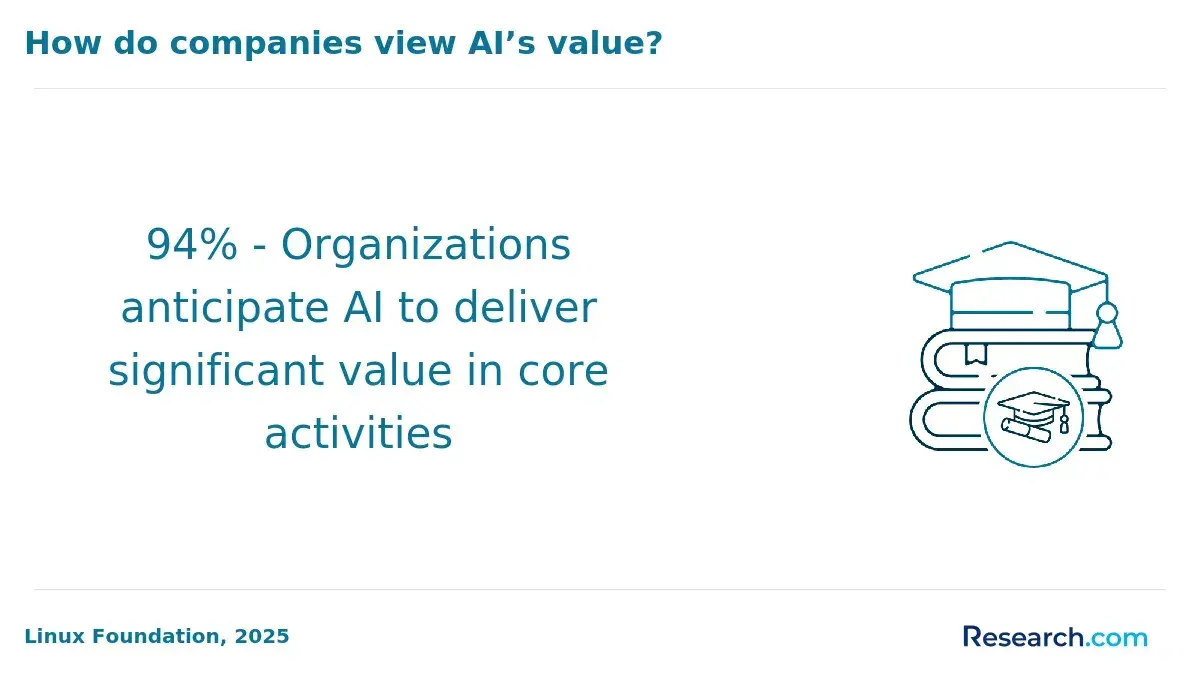
Senior leadership increasingly values AI literacy, with organizations having highly AI-literate leaders being 2.6x more likely to experience improved strategic decision-making, as reported by Microsoft and LinkedIn's 2024 Work Trend Index on AI at Work.
Building skills in AI risk assessment, portfolio diversification, and cross-functional leadership prepares professionals for executive roles that govern AI investments and align them with evolving business objectives.
What salary ranges and job outlook can business leaders expect after AI portfolio training?
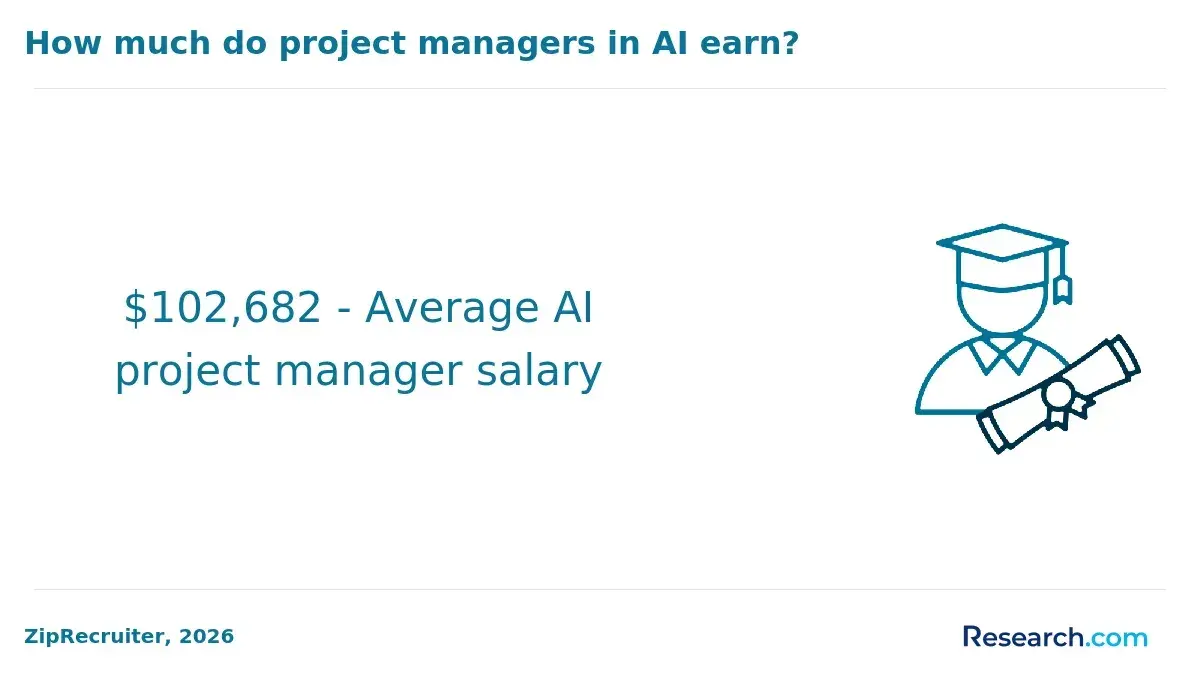
Business leaders skilled in AI portfolio management typically earn between $120,000 and $180,000 annually in the United States, with senior positions exceeding $200,000 depending on the industry and experience. This salary range reflects the growing demand for professionals who blend AI tools with strategic decision-making in project and portfolio management.
According to Gartner's 2024 strategic planning assumptions, by 2030, 80% of project and portfolio management tasks will be automated through AI and related technologies. This evolution shifts focus away from manual oversight toward leadership in judgment, strategy, and problem-solving, increasing the value of AI-savvy managers.
Job opportunities remain strong across sectors such as technology, finance, healthcare, and consulting. Emerging roles include AI-integrated portfolio directors and strategic AI governance officers. Career advancement can lead to C-suite leadership positions.
Professionals enhance their marketability and salary prospects by gaining expertise in AI tools, automation frameworks, and data-driven risk assessment. Continuous education and certifications in AI portfolio management are highly recommended to keep pace with evolving technologies.
Key considerations for upskilling:
- Mastering AI tools relevant to portfolio management.
- Understanding automation and integration frameworks.
- Developing skills in data-driven decision-making and risk assessment.
- Pursuing certifications and ongoing learning.
Other Things You Should Know About Artificial Intelligence
Artificial intelligence enhances risk management by analyzing large volumes of data to detect patterns and predict potential market fluctuations. It can provide real-time risk assessments and simulate stress-testing scenarios more efficiently than traditional methods. This allows portfolio managers to make proactive adjustments to minimize losses and optimize asset allocation.
Yes, many AI portfolio management courses are designed specifically for non-technical business leaders by focusing on practical applications rather than deep coding skills. These programs emphasize understanding AI-driven analytics, interpreting model outputs, and making strategic decisions informed by AI tools. This approach enables leaders to leverage AI without needing to become data scientists.
Common challenges include data quality issues, model transparency, and regulatory compliance. Poor or biased data can lead to inaccurate predictions, while the "black box" nature of some AI models makes it difficult to interpret results. Additionally, financial regulations require that AI-driven decisions meet strict standards, posing compliance obstacles for firms adopting AI solutions.
In 2027, top courses for AI portfolio management include MIT Sloan’s "AI for Business Leaders," Stanford’s "AI in Finance," and Coursera’s "Applied AI in Portfolio Management." These courses focus on AI strategies, risk management, and decision-making, tailored for business leaders seeking to leverage technology in finance.
References
- AI-Driven Portfolio Strategy for Business Leaders: Masterclass | Learn Online | Certificate Included | Learnfly https://www.learnfly.com/courses/ai-driven-portfolio-strategy-for-business-leaders-masterclass
- AI Applications in Asset Management - WMI https://wmi.edu.sg/programmes/compliance-risk-governance/ai-application-asset-management/
- AI for Managers https://esmt.berlin/executive-education/analytics-ai-programs/ai-managers
- AI Portfolio Management: Redefining the Financial Landscape | Tribe AI https://www.tribe.ai/applied-ai/ai-in-portfolio-management
- Quality Assurance with AI and Automation: The Prospects for Educational Assessment https://www.ieac.org.uk/40-Quality-Assurance-with-AI-and-Automation-The-Prospects-for-Educational-Assessment-blog.php
- AI Portfolio Managers: are they the future? https://alphaarchitect.com/ai-portfolio-manager/
- The AI Boom In Executive Education: What You Can Study Right Now At The World's Top B-Schools https://poetsandquantsforexecs.com/exec-ed/the-ai-boom-in-executive-education-what-you-can-study-right-now-at-the-worlds-top-b-schools/
- Best AI Courses for Finance & Business Professionals (2026) https://www.wallstreetprep.com/knowledge/best-ai-courses-for-finance-business-professionals/
- Best AI Training for Finance Professionals — 2026 Buyer's Guide https://www.learnsignal.com/blog/best-ai-training-for-finance-professionals/
- Top AI Courses After 12th to Kickstart Your Tech Career https://www.msruas.ac.in/blog/lead-the-future-of-artificial-intelligence-with-top-ai-courses-after-12th