2027 Best AI Courses for Corporate Directors

Co-Founder and Chief Data Scientist
Corporate directors face growing pressure to understand complex technological shifts, yet many lack a clear pathway to acquire relevant AI skills. This knowledge gap threatens effective governance and strategic decision-making in an increasingly digital economy. Traditional educational options often fail to deliver flexible, accredited programs designed for busy professionals transitioning from unrelated fields. Identifying which AI courses provide practical insight and recognized credentials is crucial to bridging this divide. This article highlights top AI courses tailored for corporate directors, focusing on flexibility, accreditation, and real-world applicability to empower leaders in navigating and driving technological transformation within their organizations.
Key Things You Should Know
- Leading AI courses for corporate directors in 2026 emphasize strategic oversight, ethical considerations, and AI integration to enhance competitive advantage in decision-making processes.
- Recent studies show 78% of corporate boards prioritize AI literacy, highlighting a growing demand for tailored executive education focusing on actionable AI insights.
- Effective programs combine theory with practical case studies, supporting directors in navigating AI risks and regulatory compliance amid evolving technology landscapes.
Advance Your Career with AI Online Courses
Artificial Intelligence: Implications for Business Strategy
This program provides an introduction to Artificial Intelligence and their implications for business strategy. Earn an official digital certificate.

Oxford Artificial Intelligence Programme
Explore this Oxford Artificial Intelligence programme offered in a flexible learning environment and explore topics like machine learning, automation, and robotics.

Implementing Agentic AI: Building Your Organizational Playbook
This online MIT Agentic AI course offers a practical approach to deploying AI agents in your organization, including a custom playbook. 3 weeks, exclusive launch price.

AI Adoption: Driving Business Value and Impact
This online MIT AI Adoption: Driving Business Value and Impact offers practical frameworks to close the gap between AI potential and business reality.

Artificial Intelligence in Pharma and Biotech
Discover the applications and limitations of artificial intelligence in pharma and biotech with this MIT online short course.

What are the best AI courses specifically designed for corporate board directors?
Corporate board directors need ai training programs tailored for corporate directors, focusing on strategic implications, risk oversight, and ethical governance rather than technical coding. Leading courses such as Stanford Graduate School of Business' "AI and the Boardroom" and MIT Sloan's "Artificial Intelligence: Implications for Business Strategy" integrate case studies on AI risk management and investment analysis, offering valuable perspectives on fiduciary responsibility and regulatory challenges.
Key features of effective education include understanding AI risk assessment frameworks, algorithmic bias, cybersecurity concerns, and capital allocation for AI projects. For example, Harvard Business School's "Digital Transformation for Directors" offers modules on AI ethical governance and evolving legal landscapes, aiding directors in anticipating regulatory changes and guiding strategic AI adoption.
Deloitte's survey of 2,800 global executives found only 18% of boards are highly proficient in AI risks and opportunities, while 79% intend significant AI investments soon, highlighting the urgency for specialized AI courses for corporate board directors. Programs emphasizing interactive case scenarios and peer discussions help directors address real boardroom challenges like liability and public trust effectively.
Choosing courses with up-to-date content from reputable business schools or partnerships with leading AI research institutes ensures relevance and credibility. Prospective learners might also explore options offering a data science degree to expand their understanding of AI technologies and economic impact.
Advance Your Career with AI Online Courses
Artificial Intelligence: Implications for Business Strategy
This program provides an introduction to Artificial Intelligence and their implications for business strategy. Earn an official digital certificate.
Oxford Artificial Intelligence Programme
Explore this Oxford Artificial Intelligence programme offered in a flexible learning environment and explore topics like machine learning, automation, and robotics.
Implementing Agentic AI: Building Your Organizational Playbook
This online MIT Agentic AI course offers a practical approach to deploying AI agents in your organization, including a custom playbook. 3 weeks, exclusive launch price.
How can AI education help corporate directors improve governance and risk oversight?
AI education for corporate governance improvement equips board members with vital skills to enhance decision-making and risk oversight. By grasping AI's capabilities and limitations, directors improve their evaluation of AI-driven initiatives, ensuring alignment with strategic objectives and regulatory demands. This training addresses risks such as algorithmic bias, cybersecurity vulnerabilities, and data privacy concerns.
Courses that focus on AI also enable directors to interpret complex data and question management assumptions with informed skepticism. Recognizing distinctions like predictive accuracy versus operational impact helps boards avoid superficial reliance on technical language. This level of proficiency supports more effective governance through enhanced data literacy.
Risk oversight through AI training for directors becomes critical as AI integrates into modern risk management systems. Well-trained directors can identify emerging threats, validate AI models, and oversee continuous updates-areas often overlooked by traditional governance. Practical AI experience encourages collaboration between boards and technology leaders, improving communication on AI ethics and strategy.
According to Russell Reynolds Associates, AI references in new Fortune 500 board director profiles surged from 7% to 29%, reflecting growing demand for AI-savvy leadership. Directors lacking AI proficiency face challenges in maintaining competitive governance roles. Prospective directors seeking to sharpen these skills may consider pursuing degrees in AI online to meet this rising need.
- Comprehensively evaluate AI risks and opportunities
- Enhance strategic decision-making through data literacy
- Strengthen oversight of compliance and ethical standards
- Improve communication with AI specialists
- Anticipate and mitigate technology-driven risks effectively
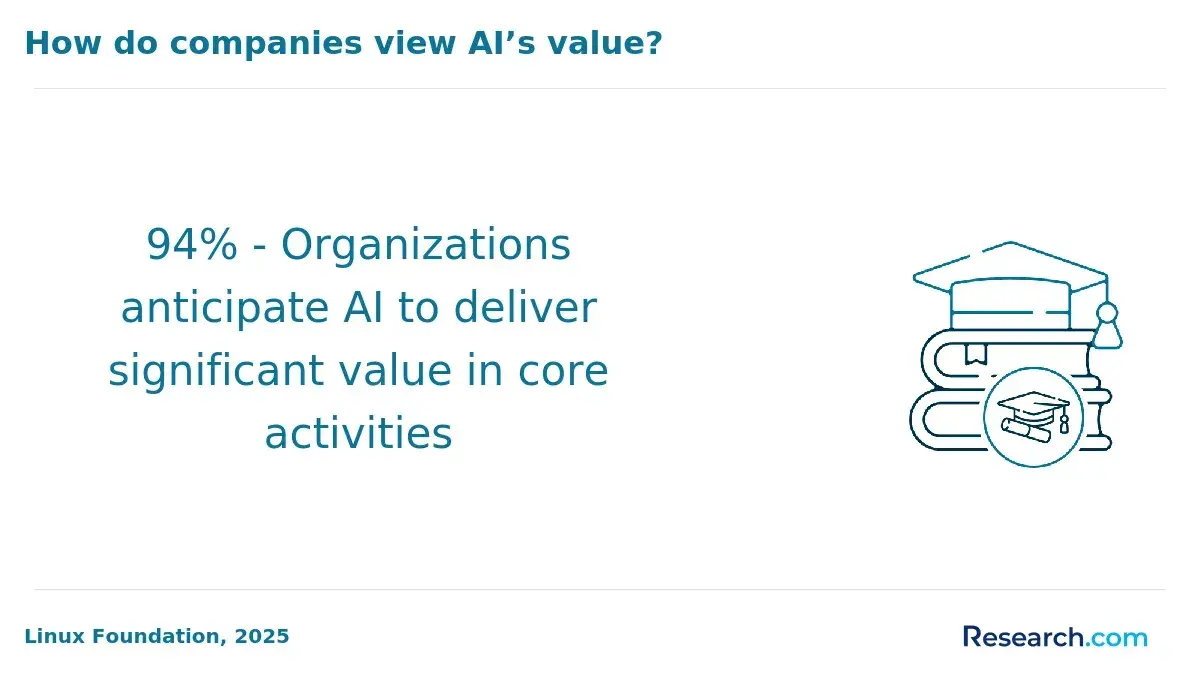
What skills and learning outcomes should AI courses for corporate directors deliver?
AI courses designed for corporate board directors must focus on essential skills for artificial intelligence governance in corporate leadership. These include risk management, governance, and regulatory compliance to integrate AI oversight within existing corporate frameworks. PwC's Global Risk Survey shows 73% of board members anticipate increased AI-related regulatory scrutiny by 2026, even though only 24% have formal AI governance in place.
Learning outcomes for ai courses tailored to corporate board directors should cover identifying AI risks such as algorithmic bias, data privacy, and operational vulnerabilities. Directors need to critically evaluate AI systems, ensuring transparency and accountability throughout deployment. They also require practical skills for developing and monitoring policies that address ethical considerations and comply with evolving laws.
Strategic decision-making using AI insights, balanced with human judgment, is vital to prevent liability and reputational damage. Training should enhance collaboration between technical teams and boards, translating complex AI concepts into actionable governance.
Familiarity with standards such as ISO/IEC and the NIST AI Risk Management Framework helps directors oversee AI initiatives effectively. Incorporating case studies equips leaders with tools to anticipate regulatory changes and manage AI risks proactively. For those interested in expanding their tech skills, exploring an online game design degree can provide valuable insights into AI applications and innovation.
How do executive AI programs differ from general AI and data science degrees?
Executive artificial intelligence training for corporate leaders is distinct from general AI and data science degrees in both focus and outcomes. Executive programs emphasize strategic application, governance, and ethical considerations over technical skills like coding or data modeling. These programs are crafted for senior leaders aiming to drive AI-driven business transformation, manage risks, and leverage competitive advantages without deep technical immersion.
Key differences between executive AI programs and data science degrees include:
- Curriculum centered on executive decision-making, covering AI strategy, leadership challenges, and alignment with business objectives.
- Real-world case studies showcasing organizational AI deployments rather than lab projects.
- Development of cross-functional leadership skills, including team management, stakeholder communication, and regulatory navigation.
By contrast, data science degrees focus on hands-on skills such as Python programming, machine learning model development, statistical analysis, and designing data infrastructure, serving those who wish to become AI practitioners or data scientists.
A 2024 LinkedIn Learning survey of 1,500 senior leaders found that organizations with executives trained in AI leadership were 1.7 times more likely to meet or exceed AI initiative ROI expectations. This underscores the business impact of executive programs tailored for governance and strategy roles, versus technical expertise-focused degrees.
Prospective students should align their education with career goals, whether pursuing AI governance or technical proficiency. Those seeking foundational technical skills may consider an online computer science degree, which can offer broad preparation for data science careers.
What admission requirements and professional background do top AI programs for directors expect?
Top AI programs for corporate directors typically require applicants to hold senior leadership roles such as board members, C-suite executives, or equivalent strategic positions. Most programs emphasize a minimum of 10 years' professional experience, especially leadership in technology-driven industries or sectors undergoing digital transformation. Practical knowledge of corporate governance and strategic decision-making is often required to ensure candidates can apply AI insights directly to boardroom challenges.
Academic qualifications usually include a bachelor's degree in fields like business, engineering, or computer science, with some programs preferring an MBA or relevant master's degree. The ability to engage with complex technical content and contribute to digital strategy discussions is highly valued.
Admission processes often feature rigorous evaluations, including detailed resumes showcasing leadership in AI adoption, letters of recommendation from senior peers, and motivational essays outlining a strategic vision for AI in governance. Certain programs also conduct placement interviews or preliminary assessments to gauge participant readiness.
According to ExecutiveCourses.com, short AI programs targeting board members and C-suite leaders have grown by 62% between 2022 and 2024. This trend reflects rising demand for education that addresses AI's governance implications across industries like finance, healthcare, and manufacturing. Many programs offer electives tailored to sector-specific AI applications and vary in format, ranging from intensive boot camps to longer executive courses.
Flexibility and cohort diversity are key features, helping leaders with demanding schedules participate while fostering peer learning among directors facing similar AI-related strategic decisions.
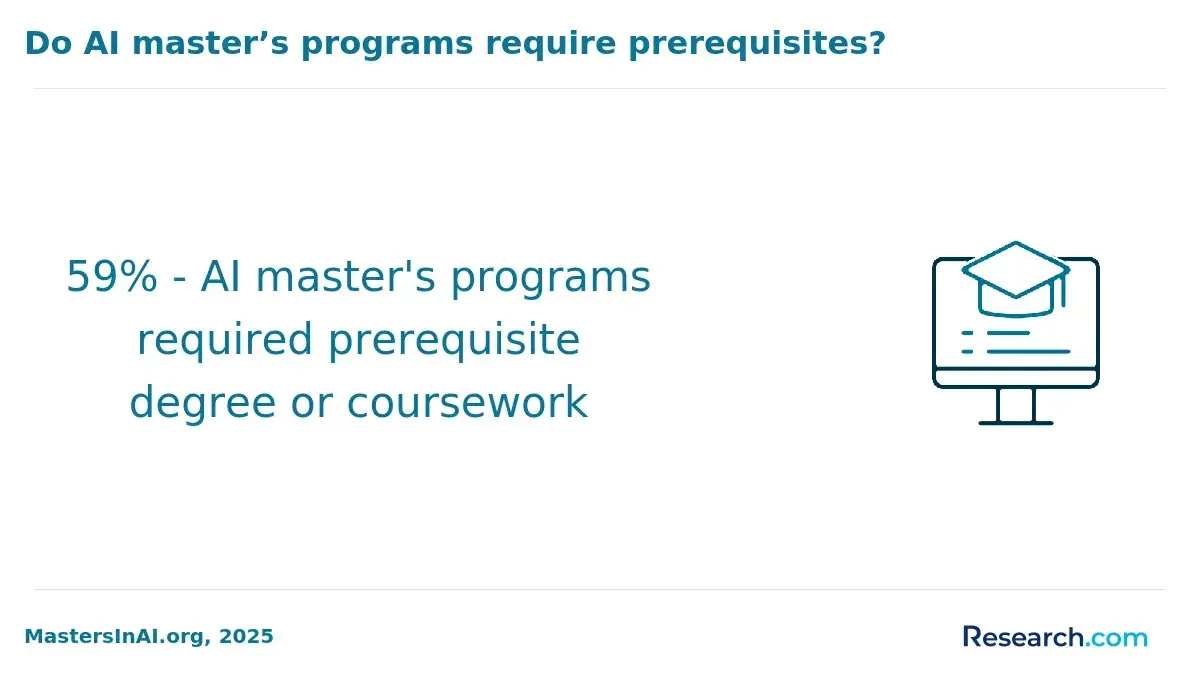
How do online, hybrid, and on-campus AI programs compare for busy board members?
Online, hybrid, and on-campus AI programs vary in time commitment, cost, and flexibility-key factors for busy corporate directors. Online options offer the greatest flexibility, enabling learners to study at their own pace without interrupting demanding schedules. These courses often come at a lower cost and typically include forums or live sessions to maintain engagement despite limited real-time interaction.
Hybrid programs blend online learning with scheduled in-person sessions, appealing to directors who value both convenience and direct networking or hands-on experiences. While requiring more upfront planning, hybrids improve retention through face-to-face interaction with faculty and peers.
On-campus programs present the most immersive environment, featuring live lectures, group collaboration, and immediate access to campus resources. However, they demand significant time, including travel and accommodation, and usually have higher tuition. This format suits directors focused on deep strategic insights and robust networking, though balancing these benefits against time away from corporate duties is necessary.
Cost comparisons highlight these differences. Executive education with an AI focus commands a 58% price premium, with a median tuition around $3,000 compared to $1,900 for other short executive courses. On-campus and hybrid formats generally sit at the upper price range due to increased engagement and resources, whereas online courses tend to be more affordable.
- Consider availability and priorities when choosing a format.
- Evaluate whether flexible study or advanced networking holds more value.
- Balance the premium costs and time commitments associated with in-person programs.
Which accreditations, institutional credentials, and industry affiliations matter for AI programs?
Accreditations and institutional credentials serve as essential markers of quality in ai programs designed for corporate directors. Recognition by established accreditation bodies such as AACSB, PMI, or ABET ensures that programs maintain rigorous academic standards and deliver curricula aligned with evolving industry demands. Programs offered by universities with respected technology or business schools further enhance a program's credibility by providing experienced faculty and integrated research.
Industry affiliations also play a crucial role. Partnerships with organizations like the National Association of Corporate Directors (NACD) or ai governance associations ensure the program content remains relevant to practical governance challenges and compliance frameworks faced by corporate boards. Programs tied to NACD, for instance, often focus on ai policy issues directly impacting board decision-making processes.
Before enrollment, directors should verify availability of certificates or executive endorsements from leading ai policy and governance entities, as these validate a program's emphasis on ethical considerations and enterprise governance risk. Additionally, data from the NACD pulse survey indicates that boards with at least one director trained in formal ai governance are 2.3 times more likely to include ai in regular discussions.
- Check for advisory boards that include experts from ai research institutions or government bodies
- Look for partnerships providing cutting-edge insights and networking opportunities
What topics and case studies are typically covered in AI curricula for board directors?
Board directors engaging in ai curricula focus on mastering key areas such as machine learning, natural language processing, and computer vision to understand how AI systems operate. Courses include applied artificial intelligence, AI ethics, risk management, and regulatory compliance, crucial for ensuring accountability and legal oversight in ai deployment.
Case studies play a vital role by showcasing real-world examples like AI-driven fraud detection in finance and AI-assisted diagnostics in healthcare. These sector-specific scenarios enhance directors' ability to govern ai initiatives while managing risks like bias and data privacy.
Instruction also covers evaluating ai investments, focusing on project feasibility, ROI, and alignment with business strategy. Directors learn about AI's impact on workforce transformation and innovation, enabling them to guide cultural and organizational changes effectively.
Practical exercises often feature scenario planning involving crisis simulations related to AI failures or ethical challenges, building preparedness for governance issues. Data literacy skills are emphasized to help directors critically assess AI outputs and reports.
According to McKinsey's 2024 Global AI Survey, 61% of companies in financial services and healthcare cite "board expertise in AI and data" as a major barrier to scaling AI, compared to 38% in other industries. This highlights the urgent need for targeted curricula addressing the unique risks, regulations, and opportunities within specific sectors.
What are the typical costs, time commitments, and funding options for director-focused AI courses?
Director-focused AI courses vary significantly in cost, typically ranging from $1,000 to $5,000. Executive programs at top business schools often command higher prices, whereas online courses can be available for just a few hundred dollars. Time commitments differ as well, from two-day intensive workshops to six-month certificate programs, with many requiring 10 to 15 hours per week. Self-paced options offer flexibility but may lengthen the total duration.
Many directors find funding through employer sponsorship, professional development budgets, or scholarships designed for executives. Tax benefits, such as Section 127 educational assistance, can make these courses more accessible. Some institutions also provide payment plans to ease upfront costs.
Learning mode affects cost and time investment. Coursera's Global Skills Report 2024 highlights a 76% year-over-year rise in enrollments for "AI for business leaders" and "AI strategy" courses, with 68% of learners at VP-level or above. This reflects a strong preference for scalable online programs suited to busy schedules. Meanwhile, in-person courses, although more expensive due to travel and accommodation, offer valuable networking opportunities critical for directors aiming to influence AI adoption.
When choosing a program, directors should consider:
- Whether the course addresses their specific industry challenges
- If flexible timing or cohort-based learning fits better
- What funding options their employer offers
How can corporate directors evaluate and choose the right AI program for their board role?
Corporate directors should focus on AI courses that align closely with their board responsibilities, emphasizing governance, ethics, and risk management over purely technical training. The World Economic Forum's 2024 Future of Jobs Report highlights a 52% increase in demand for "AI and big data" skills among senior leaders and board members by 2030, underscoring the importance of targeted education for strategic decision-making.
When selecting programs, consider these key factors:
- Curriculum relevance: Look for courses covering strategic AI adoption, regulatory environments, and data privacy to support board oversight.
- Faculty expertise: Choose programs led by AI policy experts, governance scholars, or leaders with firsthand board experience in AI-driven sectors.
- Practical case studies: Real-world examples help directors grasp AI's risks and benefits, including algorithmic bias and automated decision impacts.
- Flexibility and format: Modular or executive education options suit busy schedules and encourage interactive learning.
- Reputation and accreditation: Verified credentials assure high academic and industry standards.
Directors in finance might prioritize AI's role in fraud detection and compliance, while healthcare board members should focus on patient data ethics and diagnostic AI tools. Evaluating program outcomes and alumni achievements can help confirm a course's value in enhancing board-level AI competence.
Other Things You Should Know About Artificial Intelligence
Artificial intelligence is anticipated to transform corporate directors' roles by providing enhanced data analytics and predictive insights for strategic decision-making. Directors will increasingly rely on AI tools to monitor risks, opportunities, and market trends. This shift requires ongoing education to understand AI's capabilities and limitations, ensuring directors can effectively oversee AI-driven processes within their organizations.
Implementation challenges include integrating AI insights with traditional governance models, managing cybersecurity risks, and bridging knowledge gaps among board members. Companies often struggle with data quality issues and maintaining regulatory compliance as AI applications evolve. Successful adoption depends on directors fostering collaboration between AI experts and leadership to align AI initiatives with corporate goals.
Artificial intelligence is a powerful tool but cannot fully replace human judgment in corporate board decisions. AI excels at processing large datasets and identifying patterns, but it lacks the contextual understanding and ethical reasoning that directors provide. Boards should view AI as a decision-support system that complements, rather than substitutes, human expertise and oversight.
References
- Cost Structure and Cash Flow Management for AI Startups | Finro https://www.finrofca.com/news/cost-structure-and-cash-flow-management-for-ai-startups
- AI Governance Workshop | NACD https://www.nacdonline.org/nacd-board-advisory-services/ai-governance-workshop/
- How to choose what director training you need to succeed https://inpd.co.uk/how-to-choose-what-director-training-you-need-to-succeed
- AI Drives Demand for Credential Programs in Higher Ed https://www.govtech.com/education/higher-ed/ai-drives-demand-for-credential-programs-in-higher-ed
- AI and boardroom decision-making | The Corporate Governance Institute https://www.thecorporategovernanceinstitute.com/insights/guides/ai-and-boardroom-decision-making/
- AI governance: A guide to responsible AI for boards https://www.diligent.com/resources/blog/ai-governance
- Shortlisted & Invitee Institutions | World Data Science & AI Initiative (WDSAI) https://www.wdsai.org/invitee-institutions
- Master Your Future: Top Hybrid & Online Learning Platforms https://matchtocollege.com/blog/best-hybrid-online-learning-platforms
- Artificial Intelligence for Corporate Governance https://www.corpoladder.com/courses/artificial-intelligence-for-corporate-governance
- AI vs DS: Understanding the Differences and Overlaps | Flatiron School https://flatironschool.com/blog/ai-vs-ds-understanding-the-differences-and-overlaps/