2027 Best AI Courses for Higher Education Faculty With Certificates

Co-Founder and Chief Data Scientist
Higher education faculty often face challenges integrating artificial intelligence effectively into their curricula due to rapid technological advancements and a lack of specialized training. This gap can hinder their ability to prepare students for evolving industry demands or to leverage AI tools in research.
Finding accredited, flexible courses that offer recognized certification is essential for academic professionals seeking to update their skill sets without disrupting teaching schedules. This article reviews the best courses designed specifically for higher education faculty, focusing on programs that combine rigor, flexibility, and certification to support a successful transition into AI-enhanced academic roles.
Key Things You Should Know
- In 2026, AI courses for higher education faculty emphasize practical applications and ethical considerations, with over 60% offering verified certificates to enhance professional credibility.
- Recent studies show a 45% increase in faculty enrollment in AI courses since 2024, reflecting growing demand for AI fluency in academic curriculum development.
- Top programs integrate interdisciplinary content, combining AI fundamentals with pedagogy, ensuring faculty can effectively incorporate AI tools into diverse educational settings.
Advance Your Career with AI Online Courses
Artificial Intelligence: Implications for Business Strategy
This program provides an introduction to Artificial Intelligence and their implications for business strategy. Earn an official digital certificate.

Oxford Artificial Intelligence Programme
Explore this Oxford Artificial Intelligence programme offered in a flexible learning environment and explore topics like machine learning, automation, and robotics.

Implementing Agentic AI: Building Your Organizational Playbook
This online MIT Agentic AI course offers a practical approach to deploying AI agents in your organization, including a custom playbook. 3 weeks, exclusive launch price.

AI Adoption: Driving Business Value and Impact
This online MIT AI Adoption: Driving Business Value and Impact offers practical frameworks to close the gap between AI potential and business reality.

Artificial Intelligence in Pharma and Biotech
Discover the applications and limitations of artificial intelligence in pharma and biotech with this MIT online short course.

What are the best AI courses for higher education faculty that include verified certificates?
Top AI courses for higher education faculty with verified certificates come from renowned universities and professional platforms emphasizing practical teaching applications. The "AI for Everyone" specialization by deeplearning.ai on Coursera offers foundational concepts paired with pedagogical strategies, awarding a verified certificate upon completion.
Similarly, MIT Sloan Executive Education's "Artificial Intelligence: Implications for Business Strategy" caters to educators updating curricula to reflect AI trends and includes a formal certificate.
Faculty aiming for research-oriented learning may consider Stanford University's online "CS221: Artificial Intelligence: Principles and Techniques," which grants a certificate recognizing mastery of AI fundamentals critical for curriculum development.
Harvard's "Data Science: Machine Learning" course explores ethical and societal aspects, providing a verified certificate while highlighting responsible AI integration in higher education. These programs represent some of the best AI courses for higher education faculty with verified certificates, helping educators adapt confidently.
With faculty adoption of AI rising from 22% to 49% and over 70% reporting the need for formal training to apply AI effectively in teaching (Educause, 2024 Horizon Report), verified certificates serve as evidence of competence and readiness.
Programs like the University of Texas at Austin's "AI in Education" micro-credential series offer stackable credentials focused on AI's pedagogical impact and classroom technology integration.
For educators exploring top online AI certification programs for university educators, it's important to select courses that emphasize ethical AI use and evolving educational standards. For insights into affordability and program rankings, see the data science ranking.
Advance Your Career with AI Online Courses
Artificial Intelligence: Implications for Business Strategy
This program provides an introduction to Artificial Intelligence and their implications for business strategy. Earn an official digital certificate.
Oxford Artificial Intelligence Programme
Explore this Oxford Artificial Intelligence programme offered in a flexible learning environment and explore topics like machine learning, automation, and robotics.
Implementing Agentic AI: Building Your Organizational Playbook
This online MIT Agentic AI course offers a practical approach to deploying AI agents in your organization, including a custom playbook. 3 weeks, exclusive launch price.
How can AI certificate courses help college and university faculty advance their careers?
AI certificate courses for higher education faculty career growth provide essential skills to incorporate AI tools and methodologies into teaching and research. Faculty members can redesign curricula, update course policies, and create innovative assignments that align with technological advancements, increasing engagement and learning outcomes across STEM and non-STEM fields.
Benefits of AI training programs for university educators include enhanced instructional design tailored to AI-driven classrooms and leadership in establishing new academic standards, such as responsible use of generative AI.
According to the SUNY Center for Professional Development 2024 AI in Higher Education Impact Summary, 83% of SUNY faculty who completed AI micro-credential courses adapted course policies or assignments within one semester, highlighting the direct impact on pedagogy.
Faculty can also use AI knowledge to support interdisciplinary research by applying machine learning or automating data analysis. These certificates demonstrate competence, strengthening promotion, tenure, and grant opportunities. Additionally, familiarity with AI enables faculty to influence institutional digital learning strategies and increase their academic presence.
Career advancements offered by AI certificates include:
- Updating curricula and policies with AI-relevant content.
- Improving teaching effectiveness through modernized assignments.
- Supporting research innovation via AI tools.
- Enhancing professional reputation and leadership opportunities.
- Facilitating involvement in campus-wide digital initiatives.
For those interested in further education, exploring AI degrees can provide a comprehensive pathway to deepen expertise and career prospects.
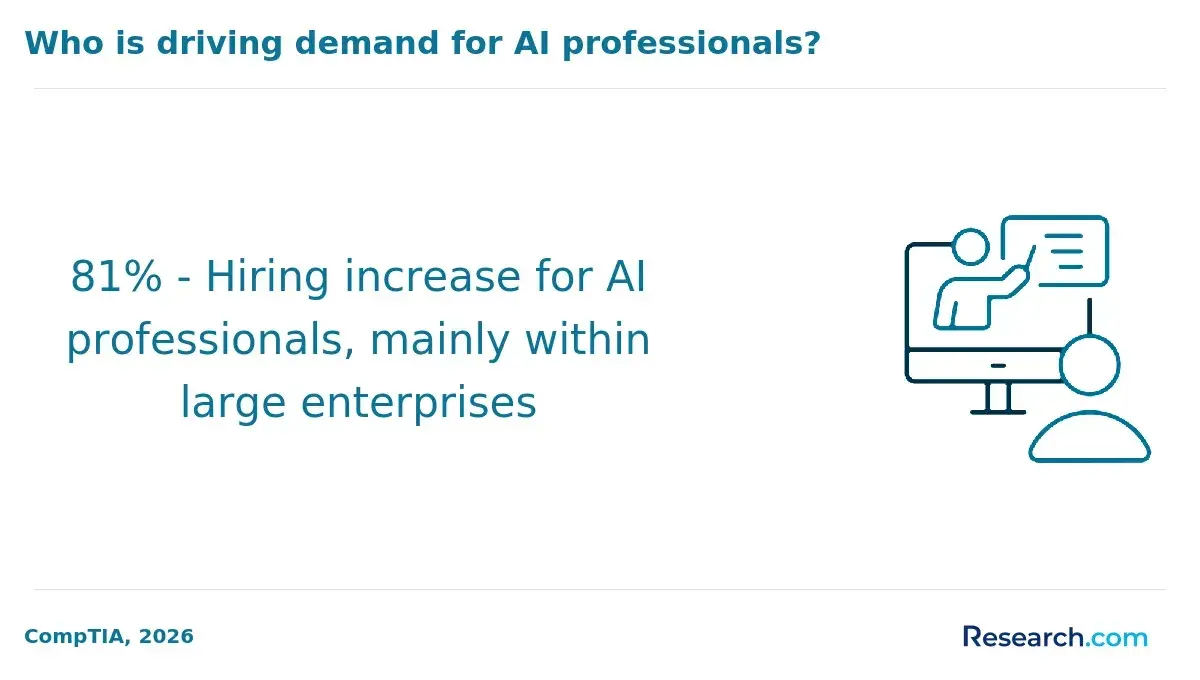
What types of AI upskilling options exist for faculty (short courses, microcredentials, degrees)?
Faculty interested in AI certification programs for higher education faculty can select from short courses, microcredentials, and full degree options based on their time constraints and career ambitions. Short AI courses and microcredentials for educators offer foundational knowledge and practical skills, typically lasting from a few hours to several weeks.
For instance, Microsoft's "AI for Educators" training has shown that educators who complete it are 3.2 times more likely to integrate generative AI tools weekly in their teaching, highlighting the effectiveness of such focused programs.
Microcredentials provide specialized, modular learning over weeks or months, covering areas like machine learning applications in education or AI ethics. These stackable credentials balance flexibility and formal recognition, which helps faculty enhance skills and add valuable certifications to their portfolios without the need to pursue full degrees.
For those aiming for comprehensive expertise and leadership roles in AI curriculum design and research, full degree programs such as master's degrees in AI or Educational Technology with an AI focus are appropriate.
These programs typically require one to two years of full-time study and delve deeply into theory, programming, and pedagogical strategies. Prospective students can explore options such as online data science masters programs to fit their schedules.
When choosing among these paths, educators must consider their available time, desired skill level, and the value of credentials. Short courses are ideal for immediate application and accessibility, microcredentials strike a balance of specialization and accreditation, and degrees offer mastery and advanced career opportunities.
Which AI courses for faculty are offered by accredited U.S. universities and trusted providers?
Accredited U.S. universities and trusted AI certification programs for higher education instructors offer targeted courses blending technical skills with pedagogy. Institutions like Stanford University, Harvard University, and MIT via edX provide professional certificates focused on practical AI applications for university faculty. These programs help educators integrate AI tools and strategies into their teaching effectively.
Platforms such as edX and Coursera host university-backed AI teaching credentials, showing measurable career impact. The edX Impact Report 2024 highlights that AI-focused certificate holders saw a median 17% salary increase within 12 months, compared to an 8% rise for those holding non-AI teaching certificates. This underscores the value of investing in these specialized credentials.
Courses often cover foundational topics like machine learning and data literacy tailored to educators, as well as specialized certificates in AI-driven adaptive learning and ethical considerations. For example, the University of Illinois offers an "Artificial Intelligence in Teaching" certificate emphasizing classroom integration, while MIT's MicroMasters program stresses AI fundamentals for research and curriculum development.
Faculty seeking quick competency gains may prefer shorter courses on AI tools for remote instruction and assessment automation, while others pursue in-depth studies on algorithmic fairness and inclusive AI-enhanced environments. Selecting accredited programs with university endorsement ensures credentials recognized for tenure and advancement.
For those interested in STEM fields, especially veterans, exploring military friendly online electrical engineering degree programs can complement AI expertise and expand career prospects.
What core topics and skills do quality AI courses for higher ed faculty typically cover?
Quality AI courses designed for higher education faculty focus on critical areas that enhance both teaching and research capabilities. These include core concepts like machine learning algorithms, natural language processing, and computer vision.
Additionally, faculty are trained to navigate data ethics, privacy concerns, and bias in algorithms, preparing them to responsibly handle challenges in AI-driven educational tools.
Practical programming skills are central, with instruction often covering Python and frameworks such as TensorFlow or PyTorch. Faculty learn how to develop AI applications tailored to education, enabling personalized learning, automated grading systems, and improved student engagement. These skills help institutions meaningfully integrate AI technologies.
Curriculum design is emphasized, with faculty exploring ways to craft AI-enhanced syllabi and assignments that balance technical rigor with student accessibility. There is also focus on fostering ethical critical thinking among students regarding AI's societal impact.
Leadership and change management competencies are increasingly part of AI courses, reflecting institutional needs for AI expertise. Research shows that 64% of educators earning AI micro-credentials received greater responsibilities or formal recognition for AI leadership roles. Such preparation empowers faculty to lead campus-wide AI initiatives.
Effective AI education equips faculty with theoretical grounding and applied skills across technology, ethics, instructional design, and leadership.
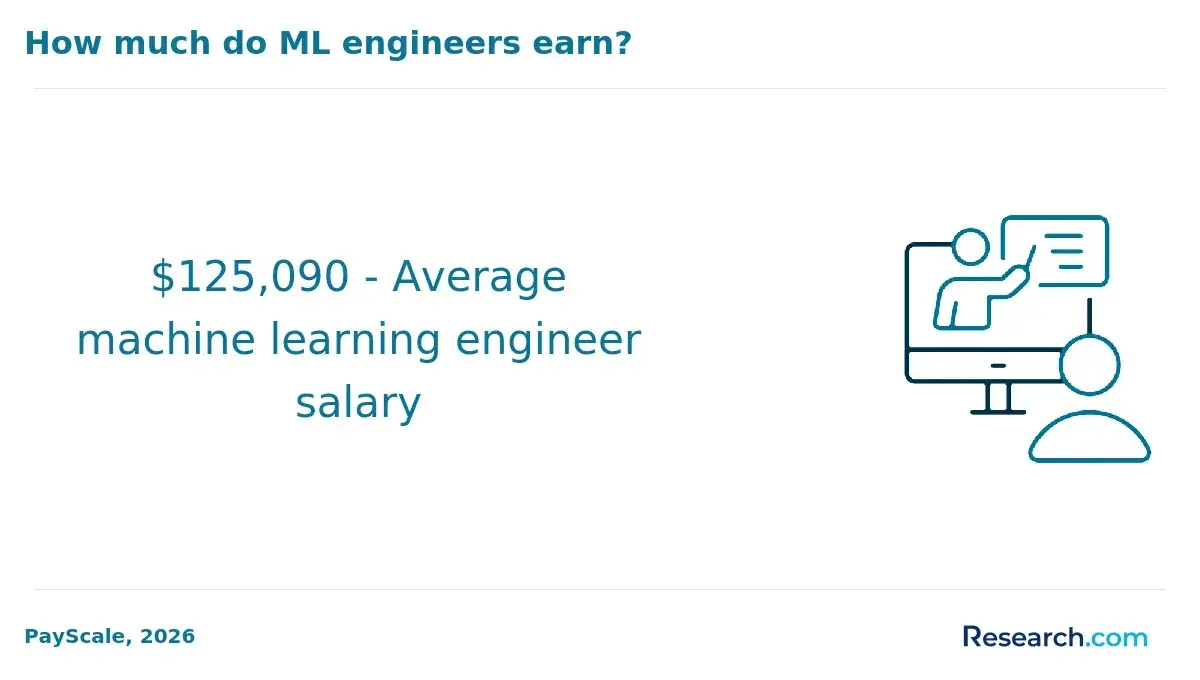
How do online AI certificate programs for faculty compare with campus-based or hybrid options?
Online AI certificate programs for faculty provide unmatched flexibility and accessibility compared to campus-based or hybrid formats. These asynchronous courses allow educators to balance professional growth with existing duties, fitting diverse schedules without geographic limits.
They often include interactive tools such as virtual labs and AI simulation, enhancing practical engagement. Hybrid models blend online and in-person benefits but may cause scheduling conflicts due to required on-site components.
University-hosted AI literacy bootcamps offer structured, immersive training that accelerates faculty adoption of AI in teaching. Data from EDUCAUSE & Every Learner Everywhere's 2024 Generative AI in Teaching Survey revealed a 41% rise in courses integrating AI-supported activities within two academic terms following such bootcamps.
These campus-centered programs also enable hands-on collaboration, direct mentorship, and easy access to specialized software and AI research centers.
Faculty must weigh priorities when choosing among online, hybrid, or campus-based options. Those seeking direct, applied experience with AI tools may favor hybrid or campus programs, while busy professionals often benefit most from fully online courses.
Combining online theory with optional in-person workshops represents a balanced approach, offering flexibility alongside targeted skill development.
- Flexible cohort sizes and wider instructor networks support diverse perspectives in online programs.
- Campus programs provide stronger hands-on collaboration and institutional resource access.
- Hybrid formats attempt to merge benefits but may introduce scheduling challenges.
What are typical admission requirements and time commitments for AI certificate programs for faculty?
Admission requirements for AI certificate programs aimed at higher education faculty typically include a master's degree or higher in a related field. Many programs also seek experience in teaching or curriculum development, focusing on educators actively working in their disciplines.
Basic proficiency in programming languages such as Python or familiarity with data analysis is often required, especially for certificates tailored to STEM or business fields. Faculty members may need to submit a statement of purpose highlighting their goals for incorporating AI into their teaching practice.
Time commitments can vary: shorter programs usually involve 10 to 20 hours of weekly study over 8 to 12 weeks, suitable for balancing with teaching and research duties.
Longer, more intensive options may last six months or a full academic semester and include synchronous sessions, projects, and practical applications designed for specific disciplines. For instance, nursing faculty enrolled in AI-driven clinical decision support courses may face increased hands-on simulation requirements.
Discipline-specific AI certificates are growing rapidly. By late 2024, 57% of U.S. business schools and 43% of engineering colleges offered such targeted development programs, a sharp rise from 21% and 18%, respectively, in 2022, according to the AACSB & ASEE joint snapshot.
Faculty pursuing these certificates should expect a balance of theory and applied skills, with flexible pacing to accommodate varied professional workloads and academic backgrounds.
How much do AI courses with certificates for higher education faculty cost, and is funding available?
The cost of AI courses with certificates for higher education faculty varies broadly, generally between $500 and $3,000 per program. Pricing depends on factors like course duration, depth of content, and credential type.
For instance, shorter professional development certificates can be priced under $1,000, whereas extensive leadership programs focused on AI and data analytics may surpass $2,500. Additional costs sometimes include specialized software or assessment fees.
Many faculty members can reduce expenses by utilizing internal professional development funds or tuition reimbursement provided by their institutions. Educational technology grants, fellowships, and partnerships with research centers often offer subsidized options. Scholarships from academic societies emphasizing AI or STEM education are also valuable resources.
Notably, 38% of provosts and deans reported participation in AI or data-analytics leadership courses, and these leaders were twice as likely to have institution-wide AI guidelines established, according to the American Council on Education's Pulse Point Survey. This underscores the strategic importance of certified AI education in leadership roles.
Faculty exploring financial assistance should consider:
- Internal professional development budgets at their institutions.
- Educational technology grants and fellowships.
- Collaborations with research centers for subsidized programs.
- Scholarships from academic societies focused on AI or STEM education.
Choosing courses aligned with institutional priorities can increase funding opportunities and enhance certificate value for career advancement and leadership development.
How should faculty evaluate the quality and rigor of AI courses and teaching certificates?
Faculty evaluating AI courses and teaching certificates should focus on curriculum depth, instructor expertise, and institutional reputation. A rigorous course clearly defines learning objectives and balances foundational theory with practical applications, often including hands-on projects with real datasets or coding assignments to demonstrate applied skills.
Instructor qualifications are crucial. Faculty profiles showcasing academic credentials, published research, or relevant industry experience provide insight into course quality. Certificates issued by accredited universities or recognized global platforms reflect structured quality assurance and broader acceptance.
Assessment methods matter: courses must require graded exams, peer reviews, or project presentations to ensure genuine skill development. Transparency about workload and time commitment also signals the program's seriousness. With AI certificate enrollments increasing significantly worldwide, faculty should prioritize offerings with global recognition rather than local or informal certificates.
Practical tips include:
- Verify the inclusion of a portfolio or capstone project to showcase acquired skills.
- Check alignment with recognized AI frameworks, such as those by ACM or IEEE.
- Use standardized rubrics to compare content scope, assessment rigor, and instructor qualifications.
- Evaluating independent course reviews and outcomes further supports informed decisions.
- Prioritizing transparent evaluation criteria and reputable issuing bodies helps ensure a quality investment in AI education.
What new teaching, research, and leadership roles can AI-trained faculty pursue in higher education?
Faculty trained in artificial intelligence expand their roles across teaching, research, and leadership within higher education. In teaching, they design specialized courses on machine learning, data ethics, and AI applications across various fields. They also enhance pedagogy by integrating AI tools like adaptive learning platforms and virtual labs to personalize student experiences.
In research, AI-trained faculty lead interdisciplinary projects tackling complex challenges in science, social sciences, and humanities. They often serve as principal investigators on grants focused on AI models for educational assessment, predictive analytics, and domain-specific issues such as health informatics or environmental monitoring. Their AI expertise opens doors to collaborations with industry and government agencies.
Leadership roles include AI program director, center coordinator, or curriculum committee chair, where faculty drive AI integration strategies, foster partnerships, and support faculty and student development.
According to the IBM Global AI Skills Survey in Education (2024), faculty with advanced AI skills were 2.5 times more likely to gain promotion or expanded roles within 18 months compared to beginners, highlighting the career impact of AI upskilling.
Faculty aiming to stay competitive should pursue certifications offering hands-on experience with AI frameworks while deepening knowledge in ethical AI practices, algorithm transparency, and data privacy. This prepares them for emerging AI governance initiatives and leadership on campus.
Other Things You Should Know About Artificial Intelligence
In 2027, top AI courses for higher education faculty that offer certificates include "AI for Educators" by Stanford, "Artificial Intelligence in Teaching" by MIT, "AI and Machine Learning for Education" by Columbia University, and "Advanced AI Integration for Instructors" by Coursera. These programs focus on practical AI integration strategies for academic environments.
Faculty should be aware of ethical concerns such as data privacy, algorithmic bias, and transparency in AI applications. It is important to ensure that AI systems are used fairly and responsibly, respecting consent and avoiding discriminatory outcomes. Teaching ethical AI use prepares students to handle these challenges in their own work.
Yes, artificial intelligence can tailor learning materials and pacing to individual student needs by analyzing performance data. Adaptive learning platforms use AI to provide customized feedback and instructional content, enhancing engagement and improving educational outcomes. Faculty can leverage these tools to better support diverse learning styles.
Faculty should gain foundational knowledge in AI concepts such as machine learning, natural language processing, and data ethics. Practical skills in using AI-driven educational technologies and critical thinking about AI's implications are also essential. Developing these capabilities enables faculty to design relevant curricula and foster students' AI literacy.
References
- How to Build AI-Ready Courses Without Overloading Your Faculty https://feedbackfruits.com/blog/ai-instructional-design-higher-education
- How Micro-Credentials Can Help You Upskill Fast on AI, Digitalisation and Beyond | EXECUTIVE COURSES https://executivecourses.com/articles/the-rise-of-micro-credentials-how-short-courses-are-redefining-executive-education
- AI and higher education: Understanding faculty roles in teaching, research, and administration https://www.cedtech.net/article/ai-and-higher-education-understanding-faculty-roles-in-teaching-research-and-administration-17406
- The Cost Implications of AI in Postsecondary Education | HESA https://higheredstrategy.com/the-cost-implications-of-ai-in-postsecondary-education/
- AI in Higher Education Professional Certificate https://www.edx.org/certificates/professional-certificate/stellenboschx-ai-in-higher-education
- Generative AI for Educators - Grow with Google https://grow.google/ai-for-educators/
- AI Education Partnerships for Universities https://www.becomeaicertified.com/learning-solutions-for-individuals/for-universities
- Should AI be used for teacher evaluation? https://fordhaminstitute.org/national/commentary/should-ai-be-used-teacher-evaluation
- AI in Education - EU Funding https://eufundingportal.eu/ai-in-education/
- Assuring higher education’s quality in the age of AI is no easy task https://www.eua.eu/our-work/expert-voices/assuring-higher-educations-quality-in-the-age-of-ai-is-no-easy-task.html