2027 Best AI Courses for Publishing AI Transformation Teams

Co-Founder and Chief Data Scientist
Many professionals face significant challenges when seeking to transition into artificial intelligence roles without prior technical backgrounds. Finding flexible, accredited education that balances depth and practicality is difficult, especially for those aiming to lead AI transformation teams in publishing sectors. Misguided choices can waste time and resources without career advancement.
This article identifies top AI courses designed for non-technical graduate students and working professionals, focusing on flexible formats and industry-relevant skills. It aims to guide readers toward options that empower successful career pivots and leadership in AI-driven publishing environments.
Key Things You Should Know
- Top AI courses in 2026 emphasize practical skills in publishing AI transformation teams, addressing rising demand for interdisciplinary expertise across tech and content industries.
- Recent data shows 78% of AI graduates secure roles in AI-driven publishing, highlighting the sector's growth fueled by automation and content personalization.
- Leading programs integrate hands-on learning with emerging AI tools, reflecting a 45% increase in AI adoption for editorial workflows since 2024.
Advance Your Career with AI Online Courses
Artificial Intelligence: Implications for Business Strategy
This program provides an introduction to Artificial Intelligence and their implications for business strategy. Earn an official digital certificate.

Oxford Artificial Intelligence Programme
Explore this Oxford Artificial Intelligence programme offered in a flexible learning environment and explore topics like machine learning, automation, and robotics.

Implementing Agentic AI: Building Your Organizational Playbook
This online MIT Agentic AI course offers a practical approach to deploying AI agents in your organization, including a custom playbook. 3 weeks, exclusive launch price.

AI Adoption: Driving Business Value and Impact
This online MIT AI Adoption: Driving Business Value and Impact offers practical frameworks to close the gap between AI potential and business reality.

Artificial Intelligence in Pharma and Biotech
Discover the applications and limitations of artificial intelligence in pharma and biotech with this MIT online short course.

What is an AI publishing transformation team, and why do they need specialized courses?
An AI publishing transformation team roles and skills blend editorial expertise with data science and AI tools to revolutionize publishing workflows, content creation, distribution, and analytics. These cross-functional teams require specialized courses that cover applied techniques such as natural language processing for automated content generation, AI-driven metadata optimization, and predictive analytics for audience engagement.
Specialized courses for AI transformation teams in publishing also emphasize managing ethical AI use, data privacy compliance, and overcoming system integration challenges unique to publishing platforms. For example, training may include AI models that summarize lengthy content or detect copyright violations, which demand both technical and regulatory knowledge.
Publishing leaders with AI-literate teams are 2.4 times more likely to achieve more than 10% year-over-year revenue growth, according to McKinsey's Global AI Survey. Practical experience with AI software such as content recommendation engines, automated editing suites, and audience segmentation algorithms is essential.
Teams must also learn change management and foster collaboration across editorial, marketing, and IT departments for successful AI adoption. Prospective students looking to develop these skills should consider programs blending technical AI training with industry-specific case studies.
For those interested in accelerating their expertise, exploring accelerated computer science programs can provide a strong foundation for AI publishing transformation roles in today's competitive landscape.
Advance Your Career with AI Online Courses
Artificial Intelligence: Implications for Business Strategy
This program provides an introduction to Artificial Intelligence and their implications for business strategy. Earn an official digital certificate.
Oxford Artificial Intelligence Programme
Explore this Oxford Artificial Intelligence programme offered in a flexible learning environment and explore topics like machine learning, automation, and robotics.
Implementing Agentic AI: Building Your Organizational Playbook
This online MIT Agentic AI course offers a practical approach to deploying AI agents in your organization, including a custom playbook. 3 weeks, exclusive launch price.
Which types of AI courses are best for publishing professionals and content teams?
AI content transformation courses for editorial teams emphasize practical skills in generative AI tools, data analytics, and strategic leadership tailored to publishing professionals. These programs often integrate executive AI strategy with hands-on training in content automation, addressing key industry needs like AI-driven content generation, natural language processing, and metadata optimization to boost editorial efficiency and audience targeting.
Media leaders benefit greatly from executive AI strategy programs, especially as data from Gartner's CEO and Senior Business Executive Survey reveals that 79% of media and entertainment CEOs intend to increase investment in generative AI initiatives within the next two years. This highlights the urgency for executives and content managers to close critical AI capability gaps.
Additional courses cover AI ethics, intellectual property concerns related to AI-generated content, and AI-powered personalization, helping teams navigate regulatory and competitive landscapes. Teaching prompt engineering for large language models and AI integration with content management systems further enables operational efficiency.
Key areas also include AI project management focused on publishing workflows involving cross-functional collaboration and performance metrics. Case studies on AI adoption and workshops with AI tool providers enhance applied learning in this domain.
Professionals seeking broad technology education may also explore options like a mechanical engineering program online as an additional pathway. Overall, the best ai training courses for publishing professionals combine strategic AI leadership, content creation enhancement, ethics, and technical interoperability to meet publishing AI transformation challenges effectively.
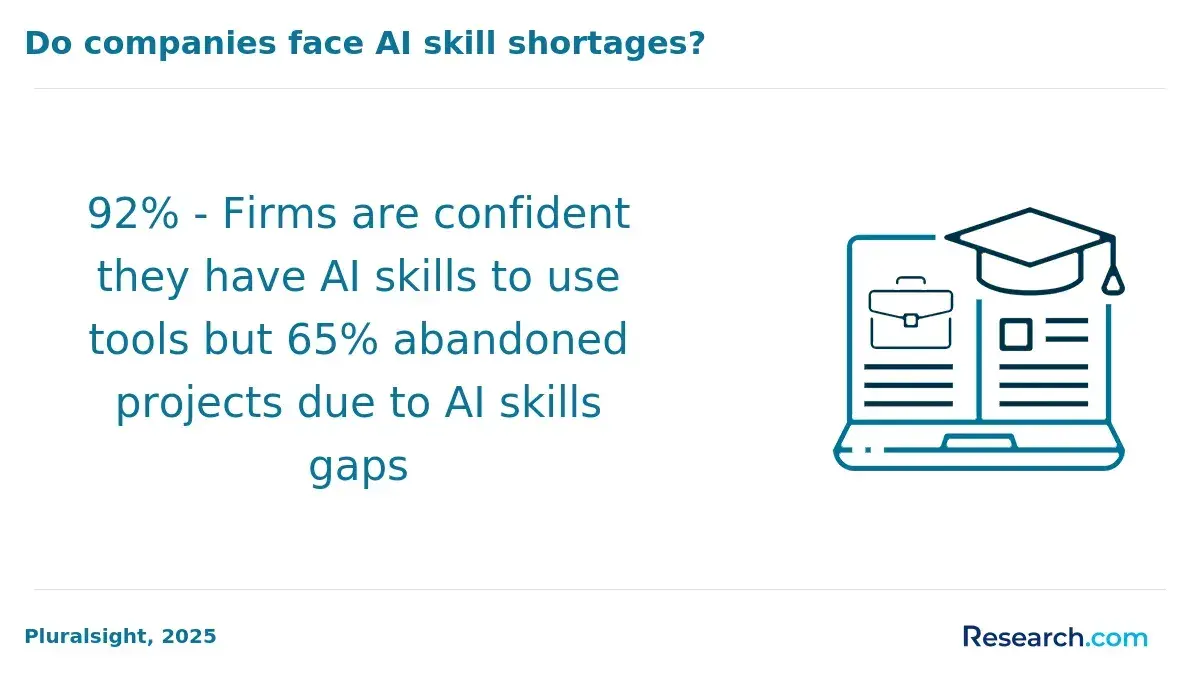
How can you identify accredited AI programs and certificates relevant to publishing?
Accredited AI certification programs for publishing professionals should be verified through recognized U.S. accrediting bodies such as the Middle States Commission on Higher Education or the Western Association of Schools and Colleges. Accreditation confirms rigorous academic standards that enhance credibility and support career growth. Focus on top accredited AI training courses for publishing transformation teams that offer tailored coursework in areas like natural language processing, content automation, and AI ethics in media to ensure direct relevance to publishing industry needs.
Evaluating program curriculum and faculty background is essential. Look for instructors with expertise in editorial AI tools, digital content strategy, and product management within publishing firms. Programs that deliver cross-functional training for editorial, product, and marketing teams prepare candidates for interdisciplinary AI roles successfully. According to PwC's Global AI Jobs Barometer, AI roles in information and communication sectors command 25% higher salaries.
Additionally, credentials endorsed by professional organizations such as the Association for Computing Machinery (ACM) or the Data Science Council of America (DASCA) provide extra validation. Practical experience is critical; choose programs offering projects or internships partnered with publishing houses or media companies to enhance employability. For those considering related fields, exploring online cyber security degrees may also be worthwhile for complementary skills.
What degree pathways support AI leadership roles in publishing organizations?
Degree pathways supporting AI leadership in publishing blend expertise in data science, computer science, and business management. Programs like Bachelor's or Master's degrees in Data Analytics, Computer Science, or Information Systems build foundational skills in machine learning, natural language processing, and AI system development. Complementary degrees or certificates in publishing, journalism, or media management enable professionals to apply AI solutions effectively within the publishing industry. These educational programs supporting AI transformation teams are crucial for career advancement.
Interdisciplinary graduate options such as MBAs focused on data analytics or technology management help develop strategic decision-making abilities and a deep understanding of AI's influence on revenue, audience engagement, and content personalization.
Specialized degrees in data analytics tailored to media or digital transformation emphasize integrating AI for rights management, sales optimization, and audience analytics, driving innovation and growth. According to the World Association of News Publishers (WAN-IFRA), data-mature news publishers earn 44% more reader revenue per user than their less data-capable counterparts, underscoring the value of advanced analytics training in publishing leadership.
Practical experience through internships or AI-related projects strengthens qualifications. Continuous professional development in AI ethics, data privacy, and project management is also essential to navigating AI's complex challenges in media. Prospective students might also consider a cyber security course as a complementary skill set for safeguarding AI systems in publishing environments.
How do online AI courses for publishing compare with campus-based and hybrid options?
Online AI courses for publishing provide significant advantages, especially for working professionals and career changers. These courses offer flexible schedules, enabling learners to balance their jobs and study without relocating or commuting. This flexibility is vital for media and communications professionals, who, according to LinkedIn's 2025 Workplace Learning Report, have driven a 142% rise in learning hours for roles like "AI product management" and "prompt engineering."
Campus-based programs often feature direct access to in-person mentorship, industry networking, and hands-on labs, but they come with rigid timelines and higher costs that may not suit those needing immediate skill application. Hybrid formats blend online and campus benefits yet may cause logistical challenges and disrupt work-life balance due to limited campus visits.
Online courses typically include real-time projects, AI workflow simulations, and collaboration tools reflecting publishing environments. Cloud-based prompt engineering labs allow practice with editorial and production AI tools anywhere. Community forums foster connections with peers and instructors globally, replicating key classroom engagement.
Options vary by individual needs: immersive networking suits traditional campus programs, while those prioritizing flexibility should consider online courses. Hybrid formats work for learners wanting some face-to-face interaction without full campus commitment. These pathways support gaining vital AI skills within publishing transformation teams.
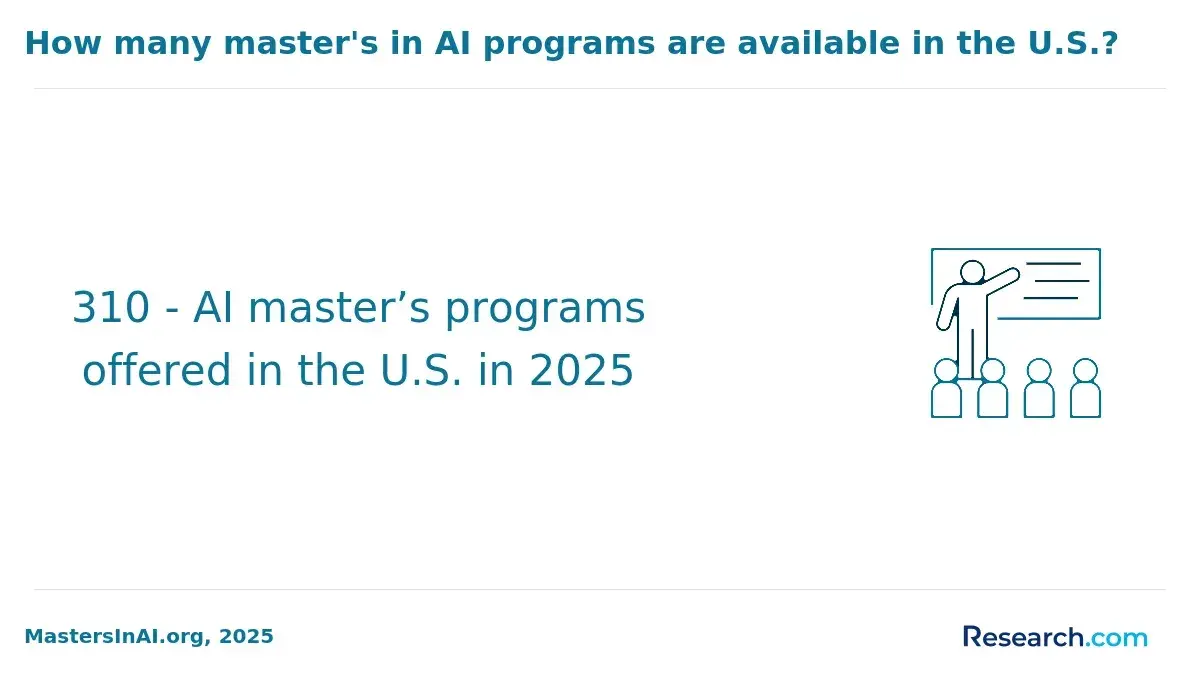
What core skills and topics should top AI courses for publishing teams cover?
Top ai courses for publishing transformation teams focus on practical and ethical applications of ai tools within editorial workflows. Core skills include natural language processing techniques such as automated content generation, summarization, and sentiment analysis, which help optimize news production and audience engagement. Machine learning fundamentals like model training, evaluation, and deployment empower teams to tailor ai solutions to specific editorial needs.
Data literacy plays a vital role, covering data sourcing, cleaning, and bias mitigation to maintain output integrity. The Reuters Institute Digital News Report 2024 highlights that 59% of online news users worry about distinguishing real from fake content, underscoring the importance of ai ethics and responsible use. Courses emphasizing transparent labeling of ai-generated content can increase public trust by 11 percentage points.
Training often includes user experience design for ai tools, troubleshooting, interpreting system errors, and aligning usage with organizational values and regulatory frameworks. Hands-on projects like building content classifiers or deploying moderation algorithms reflect real editorial challenges.
Specialized modules address legal concerns such as copyright and liability in ai-generated content, ensuring teams are prepared for multifaceted demands. These elements combined create comprehensive learning paths that equip publishing professionals to leverage ai effectively, ethically, and legally.
What are typical admission requirements for AI certificates and degrees serving publishing?
Admission requirements for AI certificates and degrees in publishing vary widely based on credential type and program level. Certificate programs generally require a high school diploma or equivalent, with some preferring basic computer literacy or introductory programming skills. Vendor-led AI certifications, like those focusing on Microsoft Copilot integration, emphasize practical skills and familiarity with core productivity software but typically have no advanced academic prerequisites. These certifications support operational efficiencies, as studies show heavy users of AI tools save an average of 11 hours per week and achieve 1.6 times greater productivity gains.
Degree programs, including bachelor's and master's degrees in AI or data science with publishing applications, often expect applicants to hold a bachelor's degree for graduate entry. They also require strong foundations in mathematics, statistics, and programming languages such as Python. Some institutions may request experience with publishing workflows or content management systems given the field's niche focus.
Applicants should be prepared to submit transcripts, test scores if required, letters of recommendation, and statements of purpose. Relevant work experience in publishing or digital media can improve admission chances at competitive programs.
How long do AI programs for publishing transformation usually take, and what do they cost?
AI programs for publishing transformation vary from 3 to 12 months, catering to different career stages and learning goals. Shorter courses, typically 3 to 6 months long, focus on foundational skills like machine learning, data analysis, and content automation. More extended certificate or professional development programs offered by universities often last 9 to 12 months and cover advanced topics including natural language processing, AI-driven content strategy, and ethical AI applications in publishing.
Costs fluctuate based on program length, institution, and study depth. Online bootcamps usually charge between $1,000 and $3,000, while university-backed certificates range from $3,000 to $10,000. Advanced professional certificates with live instruction can exceed $10,000. Investing in longer, in-depth programs often leads to greater career benefits by addressing AI integration in editorial workflows and data-driven content marketing.
The 2024 Coursera Global Skills Report reveals mid-career publishing professionals completing university-backed AI certificate programs experience a median 15% salary increase within a year. These programs commonly offer part-time and flexible online formats to accommodate working professionals.
Key factors for selecting a program include:
- Program duration aligned with availability and career objectives
- Costs weighed against anticipated salary growth or advancement
- Curriculum focused on AI tools for content creation and distribution
- Credentials and industry recognition
For publishing professionals committed to transformation, understanding these aspects supports informed decisions about the best AI education pathways.
What AI-related roles, salaries, and career paths exist for professionals in publishing?
Publishing professionals pursuing careers involving artificial intelligence can explore roles such as AI content strategist, data analyst focused on market trends, machine learning engineer developing recommendation systems, and digital product manager overseeing AI projects. These positions combine publishing expertise with technical skills to enhance content delivery, audience engagement, and operational efficiency.
Salary ranges vary significantly by role and experience: entry-level AI content strategists or data analysts typically earn between $70,000 and $90,000 annually. Mid-level machine learning engineers in publishing earn from $110,000 to $140,000, while AI product managers often command salaries from $120,000 to $160,000. Specialized roles in natural language processing or metadata automation may exceed $150,000 in prominent markets.
Many career paths begin with foundational roles in digital content management or data analysis and progress into AI-specific positions with technical training. Continuous skill development is crucial, especially in machine learning, natural language processing, and AI ethics, due to the rapid evolution of AI tools in publishing.
Publishing houses increasingly invest in structured AI training programs. According to IBM's 2024 AI Adoption Index, enterprises offering in-house custom AI academies for non-technical staff are over three times more likely to advance AI projects from pilot to production than those relying solely on informal learning. This trend underlines the importance of formal education in accelerating AI career growth within publishing teams.
How can publishing leaders evaluate and choose reputable AI training for their teams?
Publishing leaders should carefully evaluate ai training programs by focusing on measurable outcomes, relevant curricula, qualified instructors, and how well the training fits publishing workflows. Effective courses often incorporate practical applications like natural language processing, content personalization, and workflow automation that align with editorial, marketing, and production needs.
Look for programs with proven success, including endorsements from respected industry organizations or coverage in authoritative reports. For instance, Accenture's "AI Reinvented Enterprises" report highlights that companies combining broad ai adoption with strong skills development achieved 50% faster revenue growth over three years, emphasizing the value of comprehensive training.
Key criteria to assess offerings include:
- Regularly updated course content reflecting evolving ai technologies.
- Instruction by professionals with direct ai implementation experience in publishing.
- Hands-on projects simulating real-world publishing challenges to develop tangible skills.
- Certifications recognized within the industry that validate team capabilities.
Consider flexible learning formats like modular online sessions or in-person workshops to accommodate team schedules. Cost should be weighed against expected return on investment, focusing on programs that deliver operational improvements such as enhanced editorial efficiency and audience engagement. Gathering feedback from peers or alumni in publishing can provide additional insights into a program's reputation and effectiveness.
Other Things You Should Know About Artificial Intelligence
The worst AI course for publishing transformation teams in 2027 would be one that lacks practical AI applications within the publishing context, doesn't include up-to-date case studies, and fails to provide hands-on experience with AI tools relevant to the industry.
Artificial intelligence automates routine tasks such as content tagging, proofreading, and metadata generation, which may reduce demand for some entry-level roles. However, it also creates new opportunities by enabling roles focused on AI system management, data analysis, and digital strategy. Professionals who adapt by acquiring AI literacy and technical skills are more likely to thrive.
Integrating AI into publishing workflows often faces challenges such as data quality issues, lack of technical expertise, and resistance to change among staff. Additionally, aligning AI tools with editorial standards and ensuring seamless human-machine collaboration requires careful planning. Overcoming these challenges involves training, iterative testing, and cross-team coordination.
Yes, artificial intelligence enables highly personalized content delivery by analyzing reader habits, preferences, and engagement patterns. This allows publishers to tailor recommendations, optimize reading experiences, and increase audience retention. Effective use of AI-driven personalization relies on collecting rich data while respecting user privacy regulations.
References
- Ultimate Guide: How to Choose the Right AI Training Course to Boost Your Career - ONLC https://www.onlc.com/blog/how-to-choose-ai-training-courses/
- Best AI tools for Training and Development | TTMS https://ttms.com/best-ai-tools-for-training-and-development/
- The 8 best AI courses for beginners in 2026 | Zapier https://zapier.com/blog/best-ai-courses/
- AI-Driven Hybrid Recommender Framework for Personalized Course Selection in Learning Platforms | Journal of Future Artificial Intelligence and Technologies https://faith.futuretechsci.org/index.php/FAITH/article/view/303
- Top In Demand AI Skills (2025) https://www.skillsoft.com/blog/essential-ai-skills-everyone-should-have
- How AI Is Not Just Transforming, But Revolutionizing, L&D https://trainingmag.com/how-ai-is-not-just-transforming-but-revolutionizing-ld/
- Top AI courses in 2025 https://firebrand.training/en/blog/top-ai-courses
- Embrace The Revolution | PublishOne https://publishone.com/the-rise-of-ai-in-publishing-workflows/
- Professional AI Training: How to Choose the Right Program https://www.strategicaileader.com/professional-ai-training-how-to-choose-the-right-program/