2027 Best AI Courses for Public Communications Teams

Co-Founder and Chief Data Scientist
Public communications teams face increasing pressure to harness artificial intelligence tools effectively amid rapid technological advances. Many professionals lack tailored training that bridges their existing skills with AI applications specific to communication strategies. Without proper education, organizations risk mismanaging AI integration, leading to inefficiencies and lost opportunities in engagement and messaging. This article reviews top AI courses designed for public communications professionals, focusing on flexible, accredited programs that support career pivots. It aims to guide readers toward informed decisions by highlighting options that enhance practical expertise and strategic application in dynamic communication environments.
Key Things You Should Know
- Top AI courses for public communications in 2026 emphasize practical skills like natural language processing, with 65% of programs including hands-on media applications.
- Market demand for AI-savvy communicators is growing, with public relations roles requiring AI proficiency expected to rise by 40% through 2028.
- Leading courses incorporate ethics and bias mitigation, reflecting industry standards and ensuring responsible AI use in public messaging and crisis communication.
Advance Your Career with AI Online Courses
Artificial Intelligence: Implications for Business Strategy
This program provides an introduction to Artificial Intelligence and their implications for business strategy. Earn an official digital certificate.

Oxford Artificial Intelligence Programme
Explore this Oxford Artificial Intelligence programme offered in a flexible learning environment and explore topics like machine learning, automation, and robotics.

Implementing Agentic AI: Building Your Organizational Playbook
This online MIT Agentic AI course offers a practical approach to deploying AI agents in your organization, including a custom playbook. 3 weeks, exclusive launch price.

AI Adoption: Driving Business Value and Impact
This online MIT AI Adoption: Driving Business Value and Impact offers practical frameworks to close the gap between AI potential and business reality.

Artificial Intelligence in Pharma and Biotech
Discover the applications and limitations of artificial intelligence in pharma and biotech with this MIT online short course.

What do AI courses for public communications teams cover and who are they best for?
AI courses for public relations professionals focus on practical uses of generative AI tools, data analysis for audience insights, and ethical concerns in automated messaging. These programs teach how to integrate AI into content creation, media monitoring, sentiment analysis, and crisis management. They also emphasize tailoring communication strategies across digital platforms to boost engagement through real-time analytics and predictive trends.
The skills taught in artificial intelligence courses for communications teams range from foundational AI principles to advanced AI-driven campaign optimization and ethical governance. These courses suit PR professionals, communications managers, and digital marketing specialists aiming to enhance technical expertise and strategic decision-making in managing public perception and brand messaging.
Research shows 60% of PR professionals already use generative AI tools weekly, yet only 14% have formal training. Without structured education, teams risk misusing AI, potentially harming brand reputation or violating data privacy. Typical curricula include:
- Understanding generative AI capabilities and limitations
- Designing AI-assisted content creation workflows
- Data visualization and interpreting AI-generated insights
- Legal and ethical frameworks surrounding AI use
- Hands-on experience with leading AI communication platforms
Choosing courses that align with one's role-whether technical execution or strategic oversight-maximizes career relevance. For those considering the financial outlook, exploring the artificial intelligence degree salary can provide valuable insights into the benefits of formal AI education.
Advance Your Career with AI Online Courses
Artificial Intelligence: Implications for Business Strategy
This program provides an introduction to Artificial Intelligence and their implications for business strategy. Earn an official digital certificate.
Oxford Artificial Intelligence Programme
Explore this Oxford Artificial Intelligence programme offered in a flexible learning environment and explore topics like machine learning, automation, and robotics.
Implementing Agentic AI: Building Your Organizational Playbook
This online MIT Agentic AI course offers a practical approach to deploying AI agents in your organization, including a custom playbook. 3 weeks, exclusive launch price.
How can AI training improve outcomes for PR, marketing, and government communications teams?
AI training empowers PR, marketing, and government communications professionals by enabling strategic use of data-driven tools that enhance message targeting, audience insights, and campaign efficiency. Teams skilled in AI can apply natural language processing to analyze public sentiment in real time, allowing rapid, informed adjustments that reduce crisis response times and build public trust through accuracy and timeliness. Improving government communications with AI skills also ensures ethical use of data, which is crucial for transparency and privacy.
In marketing, AI capabilities optimize content personalization and customer segmentation, raising engagement and conversion rates. For instance, trained teams can automate social media monitoring to spot trends or risks early and adjust strategies accordingly. Such AI training benefits for PR and marketing professionals translate into measurable business results. McKinsey's 2024 Global AI Survey found organizations with AI-trained senior leaders are over twice as likely to report revenue growth exceeding 10% from AI initiatives. Practical advantages include:
- Improved media targeting using predictive analytics
- Enhanced crisis communication through automated sentiment analysis
- More effective stakeholder engagement by tailoring messages dynamically
- Efficient resource allocation by automating repetitive tasks
- Increased competitiveness through data-driven decision-making
For those seeking to expand their skills, accessing a cheapest online engineering degree program offering AI education can be a practical step toward career advancement. This training transforms raw data into actionable insights, elevates message precision, and ensures compliance with evolving regulations, directly improving public visibility, stakeholder trust, and overall campaign effectiveness.
What types of AI programs are available for communications teams (certificates, degrees, bootcamps)?
Communications teams benefit from various AI certificate programs for communications professionals, including certificates, degrees, and bootcamps tailored to specific career needs. Certificate programs focus on practical skills like prompt engineering, content generation, and ai marketing tools, lasting from weeks to months. These provide hands-on experience without requiring a lengthy time commitment.
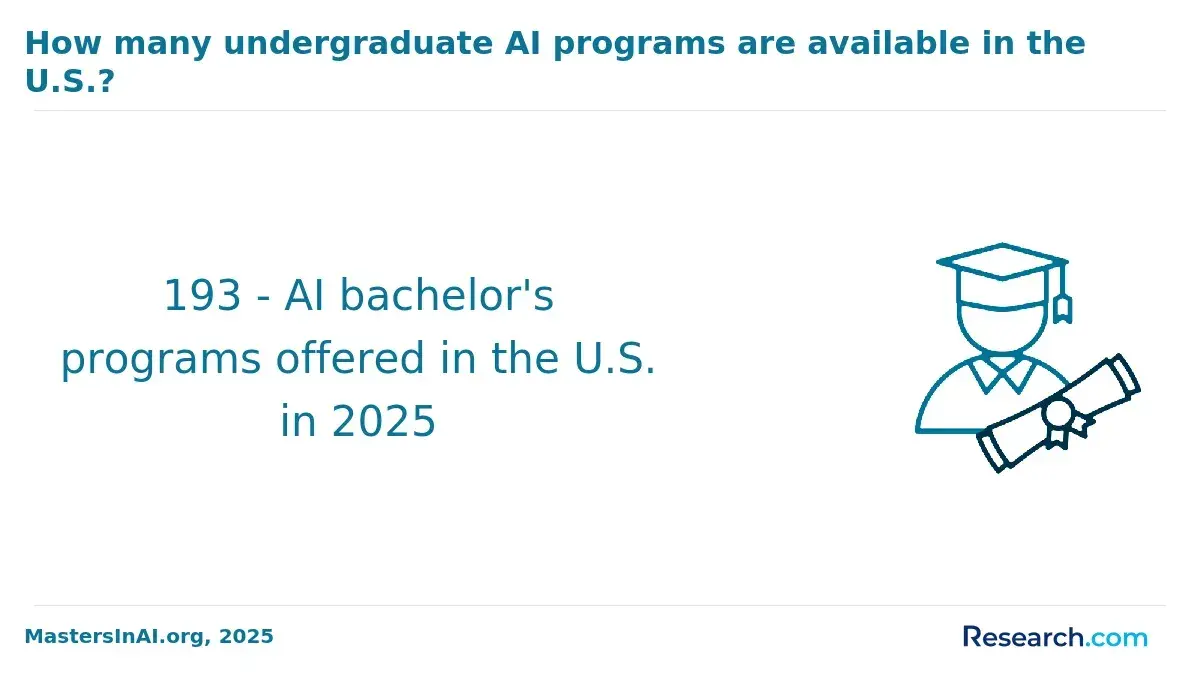
Degree programs, such as bachelor's or master's degrees with a communications or marketing focus integrating ai coursework, offer comprehensive knowledge for long-term career growth. They require more time and financial investment-often spanning 1 to 4 years-and suit those aiming for broader strategic roles. For those interested in specialized training, explore options like a game development degree online program, which illustrate how focused academic paths can be designed.
Bootcamps deliver intensive, hands-on training over days or months, focusing on immediate skill acquisition in areas such as prompt engineering, data analytics, and ai content creation-ideal for quick upskilling or reskilling public relations teams.
According to a HubSpot report, communicators who use prompt-engineering techniques create content 3.5 times faster and boost campaign output by 42% without adding staff. This highlights the value of practical courses for driving efficiency in communications.
When selecting programs, consider your skills, time, and goals. Bootcamps and degrees in ai for public relations teams both offer distinct advantages depending on your career objectives and timeline.
How do online, hybrid, and on-campus AI courses compare for busy communications professionals?
Online, hybrid, and on-campus AI courses each present unique benefits for busy communications professionals striving to balance tight schedules and evolving skill needs. Online courses offer the greatest flexibility by providing asynchronous access, which suits those seeking rapid upskilling in AI-driven media analytics. According to the 2024 Cision "State of the Media" report, 68% of communications teams using AI analytics report improved accuracy versus 32% relying on manual methods. However, this format requires strong self-discipline and offers limited real-time interaction, which can challenge those who thrive in collaborative settings.
Hybrid courses blend in-person sessions with online components, making them ideal for communications teams who want real-time discussion and networking alongside some scheduling flexibility. This format supports hands-on experience with AI tools while accommodating ongoing work commitments. Fully on-campus courses provide immersive, structured learning with direct access to instructors and peers, well suited for those seeking deeper AI theoretical knowledge or advanced modeling techniques.
Prospective students should evaluate their job demands, learning preferences, and desired depth of AI expertise to select the best fit. For those considering formal credentials, exploring a comprehensive computer science bachelor degree online can broaden opportunities within AI applications for communications.
Each training format delivers practical AI skills vital to modern communications roles, making alignment with individual goals essential when choosing among online, hybrid, and on-campus AI courses for busy communications professionals.
What core skills and topics should the best AI communications courses include in their curriculum?
Top ai communications courses emphasize practical skills in data analysis, natural language processing, and ethical technology use. Core topics include machine learning algorithms that drive social listening tools, which help teams quickly interpret sentiment trends and detect emerging issues. Deloitte's 2024 Reputation Risk Survey highlights that companies using AI-driven early-warning systems are 33% more likely to contain reputational crises within 48 hours, underlining the importance of proficiency in crisis detection and response.
Training also covers content generation methods like prompt engineering for language models, enabling communicators to craft precise, tailored messages. Courses address bias detection and mitigation to maintain inclusive and trustworthy communication. Scenario planning exercises and simulations enhance readiness for real-world reputation challenges supported by AI.
Knowledge of data privacy laws and regulatory compliance related to ai in public communications is crucial for navigating legal complexities. Effective collaboration tools integrating ai insights with marketing, legal, and executive teams improve decision-making speed and accuracy.
Programs blend theory with hands-on labs that use social media datasets and ai platforms. Students learn to operate monitoring dashboards, automate reports, and adapt to real-time analytics. Case studies from industries such as healthcare and finance help refine crisis management strategies, ensuring graduates can customize ai applications to specific sector needs.
How can you evaluate accreditation, instructor expertise, and program quality for AI courses?
Confirming accreditation from recognized U.S. agencies such as the Council for Higher Education Accreditation (CHEA) or the U.S. Department of Education is a critical step when choosing an AI course for public communications professionals. Accreditation guarantees that the program adheres to rigorous standards and enhances the credibility of your certificate or degree.
The quality of instruction is equally important. Prioritize instructors with advanced degrees in AI-related fields or substantial industry experience applying AI in communications, marketing, or public relations. Faculty involved in AI ethics committees or with published research typically bring valuable real-world perspectives. This information is often available on official websites or LinkedIn profiles.
Program quality should also be evaluated through the curriculum, especially its focus on AI ethics, legal frameworks, and governance. According to IBM's 2024 Global AI Adoption Index, 74% of organizations identify ethical or regulatory challenges as major obstacles to scaling AI, yet only 29% provide formal training on these issues to communications staff. Programs addressing this gap with dedicated ethics modules offer stronger preparation.
- Look for practical hands-on projects and case studies tied to public communication challenges.
- Ensure course content is current with evolving AI regulations and market trends.
- Review student testimonials and outcomes, emphasizing job placement and AI skill application in campaigns.
Online Delivery of AI Programs, by Institution Type

What are typical admission requirements, time commitments, and costs for AI upskilling programs?
Admission to AI upskilling programs in public communications usually requires a bachelor's degree or equivalent professional experience. Many programs prefer candidates with backgrounds in communications, public administration, or digital media, though motivated learners from diverse fields may also qualify. Advanced courses may ask for foundational data analysis or programming skills, especially in Python, but many entry-level courses welcome beginners without technical knowledge.
Program lengths vary significantly: short certificates and workshops last 4 to 12 weeks, demanding 3 to 8 hours per week, ideal for working professionals seeking flexibility. More extensive diplomas or nanodegrees typically run up to 6 months with 5 to 10 weekly hours. Graduate-level degrees often require 1 to 2 years of part-time study.
Costs range from free MOOCs to premium degrees. Basic AI communication certifications cost $200-$1,000, professional diplomas fall between $2,000 and $8,000, while graduate programs exceed $10,000. Scholarships and employer-funded options are commonly available to support learners.
Specialized courses for government, nonprofit, and public sector communicators focus on ethical AI use and citizen engagement strategies. Research shows agencies investing in AI skills training for communication teams see up to a 24% boost in digital engagement within two years. When choosing programs, prospective students should prioritize reputation, relevant curriculum, and hands-on projects for meaningful professional impact.
Which AI tools and platforms should public communications teams expect to learn in top courses?
Public communications teams benefit from ai courses that emphasize practical tools and platforms with clear workplace applications. Key skills include using ChatGPT for efficient content generation, editing, and personalization. Visual storytelling through generative ai platforms like Midjourney is often a core component, helping professionals craft engaging messages.
Training frequently covers ai-powered analytics tools such as Brandwatch and Meltwater, which monitor public sentiment and campaign success. Social media automation integrated with ai features is also a common focus, streamlining audience targeting and outreach. On-the-job micro-courses targeting specific tools remain crucial for skill advancement.
According to LinkedIn's 2024 Workplace Learning Report, employees completing at least one ai-related micro-course monthly were 39% more likely to be top performers in annual reviews, highlighting the value of continuous, practical learning. Understanding natural language processing (NLP) basics and ai ethics is essential for responsible content management and misinformation avoidance.
Prompt engineering skills for ai text generators and visual platforms enhance output quality. Courses also sometimes include Jasper AI for marketing copywriting and Hootsuite's ai capabilities for social media management, offering a comprehensive approach to ai fluency in communications.
What career outcomes, roles, and promotion pathways can AI training unlock in communications?
Professionals with AI training unlock diverse career paths and advancement opportunities in public communications. Key roles include AI communications strategist, data analyst for media trends, content personalization specialist, and digital engagement manager. These positions leverage AI-driven tools to optimize messaging, analyze audience behavior, and automate routine workflows.
Advancement increasingly depends on AI proficiency. Mastery of AI can lead communications specialists from junior roles to leadership positions such as communications director or chief communications officer focused on data competency. Employers prioritize candidates who show measurable impact using AI, like improving audience targeting or enhancing crisis response times.
AI skills also facilitate cross-functional work, enabling collaboration with marketing, IT, and analytics teams. This bridges communication and technology, making professionals eligible for hybrid roles such as marketing analytics manager or digital transformation consultant.
Organizational investment in AI upskilling is significant. PwC's 2024 Global AI Jobs Barometer reveals that companies allocating at least 10% of learning budgets to AI and data skills gain productivity improvements equivalent to 2.6% of annual payroll costs.
Successful career strategies in communications include staying current with emerging AI tools, pursuing relevant certifications, and demonstrating clear ROI in campaigns. These evidence-based skills differentiate candidates in the competitive talent market.
How can public sector and nonprofit communications teams fund or justify investment in AI courses?
Public sector and nonprofit communication teams can effectively justify investment in AI courses by linking training costs to measurable organizational benefits. Highlighting how AI skills improve operational efficiency, enhance message targeting, and support data-driven decisions strengthens funding proposals. For instance, demonstrating that staff can automate routine communication tasks or analyze public sentiment more accurately emphasizes value.
Funding options include grant applications, mechanical engineer degree and federal workforce development programs that prioritize technology upskilling in public engagement and transparency initiatives. Nonprofits may also seek grants from foundations focused on digital equity or capacity building. Collaborations with academic institutions or government agencies offering subsidized or free instructor-led courses with graded projects can further reduce expenses.
A recent analysis from the Coursera Global Skills Report shows learners completing instructor-led AI courses with graded projects are 48% more likely to use AI skills weekly than those who only watch self-paced videos. This data supports prioritizing interactive course formats to ensure skill application and maximize return on investment.
Cost-benefit analyses outlining potential time savings, improved campaign outcomes, or increased public trust can reinforce these training requests. Identifying communication challenges like handling high social media volumes or tailoring messages to diverse audiences helps target course enrollment. Internal surveys documenting skill gaps bolster the urgency for ai training.
Flexible funding strategies such as phased rollouts and team-based cohorts optimize resources. Emphasizing ai proficiency's role in meeting transparency and accessibility requirements may unlock additional funding streams.
Other Things You Should Know About Artificial Intelligence
In 2027, leading AI courses for public communications teams include 'AI for Communicators' by Coursera, 'AI in Business' offered by edX, and 'Communication-Centric AI Strategies' by LinkedIn Learning. These courses focus on practical applications and strategic implementations of AI in communications.
Communications teams must address issues like transparency, bias, and privacy when deploying AI tools. AI systems can inadvertently perpetuate biases present in training data, affecting messaging fairness and inclusivity. Teams should ensure responsible AI use that respects audience privacy and maintains trust.
The field of artificial intelligence evolves rapidly, with frequent advances in algorithms, applications, and regulations. This dynamic environment requires courses to update curricula regularly to include the latest technologies and ethical standards, ensuring learners gain current and practical skills.
Data quality is critical to the success of AI in communications, as AI algorithms rely heavily on accurate and relevant data inputs. Poor data quality can lead to misleading insights, ineffective automation, and flawed messaging strategies. Maintaining high-quality data improves AI performance and communication outcomes.
References
- Towards Generative AI for Course Content Production: Expert Reflections | European Journal of Open, Distance and E-Learning https://eurodljournal.com/en/articles/10.2478/eurodl-2024-0013
- AI for Comms & PR Professionals https://www.cpra.org.au/events-programs/training/ai-for-comms/
- Career Development Tools: Integrating AI https://hrbrain.ai/blog/career-development-tools-integrating-ai/
- 18 Best AI Tools for Public Relations in 2025 https://prowly.com/magazine/best-ai-tools-for-pr/
- Making the Business Case for AI Investment https://www.techclass.com/resources/learning-and-development-articles/making-business-case-for-ai-how-to-justify-investment
- Harnessing AI Responsibly: A Guide For Nonprofit Leaders < The Nonprofit Alliance https://tnpa.org/harnessing-ai-responsibly-a-guide-for-nonprofit-leaders/
- Best Courses to Use AI for Business Problem Solving and Communication in 2026 - High Bridge Management Academy https://highbridgeacademy.com/best-courses-to-use-ai-for-business-problem-solving-and-communication-in-2026/
- Top In Demand AI Skills (2025) https://www.skillsoft.com/blog/essential-ai-skills-everyone-should-have
- AI in PR courses https://cipr.co.uk/CIPR/CIPR/Learn_Develop/Training/ai_in_pr_courses.aspx
- Best AI Tools for PR Professionals 2026 | PR Technology Guide https://obapr.com/resources/15-ai-tools-for-pr-professionals-2026-complete-guide-to-pr-technology/