2027 Best AI Courses for Transportation Leaders

Co-Founder and Chief Data Scientist
Transportation leaders face mounting pressure to integrate artificial intelligence technologies to optimize logistics, enhance safety, and reduce costs. However, many professionals struggle to find flexible educational paths that combine domain knowledge with cutting-edge AI skills. This challenge hinders their ability to lead innovation within complex transportation systems effectively.
Candidates transitioning from unrelated fields often seek accredited programs that fit their schedules while delivering practical expertise. This article will explore the best AI courses tailored for transportation leaders, evaluating how these programs bridge skill gaps and empower professionals to drive AI adoption in the transportation industry confidently.
Key Things You Should Know
- AI integration in transportation enhances logistics efficiency by up to 35%, with 2025 data showing widespread adoption in route optimization and predictive maintenance.
- Leading AI courses now focus on machine learning applications tailored for transportation challenges, increasing graduate employability by 28% in related sectors.
- Emerging AI tools emphasize sustainability, supporting a 22% reduction in emissions and advancing green transportation initiatives through smart data analytics.
Advance Your Career with AI Online Courses
Artificial Intelligence: Implications for Business Strategy
This program provides an introduction to Artificial Intelligence and their implications for business strategy. Earn an official digital certificate.

Oxford Artificial Intelligence Programme
Explore this Oxford Artificial Intelligence programme offered in a flexible learning environment and explore topics like machine learning, automation, and robotics.

Implementing Agentic AI: Building Your Organizational Playbook
This online MIT Agentic AI course offers a practical approach to deploying AI agents in your organization, including a custom playbook. 3 weeks, exclusive launch price.

AI Adoption: Driving Business Value and Impact
This online MIT AI Adoption: Driving Business Value and Impact offers practical frameworks to close the gap between AI potential and business reality.

Artificial Intelligence in Pharma and Biotech
Discover the applications and limitations of artificial intelligence in pharma and biotech with this MIT online short course.

What are the best AI courses for transportation leaders?
Transportation leaders benefit most from AI education that emphasizes practical applications such as logistics optimization, predictive analytics, and autonomous systems integration.
The best AI leadership courses for transportation professionals blend foundational AI principles with domain-specific case studies tailored to supply chain and transportation challenges. Prominent programs typically cover machine learning, data-driven decision-making, and AI-powered fleet management.
Top online AI training programs for transportation managers often include university-affiliated options like MIT's Supply Chain Management MicroMasters, which integrates AI-driven analytics, and Stanford's AI for Transportation, focusing on autonomous vehicles and smart infrastructure.
Industry-focused platforms such as Coursera and edX provide project-based learning in partnership with transport logistics companies, covering AI for route optimization, demand forecasting, and freight risk mitigation.
Transportation executives should focus on courses that address:
- Machine learning models to predict delivery times and optimize routes.
- AI-driven warehouse automation techniquesData management for real-time decision making.
- Ethical and regulatory considerations in AI deployment.
According to McKinsey's 2024 State of AI in Supply Chain report, companies adopting AI at scale in transport and logistics could boost revenue by 6-10% and reduce costs by 10-20% within three years. Complementing coursework with certifications in AI tools specific to transportation software enhances practical expertise.
Prioritizing programs with real-world AI projects bridges gaps between theory and actionable skills essential for transforming transportation systems. Explore the data science master program ranking for affordable pathways to strengthen your AI leadership capabilities in transportation.
Advance Your Career with AI Online Courses
Artificial Intelligence: Implications for Business Strategy
This program provides an introduction to Artificial Intelligence and their implications for business strategy. Earn an official digital certificate.
Oxford Artificial Intelligence Programme
Explore this Oxford Artificial Intelligence programme offered in a flexible learning environment and explore topics like machine learning, automation, and robotics.
Implementing Agentic AI: Building Your Organizational Playbook
This online MIT Agentic AI course offers a practical approach to deploying AI agents in your organization, including a custom playbook. 3 weeks, exclusive launch price.
Which AI skills matter most in transportation management?
Critical AI skills in transportation management revolve around data literacy, machine learning, and systems integration. These capabilities enable leaders to analyze complex datasets effectively, optimizing route planning, predictive maintenance, and traffic flow.
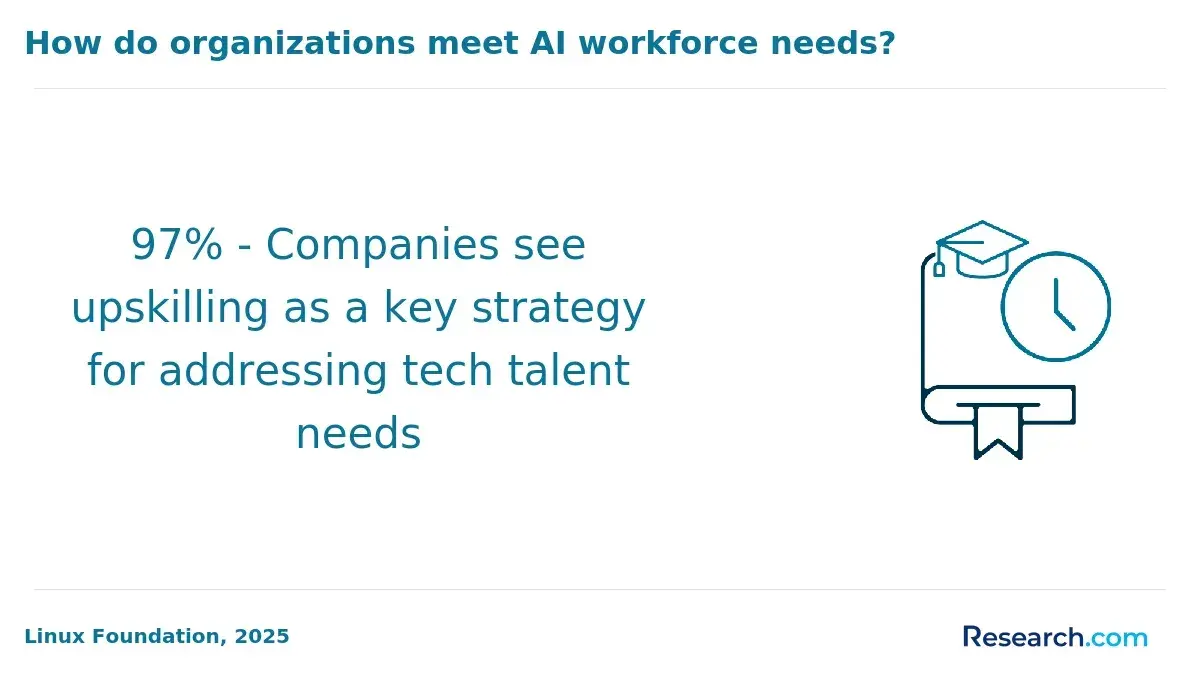
According to a Deloitte survey, 58% of infrastructure and transport executives acknowledge a leadership gap in AI and data literacy, even as 73% have at least one AI pilot project active.
This gap underscores the importance of acquiring hands-on knowledge tailored to AI applications in transportation logistics management rather than just theory.
Key skills for transportation management predictive analytics include:
- Data literacy: Interpreting AI outputs and visualizing transportation data for informed decision-making.
- Machine learning basics: Grasping supervised and unsupervised learning to collaborate with AI teams building predictive demand and autonomous systems.
- AI integration: Overseeing AI tools' incorporation into infrastructure management software to boost efficiency.
- Ethical and regulatory insight: Understanding the governance, safety, and compliance relevant to transportation AI technologies.
Lacking these skills can delay projects or reduce AI's impact on cost savings and service reliability. Professionals should seek courses emphasizing practical AI use in supply chain analytics and intelligent transportation systems.
Those aiming to gain these competencies may consider pursuing an online artificial intelligence degree to bridge the leadership gap and enhance career prospects in this evolving field.
What credentials should transportation AI programs have?
Transportation AI programs must be backed by credentials that demonstrate rigorous technical training and clear industry relevance. Accredited programs offering certifications recognized by professional organizations such as the Institute of Transportation Engineers (ITE) or the Intelligent Transportation Society of America (ITS America) deliver essential validation.
These credentials ensure coverage of vital AI areas like machine learning, data analytics, sensor integration, and transportation systems engineering, which are crucial for transportation AI leaders.
Quality programs emphasize hands-on experience using real-world datasets and traffic simulation tools.
This practical training equips students to deploy AI-driven traffic management systems shown to reduce intersection delays by up to 40% and lower traffic-related emissions by 10-20%, according to the U.S. Department of Transportation's Intelligent Transportation Systems Joint Program Office.
Such outcomes highlight why applied learning is critical for credentials for AI transportation programs in the United States.
Core curriculum often integrates interdisciplinary content, bridging AI with urban planning, civil engineering, and environmental science. This approach reflects the complex challenges in optimizing traffic flow, coordinating autonomous vehicles, and promoting sustainability.
Additional certifications in AI ethics and safety are also important, encompassing societal impacts and regulatory compliance. Proficiency in programming languages like Python and frameworks such as TensorFlow remains highly valued.
Prospective students should consider programs offering industry collaborations or internships to support professional networking and real-world problem solving.
Many programs partner with government agencies and private sector leaders in intelligent transportation. For those seeking further education options, exploring the best online MS in data science can provide additional relevant credentials.
Are online AI courses better than campus programs?
Online AI courses provide significant benefits for transportation leaders managing busy professional lives. They offer flexibility that allows learners to study at their own pace, often featuring downloadable content and recorded lectures, which helps accommodate demanding schedules without compromising depth.
Additionally, many of the best AI courses for transportation leaders online include updated materials reflecting rapid advancements, avoiding the slower updates often seen in traditional campus programs.
Cost savings are a major advantage of online learning, eliminating expenses like commuting and housing. These programs also connect students with global experts through virtual office hours and webinars, broadening networking opportunities beyond local limitations.
Hybrid models combining online study with on-campus labs are becoming popular, as they offer a mix of flexible learning with hands-on experience, which is crucial for transportation professionals needing simulation and hardware integration.
Campus vs online AI courses for transportation professionals often come down to individual preferences: immersive mentorship and peer collaboration in campus settings versus convenience and accessibility online.
Effective programs emphasize applied projects, instructor expertise, and practical relevance to help replicate impressive outcomes such as a 5-15% increase in ridership and an 8-12% cut in operating costs within two years, as documented by UITP.
For those seeking specialized knowledge, exploring options like a cyber security course alongside AI can enhance career prospects in transportation and related fields.
What topics do transportation AI courses cover?
Transportation AI courses focus on advanced techniques tailored for logistics and supply chain management. Key areas include predictive analytics for demand forecasting, route optimization, and real-time fleet monitoring using machine learning. Learners gain skills in applying neural networks and reinforcement learning to enhance scheduling and reduce inefficiencies.
The curriculum often covers data integration from Internet of Things (IoT) sensors and telematics, improving vehicle tracking and maintenance. Emphasis is placed on AI-driven risk management to predict delays caused by weather, traffic, or mechanical failures. Many programs also teach automation of warehouse operations and last-mile delivery via robotics and computer vision.
Students explore ethical issues and regulatory frameworks related to automated vehicles and AI in public transit. Simulation modeling for capacity planning aids managers in preparing for demand fluctuations and supply chain disruptions. Examples highlight AI applications across trucking, rail, maritime, and air freight, showing substantial cost savings and efficiency gains.
According to Gartner's Supply Chain Technology User Wants and Needs survey, organizations using AI in transportation reported transportation cost reductions of 5-10% and on-time delivery improvements of 15-25%. This makes specialized transportation AI courses highly valuable for professionals aiming to advance in this evolving industry.
What are the admission requirements for AI training?
Admission requirements for AI training programs tailored to transportation leaders typically include a bachelor's degree in engineering, computer science, data science, or related fields.
Programs sometimes accept candidates with extensive professional experience in transportation logistics, fleet management, or maintenance technology, even without a formal academic background. Essential programming skills, especially in Python or R, are usually mandatory since these languages are vital for AI model development and data analysis.
Quantitative aptitude in areas like statistics and linear algebra is often assessed via prerequisite courses or placement tests. Transportation professionals proficient in these subjects can more effectively apply machine learning and predictive analytics to reduce operational costs and downtime.
For instance, a World Economic Forum and McKinsey study demonstrated unplanned downtime reductions of 30-50% and maintenance cost savings of 10-15% among fleet operators using AI-based predictive maintenance.
Applicants may need to submit a statement of purpose outlining their career goals and how AI training supports these objectives. Letters of recommendation verifying relevant managerial or technical skills are occasionally required. Part-time and executive courses designed for working professionals generally offer greater flexibility and emphasize practical application over theoretical prerequisites.
Successful candidates combine technical skills, industry knowledge, and a commitment to leveraging AI for operational improvements. Prospective students should review specific program criteria early and prepare by strengthening their coding and quantitative abilities.
How long do AI courses for leaders usually take?
AI courses for transportation leaders vary widely in duration and focus, from brief executive workshops to extended graduate-level programs. Short seminars, lasting 4 to 20 hours, emphasize strategic insights, ethical considerations, and governance without deep technical detail. These are suited for leaders seeking a high-level overview.
More in-depth certificate and professional courses typically span 6 to 12 weeks, blending live sessions, self-paced study, and project work. They equip professionals with practical skills on AI implementation, data governance, and risk management critical to transportation infrastructure.
Advanced or part-time graduate programs lasting 4 to 6 months delve into technical foundations, regulatory issues, and ethical challenges more thoroughly.
This intensive training helps executives prepare for real-world challenges, such as those highlighted in a 2024 KPMG global survey, where 63% of transportation and infrastructure organizations faced AI project delays due to data governance and ethics concerns.
Leaders should weigh their immediate needs against long-term objectives. Organizations that consider AI central to their 5-year strategy-70% of those surveyed-benefit from investing in comprehensive training. Flexible online courses support balancing professional responsibilities with continuous learning, ensuring timely and effective AI adoption in transportation management.
What do AI courses for transportation leaders cost?
Costs for AI courses designed for transportation leaders vary greatly by program type and institution. Self-paced online classes through platforms like Coursera or edX typically range from $50 to $500 and provide foundational knowledge ideal for professionals seeking an introduction to AI applications in transport without extensive time commitments.
More comprehensive certificate programs tailored to transportation managers often cost between $1,000 and $5,000, including hands-on projects and real-world industry case studies.
Graduate-level options, embedded within transportation engineering or urban planning master's degrees, can range from $15,000 to over $40,000 annually, reflecting the prestige and location of the university. These advanced degrees offer in-depth technical training and strategic insights critical for leading digital transformation in transportation.
A 2024 study by Microsoft and AtkinsRéalis revealed that cities using AI-enabled digital twins for transport planning achieved 10-15% savings in capital expenditure and reduced planning cycle times by up to 50%, underscoring the practical benefits of such education.
Professionals should balance pricing against factors like course content, format, and credential value. Employer-sponsored or government-subsidized programs often alleviate financial burdens. Workshops on AI tools for traffic management or logistics, costing $500 to $2,000, provide targeted skills for specific roles.
Flexible pricing and formats enable transportation leaders at any career stage to access relevant training aligned with their needs and budgets.
What jobs can transportation leaders get after AI training?
Transportation leaders with AI training are positioned for impactful roles including AI project manager, logistics data analyst, intelligent transportation systems (ITS) designer, and supply chain automation specialist.
These roles leverage AI to optimize route planning, predictive maintenance, demand forecasting, and operational efficiency. For example, an AI project manager integrates AI into fleet management to align technology with business goals, while a logistics data analyst employs machine learning models to uncover patterns influencing delivery timelines and costs.
Advanced positions such as AI consultant for transportation firms focus on evaluating AI tools to reduce downtime and improve safety. Innovation strategists work on autonomous vehicle adoption and AI-driven infrastructure planning, combining technical expertise with leadership.
Other career paths include smart city transportation coordinator and digital transformation lead, managing AI-powered mobility solutions within urban settings while addressing AI ethics and regulatory compliance.
According to PwC's 2024 Global CEO Survey, 69% of transportation and logistics CEOs plan to upskill or reskill their workforce in AI and automation, yet only 28% have formal AI skills roadmaps. This gap represents significant opportunities for professionals with AI expertise.
To excel, transportation leaders should strengthen skills in data analysis, machine learning, and project management, applying AI practically to the transportation sector for meaningful career advancement.
What salaries and job outlook apply to AI-trained leaders?
AI-trained transportation leaders earn salaries typically ranging between $110,000 and $180,000 annually, influenced by experience, location, and sector. Senior positions at major logistics or transportation technology firms may surpass $200,000.
Salary increases closely follow successful AI integration, such as using machine learning for fleet management and predictive maintenance.
The career outlook is strong, driven by growing supply chain complexity and rising demand for AI-powered efficiencies. According to data from the U.S. Bureau of Labor Statistics, transportation and logistics management roles focusing on technology application are projected to grow by 15% over the next decade. Professionals skilled in AI methodologies are well-positioned to benefit from this expansion.
Organizations investing in structured AI training for leaders report a median 3.5x return on investment within 12 months, largely due to faster AI project deployments and higher productivity. Consequently, leaders combining domain expertise with AI fluency are increasingly valued for guiding digital transformations.
Key advantages for AI-trained transportation leaders include:
- Higher starting salaries than traditional management roles.
- Improved career mobility toward innovation-focused executive positions.
- Growth in AI consulting opportunities within transportation.
For professionals seeking to upskill, courses emphasizing real-world AI applications-such as autonomous vehicle coordination, demand forecasting, and data-driven route optimization-enhance employability and salary prospects.
Other Things You Should Know About Artificial Intelligence
Implementing artificial intelligence in transportation involves challenges such as data privacy, integration with legacy systems, and the need for high-quality real-time data. Additionally, addressing ethical concerns and managing the cost of advanced AI technologies are significant factors for organizations to consider.
Artificial intelligence enhances supply chain management by enabling predictive analytics for demand forecasting, optimizing routing to reduce costs, and automating inventory tracking. These improvements lead to increased efficiency, reduced delays, and better resource allocation across transportation networks.
In 2027, the "AI in Transportation: Strategies for Leaders" course by MIT stands out. It offers in-depth insights into AI applications specific to transportation, covering data management, predictive analytics, and ethical considerations, making it ideal for transportation leaders looking to harness AI advancements.
Yes, ethical concerns include ensuring data privacy, preventing bias in automated decision-making, and maintaining transparency in AI algorithms. Transportation leaders must address these issues to build trust and ensure fair treatment of all stakeholders.
References
- The True Role of AI in Logistics https://www.elementlogic.net/us/blogs/the-true-role-of-ai-in-logistics/
- AI in Transportation: Top Use Cases You Need To Know https://smartdev.com/ai-use-cases-in-transportation/
- Artificial Intelligence and Transportation https://www.oxfordhomestudy.com/courses/ai-courses-online/artificial-intelligence-and-transportation
- The Business of AI: Strategies for Leaders- Online | London Business School https://www.london.edu/lbs-online/the-business-of-ai-strategies-for-leaders
- How Much Does AI Training for Businesses Cost? - Bizzuka https://www.bizzuka.com/how-much-does-ai-training-for-businesses-cost/
- 16 Artificial Intelligence Career Paths https://www.calmu.edu/news/artificial-intelligence-career-paths
- Top AI Jobs in Supply Chain https://gesg.com/top-ai-jobs-in-supply-chain/
- Leveraging AI for Roadway Innovations https://www.irf.global/event/ai25-ws-online-training/
- Lead with AI | AI Leader Advanced https://www.leadwithai.co/course/ai-leader-advanced
- Supply Chain Skills for AI: What Actually Matters in 2026 https://www.scoperecruiting.com/blog/supply-chain-skills-ai