2027 Best AI Adoption Courses for Pharma Sales Teams

Co-Founder and Chief Data Scientist
Pharma sales teams face increasing pressure to integrate emerging technologies to stay competitive and meet evolving client demands. Traditional training often falls short in preparing representatives to leverage AI tools effectively for personalized engagement and data-driven strategies. This skills gap hampers sales effectiveness and growth potential.
Identifying educational programs that offer practical, flexible, and accredited training in AI adoption is crucial for professionals transitioning from unrelated fields. This article examines top courses designed to equip pharma sales teams with the knowledge and capabilities to implement AI solutions confidently, helping organizations enhance performance and innovation in a rapidly changing market.
Key Things You Should Know
- Pharma sales teams adopting AI courses see a 35% average increase in sales efficiency by leveraging predictive analytics and customer segmentation developed in 2024-2025 training programs.
- Courses focus on integrating AI tools for real-time decision-making, with 78% of participants reporting improved client engagement and faster response times within six months.
- Top AI adoption courses emphasize regulatory compliance and ethical AI use, critical for pharma sales professionals navigating evolving FDA guidelines and data privacy laws.
Advance Your Career with AI Online Courses
Artificial Intelligence: Implications for Business Strategy
This program provides an introduction to Artificial Intelligence and their implications for business strategy. Earn an official digital certificate.

Oxford Artificial Intelligence Programme
Explore this Oxford Artificial Intelligence programme offered in a flexible learning environment and explore topics like machine learning, automation, and robotics.

Implementing Agentic AI: Building Your Organizational Playbook
This online MIT Agentic AI course offers a practical approach to deploying AI agents in your organization, including a custom playbook. 3 weeks, exclusive launch price.

AI Adoption: Driving Business Value and Impact
This online MIT AI Adoption: Driving Business Value and Impact offers practical frameworks to close the gap between AI potential and business reality.

Artificial Intelligence in Pharma and Biotech
Discover the applications and limitations of artificial intelligence in pharma and biotech with this MIT online short course.

What is an AI adoption course for pharma sales teams and who should take it?
AI adoption training for pharmaceutical sales professionals equips teams to seamlessly integrate artificial intelligence tools into their sales strategies. These courses focus on applying AI-driven data analytics, customer relationship management systems, and predictive insights tailored specifically to pharmaceutical products and regulatory environments. Professionals gain skills to enhance client interactions, identify high-potential leads, and improve sales outcomes in complex stakeholder networks.
Pharma sales team courses on artificial intelligence integration are essential for sales representatives, managers, and team leaders to stay competitive in a rapidly evolving market. Sales reps trained on AI-powered CRM systems can prioritize clients more effectively using predictive analytics. Managers benefit by utilizing AI-generated reports to customize coaching efforts and boost team performance. Those transitioning into pharma sales from other industries will find this training critical for mastering industry-specific AI tools and compliance issues.
Many AI adoption courses employ microlearning modules. According to a 2025 sales-training analysis cited on LinkedIn, these modules increased course completion rates from 20% to 94% and knowledge retention from 10% to between 65% and 80% compared to traditional methods. Choosing courses with practical simulations, case studies, and current regulatory guidance is vital for immediate application in daily pharma sales tasks. For those interested in advancing their education, earning a degree in AI offers broader career pathways beyond sales roles.
Advance Your Career with AI Online Courses
Artificial Intelligence: Implications for Business Strategy
This program provides an introduction to Artificial Intelligence and their implications for business strategy. Earn an official digital certificate.
Oxford Artificial Intelligence Programme
Explore this Oxford Artificial Intelligence programme offered in a flexible learning environment and explore topics like machine learning, automation, and robotics.
Implementing Agentic AI: Building Your Organizational Playbook
This online MIT Agentic AI course offers a practical approach to deploying AI agents in your organization, including a custom playbook. 3 weeks, exclusive launch price.
How can AI adoption training improve pharma sales performance and customer engagement?
AI adoption benefits for pharma sales teams are clear through targeted training that enhances performance and customer engagement. Such training uses simulation and role-play exercises to prepare sales representatives for complex client interactions, enabling them to anticipate and respond effectively to physician concerns. This builds trust and credibility in the highly regulated pharmaceutical industry. Pharmaceutical sales training software combines simulation, coaching, assessment, and certification to help reps develop practical skills before engaging live.
These methods tackle challenges including inconsistent messaging, objection handling, and compliance navigation. Reps practicing AI-driven scenarios experience realistic situations like explaining drug efficacy and managing insurance queries, which has been shown to increase successful sales calls by 25-30%. Enhancing customer engagement with AI training also empowers reps to use data insights to personalize conversations, tailoring benefits to physician priorities and patient outcomes.
Training further aids effective use of AI-powered customer relationship management systems, allowing faster, more informed responses. Certification post-assessment builds confidence and accountability, elevating overall sales standards. For those pursuing careers in pharma sales, mastering AI adoption through such structured training is a competitive advantage in leveraging emerging technology to support evidence-based selling and customer loyalty. Connecting a strong educational foundation with technology is essential, and exploring an online engineering degree can complement this expertise in today's tech-driven market.
What types of AI adoption courses exist specifically for pharma sales professionals?
AI adoption courses for pharma sales professionals generally cover foundational knowledge, applied AI tools training, and AI-driven coaching programs. Foundational courses introduce critical concepts such as machine learning basics, natural language processing, and predictive analytics, essential for those seeking a broad understanding of AI's role in transforming pharma sales strategies.
Applied AI tools training for pharma sales teams emphasizes hands-on skills with software platforms, including AI-enhanced customer relationship management (CRM) systems, data analysis tools for market insights, and AI applications tailored for personalized customer engagement. These practical courses enhance digital fluency through real-world simulations.
AI-driven coaching programs leverage technology to provide personalized sales coaching by analyzing representative behavior and performance data. These programs have shown measurable improvements, with some sales teams reporting a 50% productivity boost and a 40% higher closing rate, making them crucial for teams focused on optimizing results with continuous AI feedback.
Pharma sales professional courses on artificial intelligence tools often blend foundational and applied learning with coaching elements. Many include case studies on ethical AI use, data privacy, and regulatory compliance, preparing teams for multi-channel AI integration. Those interested in deeper academic paths might explore AI degree programs that support advanced understanding and career growth in this evolving field.
What should you look for in the curriculum of an AI adoption course for pharma sales?
An effective AI adoption course for pharma sales emphasizes practical skills tailored to industry demands. Core curriculum essentials for pharma sales AI adoption include data literacy, which enables learners to interpret AI-generated insights vital for sales strategies. Training should also cover integrating AI tools with customer relationship management (CRM) systems and automating routine tasks, directly enhancing efficiency in sales workflows.
Real-world applications play a crucial role, with modules featuring case studies on how AI improves drug information delivery, personalized customer engagement, and compliance with regulatory standards. For instance, AI-driven analytics identifying high-potential clients and forecasting market trends provide actionable business advantages.
Courses that employ human + AI hybrid training models are particularly valuable. According to Metrix Group, AI reduces medical copywriting time by more than 70% while maintaining or improving quality, demonstrating significant efficiency gains. This approach prepares teams to collaborate effectively with AI, boosting productivity without replacing human judgment.
Hands-on exercises using AI platforms relevant to pharma sales-such as natural language processing for medical content interpretation or machine learning for sales forecasting-are critical. These should be paired with critical evaluations of ethical AI use and data privacy to ensure trust and compliance.
Soft skills like communication, problem-solving, and adaptability also support long-term growth in this evolving field. Professionals interested in advancing their expertise might explore a masters in data analytics to deepen their understanding of AI integration strategies for pharma sales training.
How do online AI adoption programs compare with in-person training for pharma sales teams?
Online AI adoption programs offer significant advantages for pharma sales teams, especially in flexibility and personalization. Unlike traditional classroom training, online courses provide access to materials anytime, allowing reps to learn at their own pace and balance education with fieldwork effectively. This adaptability improves learning retention and accommodates varied schedules.
AI-driven platforms excel at customizing training content dynamically based on individual performance metrics. According to UMU, this personalized approach targets specific skill gaps, enhancing development efficiency compared to uniform group instruction. For instance, a rep needing support in data analytics can focus more on that area, while others progress faster through material they master quickly.
In-person training, while beneficial for direct interaction with instructors and peers, often involves higher costs and logistical hurdles. Fixed schedules and generic content limit adaptability, reducing opportunities for mastering complex AI tools. Practical scenario-based experiences like role-playing in virtual simulations within online programs replicate real-world pharma sales challenges safely and effectively.
Online platforms also offer advanced analytics, enabling managers to monitor detailed progress and tailor support. This data-driven insight, combined with superior scalability and customization, makes online adoption programs a cost-effective solution for pharma teams aiming to leverage AI technology efficiently.
Are there accredited or industry-recognized AI adoption programs for pharma sales teams?
Accredited and industry-recognized AI adoption programs tailored for pharma sales teams are available from leading educational institutions and professional organizations. These certifications blend foundational AI concepts with practical applications such as AI-driven next-best-action sales guidance. According to Multiplier AI, these systems analyze healthcare provider data, CRM history, prescribing trends, and engagement signals to recommend optimal interactions for each physician.
Examples include certifications developed through partnerships between pharmaceutical associations and AI training providers, covering AI ethics, data analytics, predictive modeling, and CRM integration focused on pharma sales. Universities with prominent healthcare informatics departments also offer accredited courses that qualify professionals for recognized credentials.
Pharma sales professionals should explore professional development courses endorsed by organizations like the Healthcare Businesswomen's Association and the Pharmaceutical Research and Manufacturers of America, which sometimes certify specialized AI adoption modules. These programs emphasize actionable skills to leverage AI insights for optimizing sales outreach and enhancing physician engagement through data-driven tactics.
Many offerings include case studies and simulations reflecting real-world pharma sales challenges such as physician segmentation and regulatory compliance. Prospective learners are advised to seek programs detailing syllabi, accreditation, and alignment with pharma sales needs to ensure recognized expertise and career advancement.
What are typical admission requirements and prerequisites for AI adoption courses in pharma sales?
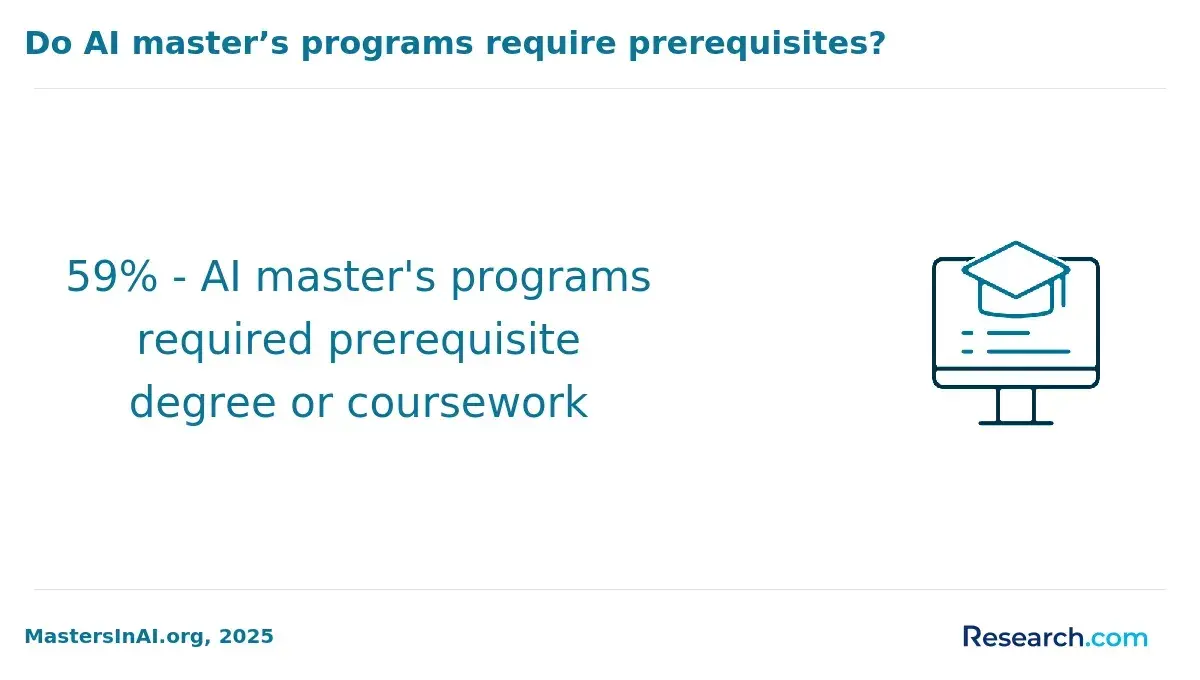
Admission criteria for AI adoption courses in pharma sales often require a bachelor's degree, ideally in life sciences, business, or related fields. Many programs expect at least two years of pharmaceutical sales or healthcare experience to provide necessary industry context. This background helps candidates understand AI's role in sales applications more effectively.
Advanced courses may also ask for foundational skills in data analytics or basic programming, such as familiarity with Python or SQL, to engage fully with AI technologies. Proof of proficiency in statistics or CRM platforms is sometimes needed to reflect real-world pharma environments. Entry assessments or interviews commonly evaluate readiness and motivation.
For working professionals, part-time or modular courses often prioritize practical experience over formal education. Employer sponsorship can act as an eligibility factor, emphasizing organizational support. Research from ZS demonstrates that AI-powered rep-training enhances pharma sales training outcomes, highlighting the benefits of tailored learning experiences.
Successful applicants should review course syllabi closely to meet specific technical and experiential requirements. Those lacking technical backgrounds are advised to complete preparatory data fundamentals courses to bridge knowledge gaps, ensuring better learning and application of AI in pharma sales.
How long do AI adoption courses for pharma sales teams take, and what do they cost?
AI adoption courses designed for pharmaceutical sales teams typically range from 4 to 12 weeks. Shorter programs, lasting 4 to 6 weeks, concentrate on foundational AI concepts and their practical use in sales environments. In contrast, longer courses of 10 to 12 weeks cover advanced analytics, machine learning tools, and hands-on AI platform training customized for pharmaceutical sales professionals.
Pricing varies based on provider reputation, curriculum complexity, and delivery format, such as online or in-person. Entry-level options generally cost between $1,000 and $3,500. Mid-tier courses, which often include specialized pharma sales content and certification, range from $4,000 to $7,500. High-end executive or corporate trainings exceeding $10,000 typically offer personalized coaching and integration of AI toolkits.
Investing in AI training for sales staff has proven benefits. For example, Microsoft's pharma AI use-case resources highlight improved sales effectiveness and enhanced performance among representatives following AI-focused programs. These results demonstrate that time and financial investments in AI adoption courses provide measurable returns.
Choosing the right course depends largely on scheduling needs. Shorter modules are ideal for teams needing fast upskilling before product launches, while longer courses help build sustained fluency in AI and strategic skills with ongoing support.
What career outcomes, roles, and salary benefits can AI adoption skills bring to pharma sales?
AI skills in pharma sales unlock various career paths, boosting roles and salary potential. Professionals with AI training can advance as AI-enabled sales strategists, data-driven account managers, or pharmaceutical analytics specialists. These positions demand expertise in analyzing AI insights to improve healthcare provider (HCP) engagement and sales strategies. AI-trained pharma reps often lead personalized marketing and targeted outreach, which drives measurable sales growth.
Salary advantages are significant. Entry-level sales professionals with AI competencies typically earn 10-15% more than peers without such skills. Mid-level roles that use AI for sales rep evaluation and customer interaction analysis command annual salaries between $80,000 and $110,000. Senior positions like AI integration managers or strategy consultants can exceed $130,000, reflecting the high demand for advanced AI expertise.
Pharma AI training platforms focus on certification and performance assessments related to HCP interactions. This enhances sales reps' credibility and promotion opportunities by validating their AI-driven competencies. According to Quantified AI, these certifications sharpen precision in assessing and improving sales effectiveness.
AI knowledge addresses challenges such as identifying key influencers, optimizing call frequency, and personalizing communication via predictive analytics. Professionals can leverage these skills to overcome market penetration hurdles and improve compliance reporting, increasing their strategic value in the pharmaceutical industry.
How can pharma leaders choose the best AI adoption course for their sales teams?
Pharma leaders aiming to enhance AI adoption among sales teams should select courses tailored to their team's specific needs and learning preferences. Short microlearning modules lasting 3-5 minutes significantly improve course completion and knowledge retention by delivering focused lessons that integrate smoothly into busy schedules.
Courses that include pharma-specific case studies-such as predictive analytics for customer targeting or AI-driven product insights-help translate theoretical knowledge into practical sales improvements. Robust progress tracking tools enable managers to monitor adoption rates and identify skill gaps, allowing targeted support.
Flexibility is vital. Accessible courses on mobile devices or learning management systems accommodate diverse work environments. Interactive features like quizzes and simulations boost engagement and deepen understanding. Instructor expertise in pharmaceutical AI ensures content stays current with industry standards and technologies. Key considerations when evaluating options include:
- Integration of microlearning proven to boost retention
- Inclusion of pharma-specific sales applications
- Availability of learner progress analytics
- Access anytime and anywhere for flexible learning
- Instruction by experts with pharmaceutical AI experience
This targeted approach supports effective AI adoption training, maximizing both learning outcomes and sales impact.
Other Things You Should Know About Artificial Intelligence
One major challenge in implementing artificial intelligence in pharma sales is data quality and integration, since AI systems require large volumes of accurate, well-structured data. Additionally, regulatory compliance concerns and maintaining patient privacy can slow down adoption. Resistance to change from sales teams and lack of AI literacy are also significant hurdles in deployment.
Artificial intelligence enhances decision-making by providing data-driven insights and predictive analytics that help sales teams target the right healthcare providers more effectively. AI-powered tools can analyze market trends, customer behaviors, and competitor activities to optimize sales strategies. This results in more informed, timely decisions that improve sales efficiency and outcomes.
In 2027, some of the top AI adoption courses for pharma sales teams include "AI in Pharma Sales Strategies" by Coursera, "Sales AI Masterclass" on Udemy, and "AI-Driven Pharma Sales" by LinkedIn Learning. These courses focus on integrating AI tools to enhance sales techniques and outcomes effectively.
While artificial intelligence can automate routine tasks and provide valuable insights, it is unlikely to fully replace human pharma sales representatives. AI supports sales teams by enhancing productivity and providing data intelligence but does not replicate the relationship-building, empathy, and trust that human reps offer in healthcare settings. The most effective approach combines AI tools with skilled human interaction.
References
- How AI-Powered Tools Enhance Pharmaceutical Sales Rep Training https://pifini.ai/feeds/blog/ai-based-sales-training-pharmaceutical-reps
- Pharmaceutical Sales Training Platform | Muchbetter AI https://muchbetter.ai/pharmaceutical-sales-training
- Best AI Sales Training Software 2026: 17 Tools Compared - SecondBody â AI Sales Training Platform https://secondbody.ai/good-content/ai-sales-training-software
- The Impact of AI on Job Roles, Workforce, and Employment: What You Need to Know | Innopharma Education https://www.innopharmaeducation.com/blog/the-impact-of-ai-on-job-roles-workforce-and-employment-what-you-need-to-know
- AI Sales Training Platform for Pharma | Quantified https://www.quantified.ai/industries/pharmaceuticals
- How to choose an AI roleplay platform for pharma sales teams. https://smartwinnr.com/blog/ai-roleplay-platforms-for-pharma-sales
- Fostering an adoption of AI in the pharmaceutical industry - Inizio https://inizio.com/insights/fostering-adoption-of-ai-in-pharmaceutical-industry/
- How AI powered tool enhances pharma sales rep training | ZS https://www.zs.com/about/case-studies/enhancing-pharma-sales-rep-training-with-ai
- Pharma's AI Skills Gap: A 2025 Data-Driven Analysis | IntuitionLabs https://intuitionlabs.ai/articles/pharma-ai-skills-gap
- AI Training For Pharma Sales For Streamlining Training https://awarathon.com/ai-training-for-pharma-sales/