2027 Best AI Courses for DevOps Teams Using Generative AI

Co-Founder and Chief Data Scientist
DevOps teams face increasing pressure to integrate generative AI tools effectively while maintaining system reliability and security. Many professionals struggle to find courses that balance practical skills with strategic understanding tailored to DevOps workflows.
This gap can delay adoption and reduce competitive advantage. Addressing these challenges requires targeted education that bridges technical expertise and emerging AI capabilities.
This article reviews the best AI courses designed for DevOps teams focusing on generative AI, highlighting options that provide flexible, accredited learning paths to accelerate upskilling and drive innovation within organizational environments.
Key Things You Should Know
- DevOps teams using generative AI must master courses that combine AI fundamentals with cloud infrastructure, enhancing automation and deployment efficiency by up to 40% according to 2025 industry surveys.
- Top AI courses in 2026 emphasize hands-on projects with tools like Kubernetes and TensorFlow to build scalable, secure DevOps pipelines integrating generative AI models.
- Enrollment in specialized AI-DevOps programs grew 35% in 2025, reflecting rising demand for professionals skilled in generative AI to accelerate software delivery lifecycles.
Advance Your Career with AI Online Courses
Artificial Intelligence: Implications for Business Strategy
This program provides an introduction to Artificial Intelligence and their implications for business strategy. Earn an official digital certificate.

Oxford Artificial Intelligence Programme
Explore this Oxford Artificial Intelligence programme offered in a flexible learning environment and explore topics like machine learning, automation, and robotics.

Implementing Agentic AI: Building Your Organizational Playbook
This online MIT Agentic AI course offers a practical approach to deploying AI agents in your organization, including a custom playbook. 3 weeks, exclusive launch price.

AI Adoption: Driving Business Value and Impact
This online MIT AI Adoption: Driving Business Value and Impact offers practical frameworks to close the gap between AI potential and business reality.

Artificial Intelligence in Pharma and Biotech
Discover the applications and limitations of artificial intelligence in pharma and biotech with this MIT online short course.

What are the best AI courses for DevOps teams using generative AI?
Top AI courses for DevOps teams using generative AI focus on practical skills that automate software delivery and boost operational reliability. Platforms like Coursera and Udacity offer leading programs, such as Andrew Ng's "AI for Everyone" on Coursera and Udacity's "AI for DevOps" Nanodegree, which provide hands-on experience deploying AI models to optimize CI/CD workflows.
Key attributes of these courses include training in AI-driven automation, anomaly detection, and predictive analytics, which help reduce manual interventions and preempt failures.
Courses with labs on using generative AI tools like GPT models to generate infrastructure-as-code scripts or automated testing scenarios deliver immediate real-world benefits. These elements are essential for top generative AI training programs for DevOps professionals.
According to IDC, organizations using AI-augmented DevOps tools will accelerate software delivery by 50% and decrease operational incidents by 30% by 2027. Training with platforms such as IBM's AI Ops and Microsoft Azure AI for DevOps supports adoption of cutting-edge tools and balanced skill development, integrating software lifecycle understanding with AI model deployment.
DevOps professionals should seek programs offering real projects, AI model integration in monitoring, and sessions on continuous learning pipelines to manage challenges like model drift and deployment security. Aspiring students can also explore the best universities for data science undergraduate programs to complement their AI learning paths.
Advance Your Career with AI Online Courses
Artificial Intelligence: Implications for Business Strategy
This program provides an introduction to Artificial Intelligence and their implications for business strategy. Earn an official digital certificate.
Oxford Artificial Intelligence Programme
Explore this Oxford Artificial Intelligence programme offered in a flexible learning environment and explore topics like machine learning, automation, and robotics.
Implementing Agentic AI: Building Your Organizational Playbook
This online MIT Agentic AI course offers a practical approach to deploying AI agents in your organization, including a custom playbook. 3 weeks, exclusive launch price.
What skills do DevOps teams need for generative AI training?
DevOps teams need a mix of technical, analytical, and AI-specific skills to successfully implement generative AI in their workflows. Proficiency in coding languages such as Python, Go, or JavaScript is essential, as these support the development of AI models and automation scripts. Familiarity with AI frameworks and libraries like TensorFlow, PyTorch, and Hugging Face transformers enables effective fine-tuning and deployment of generative models.
Containerization tools like Docker and orchestration platforms such as Kubernetes are key for scaling AI applications in cloud environments, reflecting core skills for generative AI integration in DevOps teams.
Data engineering expertise is another critical competency for DevOps and generative AI collaboration. This involves preprocessing large datasets, automating data pipelines, and managing training data versioning.
Utilizing cloud services such as AWS S3, Google Cloud Storage, or Azure Blob Storage is necessary to support AI training and data management needs. Understanding machine learning operations (MLOps) is imperative for lifecycle management of AI models.
This covers continuous integration and deployment (CI/CD) tailored for AI, monitoring model performance, and retraining using feedback loops. Security measures to counter AI risks like model poisoning and data privacy issues are equally important.
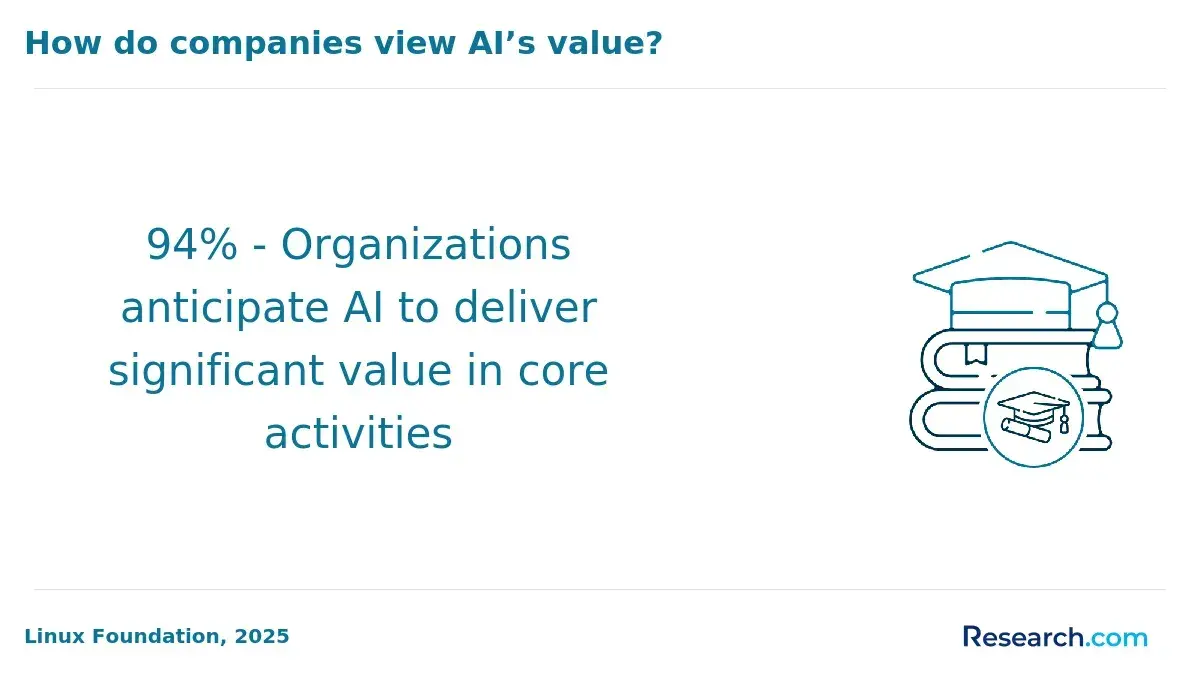
By 2027, forecasts reveal 70% of professional developers will use AI-powered coding assistants, emphasizing the importance of AI literacy.
For those seeking to advance skills, exploring the best online master's in artificial intelligence can provide valuable training. Prioritizing multidisciplinary skills in software development, data engineering, and AI model management positions DevOps professionals to meet evolving AI-enhanced environment demands.
Which online AI training formats work best for DevOps teams?
Self-paced online courses with modular content are highly effective for DevOps teams adopting generative AI because they enable skill development without interrupting critical workflows. These formats support asynchronous progress, allowing engineers to learn during downtime or between deployment cycles.
Practical exposure through interactive labs and sandbox environments helps teams gain hands-on experience with AI tools tailored to continuous integration, testing, and release automation. Notably, 62% of teams using AI-assisted testing experience faster release cycles, according to GitLab's Global DevSecOps Report.
Instructor-led virtual classrooms enhance these formats by offering live Q&A sessions that address complex questions and encourage deeper discussions about implementation challenges. Cohort-based learning fosters collaboration, mirroring real-world DevOps dynamics.
Microlearning modules deliver targeted skill boosts for AI-driven tasks in CI/CD pipelines, such as automating test case generation or anomaly detection, which streamline adoption and improve immediate productivity.
Effective generative AI courses tailored for DevOps professionals also provide integration guides for combining AI with existing tools like Jenkins and Kubernetes, easing practical deployment and reducing resistance. Certification paths aligned with industry standards validate proficiency and help professionals demonstrate expertise to employers.
Emphasizing applied learning and measurable outcomes within flexible online formats meets diverse team needs and supports the 41% reduction in production incidents reported by AI-utilizing DevOps groups.
For those interested in expanding their education, exploring online data science programs can provide valuable foundations that complement specialized AI training for DevOps.
What topics are covered in DevOps generative AI courses?
DevOps generative AI courses cover key topics essential for integrating generative artificial intelligence in CI/CD pipelines, enabling the automation of continuous integration and delivery workflows. These courses teach AI-driven techniques that enhance code generation, bug detection, and automated testing, helping teams boost code quality and reduce manual effort.
Advanced training often includes AI-powered monitoring and incident response, leveraging predictive analytics for anomaly detection and faster root cause analysis. CloudOps optimization is another critical area, where AI models forecast resource usage and reduce cloud costs.
According to Flexera's State of the Cloud Report, organizations using AI-driven cloud optimization tools cut cloud waste by an average of 28%, with top performers achieving savings over 40%.
Integration of AI with container orchestration systems like Kubernetes is also a focus, automating workload scheduling, scaling, and enhancing security within clusters. Courses address real-world challenges such as maintaining human oversight, managing data privacy, and mitigating bias in AI-generated code.
Examples range from generative models creating infrastructure-as-code templates to deploying AI agents for proactive incident management. Professionals interested in expanding their skills may also explore online cyber security courses to complement their knowledge in automation using generative artificial intelligence.
What are the admission requirements for AI courses in DevOps?
Admission requirements for AI courses designed for DevOps teams typically include a solid foundation in software development and IT operations. Candidates should be proficient in programming languages such as Python, Java, or Go, along with experience in automation tools like Ansible or Jenkins.
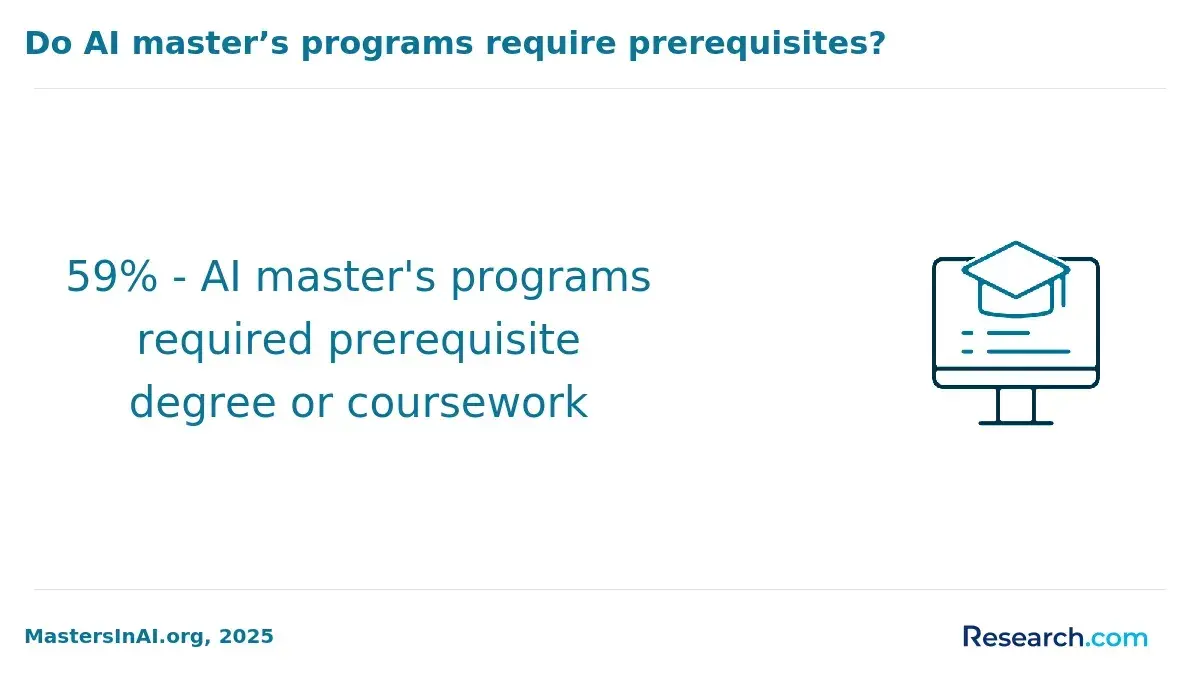
Familiarity with cloud platforms including AWS, Azure, or GCP, and container technologies such as Docker and Kubernetes, is often necessary. Advanced programs usually prefer a bachelor's degree in computer science, information technology, or related fields, though some certificate or introductory courses accept relevant work experience instead.
Security-focused AI courses tailored for DevSecOps place emphasis on cybersecurity knowledge combined with DevOps skills. Prerequisites often include practical experience in security automation, vulnerability assessment, and compliance standards like CIS or NIST.
According to IBM Security's Cost of a Data Breach Report 2024, organizations using AI-driven security automation reduced breach lifecycle times by 108 days and saved an average of $2.23 million per incident.
Applicants should expect hands-on projects requiring access to personal or corporate cloud environments. Some programs may ask for aptitude test results or portfolios showcasing prior DevOps or AI-related work. It is important to check specific course sites for precise technical prerequisites to ensure readiness.
How long do AI courses for DevOps teams usually take?
AI courses tailored for DevOps teams vary from short workshops to extended programs, depending on skill depth and objectives. Intensive sessions last 2 to 5 days, focusing on basics like integrating generative AI into CI/CD pipelines and automating monitoring tasks. More comprehensive courses often span 4 to 8 weeks, featuring hands-on labs in observability, incident response automation, and AI-driven site reliability engineering.
Practical exercises accelerate adoption; for instance, AI for observability courses usually take 3 to 4 weeks and aim to reduce mean time to resolve (MTTR) incidents using AI analytics and anomaly detection. Research shows 88% of organizations using AI-driven observability lowered MTTR, with 45% seeing improvements over 50%, highlighting effective training outcomes.
For specialized needs like automated alert triage or security incident response, modular part-time courses over several months allow teams to apply real-world projects alongside learning, boosting retention and skill application.
When choosing a course, balance duration and workload. Short courses work well for rapid upskilling, while longer ones allow deeper mastery of AI integration in DevOps workflows. Verify curricula include metrics to measure operational improvements such as MTTR reduction to ensure alignment with your team's goals.
How much do DevOps AI courses cost?
The cost of DevOps AI courses varies greatly depending on the provider, course depth, and format. Entry-level, self-paced online courses typically range from $200 to $600, catering to professionals seeking foundational skills without extensive instructor interaction.
More comprehensive options featuring live instruction, hands-on projects, and personalized feedback usually cost between $1,200 and $3,000. Corporate or specialized certification courses designed for DevOps teams may exceed $5,000, reflecting their advanced content and enterprise alignment.
Examples include beginner-friendly courses on platforms like Udemy or Coursera at the lower end and bootcamp-style programs by established tech education providers at the higher end.
Some programs bundle artificial intelligence with DevOps automation and cloud management, increasing both value and cost. Employers often subsidize these initiatives to boost team productivity and upskill staff.
McKinsey & Company's study highlights that generative AI coding assistants can improve developer productivity by 30-50% on routine tasks and cut code documentation time in half. This data supports investing in quality artificial intelligence training as a long-term cost-saving strategy.
When budgeting, consider extra costs such as software licenses for AI tools, cloud resource usage, and ongoing learning subscriptions. Combining self-paced modules with targeted workshops can balance training expenses while addressing specific team skill gaps effectively.
Which certifications matter for generative AI in DevOps?
Certifications that blend AI proficiency with platform engineering and software delivery are essential for professionals working with generative AI in DevOps. These credentials often focus on AI model deployment, automation, and managing AI-driven developer platforms.
For instance, cloud certifications such as AWS Certified Machine Learning-Specialty and Google Cloud Professional Machine Learning Engineer validate expertise in deploying AI models within scalable environments that are vital for DevOps practices.
Platform engineering skills are critical as automation of development processes grows. Gartner forecasts that by 2028, 80% of software engineering organizations will have platform engineering teams integrating AI-driven self-service tools, reducing developers' cognitive load by 50% and accelerating delivery timelines by 20-30%.
Certifications like CNCF Certified Kubernetes Administrator (CKA) and HashiCorp Certified: Terraform Associate demonstrate proficiency in infrastructure-as-code, container orchestration, and platform reliability, all foundational for supporting generative AI in production.
There is also increasing emphasis on MLOps certifications to address continuous integration and continuous deployment (CI/CD) pipelines tailored for AI workflows. The DataOps and MLOps Institute certifications provide professionals with best practices for AI model monitoring, versioning, and governance, crucial for operational challenges in generative AI environments.
Hands-on experience with tools such as MLflow, Kubeflow, or Seldon complements these certifications. Prospective candidates should aim to combine AI, cloud, platform engineering, and MLOps certifications to stay competitive and effectively leverage AI-driven platforms in DevOps.
What jobs can DevOps professionals get after AI training?
After AI training, DevOps professionals gain access to advanced roles that incorporate generative AI to optimize software delivery and automate key processes.
Emerging positions include AI-Driven DevOps Engineer and AI Automation Specialist, focusing on integrating AI tools to streamline continuous integration and continuous deployment (CI/CD) pipelines. These roles demand skills in AI models that anticipate system failures, automate infrastructure provisioning, and enhance monitoring.
AI-enhanced Site Reliability Engineers (SREs) use machine learning to detect issues proactively, reducing downtime and improving reliability. Other career paths include AI Operations Analysts who analyze AI-generated data to improve deployment speed and product stability.
Additionally, cloud DevOps engineers with AI competencies can manage resources intelligently, optimizing performance and costs across multi-cloud platforms.
Senior roles like AI Strategy Consultants advise organizations on integrating AI within DevOps frameworks, while AI Security Engineers focus on protecting systems from vulnerabilities introduced by automation. Employers highly value expertise in AI model training, prompt engineering, and data pipeline automation to meet evolving industry demands.
A Forrester Consulting 2024 study on generative AI in software development found a 3-year ROI of 260%, with developers saving an average of 6.5 hours weekly due to enhanced productivity. These efficiency gains significantly increase the value of AI-trained DevOps professionals and expand career opportunities in infrastructure management and software innovation.
How do you choose a reputable AI course for DevOps?
Choosing an AI course tailored for DevOps teams requires evaluating key factors to ensure the content is relevant, credible, and practical. Strong industry recognition and instructor expertise indicate course reliability. Providers affiliated with leading cloud services or DevOps tool vendors usually deliver up-to-date knowledge directly applicable in professional settings.
Look for curricula that thoroughly integrate generative AI with DevOps practices, covering continuous integration, deployment automation, AI model monitoring, and collaboration between AI workflows and DevOps pipelines. Hands-on modules or labs are vital to help participants apply these concepts in real-world scenarios.
Emphasize courses that foster a continuous AI learning culture. Organizations heavily investing in ongoing AI and cloud skills training see significantly better DevOps outcomes. For instance, according to the Pluralsight State of Upskilling 2024 report, these teams were 57% more likely to achieve highly effective DevOps practices and exceeded software delivery goals by 42%, demonstrating clear benefits.
Peer reviews, alumni success, and flexible delivery options such as live, self-paced, or hybrid formats also matter. This balance of rigor, relevance, and measurable impact ensures advancement of both individual skills and overall DevOps maturity.
Other Things You Should Know About Artificial Intelligence
Generative AI can automate the creation of scripts, configuration files, and other code artifacts that streamline DevOps pipelines. It helps reduce manual errors and accelerates deployment cycles by generating optimized solutions based on large datasets. This leads to more efficient continuous integration and continuous delivery (CI/CD) processes.
AI enhances security in DevOps by enabling real-time threat detection, anomaly monitoring, and vulnerability assessments. Machine learning models can identify unusual behaviors or potential breaches faster than traditional tools, allowing teams to respond proactively. This integration strengthens overall system resilience and reduces downtime caused by cyberattacks.
Integrating AI into DevOps can present challenges such as data quality issues, the need for specialized expertise, and managing model biases. Teams must also ensure compatibility between AI tools and existing infrastructure, which can require significant adjustments. Proper training and continuous evaluation are essential to overcome these obstacles effectively.
References
- Top 10 AI Courses Engineers Are Learning in 2026 https://kodekloud.com/blog/top-10-ai-courses-engineers-are-learning/
- Top 17 DevOps AI Tools [2025] https://dev.to/aws-builders/top-17-devops-ai-tools-2025-4go5
- AI in DevOps: Skills and Strategies for Developers in 2025 https://deployflow.co/blog/collaborative-strategies-for-developers-and-devops/
- Generative AI DevOps Courses | Ascendient Learning https://www.ascendientlearning.com/it-training/topics/agile-and-devops/devops/generative-ai
- DevOps Engineer with AI: CI/CD Pipelines & Docker Skills · Hyperskill https://hyperskill.org/courses/80-devops-engineer-with-ai
- Generative AI for DevOps https://www.pluralsight.com/paths/generative-ai-for-devops
- Introduction to Using AI-powered DevOps - Artificial Intelligence, DevOps - Skillsoft https://www.skillsoft.com/course/introduction-to-using-ai-powered-devops-9d09600b-3a43-443c-b00c-6b22e58ffa5e
- 7 Best Generative AI Certifications To Pursue in 2025 https://www.projectpro.io/article/generative-ai-certifications/1017